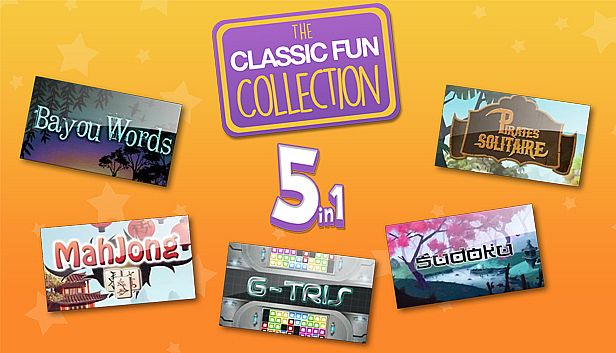















Classic Fun Collection 5 in 1 delivers a straightforward assortment of casual puzzle experiences on PC. This single-player package combines five distinct games that emphasize logic, pattern recognition, and vocabulary skills without any multiplayer elements or complex progression systems.
Gameplay
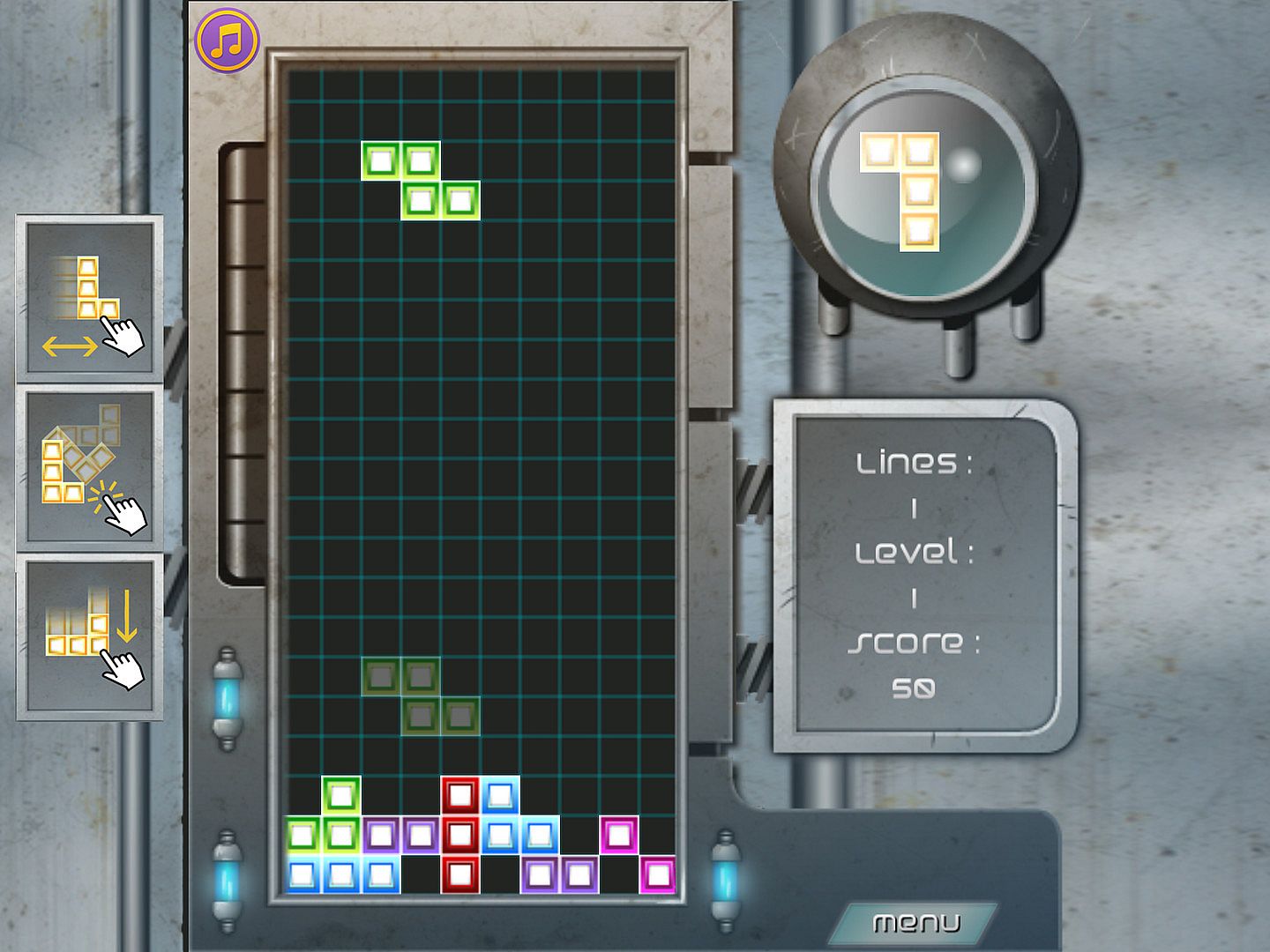
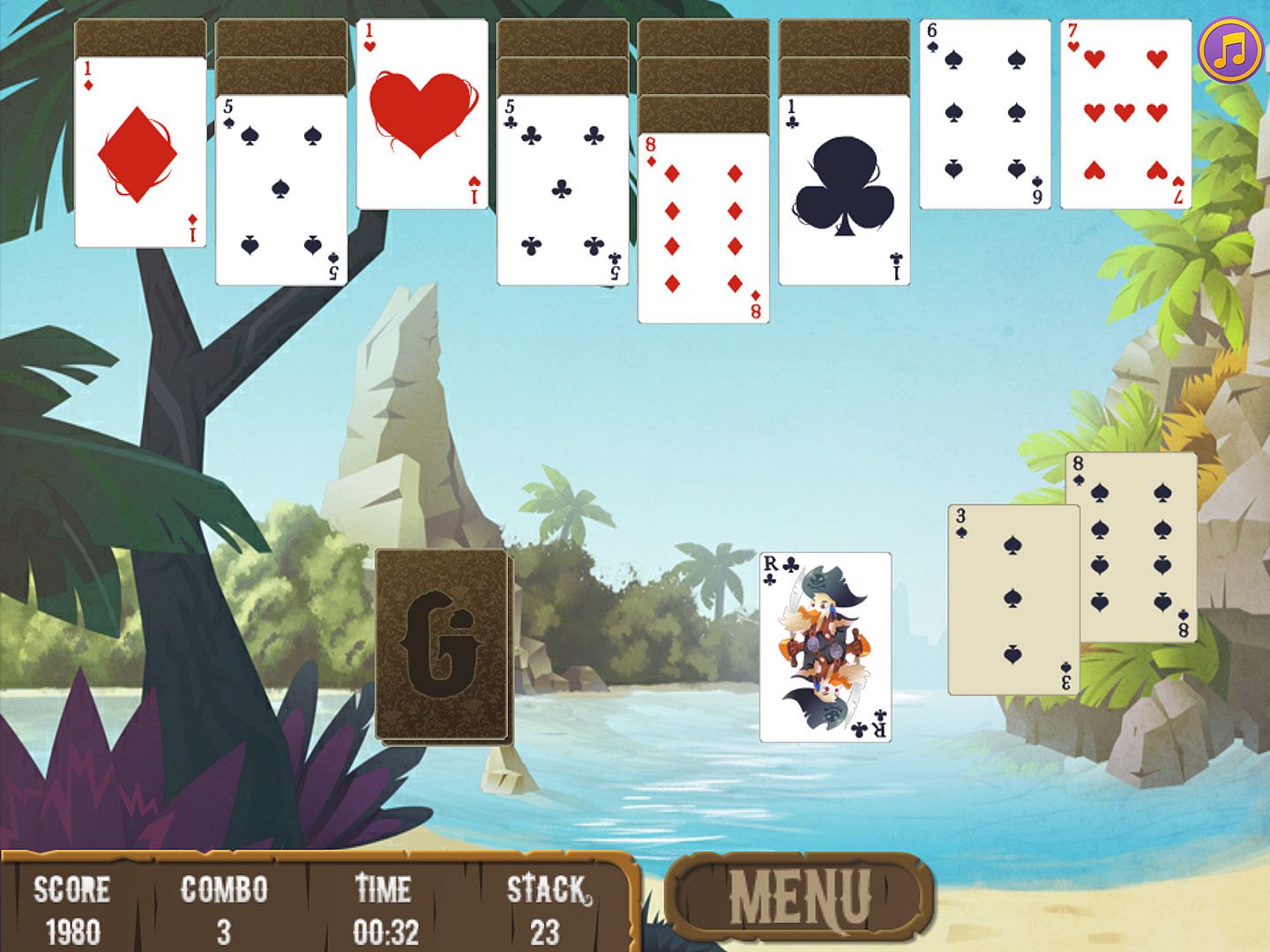
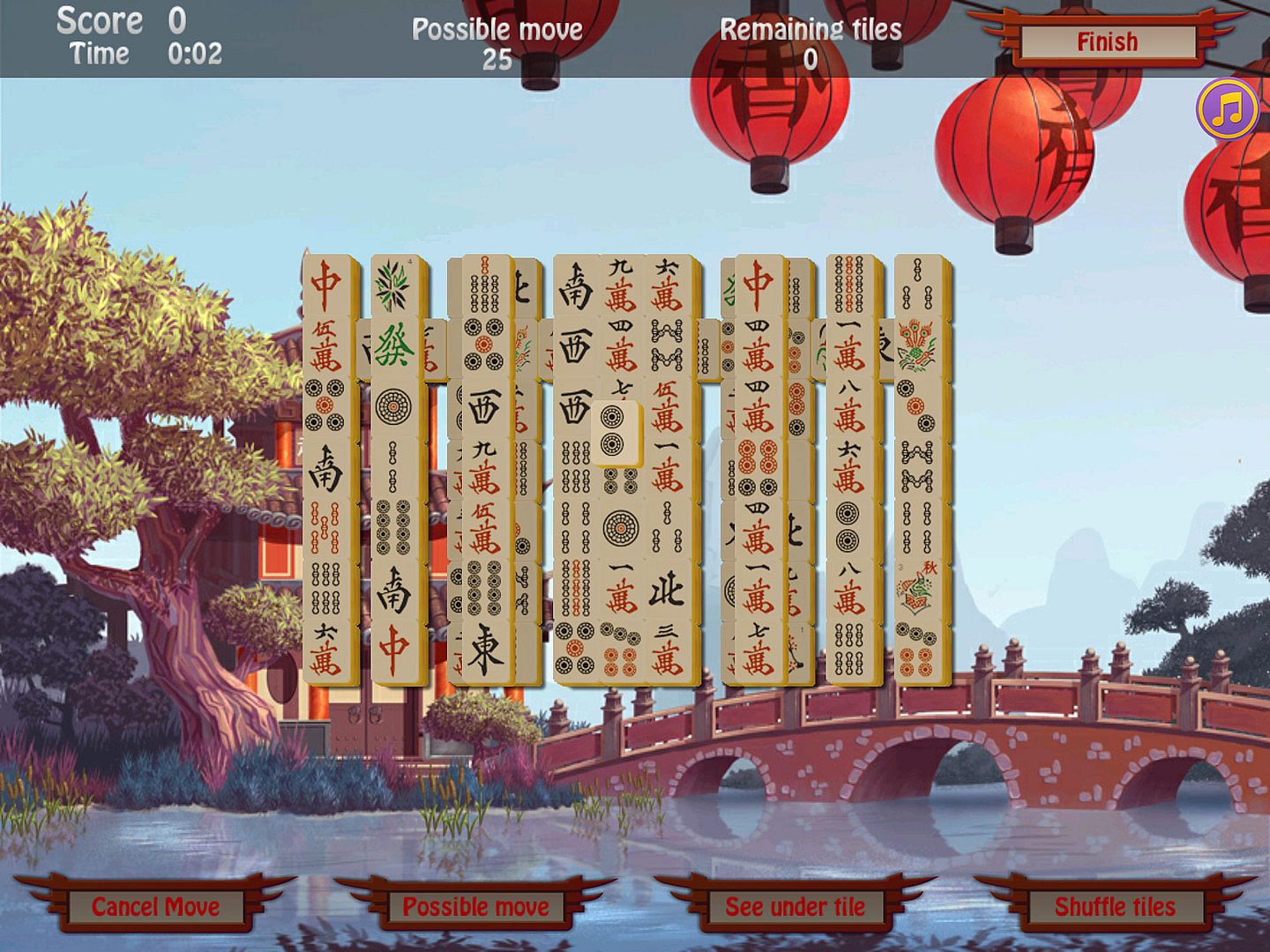
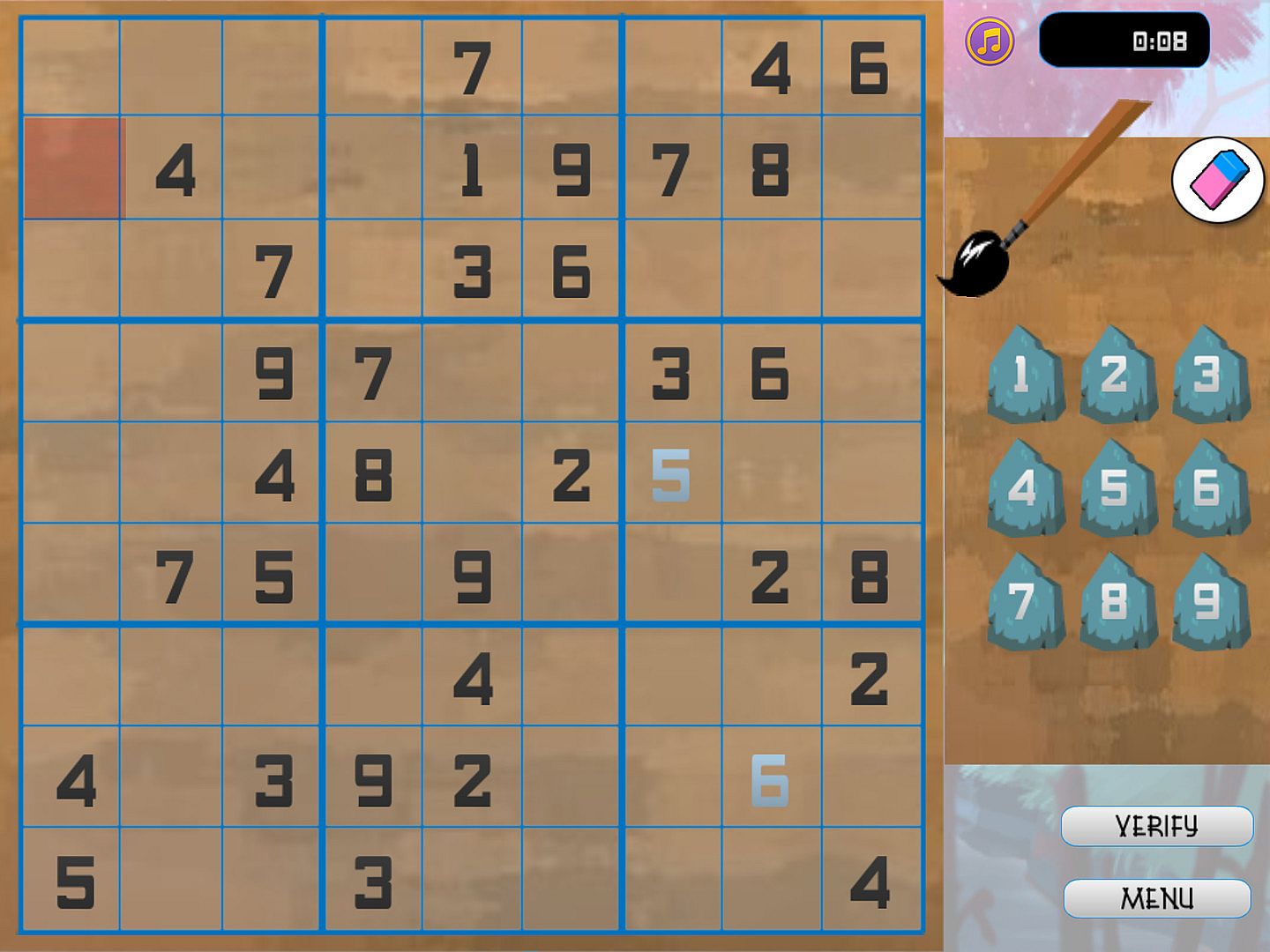
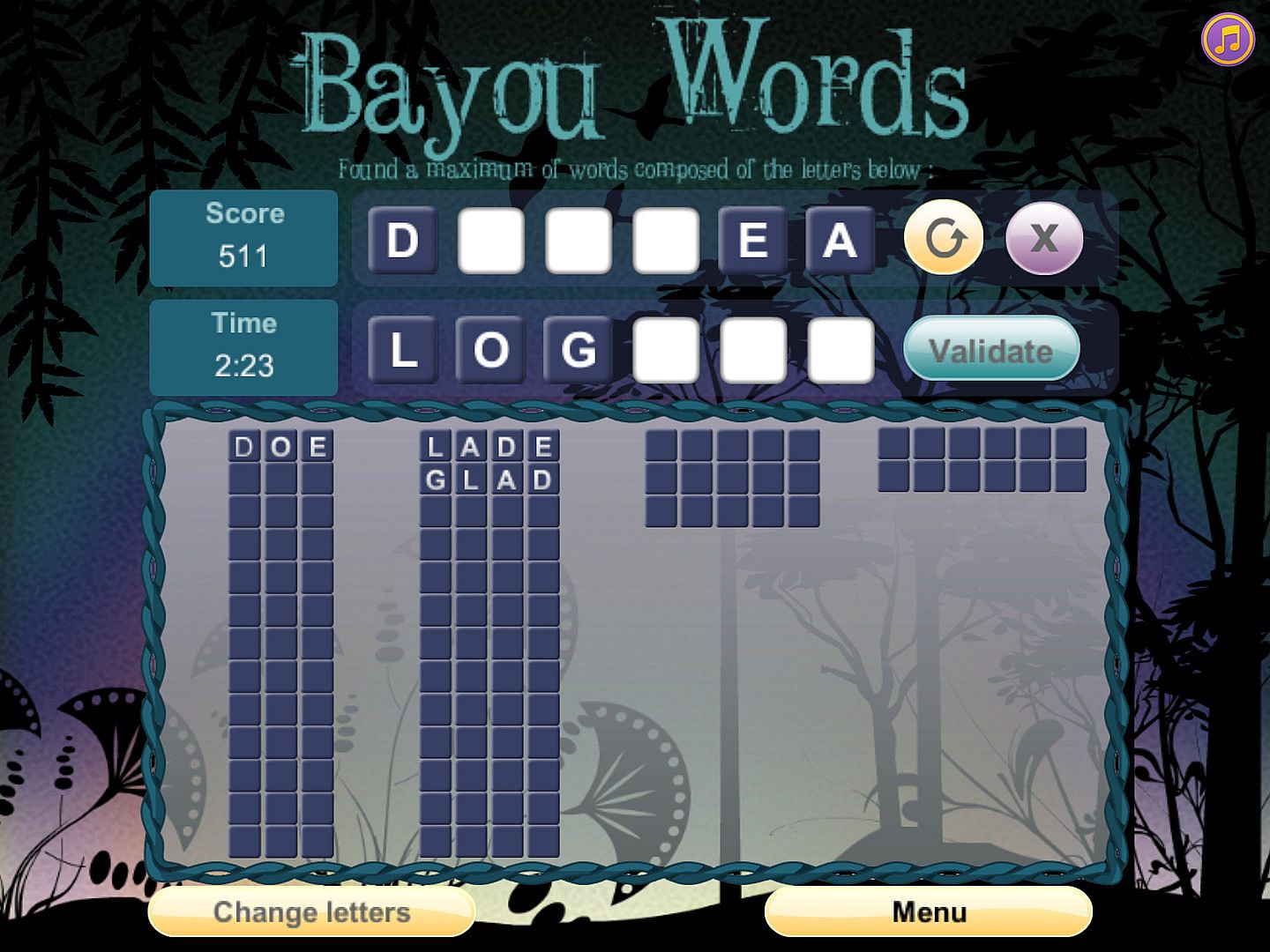
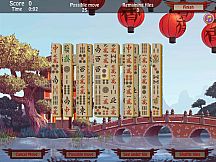
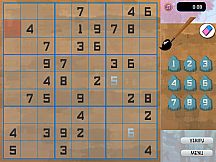
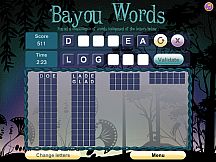
Each title in the collection operates independently with simple controls suited to mouse and keyboard input on Windows systems. G-Tris follows the core loop of arranging falling blocks into complete horizontal lines for clearance, requiring players to rotate and position pieces efficiently as the pace increases. Pirate Solitaire presents card layouts themed around a pirate setting, where users arrange cards in sequence according to standard solitaire rules while navigating the themed visuals. Mahjong involves matching pairs of tiles on a grid, clearing them from the board through careful selection of available pieces. Sudoku challenges users to fill a 9x9 grid with numbers so that each row, column, and 3x3 subgrid contains every digit from 1 to 9 exactly once. Bayou Words tasks players with forming the maximum number of valid words from a small set of provided letters, testing anagram skills in a relaxed format.
The overall experience stays consistent across all entries, focusing on short sessions that reward careful thinking rather than speed or reflexes. No shared progression, levels, or unlockables connect the games, allowing direct access to any title at any time.
Game Modes
The collection structures its content around five standalone modes, each representing one complete game. G-Tris serves as the block-stacking mode with endless play until the board fills. Pirate Solitaire functions as the card arrangement mode with pirate-themed decks and layouts. Mahjong acts as the tile-matching mode using traditional Chinese tile sets on various board configurations. Sudoku provides the number-placement mode with multiple grid difficulties available through standard generation. Bayou Words operates as the vocabulary mode, presenting letter pools for word creation without time limits or competitive scoring beyond personal tallies.
These modes require no additional setup beyond launching the individual game, and each supports basic options such as restarting a session or viewing completed boards.
Core Experience on PC
Players encounter clean interfaces designed for desktop play, with the entire package running on modest hardware including older Windows versions. The absence of online requirements or updates keeps the focus on offline puzzle solving. Sessions typically last from a few minutes to half an hour per game, making the collection suitable for filling brief periods of downtime. Visuals remain functional and thematic without advanced graphics, prioritizing clarity for puzzle elements like falling blocks, card suits, tile patterns, number grids, and letter tiles.
Sound design stays minimal, often limited to basic feedback effects during piece placement or matches. This setup appeals to users seeking uncomplicated mental exercises rather than narrative-driven or action-oriented content.
Is It Worth Playing?
The collection suits individuals who enjoy traditional puzzle formats in a convenient bundle. Those looking for variety in casual logic challenges will find the five options cover different skill areas without overlap in mechanics. It provides reliable single-player entertainment for anyone comfortable with classic puzzle rules, particularly on PC where mouse precision aids precise tile and card interactions. Because the games run independently with no ongoing support or seasonal changes required, the package remains accessible long after purchase for repeated short play sessions. Users who prefer focused, distraction-free puzzle time over expansive campaigns or social features will likely appreciate the direct approach here.