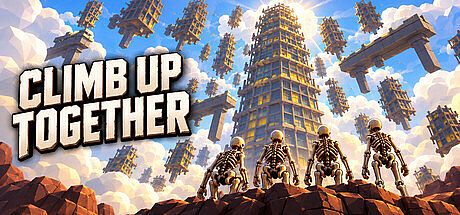


Climb Up Together is an indie co-op climbing adventure game for PC where players start as skeletons in hell and work together to ascend a towering structure while reclaiming their human forms.
Gameplay
The core loop centers on vertical progression through a single massive tower that passes through multiple distinct environments. Players control their own characters in real time, running, sprinting, jumping, grabbing ledges, and pulling themselves upward. Movement feels precise yet forgiving in key ways, with momentum carrying characters across gaps or along surfaces.
Shrines scattered along the climb hold body parts. Collecting a shrine restores one section of the skeleton to flesh, progressing from bare bones toward a full human appearance. The seven parts include head, torso, hips, arms, and legs, with the heart waiting at the summit. When any player claims the heart, the run ends for the entire team and the results screen displays times, highest points reached, parts collected, and falls for everyone.
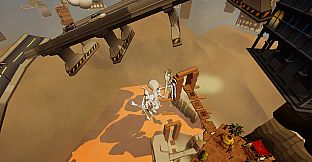
Environmental hazards and aids shape each section. Moving platforms such as stone elevators, helicopters, balloon lifts, gondola wheels, swinging nests, and rising bridges require timing. Wind gusts blow at steady or rhythmic intervals. Jump pads include squashing balloons, springy mushrooms, cloud pads, and organ air jets. Crumbling surfaces like rotten mushroom caps and shattering stained glass add risk. Updrafts of light carry players higher, while icy patches send characters sliding with carried momentum. Falling never kills outright; it simply costs height that must be regained, with the exact penalty depending on the chosen difficulty.
Player customization lets users pick bone color, add head and back accessories, and tweak body proportions. As parts are collected during a climb, the on-screen skeleton model visibly transitions to human flesh, providing clear visual feedback on progress.
Game Modes
The host selects one of three difficulty settings in the lobby before starting. Baby mode teleports fallen players straight back to the highest point the team has reached. Normal mode uses shrines as checkpoints, returning players to the last shrine touched. Hard mode removes all checkpoints, forcing a full climb from wherever a player lands after a fall.
Player collision is a separate lobby toggle. When enabled, characters can push one another on narrow ledges; when disabled, they pass through each other harmlessly. These options let groups adjust the experience from purely cooperative to lightly competitive without changing the fundamental climb.
Support for one to four players runs through online co-op. Everyone controls an independent character, and a shared height meter tracks the team's overall progress. Push-to-talk voice chat and text chat are available, along with public, friends-only, or password-protected lobbies, friend invites, and join codes. If the host disconnects, the session transfers to another player and current progress is preserved.
Worlds and Progression
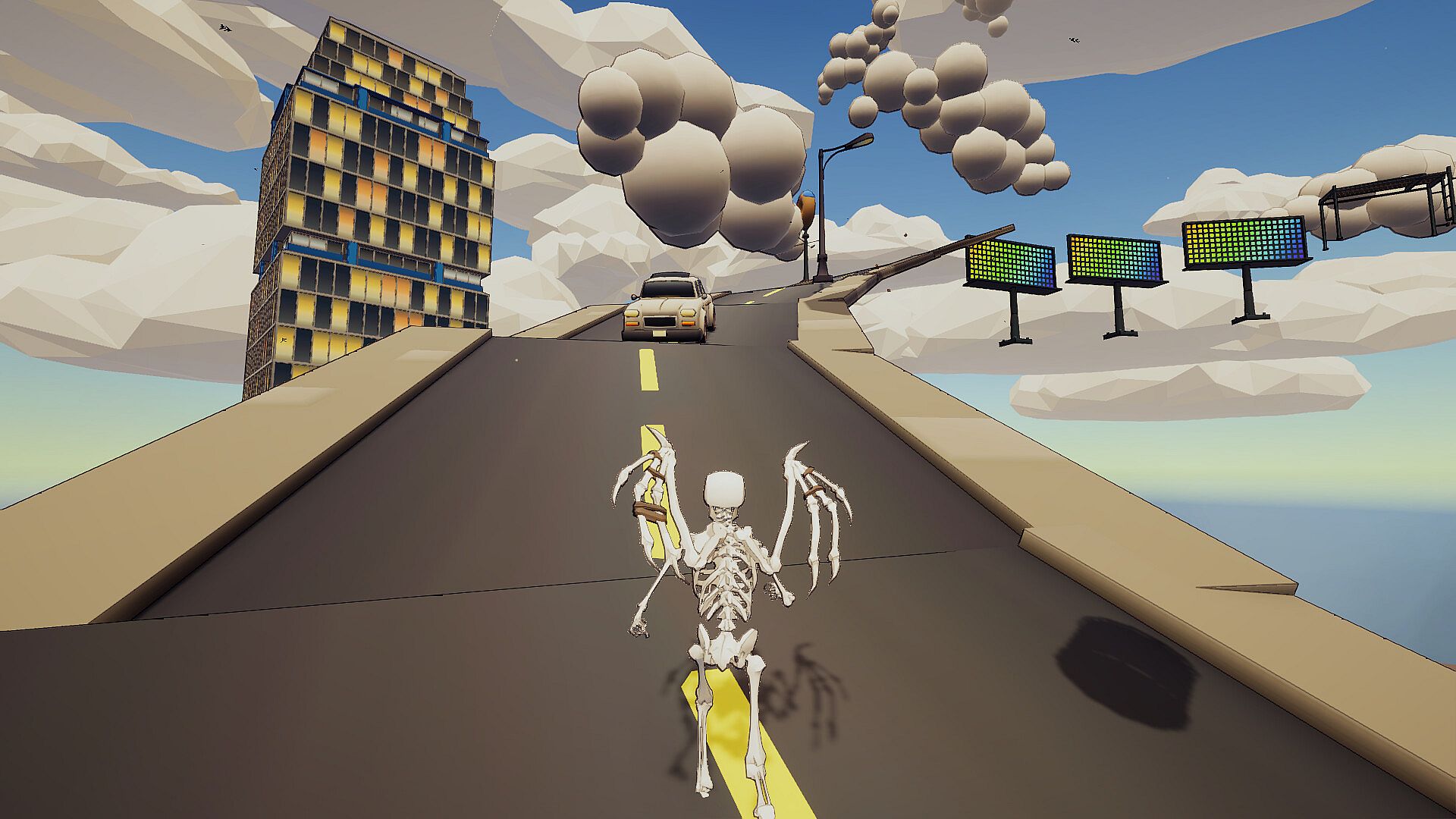
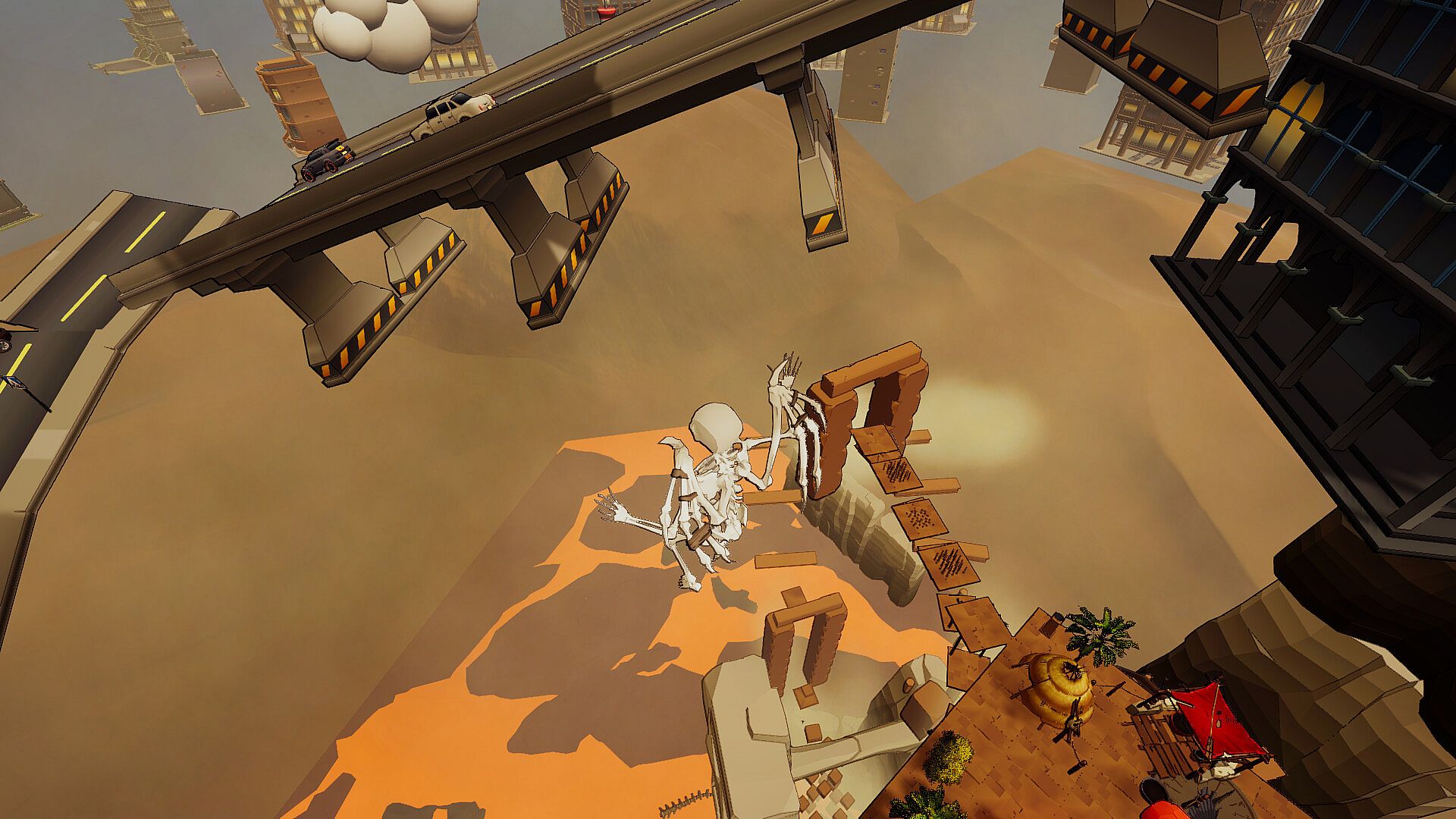
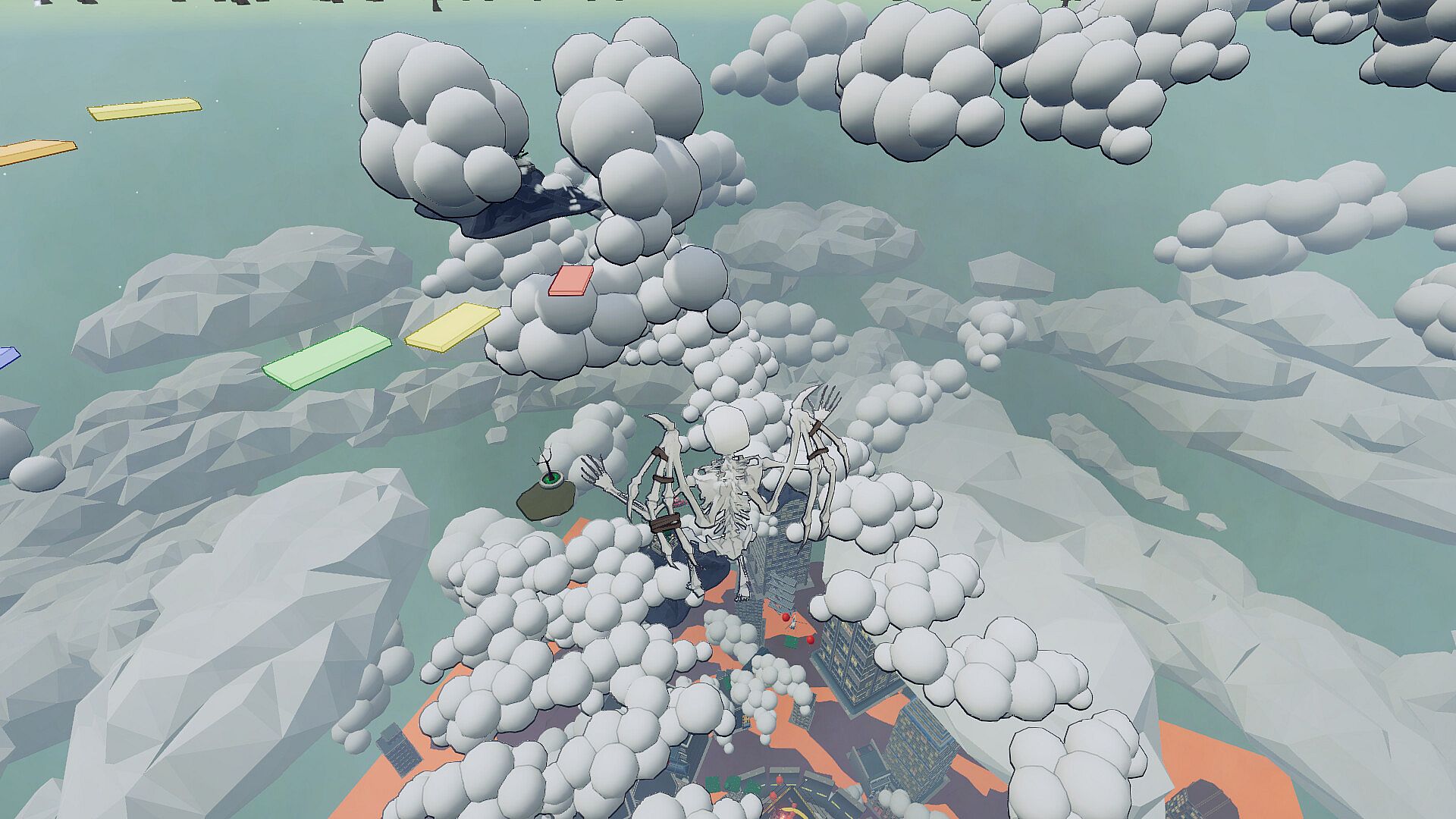
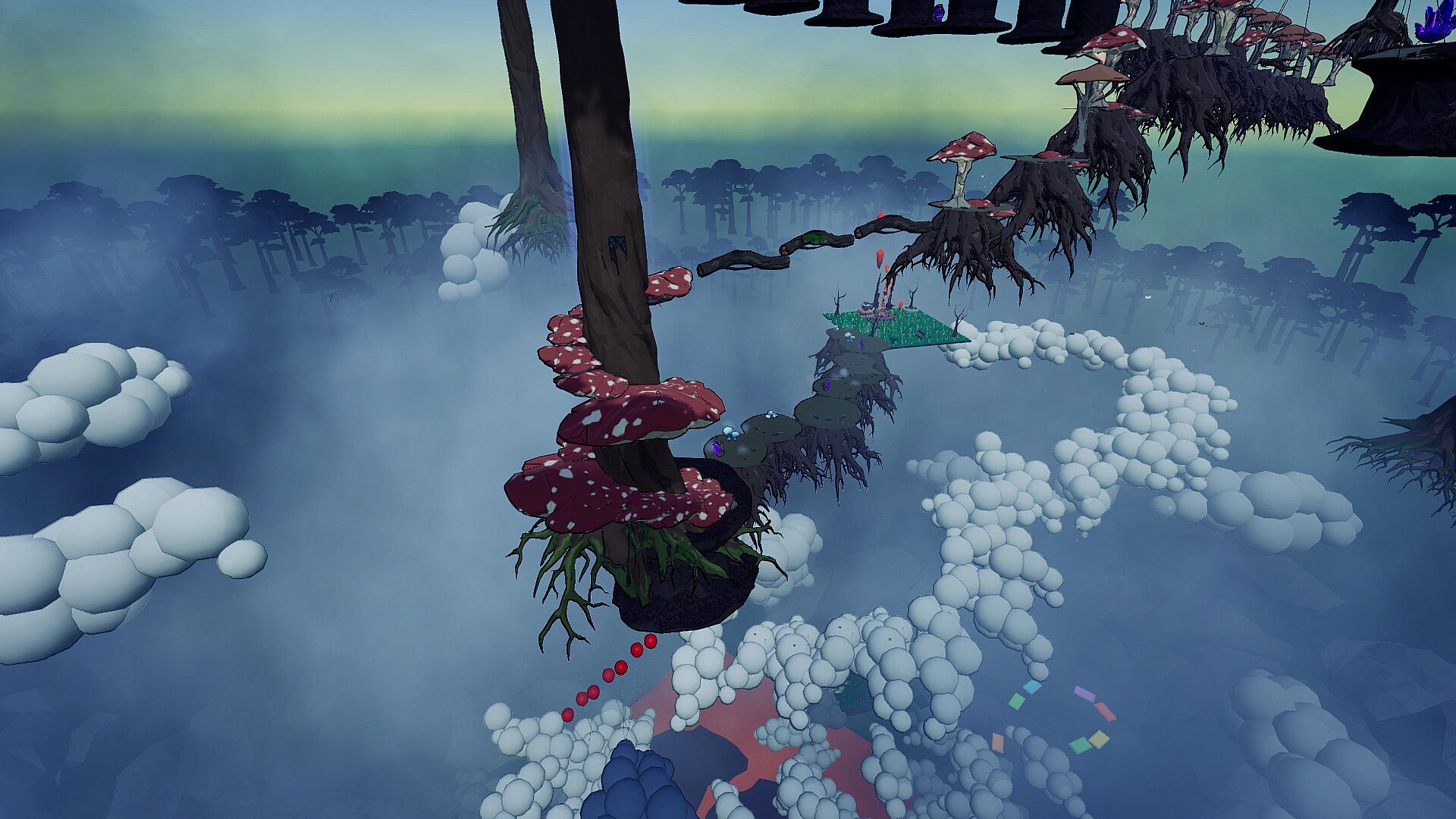
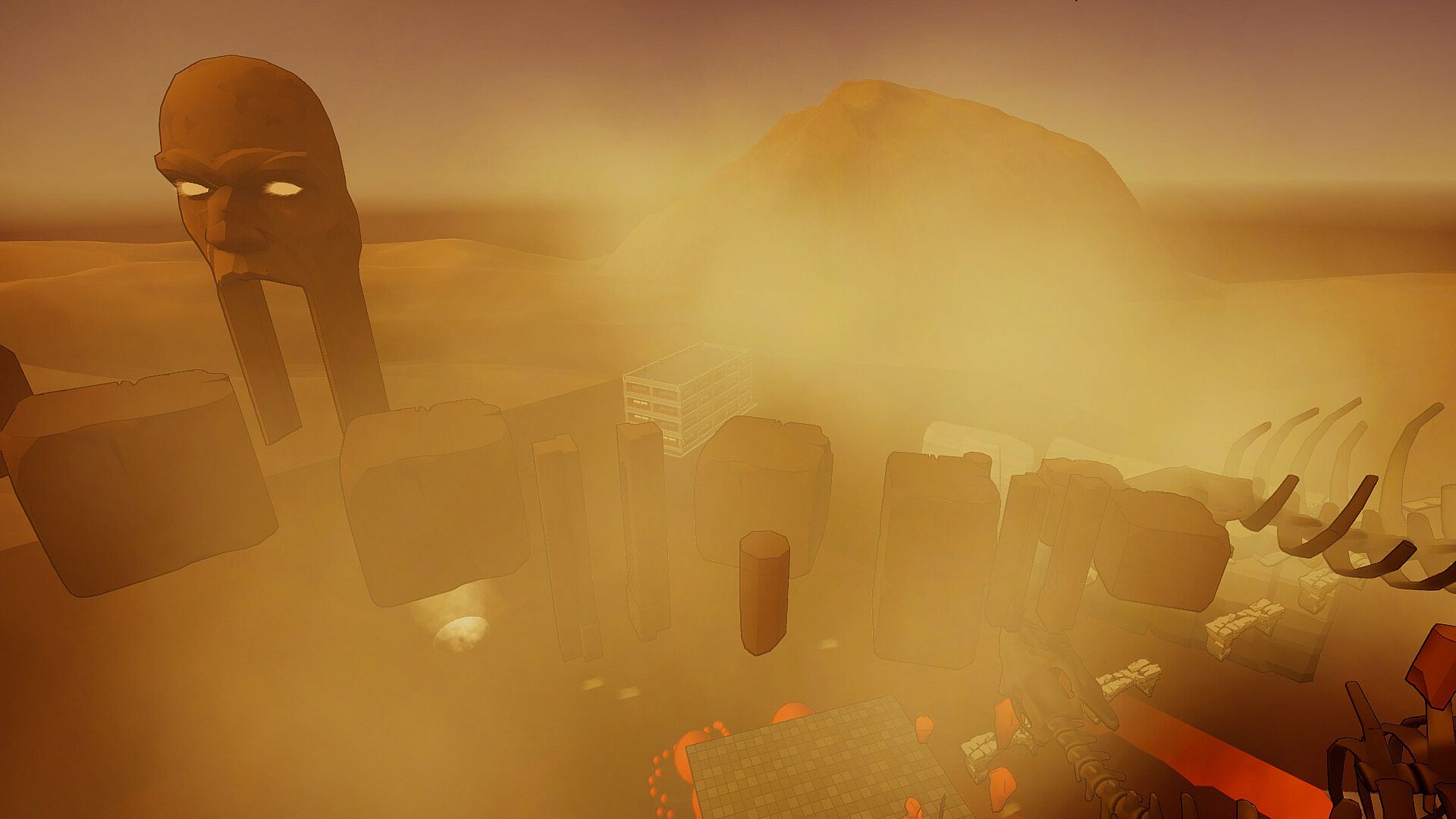
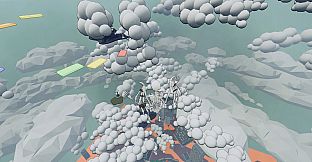
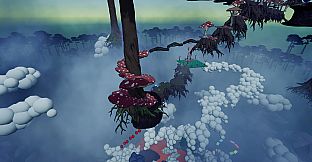
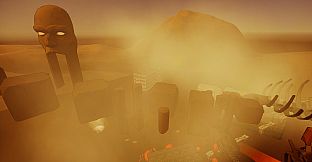
The tower changes dramatically as height increases. The lowest section features a hell gate of giant bones and lava. Higher up, players move through a candle cellar illuminated by giant dripping candles, an industrial twilight zone with train tracks, pipes, cranes, and balloons, sandstorm canyons crossed by rope bridges and temples, a city with flowing traffic on roads and viaducts, cloud islands featuring helicopters, bouncy clouds, and balloon lifts, an enchanted forest spiraling around giant mushroom shelves, and finally a sky cathedral of shattering stained glass, organ air jets, and beams of light leading to the heart at the very top.
Debris begins raining from above as the sky shifts from red to blue, reinforcing the sense of leaving hell behind. Each world introduces new combinations of the movement mechanics described earlier, keeping the climb varied without requiring separate levels or modes beyond the difficulty settings.
Is It Worth Playing?
Climb Up Together suits players who enjoy precise platforming and cooperative problem-solving in a vertical format. The checkpoint options make it accessible for casual groups while the hard setting delivers a stricter challenge for those who want every mistake to carry real consequences. Customization and the visible transformation from skeleton to human add a light progression layer that rewards continued climbs. The game supports both solo runs in private lobbies and small-team sessions, with flexible social tools that keep coordination straightforward. Those who appreciate the tension of shared height loss and the satisfaction of reclaiming progress together will find the core loop engaging across multiple attempts.