







Cloud Arch Simulator is a strategy, indie, and simulation game for PC that puts players in the role of a cloud architect tasked with fixing and scaling real-world infrastructure under pressure. The experience centers on diagnosing broken systems, making precise design choices, and surviving intense traffic events without relying on fictional technology or simplified mechanics.
Gameplay
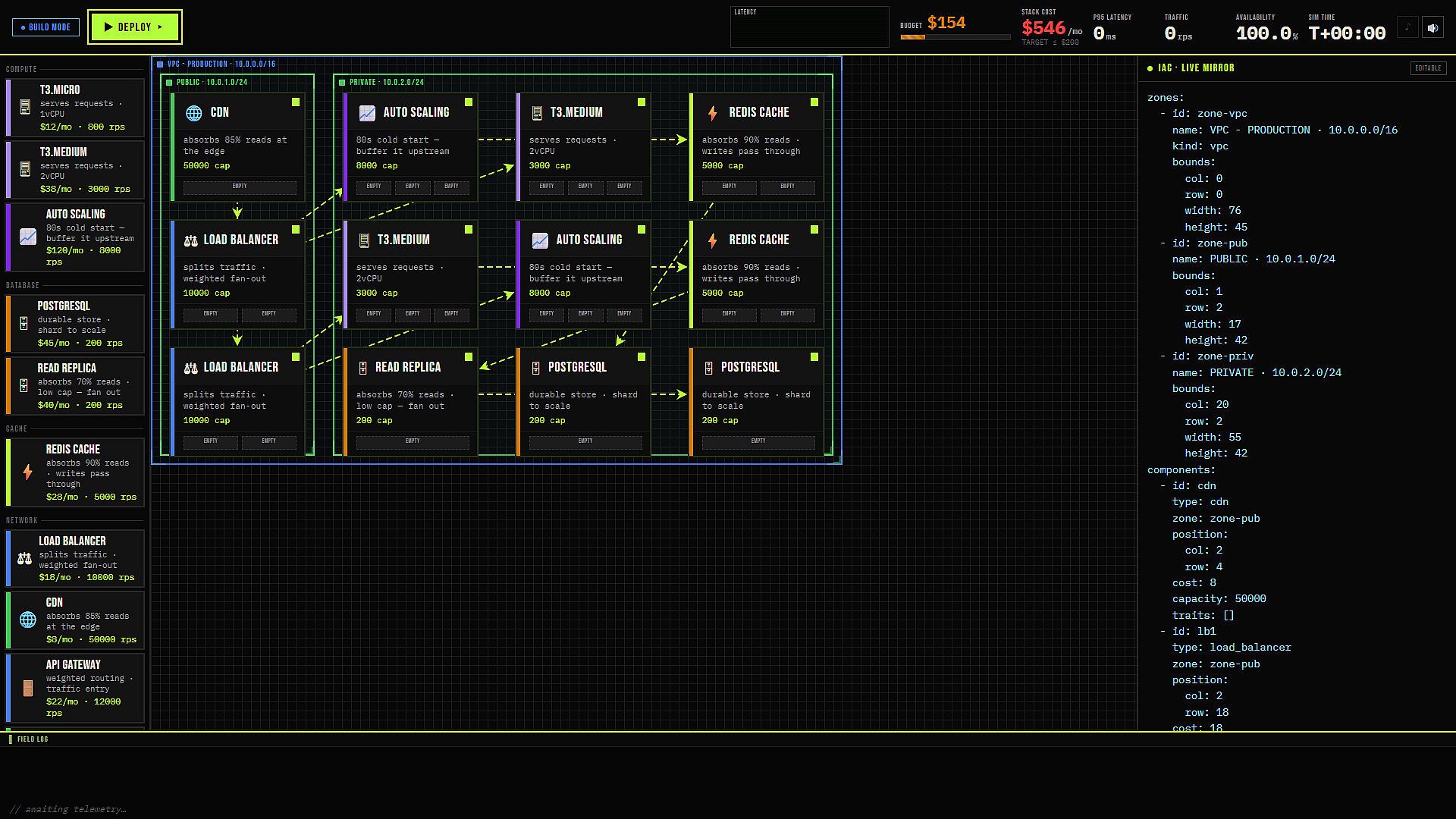
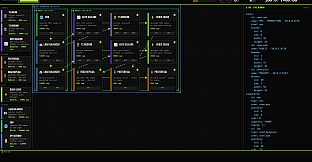
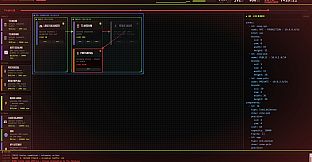
The core loop begins with inheriting a flawed cloud topology that already exists in production. Players deploy the setup, observe saturation points under load, and analyze the failure patterns before any redesign occurs. From there the focus shifts to architecture, where components such as CDNs, caches, load balancers, autoscaling groups, message queues, and databases are placed and connected to control traffic flow.
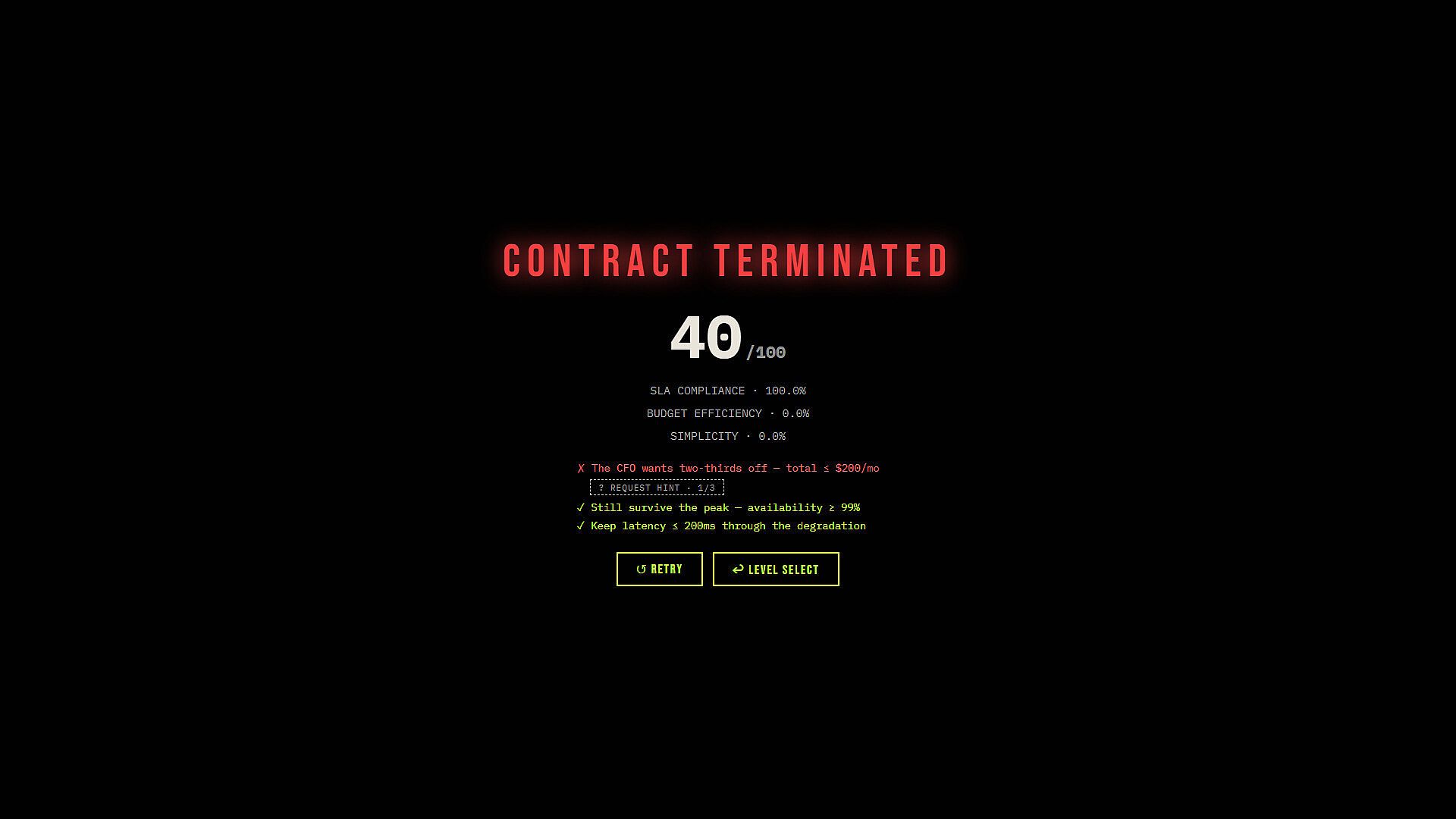
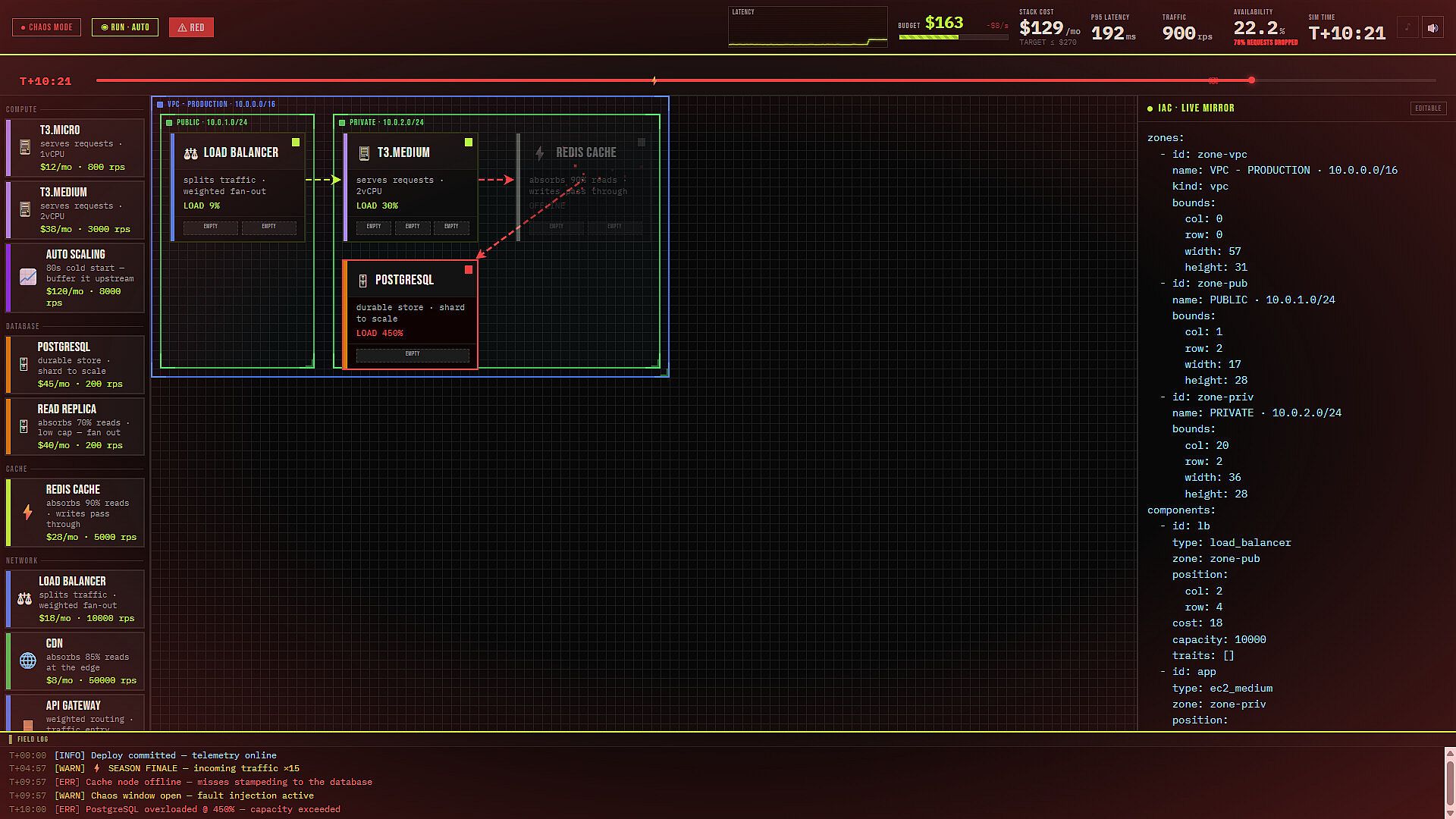
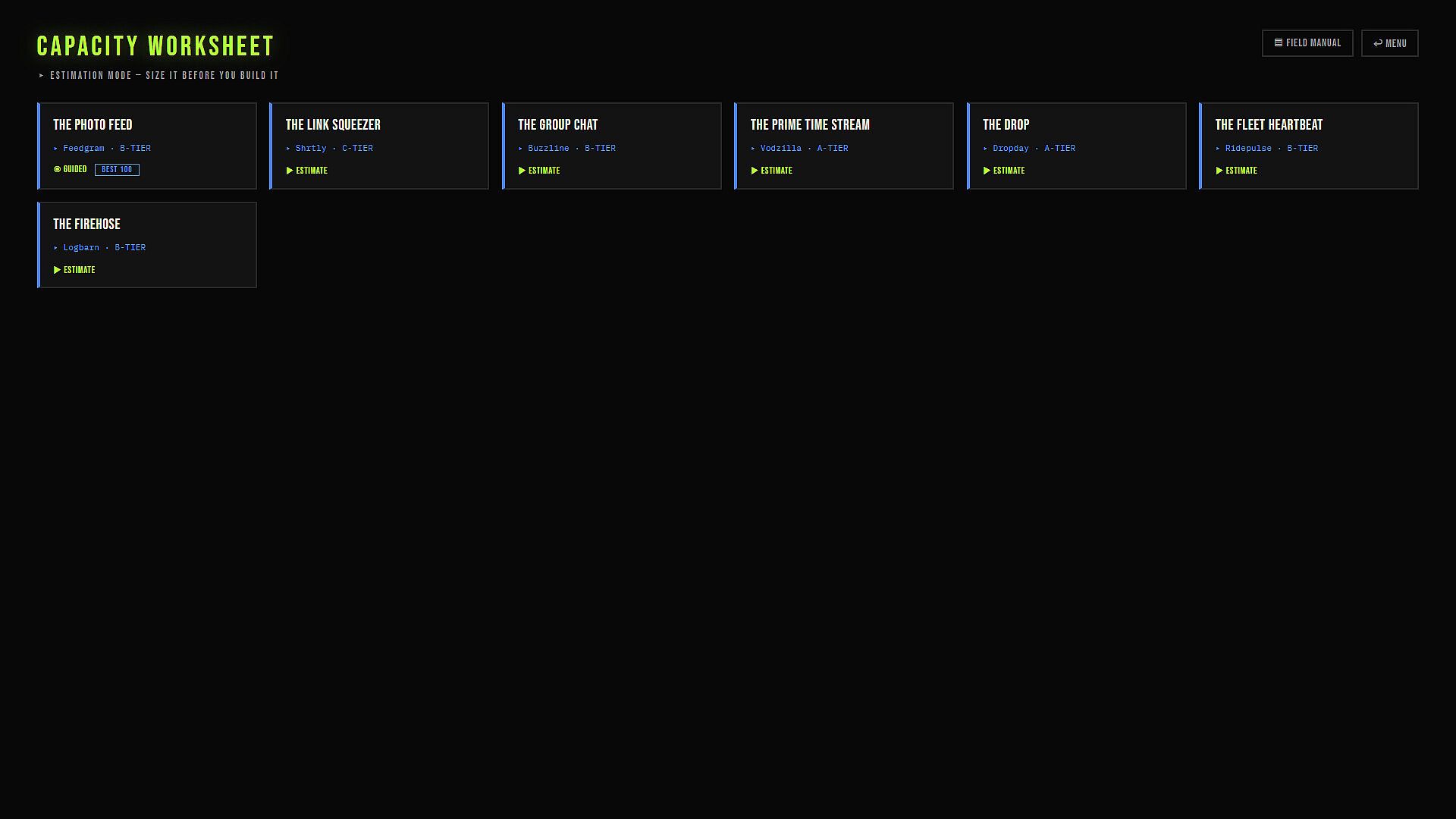
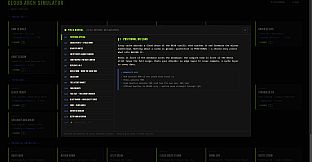
Once the design is live, a timed surge arrives, sometimes reaching 120 times normal volume, followed by chaos events that include instance failures, cache pressure, replica lag, and entire availability zone outages. Scoring evaluates SLA compliance, budget use, and overall infrastructure cleanliness on a C to S scale. A separate estimation phase requires deriving peak requests per second, read/write ratios, and storage growth from plain-language product briefs before any diagram is drawn.
Every component follows documented real-world behavior. Caches only protect downstream resources when positioned correctly. Reads and writes follow separate curves. Replicas can return stale data even when availability metrics look perfect. Message queues provide temporary buffering rather than added capacity. Autoscaling includes cold-start delays. Retries and availability zones create blast radii that amplify problems when misapplied. The interface supports live edits between a visual diagram and equivalent infrastructure-as-code, with real-time latency traces, pulsing traffic indicators, and a three-stage alert system that escalates to collapse.
Game Modes
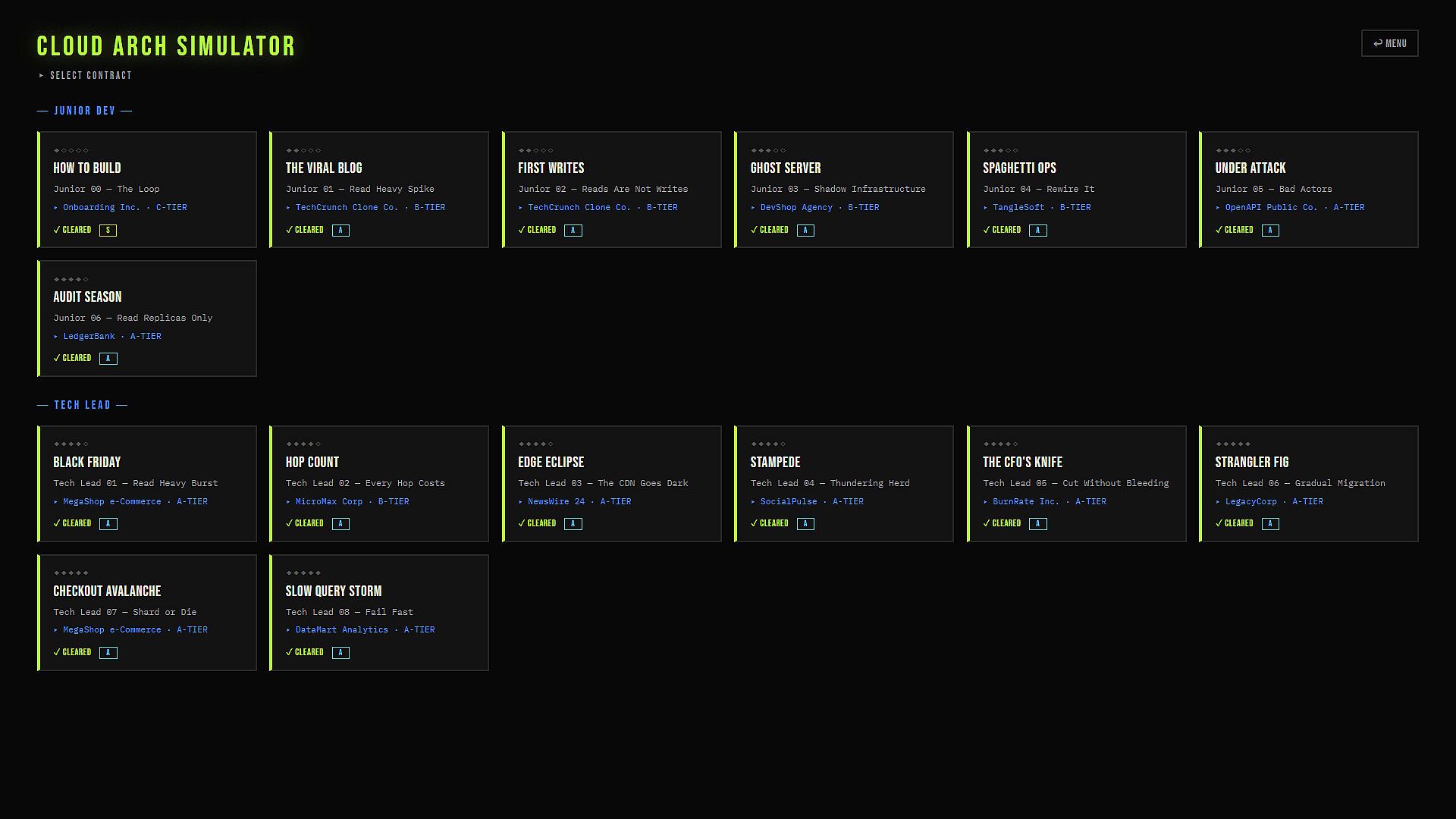
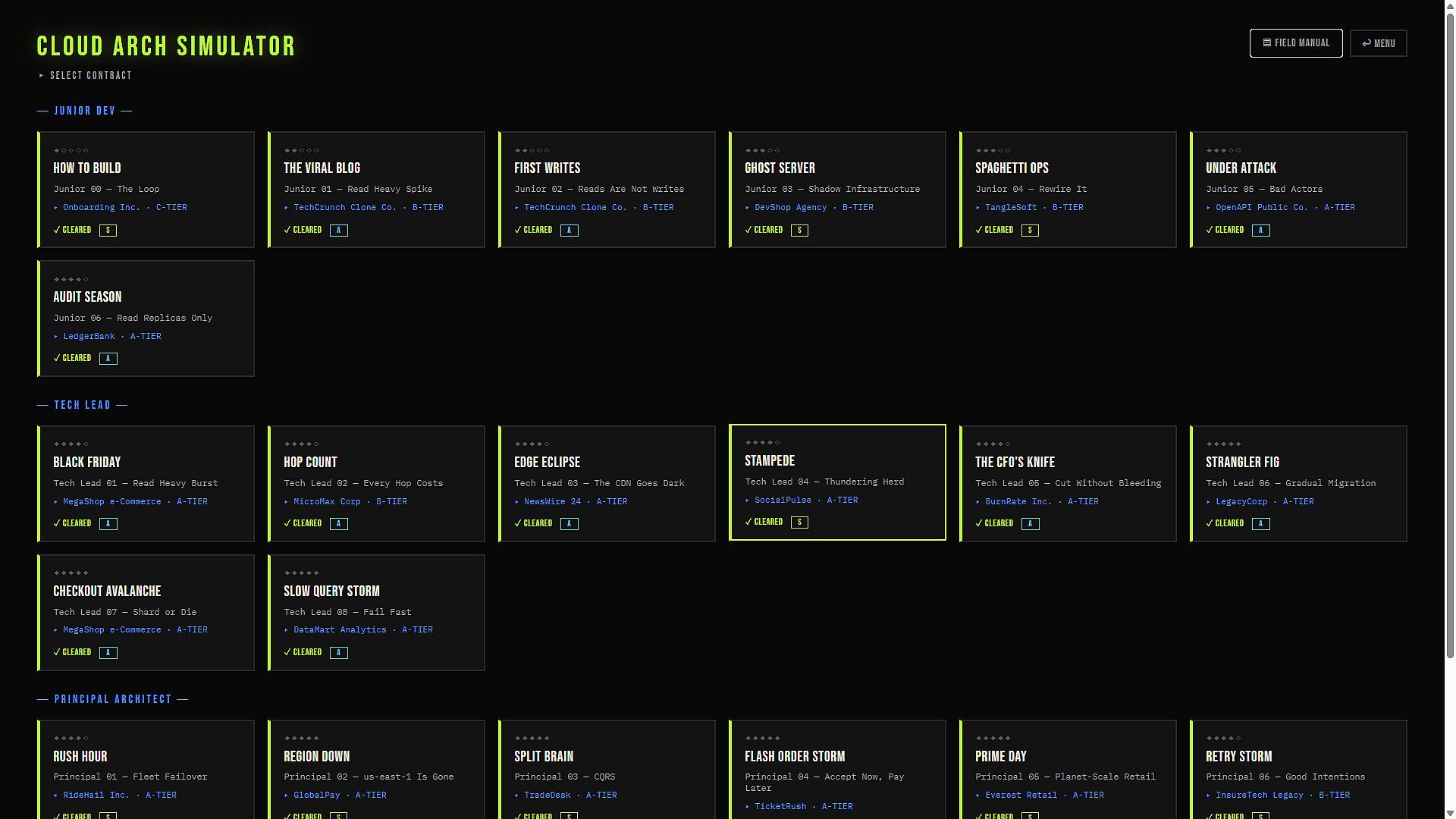
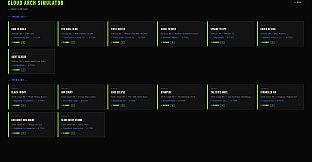
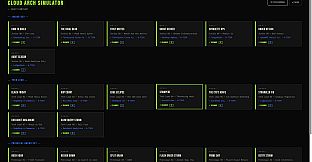
Play centers on a single-player career spanning 25 contracts that progress from Junior Dev through Tech Lead to Principal Architect. Each contract presents a distinct scenario drawn from common production incidents, including read-heavy viral spikes, first-write comment systems, ghost traffic loss, flash-sale order storms, cache stampedes, monolith-to-microservice migrations, and multi-zone outages. Estimation contracts emphasize sizing calculations before construction begins, while architecture contracts test placement, wiring, and resilience under live load.
Hints remain available at multiple tiers for any contract, allowing completion without prior expertise. Higher ranks remove hints and introduce variable chaos timing plus budget penalties for repeated redeploys, shifting emphasis toward upfront planning rather than iteration.
Core Systems and Tradeoffs
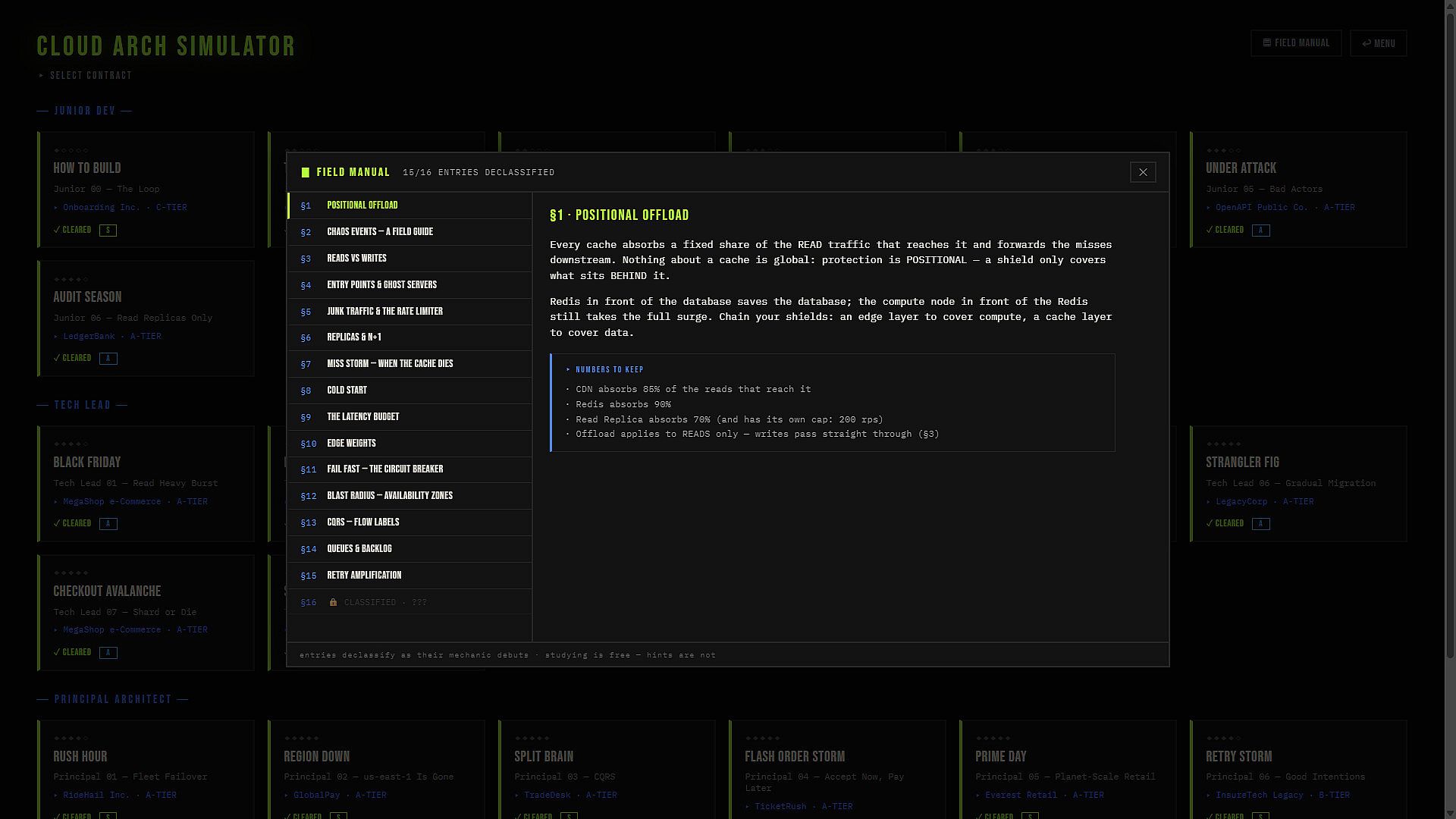
Positioning determines whether offload actually occurs. Read scaling across replicas can mask consistency failures that only surface on user reloads. Dead caches convert misses into thundering herds that overwhelm the origin. Gradual traffic splitting supports live migration of legacy services. The correctness readout highlights requests that return incorrect results despite passing health checks, separating availability from accuracy.
Budget drains continuously during downtime, making every placement decision visible in immediate cost and risk. The visual feedback includes CRT-style latency traces, overloaded node indicators, and cable activity that reflects actual traffic volume passing through each segment.
Is It Worth Playing?
Cloud Arch Simulator targets software engineers, site reliability engineers, students, and anyone interested in understanding how distributed systems fail and recover. The scenarios mirror documented production patterns without abstraction, rewarding accurate estimation and component placement over trial-and-error grinding. Progression through the 25 contracts builds familiarity with tradeoffs that appear in real infrastructure work, and the hint system ensures accessibility while S-rank performance demands precise, hint-free execution.
Players who enjoy diagnosing diagrams, calculating capacity from brief requirements, and watching live feedback on latency and correctness will find the systems legible and consequential. Those seeking traditional action or narrative elements will encounter a focused simulation instead. The game remains available on PC with no additional modes or expansions required for the core experience.











