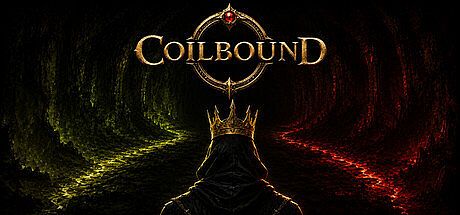


Coilbound is a dark fantasy roguelike that blends strategy and RPG elements into a focused single-player experience on PC. Players navigate a single coiling tunnel where every decision comes down to choosing between two cards presented at each step. The game emphasizes reading enemy traits over direct combat power, creating a tense loop of observation and selective engagement.
Gameplay
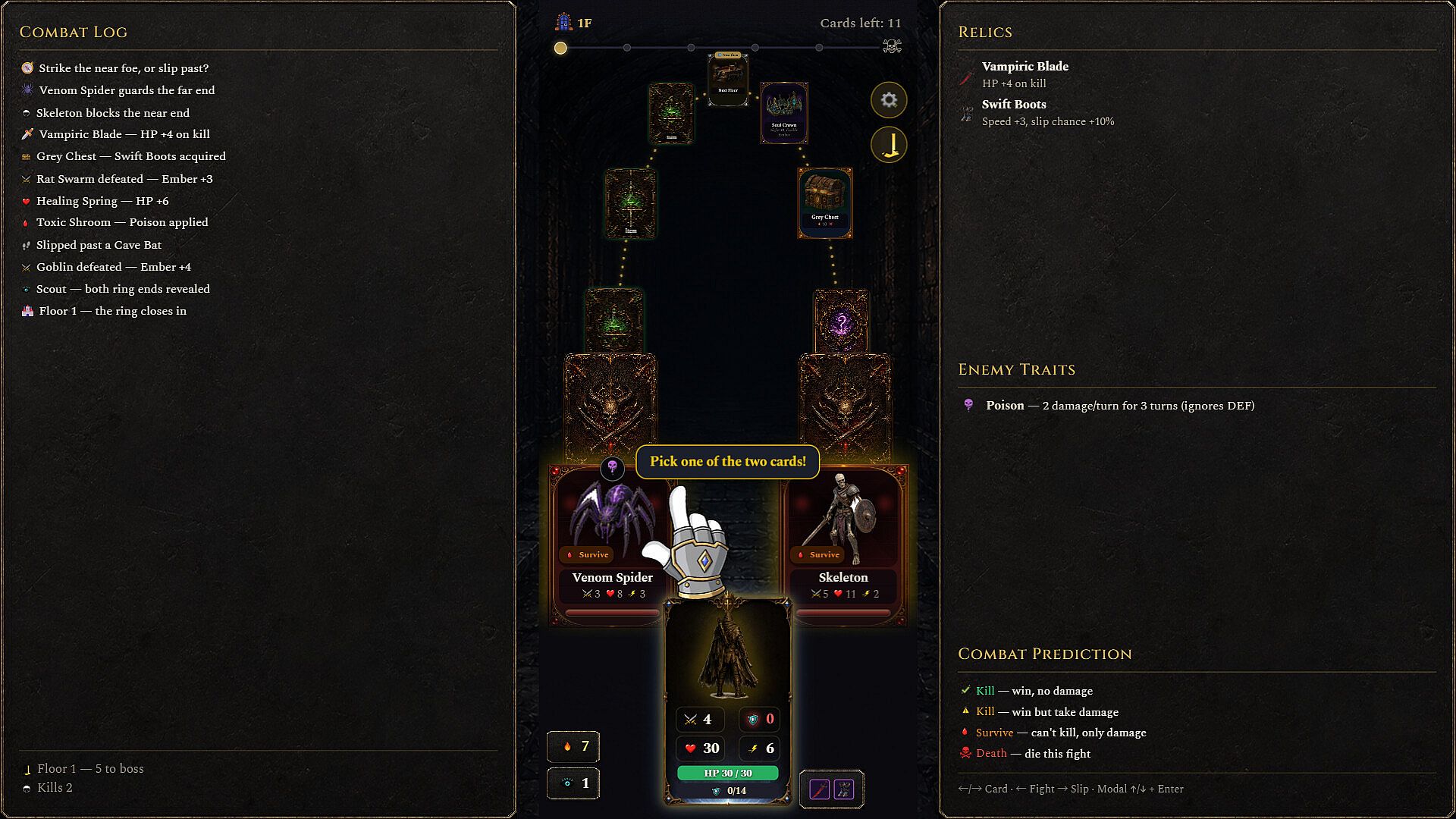
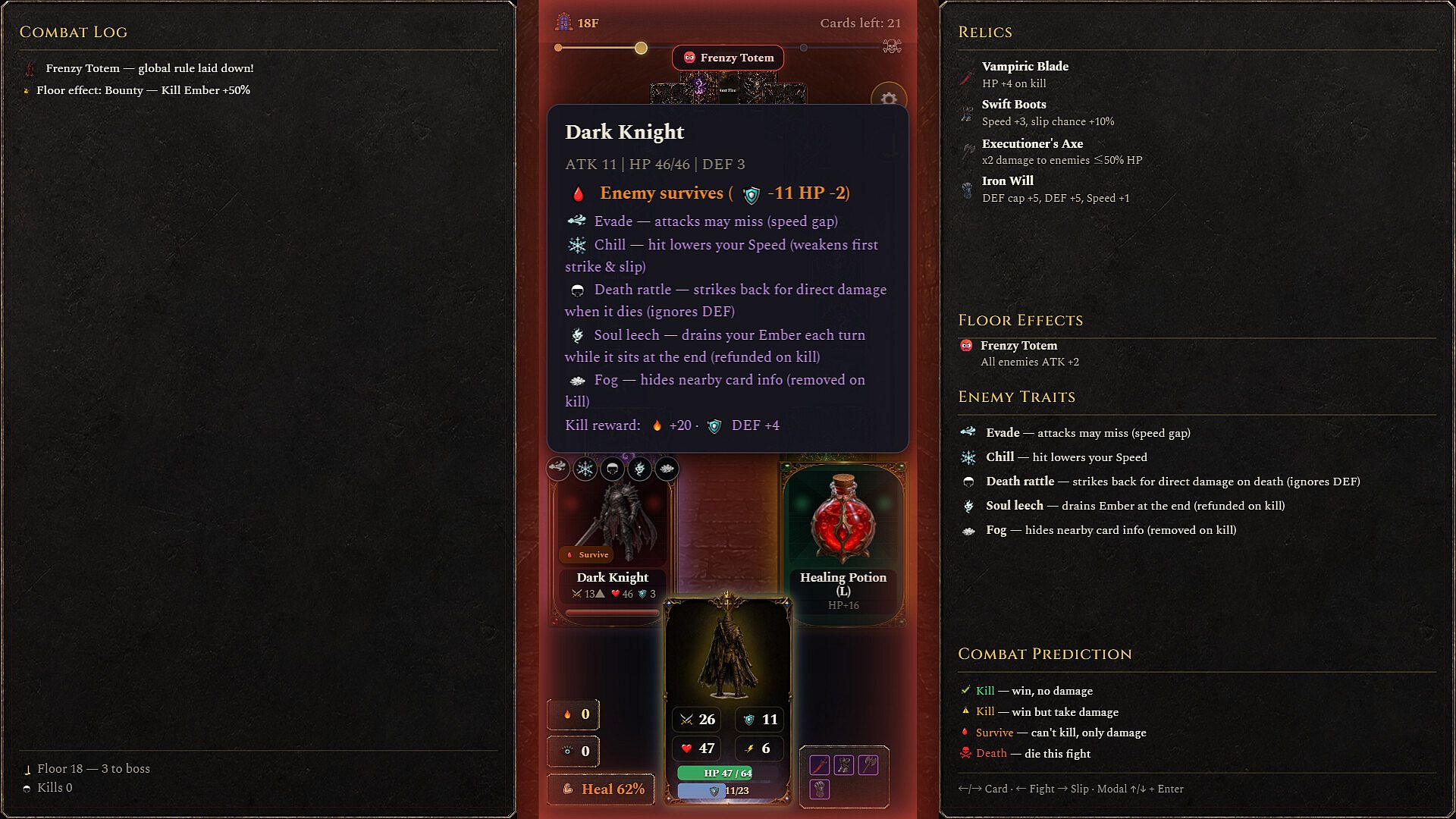
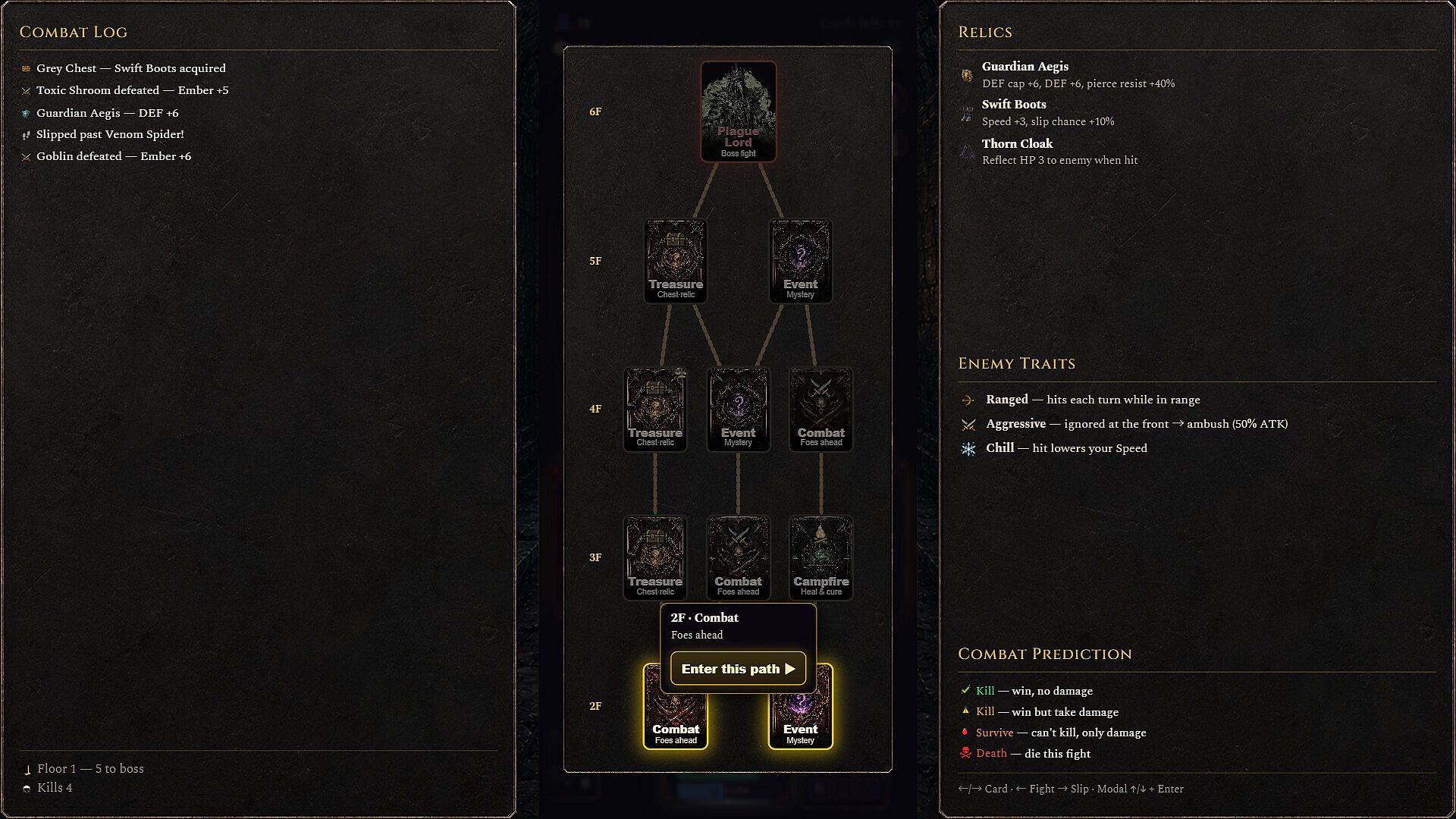
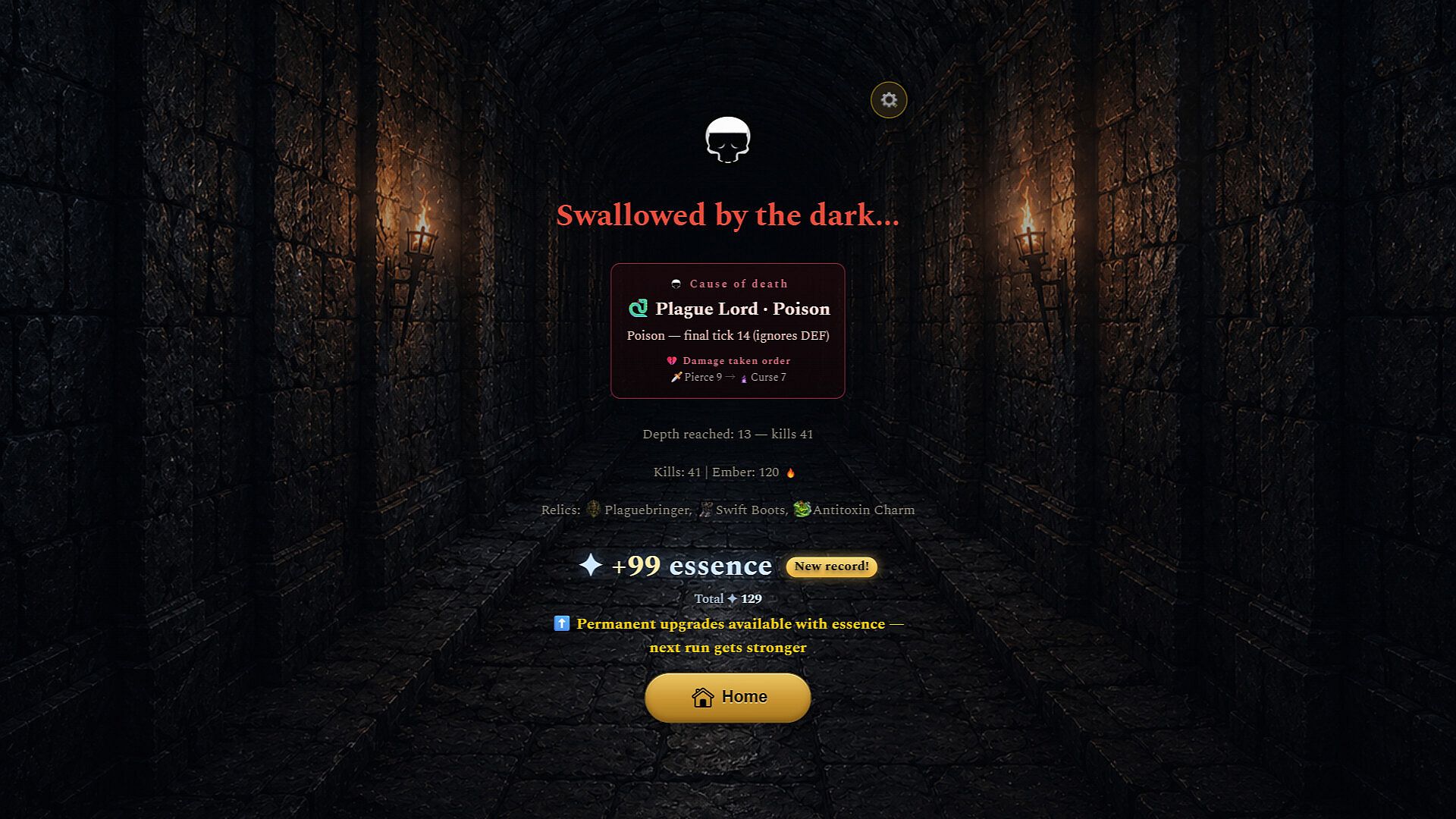
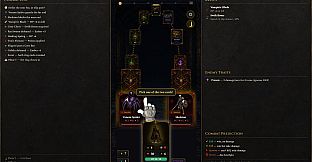
The core loop revolves around descending through the dungeon by selecting one of two cards at every turn. One card might represent an attack, while the other offers a chance to slip past. This binary choice repeats throughout the run and defines the entire experience. Enemies appear as cards carrying up to five hidden traits, with bosses featuring as many as seven. These traits include effects such as poison that bypasses armor, taunts that restrict options, growth that punishes delay, and immortality that allows foes to reassemble after defeat.
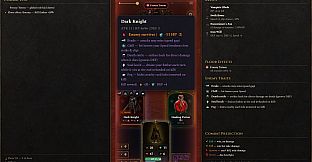
Traits display as small icons on enemy cards. Clicking any icon reveals its full rule text, turning each encounter into a puzzle of interpretation. Some traits persist or trigger on death, such as a final desperate charge or the return of an immortal enemy. Players learn these behaviors through repeated exposure, and the decision to fight or avoid an enemy carries lasting consequences because avoided foes can influence later floors.
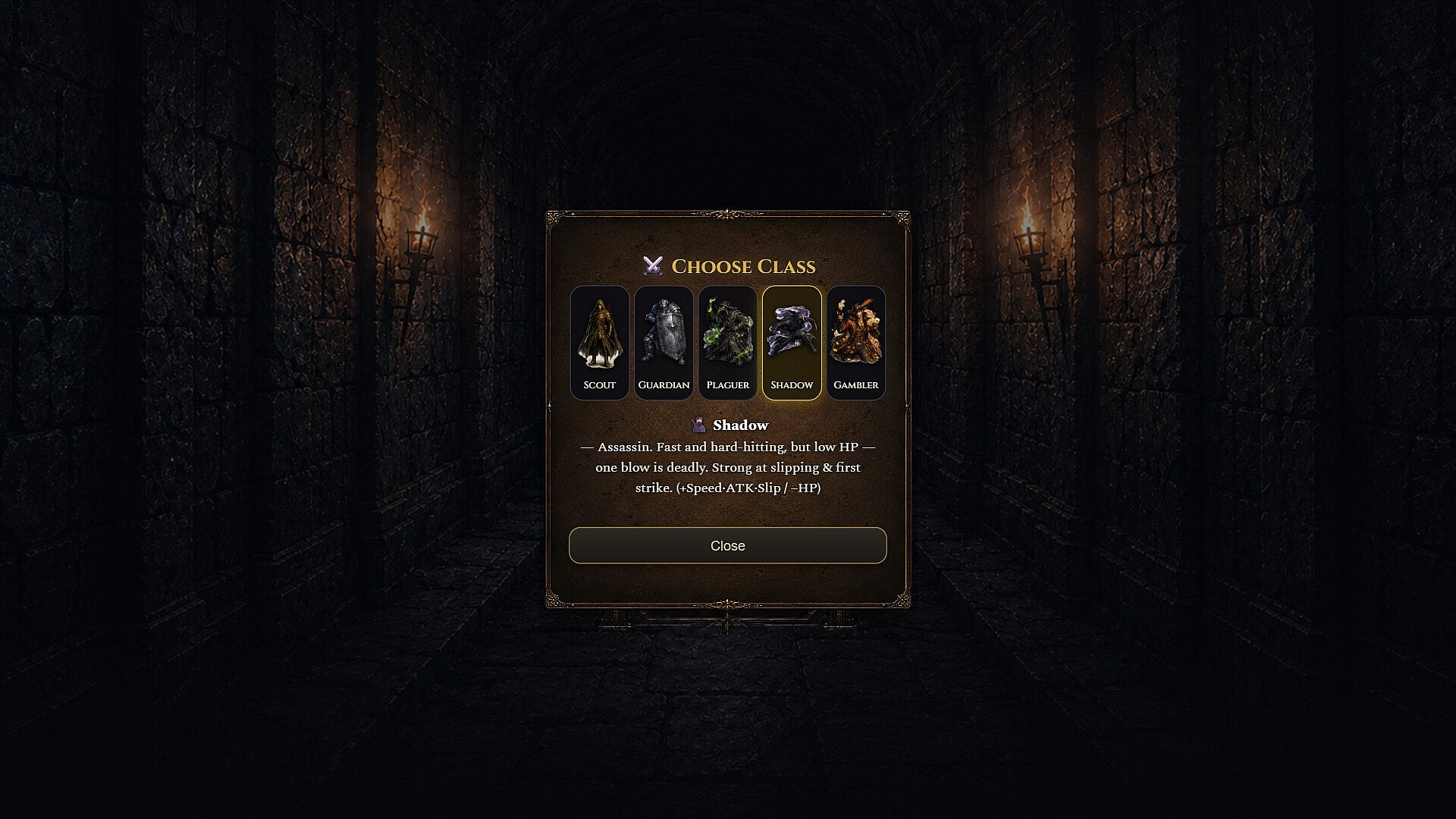
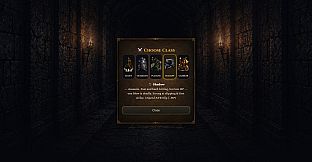
Five playable classes alter how traits are read and countered, while 38 relics provide additional tools for combination and adaptation. The system rewards careful analysis rather than aggressive clearing, and the turn-based structure removes any timing pressure so attention stays on the choice itself.
Game Modes
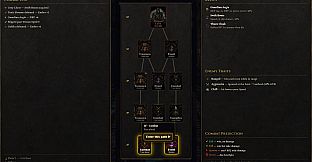
Coilbound offers three distinct progression paths. A first ending awaits at floor 16, while a true ending requires reaching floor 30. An endless mode extends play beyond these points for those seeking longer runs. Each path maintains the same core tension between attacking and avoiding, though longer descents increase the cumulative impact of earlier decisions.
No dominant strategy exists across these modes. Every run presents fresh combinations of enemies and relics, and the single coiling tunnel structure ensures that skipped encounters remain relevant deeper in the dungeon. The design keeps the same left-or-right decision framework active from the first floor to the last.
Key Mechanics and Features
Enemy design centers on stacked traits that interact in unpredictable ways. Immortal foes shatter and reform, while other abilities activate on death or after delays. This creates memorable encounters where standard assumptions break down. Relics expand options by modifying how traits are handled or how cards resolve.
The game supports full English and Korean text. All play occurs at the player's pace with no real-time elements. Thirty-eight enemies populate the roster, each requiring specific counters learned through observation. The structure favors players who enjoy dissecting rules and weighing short-term costs against long-term risks.
Is It Worth Playing?
Coilbound suits players who prefer deliberate, choice-driven roguelikes over fast-paced action or complex builds. Its strength lies in the consistent pressure of every left-or-right decision and the way enemy traits force ongoing adaptation. Those who enjoy learning systems through direct experience rather than external guides will find the trait icons and rule explanations rewarding.
The three endings and endless mode provide clear goals without requiring mastery of every interaction. Because the game runs entirely on turn-based card selections, it remains accessible for sessions of any length. Players seeking a focused single-player strategy RPG that prioritizes reading the situation over raw power will likely appreciate the tight design and the absence of filler mechanics.