

Coloratis is an indie casual puzzle game for PC that centers on three distinct color-based challenges. Players solve thoughtful puzzles at their own pace, with each mode requiring a different approach to planning and spatial reasoning. The game appeals to those who prefer deliberate, low-pressure sessions over fast action or competition.
Gameplay
The core loop involves clearing or covering boards through color matching and path planning. Special mechanics such as frozen blocks, paired combinations, color mixing, and resistant surfaces add layers of strategy without overwhelming complexity. Progress depends on anticipating outcomes several moves ahead, whether clearing all pieces or covering every tile exactly once.
Mechanics encourage careful observation of board states and future positions. Frozen elements stay in place until conditions change, while certain blocks merge or alter colors upon contact. These interactions reward experimentation within each puzzle's constraints.
Game Modes
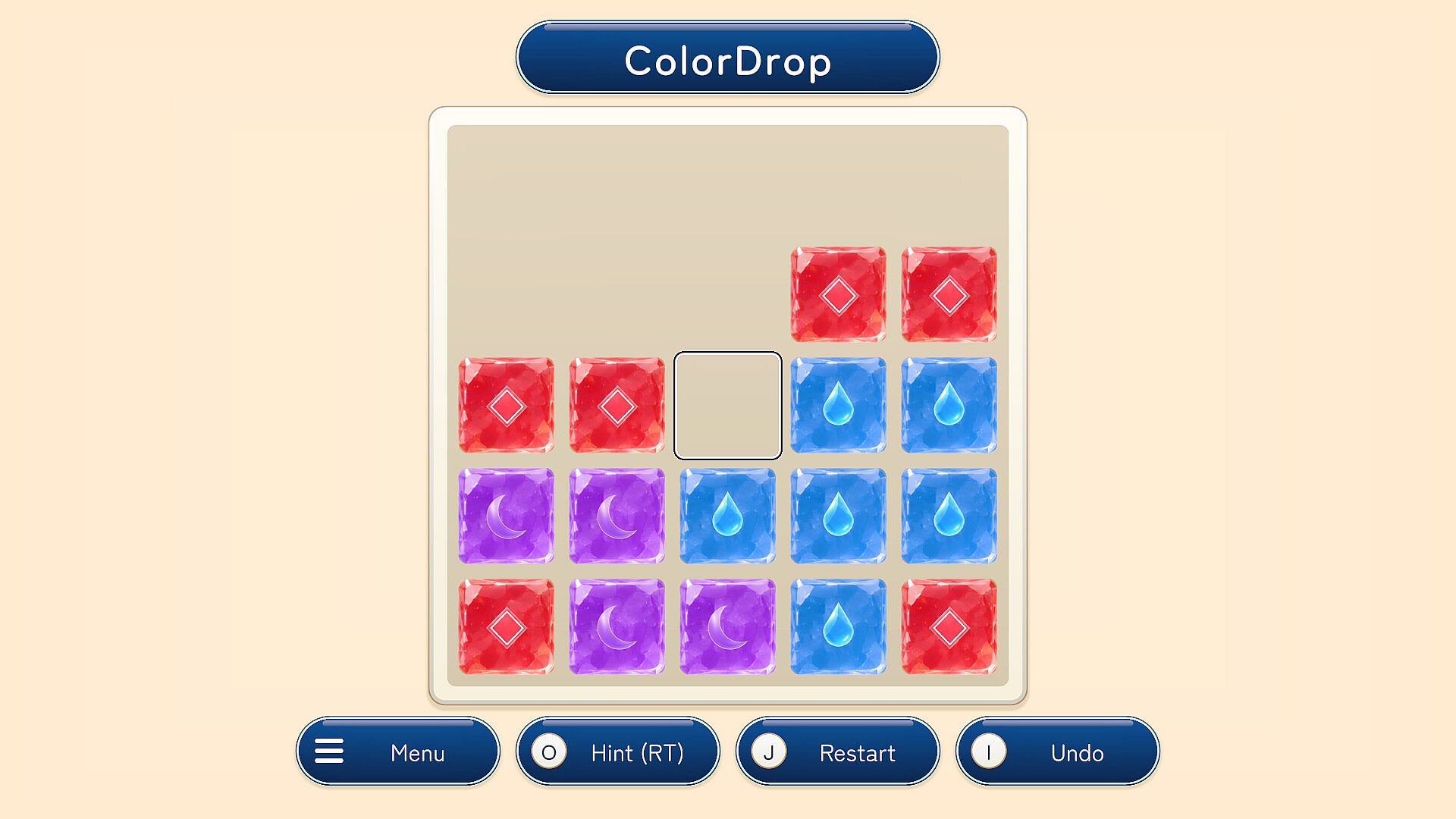
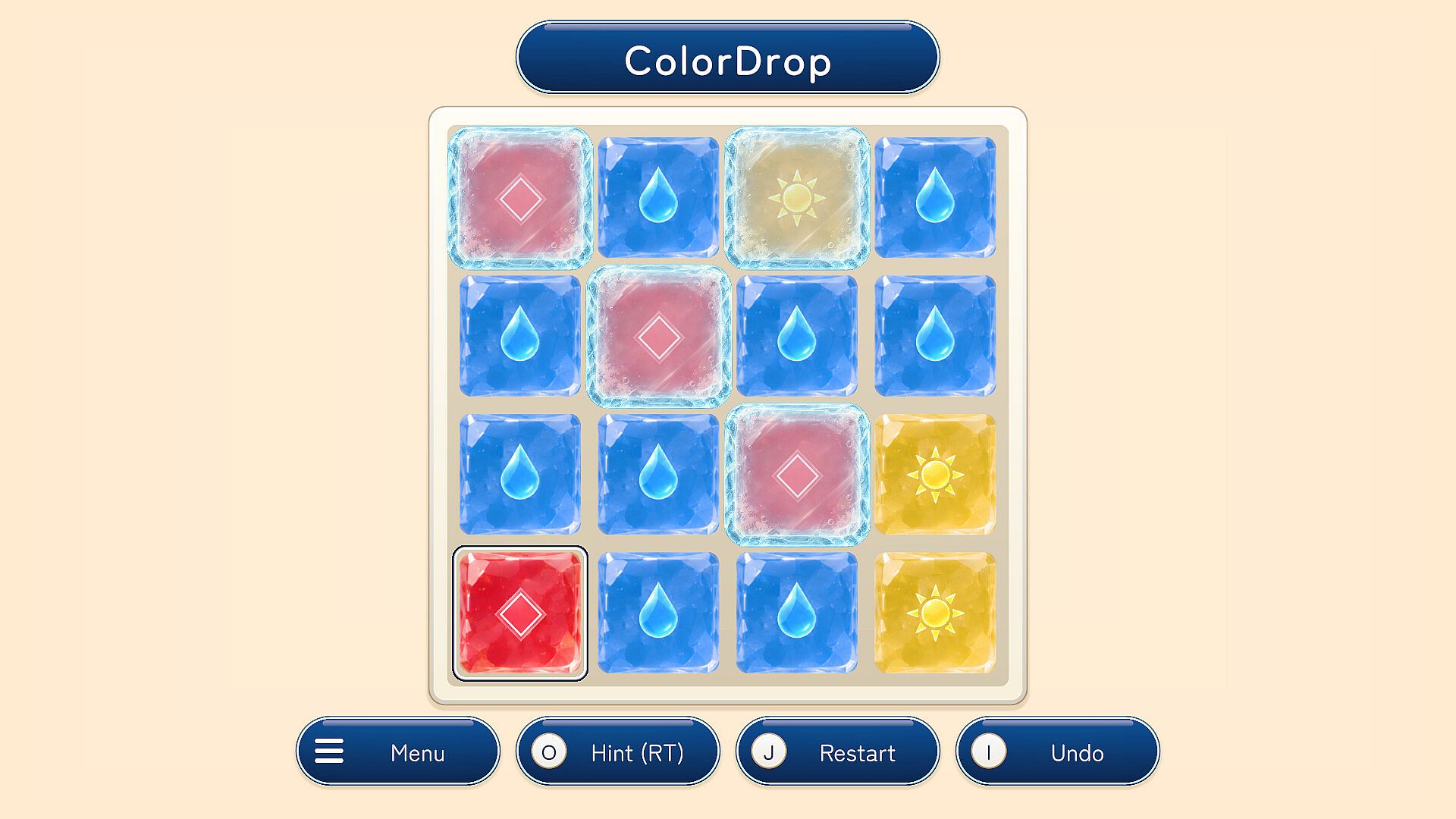
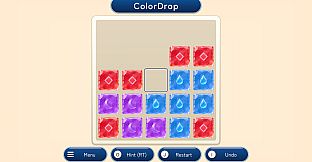
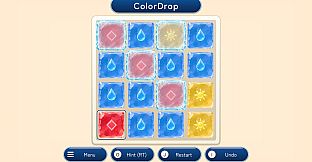
ColorDrop focuses on matching three or more adjacent blocks of the same color to remove them from the board. The goal is to clear every block through a sequence of moves that accounts for how remaining pieces shift and land. Special features include frozen blocks that resist removal and paired blocks that combine into one.
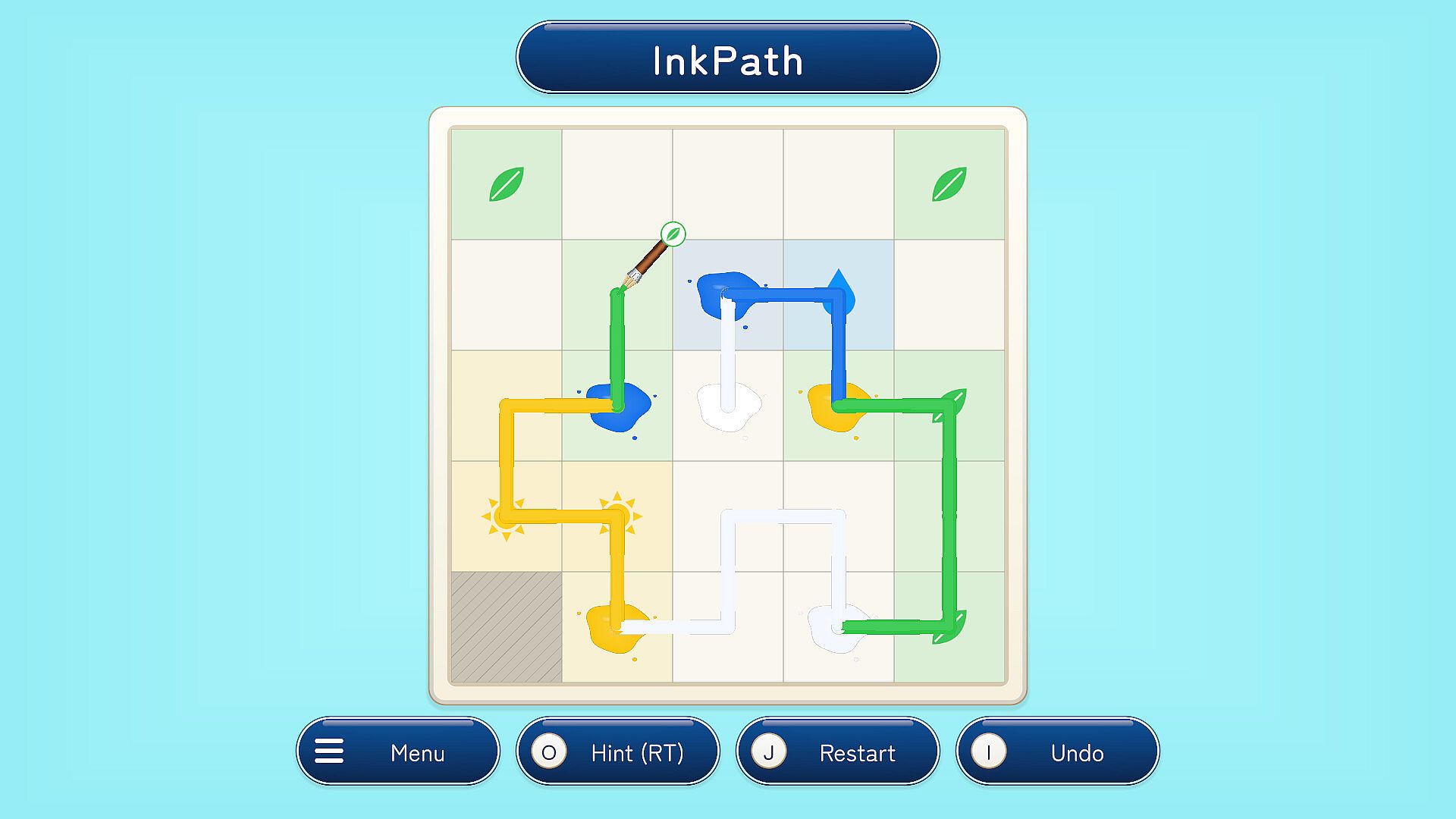
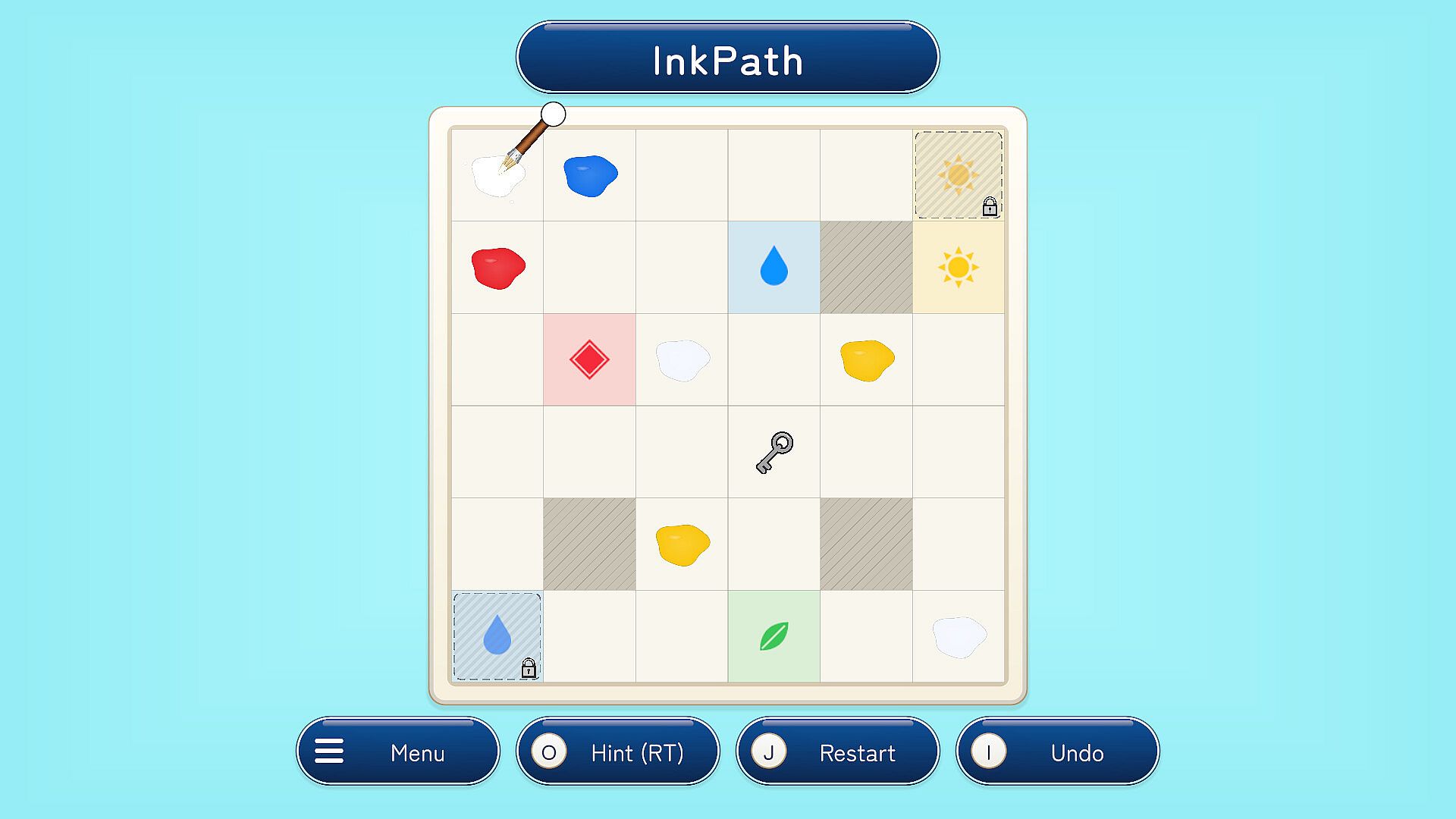
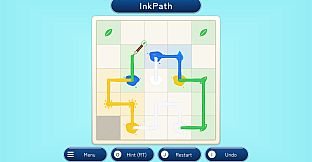
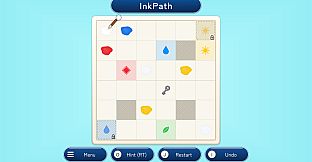
InkPath requires painting every tile in one continuous path without revisiting any square. The ink changes color as the path progresses, and players can mix hues or reset them using white ink. Route order and color combinations determine success on each board.
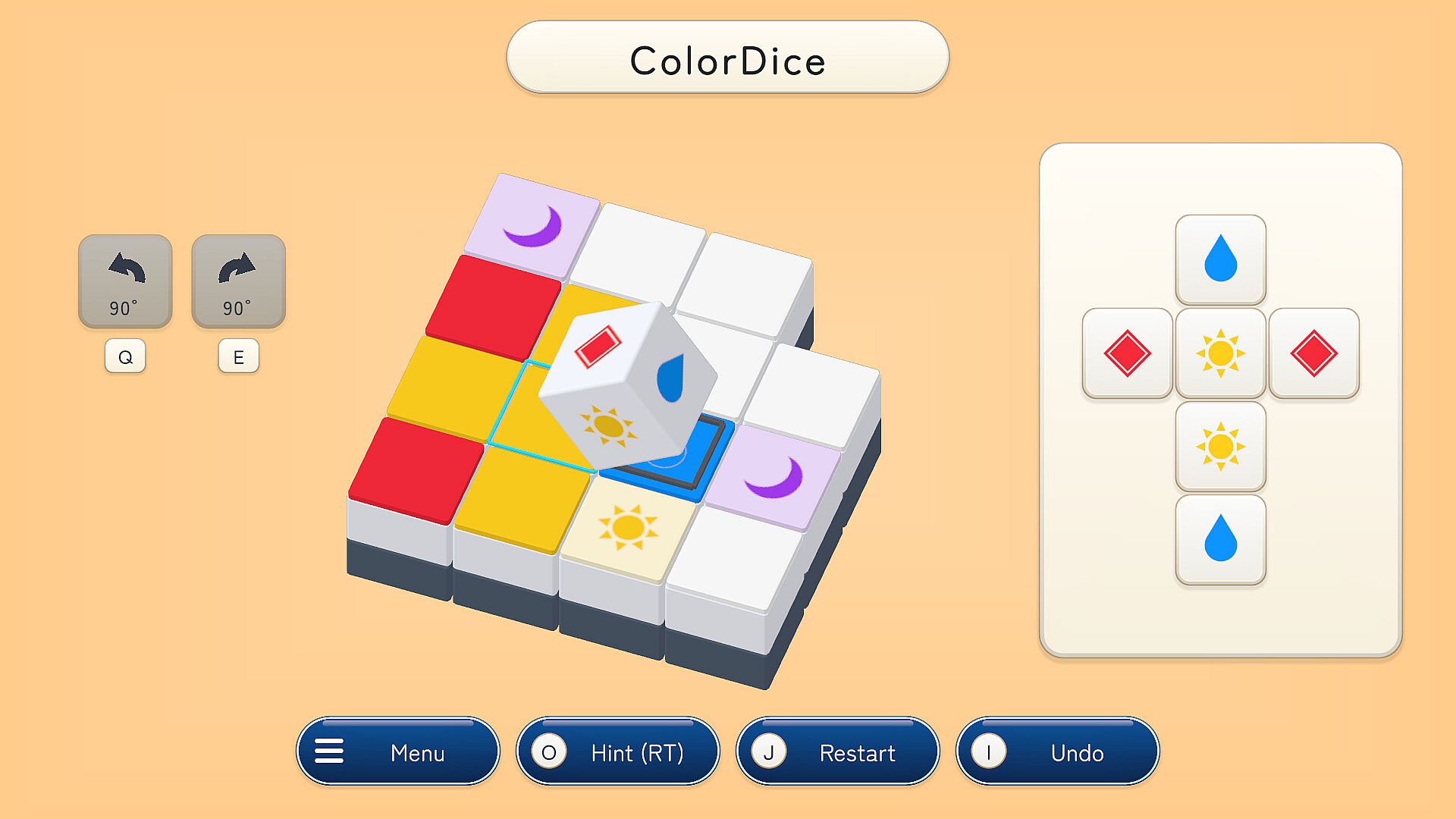
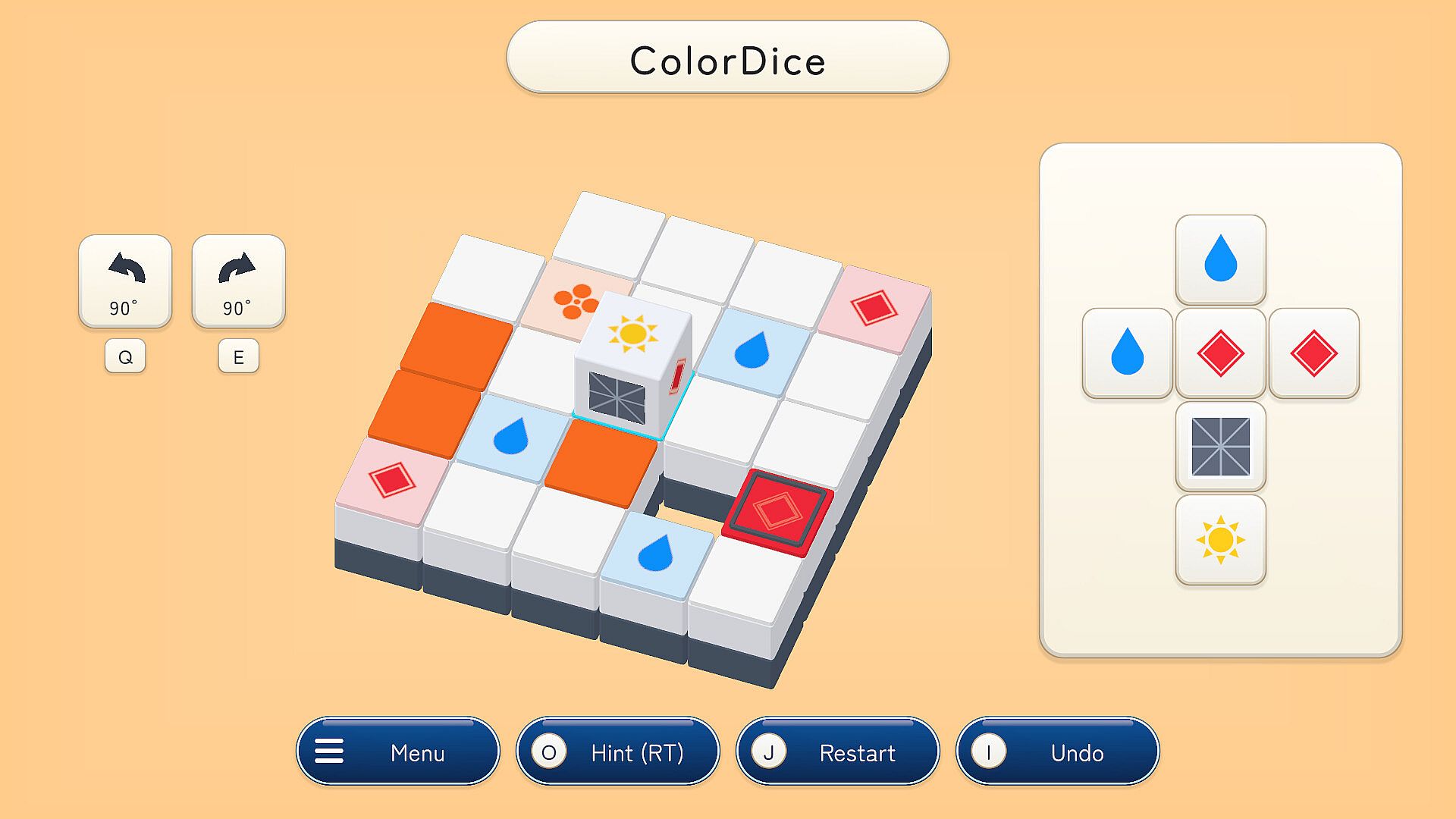
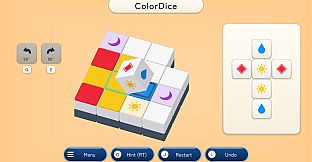
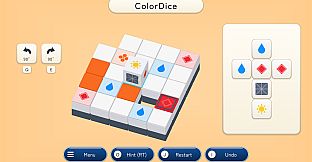
ColorDice involves rolling a die across the board to paint tiles in required colors. The orientation of each face matters, as players must plan paths that bring the correct color downward. Special faces resist ink or start blank and accept any color, introducing additional variables to the route calculation.
Is It Worth Playing?
Coloratis suits players who enjoy relaxed puzzle solving and mental engagement without time limits or failure penalties beyond restarting a level. The three modes provide variety in thinking styles, from elimination sequences to continuous path planning and die orientation puzzles. As an upcoming release with no player reviews available yet, its value will depend on how well the puzzles scale in difficulty and length after launch.
Those seeking a casual experience that rewards patience and foresight will likely find the game a good fit. The independent development approach keeps the focus on core mechanics rather than additional features.
Target Audience and Appeal
The game targets adults and older teens who appreciate single-player puzzle collections. It avoids multiplayer elements or competitive scoring, instead emphasizing personal satisfaction from solving each board. Sessions can be short or extended depending on how deeply a player engages with planning.
Its indie casual nature makes it accessible for intermittent play, such as during breaks or quiet evenings. The color theme ties the modes together while keeping rules distinct enough to prevent repetition.