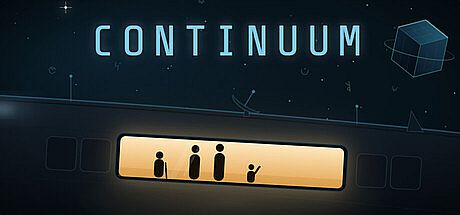


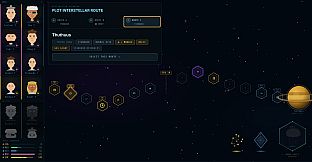
Continuum is a singleplayer strategy indie game built around the concept of a generation ship roguelite. Players take command of a lone vessel fleeing a dying home system, with no destination in sight and only temporary stops along the way. The experience centers on managing limited resources while guiding successive generations of crew across procedural routes through space.
Gameplay
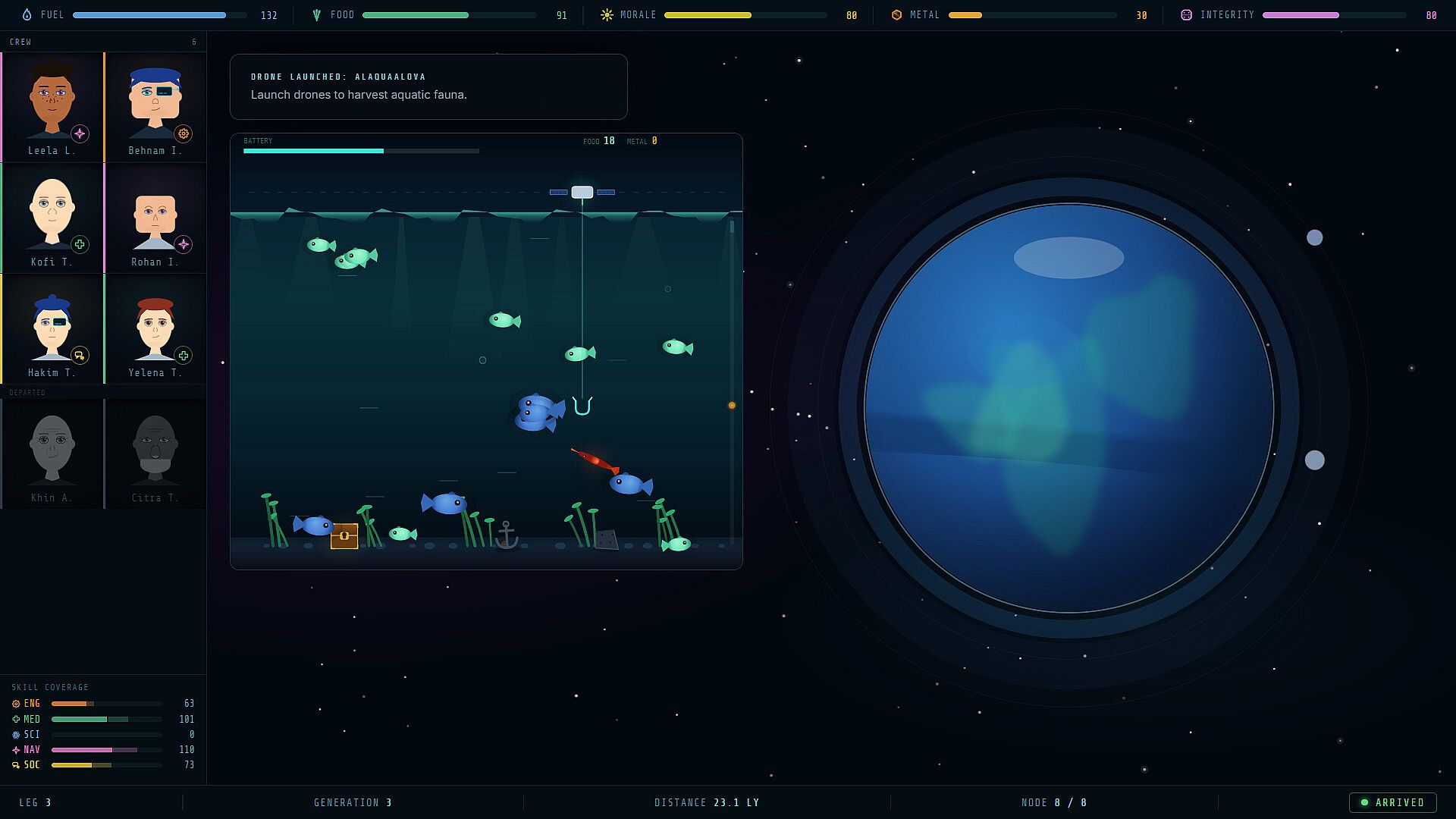
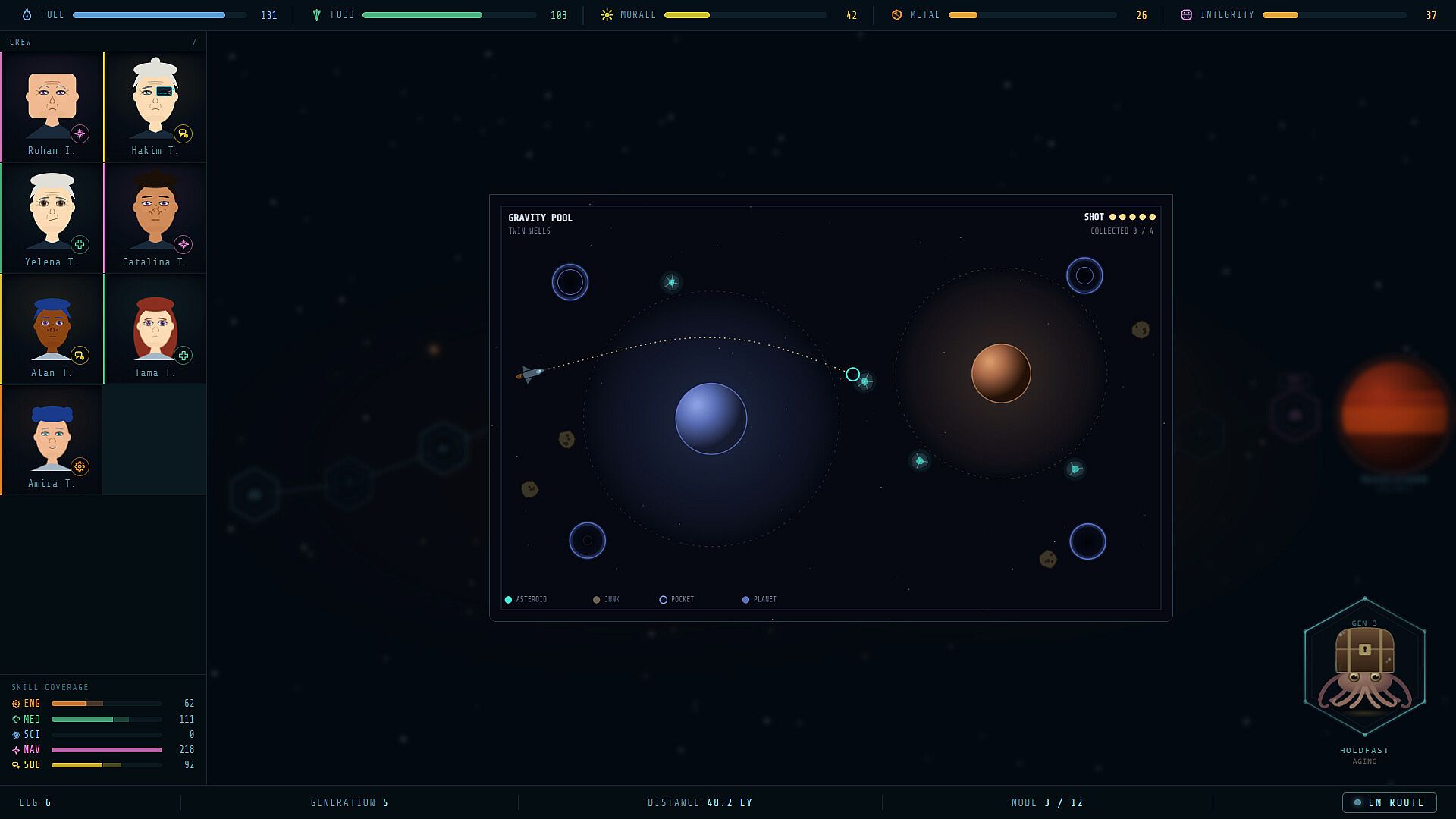
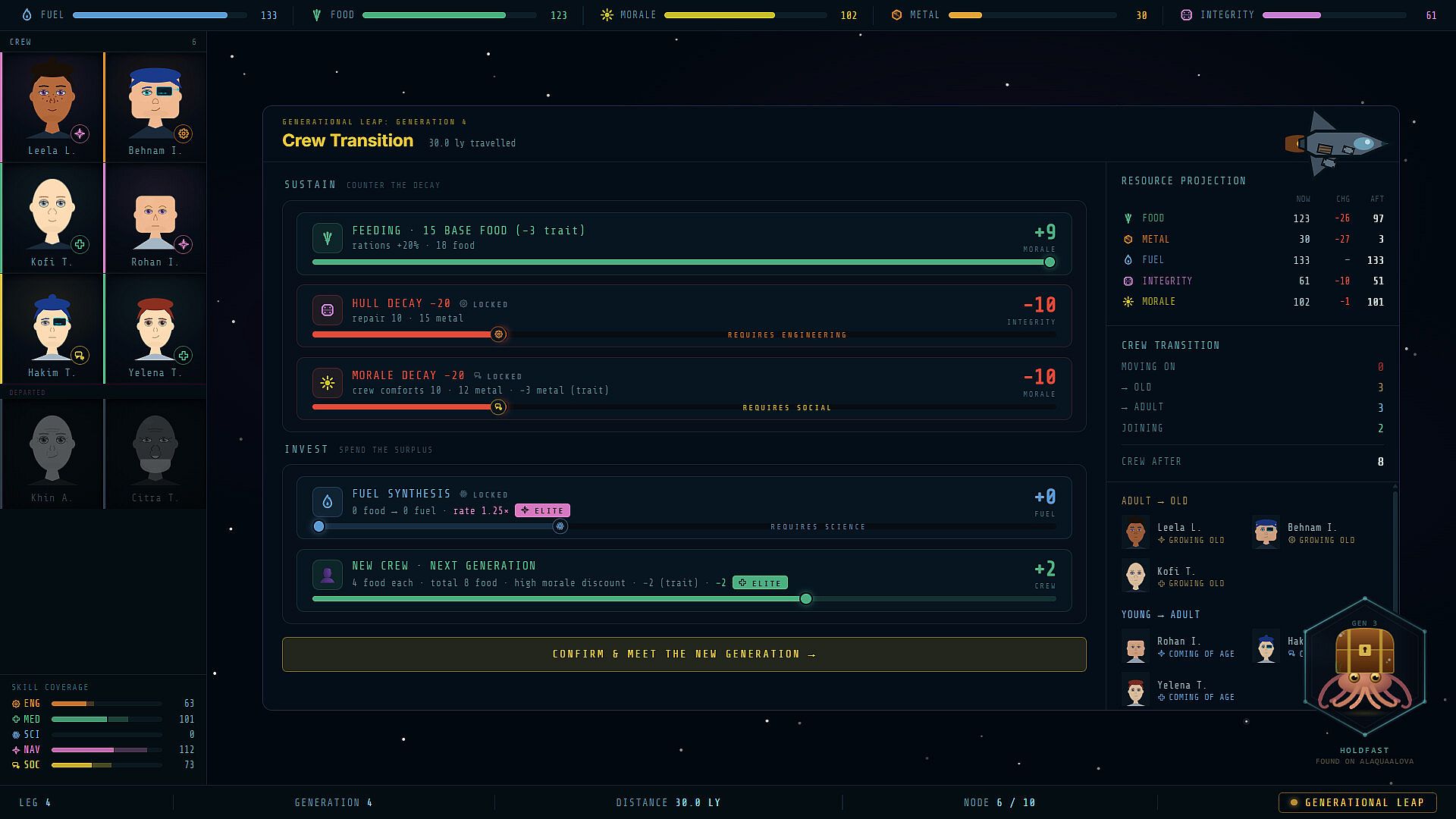
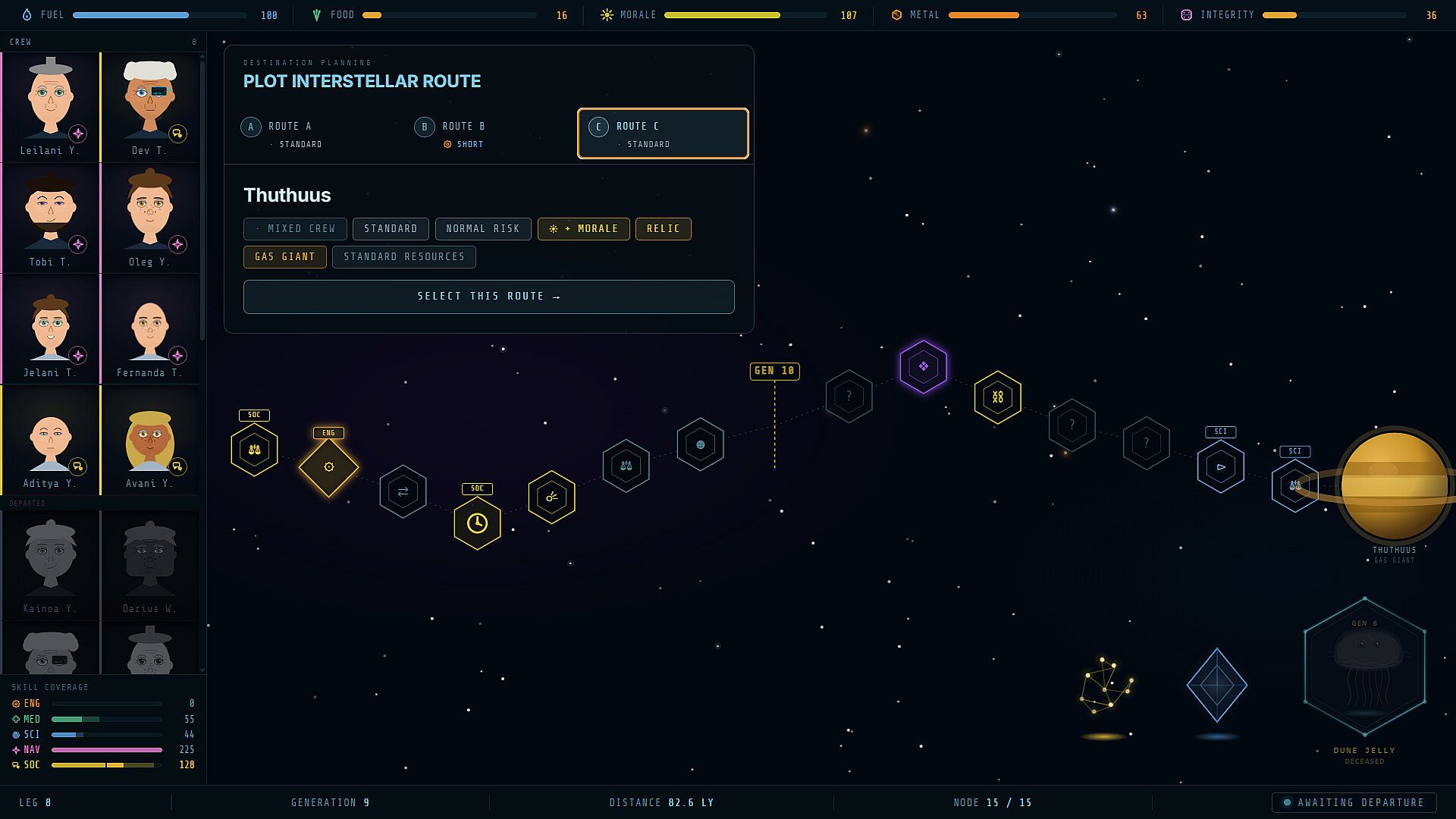
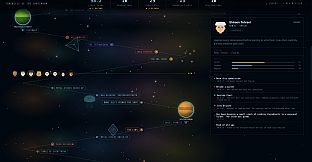
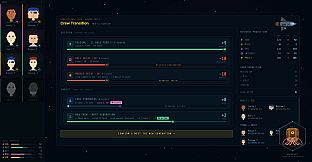
The core loop revolves around hiring an initial crew of specialists, selecting routes between unsettled worlds, and balancing supplies such as fuel, food, morale, metal, and the ship's hull integrity during each voyage segment. Decisions at each stop determine the next leg, whether prioritizing scarce resources, pursuing rare relics, or accepting higher risks for greater rewards. Crew members age, form relationships, raise children, and eventually pass away, with the next generation inheriting skills, physical traits, and responsibilities aboard the ship. Gaps in expertise, such as the absence of an engineer or diplomat, create specific vulnerabilities that must be addressed through careful planning or adaptation over multiple leaps.
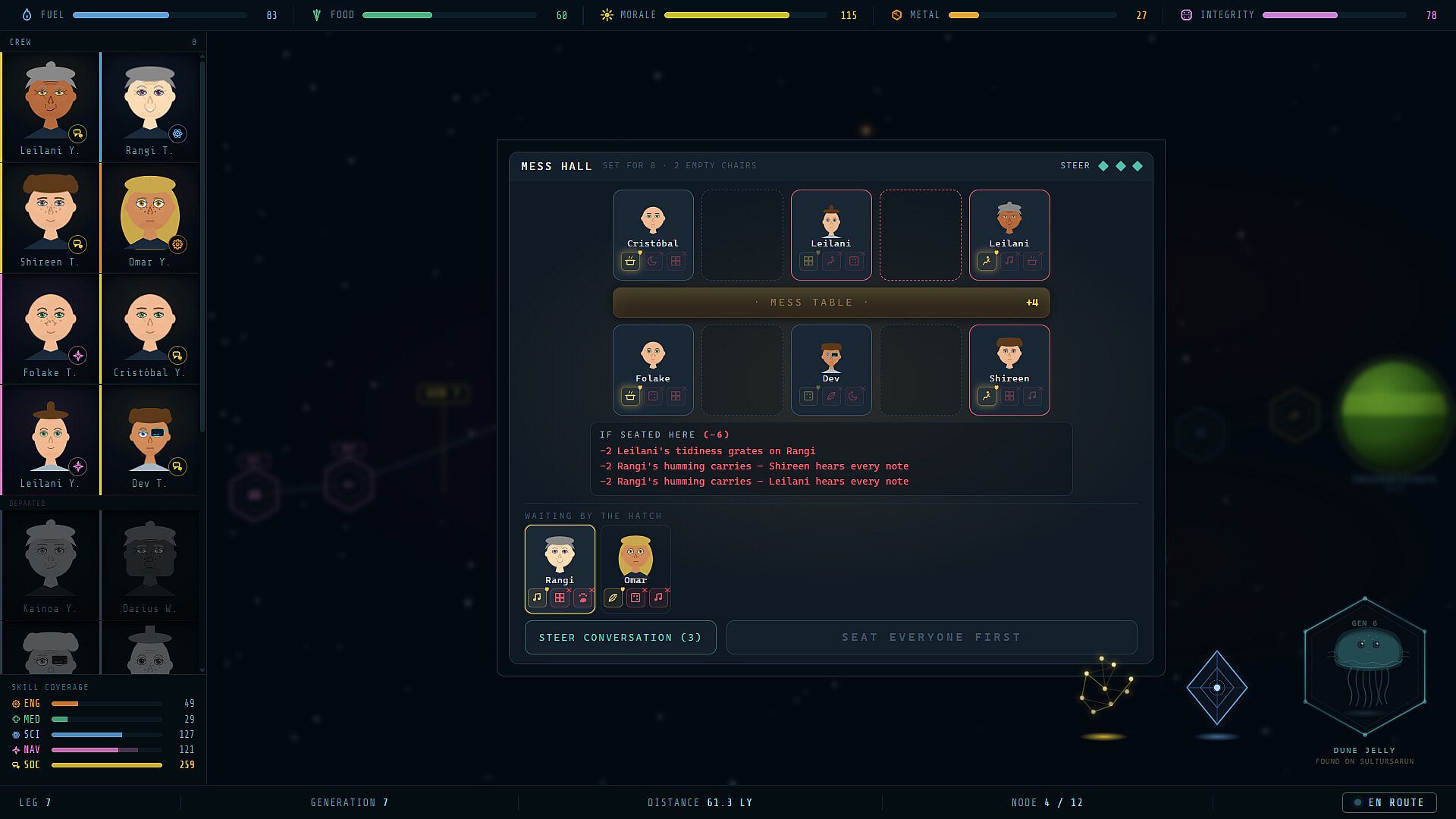
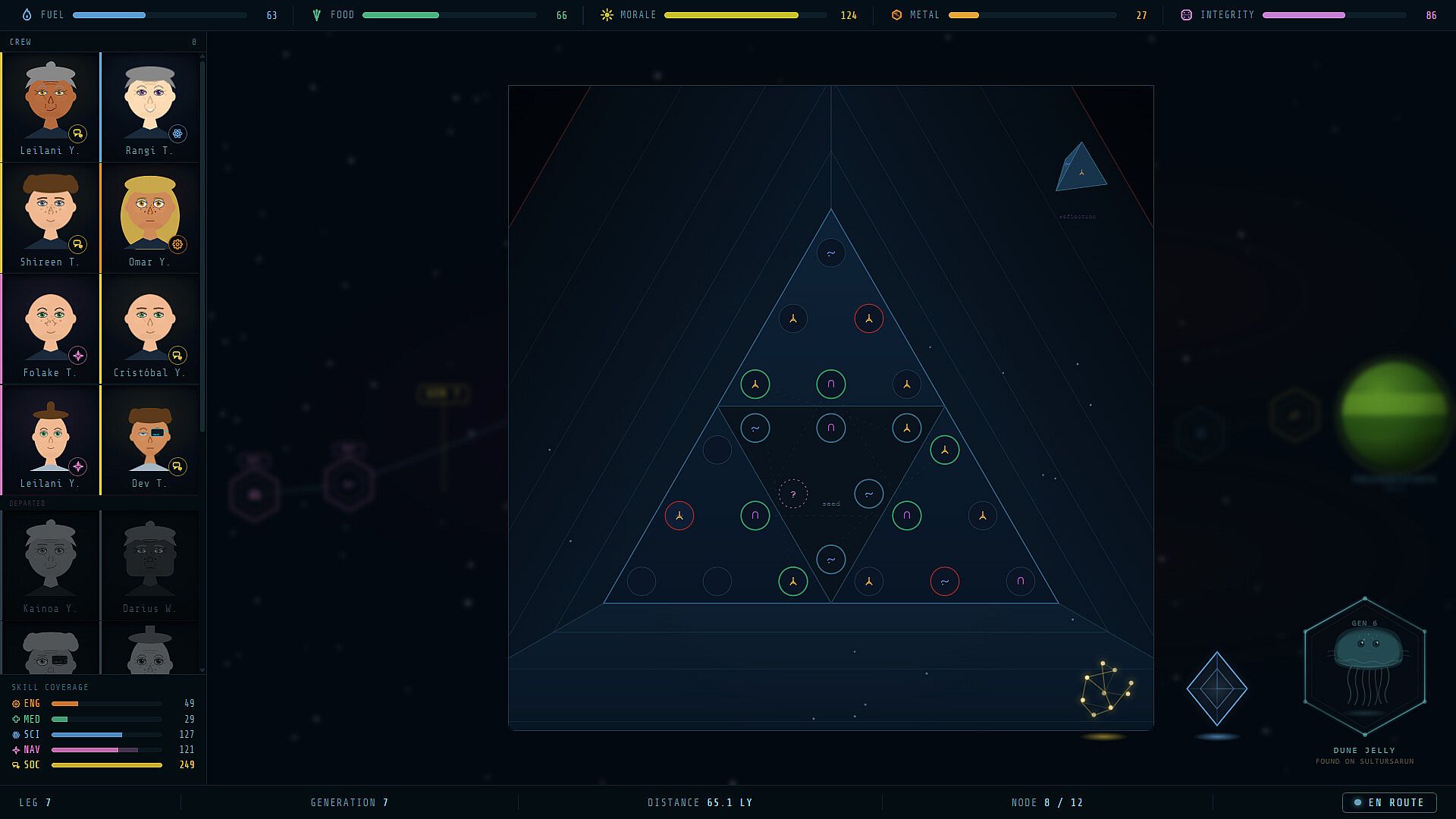
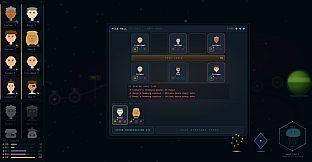
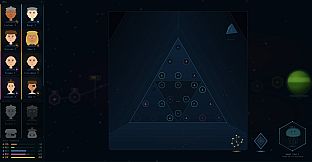
Events during travel and arrivals introduce nearly 50 hand-crafted mini-games that test different disciplines. These range from threading a probe through an ice shell to salvaging parts from a collapsing derelict or mediating tensions at a dinner table among conflicting personalities. Pets and relics appear as occasional finds, while rare encounters add further layers of challenge. The soundtrack shifts dynamically between the isolation of deep space and the activity of planetary approaches. Every run generates unique combinations of crew, routes, events, and worlds, ensuring no two voyages repeat exactly.
Game Modes
Continuum operates as a singleplayer roguelite with procedural generation at its foundation. Each attempt begins with crew selection and route plotting, then proceeds through a series of resource management and event resolution steps until the run concludes naturally. There is no fixed endpoint or victory condition; progress is measured by how far the ship advances compared to previous attempts. The procedural systems handle crew composition, world selection, and event triggers independently for every launch, creating varied challenges across engineering, medicine, science, navigation, and social interactions.
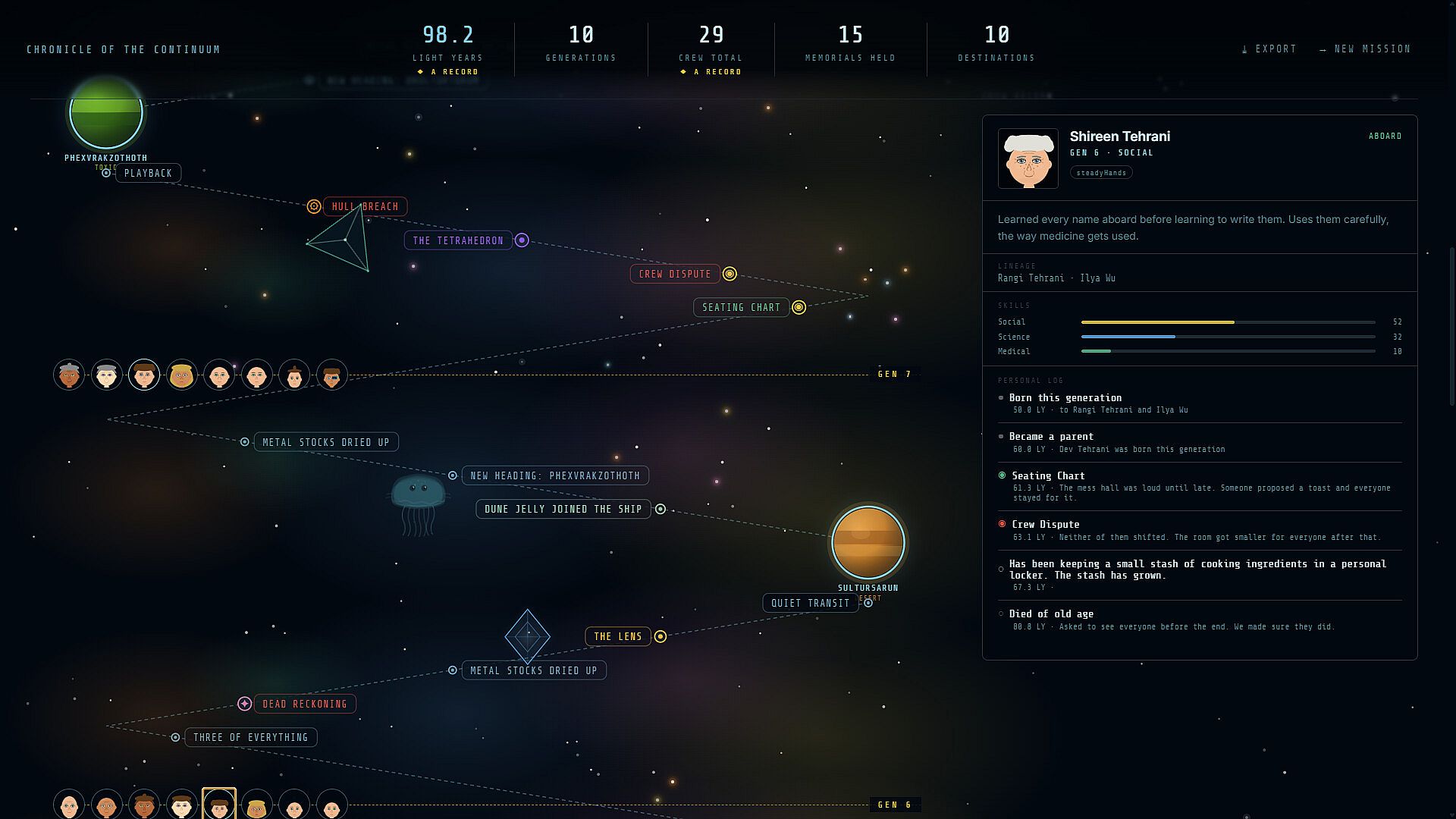
Players unlock new modules and features between runs to customize future voyages. An exportable chronicle records the full history of each ship, listing births, deaths, leadership roles, and key events generation by generation for later review or preservation.
Key Mechanics and Progression
Resource management forms the backbone of survival, requiring constant attention to fuel levels, food stores, crew morale, available metal, and structural repairs. Hull maintenance becomes critical when skilled personnel are unavailable, and social dynamics can escalate into disputes without proper diplomatic presence. The inheritance system adds long-term strategy, as player choices influence the capabilities and limitations passed to subsequent generations. Mini-games integrate directly into these systems, providing hands-on resolution for specific crises or opportunities encountered en route.
Exploration elements include recovering relics and discovering pets that may influence ship operations or crew interactions. The absence of a predetermined goal encourages repeated attempts focused on incremental improvement and discovery of new unknowns in the void.
Is It Worth Playing?
Continuum suits players interested in roguelite strategy with emphasis on crew management and generational consequences rather than combat or traditional leveling. The procedural nature and lack of a win condition appeal to those who enjoy open-ended runs where success is defined by personal benchmarks and chronicle building. Availability on PC makes it accessible for solo sessions that can vary significantly in length and outcome based on route choices and event resolutions.
The combination of resource juggling, mini-game variety, and persistent ship records provides depth for fans of management-focused indie titles. Those seeking structured campaigns or multiplayer elements may find the format less aligned with their preferences, while players drawn to narrative emergence through crew lineages and procedural storytelling will find substantial replay value in refining strategies across multiple voyages.