




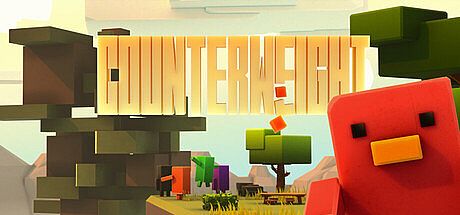


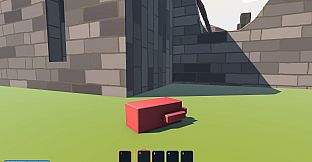
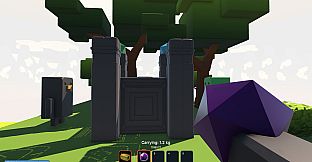
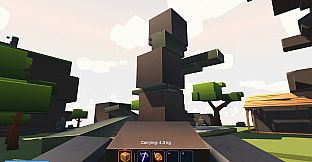
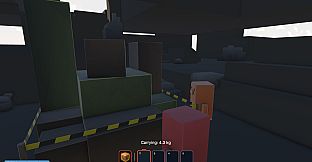
Counterweight is an action indie game that blends social deduction with physics-based tower building in online multiplayer sessions for three to eight players. One participant acts as the hidden Saboteur while the rest work as builders, and the core challenge centers on stacking blocks to reach a target height before the structure collapses under suspicious placements and interference.
Gameplay
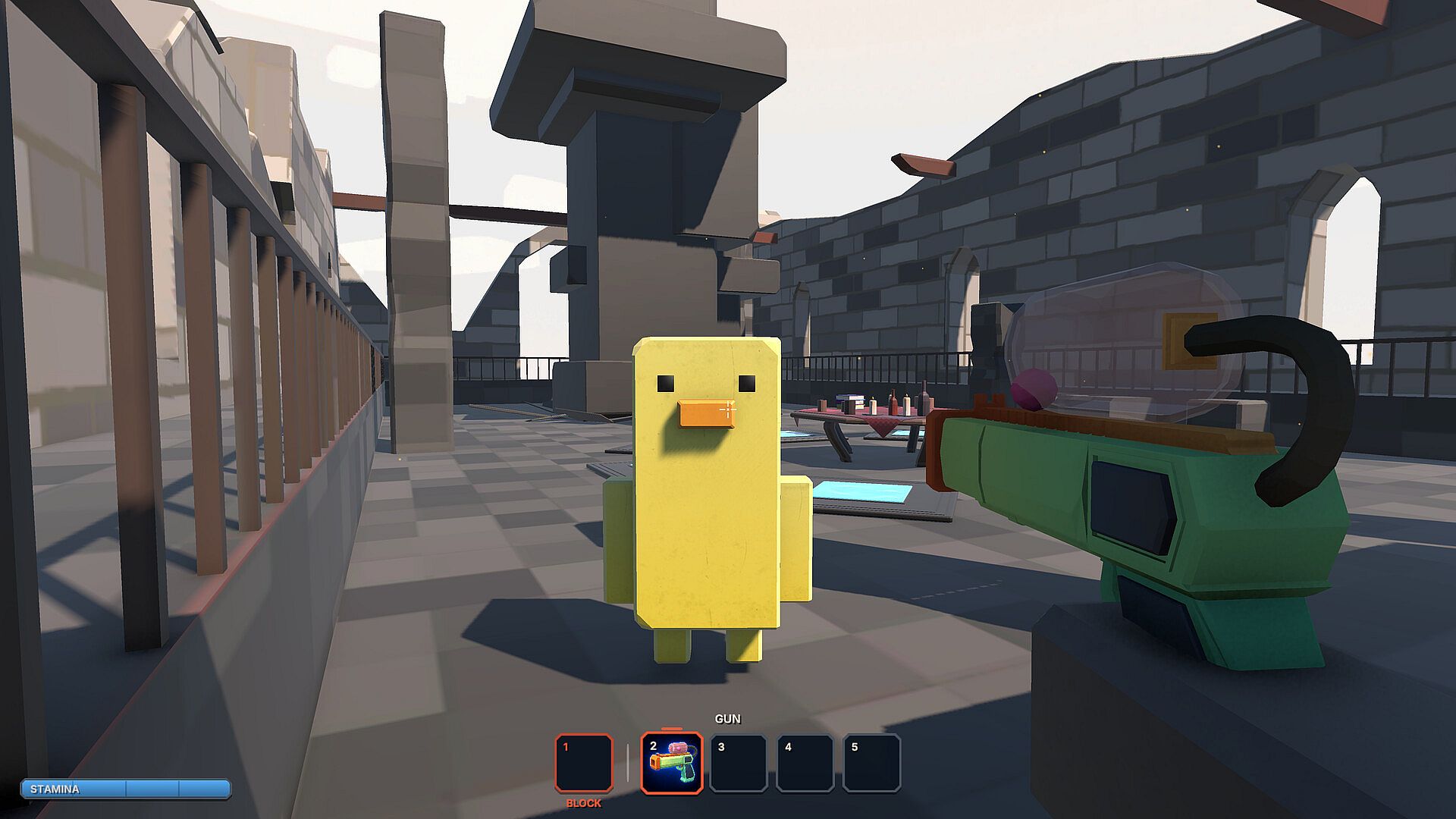
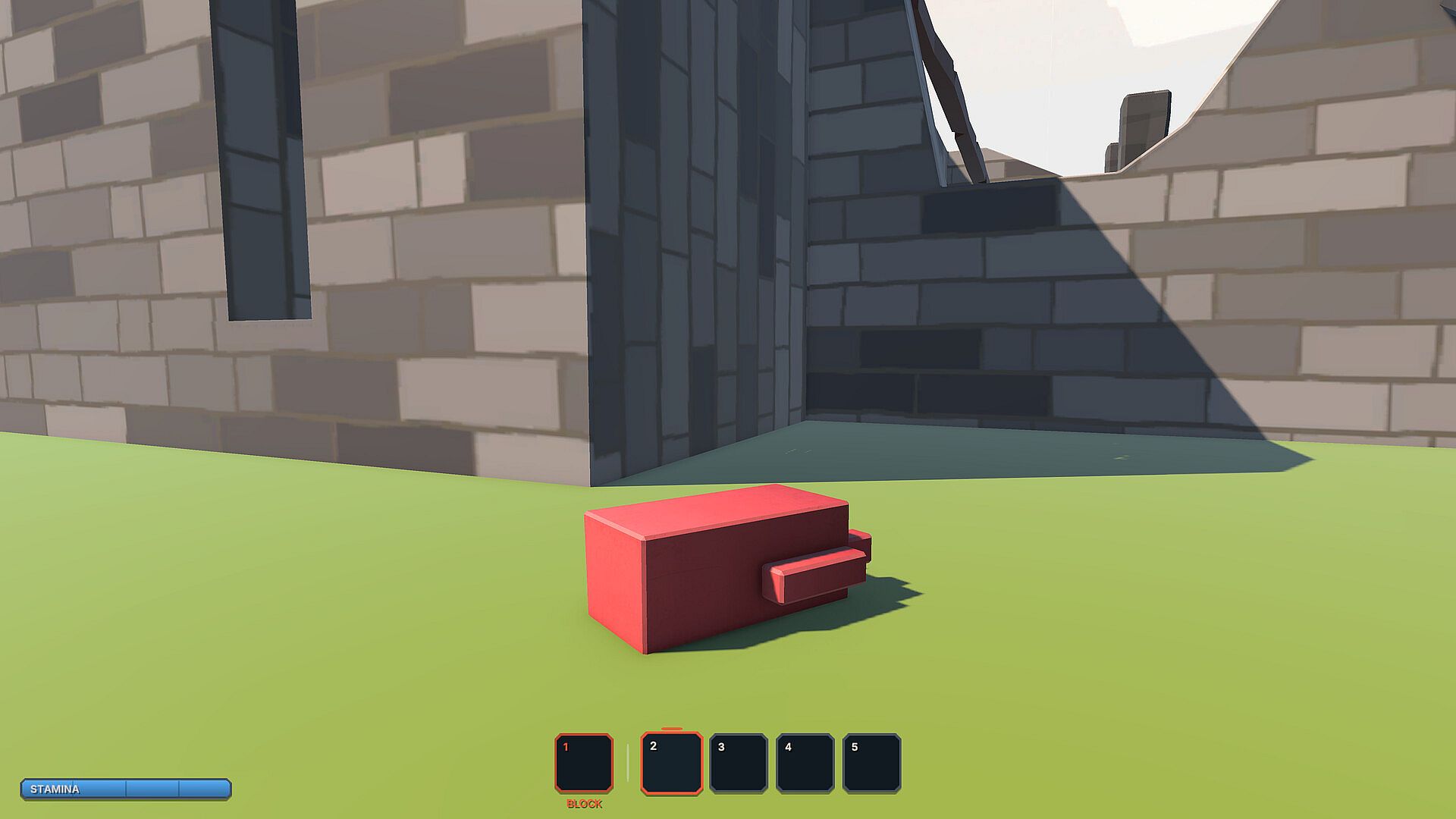
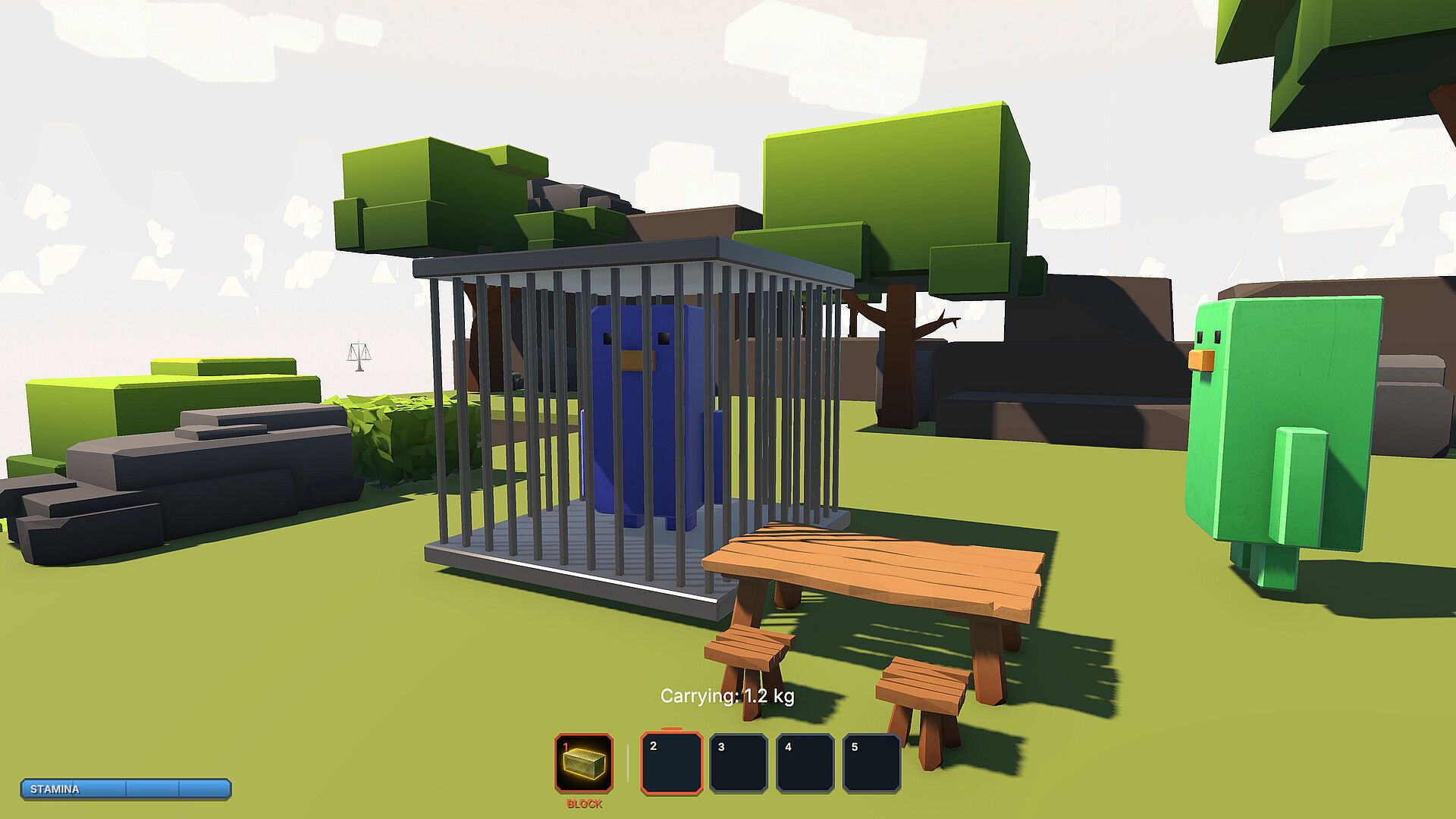
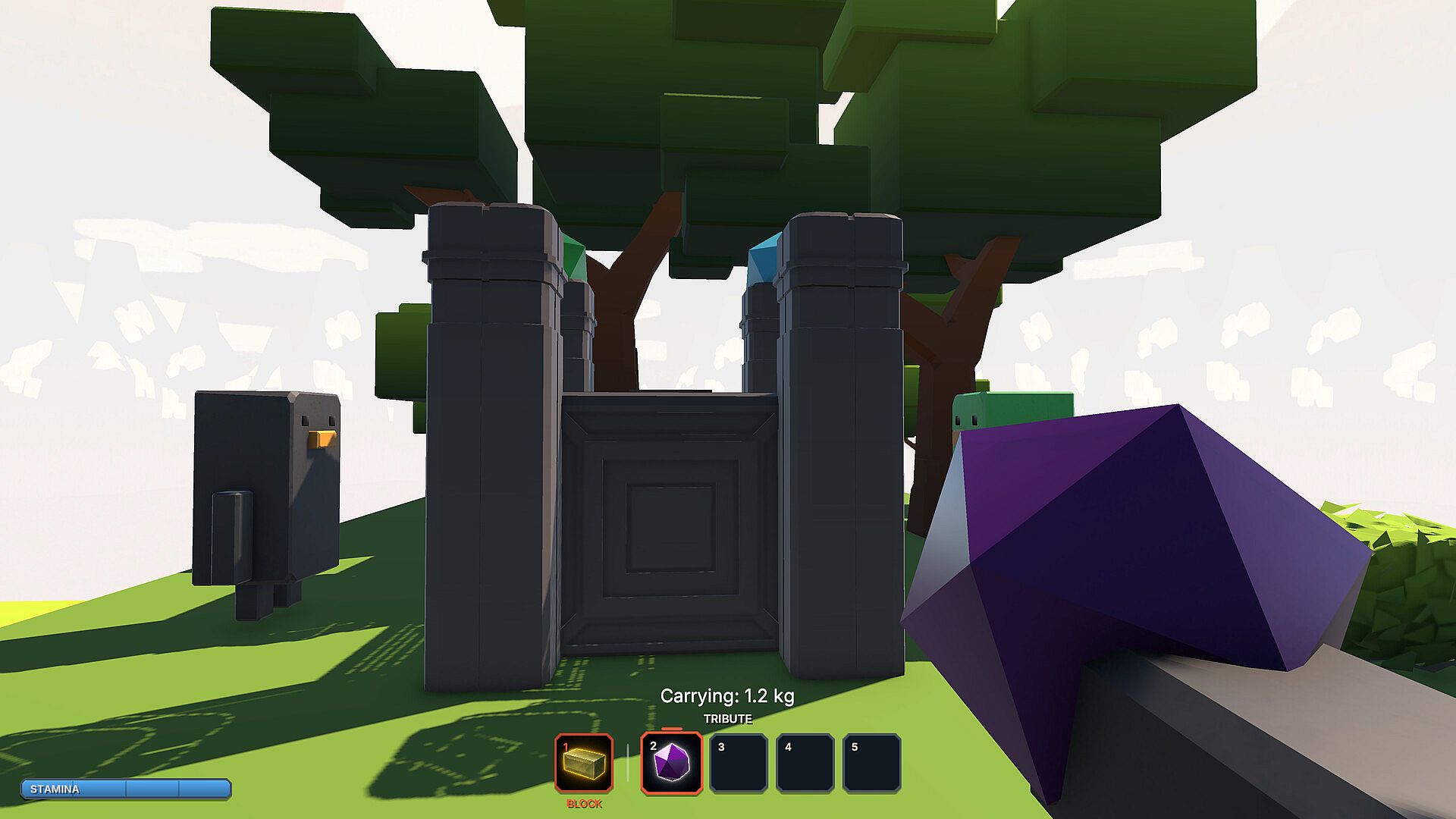
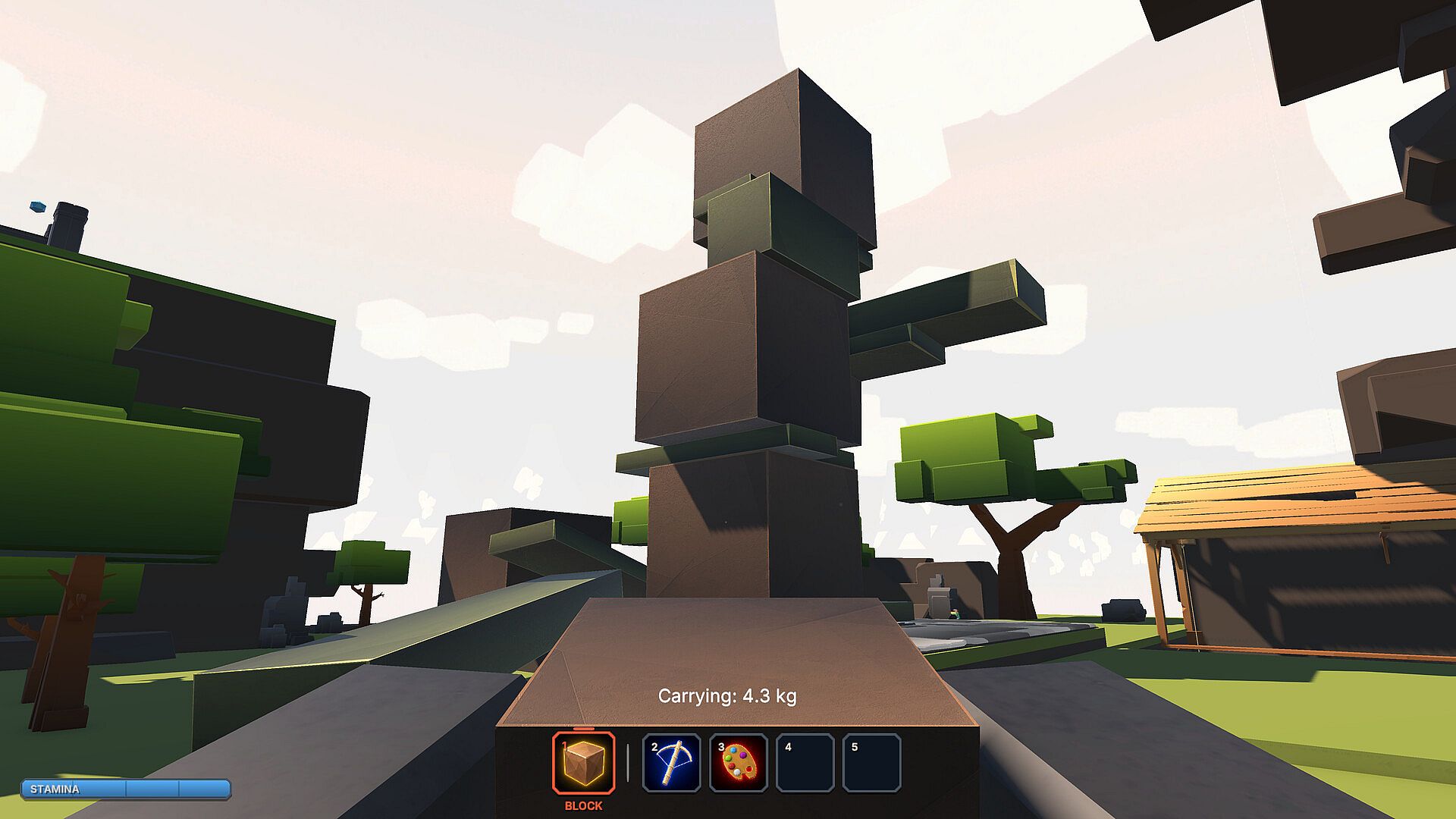
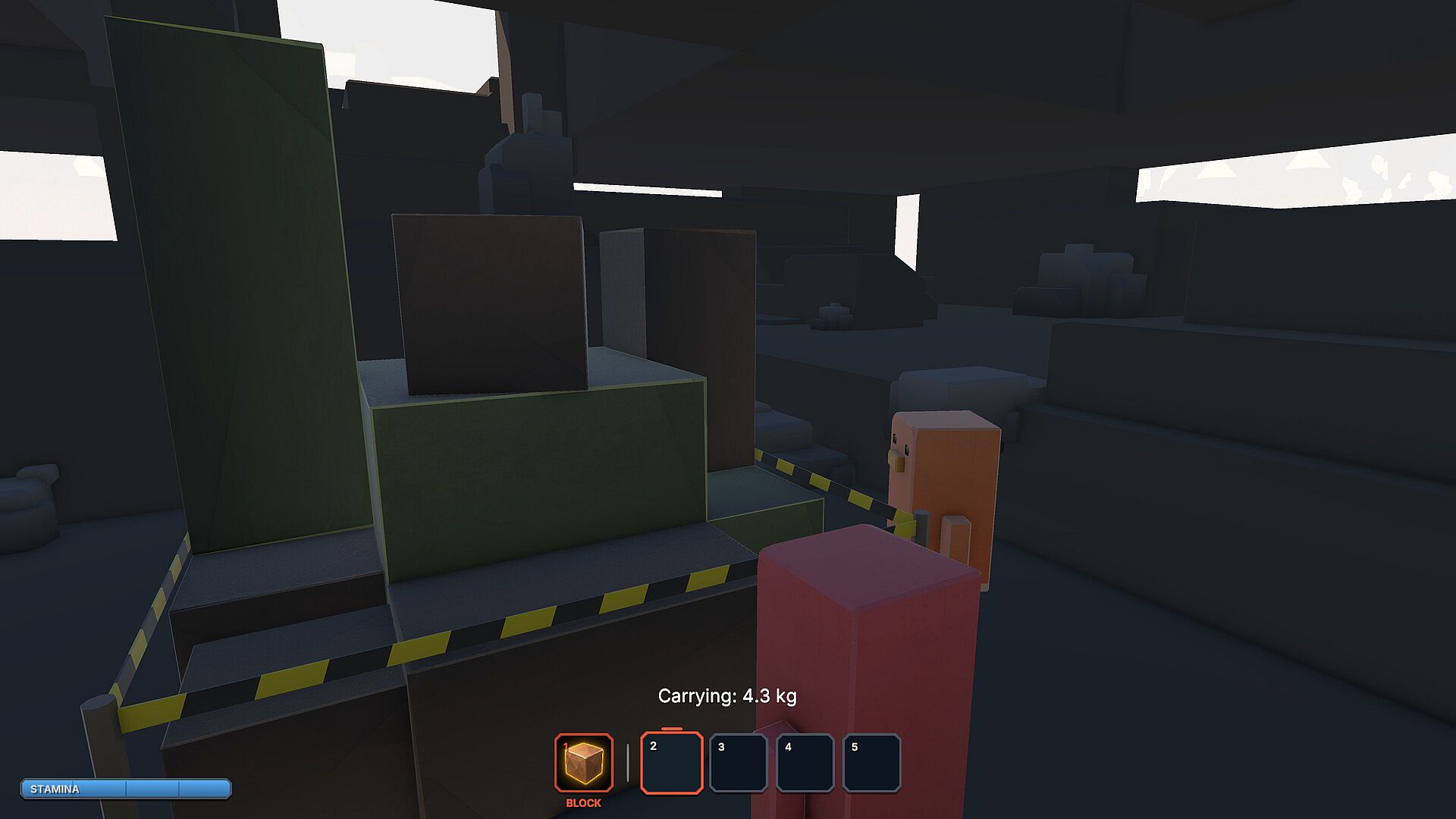
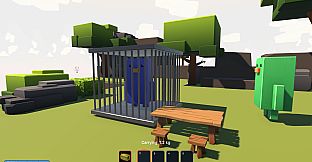
Players take turns grabbing blocks from a shared quarry, carrying them upward, and positioning them on the growing tower. Placements range from stable and straightforward to risky overhangs that test the physics simulation. A single misstep or deliberate nudge can send blocks tumbling, advancing the team toward failure while providing visual clues about intent. Items appear throughout each match, including jetpacks for mobility, sleep darts for temporary incapacitation, butter for slippery effects, cages for containment, smoke bombs for obscuring vision, and other tools that range from supportive to disruptive. A separate set of tools remains visible only to the Saboteur. The Tribute Altar serves as a key system where collected items can be deposited to construct an Impostor Detector for a definitive scan of roles. Holding tributes too long risks drawing attention. Eliminated players return as Phantoms, able to observe the ongoing match without further influence.
Game Modes
The experience revolves around a single core multiplayer format that combines cooperative building with hidden-role deduction. Matches unfold on an island setting with proximity voice chat enabling quiet coordination or sudden outbursts. Every session incorporates the same foundational loop of turns, observation, accusation, and voting, yet item spawns and player actions ensure varied outcomes. A solo sandbox mode allows practice with block placement and item use outside of competitive play. No additional named modes appear in the available details.
Key Mechanics and Features
Physics govern every block interaction, making placement angle, timing, and position critical to stability. Suspicion builds through observable behaviors such as frequent re-rolls of blocks or proximity to falling pieces. Voting requires first applying a sleep effect to a suspect before a group decision removes them from the active round. Controller support extends to the Steam Deck, and the game includes full online connectivity options with direct invites or join codes. The hidden Saboteur toolkit adds asymmetry without requiring separate factions beyond the primary builder versus saboteur dynamic.
Current State and Availability
Counterweight remains in development with a planned release during 2026. No patches, seasons, or post-launch content have been detailed yet. The title supports Windows systems meeting the specified minimum and recommended hardware, with an emphasis on broadband for multiplayer functionality. A wishlist option exists on major distribution platforms for notification upon launch.
Is It Worth Playing?
Counterweight targets players who enjoy social deduction combined with tangible, physics-driven tasks rather than pure discussion or card play. The integration of tower construction as both objective and evidence source creates a distinctive loop where mechanical skill and observational deduction reinforce each other. Groups that appreciate proximity voice chat for real-time scheming and betrayal will find the format engaging, especially in sessions with three to eight participants. Those seeking straightforward cooperative building or traditional hidden-role games without the stacking element may prefer other options. With no player reviews available prior to release, the recommendation rests on the described systems matching the interests of fans of chaotic multiplayer deduction titles. The solo sandbox provides a low-pressure entry point for learning mechanics before jumping into group matches.











