










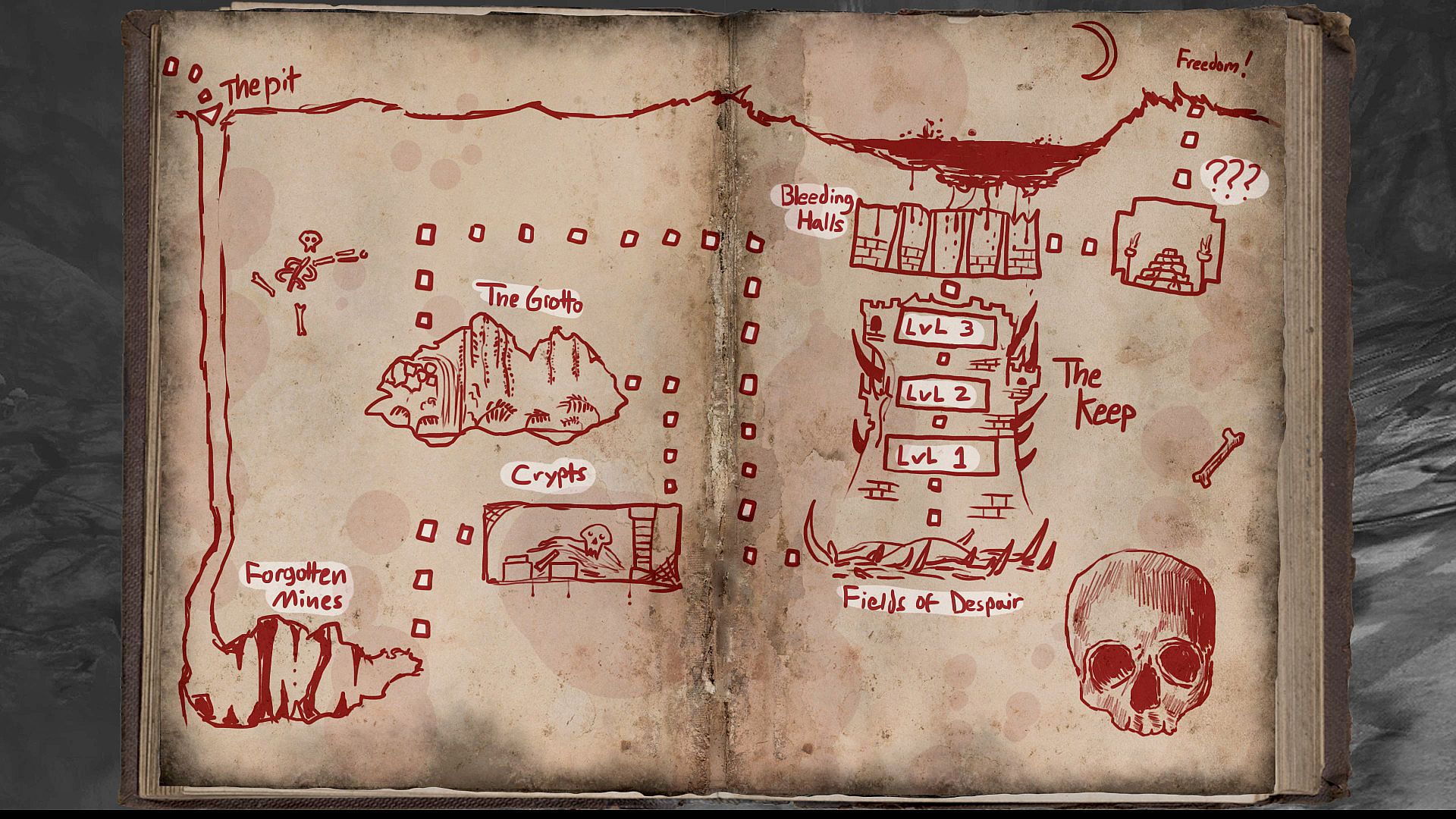
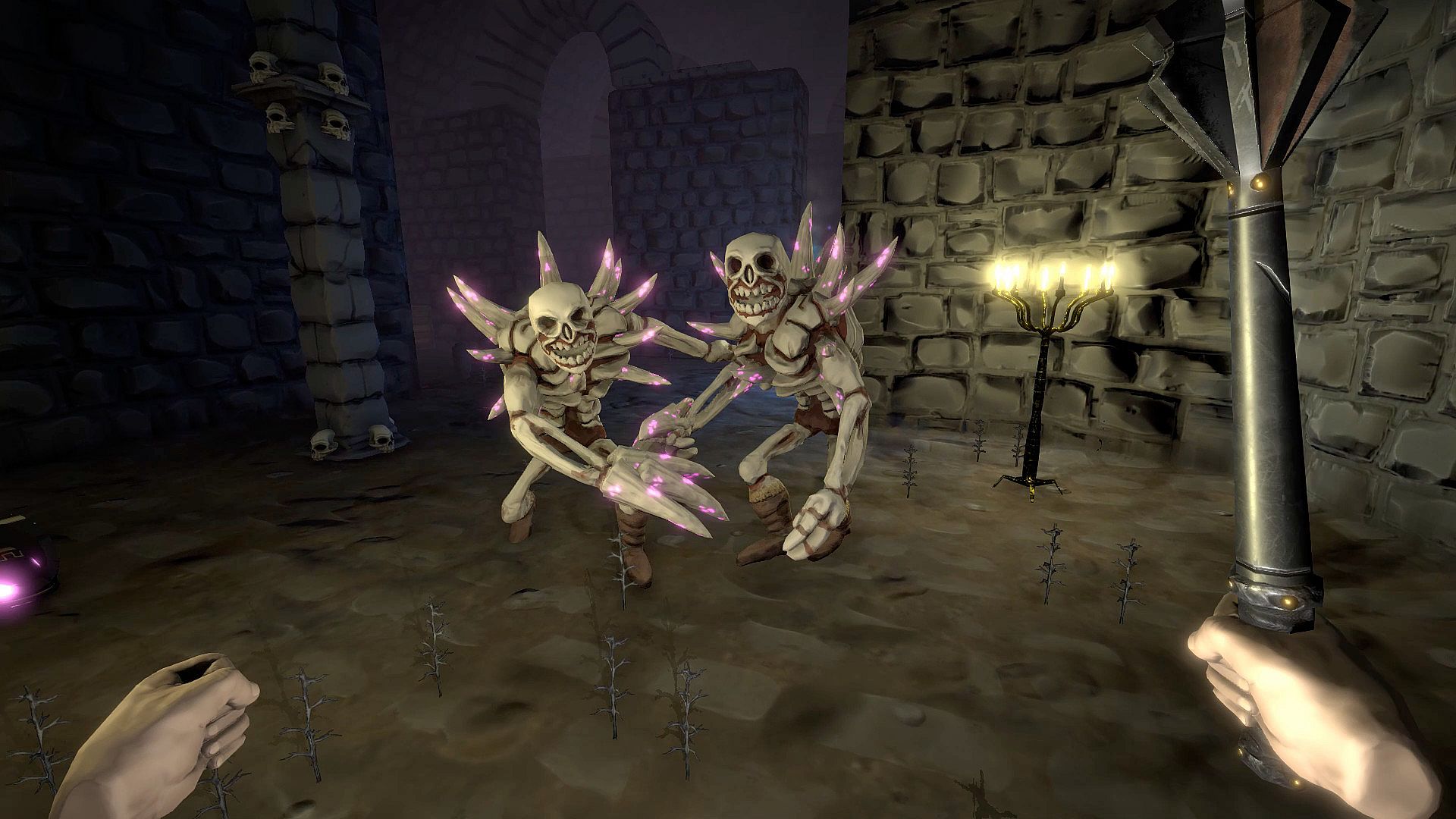
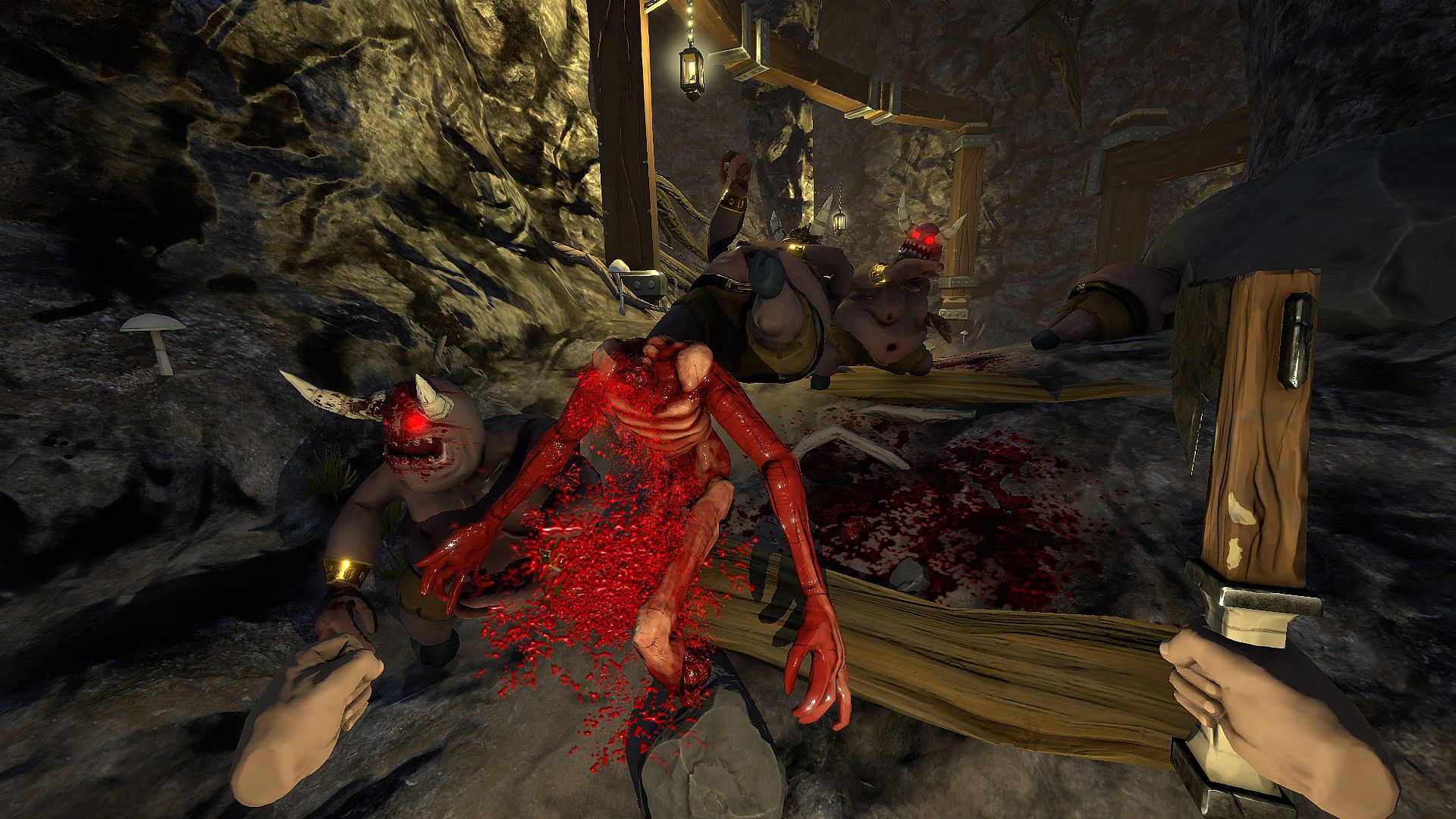
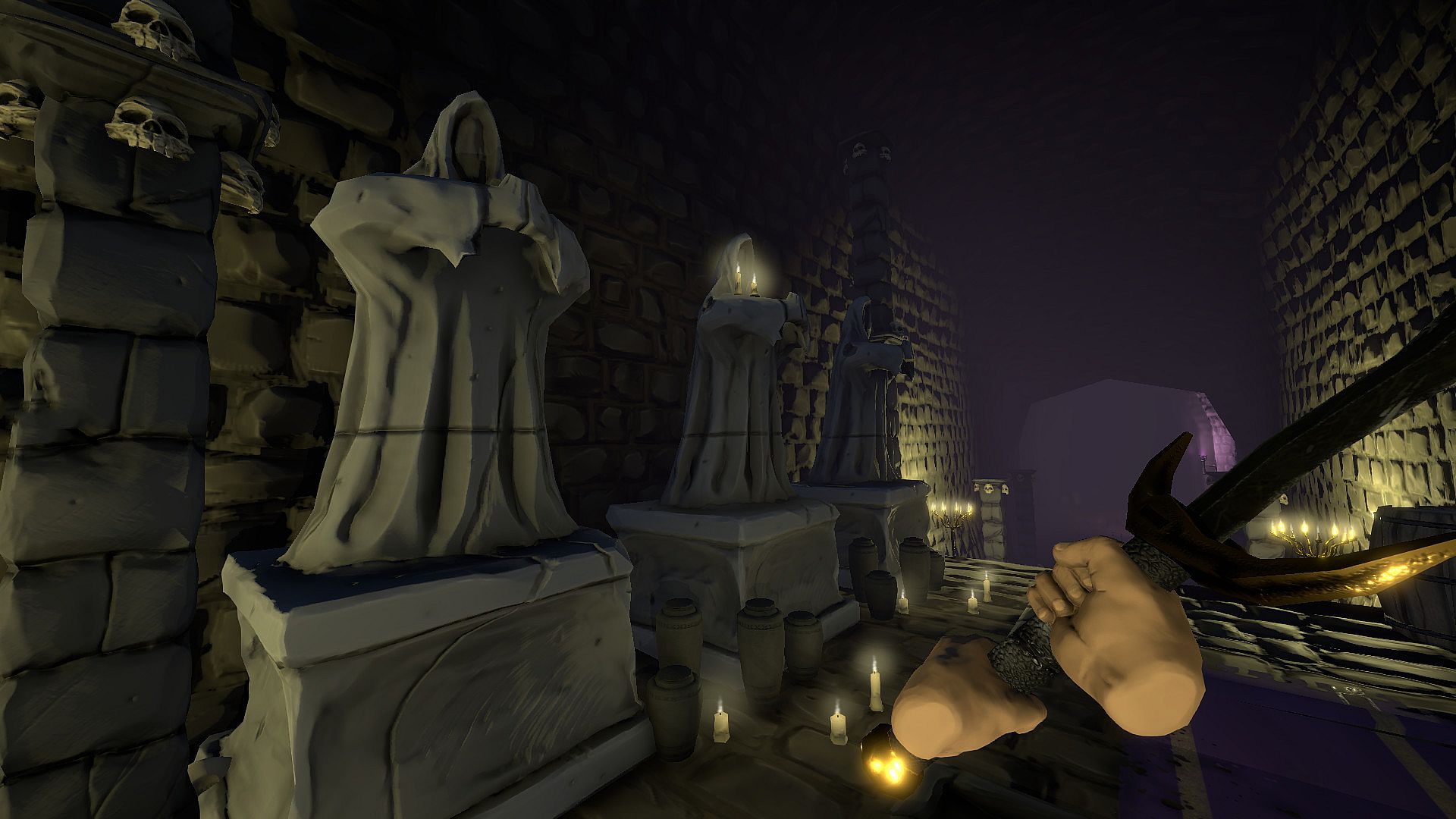
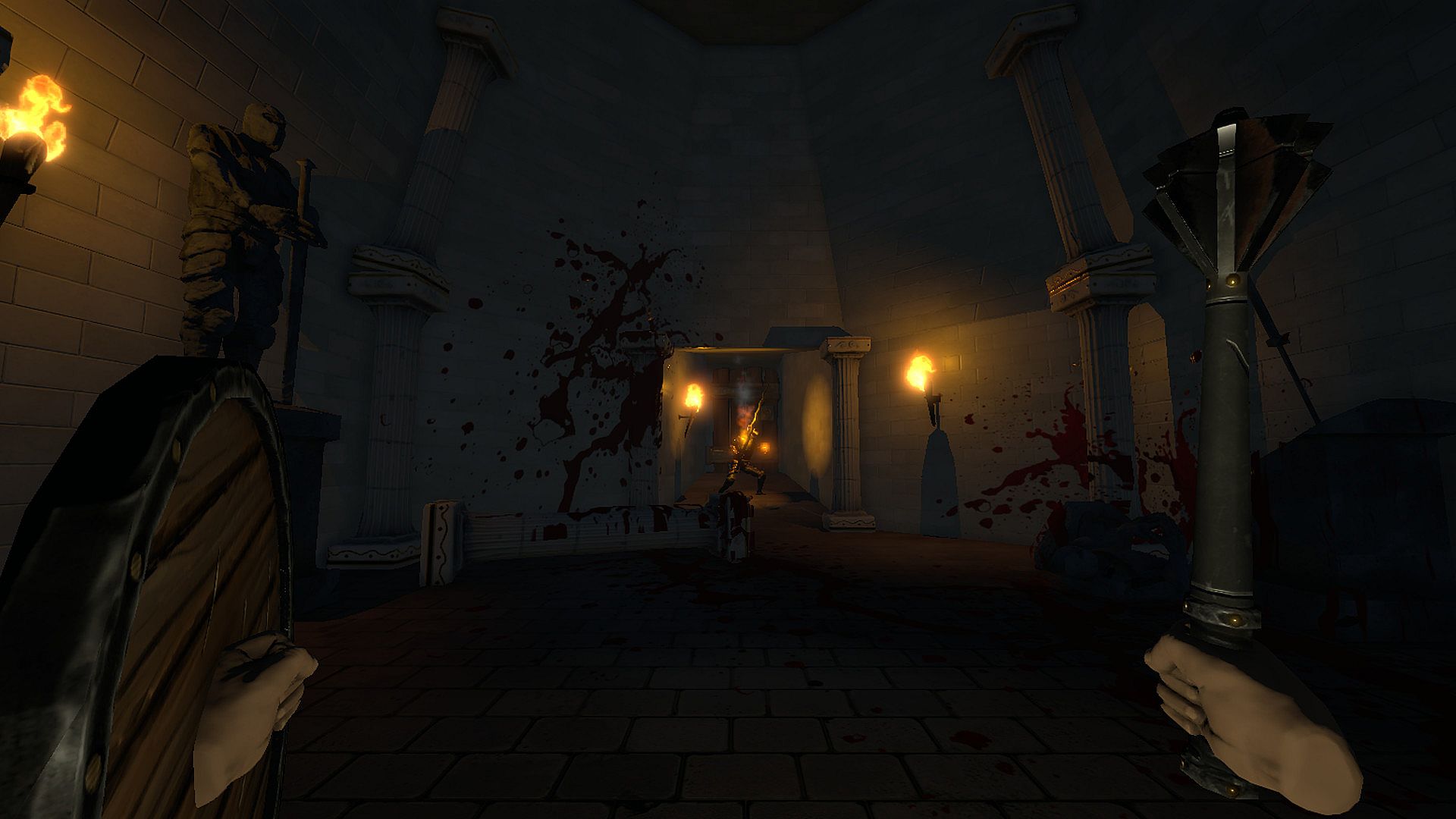
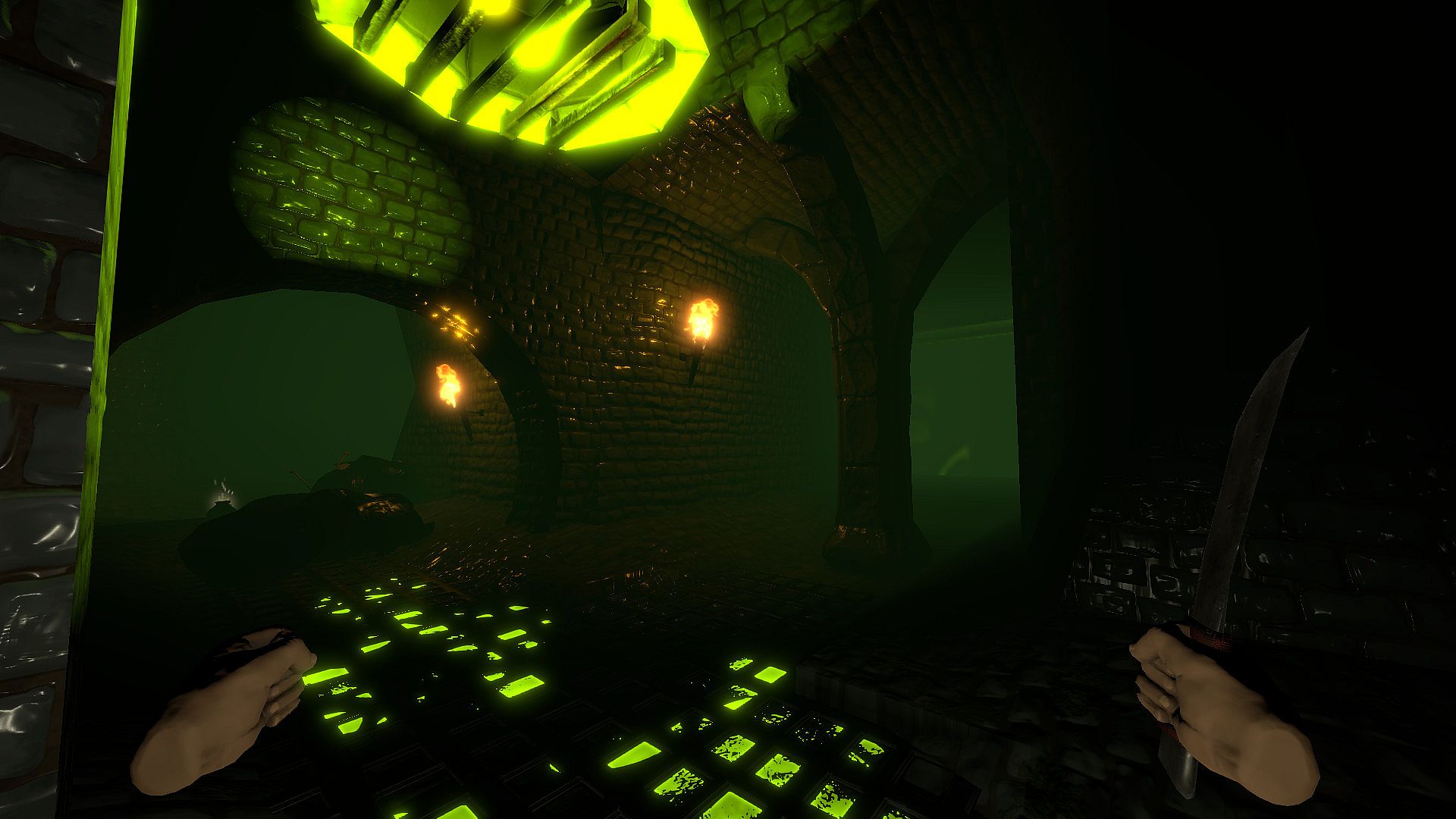
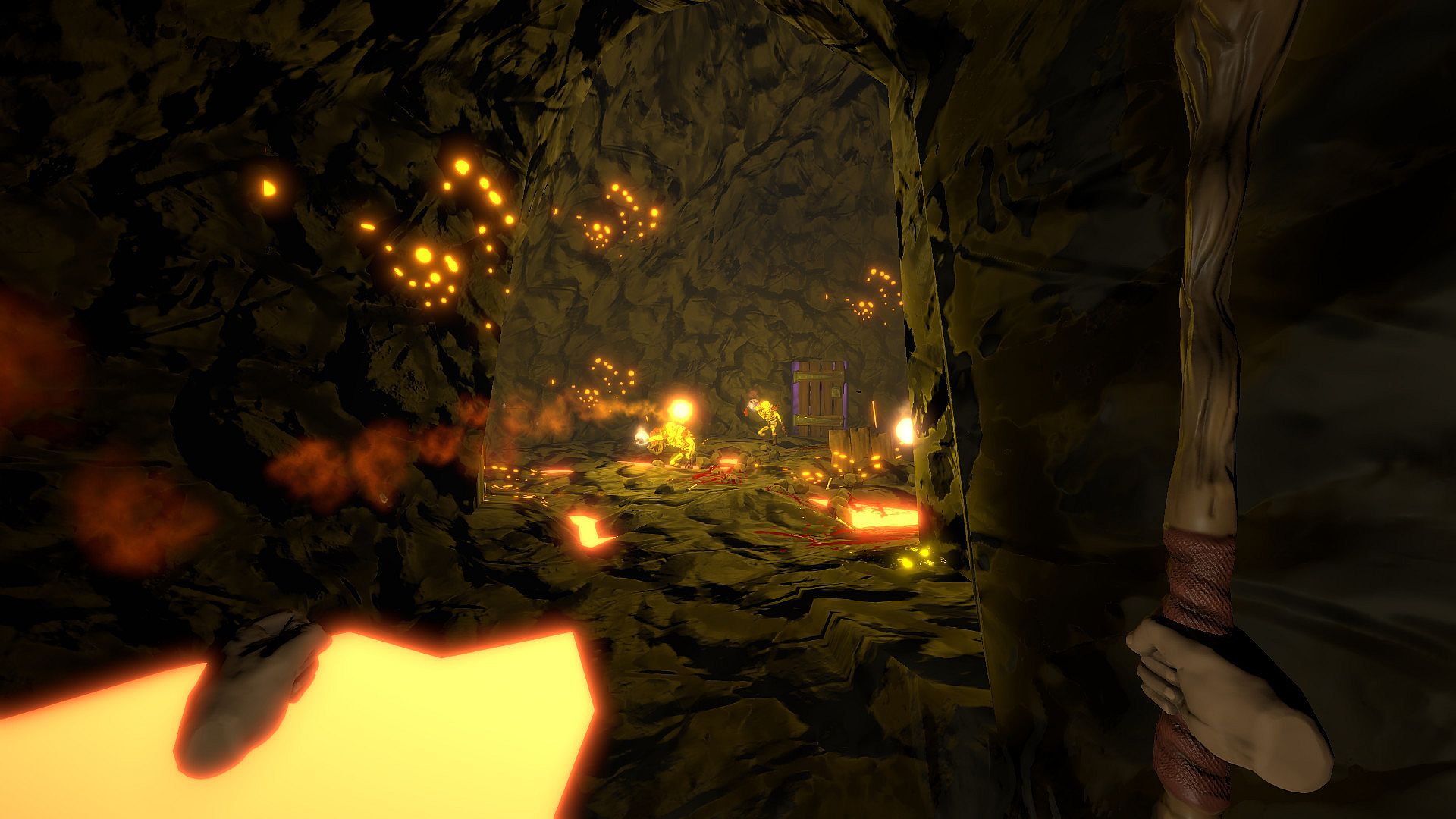
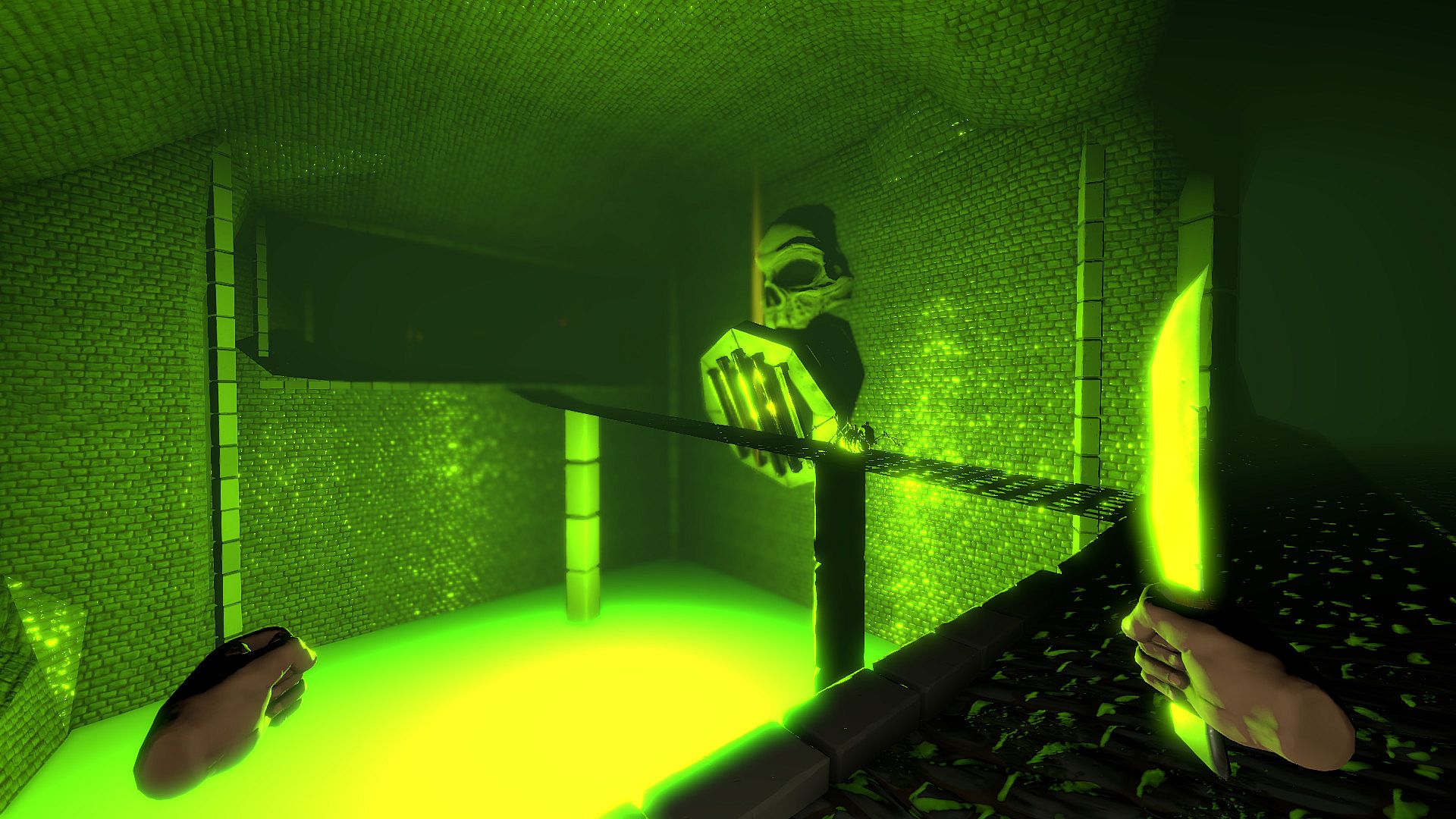
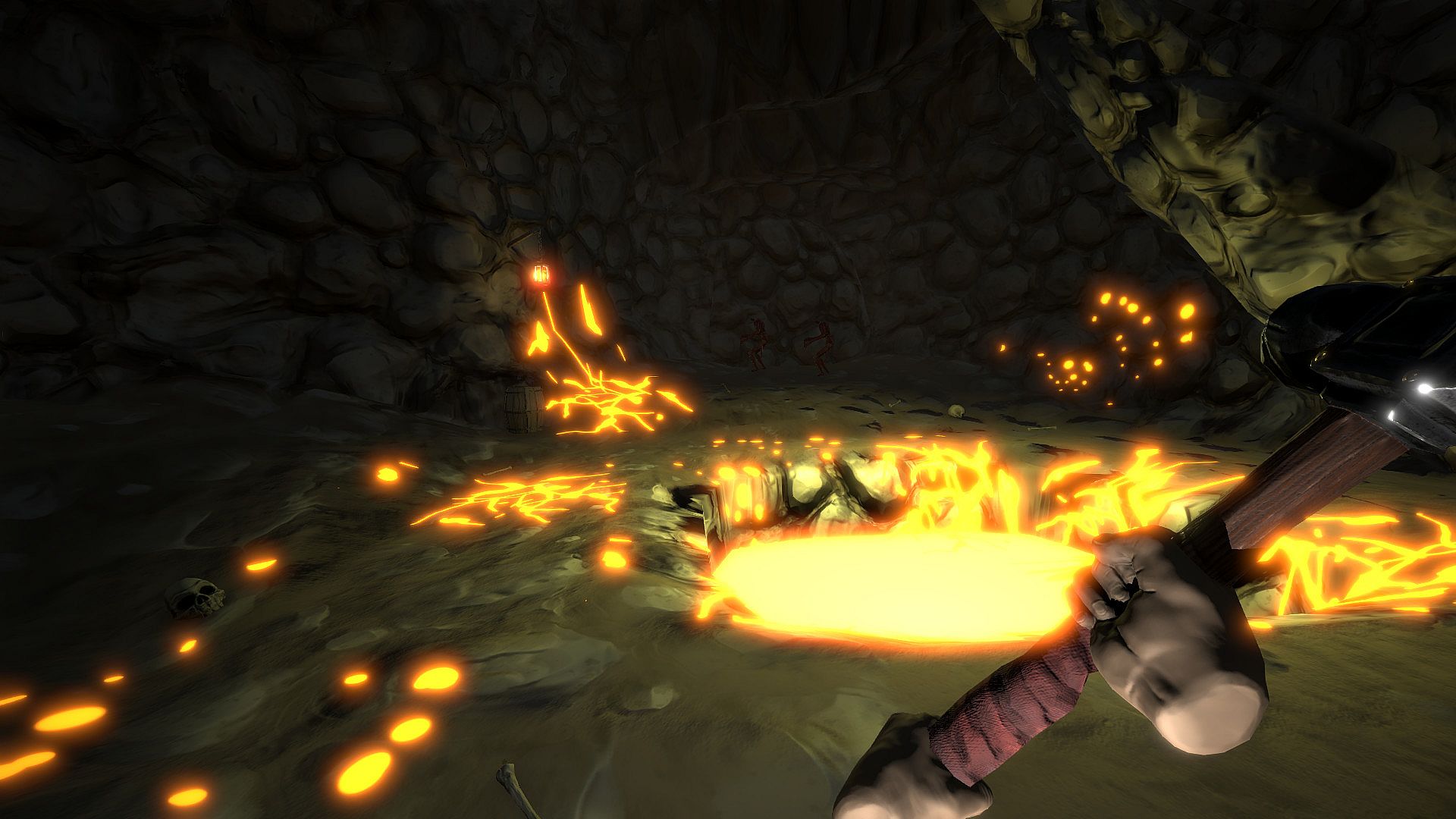
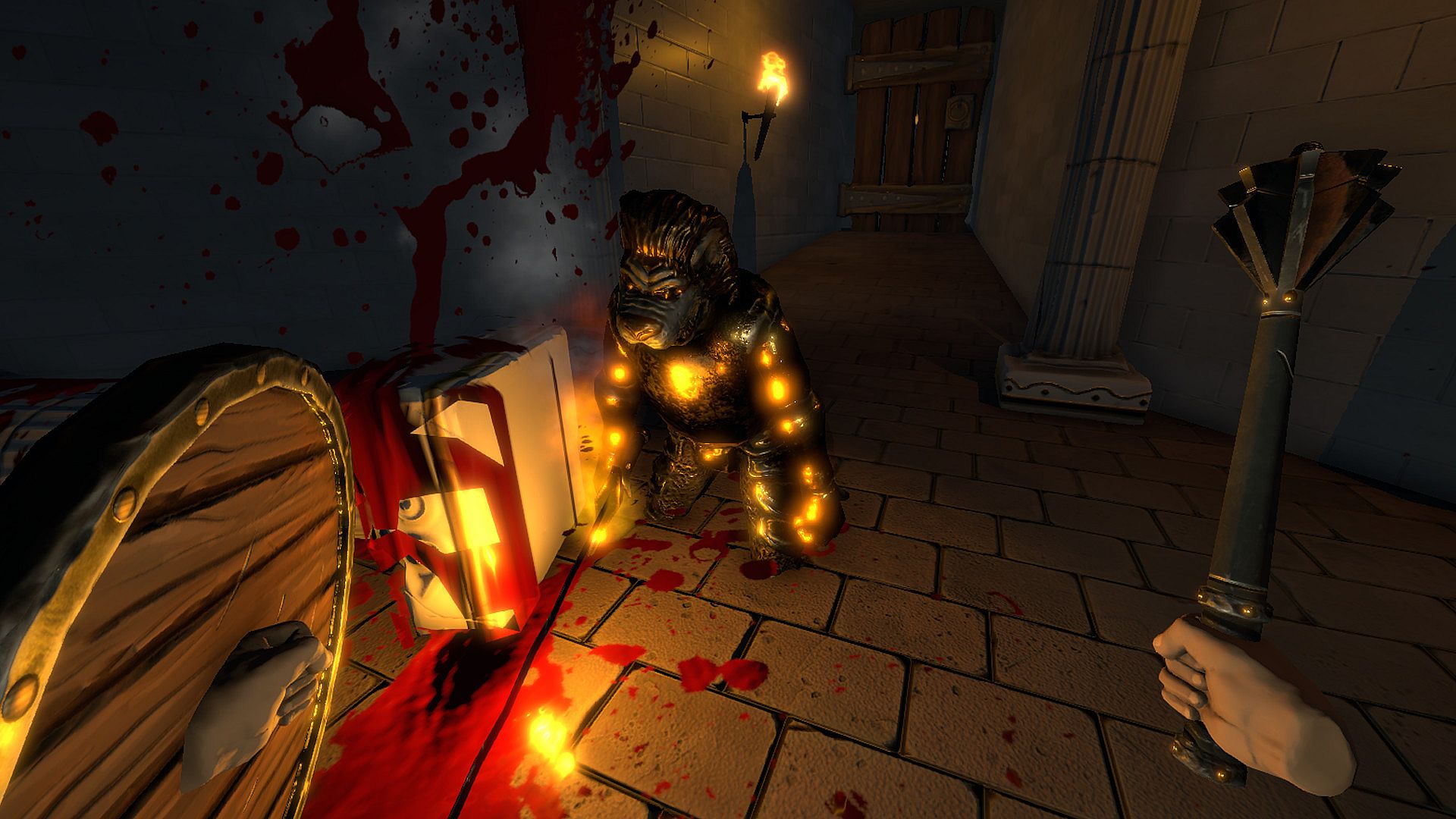
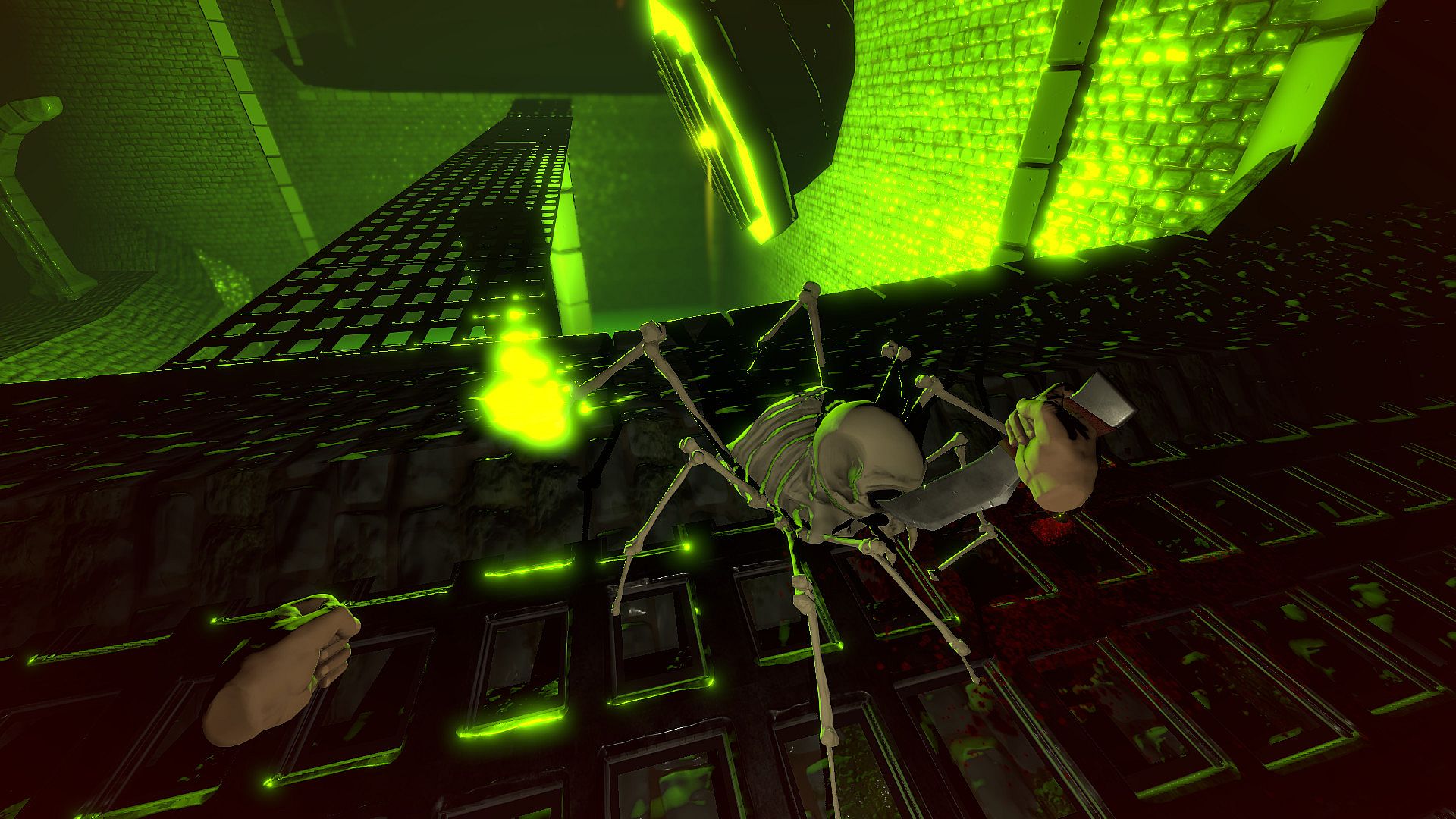
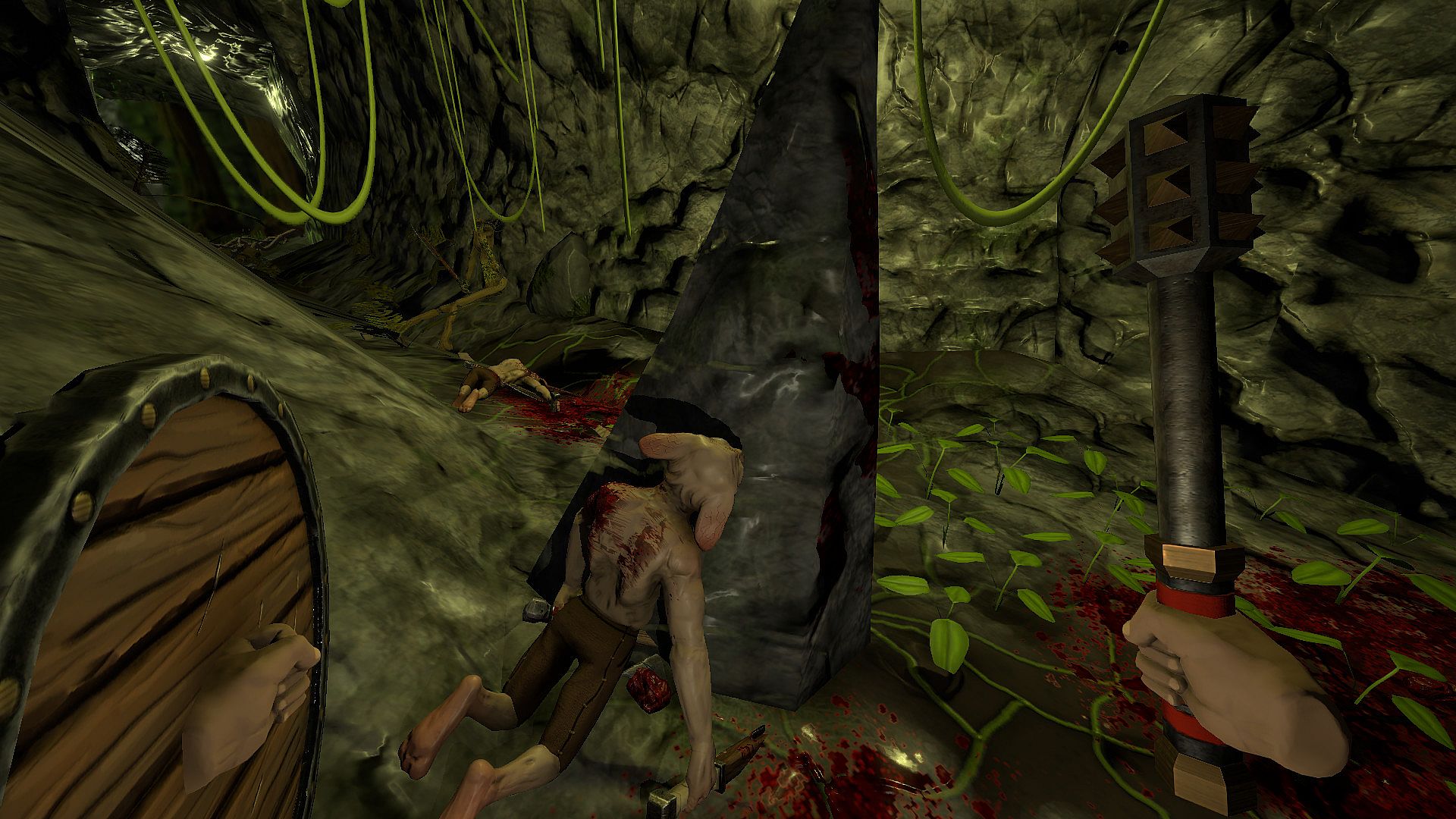
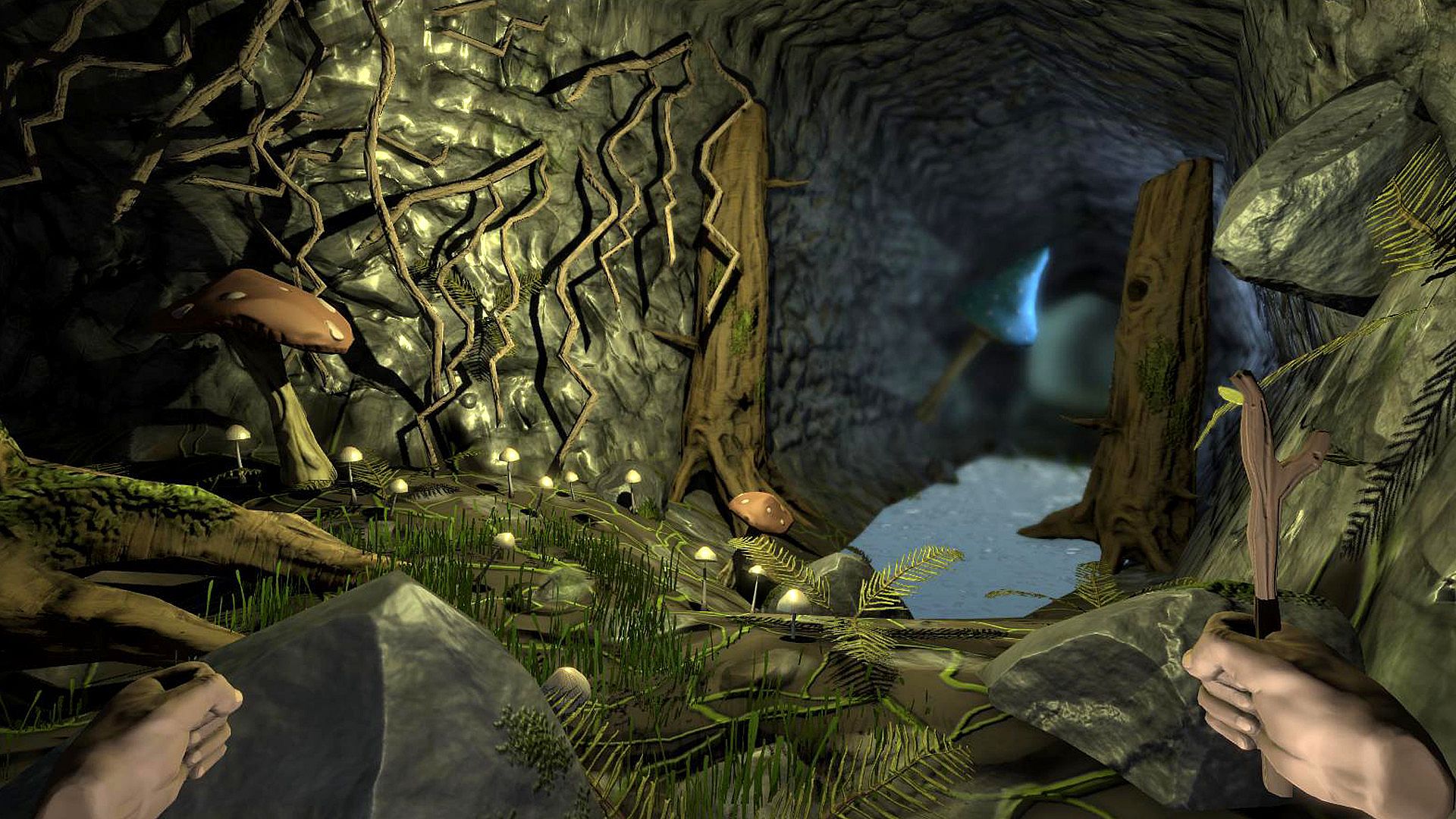
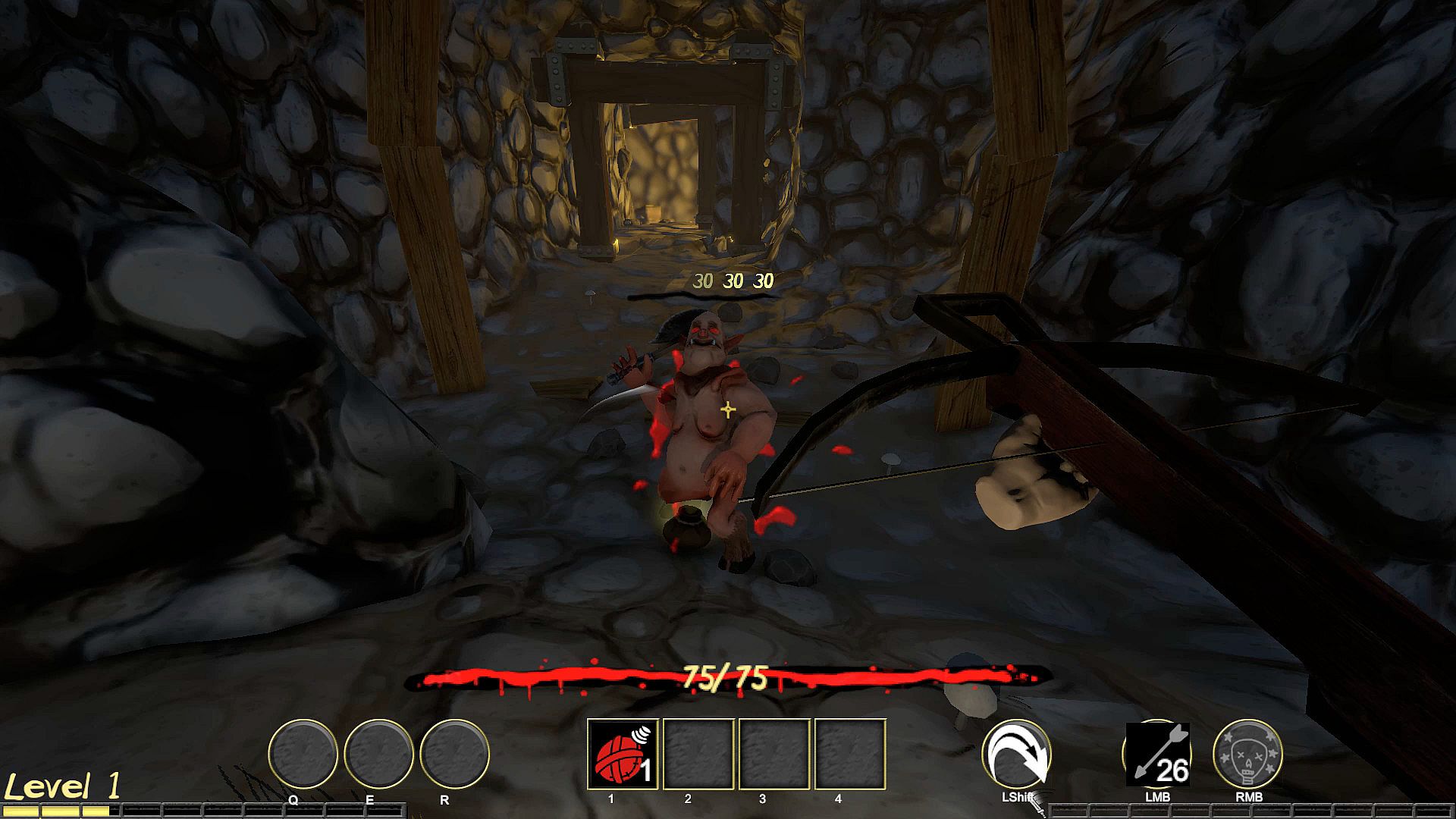
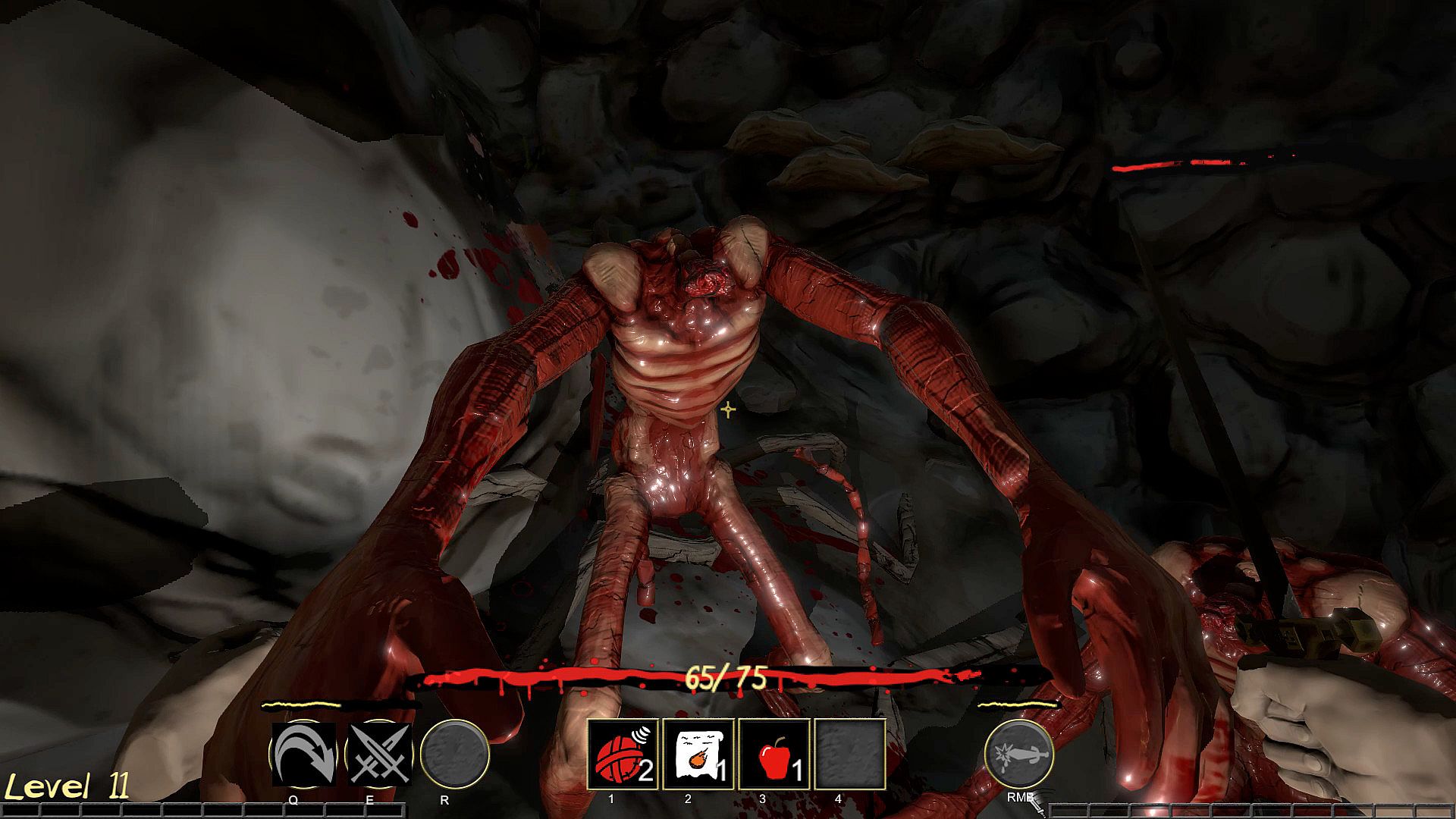
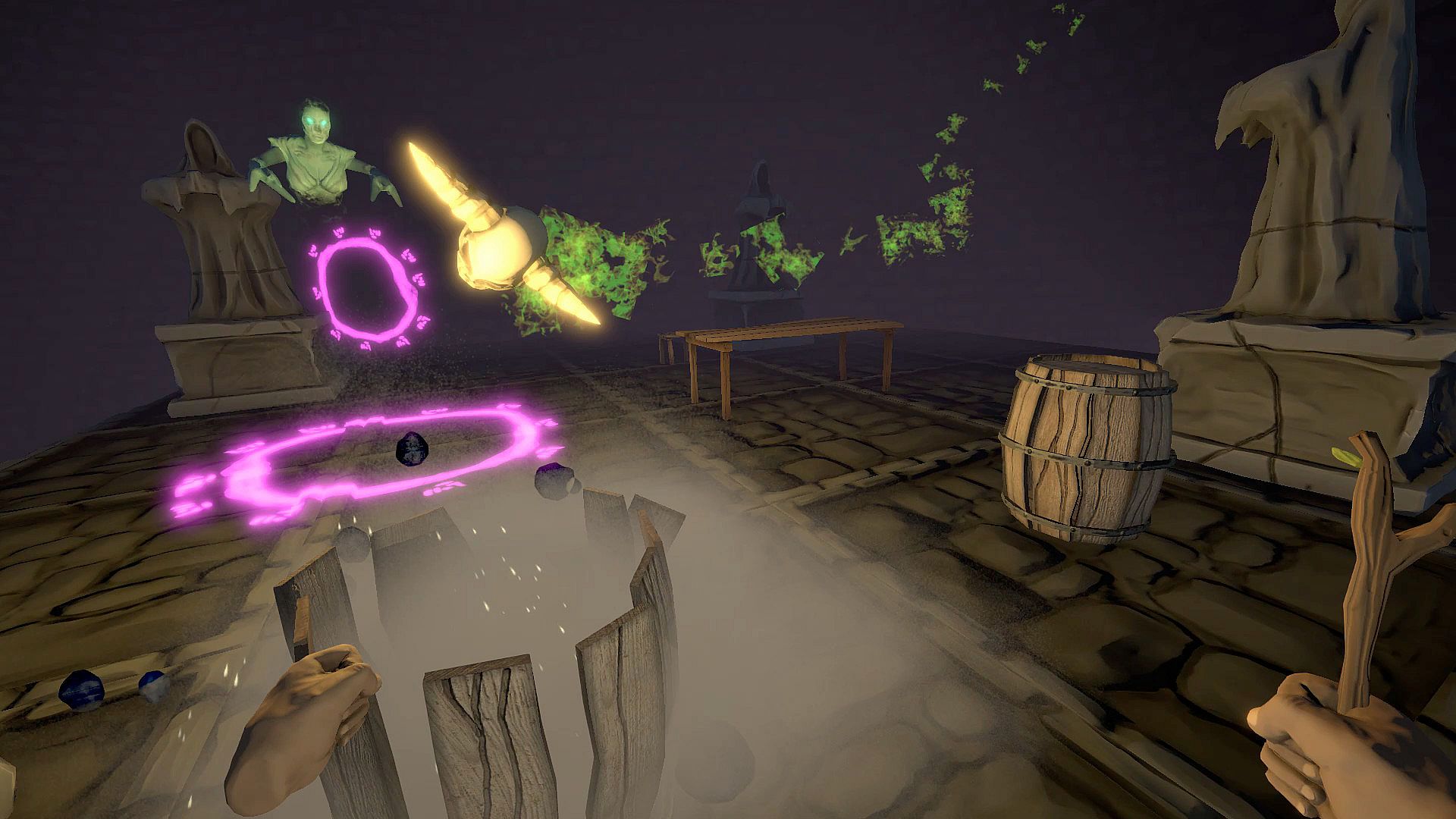
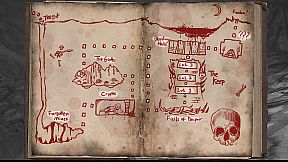
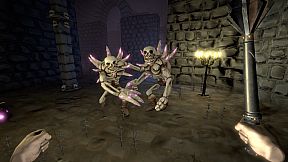
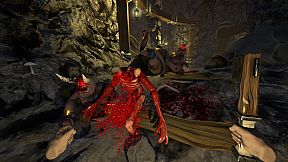
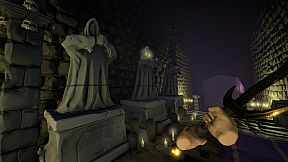
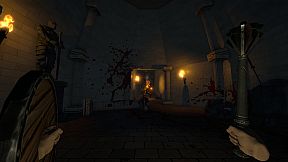
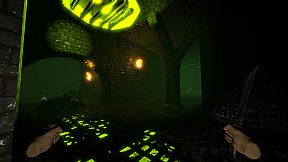
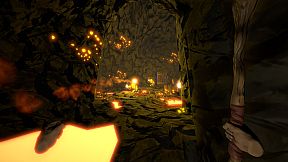
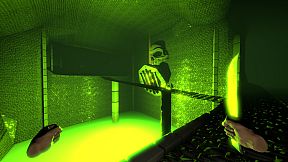
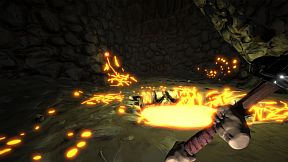
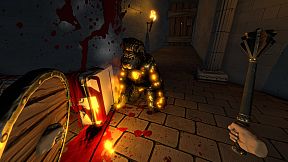
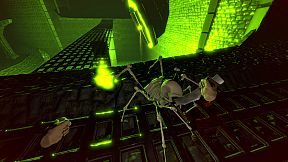
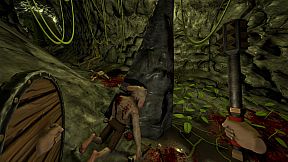
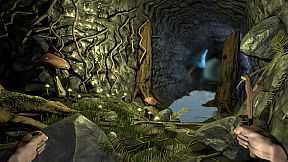
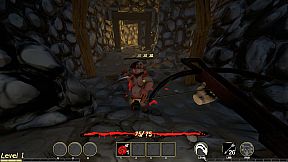
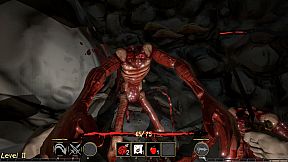
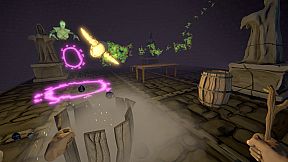
Crimson Keep is a first-person action RPG that places players in a procedural dungeon environment filled with combat, exploration, and survival elements. The game follows a narrative setup where a curse has affected the village of Larkstead, sending the protagonist into underground dungeons in search of an ancient structure known as the Crimson Keep. Core systems revolve around scavenging resources, managing limited supplies, and navigating randomly generated spaces that change with each attempt.
Gameplay
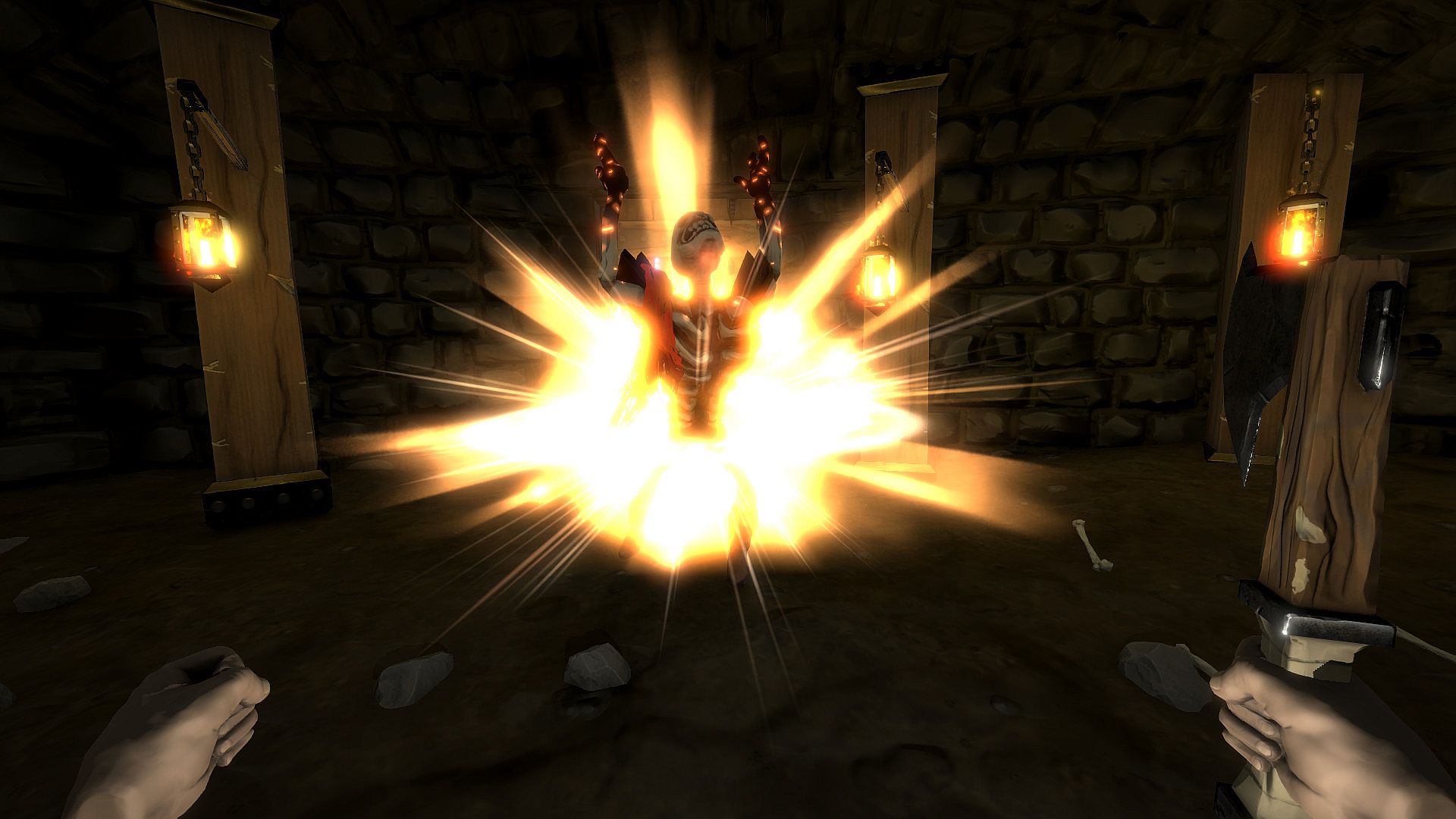
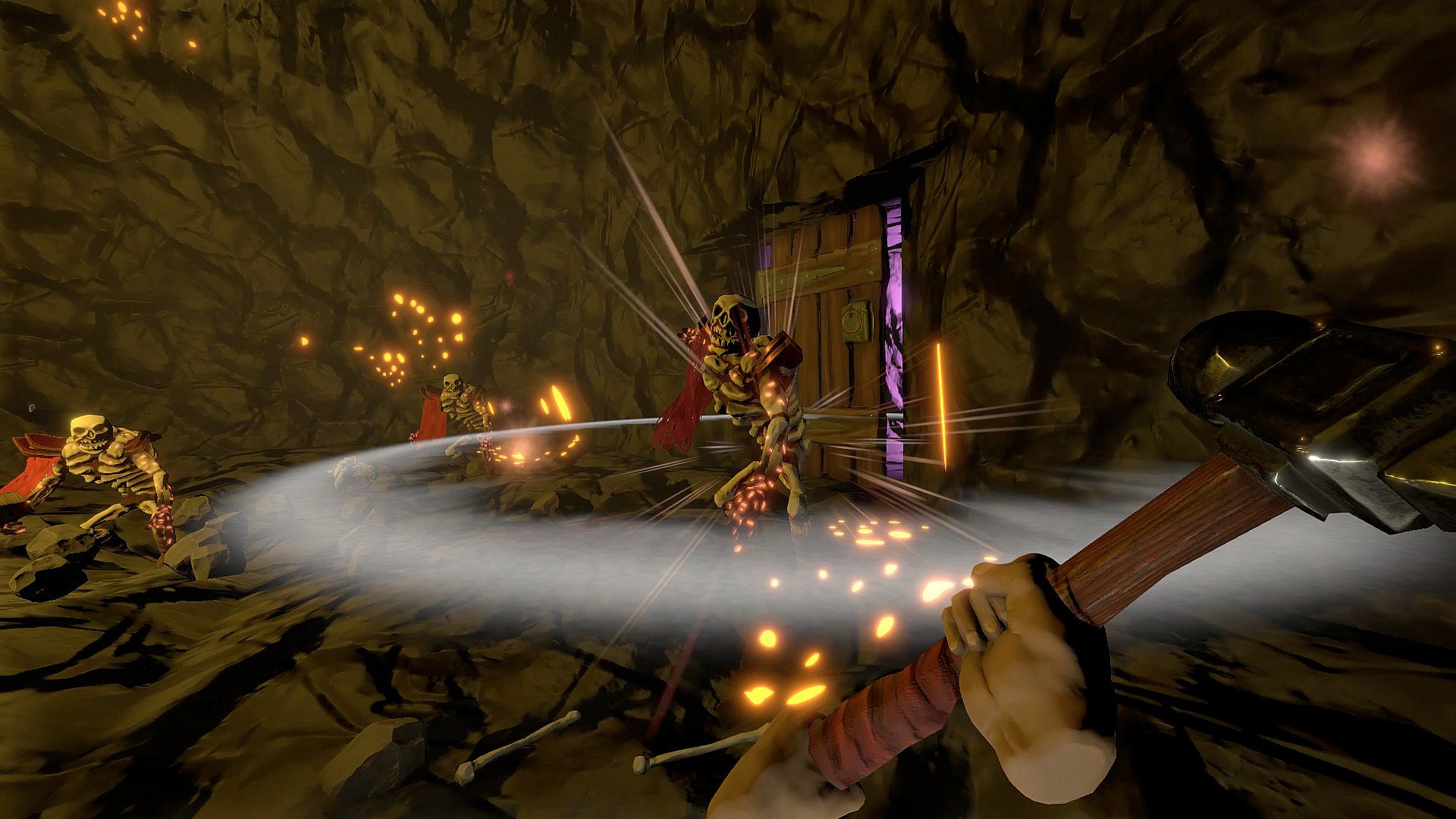
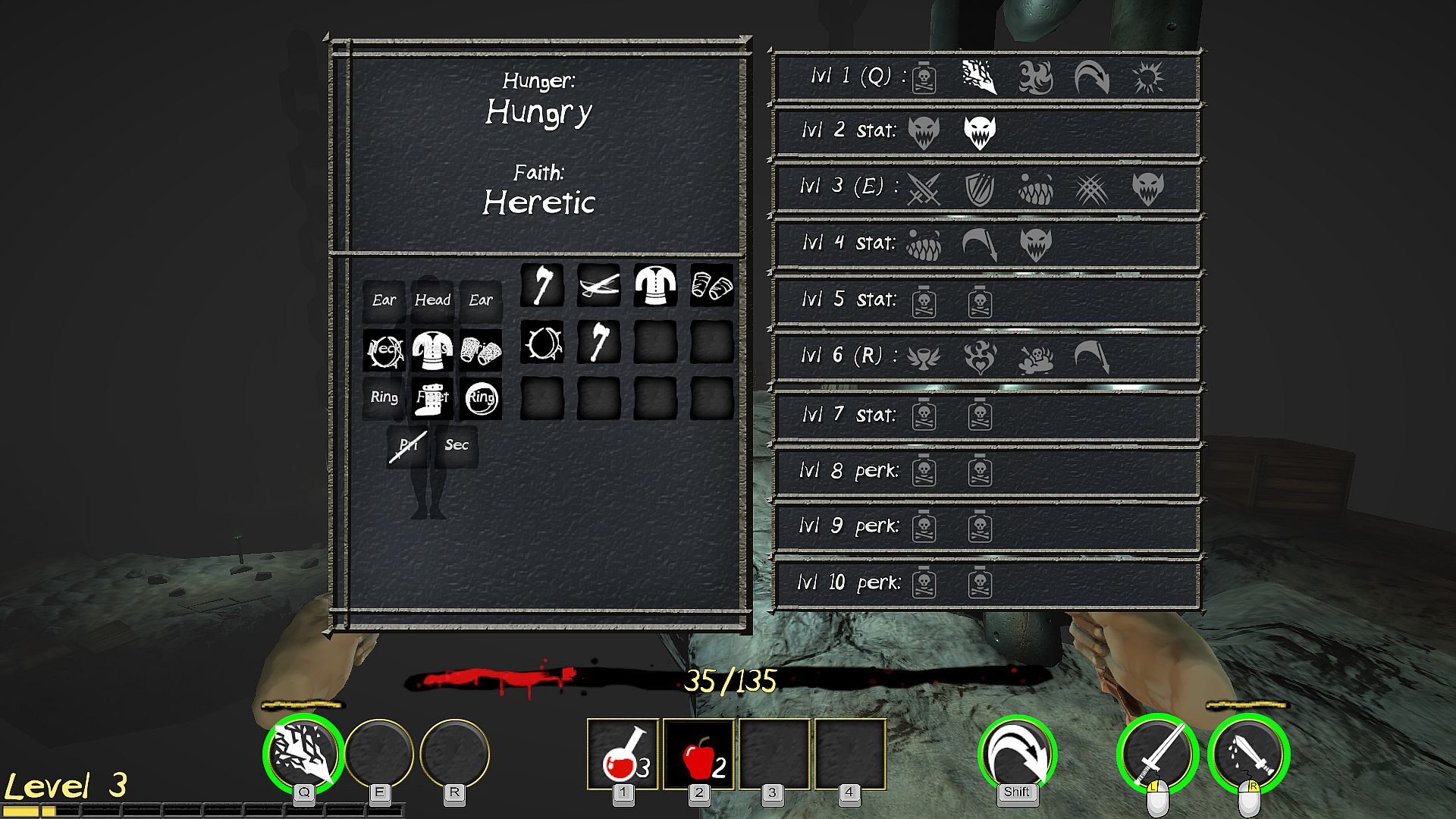
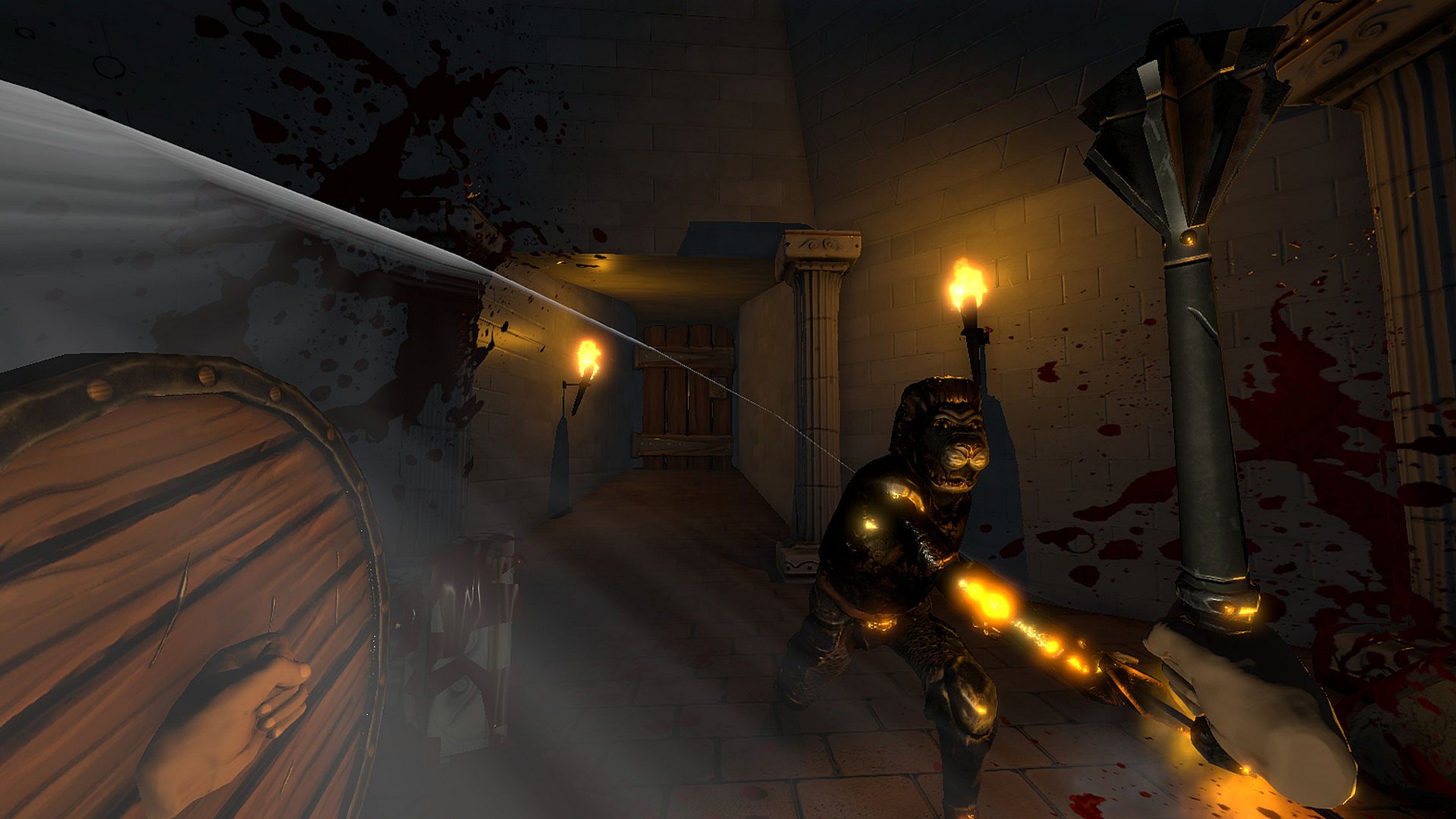
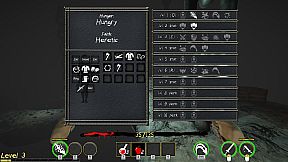
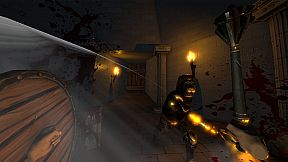
Players control a character equipped with melee weapons that vary in attack speed, reach, and special moves. Combat emphasizes positioning and precision through locational damage, where striking specific enemy weak points can alter fight outcomes. Different weapon types require adjusted approaches rather than repeated basic attacks. Multiple classes offer distinct ability sets with trade-offs in speed, defense, or utility. Hunger mechanics force regular attention to food sources found during runs, while cursed items introduce risks that can hinder progress if equipped. Worship of gods provides optional buffs or effects that influence survival chances. Random generation applies to level layouts, enemy placements, and item drops, ensuring each descent presents new challenges. Permadeath ends a run upon character death, returning the player to the start with any unlocked permanent options from prior achievements.
Game Modes
The experience centers on repeated single-player runs through the labyrinth. Each attempt begins from the surface and involves descending deeper while managing resources and combat encounters. Completing a full run unlocks additional areas and boss encounters for future attempts. No separate multiplayer or competitive modes exist. The structure relies on procedural generation to vary encounters, with achievements progressively expanding the pool of available abilities and equipment across runs. This setup creates a loop of exploration, combat, and resource management without branching campaign paths or alternate scenarios.
Progression and Mechanics
Achievements serve as the main form of long-term advancement by granting access to new abilities and items that carry over between runs. Classes and god worship options allow customization of playstyle, with strengths in areas like damage output or evasion balanced against weaknesses such as reduced mobility or higher resource demands. Traps and environmental hazards add layers to navigation beyond direct monster confrontations. The hunger system and cursed items create ongoing management decisions that affect combat effectiveness and survival odds. Random loot encourages experimentation with different weapon and ability combinations on each attempt.
Is It Worth Playing?
Crimson Keep suits players who enjoy roguelike action RPGs with procedural levels and permadeath. The mixed reception stems from its 2018 release, where 14 user reviews on the primary distribution platform show a 50 percent positive rating. Strengths noted include unique visual style and the need for thoughtful combat rather than button mashing. Limitations appear in balance, enemy AI consistency, and overall polish. The game remains available at a low price point with no ongoing updates or seasonal content confirmed since launch. Those seeking short, repeatable dungeon runs with class variety and permanent unlocks may find value, while players preferring polished narratives or frequent content additions may prefer alternatives in the genre. Availability is limited to PC.