








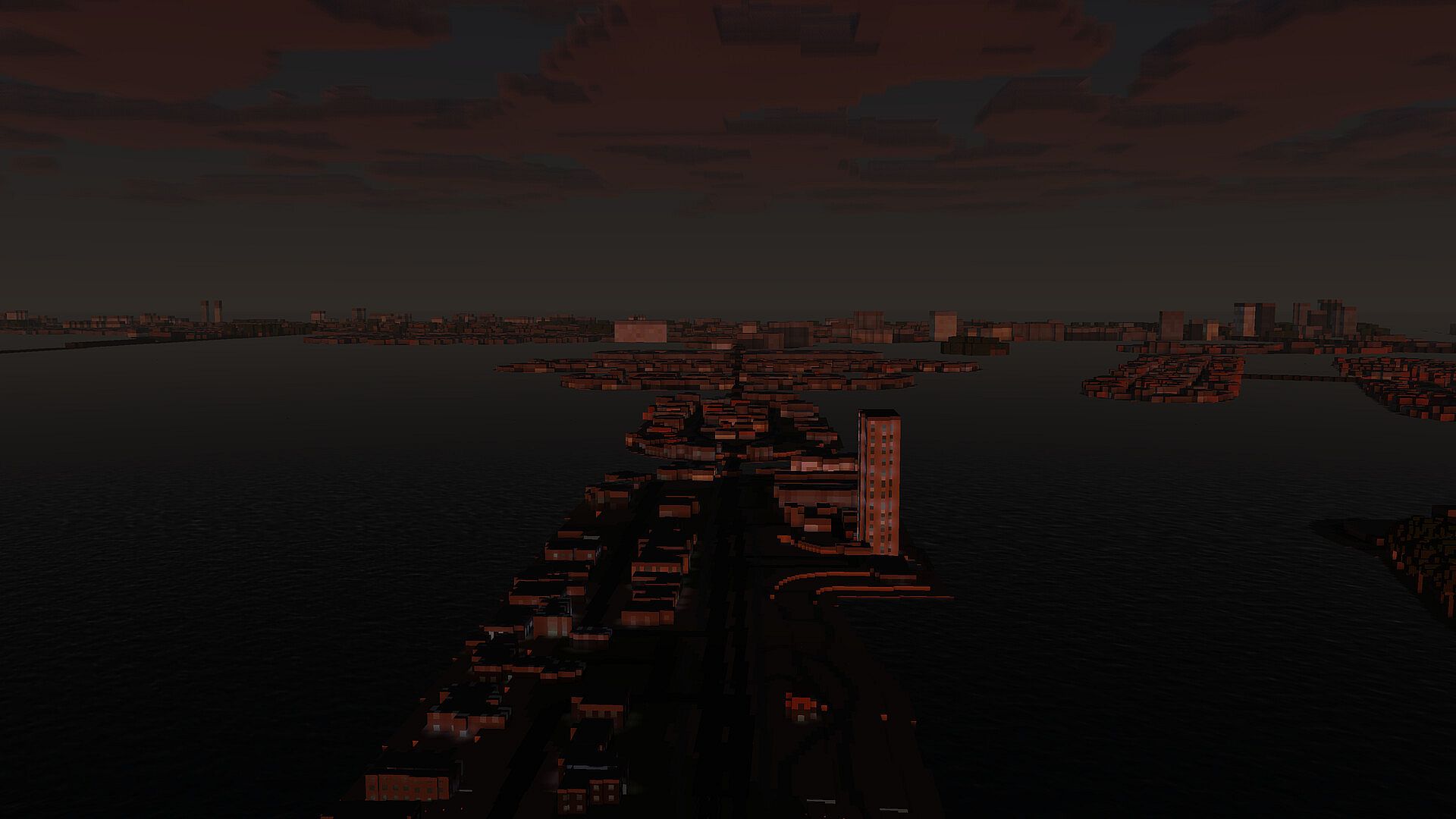
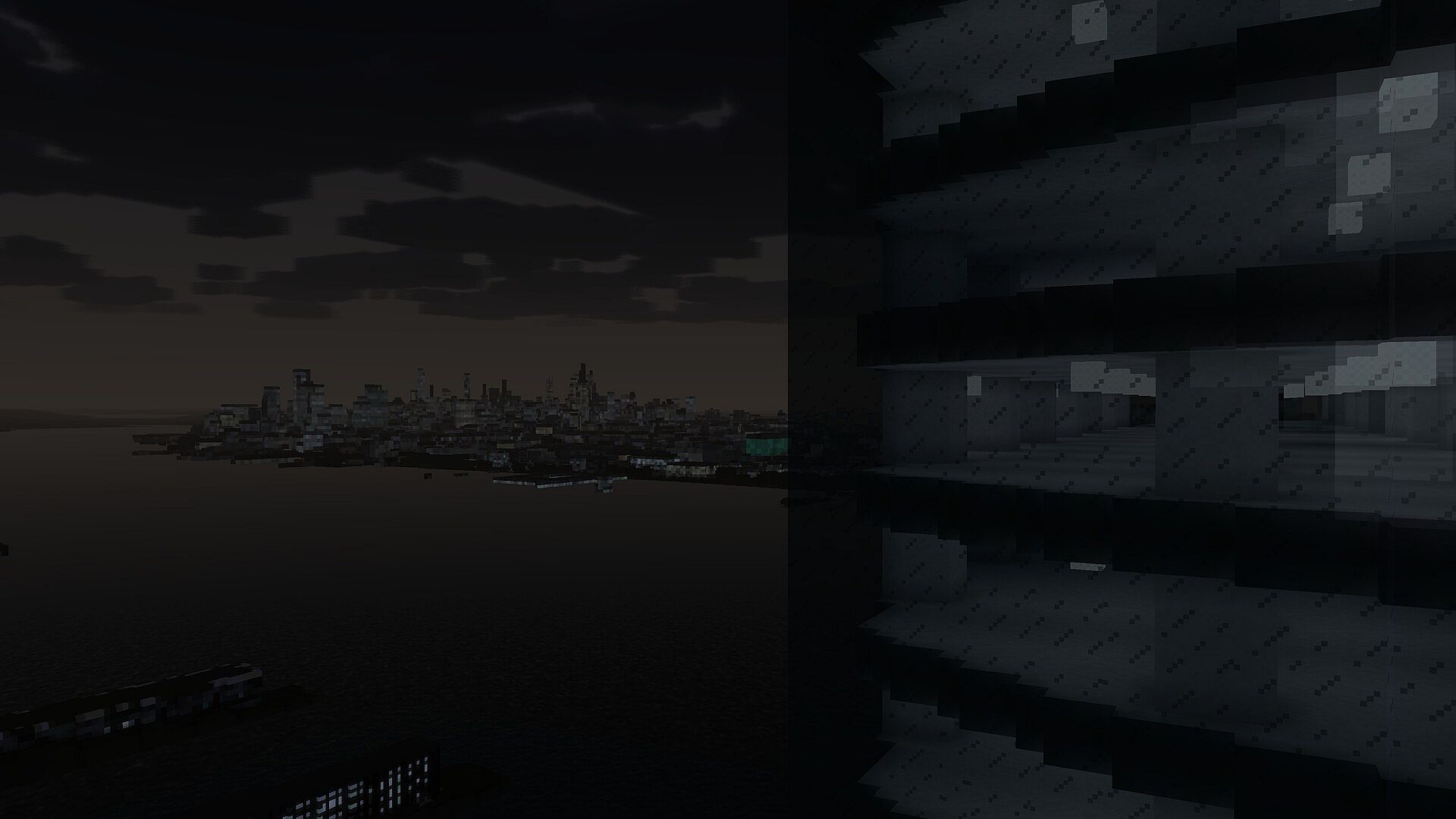
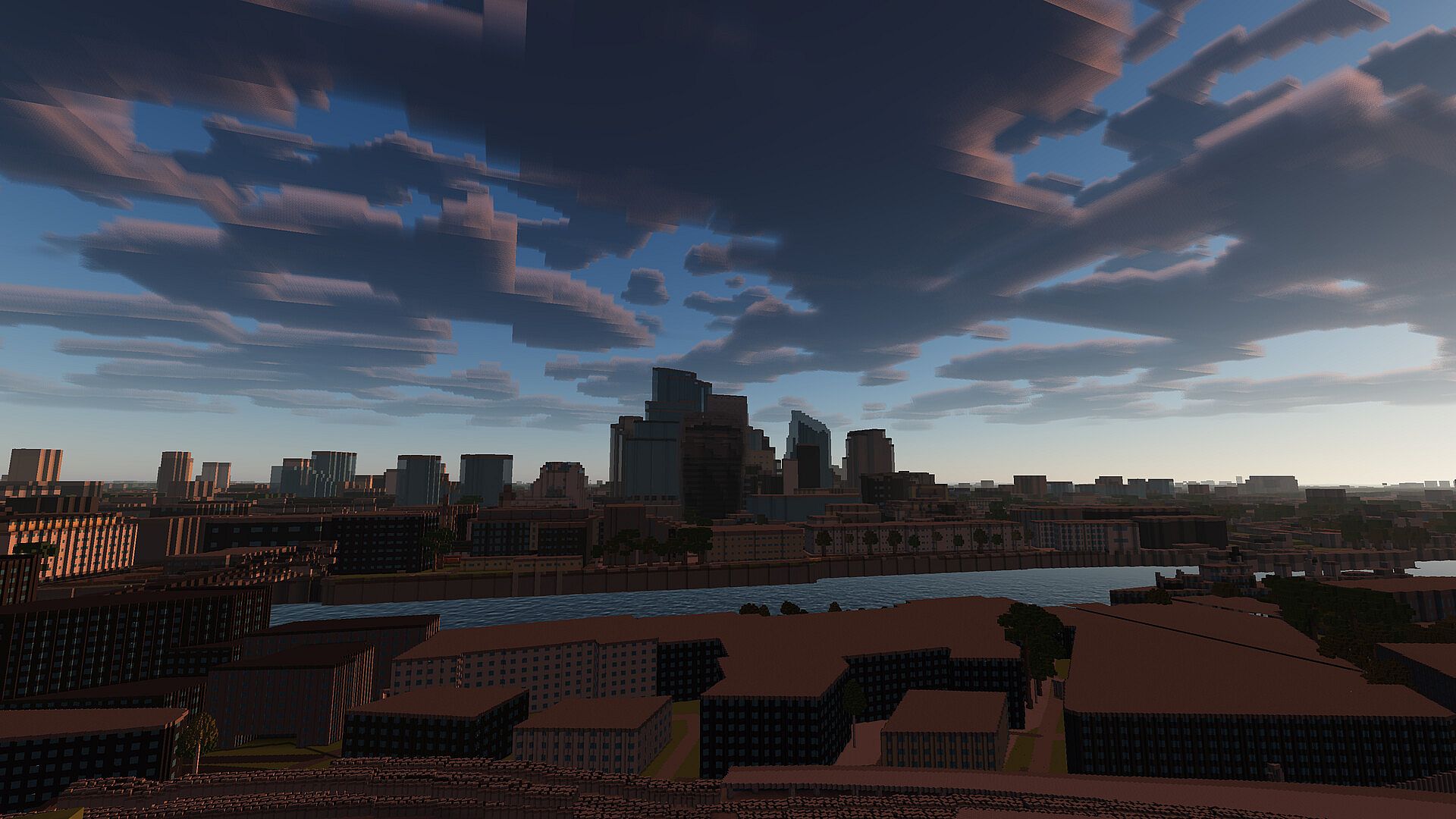
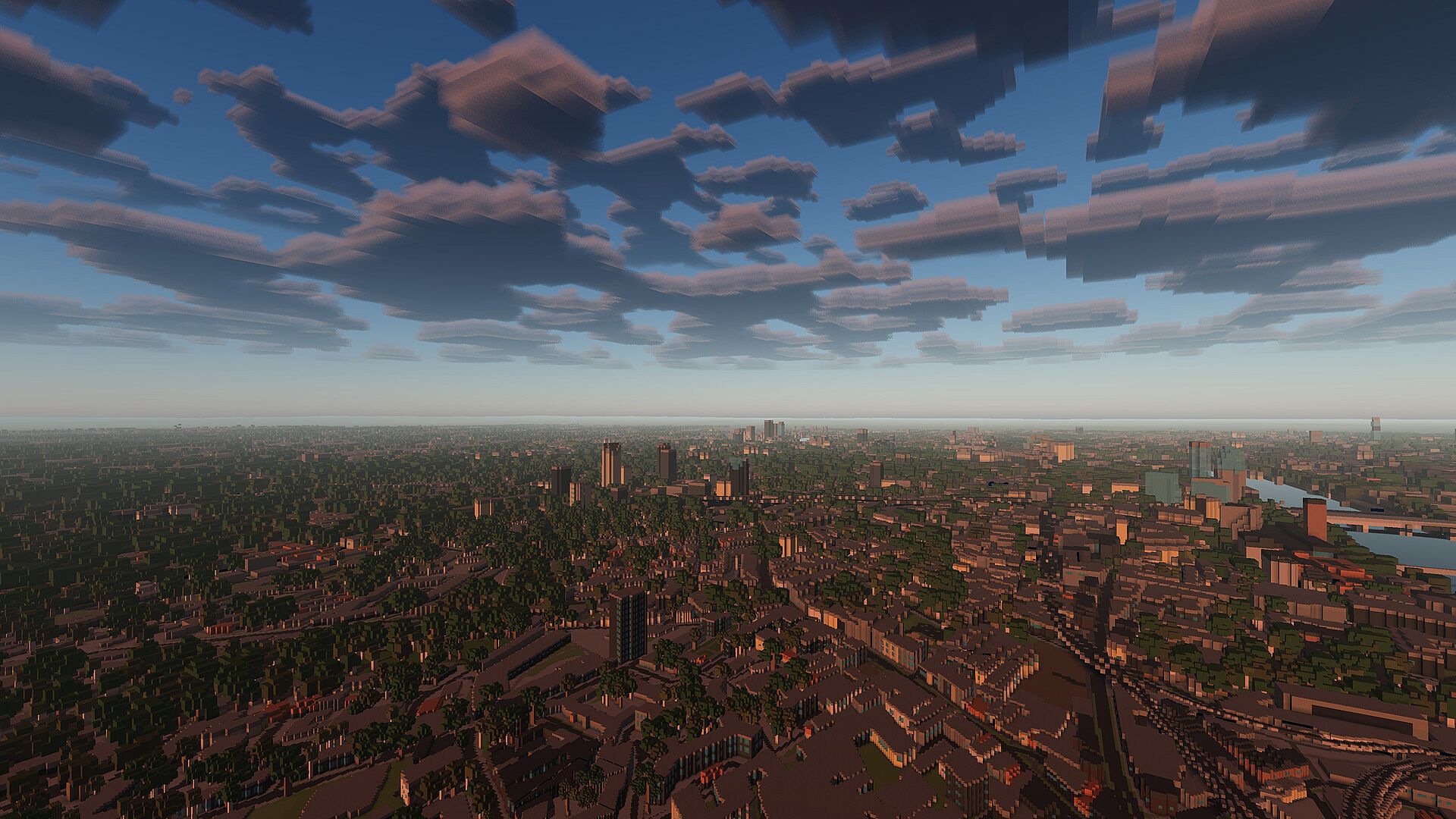
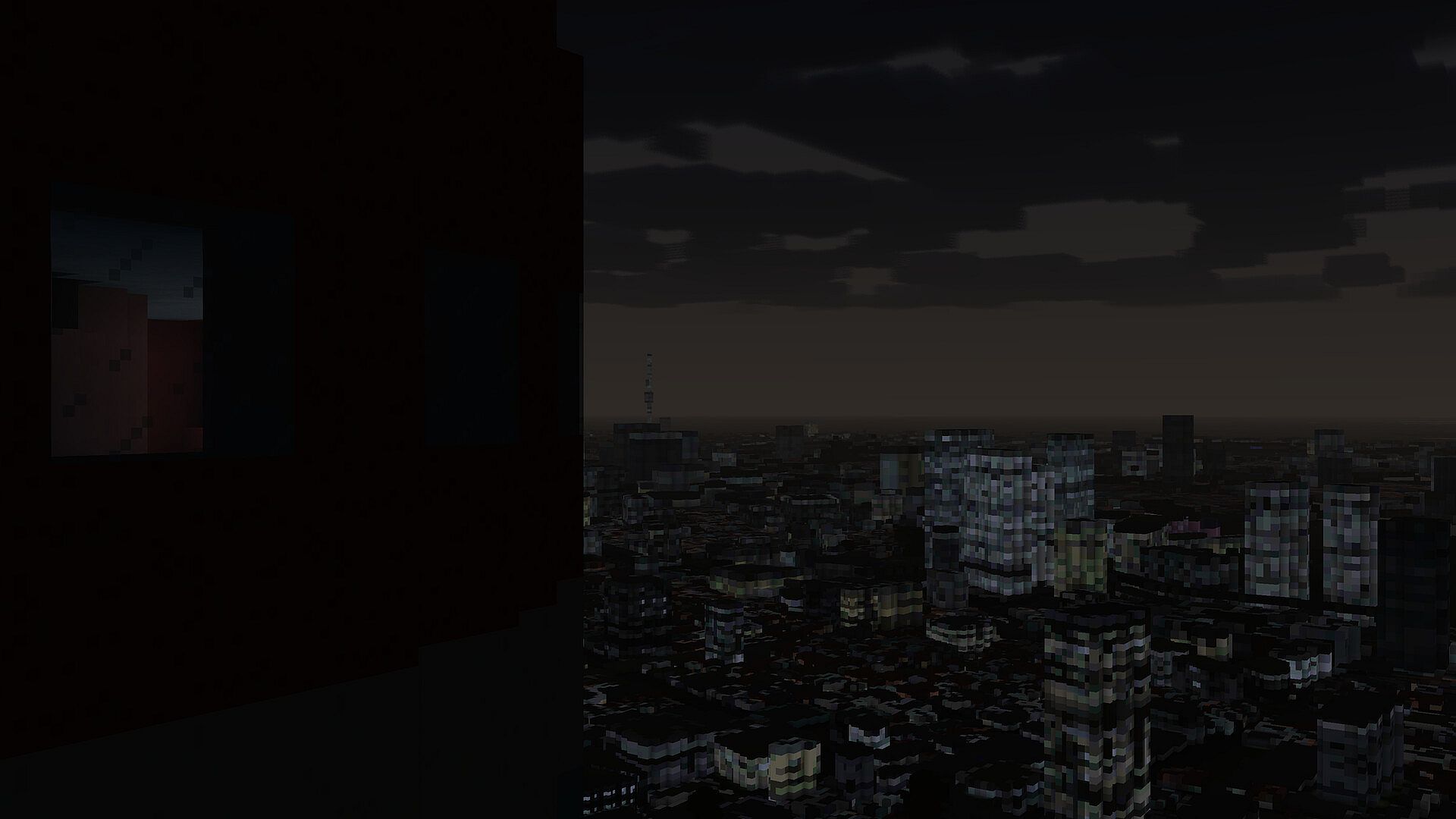

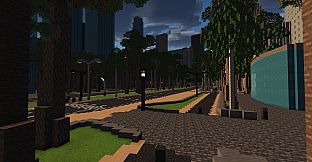
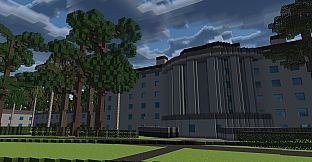
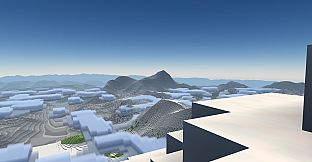

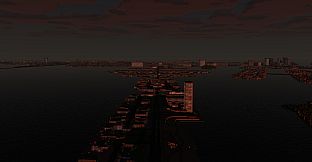

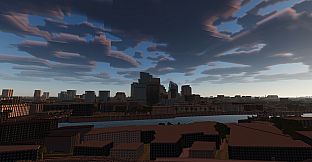
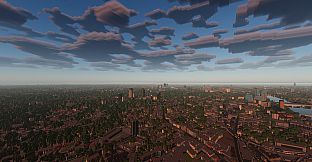
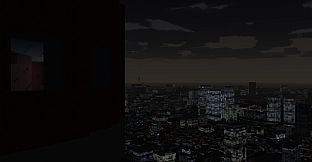
Cubic Earth is an indie simulation and adventure game in early access on PC that recreates the entire planet as a voxel-based world at street-level detail. Players navigate a 1:1 scale model of Earth using flight, walking, and hang gliding to reach any real location from familiar neighborhoods to remote sites like Mount Everest or Times Square.
Gameplay
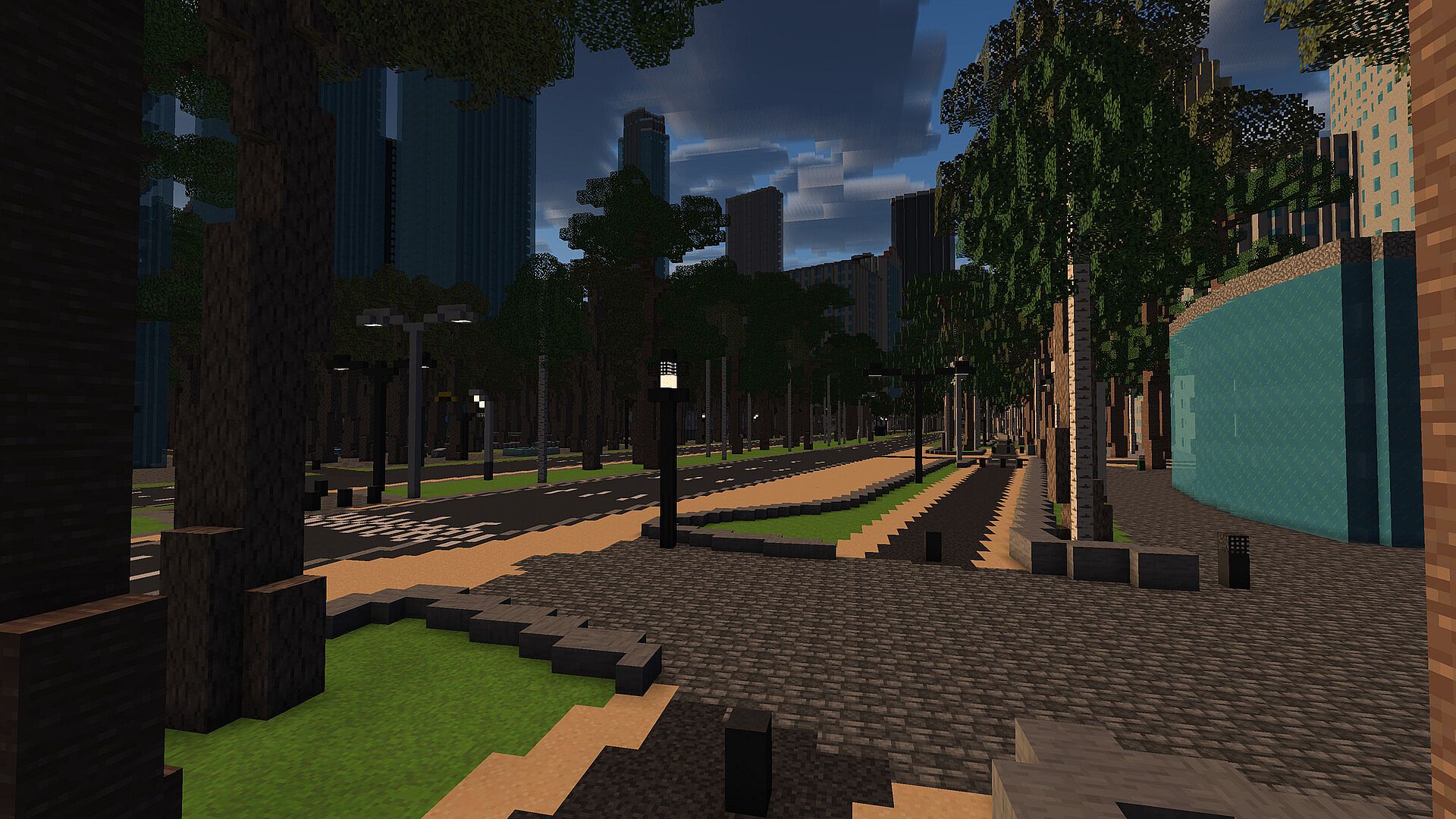
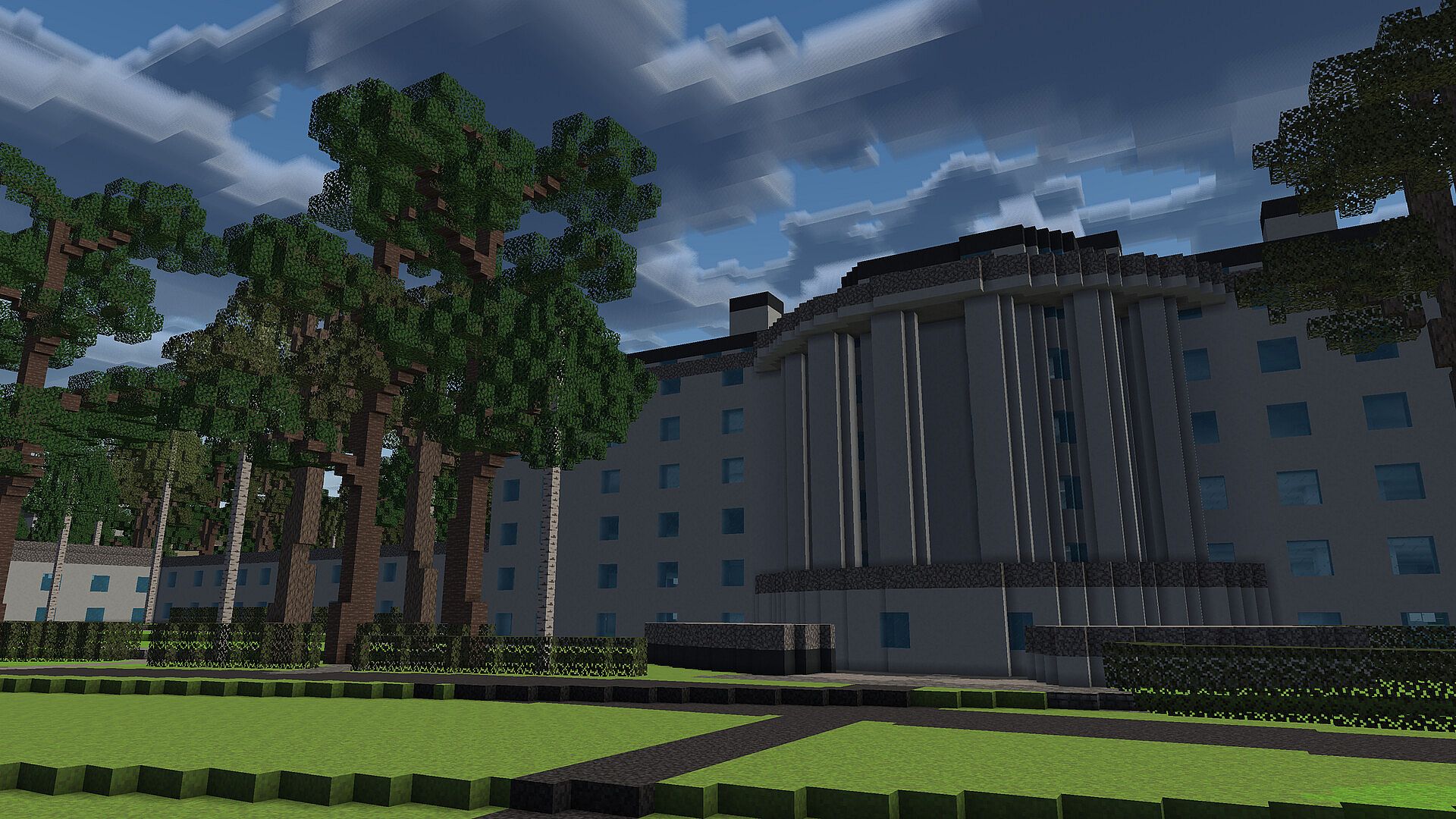
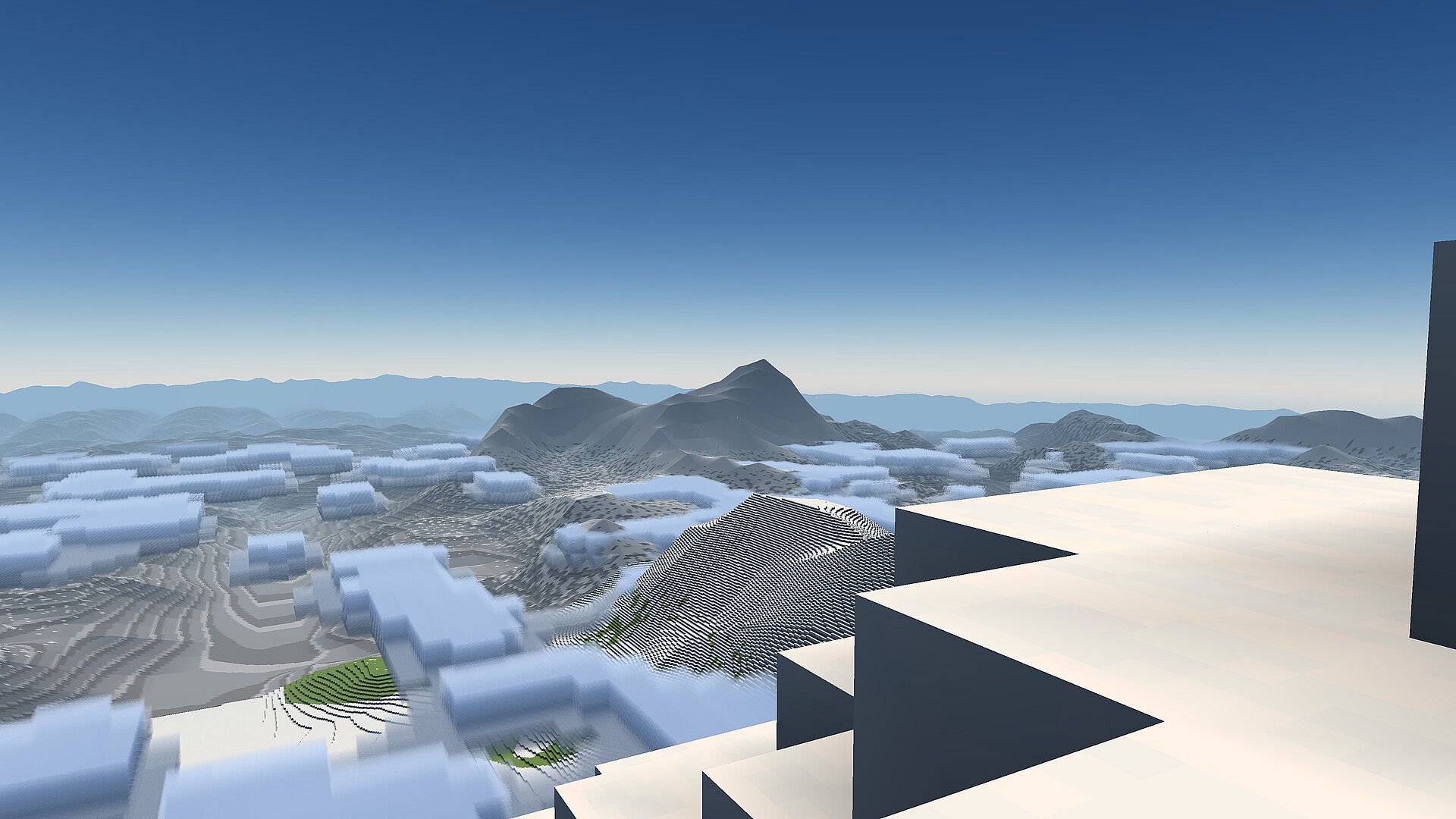
The core loop centers on free-form movement across a vast voxel recreation of Earth rendered at 0.5 meter resolution. Movement options include walking for ground-level detail, flying for rapid travel between distant points, and hang gliding for controlled descent over varied terrain. Voxel technology keeps roads, trails, and forests legible and navigable at street level everywhere on the globe, allowing seamless transitions from urban centers to natural landscapes without the abstraction common in other large-scale titles.
Exploration rewards curiosity through millions of discoverable locations. Players can select specific real-world sites, generate random starting points, or simply wander until something catches interest. Interiors exist for structures but remain basic in the early access build. A dedicated freecam photo mode supports screenshot capture from any angle, useful for documenting sights or creating visual records of visited areas.
Game Modes
No distinct named game modes exist beyond the unified exploration experience. Play focuses on three overlapping approaches to the world: targeted visits to known places for personal reconnection, random selection for unexpected discoveries, and open wandering that emphasizes surprise around every corner. The photo mode integrates directly into all approaches, providing a consistent tool for capturing and sharing moments from any location.
Exploration and Discovery
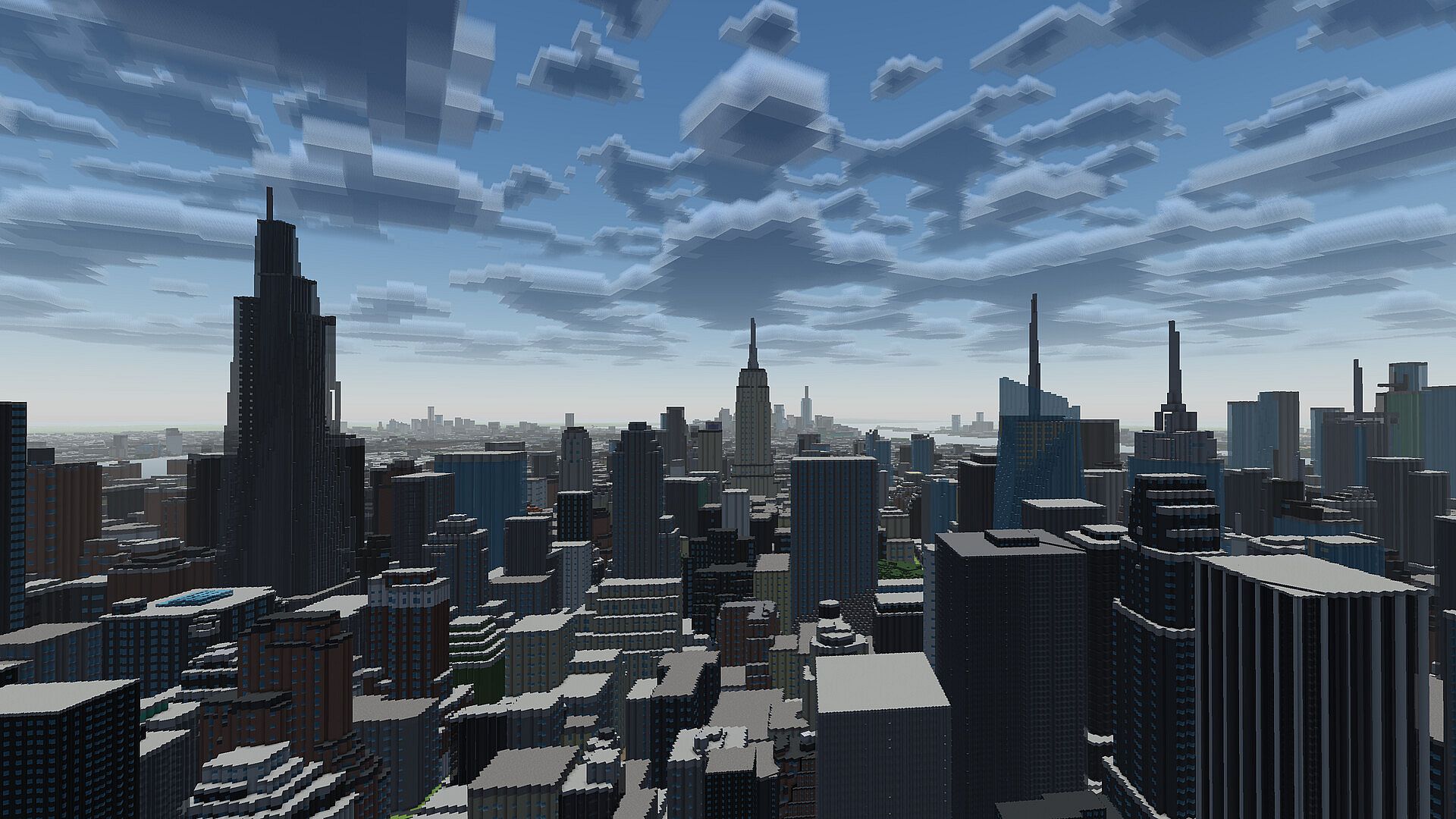
Street-level coherence stands out as a defining strength. Roads and paths remain functional across continents, while forests and trails stay traversable even in less populated regions. This consistency supports both nostalgic returns to hometowns or workplaces and genuine adventures in unfamiliar territory. The scale ensures that iconic spots like New York City landmarks sit alongside everyday neighborhoods, all rendered with the same voxel fidelity.
Single-player focus keeps the experience intimate. There are no multiplayer elements or competitive systems confirmed at this stage. The emphasis stays on personal pacing, whether revisiting memories or seeking out new sights through extended sessions of movement and observation.
Current State and Development Plans
Cubic Earth enters early access on November 2, 2026, as a work in progress with a planned completion timeline of around twelve months, subject to the scope of content involved. The initial build supports the core movement systems, photo mode, and global voxel navigation described above. Developers have outlined prospective additions including vehicles such as cars, trains, planes, boats, and submarines, along with improvements to terrain accuracy, native flora, animals, insects, refined major landmarks, and expanded building interiors. Community feedback will guide prioritization, with regular updates expected on the roadmap.
System requirements list a 64-bit Windows 10 or higher operating system, with minimum specifications including 16 GB RAM and integrated graphics like the Radeon 860M, scaling up to recommended setups with 32 GB RAM and dedicated cards such as the NVIDIA GeForce RTX 3080. Storage needs reach 75 GB.
Is It Worth Playing?
Cubic Earth suits players who enjoy simulation and adventure titles centered on real-world geography and unguided discovery. The single-player voxel exploration of Earth at coherent street level offers a unique way to revisit personal locations or investigate new ones through walking, flight, and hang gliding. The integrated photo mode adds a creative outlet for documenting finds without additional systems or objectives.
With no user reviews available prior to early access launch and development still ongoing, reception remains to be seen. Those drawn to large-scale environmental recreation and relaxed pacing may find value in the current build, particularly if they appreciate the potential for future expansions like vehicles and wildlife. The game targets individuals interested in digital representations of the actual planet rather than fictional worlds or combat-focused mechanics.











