




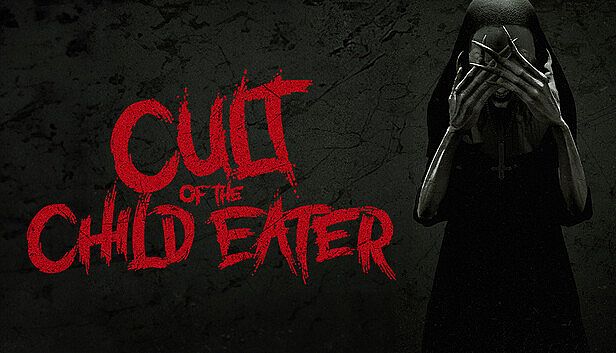





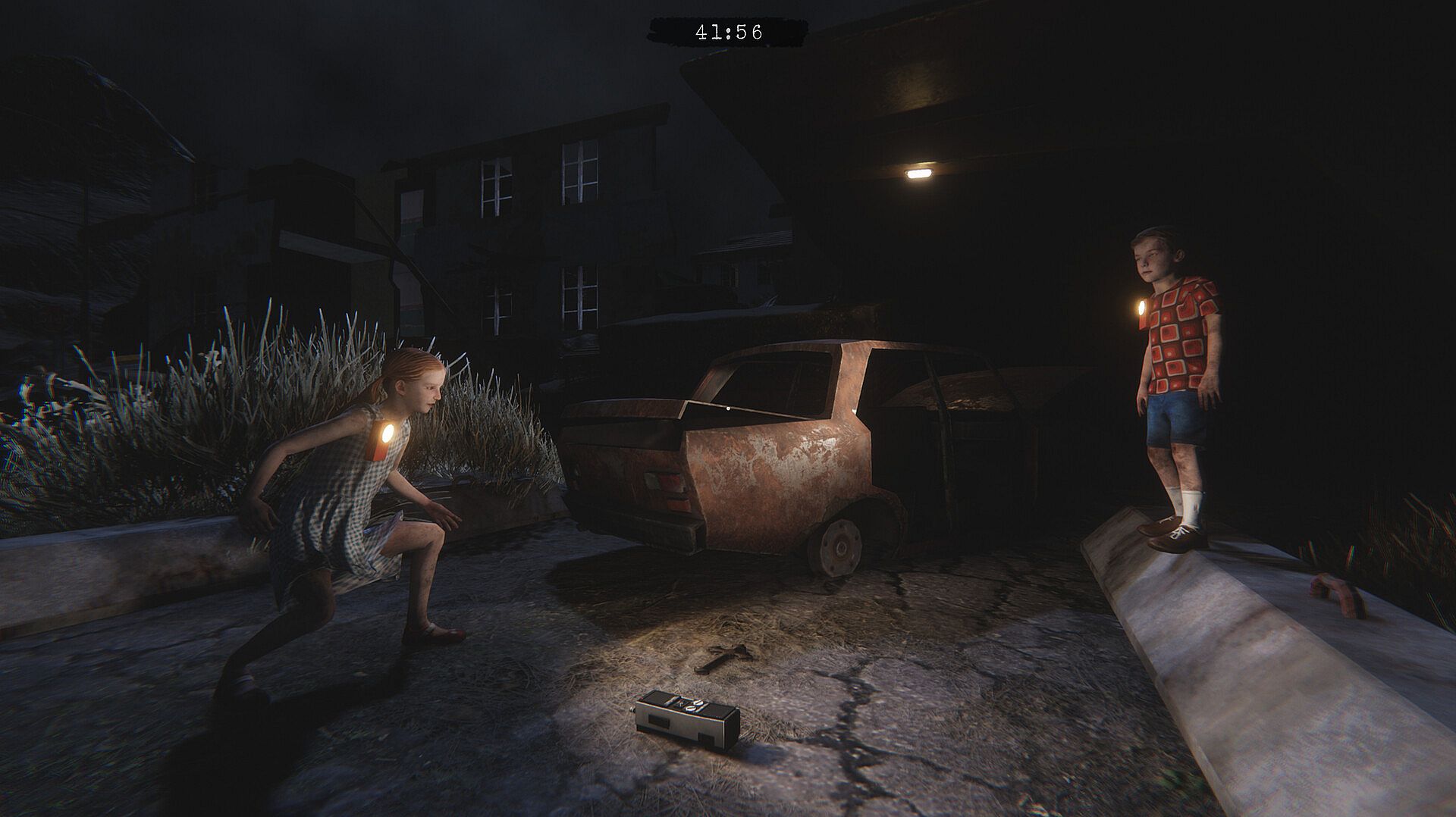
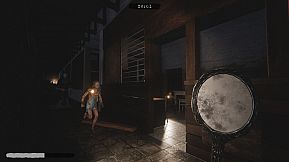
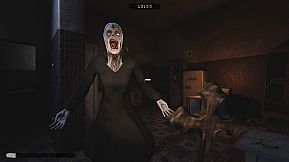
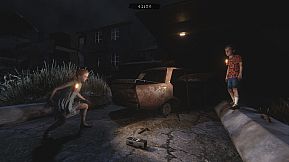
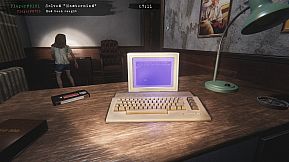
Cult of the Child Eater is a co-op survival horror game set in a Cold War-era orphanage in Eastern Europe during the early 1980s. Players take on the roles of orphans attempting to escape before a satanic cult completes a ritual sacrifice intended to summon the Child Eater and unleash demonic forces. The title combines action, adventure, and multiplayer elements in an Early Access release available on PC.
Gameplay
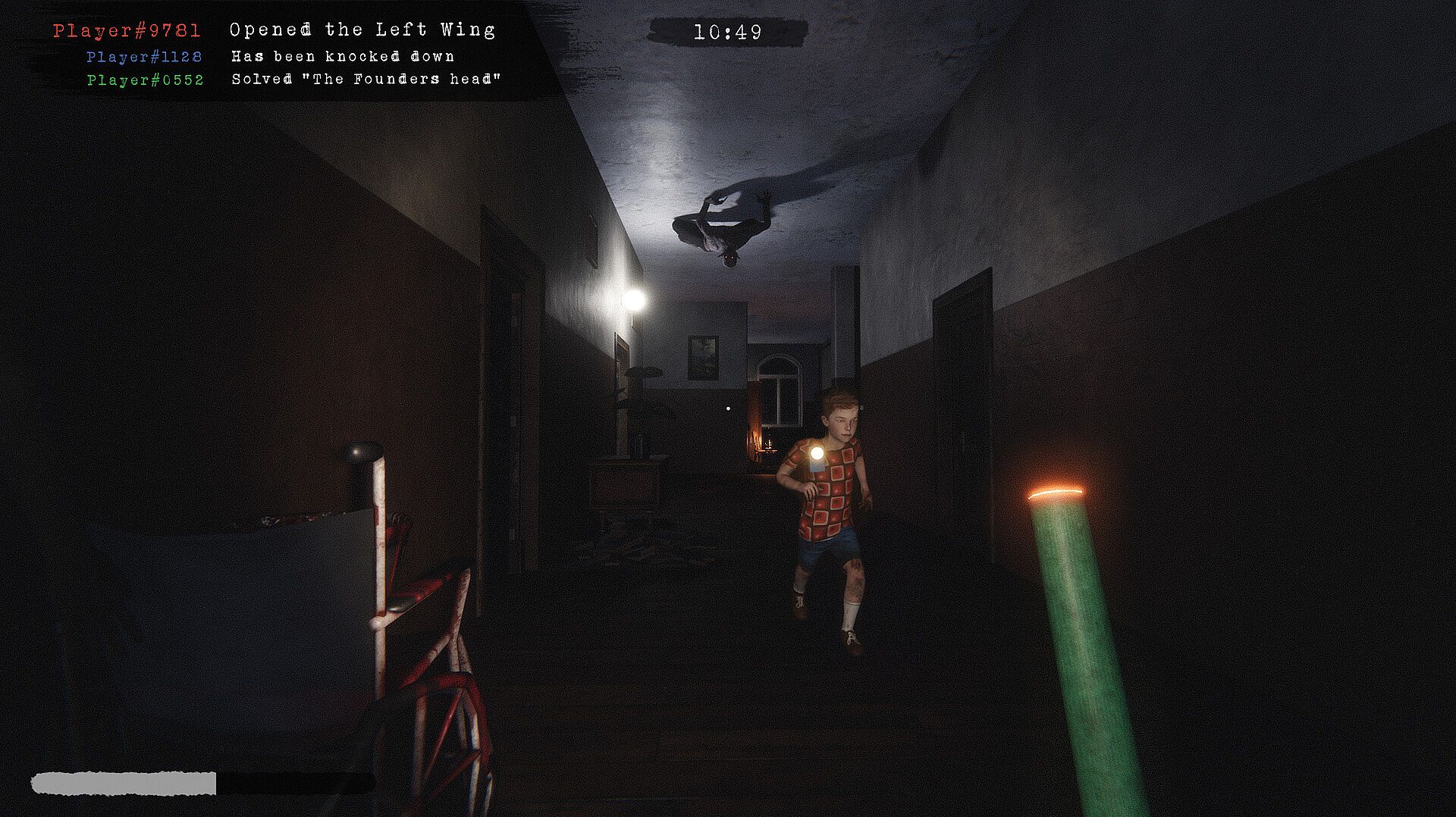
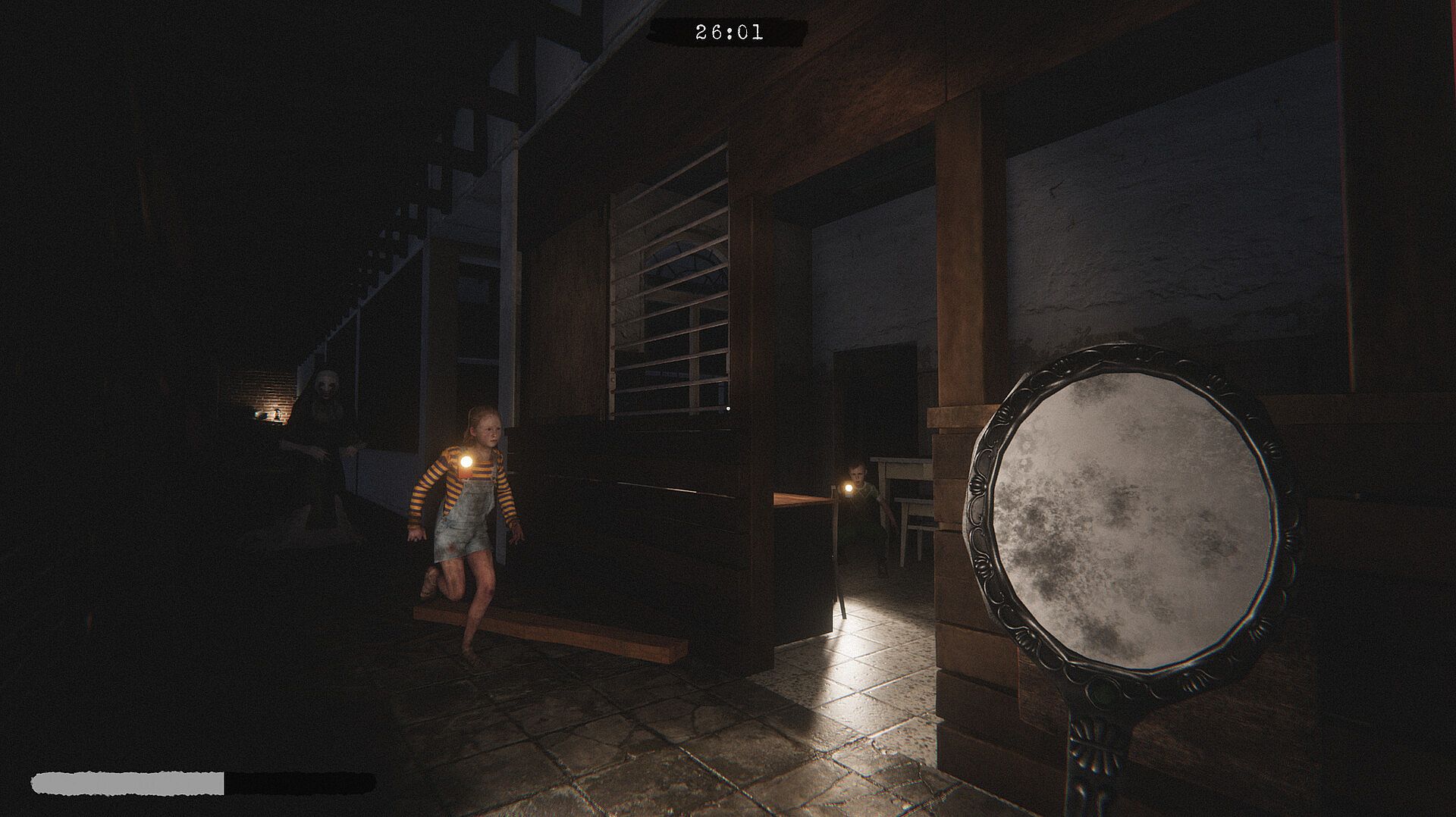
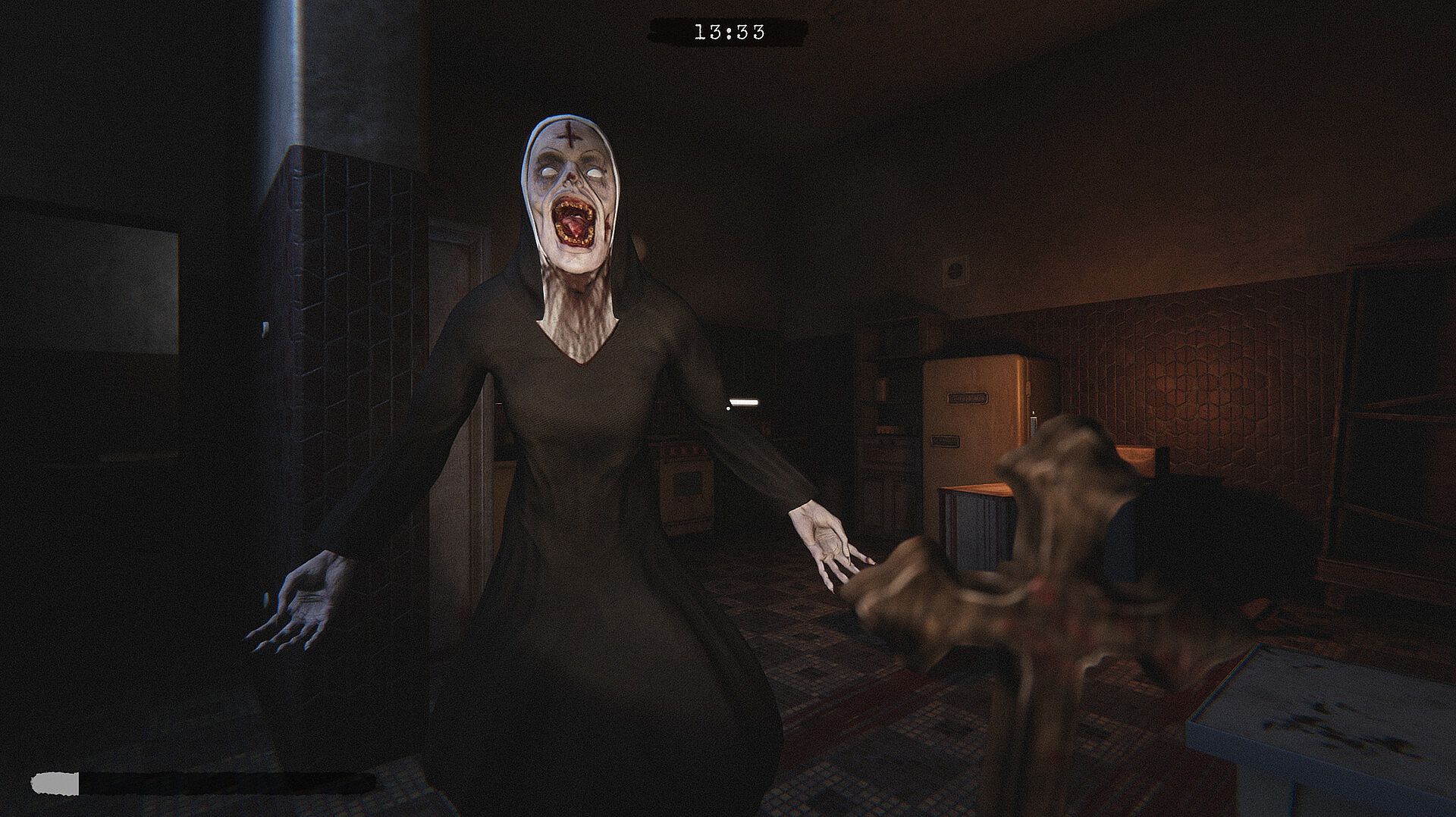
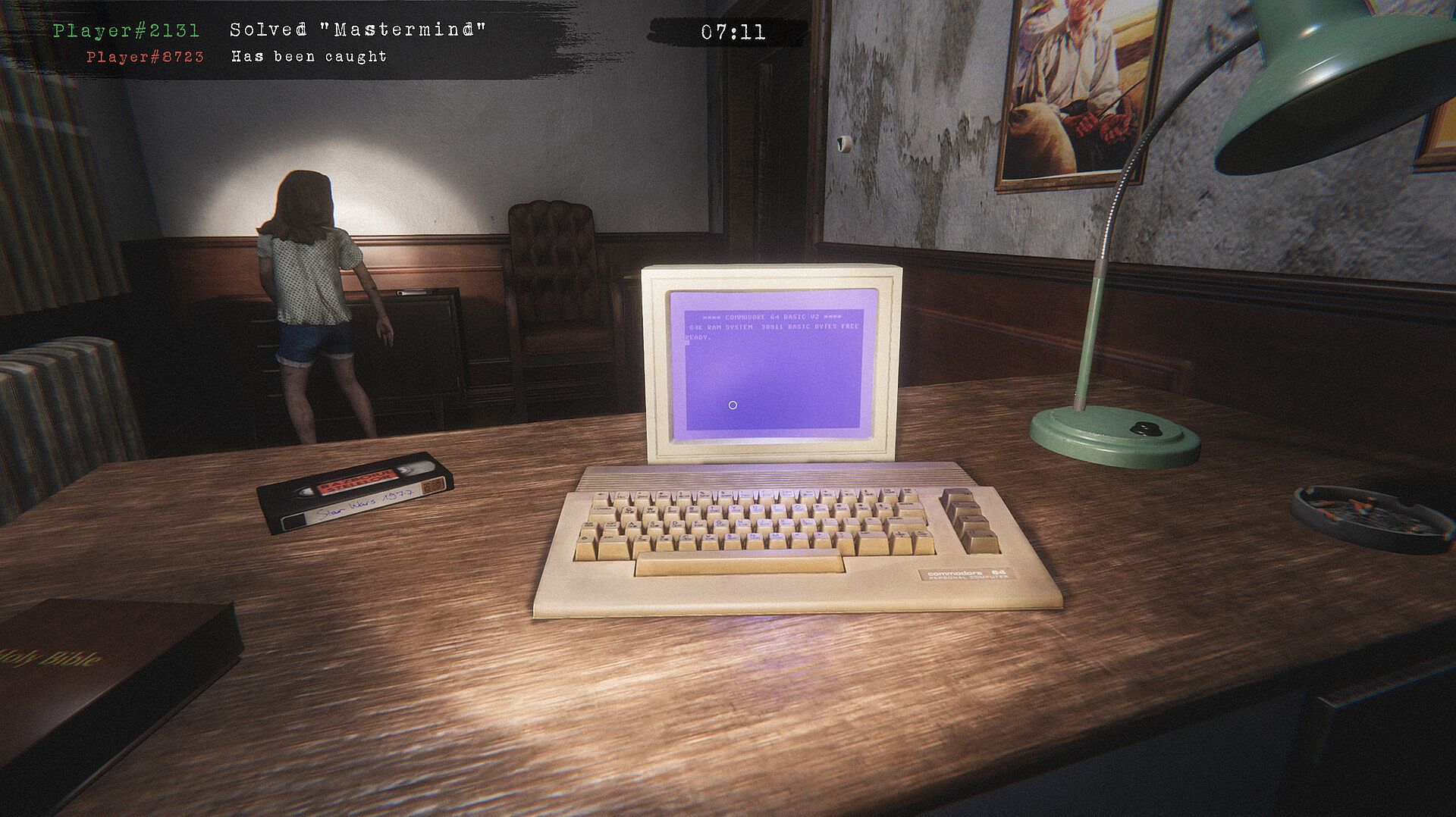
The core loop centers on exploration, resource gathering, and puzzle resolution inside a single main orphanage building. Players must hide from hostile caretakers that include priests, nuns, and cult monsters while locating items and clues scattered throughout the environment. Loot provides tools and progression options that support repeated attempts at escape.
A hallucinatory horror engine introduces visual and auditory distortions that intensify tension and make navigation less predictable. Proximity voice chat serves as the primary means of coordination, forcing players to stay close enough to communicate effectively without alerting enemies. Six distinct characters each bring unique abilities that influence how teams approach obstacles and manage threats.
Collectibles, titles, story fragments, and achievements become available across multiple playthroughs. The 1980s Eastern Bloc setting incorporates period-appropriate details and cultural references that shape both the atmosphere and some puzzle solutions. Adjustable difficulty settings allow groups to tailor the challenge level from the outset.
Game Modes
The experience revolves around online co-op sessions supporting one to six players. Teams work together to complete a ritual and survive demonic attacks while navigating the orphanage layout. Every session features a puzzle-chain system that rearranges elements, ensuring layouts and solutions vary between runs.
Single-player support exists for those who prefer solo attempts, though the design emphasizes group coordination through shared objectives and enemy encounters. No separate competitive or versus modes appear in the current build. The focus remains on cooperative survival within the shifting escape-room framework.
Story and Setting
The narrative unfolds through environmental storytelling and repeated play sessions that reveal additional layers. Caretakers belong to a cult preparing the final séance, and players uncover these secrets gradually while evading pursuit. The Child Eater serves as the central threat whose arrival escalates the danger in later stages of each attempt.
Authentic period details ground the horror in a specific historical context, with Cold War references appearing in documents, decor, and item descriptions. Secret story elements encourage multiple completions to piece together the full background of the orphanage and its inhabitants.
Current State and Development
The game launched in Early Access on November 20, 2025, with Phase 1 delivering core mechanics, the central orphanage location, and roughly thirty to forty puzzle variants. A development roadmap accessible from the main menu outlines plans for expanded content, new locations, and additional features throughout 2026.
Community feedback channels include Discord and Steam discussions, where suggestions influence ongoing updates. The current version includes fifty Steam achievements and supports family sharing alongside online co-op.
Is It Worth Playing?
Player reviews stand at Mixed with 66 percent positive from thirty total ratings. Positive comments highlight engaging puzzles, atmospheric tension, and the value of playing with friends, while some note technical issues such as cursor visibility. The title suits fans of co-op horror experiences that prioritize teamwork, variable puzzle solving, and psychological pressure over graphic violence.
Those interested in Early Access titles with active development and a focus on replayability through changing sessions will find the foundation already in place. Groups seeking a compact, session-based horror game built around escape mechanics and character progression have a clear option here, especially while the price remains accessible during the promotional period. Solo players can participate but may find the coordination elements less impactful without teammates.














