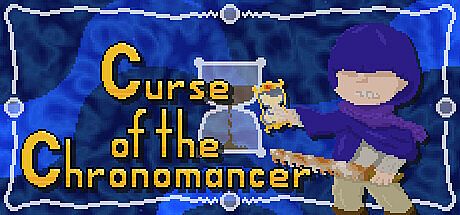


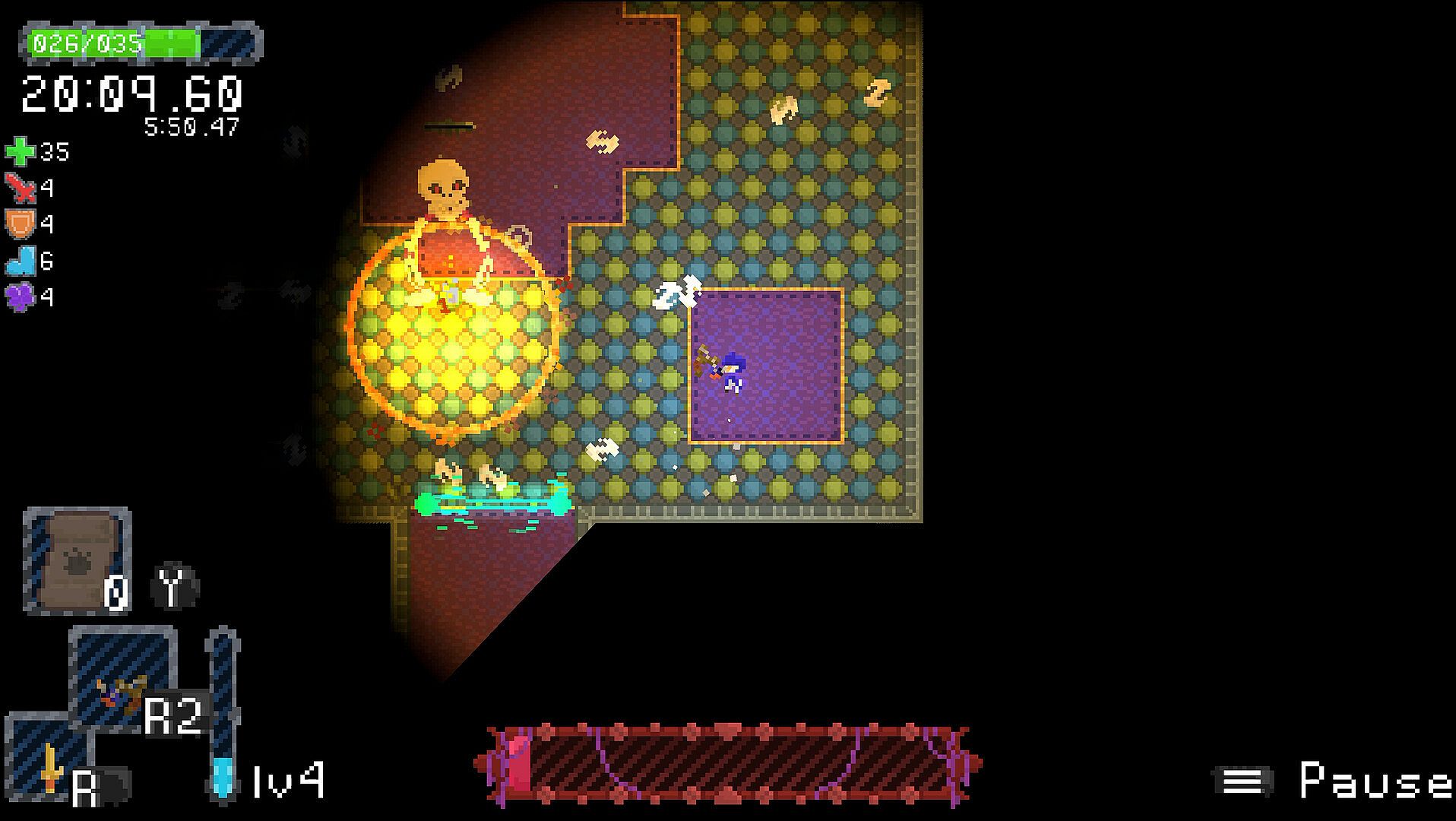
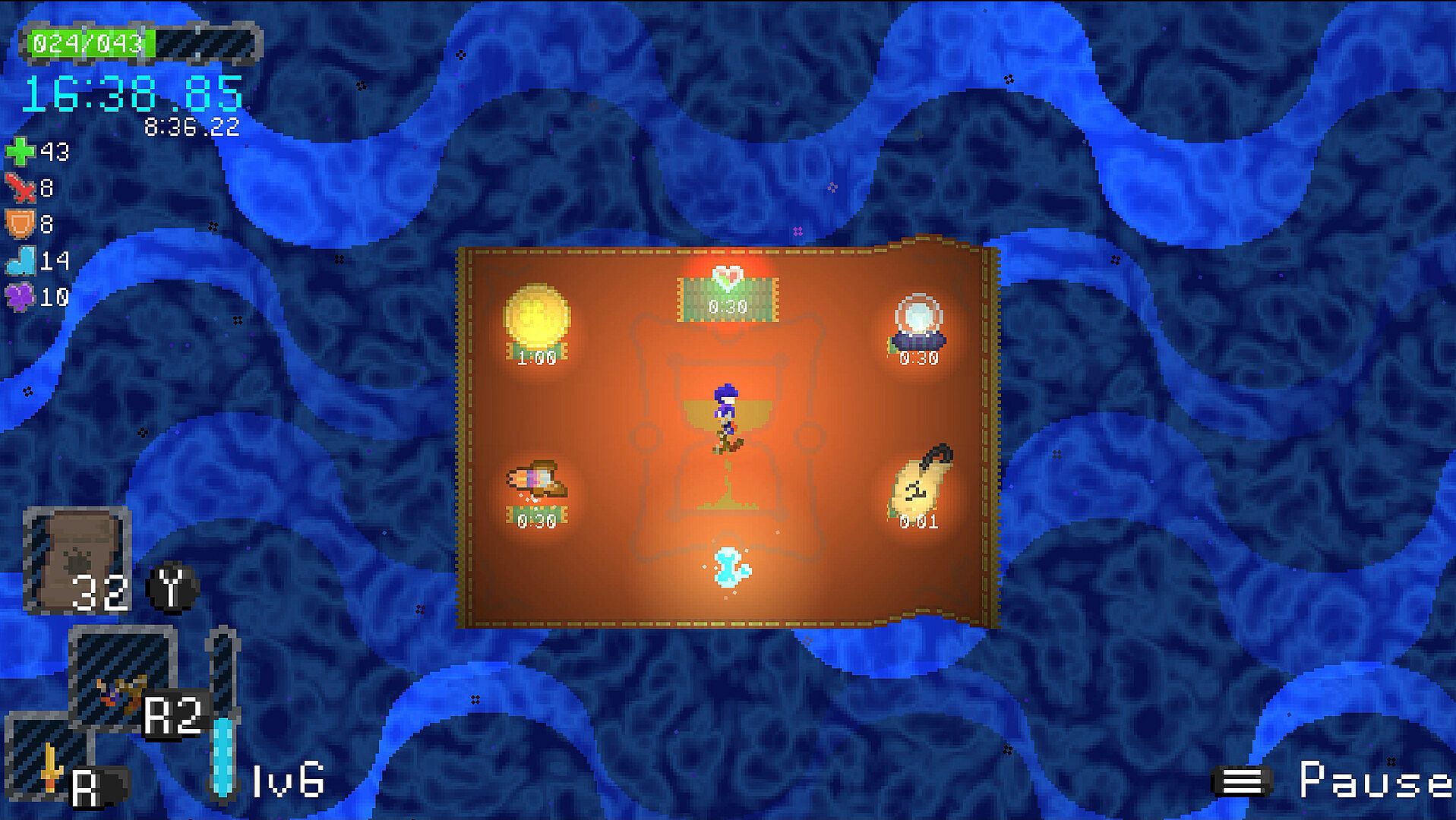
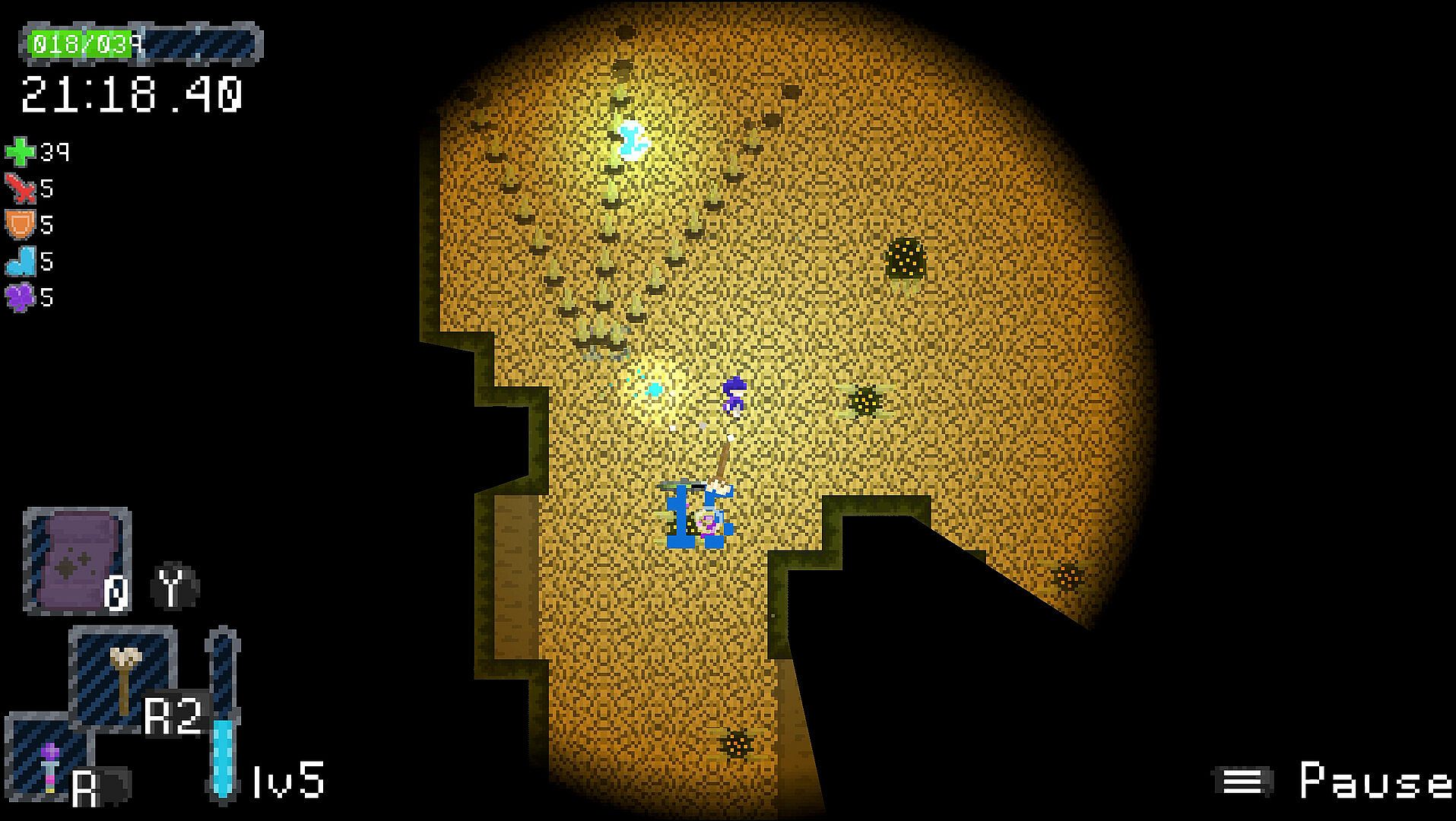
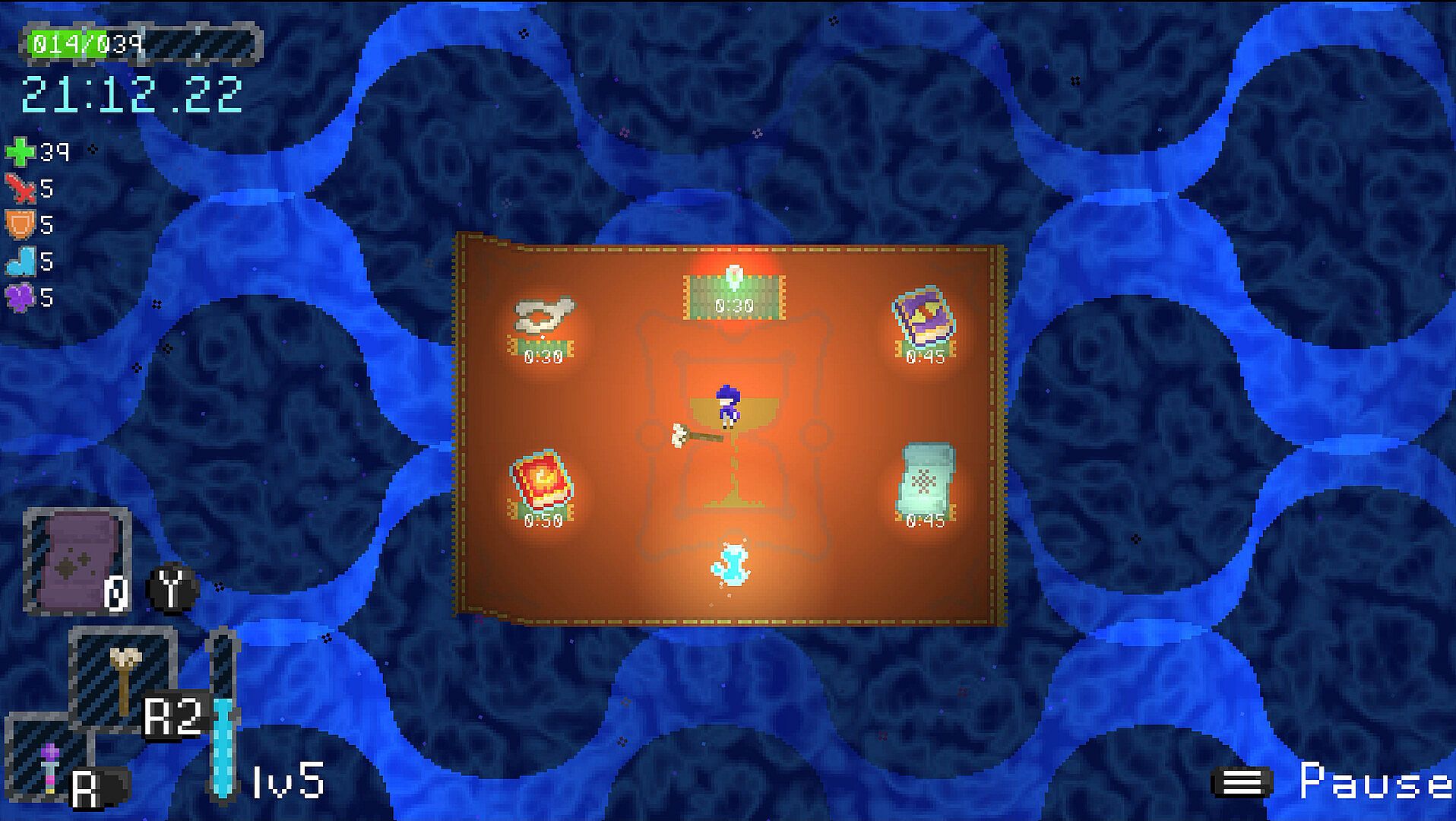
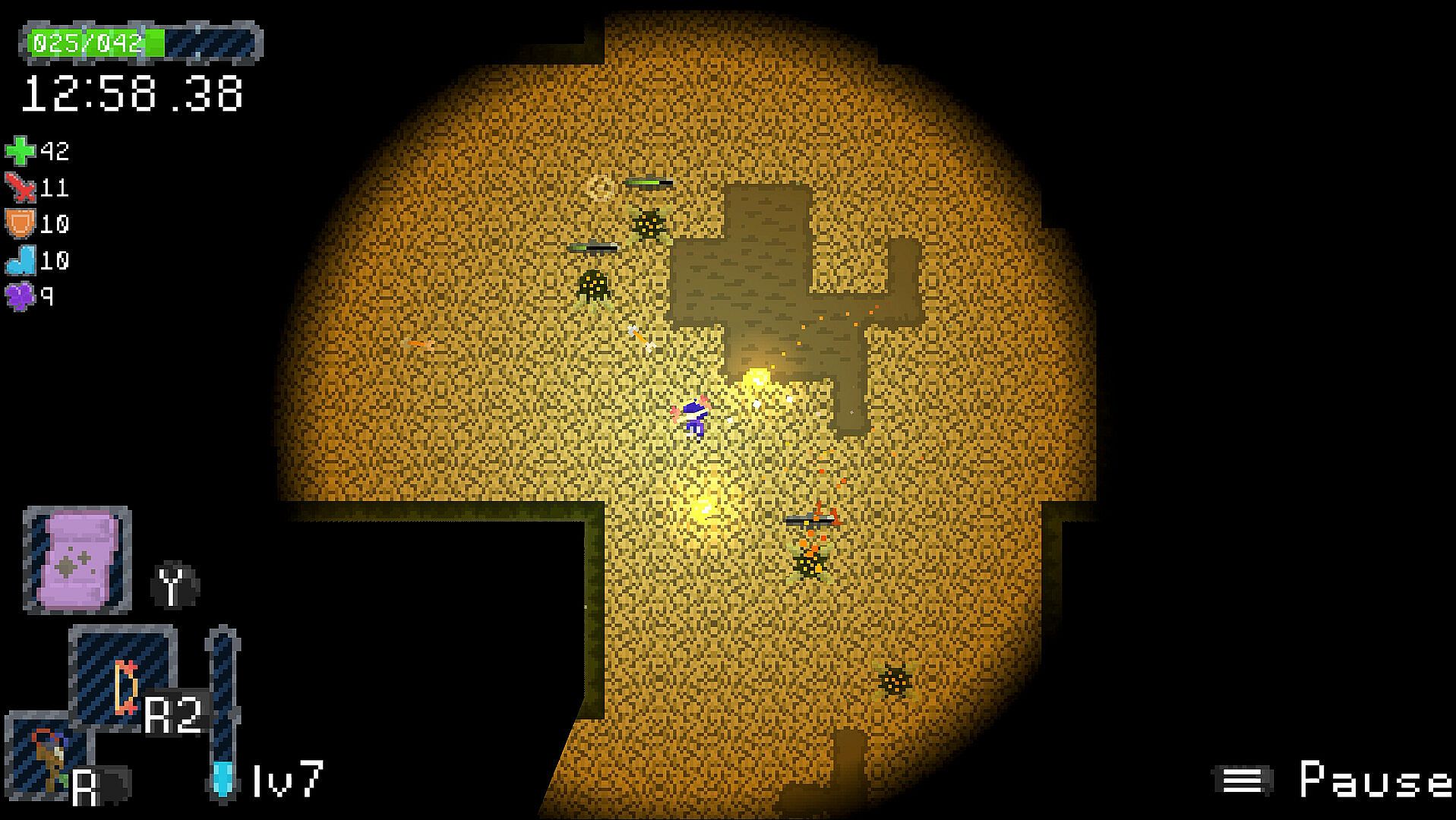
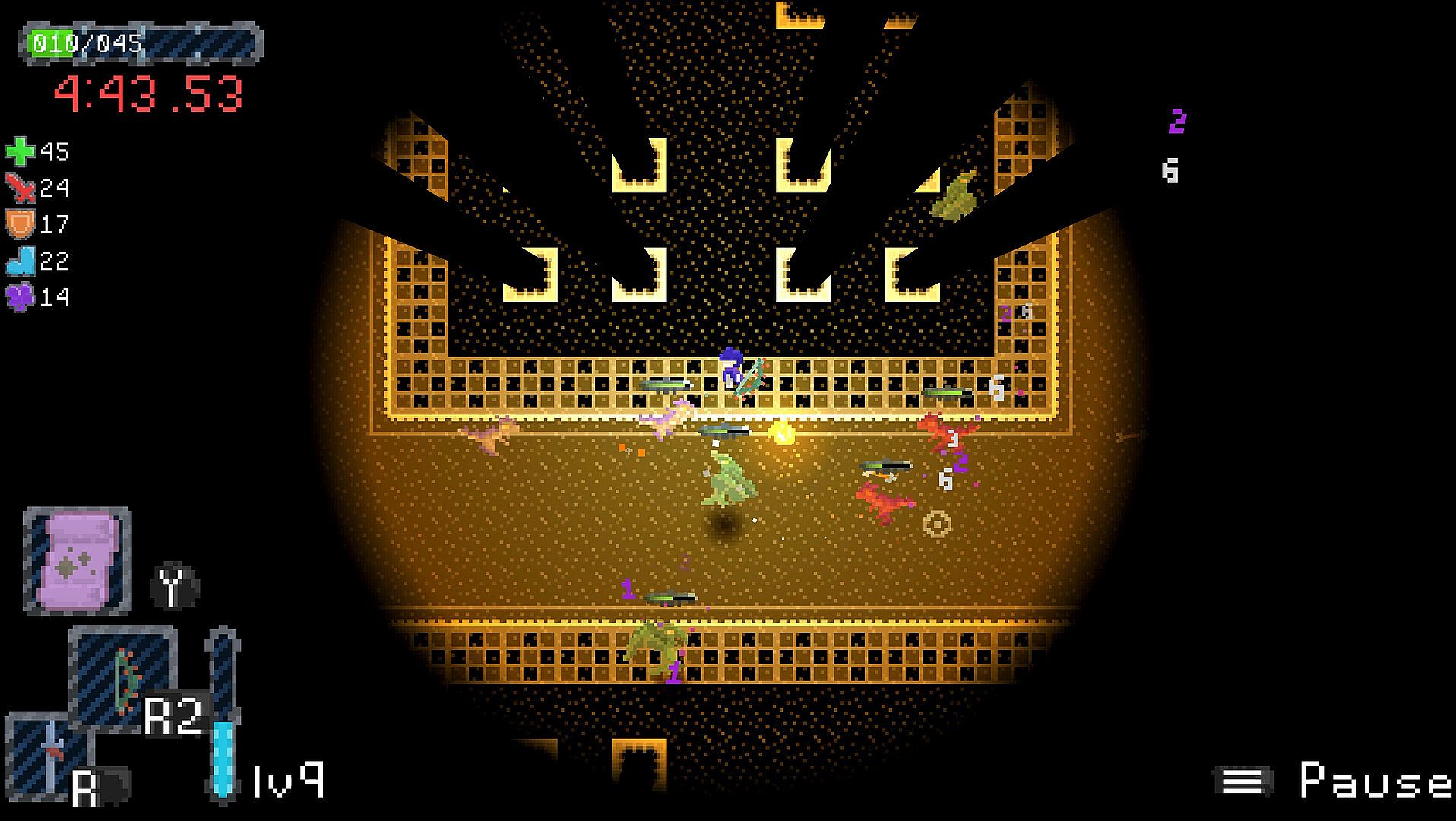
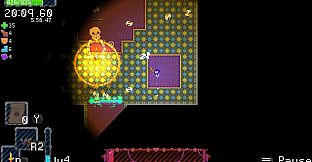
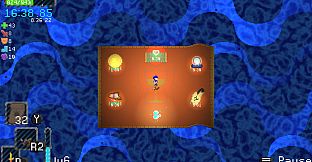
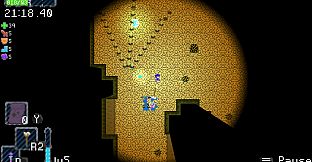
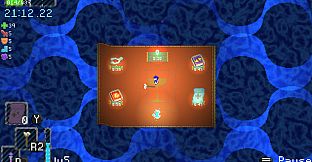
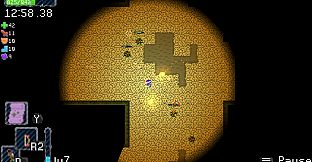
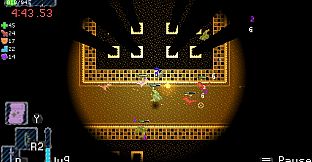
Curse of the Chronomancer is a top-down action roguelike RPG for PC in which players navigate a time-limited curse threatening an entire village. The central premise places the protagonist in a race to defeat the Chronomancer before the sand in the hourglass runs out, with every decision tied to a shared pool of time that serves as both health and currency.
Gameplay
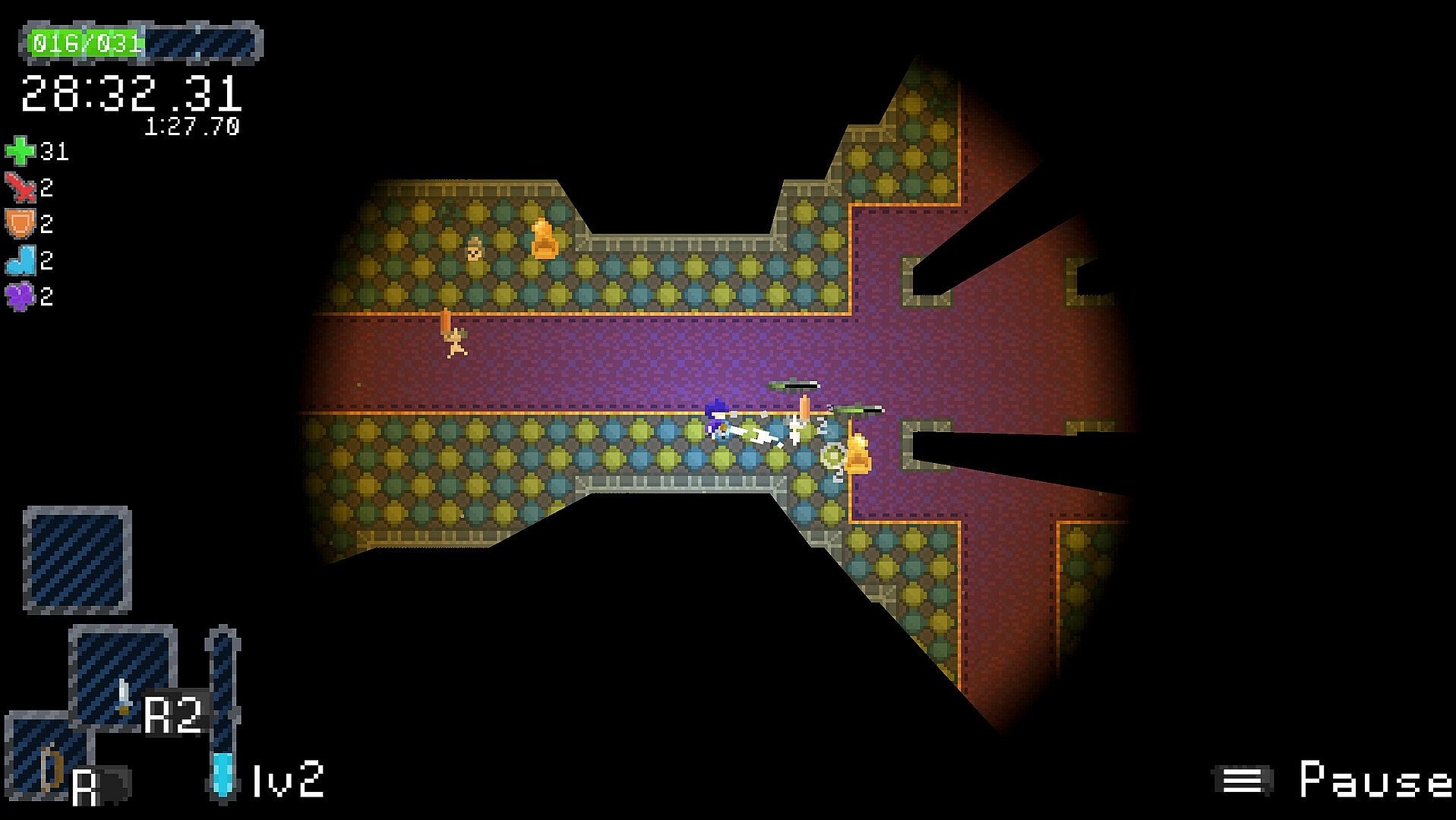
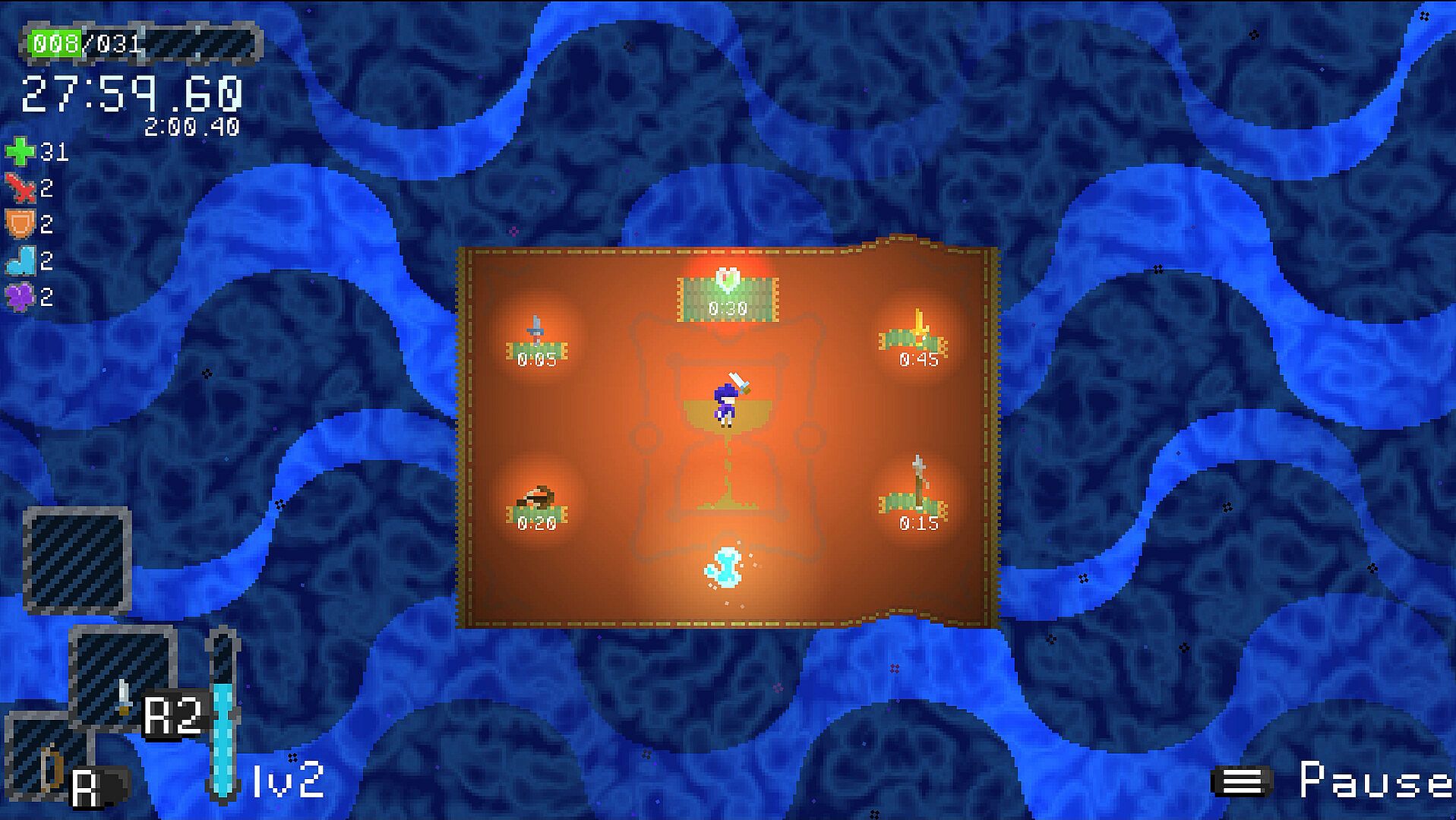
The core loop centers on rushing through randomly generated dungeons while managing a depleting clock. Exploration must remain efficient because seconds spent on detours reduce the time available for later stages and the final confrontation. Upon reaching shops between dungeon sections, players allocate remaining time to acquire upgrades rather than entering combat underpowered.
Weapons form the foundation of combat effectiveness. Available options include bows, swords, crossbows, and knives, each paired with one of four status effects. Frost slows enemy movement, lightning delivers periodic stuns, fire applies rapid burning damage, and poison accumulates with repeated applications. Strategic selection of weapon and status combination shapes how encounters unfold across successive runs.
Potions provide another layer of long-term planning. Purchasing them deducts time immediately, yet the investment pays off when enough enemies are defeated to level up. At that point the accumulated potions convert into bonus stat points, allowing focused growth in specific attributes or a balanced spread depending on the chosen strategy.
Trinkets add further variety through passive abilities and situational effects. Some simply boost core statistics, while others introduce new defensive options. A subset of rarer trinkets carries both advantages and drawbacks, encouraging careful evaluation before committing limited time to the purchase.
Game Modes
The experience consists of a single-player roguelike structure built around repeated dungeon runs. Each attempt begins with a fresh clock and proceeds through procedurally arranged levels toward the Chronomancer. No separate multiplayer or cooperative modes exist, keeping the focus entirely on solo time-management decisions and build experimentation within the core loop.
Progression occurs across multiple runs as players refine their approach to spending time early for immediate power or saving it for stronger late-game options. The absence of additional named modes means every session revolves around the same high-stakes race against the hourglass, with success determined by efficient exploration, combat execution, and upgrade choices.
Combat and Progression Systems
Combat emphasizes quick decision-making under time pressure. Enemies appear throughout the dungeons, and clearing groups efficiently preserves seconds for the next area. Status effects interact with different enemy types, rewarding players who adapt weapon choices rather than relying on a single loadout across every run.
Leveling ties directly to potion purchases made earlier in the same attempt. The more time spent on specific potions, the greater the stat bonuses received upon leveling. This creates meaningful trade-offs between immediate power spikes and the risk of entering the boss fight with insufficient time remaining.
Trinket effects can alter defensive playstyles or provide utility that offsets time lost to combat. The potential for detrimental side effects on certain items adds risk assessment to every shop visit, further deepening the resource-management layer already present in the clock system.
Is It Worth Playing?
Curse of the Chronomancer appeals to players who enjoy roguelikes that incorporate strict resource constraints and build experimentation. The time-as-currency mechanic creates constant tension between short-term survival and long-term power, supported by weapon status effects, potion-driven stat growth, and variable trinket abilities.
Because the game remains unreleased with a date still to be announced and no player reviews available, any assessment rests on the clarity of its described systems rather than community feedback. Those drawn to single-player action experiences that reward careful planning and repeated attempts will find the core loop distinctive within the genre.
The straightforward focus on one cohesive gameplay loop without extraneous modes keeps the emphasis on mastering time allocation and combat efficiency. Players comfortable with roguelike failure states and iterative improvement stand to gain the most from the title once it becomes available.