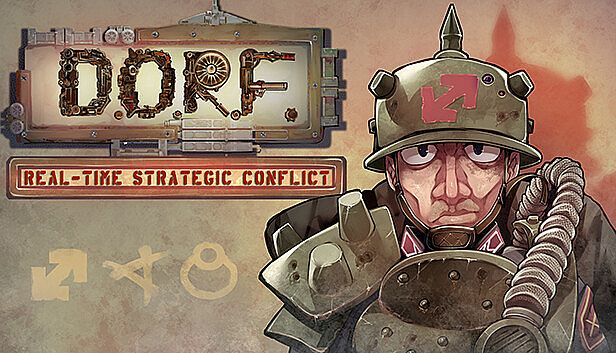


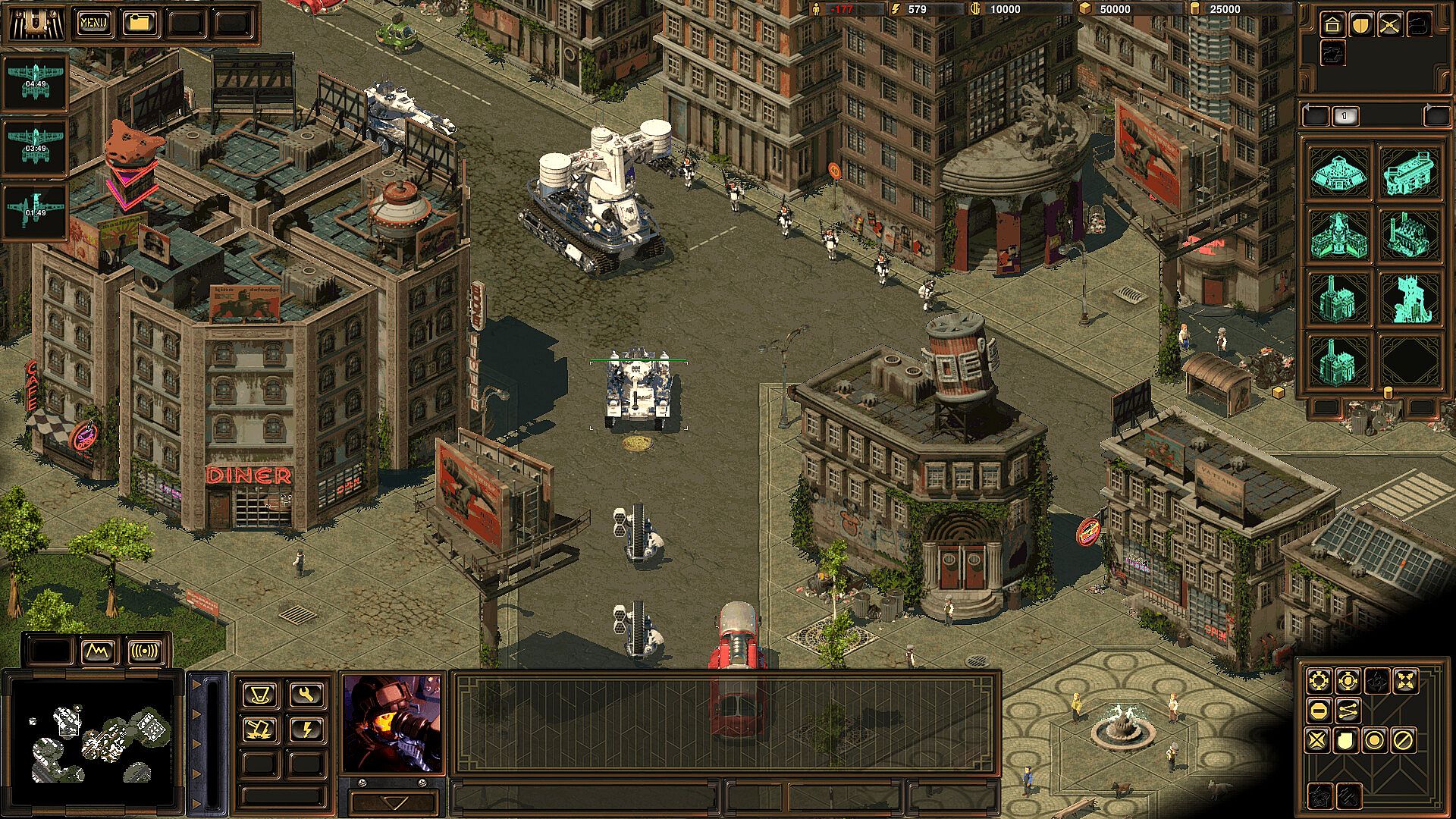
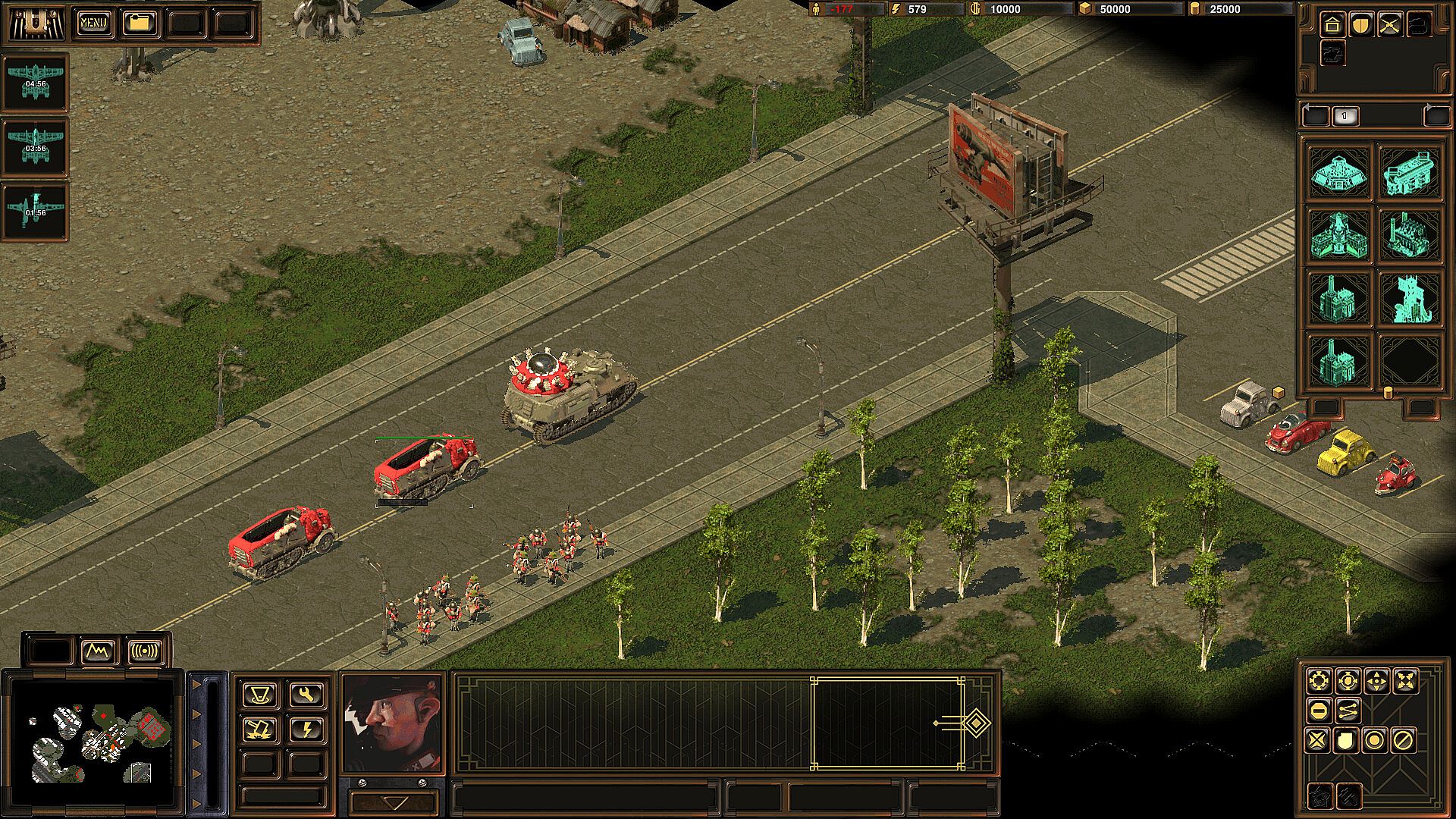
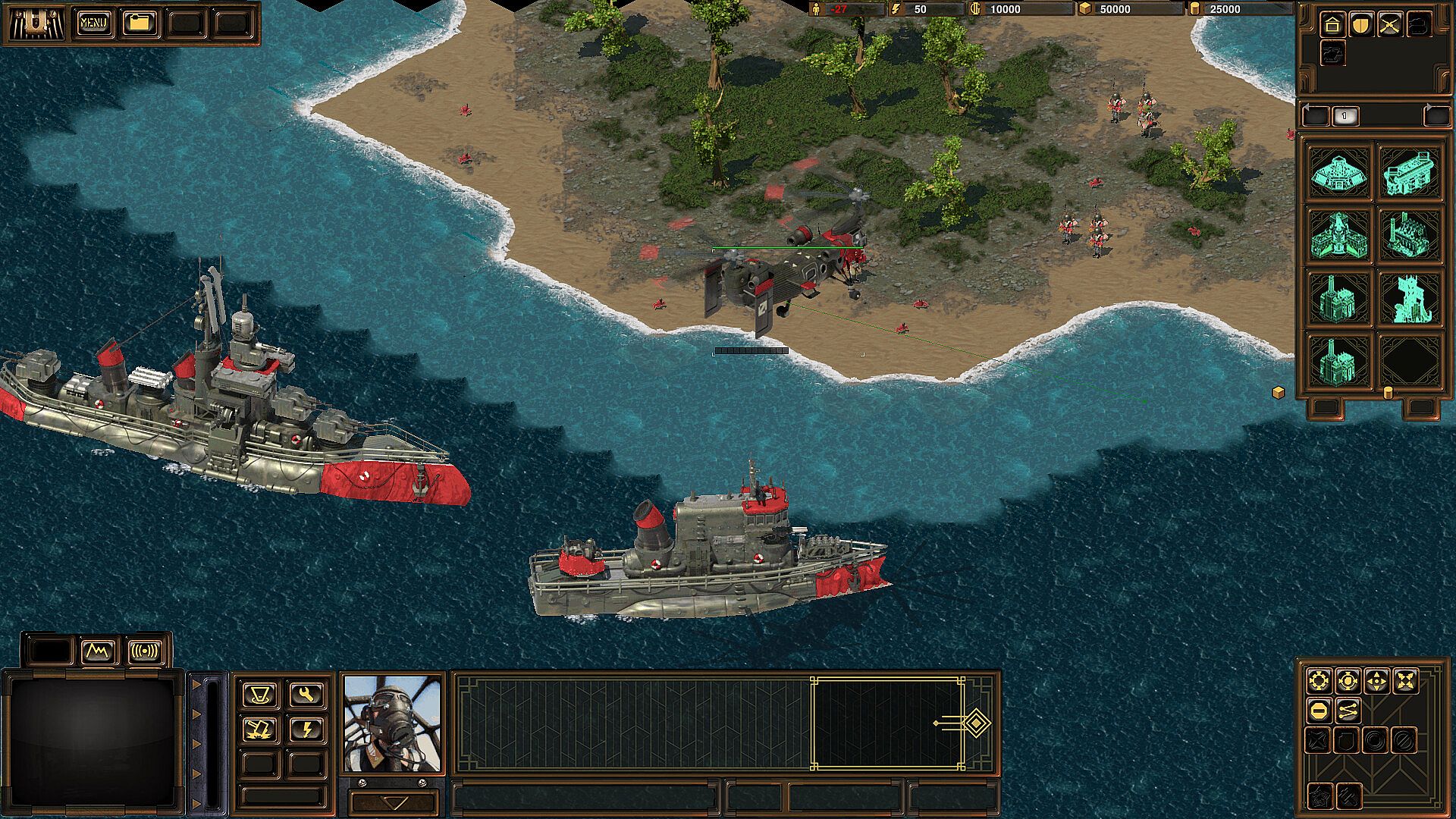
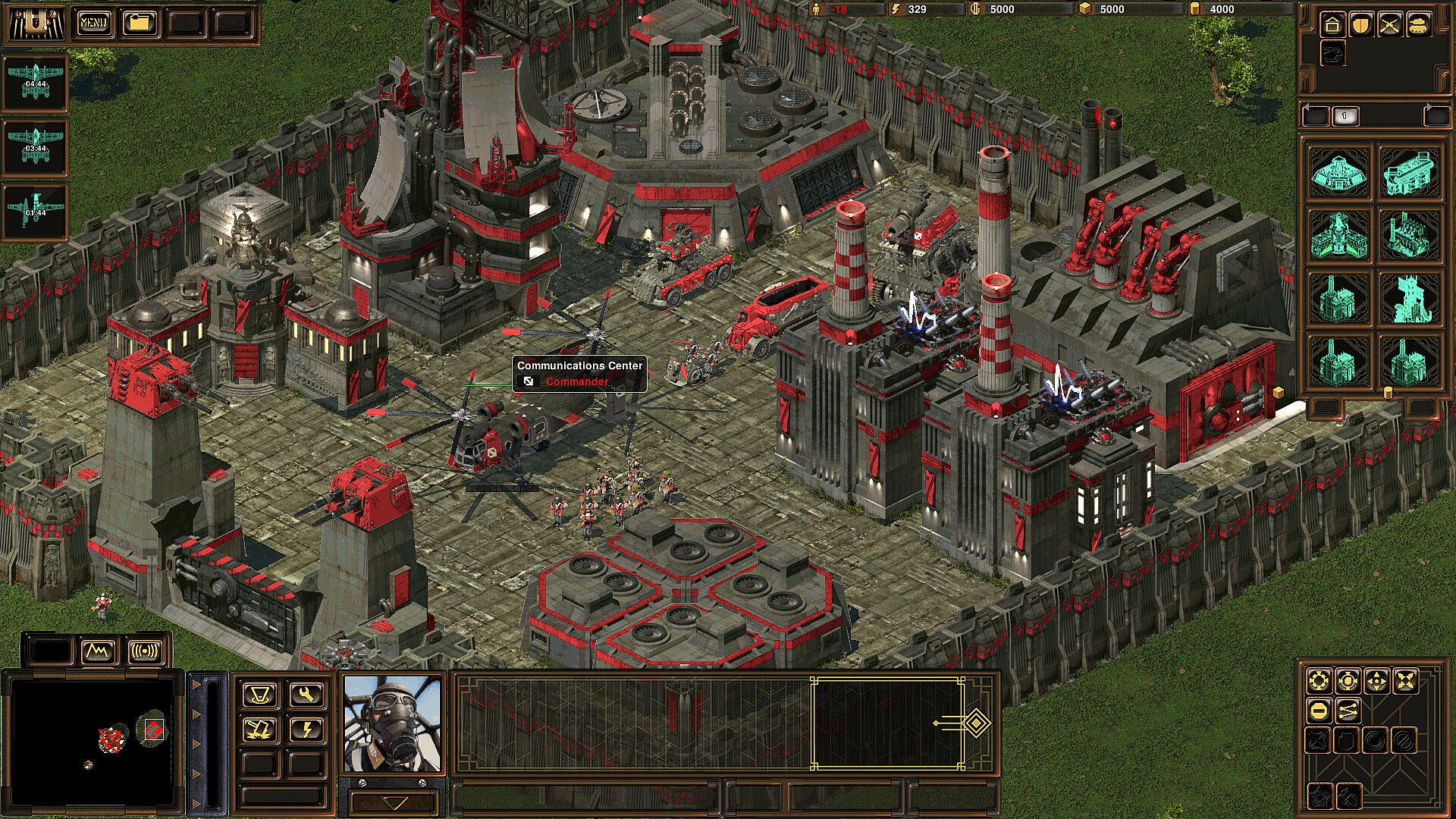
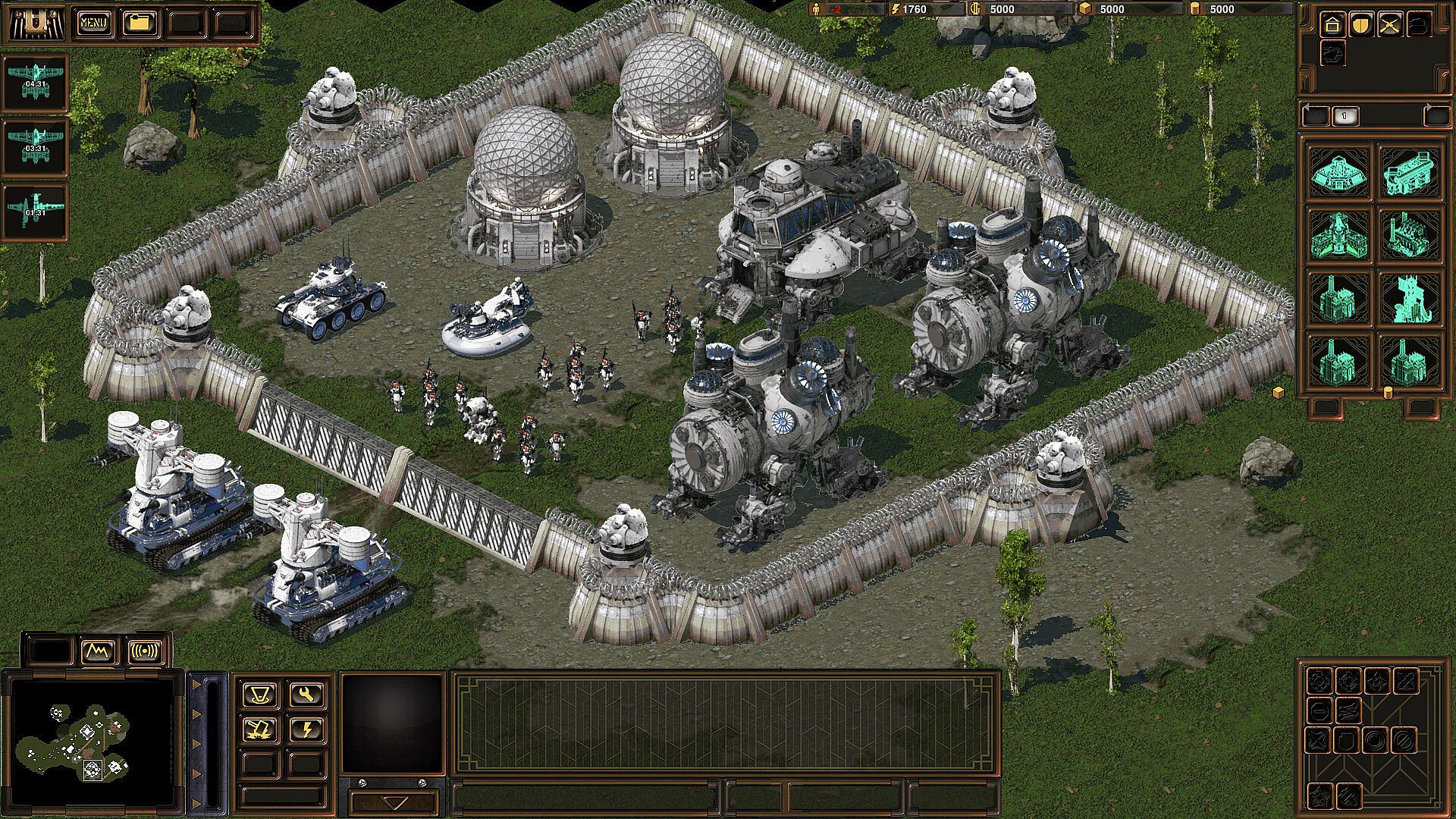
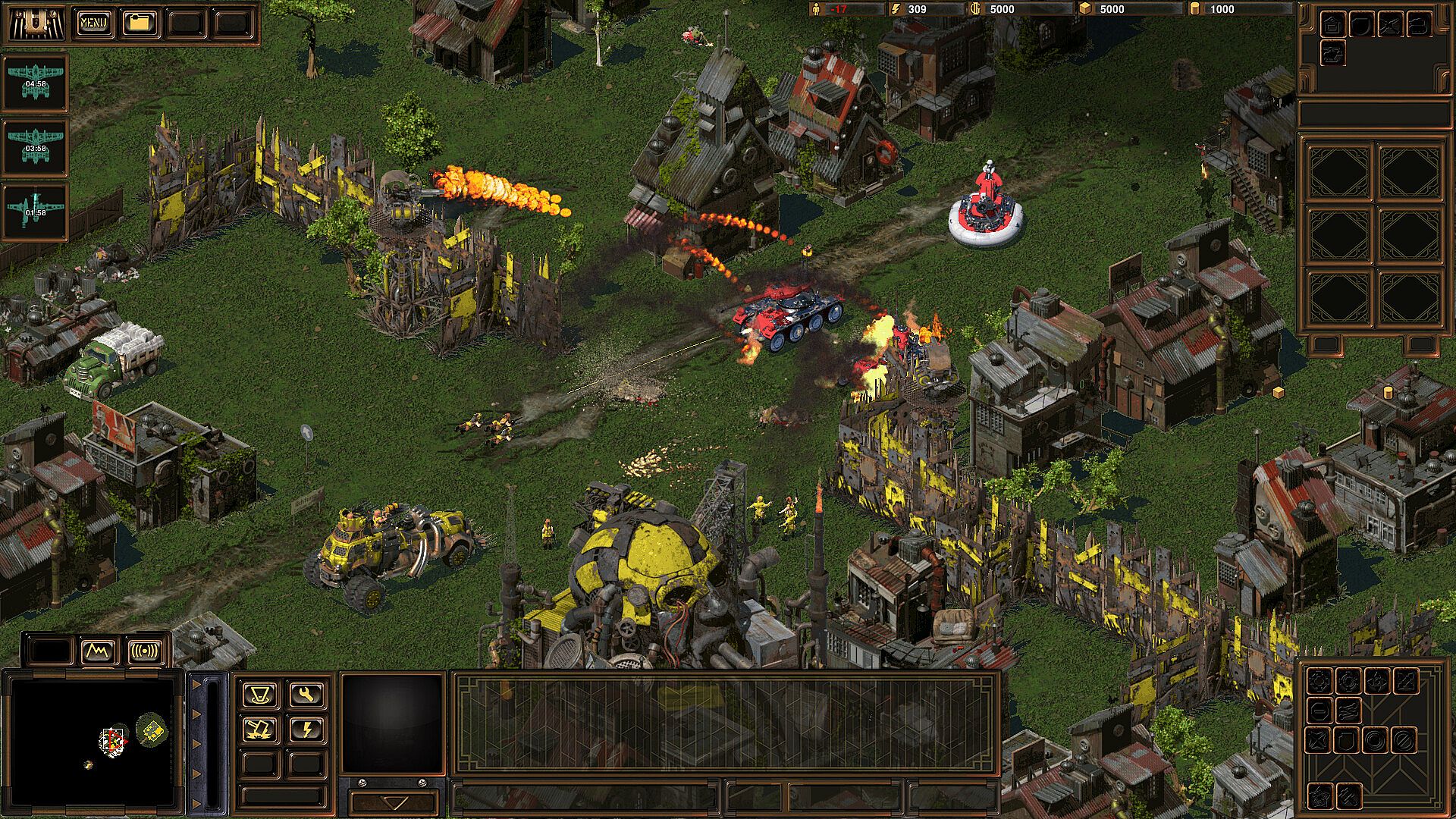
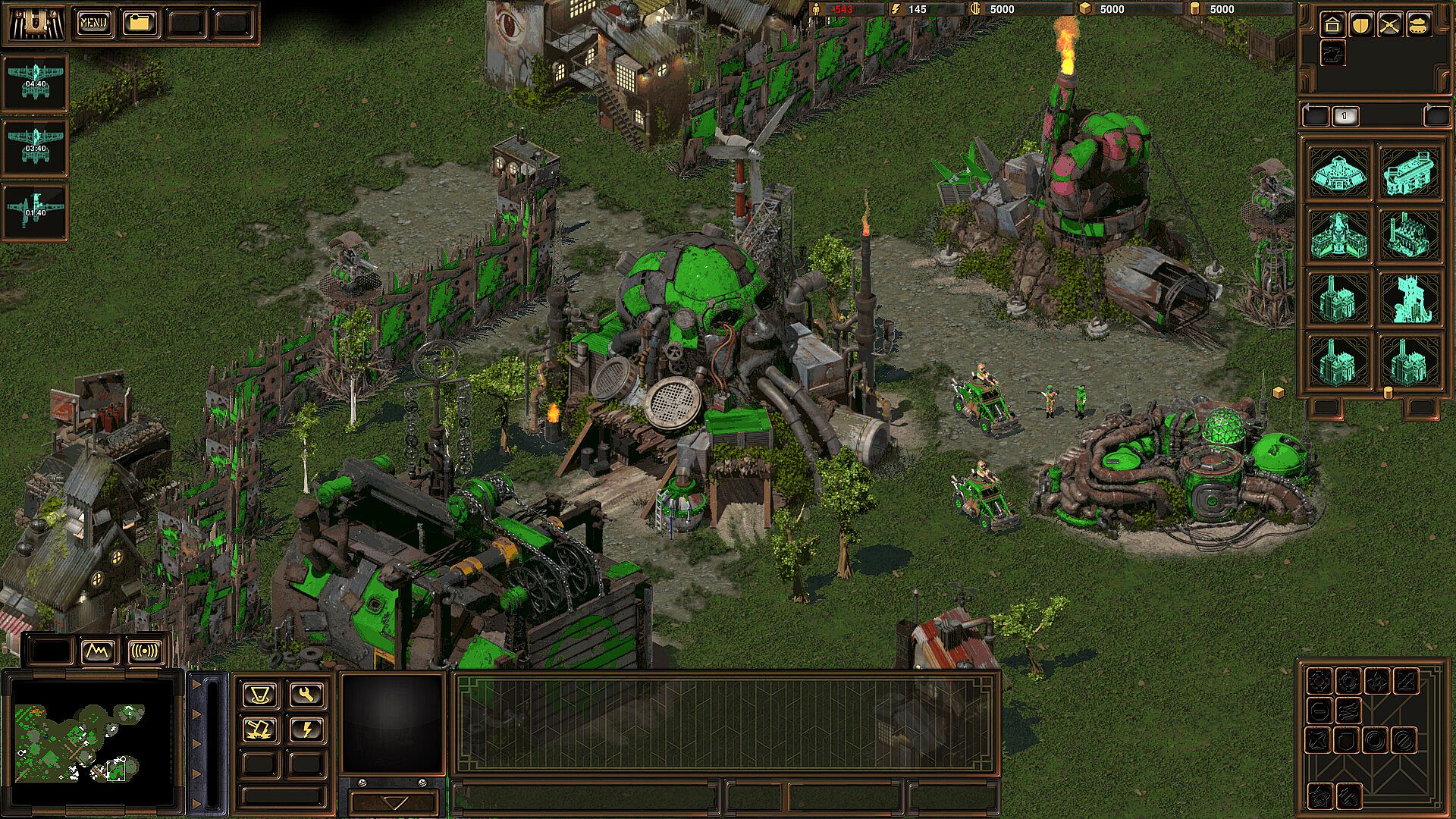
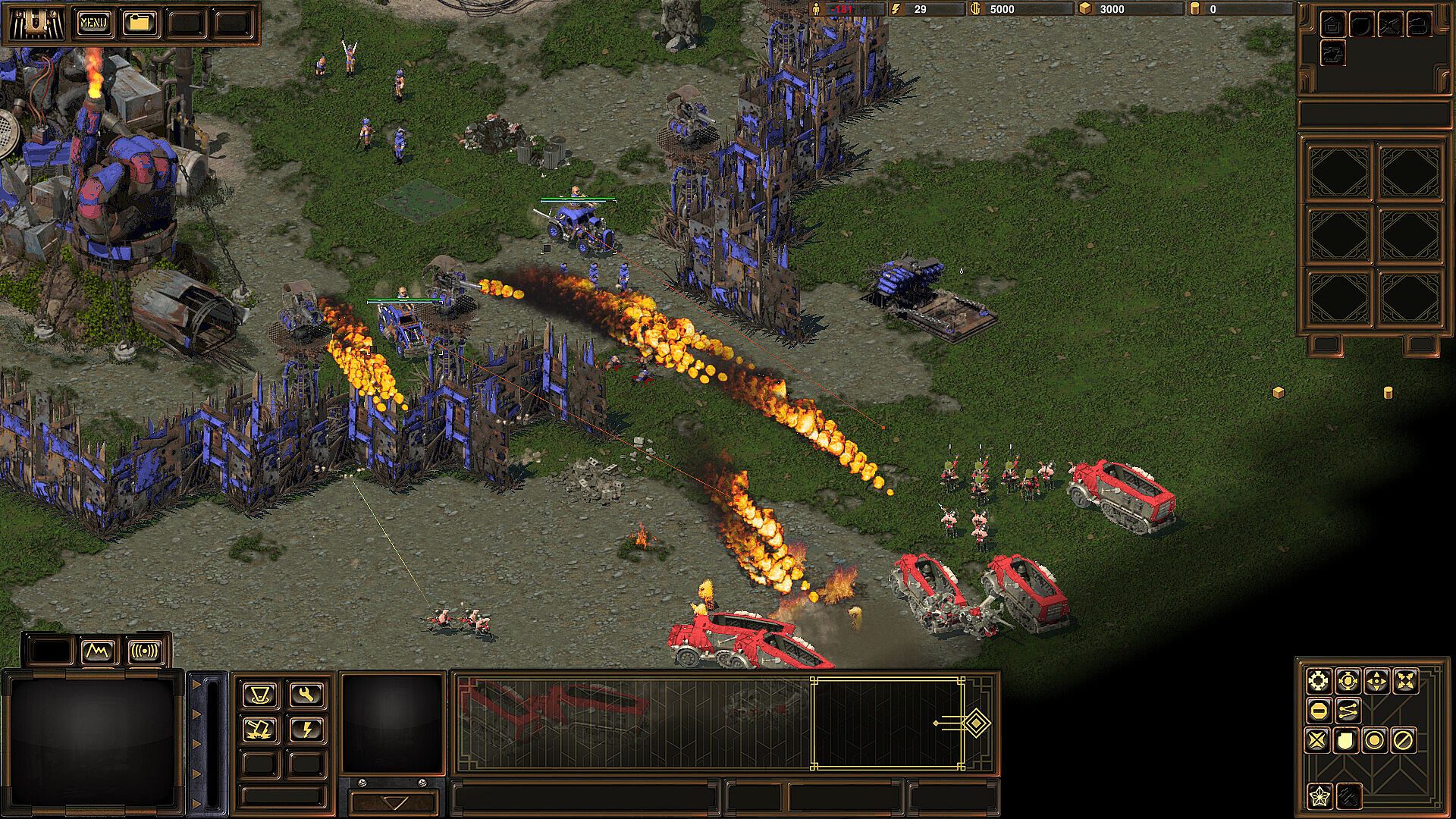
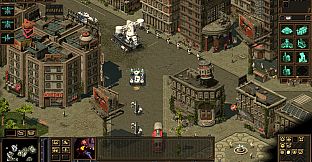
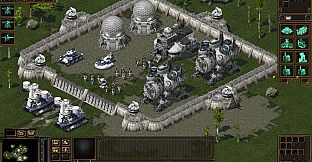
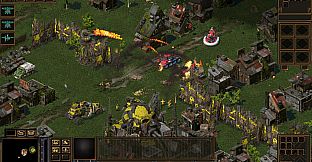
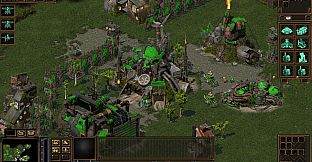
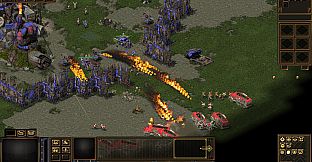
In the realm of real-time strategy games, D.O.R.F. Real-Time Strategic Conflict stands out as a PC title that channels the spirit of classic RTS experiences with a focus on base building, resource management, and multi-domain warfare.
Gameplay
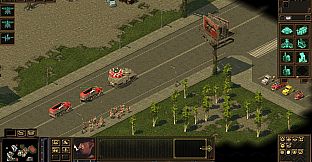
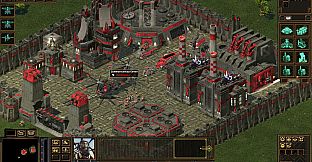
At its core, this real-time strategy game revolves around commanding forces in a futuristic setting where base construction and resource logistics form the backbone of success. Players start by building expansive bases filled with factories, refineries, and defensive structures, each of which can be rotated to optimize layouts and efficiency. Resource gathering plays a central role, involving pumping oil from deposits, mining ore, and collecting scrap from battlefields to fuel the economy. These materials get refined and transported via supply lines to factories, turning them into essential war materials.
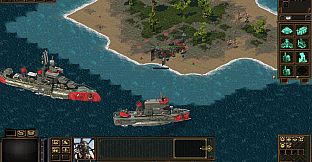
Combat unfolds across land, air, and sea, with players assembling diverse armies that include massive zeppelin bombers, multi-turret tanks, psychic warriors, and artillery mecha. Tactical options expand further through calling in airstrikes, digging trench networks for infantry protection, and setting up transport routes to move units swiftly from production sites to the front lines. A distinctive mechanic allows infantry to infiltrate enemy positions for intense close-quarters battles inside structures, and capturing opponent factories grants access to their technologies, enabling hybrid army compositions that blend different faction strengths.
Game Modes
The game supports several ways to engage with its strategic depth. Single-player mode lets individuals tackle challenges against AI opponents, focusing on conquest and base management without external competition. For those seeking direct rivalry, online PvP provides matches against other players over the internet, testing strategies in real-time battles. Additionally, LAN PvP allows for local network play, ideal for gatherings or events where participants connect directly.
Factions and Mechanics
Players choose from one of three unique factions, each bringing distinct approaches to warfare and economy in this real-time strategy setup. While specifics on faction identities remain under wraps, the emphasis lies on how their differences influence unit types and technological paths. Mechanics like resource refinement and logistics networks ensure that maintaining supply chains is as crucial as direct combat, adding layers of planning to every match.
Unit control demands attention to multiple domains, with air units providing bombing runs, land forces handling ground assaults, and sea elements offering naval support where applicable. The ability to mix technologies through captures encourages adaptive strategies, turning potential weaknesses into strengths mid-game.
Is It Worth Playing?
For enthusiasts of real-time strategy games that prioritize intricate base building and logistical planning over fast-paced action, this title holds strong appeal. Its mechanics echo the depth found in genre classics, making it a solid choice for those who enjoy managing economies and orchestrating multi-faceted attacks. With a successful Kickstarter campaign demonstrating community interest, it shows promise for RTS fans looking for fresh takes on familiar formulas. If detailed resource systems and tactical depth sound engaging, keeping an eye on its development could pay off once it launches.