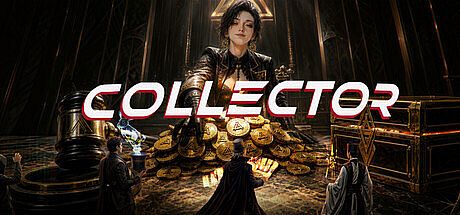








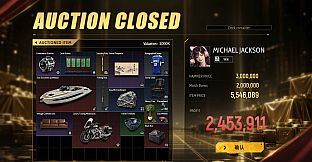
The Collector is a free-to-play multiplayer strategy game that blends auction mechanics with psychological deduction and resource management. Players compete in real-time bidding wars over shipping containers filled with unknown items, using limited information to maximize profit margins rather than raw spending power. Available on PC, the title draws from strategy, RPG, simulation, and casual genres to create tense matches where reading opponents proves as important as valuing artifacts.
Gameplay
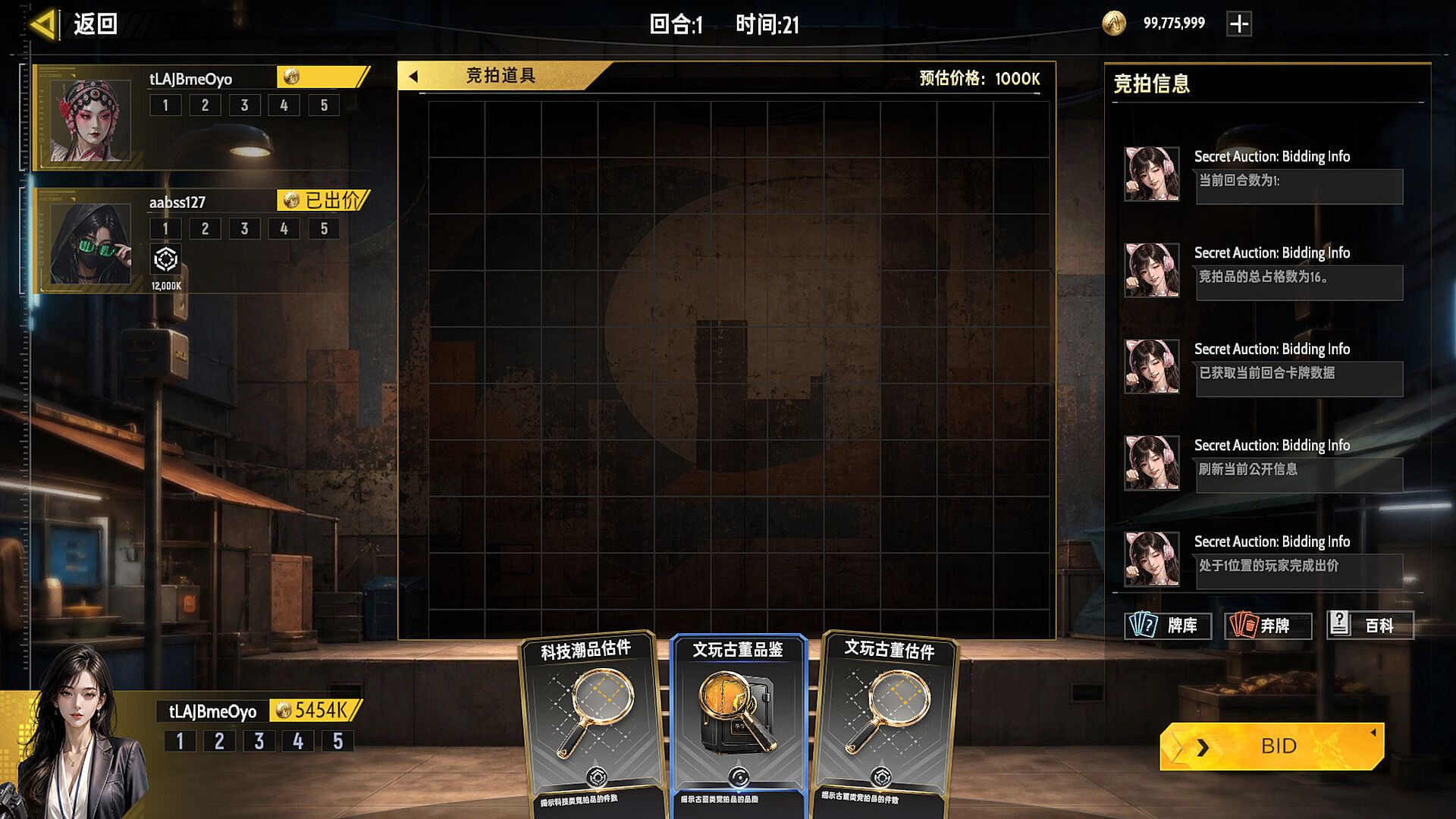
Matches unfold across five rounds in which four players bid openly for a single container holding dozens of items. Bids appear for all to see, allowing each participant to observe reactions and adjust strategies on the fly. Early rounds provide broad category hints through card plays, while later rounds deliver more precise details such as total value within quality tiers or the location of the highest-value piece.
Each round players draw three cards and select one to play. These cards reveal item quality, scan categories for leads, or count legendary pieces inside the container. Information gained stays private, yet opponents notice the card type used and interpret subsequent bids to infer discoveries. Holding a card instead of playing it adds another layer of bluffing and timing.
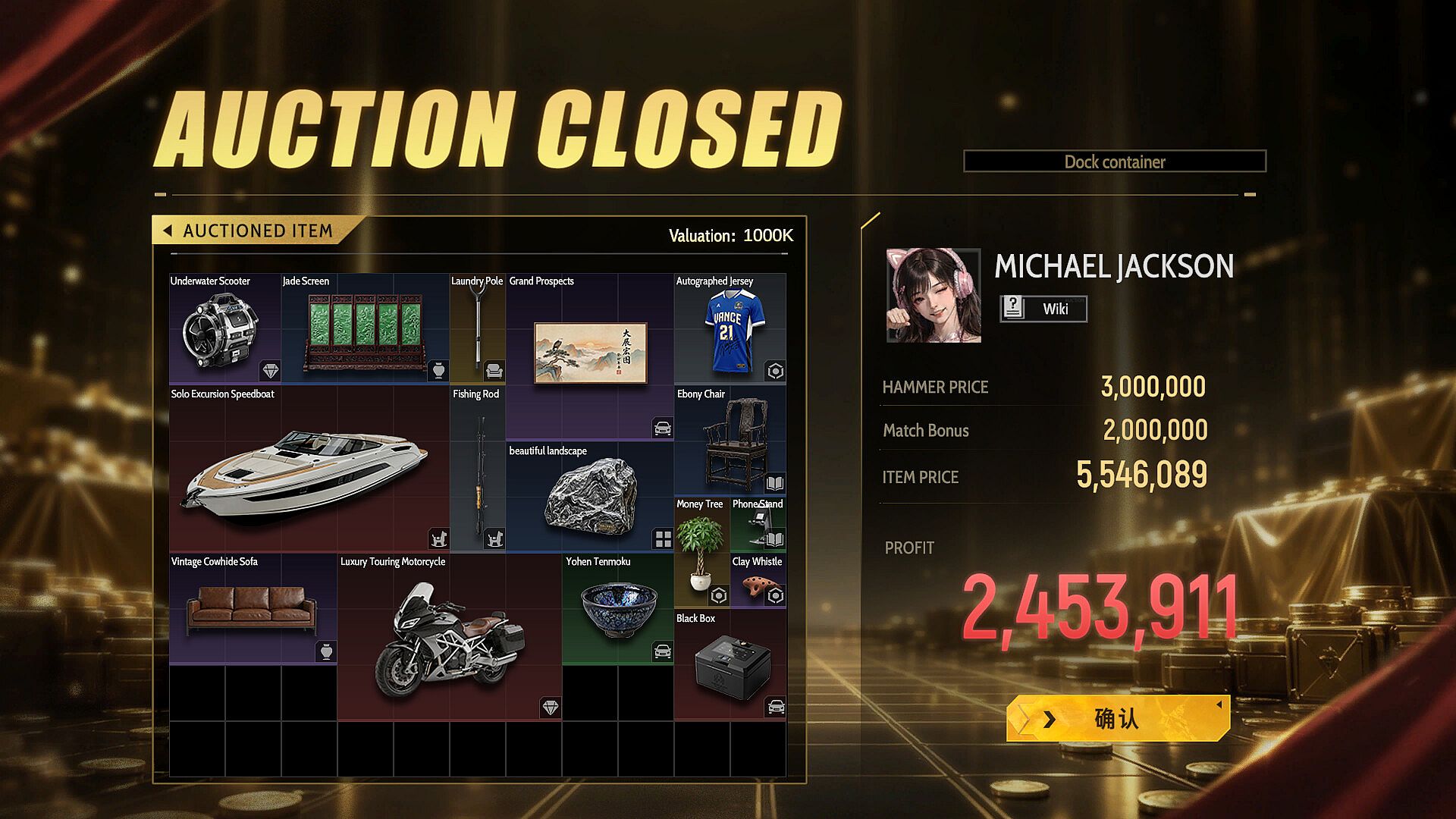
Items carry cultural tags covering dynasty, kiln, artistic movement, material, and function. When several artifacts share a tag, collection bonuses multiply their combined value. This system rewards players who identify thematic connections rather than isolated high-value pieces.
Success hinges on profit margin. The player who spends the least relative to returns earns the strongest seasonal position. Absolute profit matters less than capital efficiency, so overpaying for a container can hurt ranking even when the contents prove valuable.
Game Modes
Core play centers on five-round auction matches lasting roughly eight to twelve minutes. A sudden-victory option can shorten some contests when one player secures an insurmountable lead. All matches feature four human participants, with open bidding and shared visibility of moves creating constant psychological pressure.
Seasonal ranked play tracks performance across multiple matches. Only the best fifty results each season contribute to ladder position, which ranges from Apprentice to Legendary Collector. This format encourages consistent efficiency over single standout performances.
Outside ranked competition, players build and expand a personal gallery by placing acquired rare items. Gallery progression grants access to additional character options, card refresh tokens, entry fee discounts, and cosmetic rewards. Completing themed sets yields special commemorative coins that further support long-term collection goals.
Key Mechanics and Progression
The card investigation system forms the heart of information gathering. Players must decide each round whether to spend a card for immediate clues or conserve it for later rounds when more context exists. Opponents see only the card category played, which forces careful management of visible versus hidden knowledge.
Cultural collection bonuses add depth to valuation. Identifying shared tags across items can dramatically increase container worth, turning modest bids into high-margin wins. This mechanic rewards historical and thematic awareness alongside numerical assessment.
Gallery leveling creates a meta progression loop. Rare finds feed into collection points that unlock tangible advantages for future matches. The system rewards repeated participation without punishing occasional losses, since negative margins simply yield zero seasonal points rather than deductions.
Is It Worth Playing?
The Collector suits players who enjoy strategy games centered on deduction, bluffing, and efficient resource use. Its four-player structure and open-bid format reward attentive reading of human opponents more than pure luck or pattern recognition. Matches remain short enough for quick sessions while the seasonal ranking system provides ongoing goals.
Those drawn to simulation and casual strategy titles will find the artifact valuation and cultural bonus layers engaging. The free-to-play model removes financial barriers, allowing focus on skill development across gallery progression and ranked play. Players seeking fast-paced psychological competition over traditional combat or exploration mechanics will likely appreciate the core loop.
Current support centers on seasonal ranked seasons and gallery unlocks, with the match structure remaining consistent. The game rewards deliberate decision-making and opponent observation, making it a strong fit for fans of auction and deduction experiences rather than action-oriented titles.