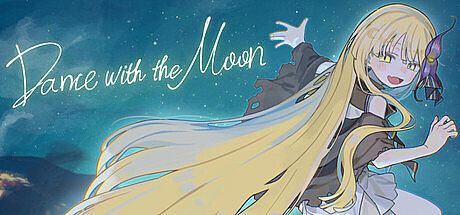


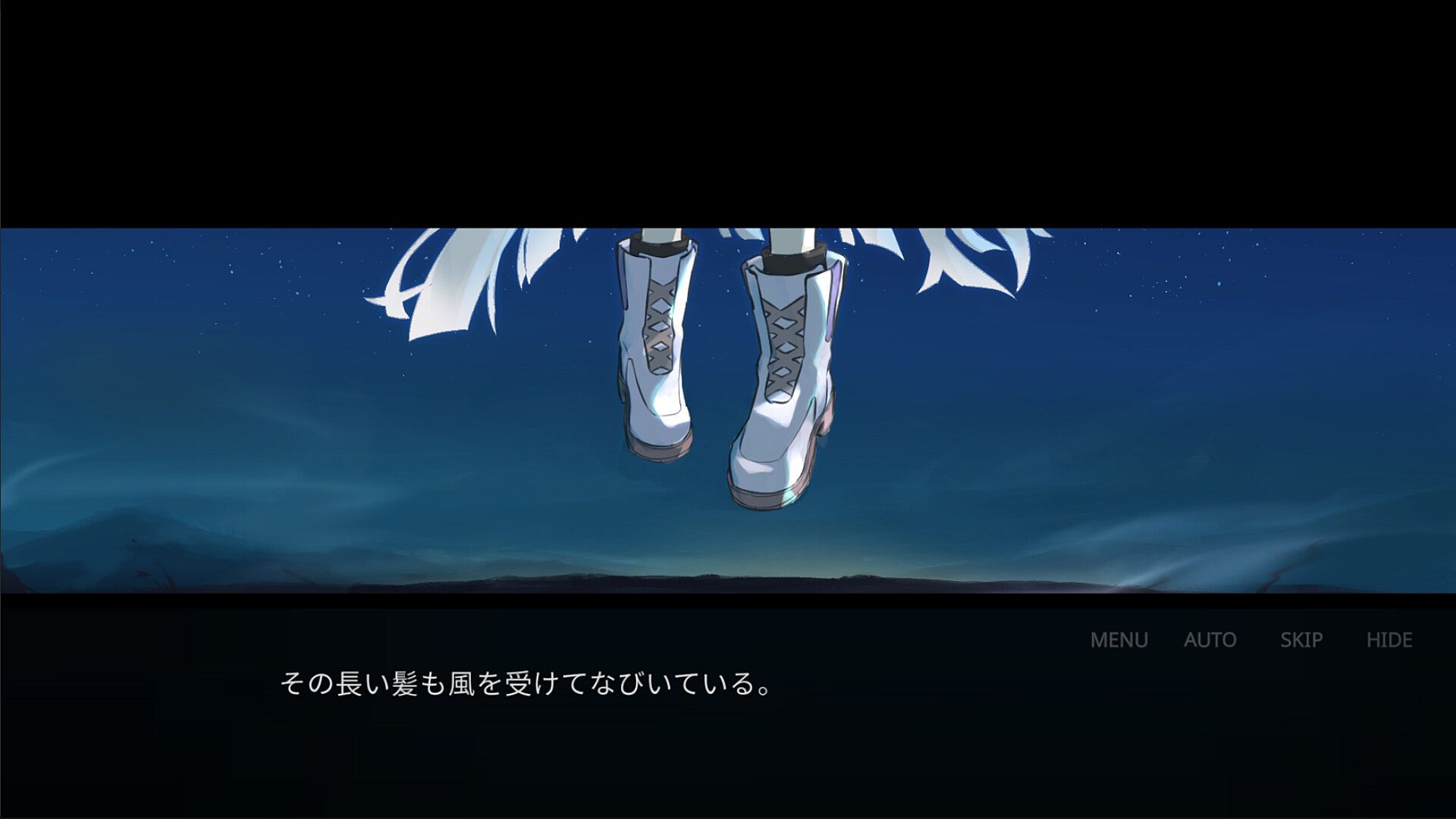
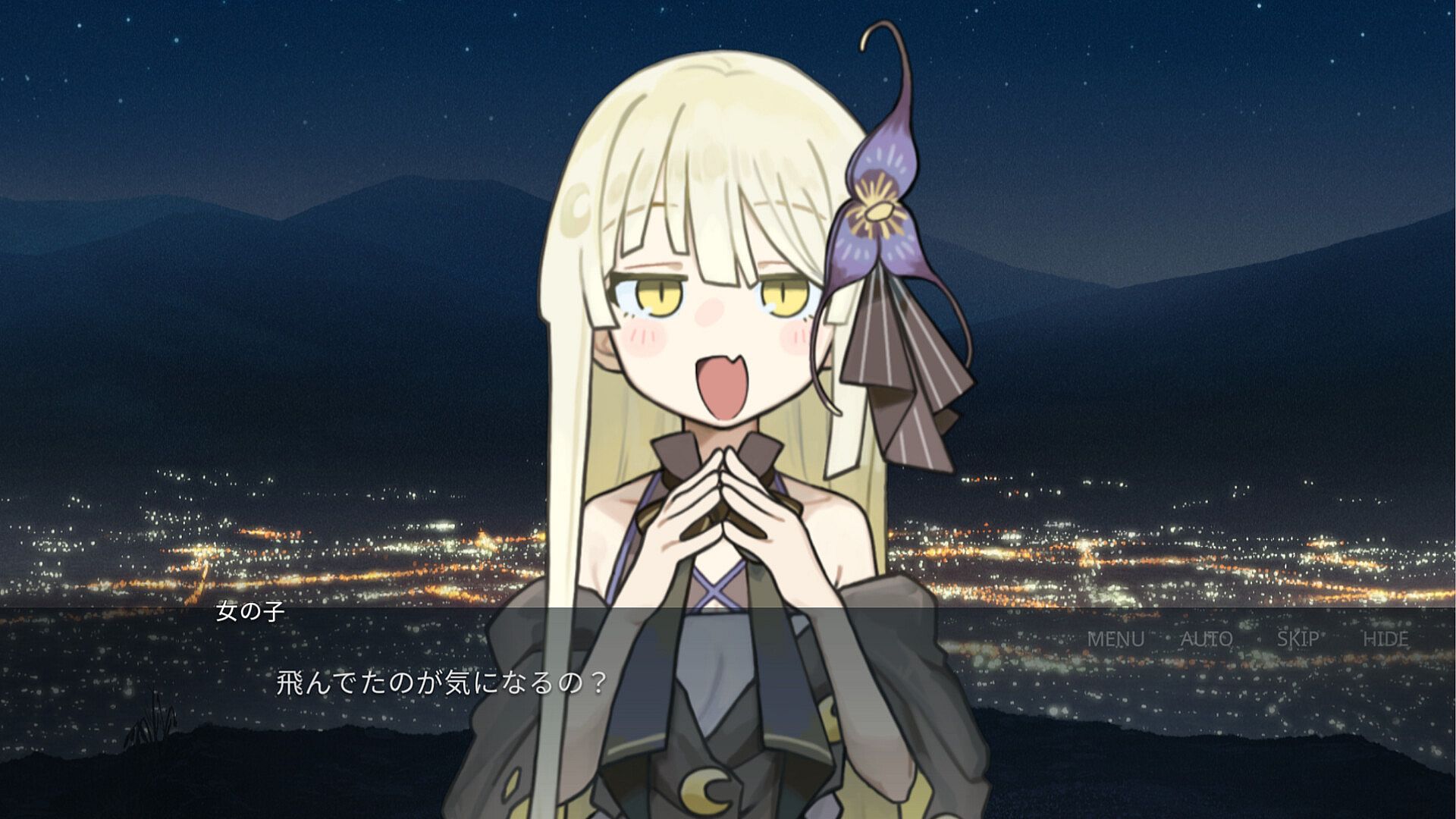
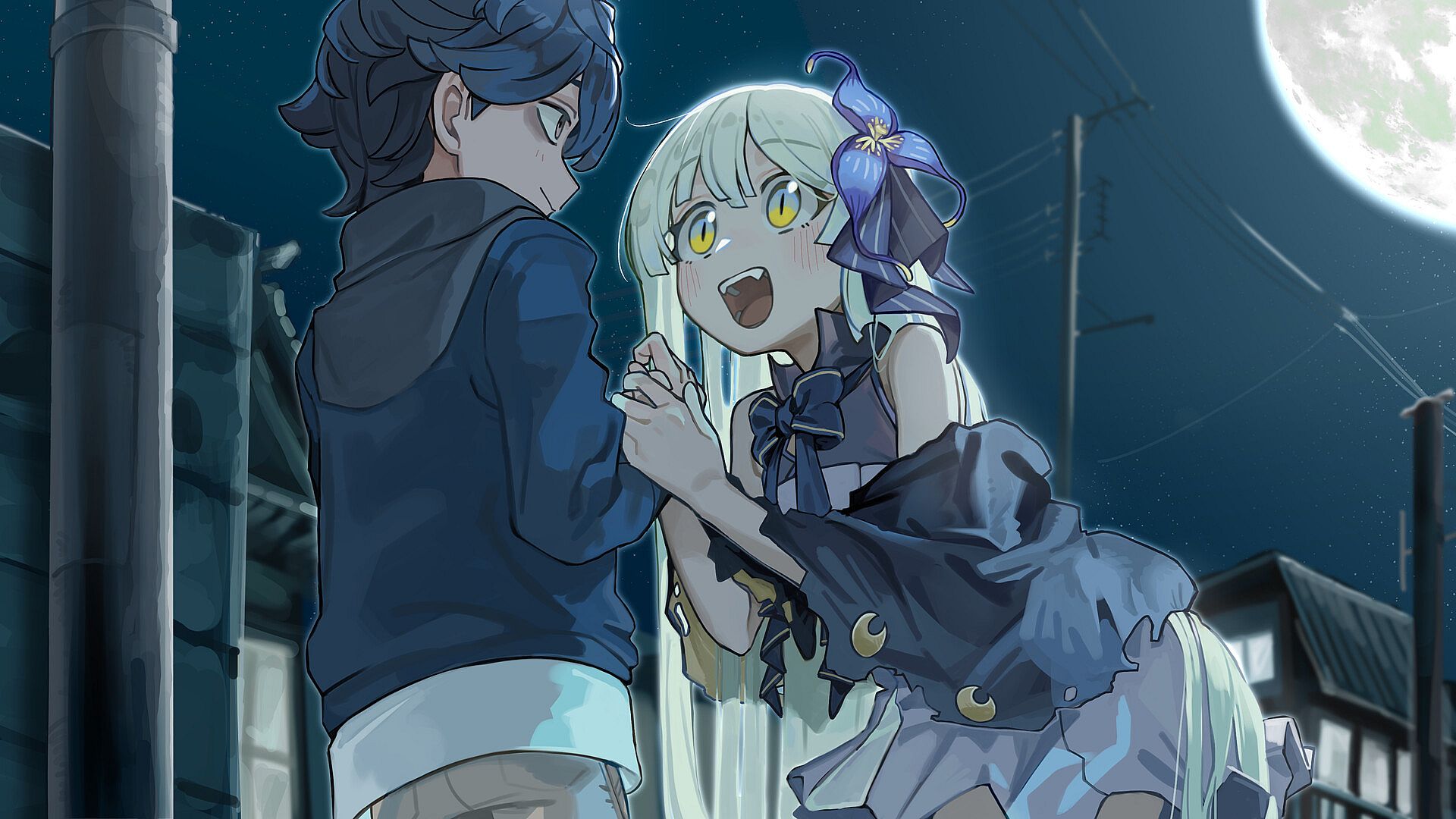
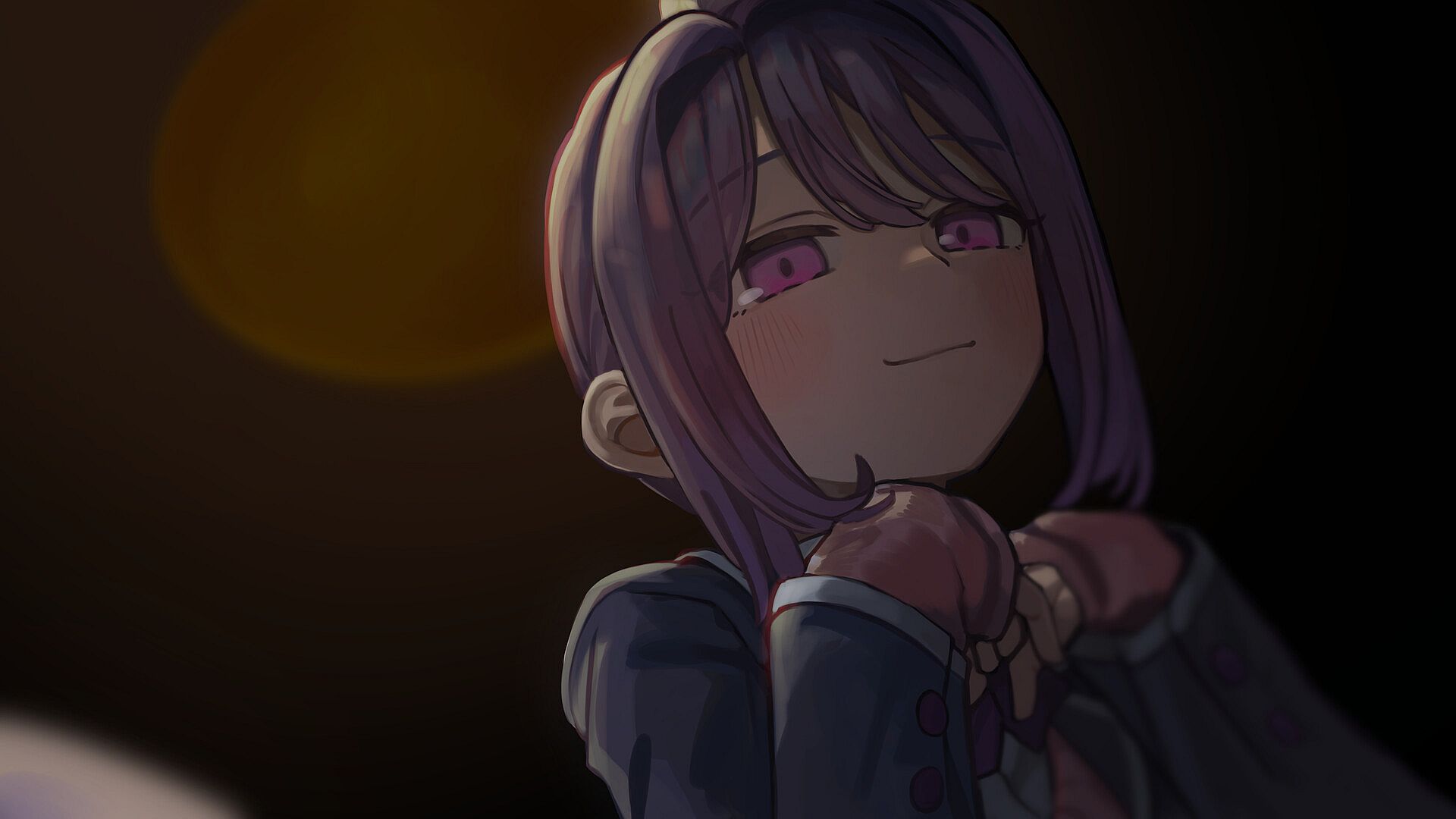
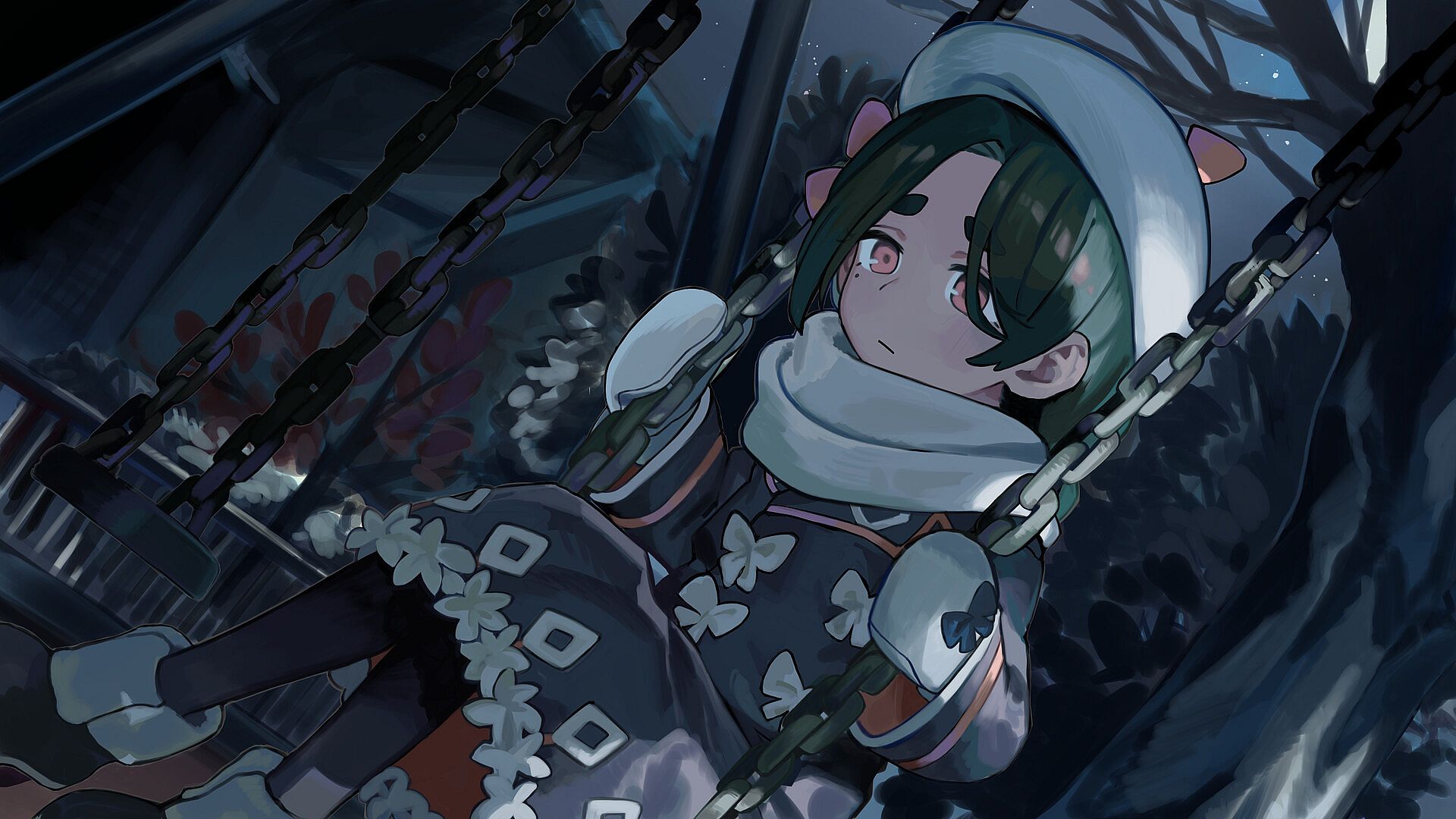
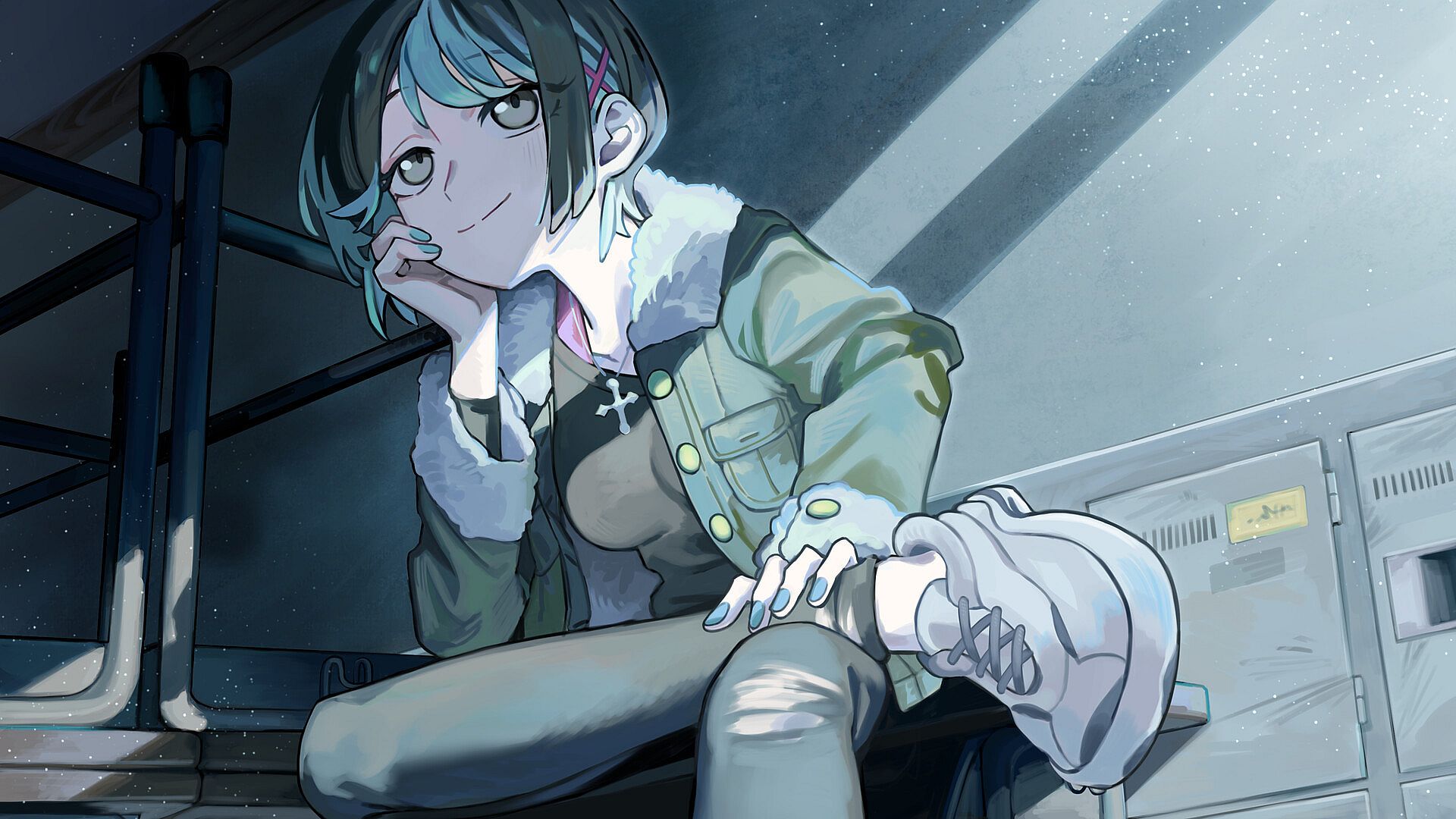
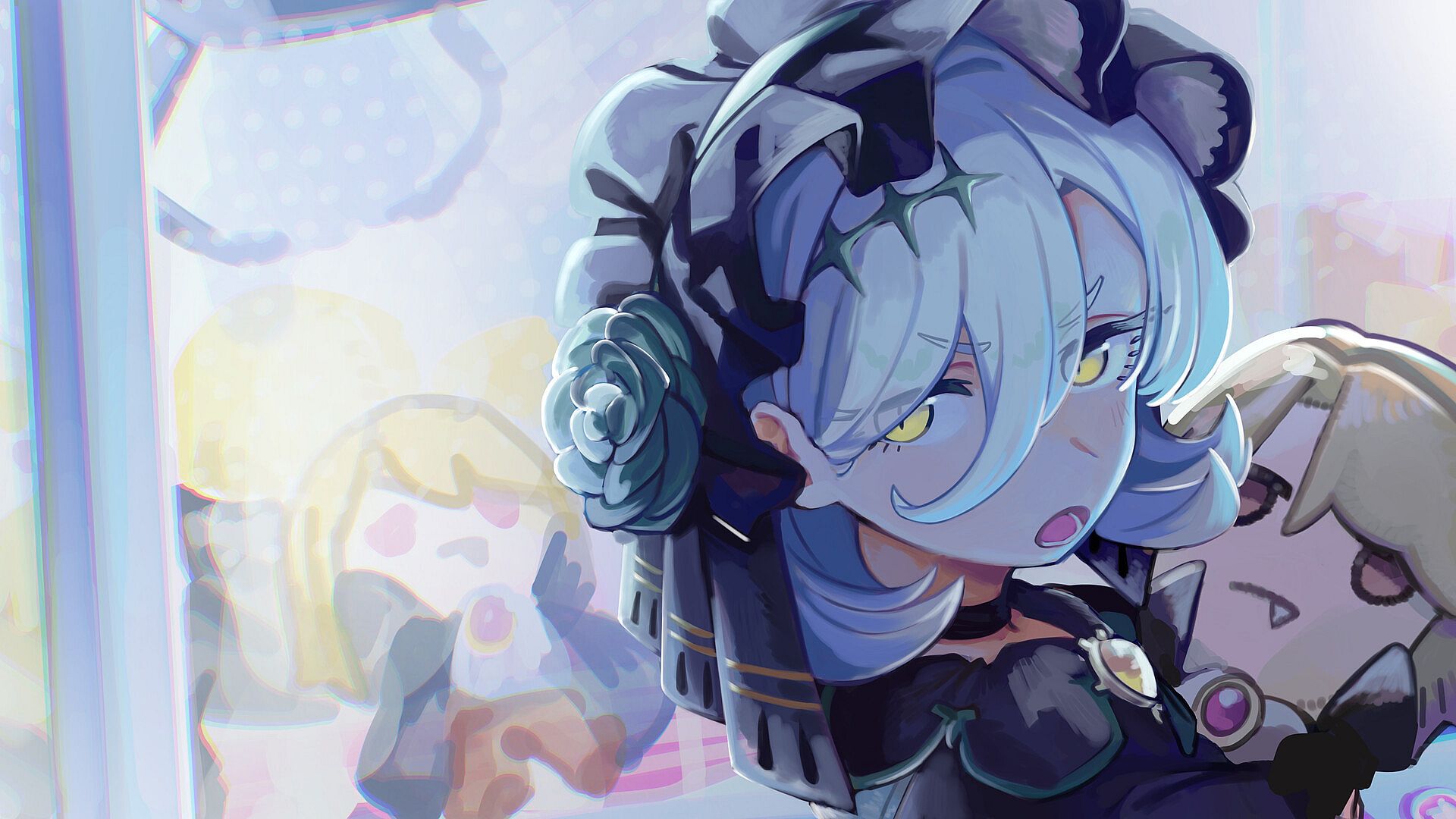
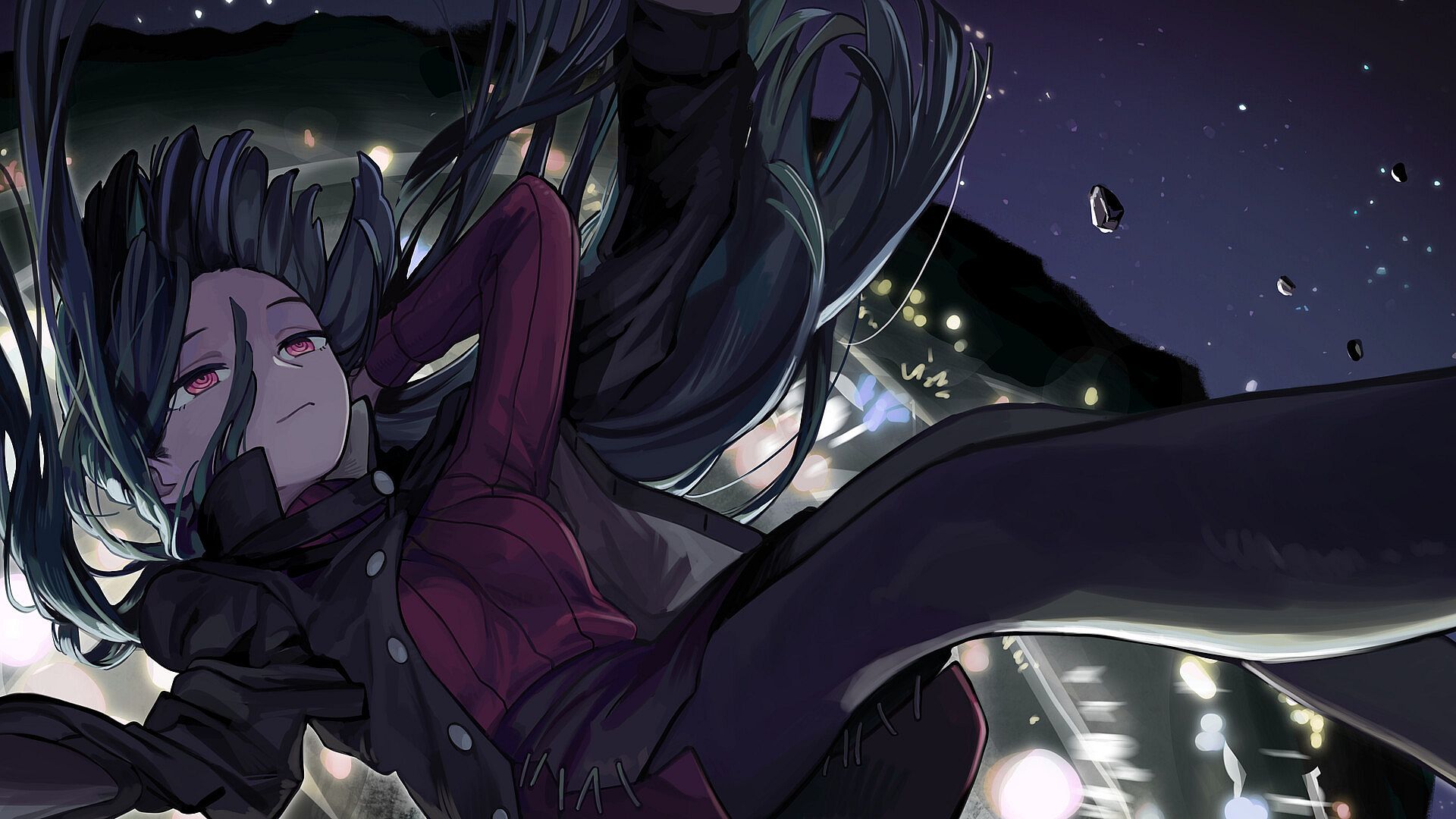
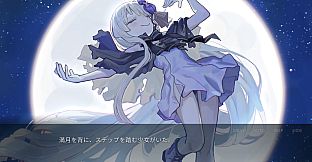

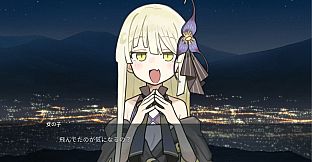
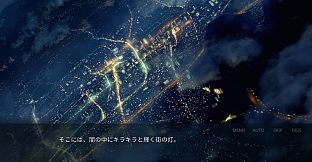
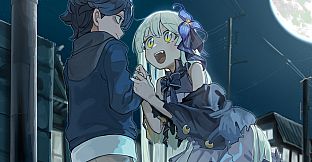
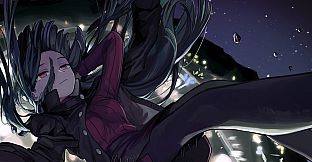
Dance with the Moon is an indie adventure visual novel developed for PC that centers on a boy who cannot go out in daylight and a vampire girl who thrives only after dark. The story follows Teru Hinomoto as he meets Luna, the last surviving vampire, and joins her nightly efforts to help people in need while she works to change how society views her kind. Their shared limitations draw them together, and the narrative explores themes of acceptance, loneliness, and quiet connection through a series of encounters with other characters struggling after sunset.
Gameplay
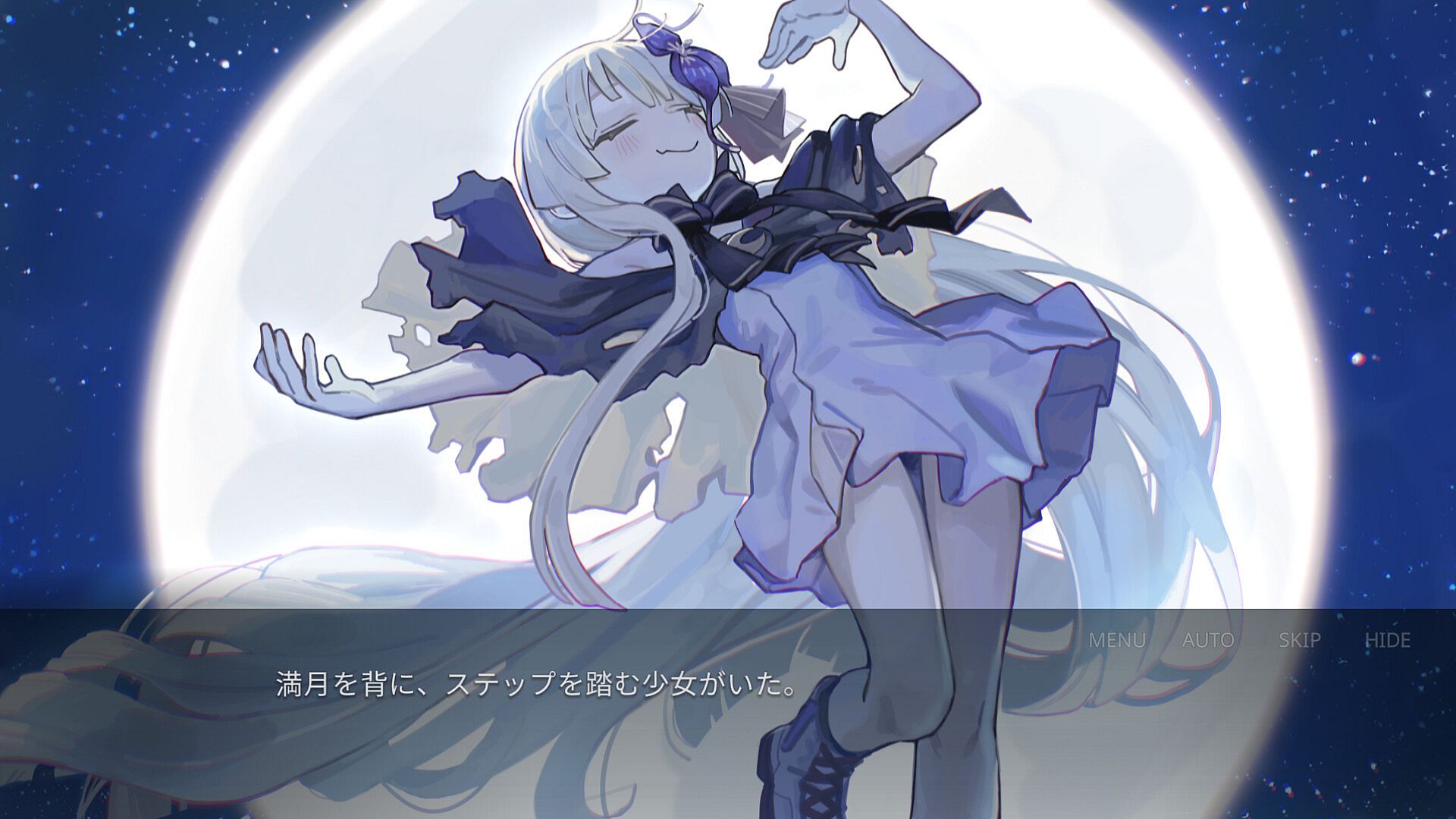
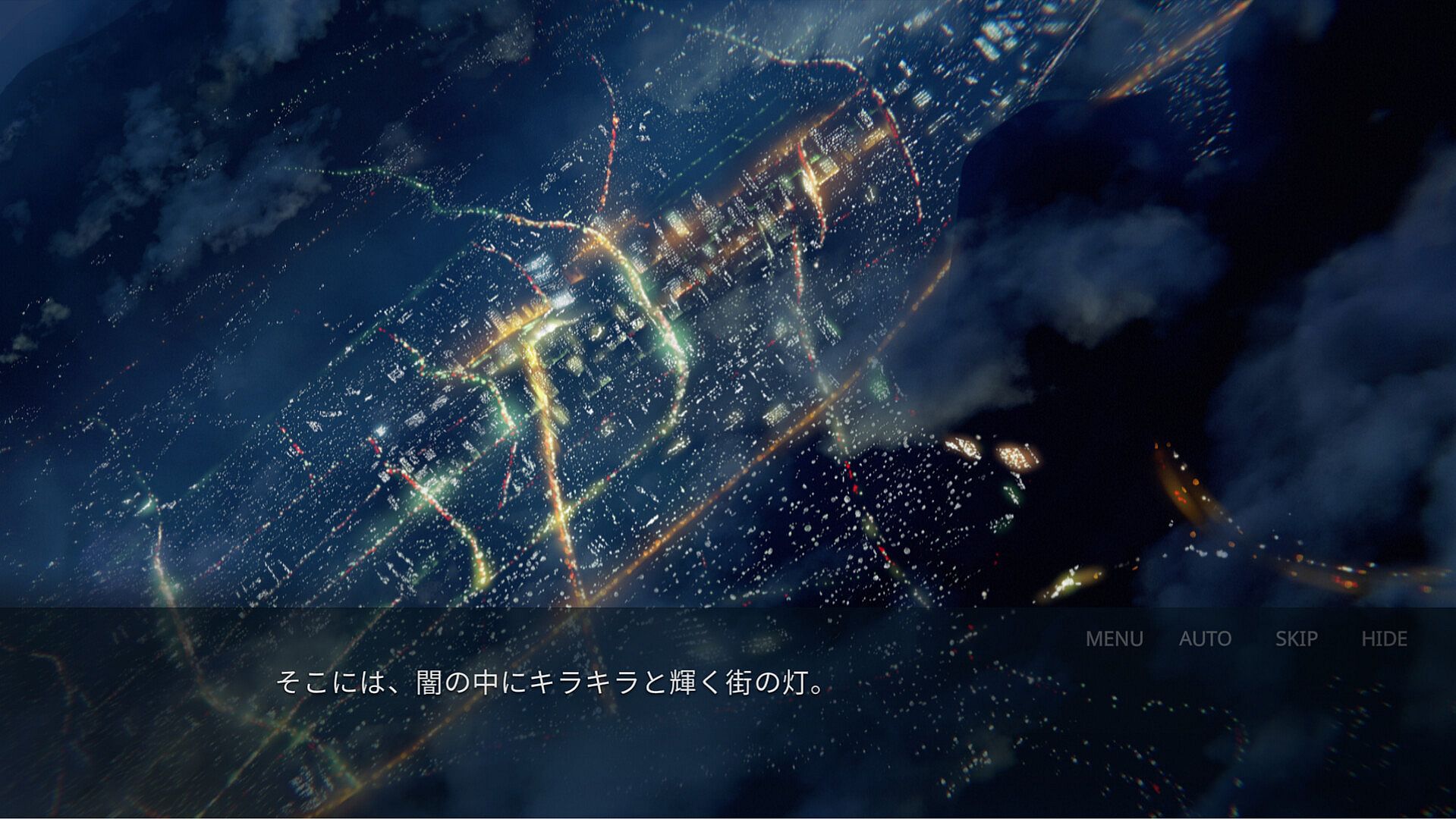
The core loop involves reading through a detailed script that presents Teru and Luna's shared nights, with occasional choices that shape how events unfold and which characters receive deeper focus. The writing blends personal drama with lighter moments, showing how the pair assists individuals facing various nighttime challenges while Luna avoids direct feeding to prevent turning others into thralls. Players follow the central relationship in the initial playthrough before unlocking additional branches that explore individual heroines. The visual presentation uses night-inspired artwork and design elements to reinforce the nocturnal setting throughout the experience.
Character interactions form the heart of progression. Each supporting figure brings a distinct background that intersects with the main duo, from childhood connections and idol pressures to mysterious investigations and past betrayals. Dialogue and scenes reveal these layers gradually, building an ensemble feel without shifting away from Teru and Luna's perspective. The script length supports multiple hours of reading, with the full set of routes extending the total time to around ten hours when all paths are completed.
Game Modes
The game operates entirely in single-player mode as a linear-to-branching visual novel. The first run focuses on the primary story arc involving Teru and Luna. Subsequent playthroughs open heroine-specific routes that branch from key decision points, leading to separate endings for each character. No competitive or cooperative elements exist; the structure emphasizes repeated play to uncover different outcomes and additional character insights. Partial voice acting covers many lines in Japanese, with the theme song "Dance with the Moon" performed by Haru Shinonome playing during key sequences.
Story and Characters
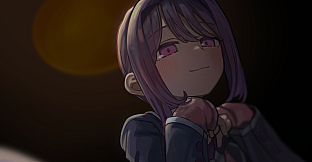
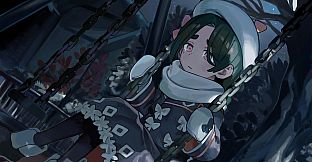
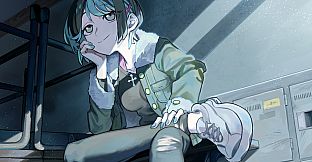
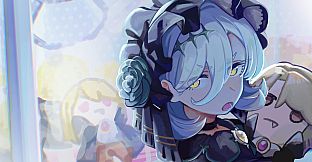
Teru lives under the constraint of a rare illness that keeps him indoors during the day, while Luna has survived for centuries by relying on stolen blood packs rather than feeding directly on humans. Their partnership begins with her invitation to join her nighttime activities, which include aiding those overlooked by daytime society. Supporting figures expand the scope: Mio Toriumi serves as Teru's childhood friend whose feelings complicate their bond; Meguru Ichihoshi appears as a runaway idol seeking shelter; Sui Morino arrives with a missing arm and a demand for help investigating her brother's death; Sakuya Konohana confronts the aftermath of betrayal by her former best friend; and Heliodor stands out as an enigmatic gothic lolita encountered during one of the pair's outings. Each brings personal struggles that intersect with the central theme of acceptance.
The narrative maintains a consistent focus on human drama set against the city's rumors and fears about vampires. Humor surfaces in everyday interactions, balancing heavier emotional beats. The multi-ending design rewards exploration of different routes, revealing how the same events can resolve in varied ways depending on which relationships receive priority after the initial story concludes.
Is It Worth Playing?
Dance with the Moon suits players who enjoy character-focused visual novels that prioritize emotional storytelling and branching narratives over action or complex systems. The estimated ten-hour playtime across all routes provides a complete experience for those willing to replay for different endings. The blend of vampire romance, ensemble drama, and night-themed presentation creates a distinctive atmosphere that stands apart from typical daylight settings in similar titles. Availability on PC makes it accessible for anyone interested in Japanese-language audio with partial voicing and a script centered on acceptance and quiet connection. Those seeking short, repeatable stories with multiple conclusions will find the structure rewarding, while fans of slower-paced adventures may appreciate the detailed character backstories and the central duo's evolving partnership.