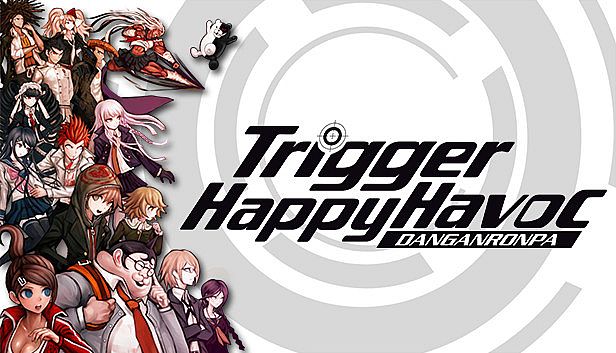
























Danganronpa: Trigger Happy Havoc stands out as a visual novel adventure game that blends mystery, investigation, and intense debates into a gripping experience. You step into the shoes of Makoto Naegi, an ordinary high school student who wins a spot at the elite Hope's Peak Academy, only to discover it's a trap orchestrated by the sadistic bear Monokuma. Trapped with 14 other talented students, you face a deadly game where murder is the ticket to freedom, but getting caught means execution. The narrative explores themes of despair and hope through a series of brutal killings, forcing players to uncover truths in a confined school setting turned prison.
Gameplay
The core gameplay revolves around alternating phases of exploration and high-stakes deduction. In daily routines, you interact with classmates, build relationships, and gather information through conversations. When a murder occurs, the pace shifts to investigation, where you examine crime scenes, collect evidence like truth bullets, and interview suspects. These elements feed into class trials, dynamic debates that require quick thinking to spot contradictions and fire back with evidence. Mechanics such as Nonstop Debates challenge you to interrupt false statements, while Hangman's Gambit involves spelling out key words under time pressure. Bullet Time Battles add rhythm-based confrontations, and the Closing Argument lets you piece together comic-strip summaries of events. This mix keeps sessions engaging, demanding both logic and reflexes to survive each case.
Building affinity with characters unlocks skills that aid in trials, adding a layer of strategy to social interactions. The game emphasizes careful observation, as overlooking details can lead to wrong accusations and dire consequences. Controls are straightforward for PC, supporting keyboard and mouse for navigating menus and mini-games.
Game Modes
Danganronpa: Trigger Happy Havoc features a single-player story mode structured around distinct segments that drive the plot forward. Daily Life sections focus on free time spent bonding with classmates and exploring the academy, setting the stage for upcoming conflicts. Deadly Life kicks in after a body discovery, shifting to evidence gathering and preparation for judgment.
The highlight comes in Class Trial mode, where all students convene in a courtroom overseen by Monokuma. Here, you engage in verbal battles to identify the culprit, using collected clues in various mini-games. There's no multiplayer component; the experience is purely narrative-driven across six chapters, with no separate competitive or cooperative modes.
Key Features and Mechanics
Beyond the main loop, the game includes systems like Free Time Events, where spending time with specific characters reveals backstories and grants perks for trials. Monokuma's motives escalate tension, introducing rules that encourage killings, such as time limits or personal secrets. The academy expands as the story progresses, unlocking new areas for exploration.
- Truth Bullets: Evidence turned into ammunition for debunking lies during debates.
- Rebuttal Showdowns: Intense one-on-one arguments that test timing and accuracy.
- Ultimate Students: Each classmate boasts a unique talent, influencing interactions and plot twists.
Is It Worth Playing?
For those who enjoy story-rich visual novels with puzzle-solving and courtroom drama, Danganronpa: Trigger Happy Havoc remains a strong choice years after its PC release. It has earned overwhelmingly positive reception on platforms like Steam, with 95% of over 16,000 user reviews praising its twists, characters, and emotional depth. The game receives no ongoing updates or seasons, as it's a complete standalone title, but its core content holds up well for new players seeking a thrilling mystery.
If you prefer fast-paced action or open-world freedom, this might feel too linear, but fans of deduction games will appreciate the clever writing and satisfying reveals. It's particularly suited for solo playthroughs, offering around 25-30 hours of content depending on thoroughness.