






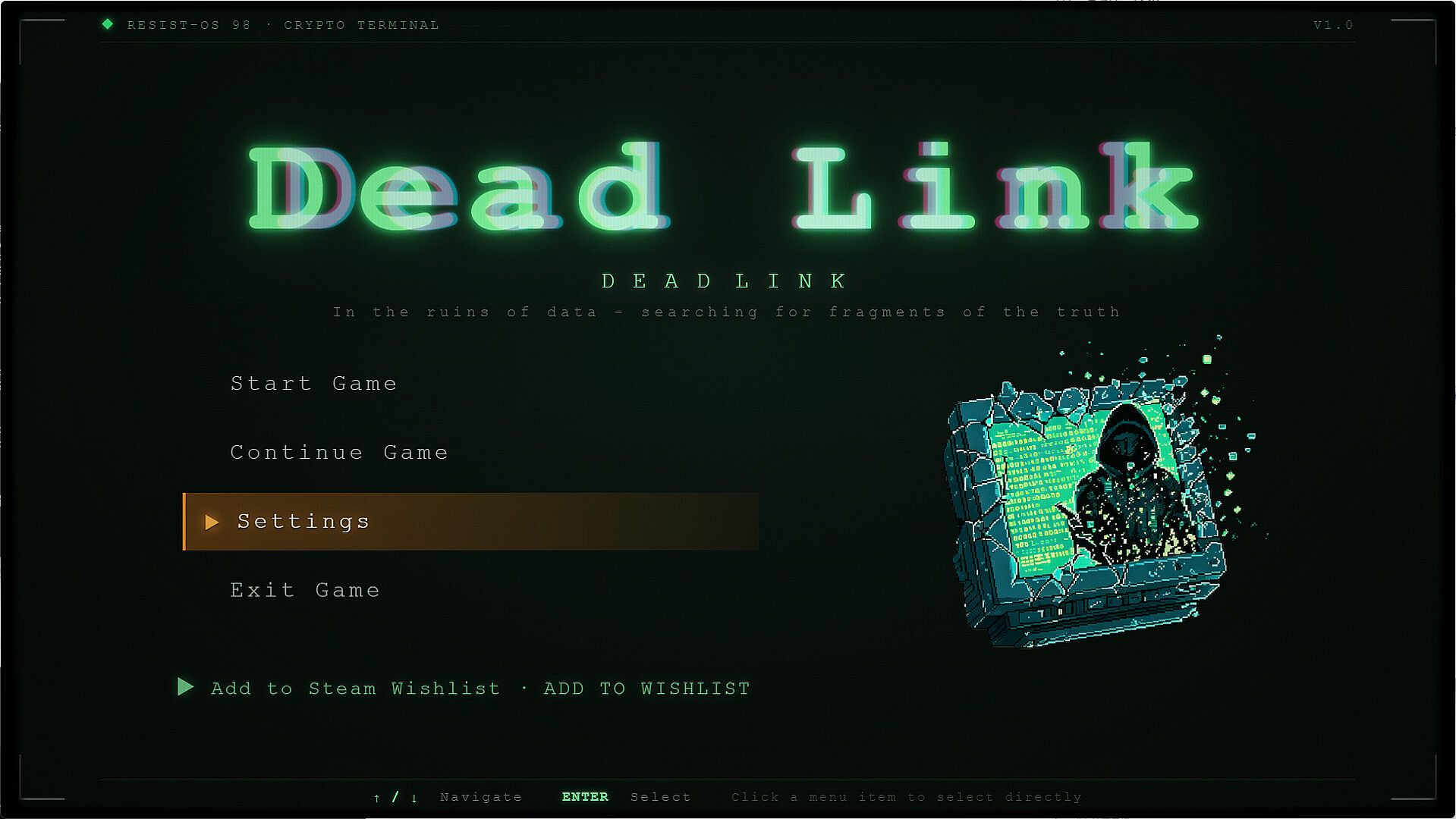
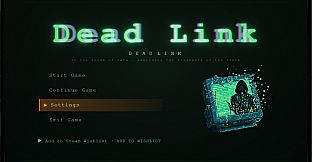
Dead Link is a single-player indie adventure simulation game with RPG and casual elements. Players take on the role of a new recruit in a resistance organization, receiving an old encrypted terminal running RESIST-OS 98. The experience centers on interacting with this simulated retro computer interface to uncover clues about its previous owner and a larger mystery.
Gameplay
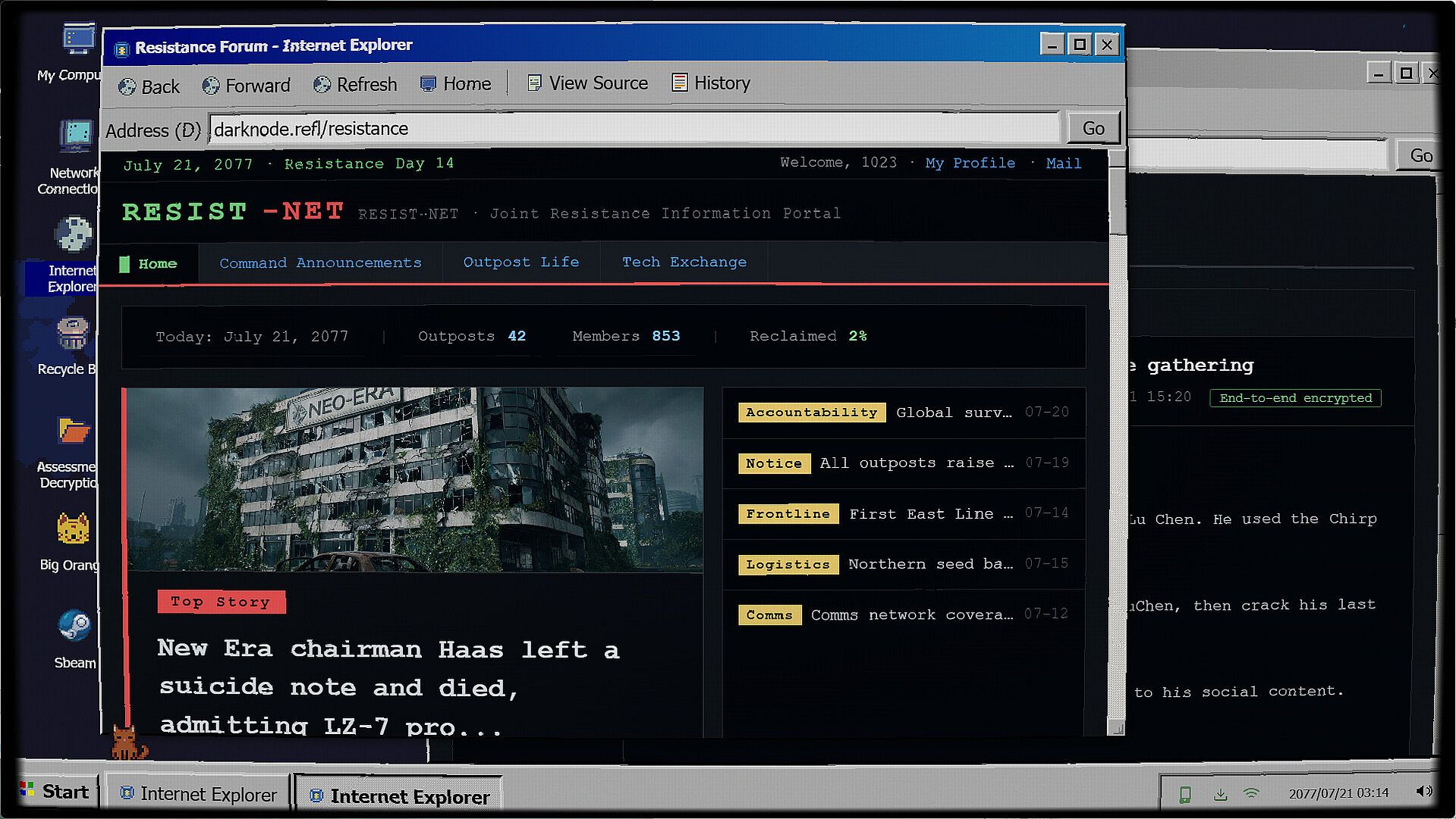
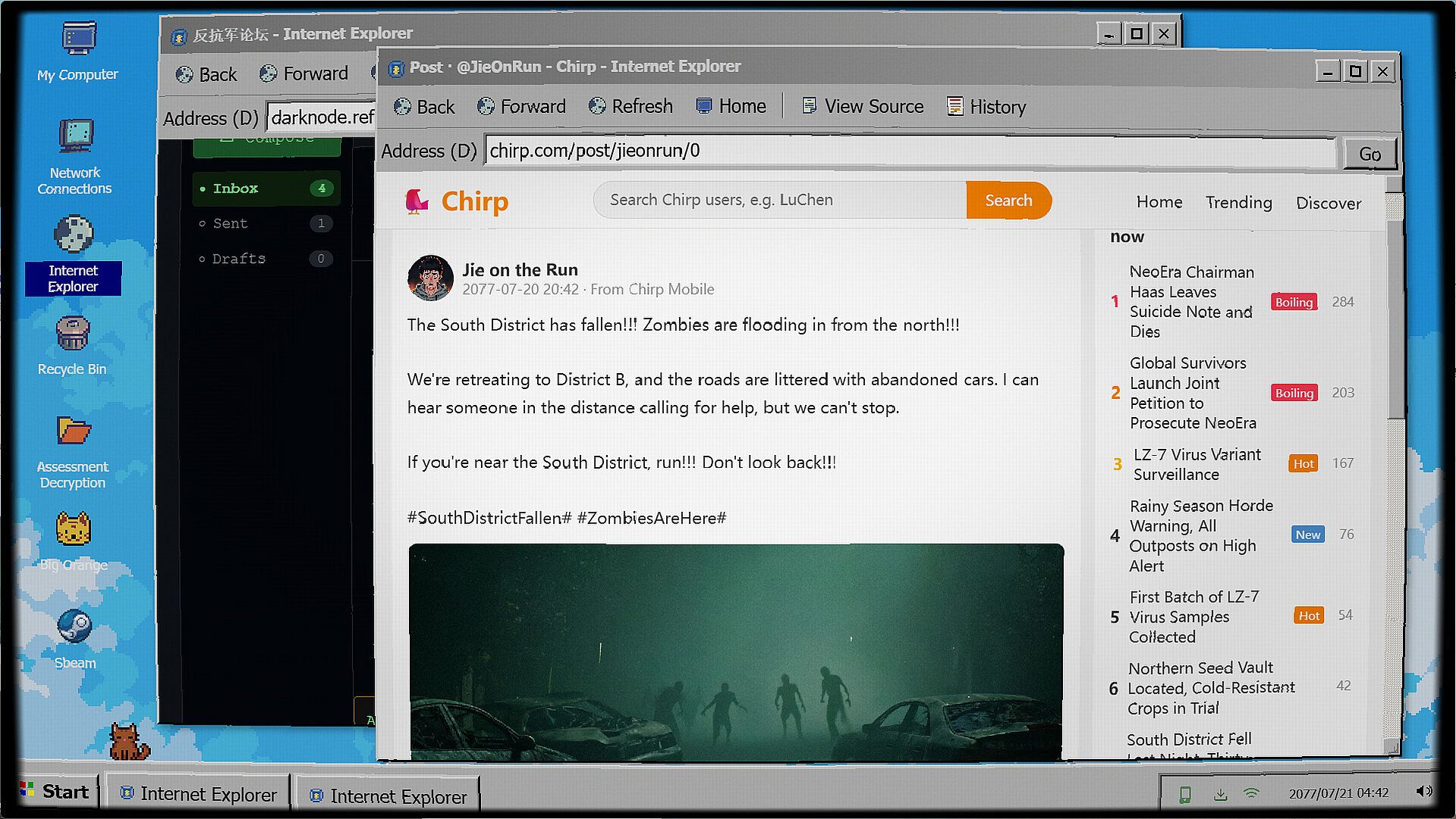
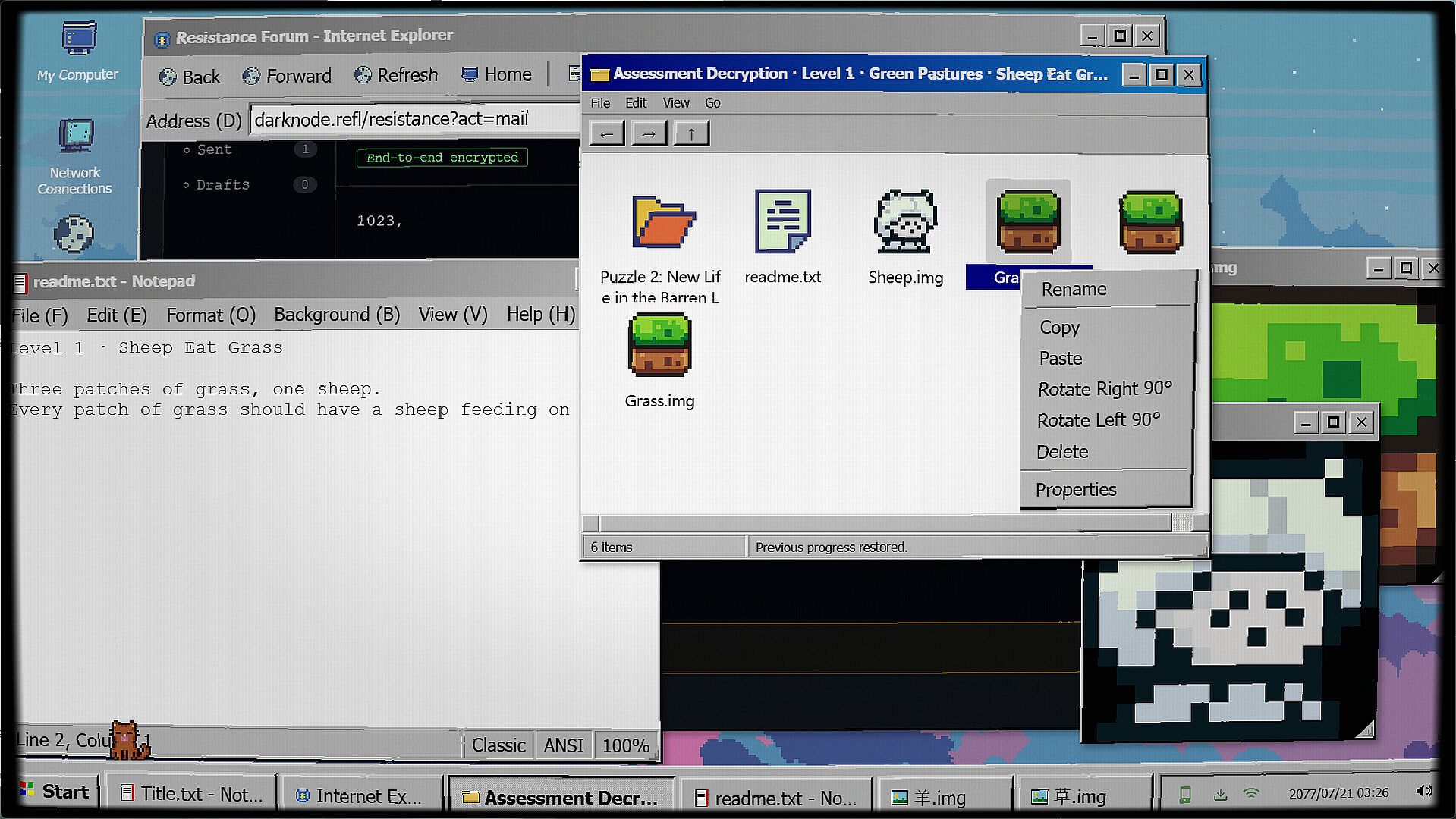
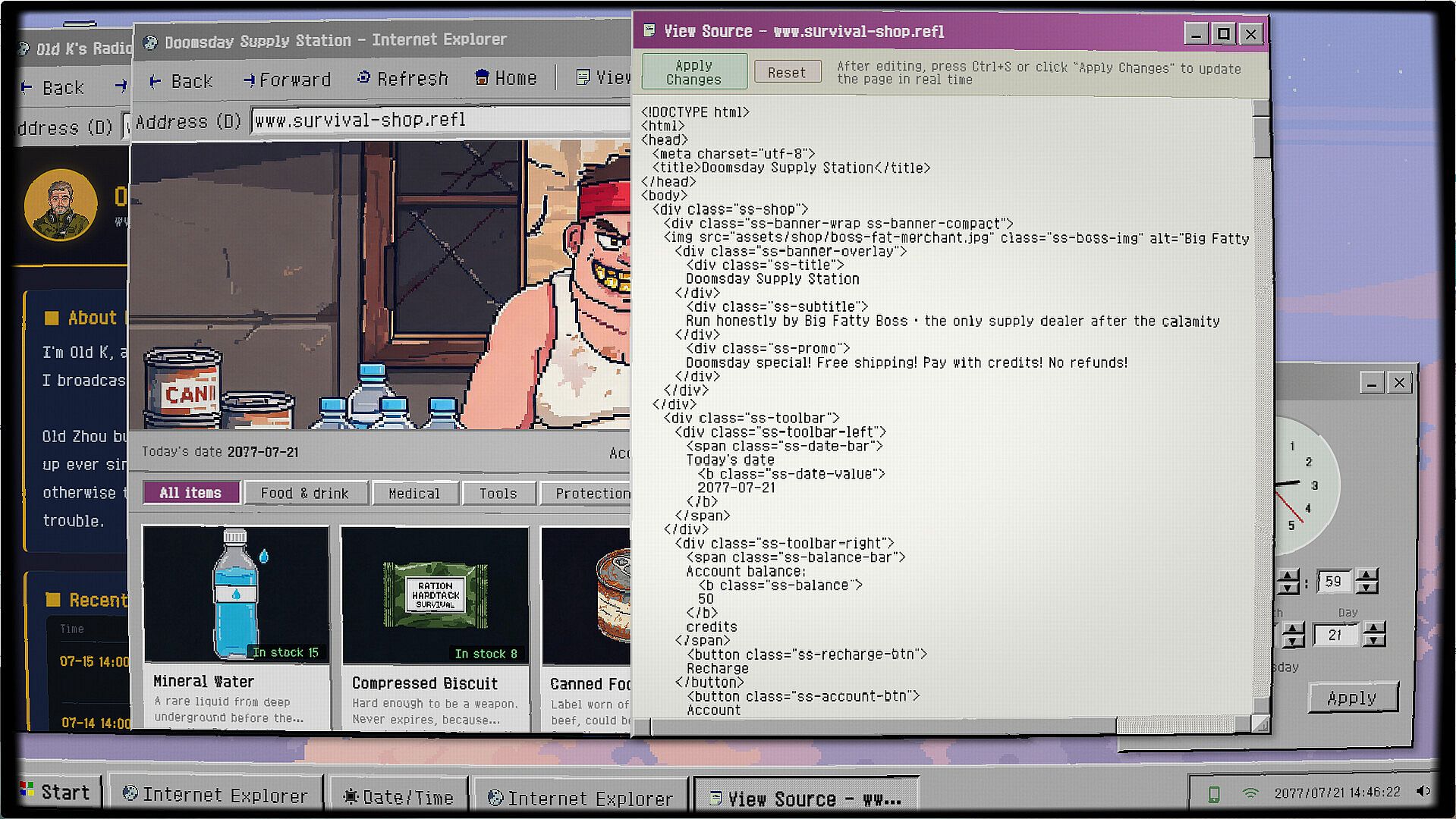
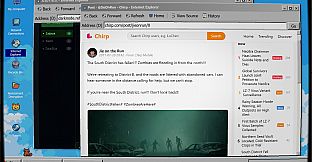
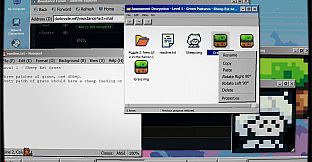
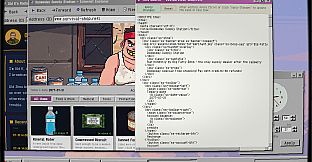
The core loop involves powering on the terminal, navigating its desktop environment, and examining various system components for hidden information. Windows open to reveal file managers, email inboxes, chat logs, and encrypted archives that require puzzle solutions using built-in tools. Documents, photos, and messages from the prior user appear scattered across the interface, gradually revealing fragments of a buried past through careful examination.
Progress comes from piecing together unsolicited messages, fragmented records, and quiet desktop elements that point toward a chilling digital truth. The interface mimics Win95/98 aesthetics with gray-framed windows, pixel icons, stepped animations, and CRT-style screensavers. Audio feedback includes beep prompts, click sounds, and recordings from a ruined broadcast station that enhance the period atmosphere.
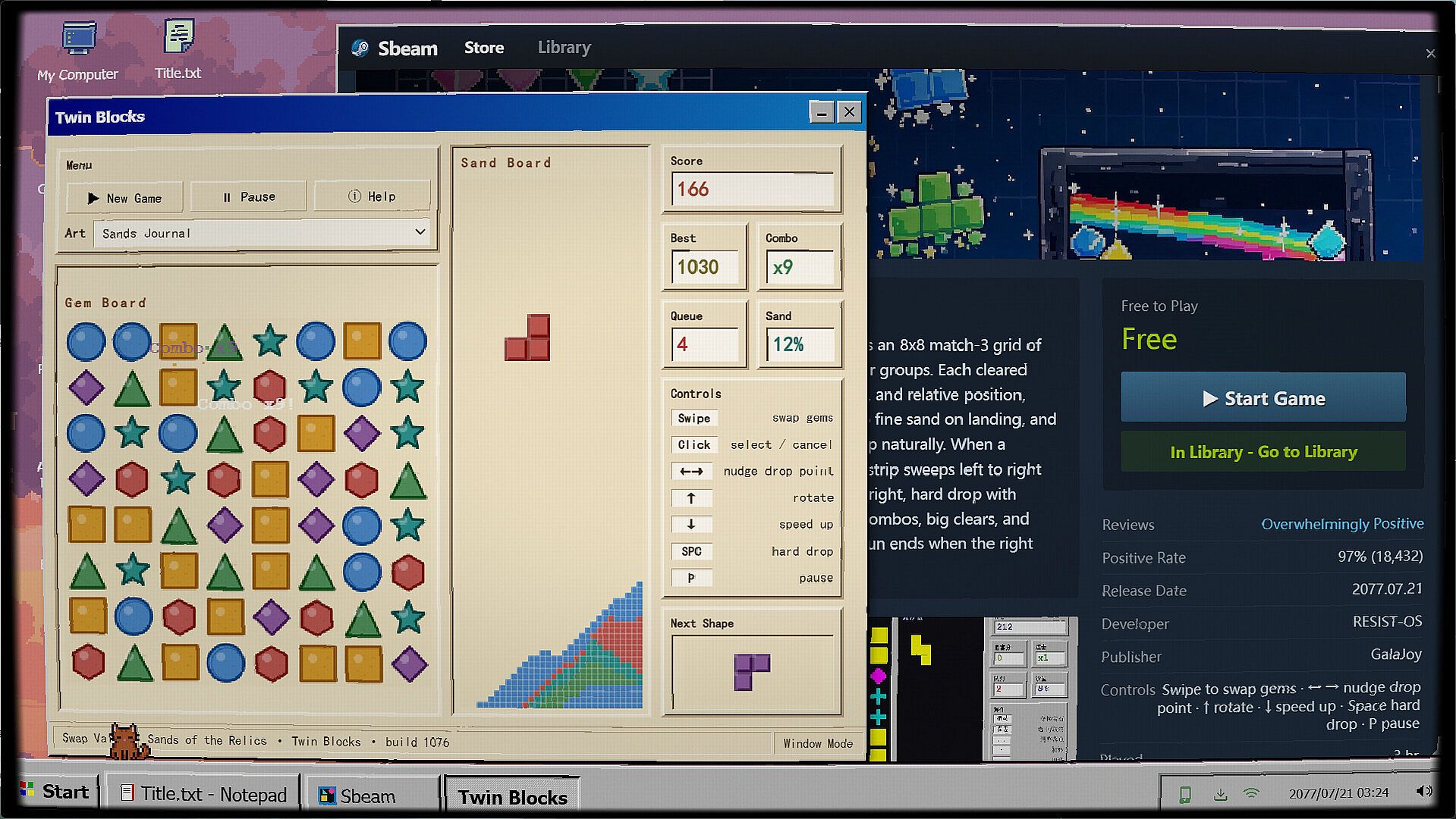
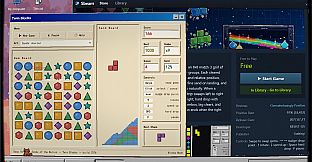
A built-in Sbeam game platform sits within the OS as an apparent time-waster, though clues may surface there as well. The entire setup recreates the feel of an aging machine with its own temperament, requiring players to adapt to its slow pace and quirks while following instructions from the organization.
Game Modes
Dead Link operates as a single-player experience without separate multiplayer or competitive modes. The gameplay unfolds through sequential puzzle-solving sessions within the fixed RESIST-OS 98 environment, where each window and file serves as part of the central narrative thread. Exploration remains linear in structure yet open in discovery, as players decide the order of examining emails, logs, and archives to advance the mystery.
No additional game modes such as endless runs, co-op sessions, or alternate campaigns appear in the available details. The focus stays on the solitary interaction with the terminal, building tension through incremental revelations rather than varied play styles.
Story and Setting
The narrative begins with a welcome message to the resistance, positioning the player as the latest user of a bygone-era machine. Previous occupants left behind traces that form the backbone of the plot, delivered through found files and system interactions rather than traditional cutscenes or dialogue trees. The setting stays confined to the digital desktop, evoking a sense of isolation as the mystery draws closer with each solved puzzle.
Elements like unsolicited messages and quiet desktop anomalies tie into a broader digital truth, encouraging methodical searching over fast action. This approach suits players who enjoy narrative-driven adventures where the environment itself holds the story.
Visuals and Audio
Retro digital aesthetics define the presentation, with accurate recreations of 1990s operating system interfaces. Gray window frames, pixelated icons, and stepped animations contribute to an authentic old-computer feel, while CRT-style screensavers add visual texture during idle moments. The design avoids modern polish in favor of period-accurate limitations that reinforce the simulation.
Sound design emphasizes mechanical realism through beep prompts and click feedback. A recording from a ruined broadcast station provides atmospheric audio that fits the theme of a resistance operating with outdated equipment. These elements combine to make the terminal feel like a character with its own history and quirks.
Is It Worth Playing?
Dead Link targets fans of puzzle-focused adventure and simulation games who appreciate slow-burn mysteries delivered through interface interaction. Its unique premise of exploring an old OS for clues offers a distinct alternative to conventional point-and-click titles. The game remains in development with a planned release in Q4 2026 and currently has no user reviews available.
Those drawn to retro aesthetics, file management puzzles, and narrative discovery through documents and logs may find the concept engaging. Availability will be limited to PC at launch, with single-player focus and family sharing support noted in the listing. Prospective players should consider their interest in deliberate, exploration-heavy gameplay before committing, as the experience prioritizes atmosphere and deduction over action or multiple endings.











