




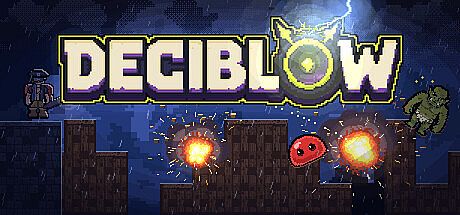


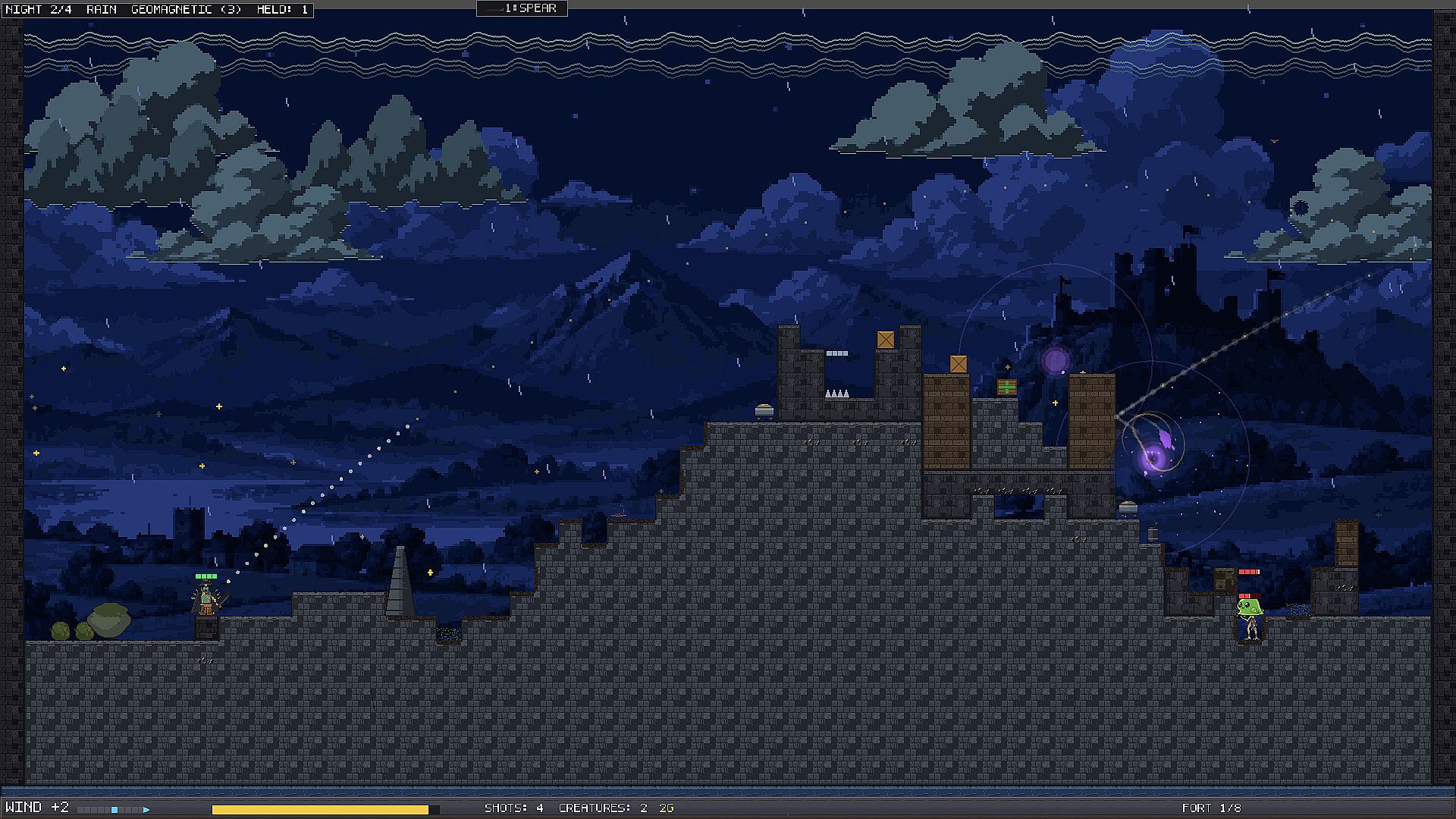
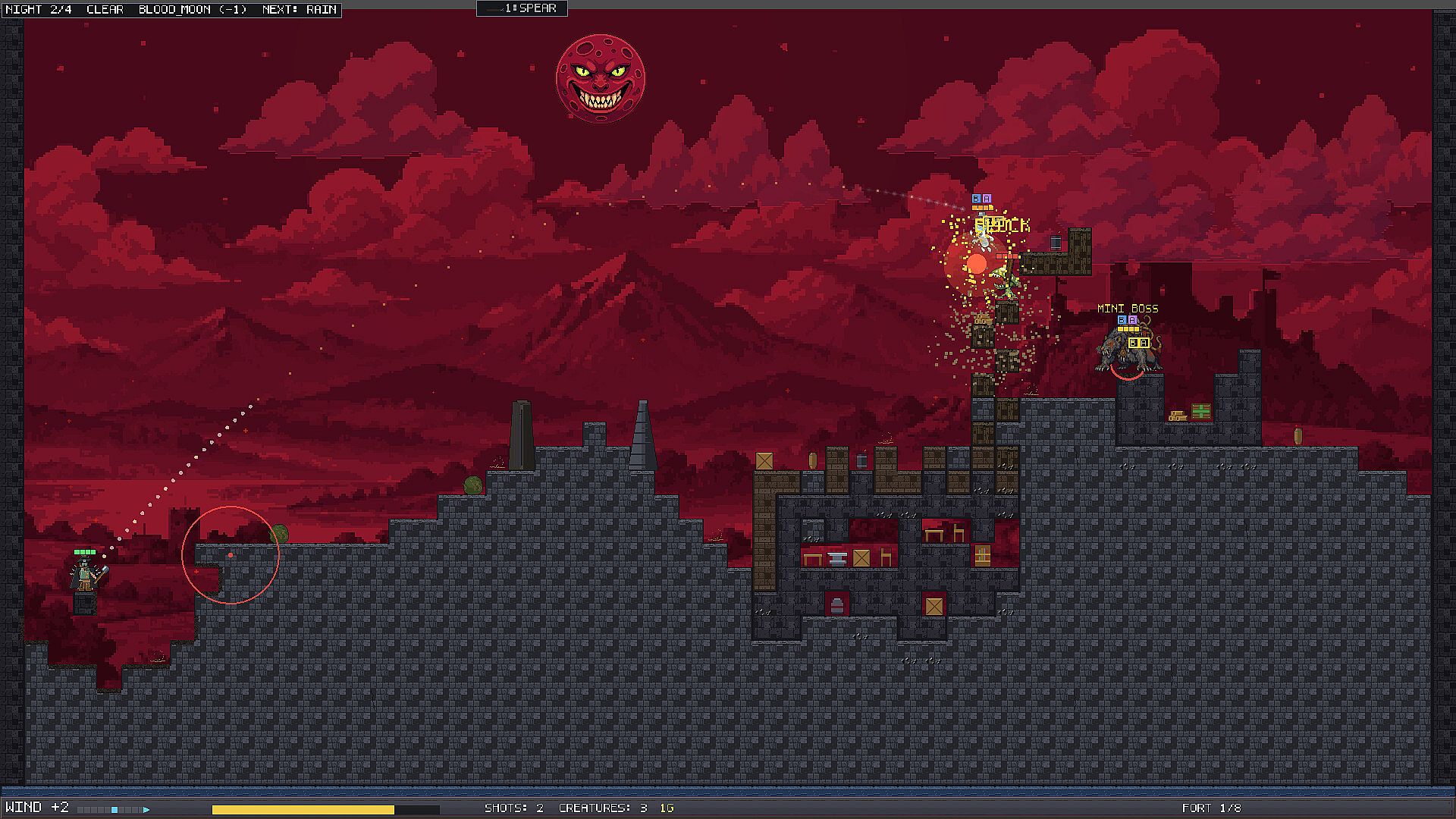
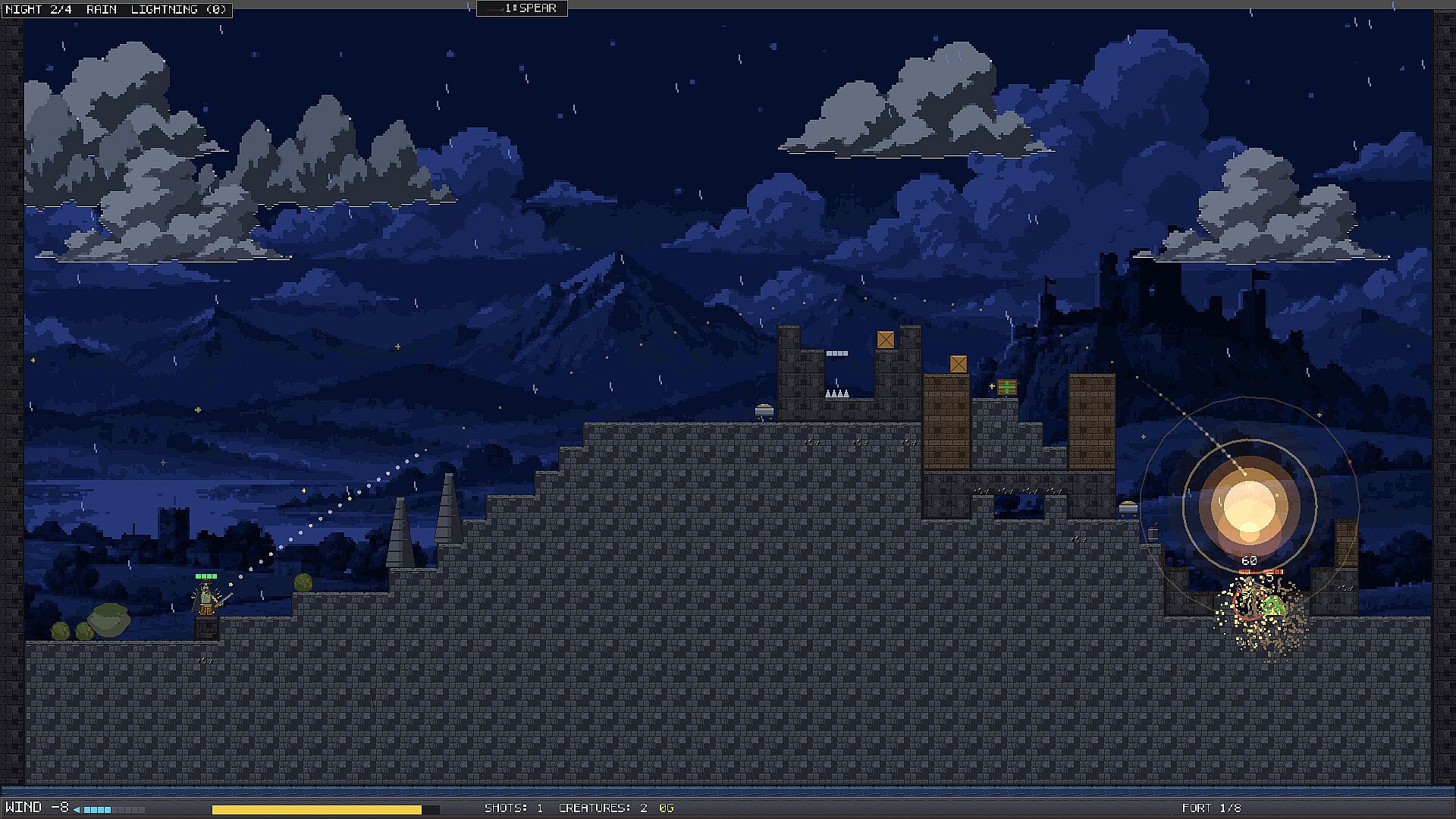
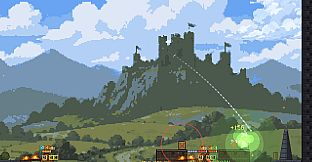

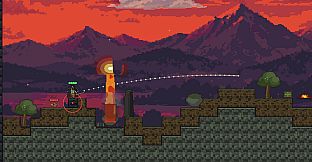
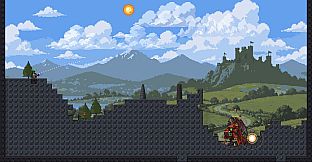

Deciblow is a turn-based artillery roguelite for PC that combines strategy and adventure elements in an Early Access release. Players control a single gunner tasked with dismantling eight cursed procedural forts using precise shots that account for wind, angle, and power. The core loop revolves around one decision per turn that resolves quickly into visible results such as damage, terrain alteration, or chain reactions.
Gameplay
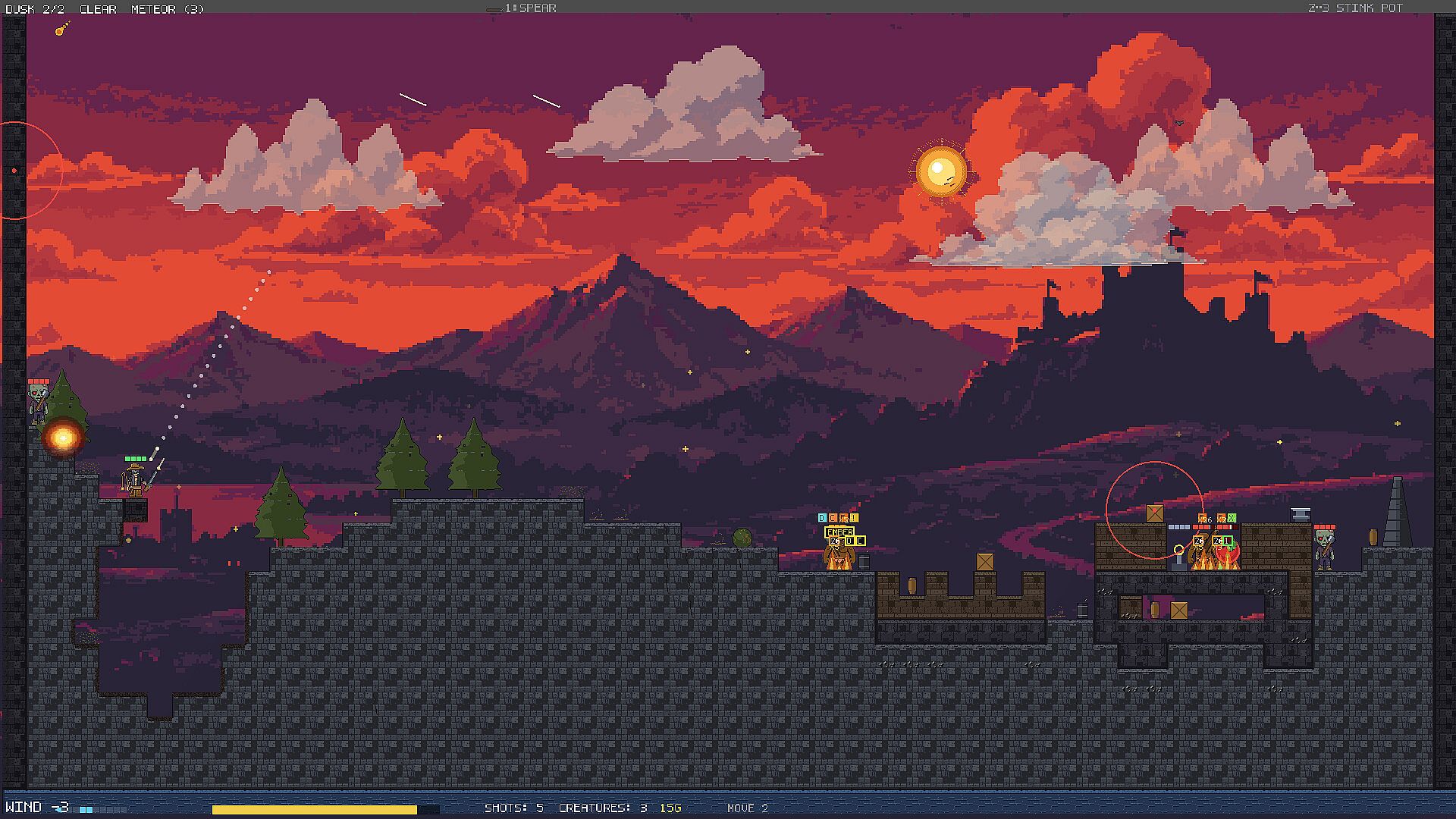
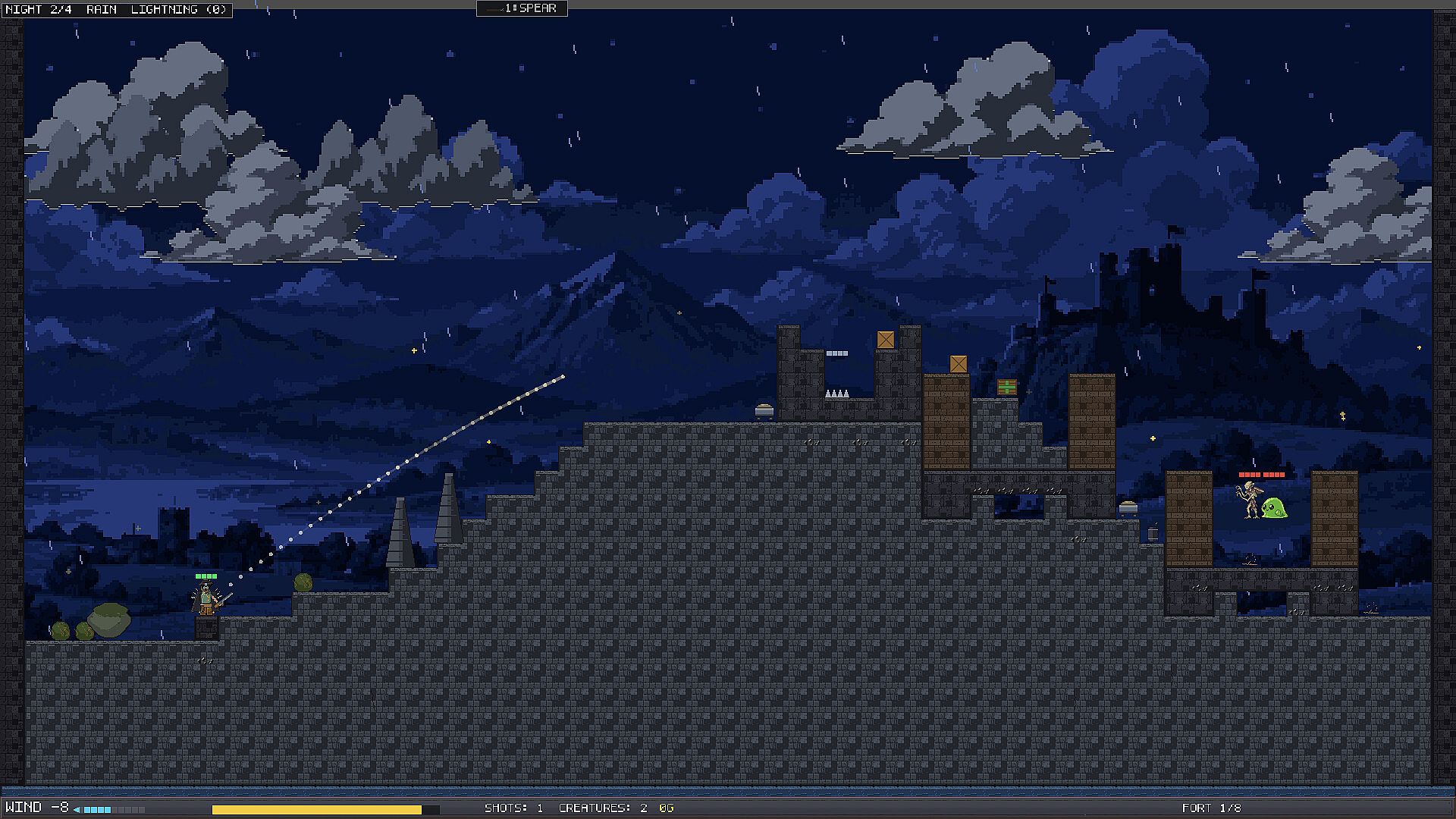
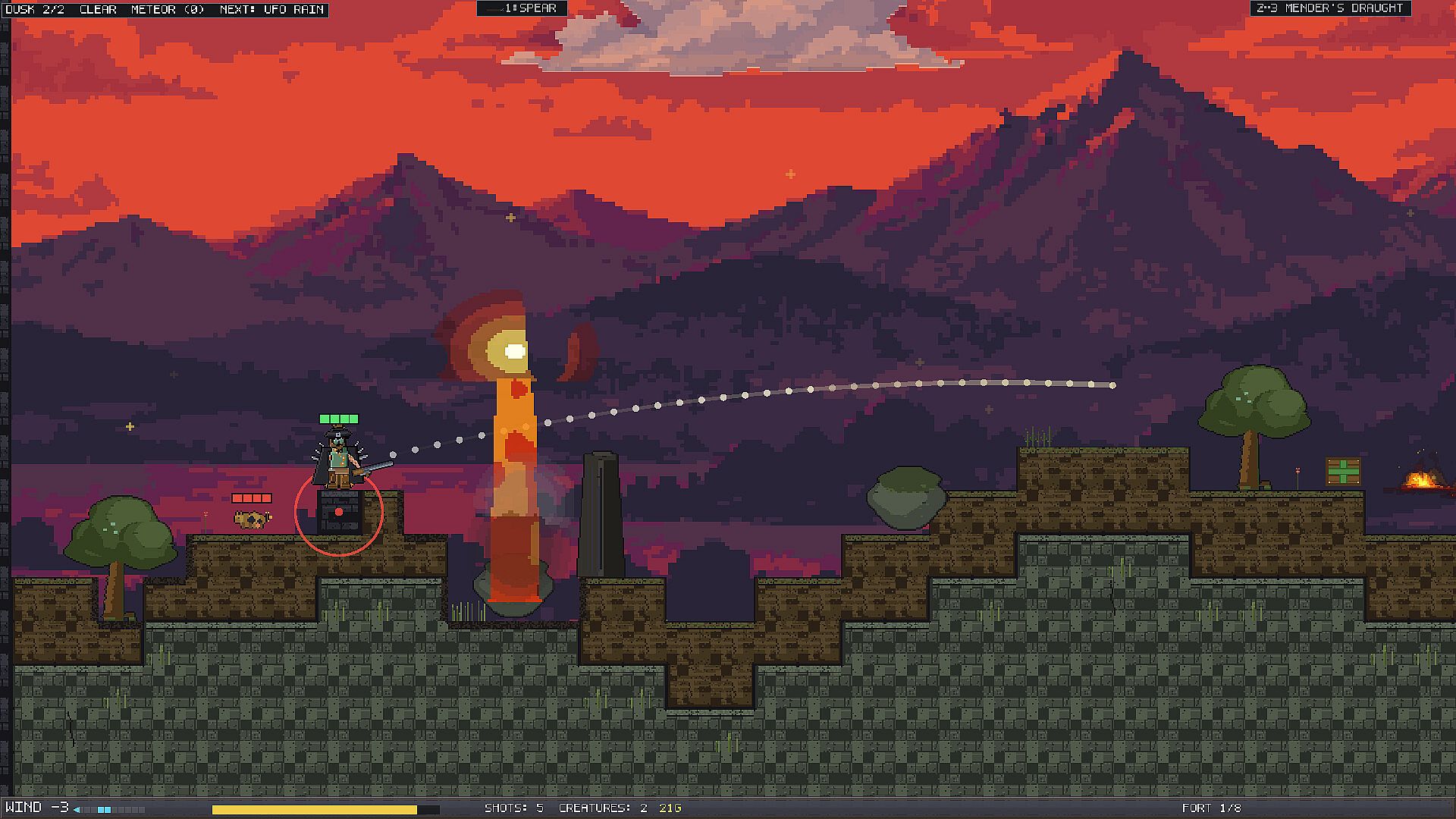
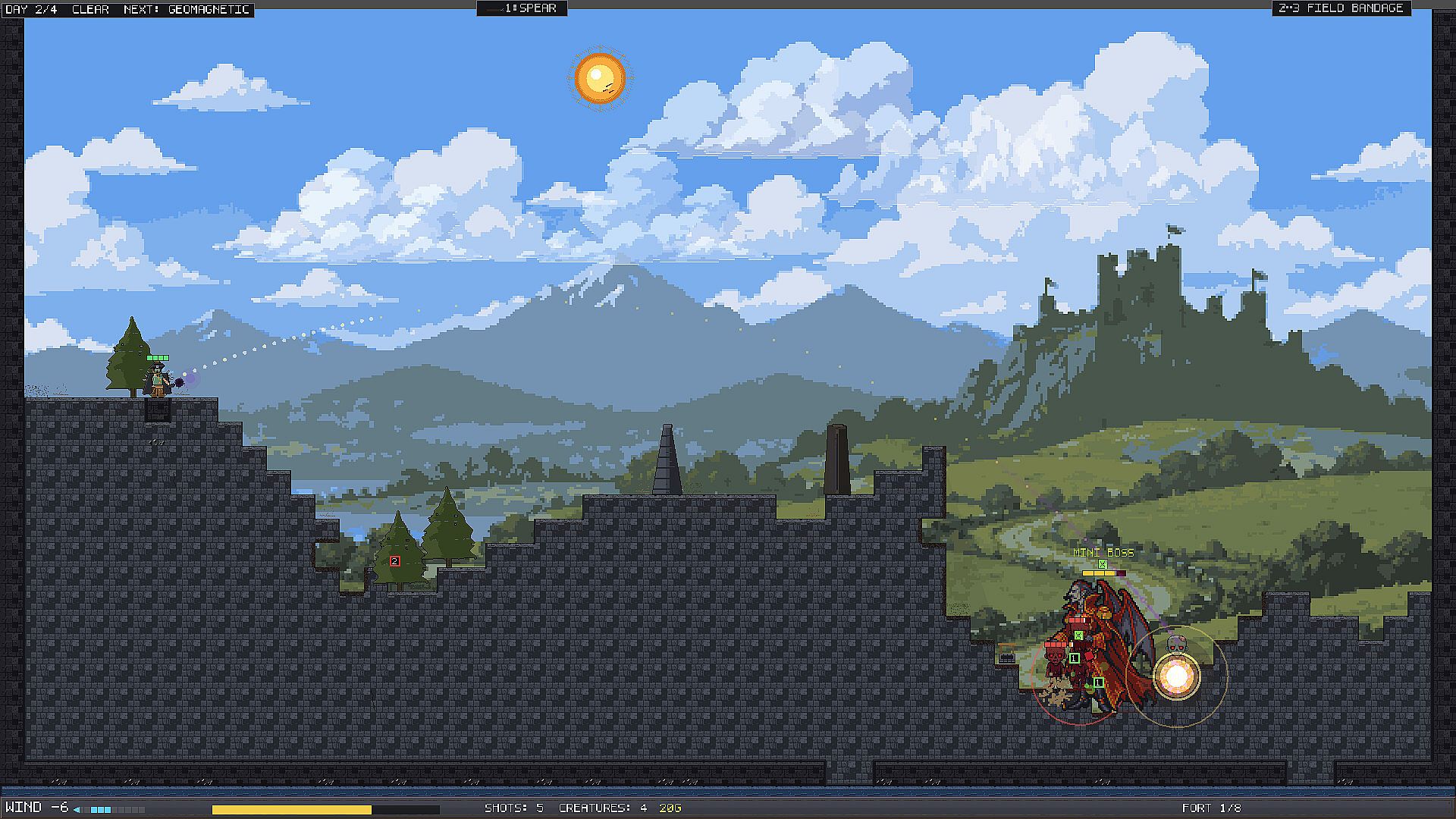
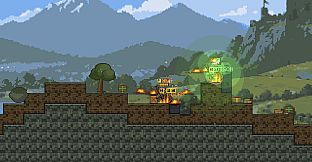
The experience centers on deterministic physics where identical inputs always produce the same outcome, allowing players to refine bank shots and trick trajectories over repeated attempts. Wind influences every shell in flight, with storms increasing the challenge and requiring constant adjustment. Terrain remains fully destructible, so each crater persists and can cause walls to collapse or defenders to fall into newly created gaps.
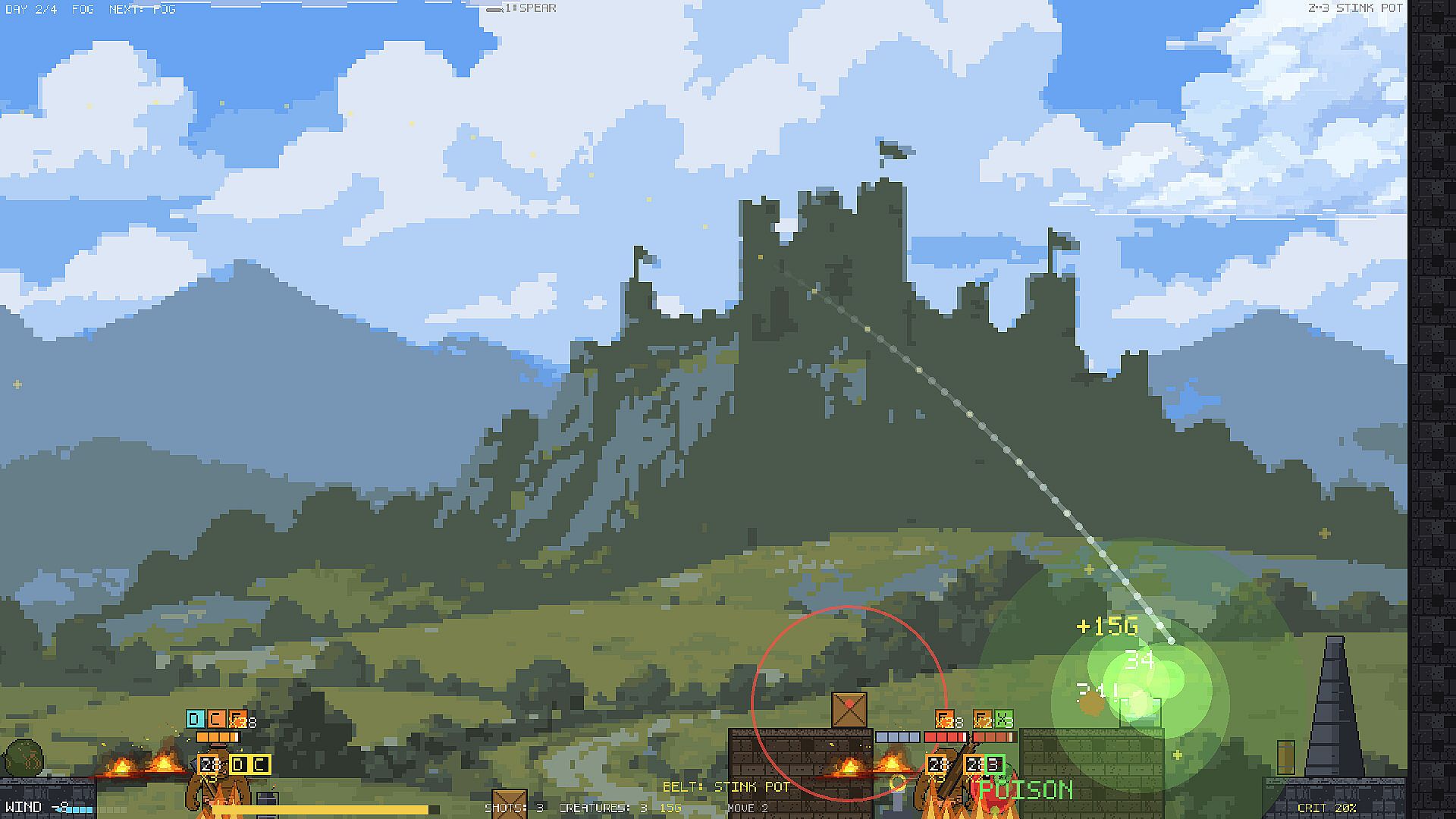
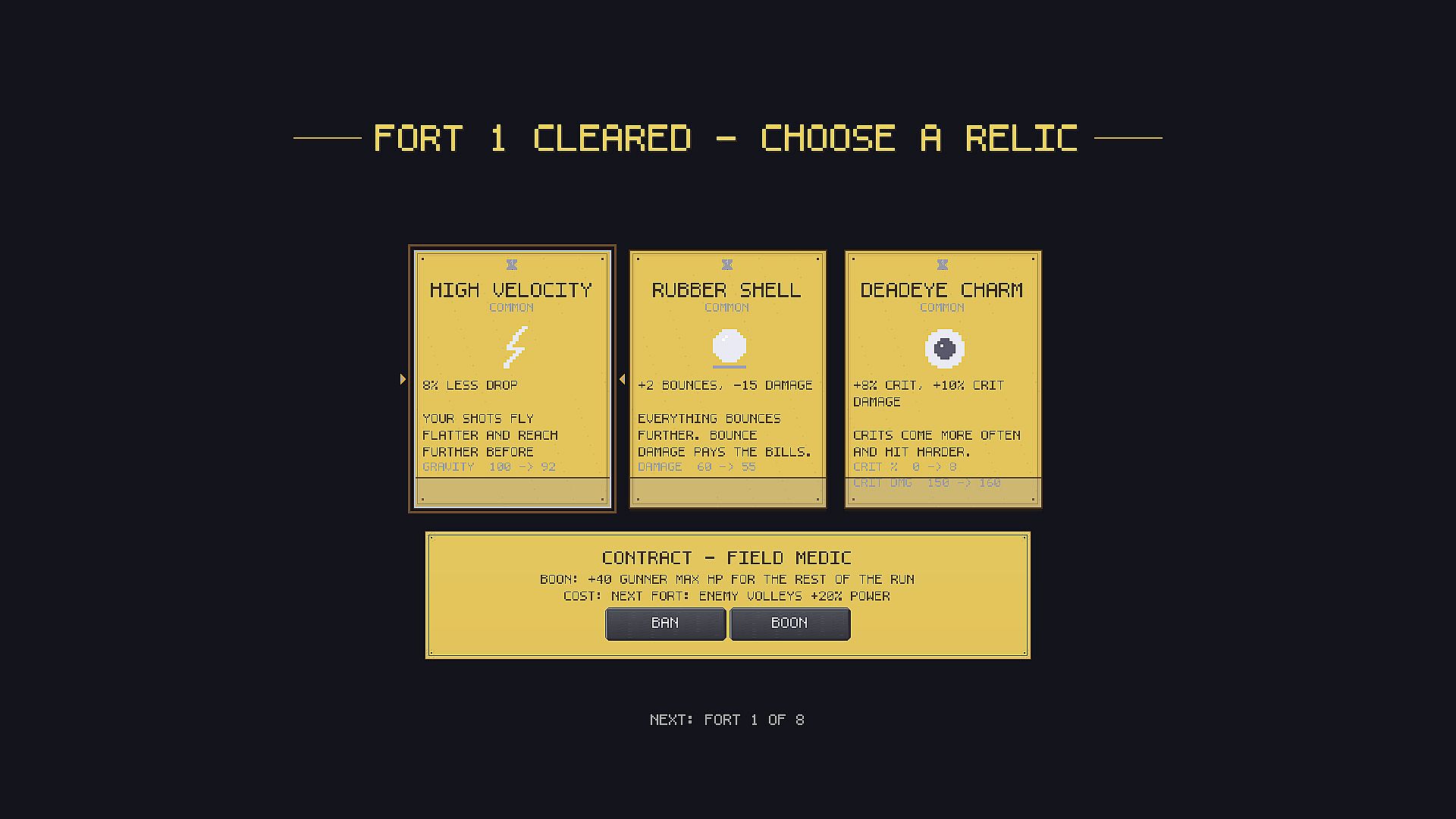
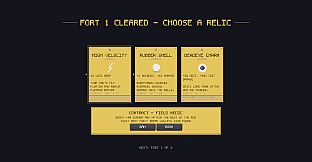
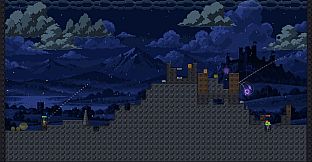
Ammo options exceed forty varieties, including bouncers, drills, napalm, cluster bombs, MIRVs, and black-hole singularities. After clearing each fort, players draft from more than sixty relics that alter rules and stack when duplicates appear. Belt items provide twenty situational tools such as heals or smoke screens. Four classes each start with a unique weapon and passive ability that shifts playstyle. Dynamic weather and a day-night cycle, forecast one round ahead, introduce events like lightning, tornadoes, meteor showers, and low gravity that reshape the battlefield mid-run.
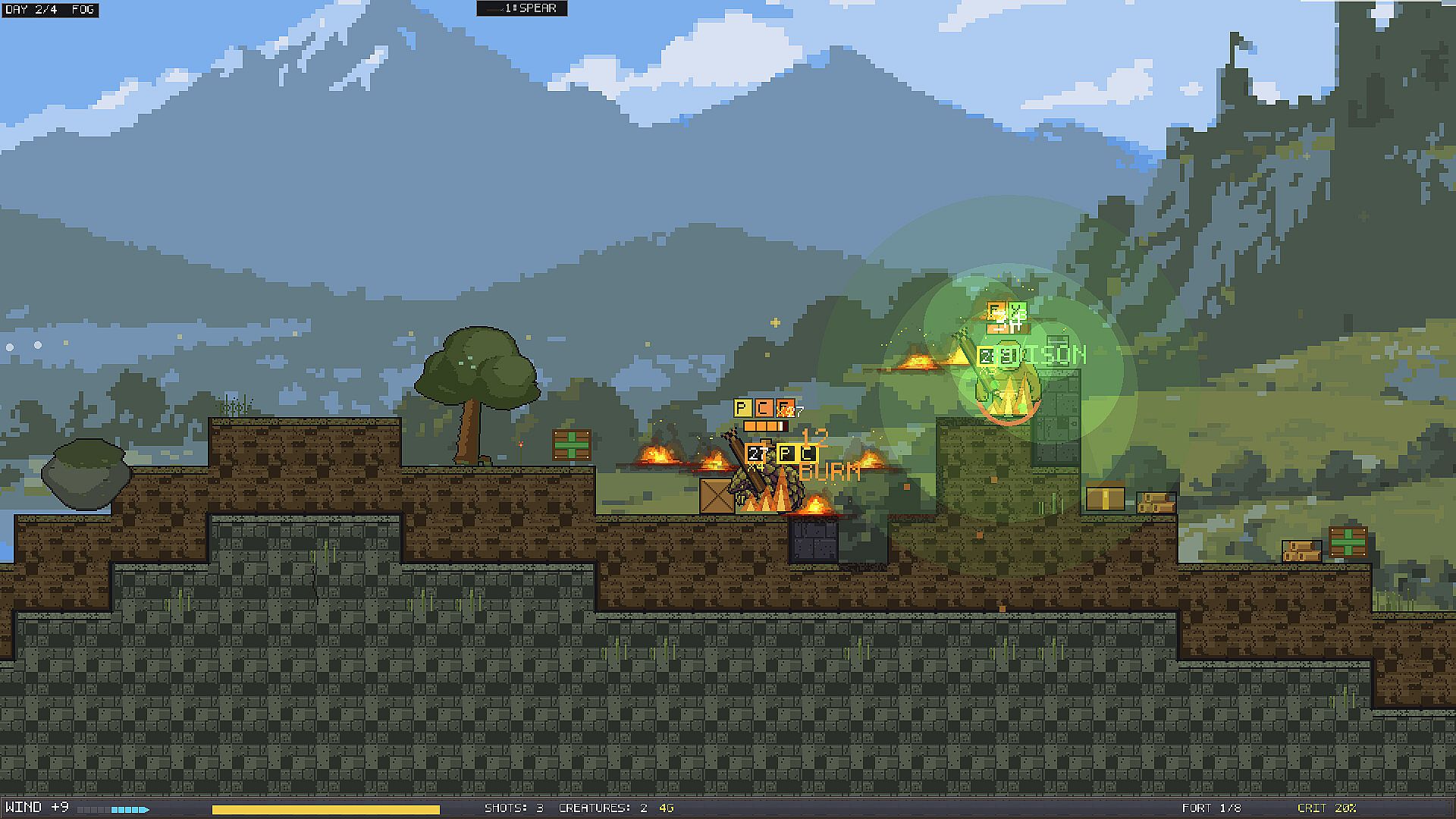
Chain reactions from powder barrels, spreading fire, and toxic clouds amplify successful hits into larger sequences. The sky itself participates through geomagnetic storms and eclipses. Procedural forts grow deeper and more hostile across eight stages per run, culminating in encounters with the Corrupted Cultist and the Blood King Fane.
Game Modes
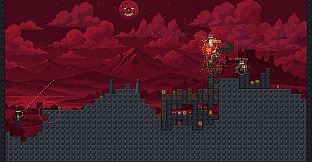
Deciblow structures its primary experience around roguelite runs that feature a branching route map of fronts and optional contracts that exchange risk for reward. Each attempt consists of eight forts, with deeper runs introducing blood moons and elite garrisons whose defenders can block, parry, or counter-fire. Legendary relics earned from boss victories persist into subsequent runs until a defeat removes them.
Progression occurs through account levels that unlock more than two hundred eighty items, including one hundred eighteen cosmetics across thirteen wardrobe slots. Thirty-three skill medals track notable shots and tie into Steam achievements. The game supports fully offline play without an account requirement while offering optional multiplayer for shared sessions.
Progression and Customization
Every completed fort grants relic choices that encourage experimentation with rule-breaking combinations. Persistent terrain changes turn the environment into a tactical tool, letting players dig paths or bury positions that were unreachable on prior turns. The soundtrack draws from demoscene and chiptune styles with over twenty-eight tracks that emphasize the mechanical sounds of artillery fire.
Pixel art renders the forts and effects with clarity, highlighting collapses and particle interactions. Runs build cumulative unlocks that reward consistent play regardless of victory or defeat, creating steady advancement toward new starting options and visual variety.
Is It Worth Playing?
Deciblow suits players who enjoy deliberate turn-based strategy with roguelite replayability and physics-driven problem solving. The emphasis on learning deterministic shots and adapting to procedural layouts and weather provides depth without requiring long sessions per attempt. Early Access status means the listed systems form the current foundation, with optional multiplayer available for those seeking cooperative or competitive variations.
Those drawn to artillery mechanics, destructible environments, and rule-altering relics will find consistent engagement across multiple runs. The combination of short turn resolution and long-term progression through unlocks supports both quick experiments and extended campaigns. Availability on PC in Early Access allows direct access to the core loop described.











