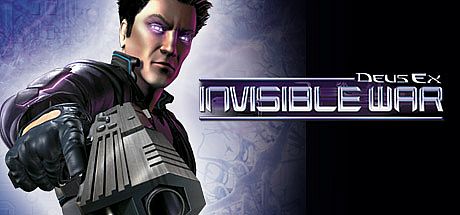



















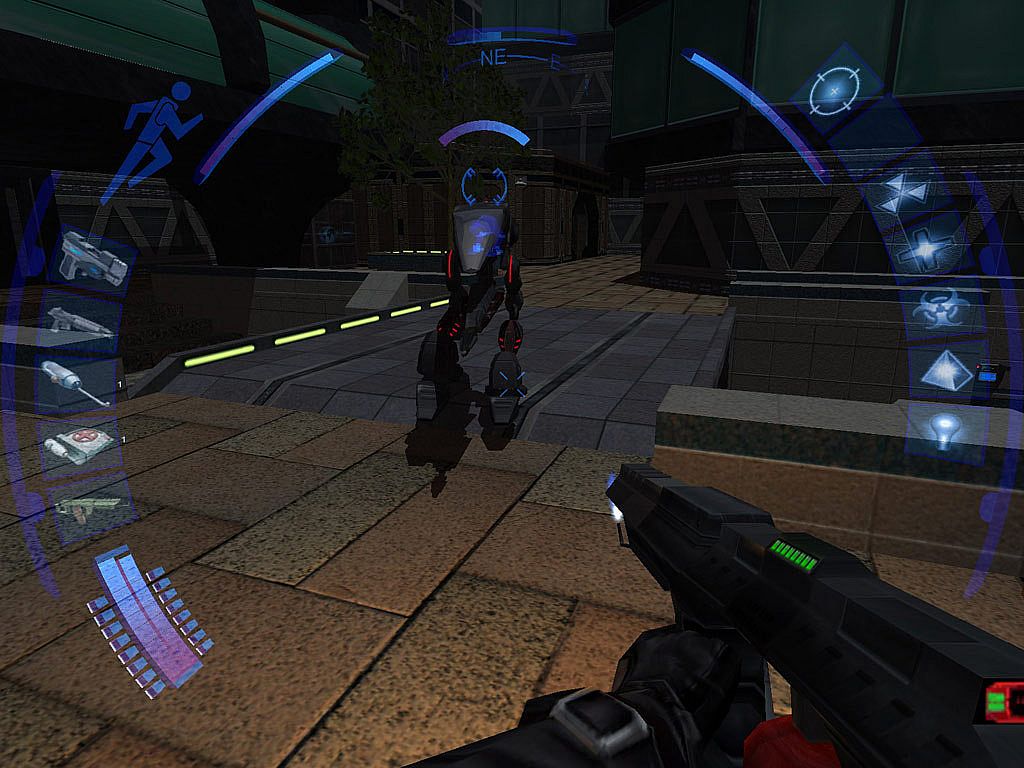
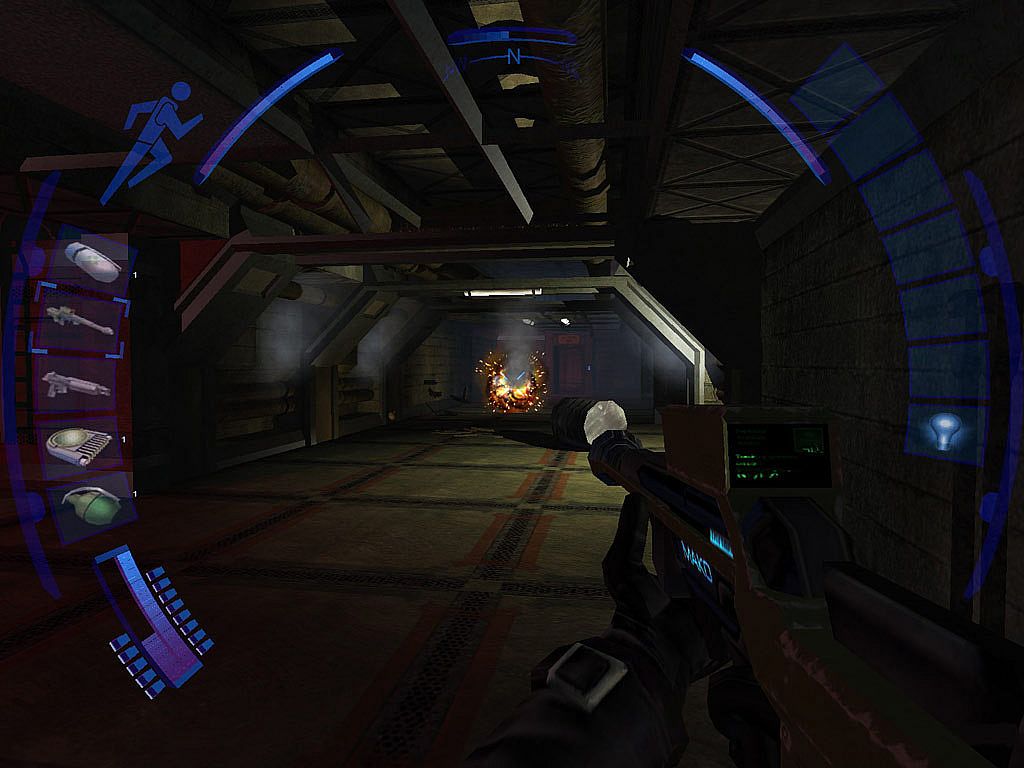
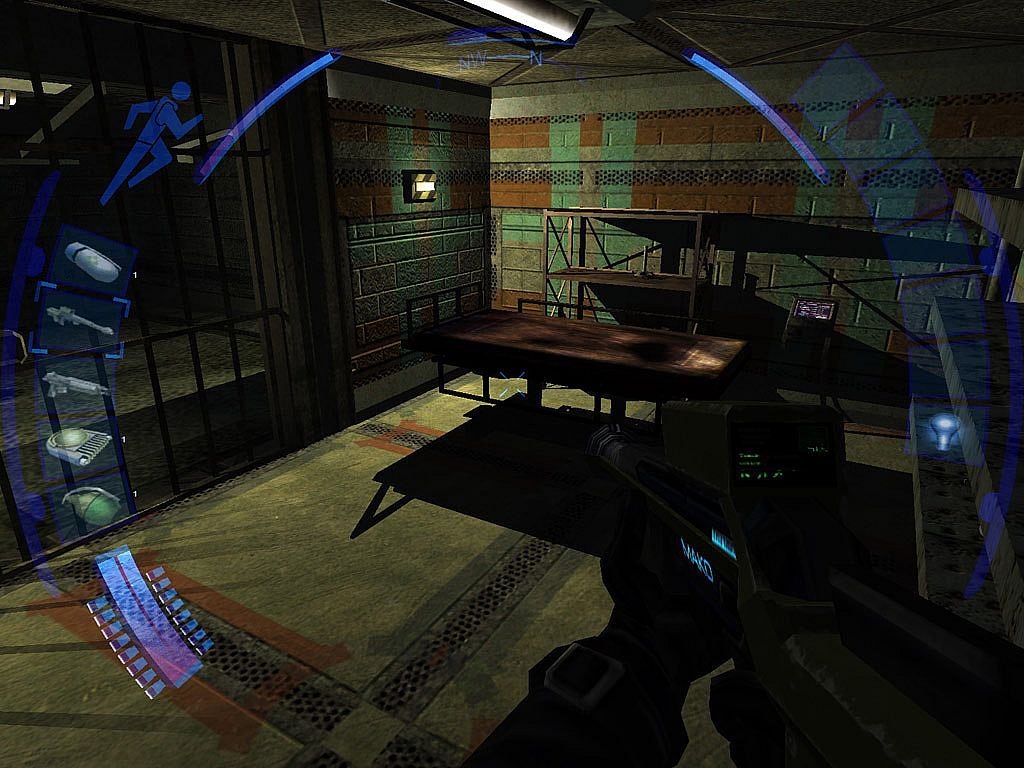
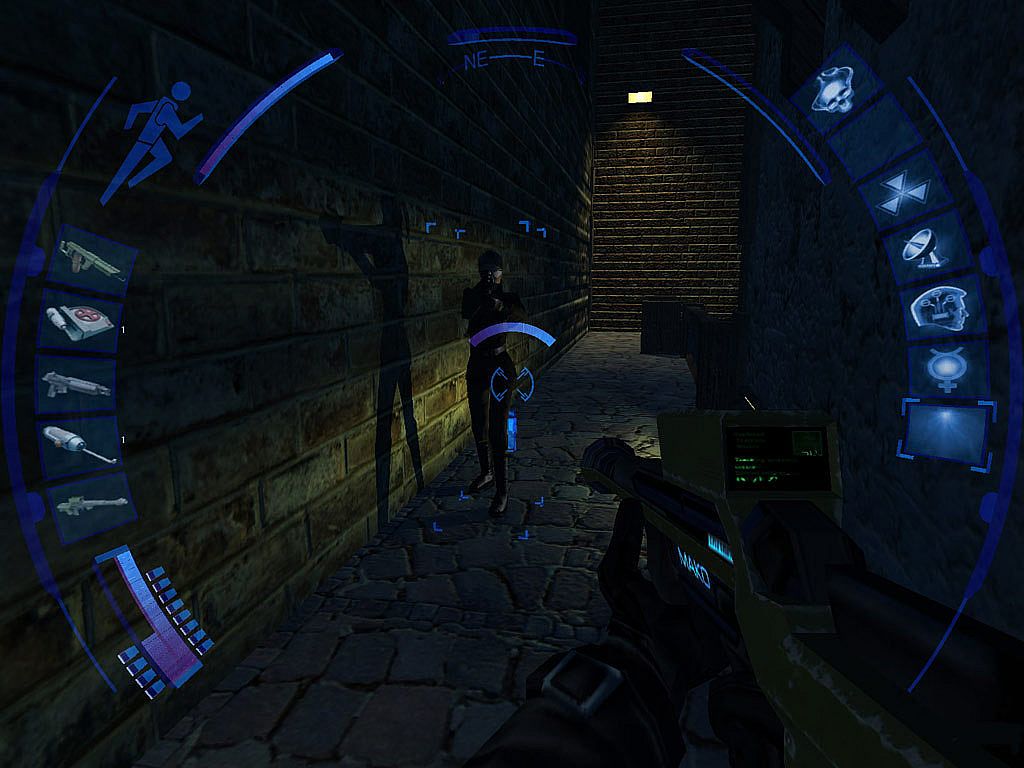
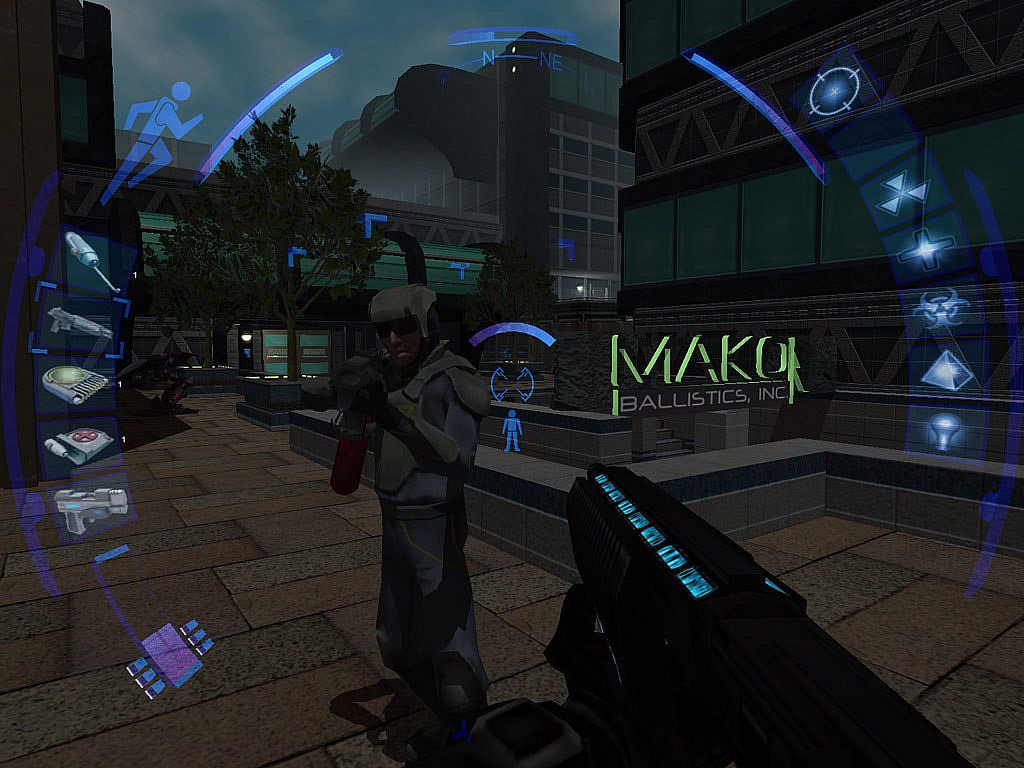
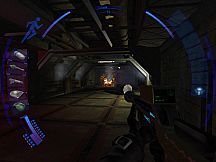
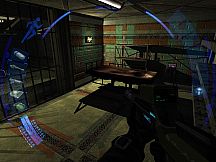
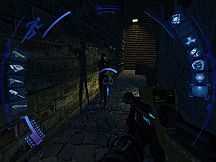
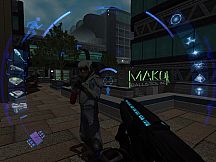
Deus Ex: Invisible War is an action role-playing game that blends first-person shooter and stealth mechanics on PC. Set roughly twenty years after the original Deus Ex, it places players in a recovering world marked by economic collapse and competing interests among religious and political groups seeking to influence the future of global society.
Gameplay
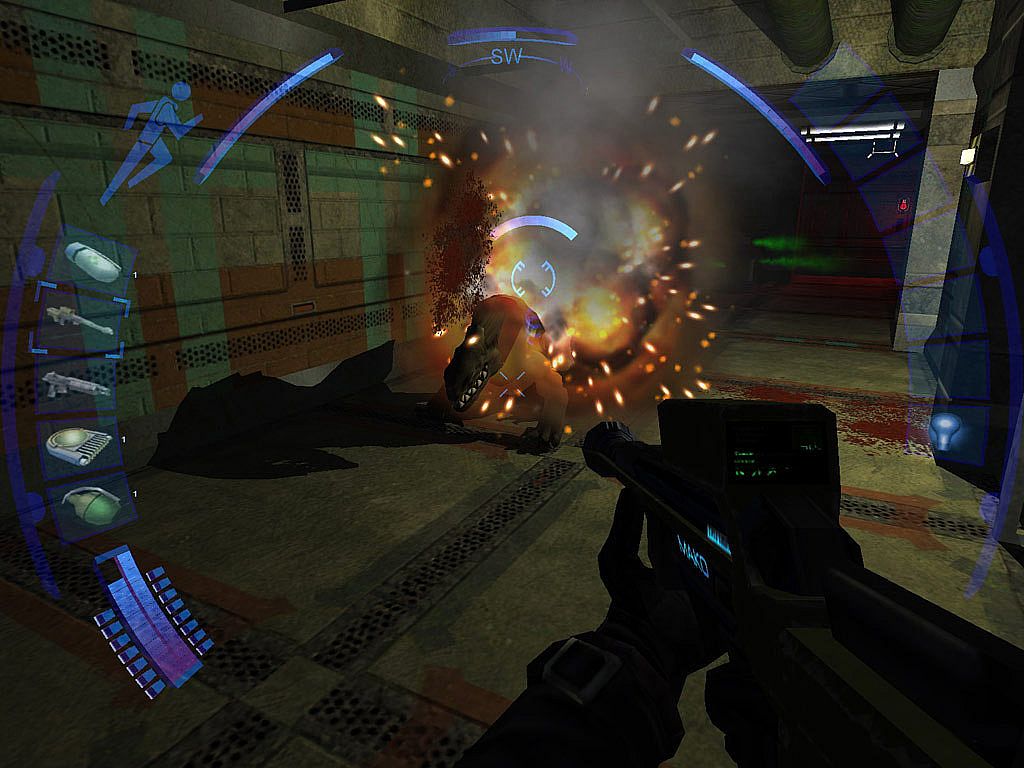
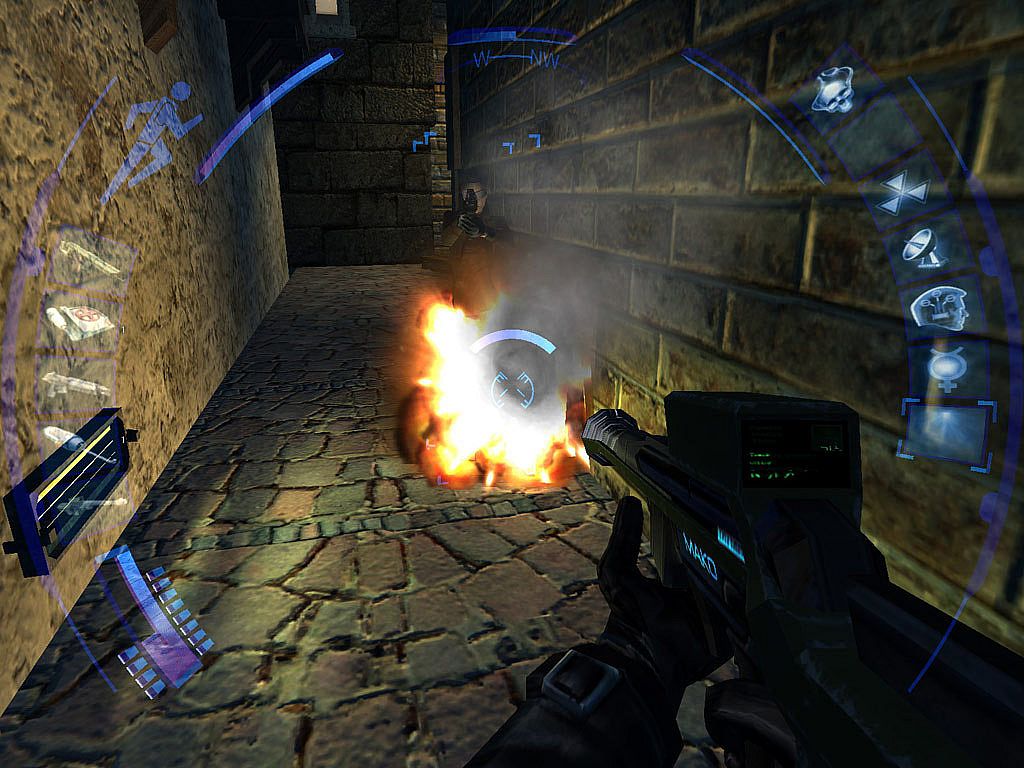
The core loop centers on exploration across connected hub areas in locations such as Seattle, Antarctica, and Cairo. Players move through these environments, accepting or ignoring quests from NPCs while deciding how to handle objectives. Biomodifications form a central system, granting abilities like seeing through walls, leaping significant distances, regenerating damage, or becoming invisible to radar. These upgrades support different approaches to encounters.
Stealth elements incorporate darkness and sound to influence enemy detection. Hacking opens doors or reprograms security, while carried objects and bodies add physical interaction options. Combat allows direct confrontation or avoidance, with non-lethal resolutions available for many situations. The system encourages experimentation, as character development through biomods shapes viable paths through missions.
Game Modes
The experience consists of a single-player campaign built around a non-linear narrative. Players navigate branching plot lines influenced by choices in objectives and allegiances. No separate multiplayer component exists, keeping focus on the solo journey through the story and side activities in each hub.
Progression relies on freedom within missions, where objectives can be completed through infiltration, combat, or indirect methods. Faction interactions add layers, as decisions affect relationships and available paths without forcing a single route.
Story and Setting
The narrative unfolds in a techno-future recovering from widespread depression. Several factions operate with overlapping goals, prompting players to weigh loyalties during missions. Key groups include the WTO, which manages economic policies, The Order, focused on spiritual balance, the Knights Templar, who oppose biomodification, and the Omar, traders heavily augmented with implants.
Each hub presents parallel tasks tied to these groups. Aligning with one often conflicts with others, creating responsive story branches that reflect earlier actions. The structure supports multiple playthroughs by revealing different outcomes based on selected paths.
Is It Worth Playing?
Reception remains mixed among players who value choice-driven immersive sims. The game delivers strong player agency through its faction system and flexible mission solutions, appealing to those who enjoy planning approaches around biomods and stealth. Limitations from its development era, including some technical constraints, appear in discussions of its pacing and scope compared to the first entry.
It suits fans of non-linear single-player campaigns on PC who prioritize story consequences and character customization over modern graphics or additional modes. Availability on digital platforms makes it accessible for those interested in the series' early experiments with reactive narratives. Those seeking high replayability through different faction alignments will find the structure rewarding, while others may note its dated elements as a barrier.