










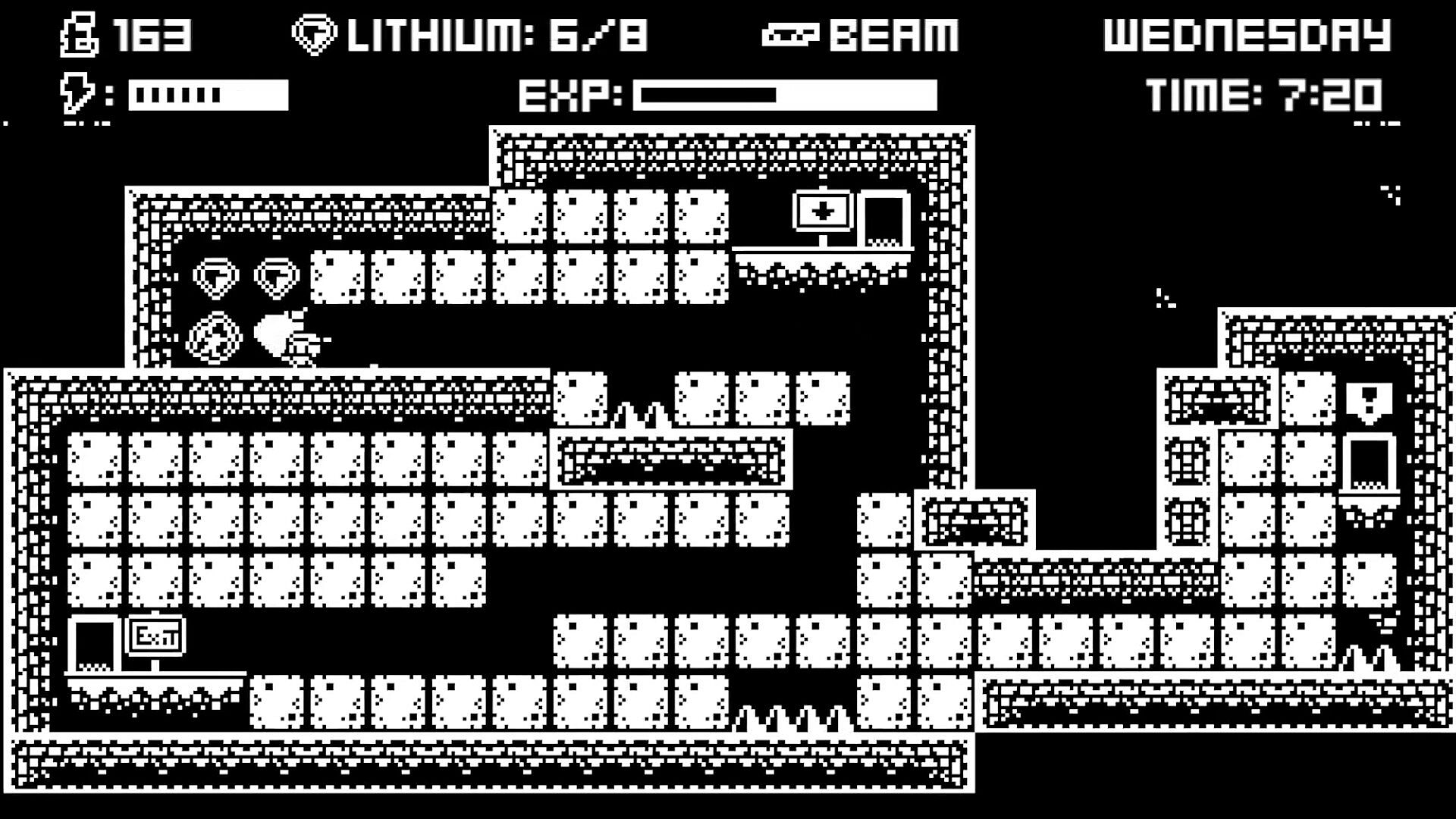
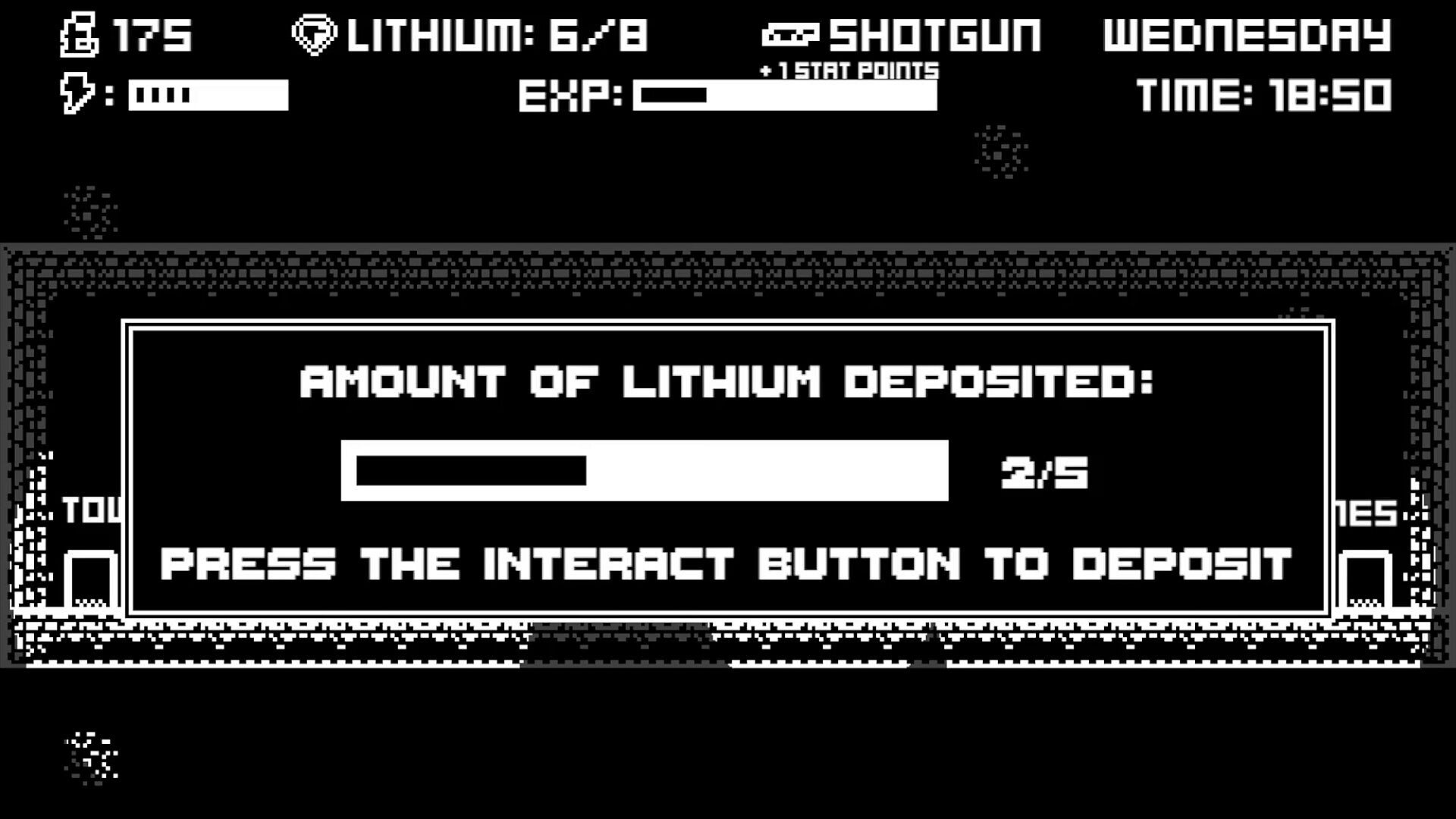
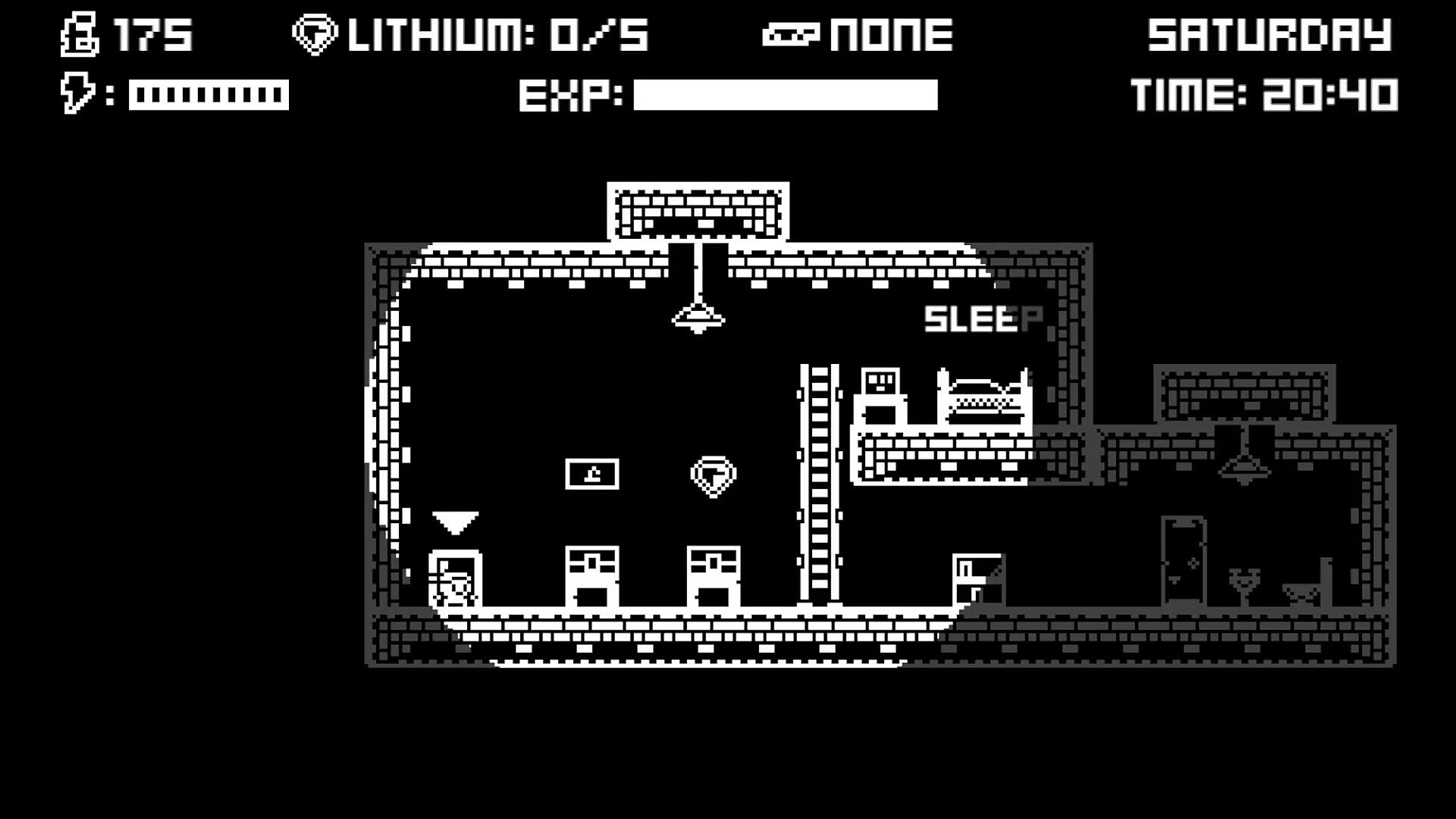
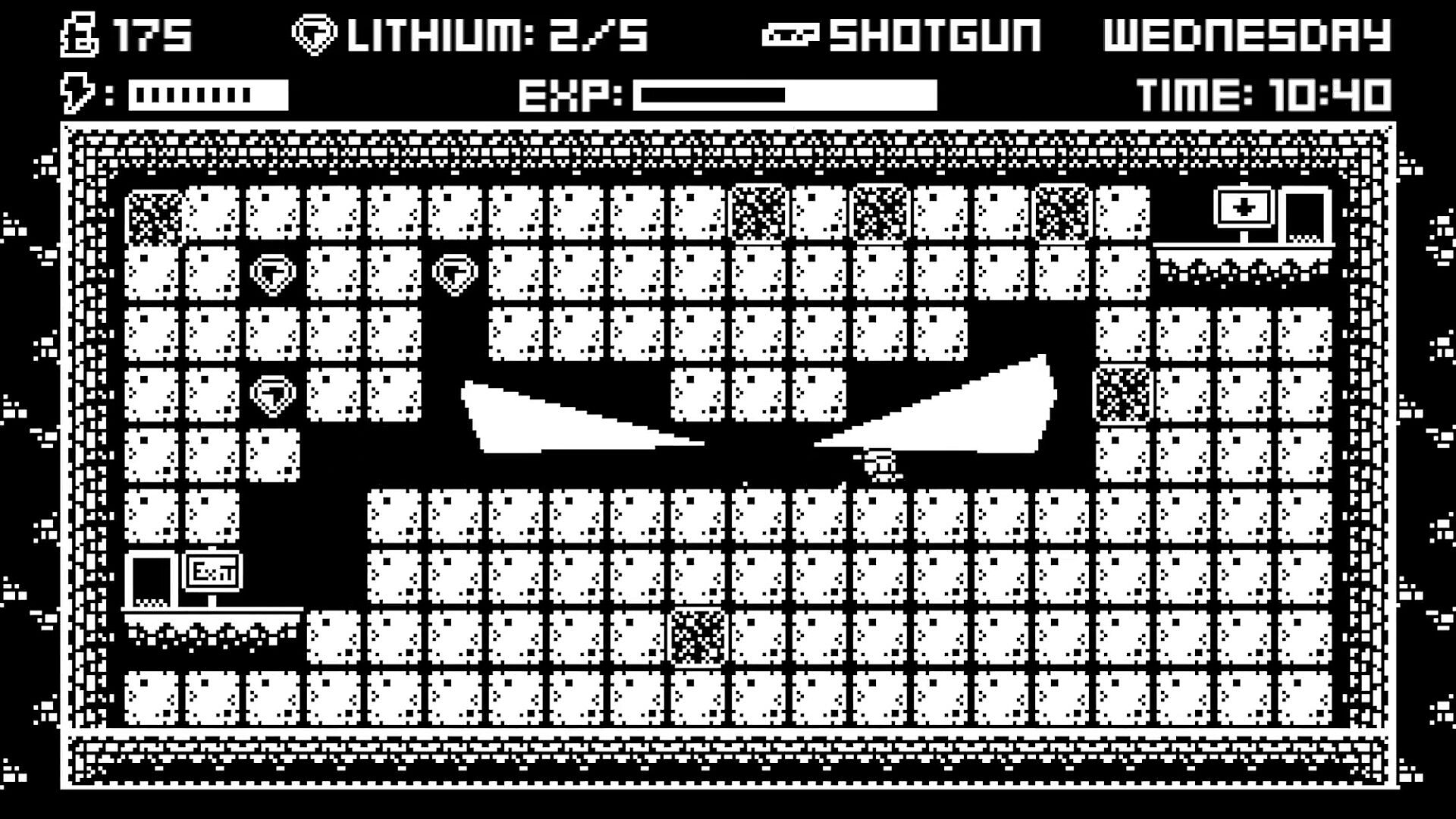
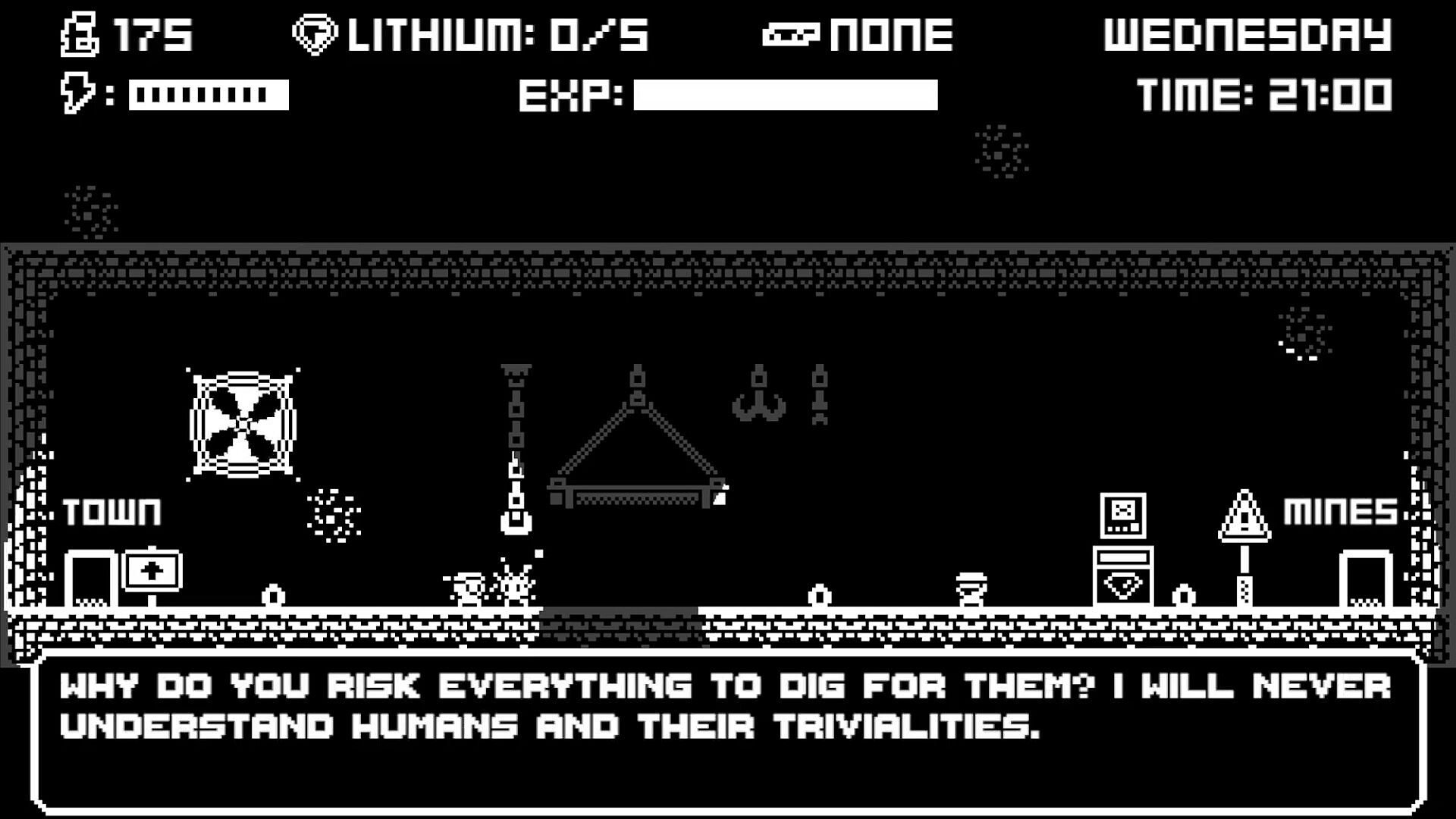
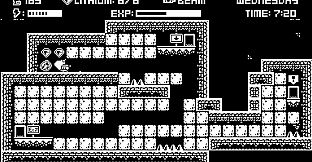
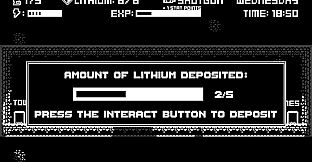
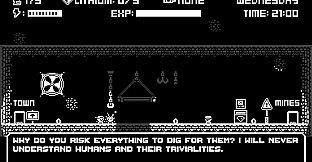
DIGGERGUN is an action, indie, simulation and adventure game for PC that blends platforming with life simulation elements. Set on a windswept island in the United Kingdom, the experience places players in the role of a low-wage worker at Cornwall Mining Corp, where the goal centers on extracting lithium to reach a financial target of three thousand pounds while navigating daily survival pressures.
Gameplay
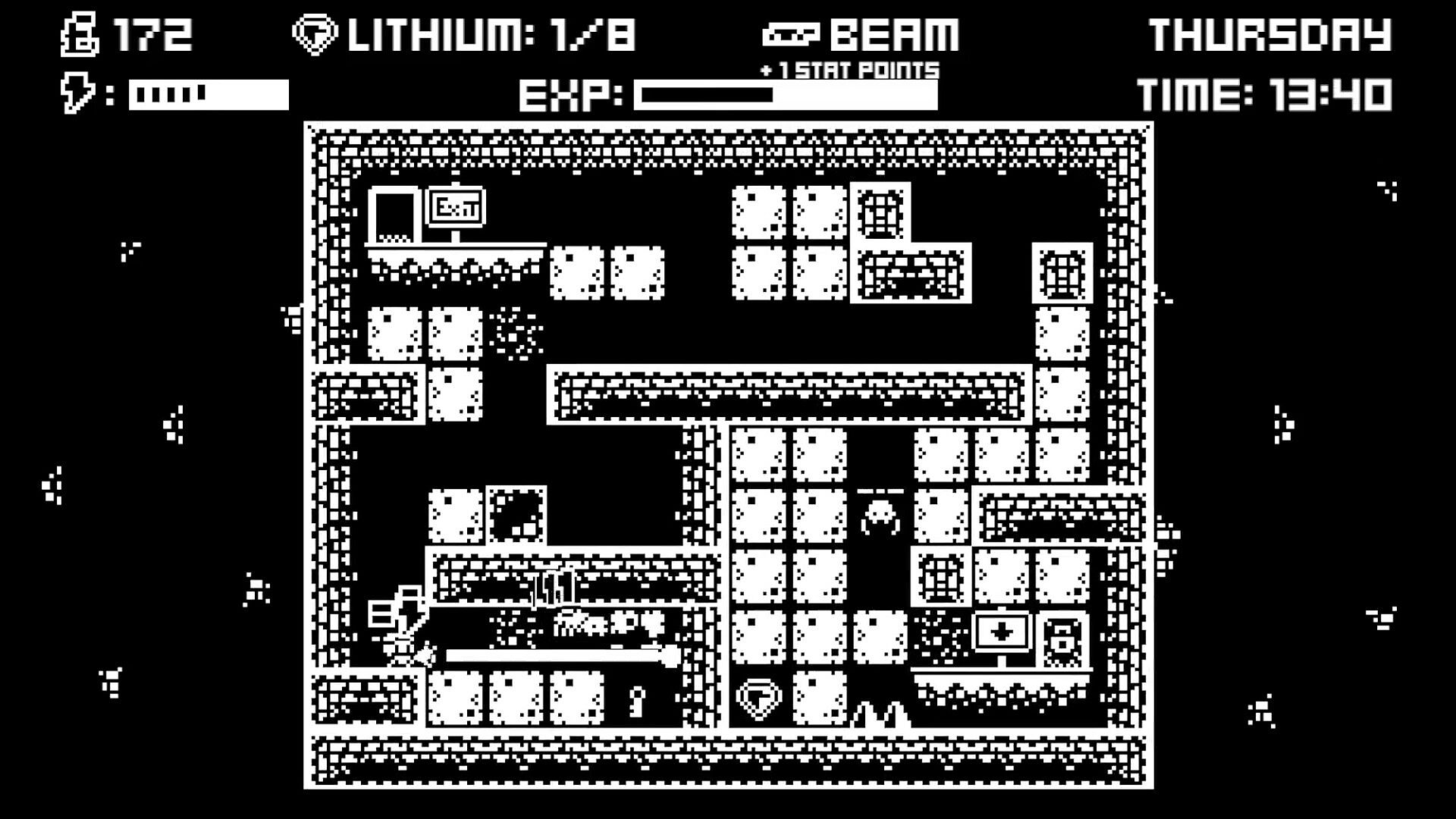
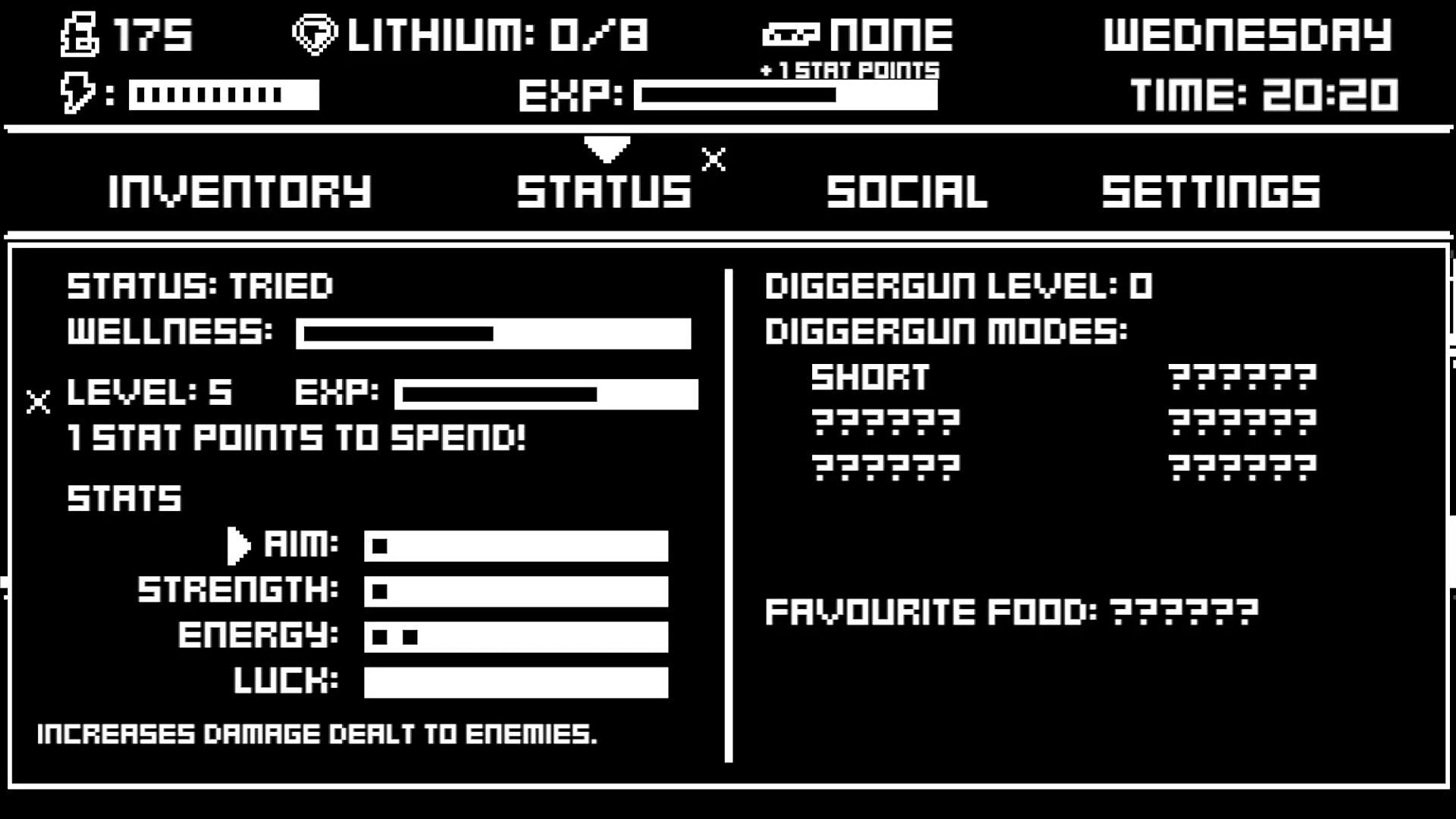
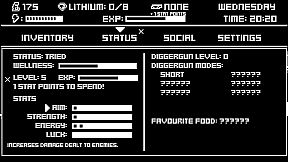
The core loop revolves around a rigid day-and-night cycle that governs time, energy and finances. Players dig through mines during work shifts, but every action consumes energy that must be replenished through rest, food purchases and careful budgeting. Wages, rent, food costs and taxes draw directly from current United Kingdom cost-of-living figures, creating a system where overspending or poor time management quickly leads to exhaustion or debt accumulation.
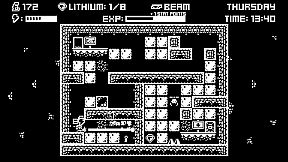
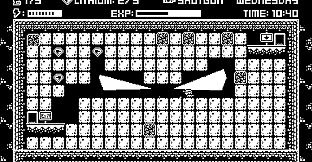
Platforming forms the foundation of movement and exploration. The character navigates procedurally generated mine sections alongside hand-crafted levels, using a digging tool to carve paths and uncover resources. An energy system tracks overall performance across sessions, applying rewards for efficient choices and penalties for wasteful ones, which influences stamina, income and long-term progress.
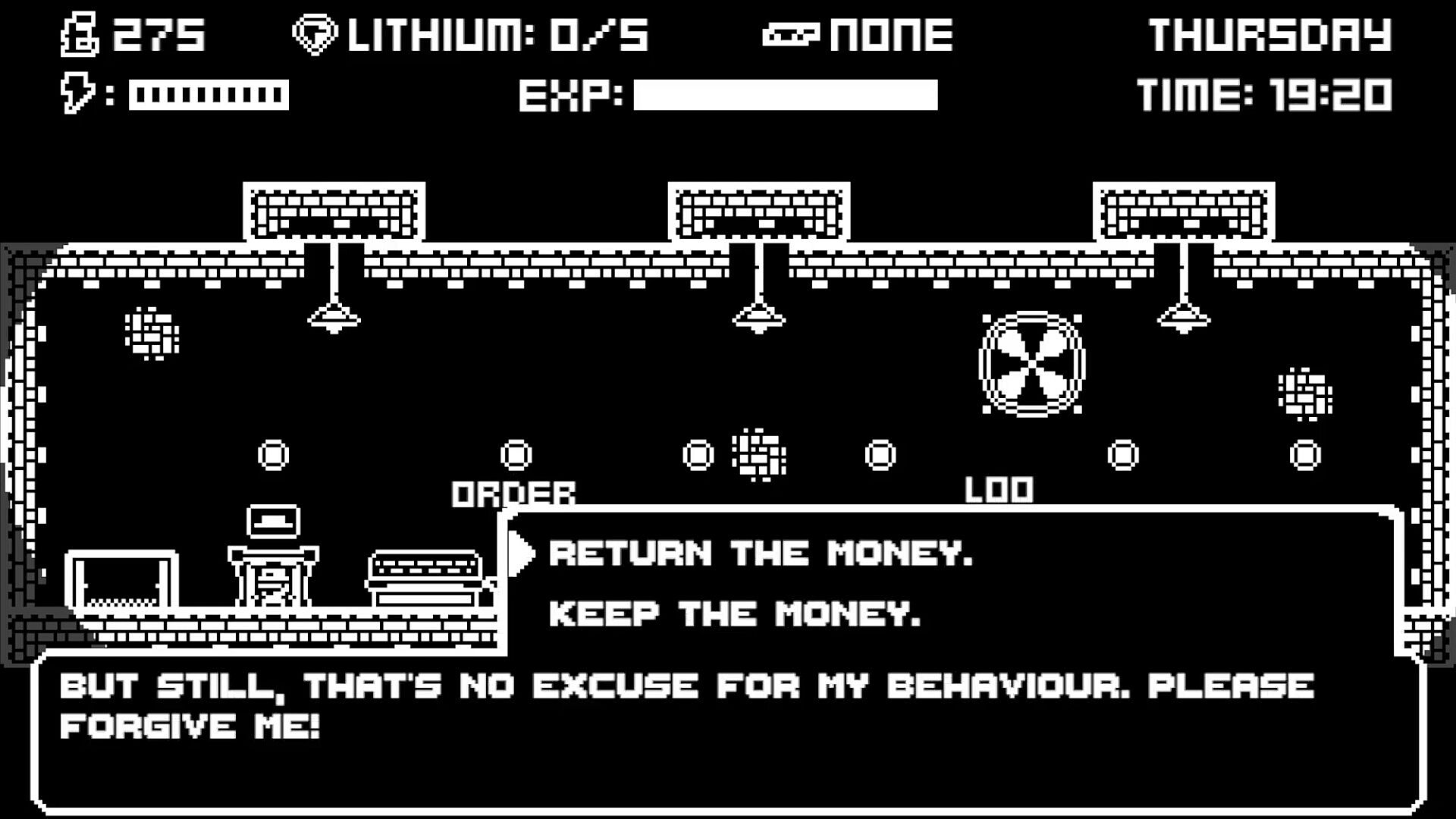
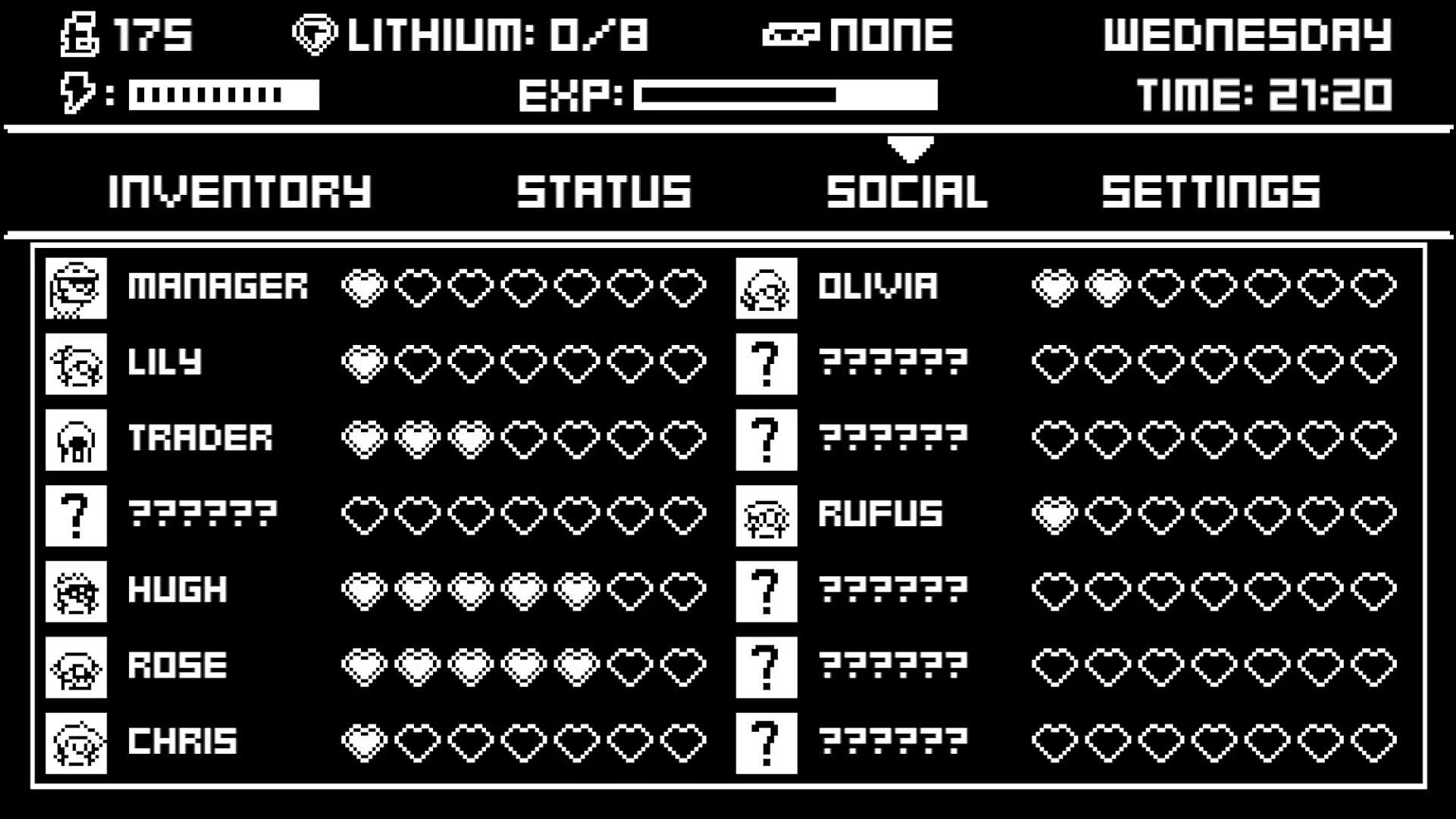
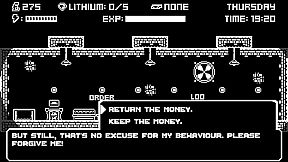
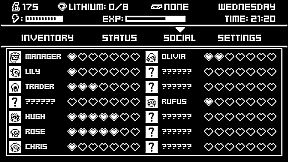
Interactions with non-player characters add depth. Each resident possesses a distinct personality and personal storyline that unfolds through conversations and decisions. These encounters affect resource access, story branches and the final outcome, encouraging players to balance work demands with relationship building or isolation.
Game Modes
DIGGERGUN operates as a single-player experience without separate multiplayer or competitive modes. Progression instead varies through narrative choices that determine which characters receive attention and which paths open or close. Multiple endings emerge naturally from these decisions, ranging from straightforward financial escape to more disruptive outcomes that challenge the mining operation itself.
Random mine generation ensures each shift presents fresh layouts, while fixed levels provide consistent challenges tied to character arcs. The absence of traditional game modes keeps focus on the integrated life simulation and platforming loop, where survival mechanics and story consequences remain intertwined throughout a single campaign.
Narrative and World Building
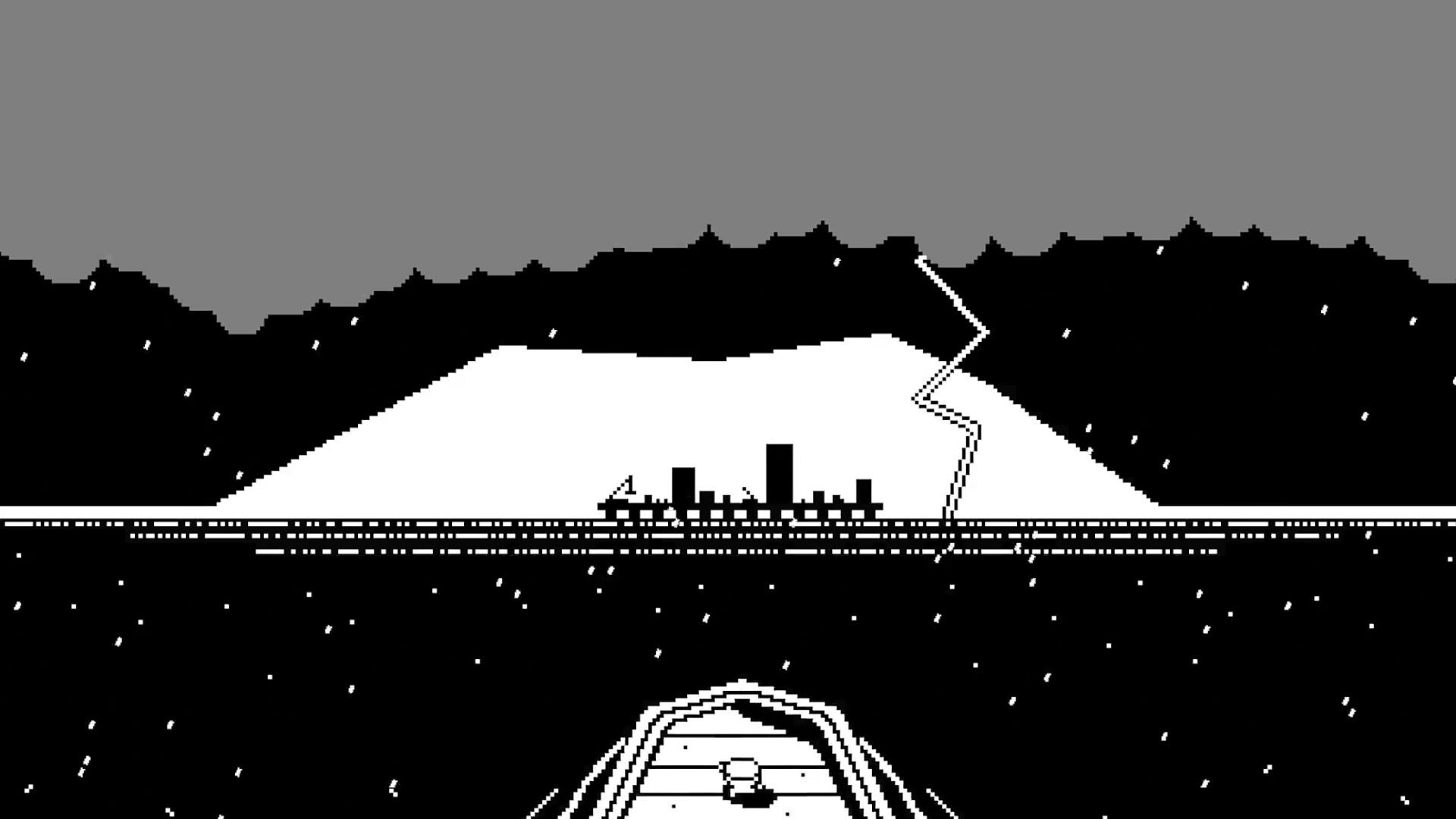
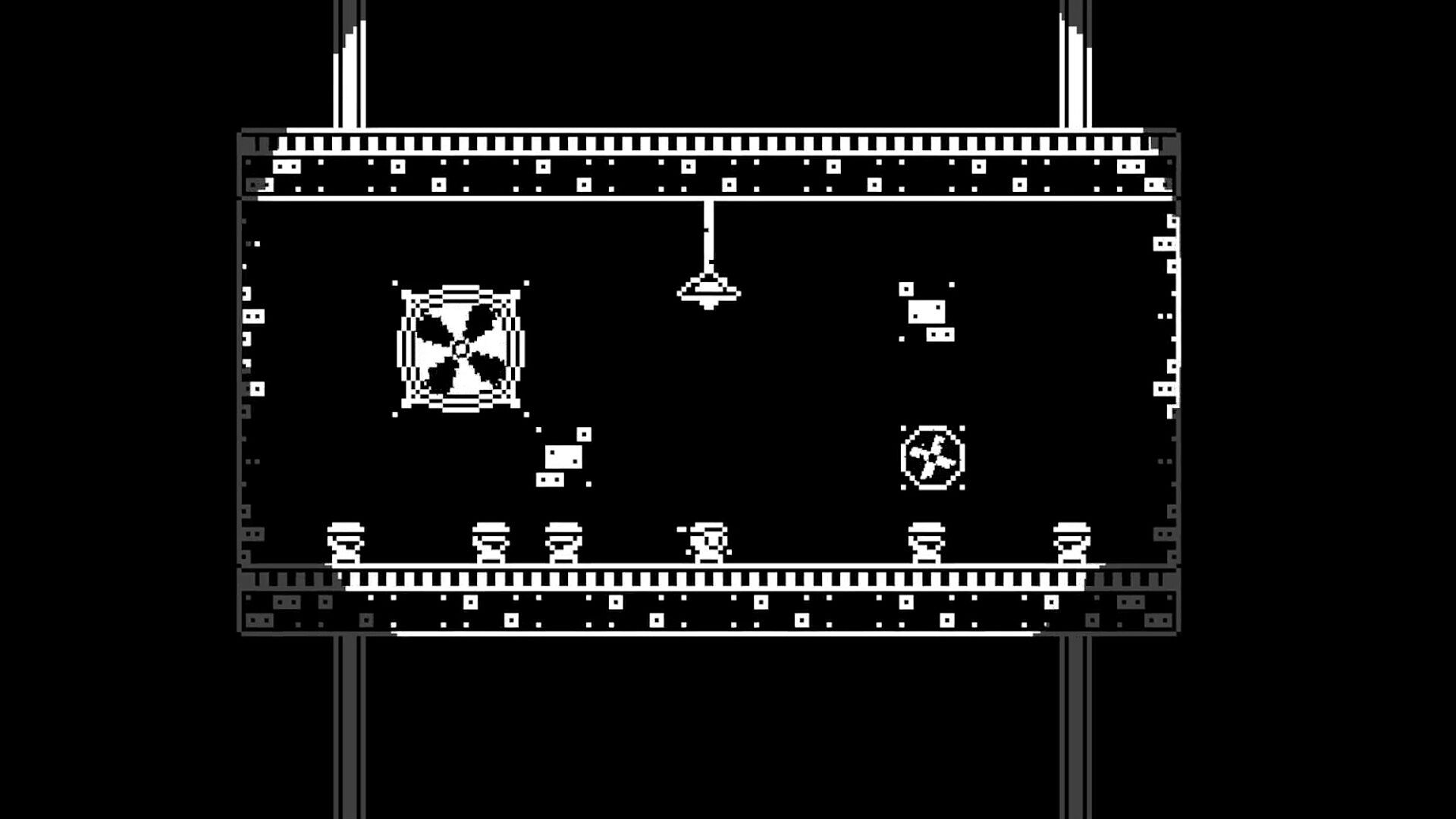
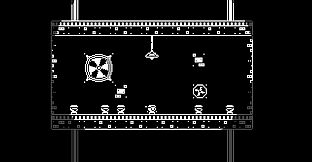
The monochrome visual style reinforces the oppressive atmosphere of the island setting. Characters encountered during downtime or work breaks reveal personal struggles that mirror broader themes of minimum wage labor and environmental impact. Dialogue and events reflect real-world economic pressures without exaggeration, grounding the fiction in recognizable details such as tax calculations and food expenses.
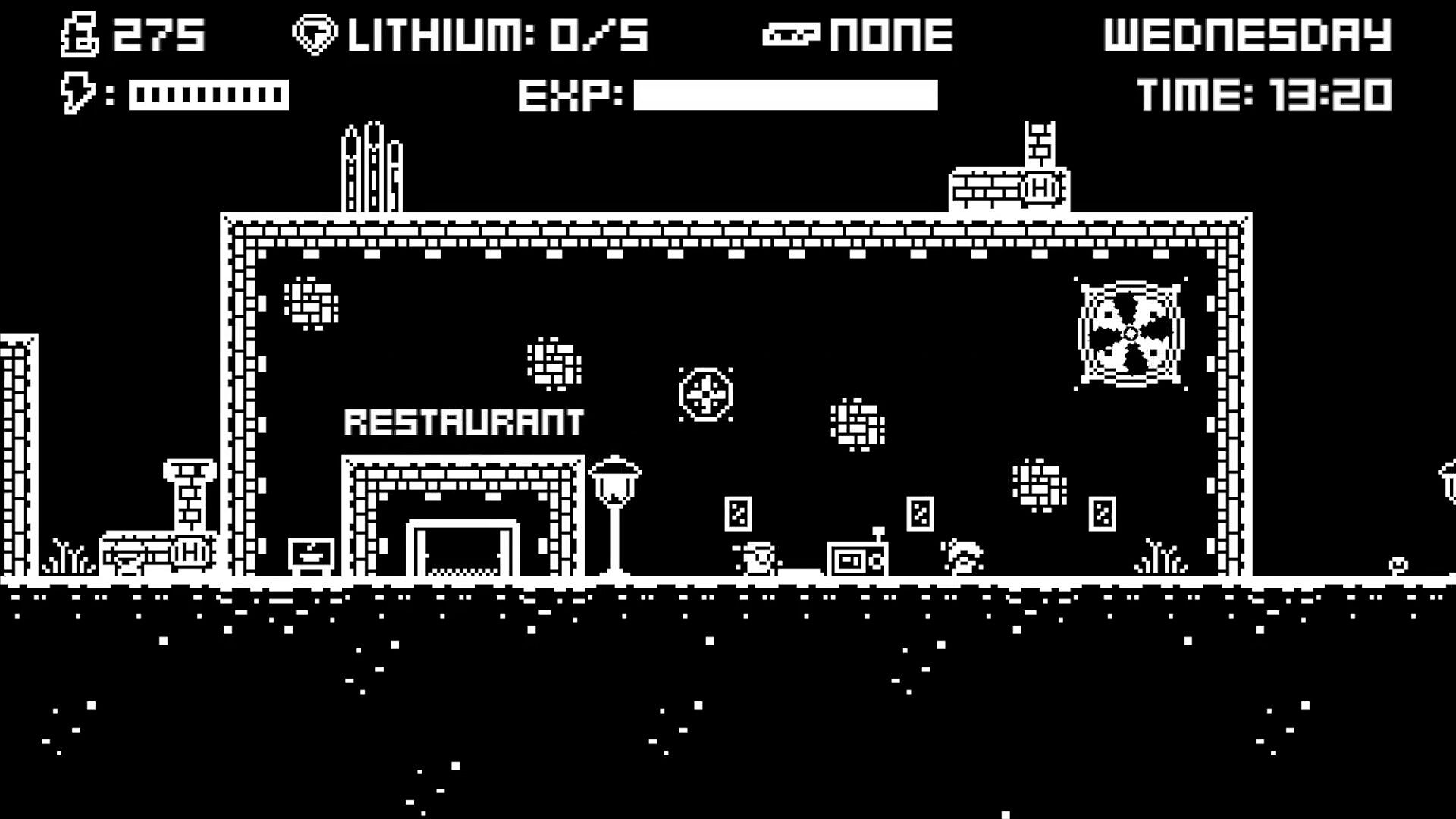
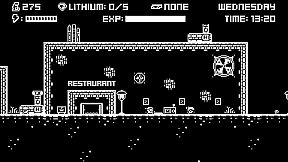
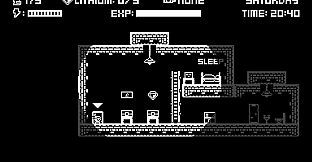
Exploration extends beyond the mines into living quarters and communal areas. Time spent here influences energy recovery and unlocks additional story threads. Players decide how much emphasis to place on social connections versus pure resource gathering, shaping both immediate survival and the ultimate resolution.
Is It Worth Playing?
Reception among early players highlights the compelling tension between platforming precision and financial management. The energy and tax systems create meaningful consequences that reward thoughtful planning while punishing neglect. Multiple endings provide replay incentive for those interested in exploring different interaction patterns.
The game suits players who enjoy deliberate pacing and systems-driven storytelling over fast action or large-scale multiplayer. Its recent release means ongoing patches address technical issues reported at launch, including achievement functionality. Those drawn to life simulation mechanics combined with 2D platforming will find the core loop consistent with the described themes of labor and escape.
Availability on PC allows straightforward access for anyone seeking a compact, focused experience that integrates economic realism with exploratory digging and character-driven outcomes. The title delivers its intended message through mechanics rather than exposition, making it a niche but coherent choice within the indie simulation space.