




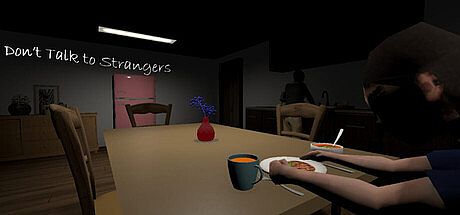



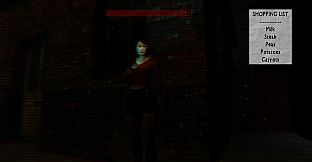
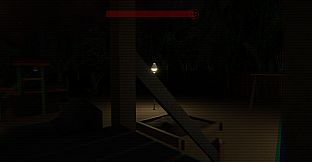
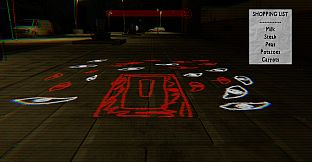
Don't Talk to Strangers is a single-player psychological lo-fi horror game that blends indie, casual, simulation, and adventure elements on PC. Set in a suburban neighborhood after dark, the experience follows a child tasked with fetching groceries and returning home safely through empty school halls and quiet streets filled with unseen dangers.
Gameplay
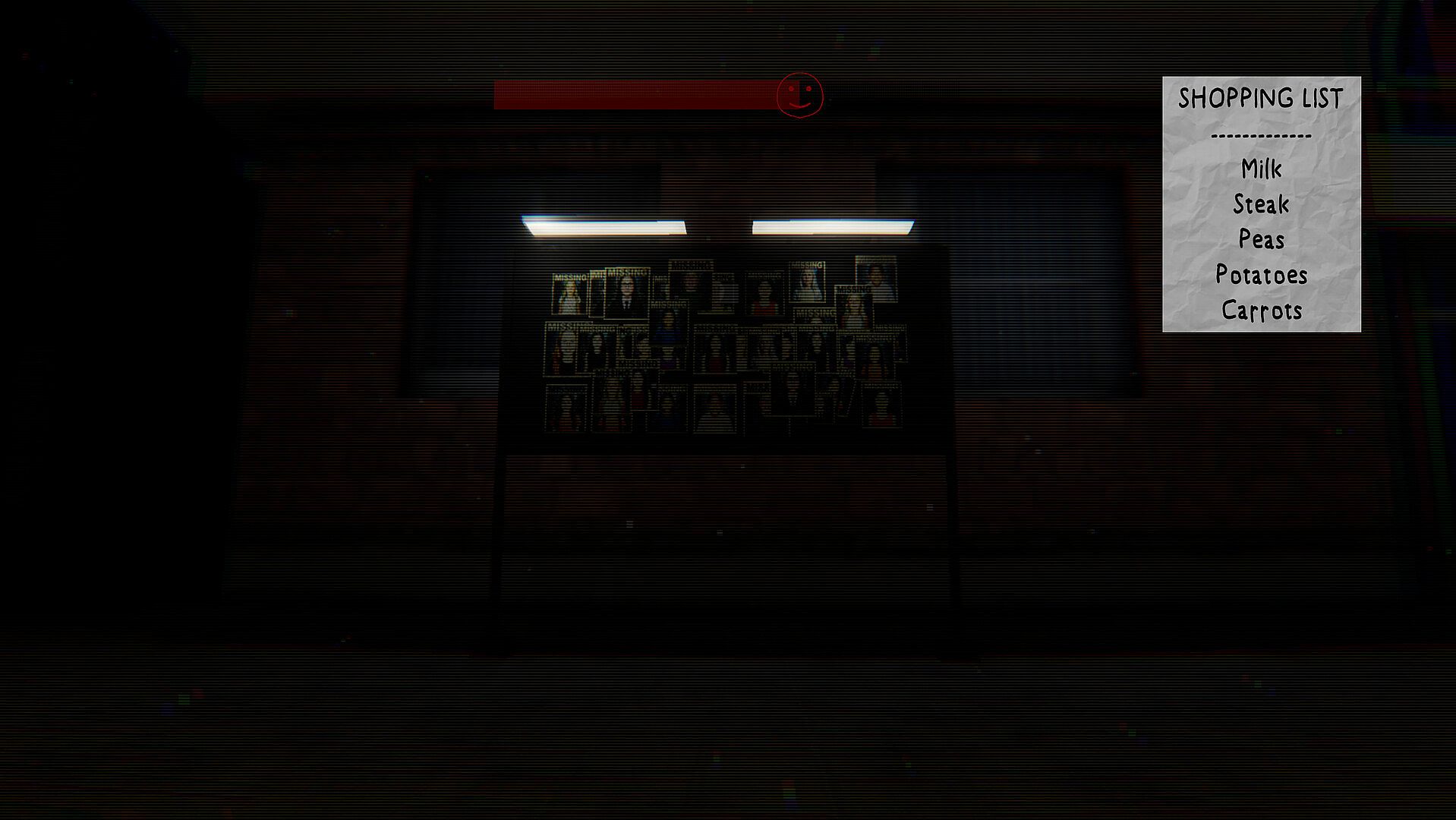
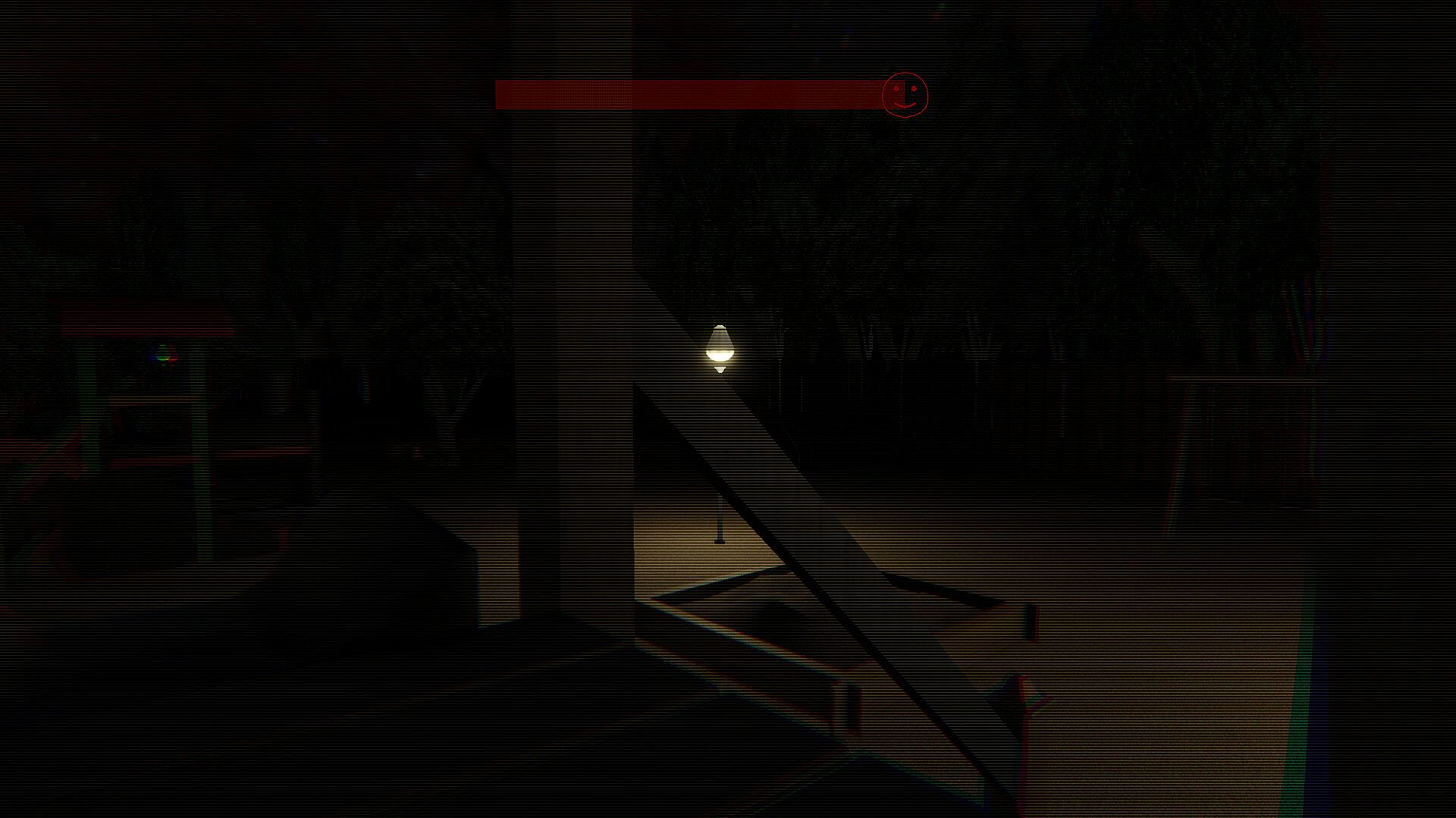
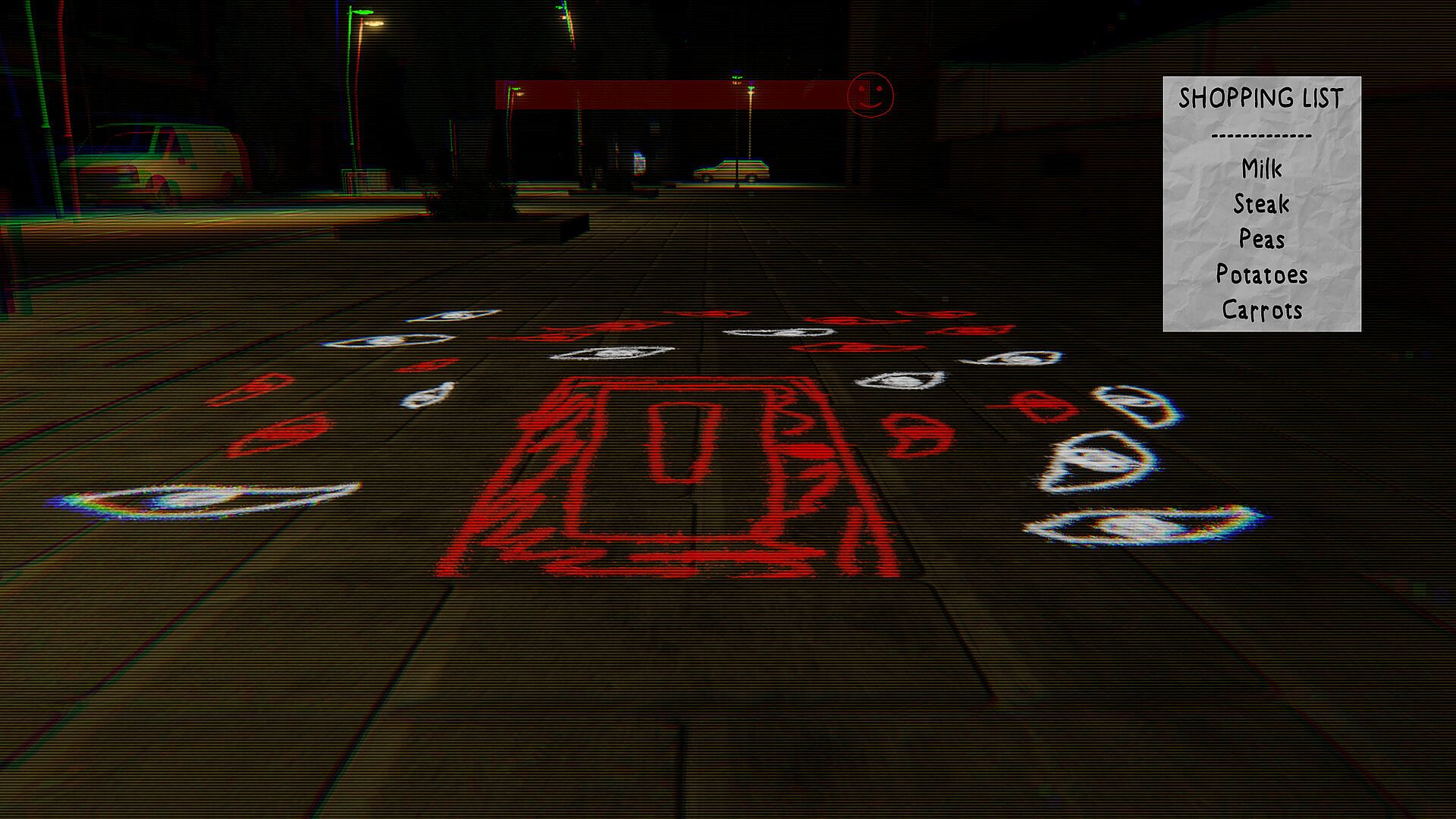
The core loop centers on navigating from school to home while managing a dynamic sanity meter. Low sanity draws the attention of a relentless stalker monster that pursues the player. Comfort actions such as swinging on park equipment, responding kindly to non-player characters, or lingering near vending machines help stabilize the meter, though these moments provide only temporary relief in an environment where safety remains elusive.
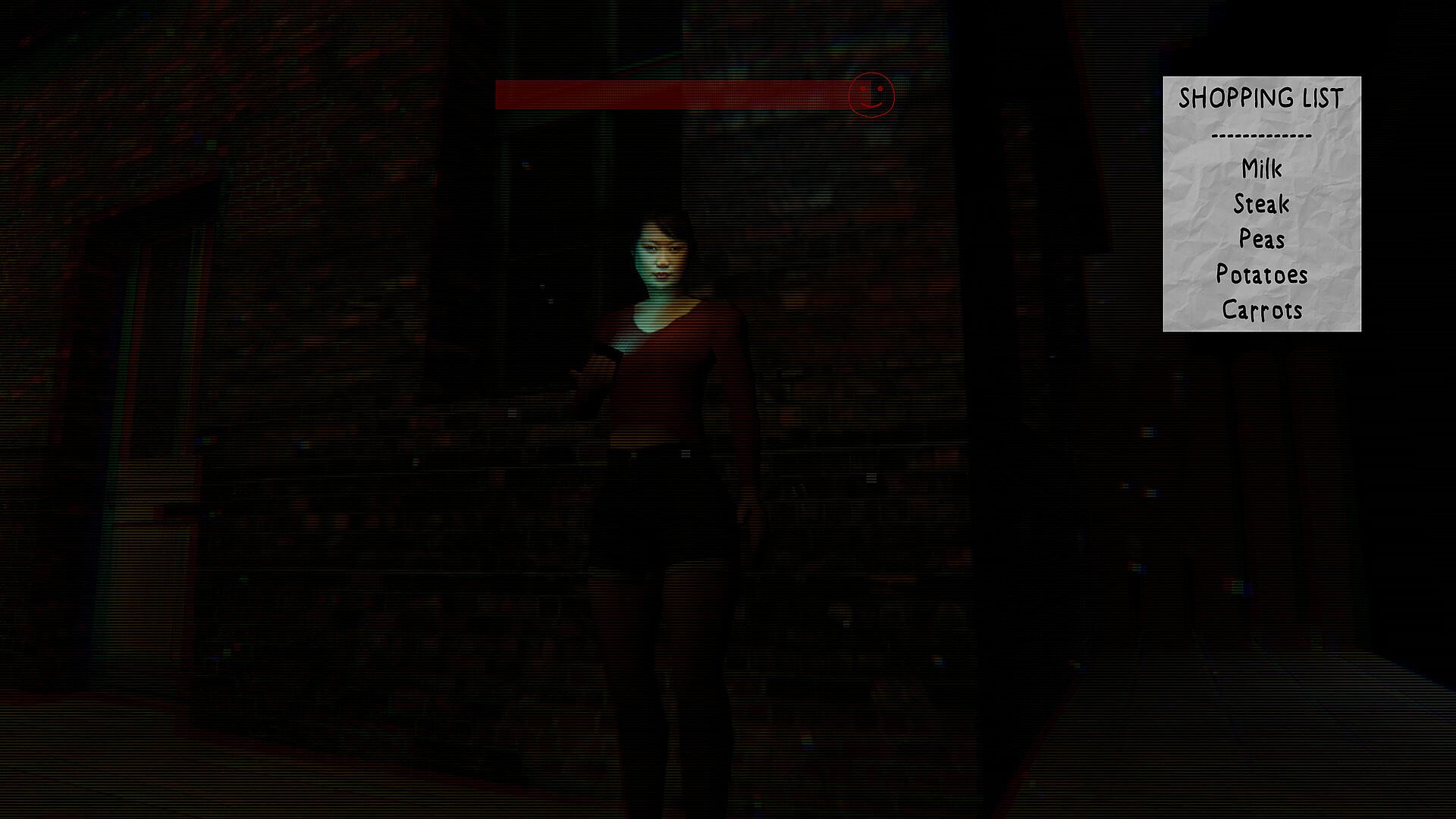
Fixed cinematic camera angles create a stylized presentation that emphasizes vulnerability. Players interact with more than forty unique non-player characters, but some hide stalker identities and begin pursuit once the player turns away. Neighborhood hazards add further tension, including instant-death Dread entities that require distance, moving vehicles to dodge, and uneven pavement to avoid in low light.
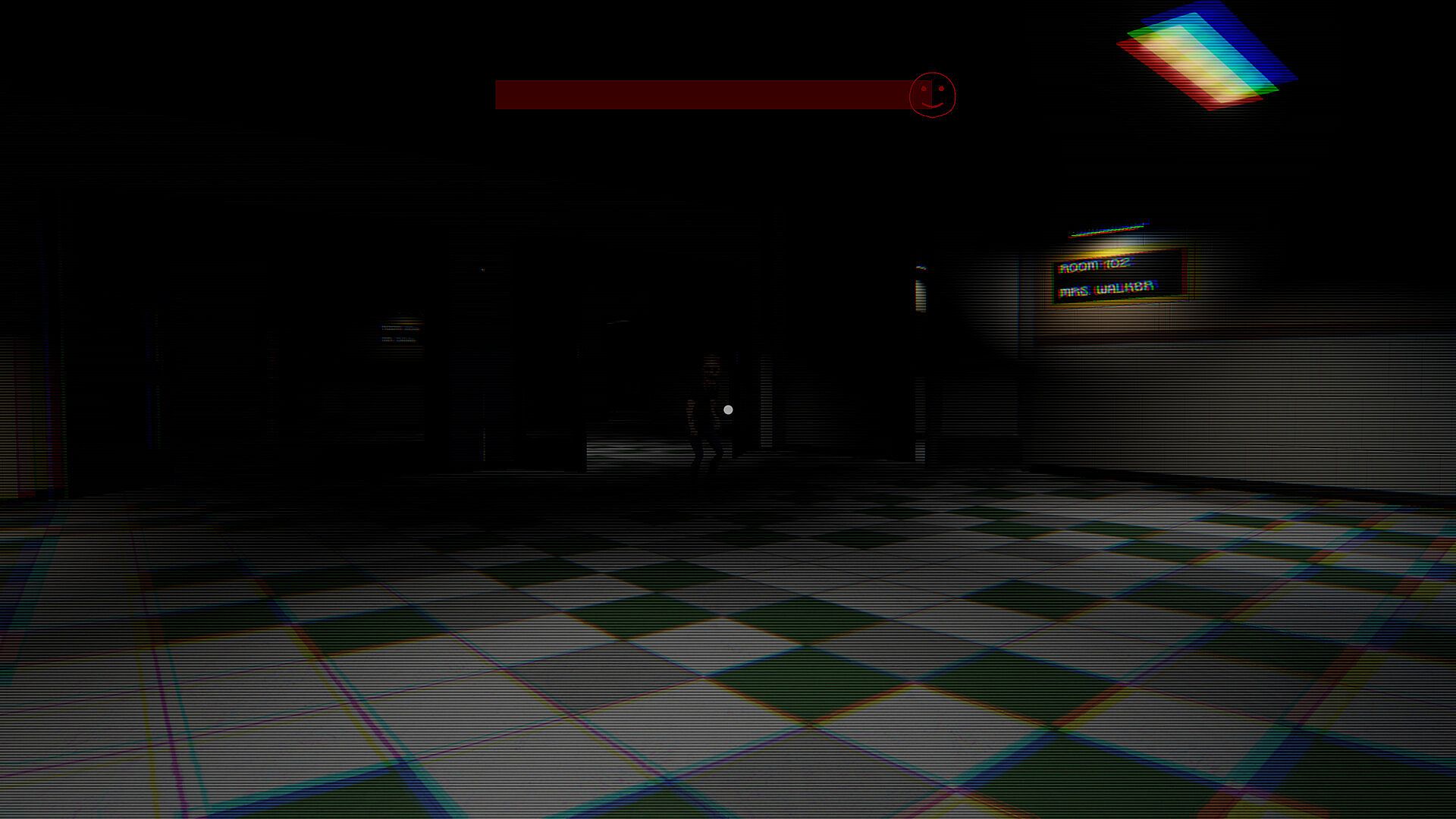
An early section requires escaping the school building while evading the gaze of an ashamed little girl ghost. This leads into a classroom chase before the streets open up. The retro low-poly visuals combined with CRT and VHS scanline effects reinforce the atmospheric tone throughout every sequence.
Game Modes
The game operates as a single-player experience with no separate multiplayer or competitive modes. Progression follows a linear path from school exit through the neighborhood, yet player choices in conversations, hazard avoidance, and sanity management directly influence outcomes. Six distinct endings reward different paths and decision patterns, encouraging repeated playthroughs to explore variations without altering the fundamental single-player structure.
Key Mechanics and Atmosphere
Conversation choices carry weight because incorrect selections can trigger silent stalkers. The sanity system ties directly to monster behavior, making resource-like comfort actions integral rather than optional. Environmental hazards function as constant threats that demand spatial awareness alongside the psychological elements. The low-poly art style and scanline presentation remain consistent across all areas, supporting the sense of a lost retro title.
Replayability stems from the branching endings shaped by cumulative decisions rather than from procedural generation or additional content layers. No factions or seasonal updates appear in the current build, as the title focuses on a contained narrative journey.
Is It Worth Playing?
Players drawn to atmospheric single-player horror with emphasis on tension, choice consequences, and visual style may find the experience engaging. The combination of sanity management, NPC interactions, and environmental hazards creates a focused loop centered on survival through careful movement and decision-making. With a planned release in early August 2026 and no reviews available yet, the title remains untested by a broader audience, but its described systems align with fans of psychological indie horror that prioritizes vulnerability over action. Those seeking short, replayable sessions built around multiple endings could consider adding it to a wishlist for launch.












