





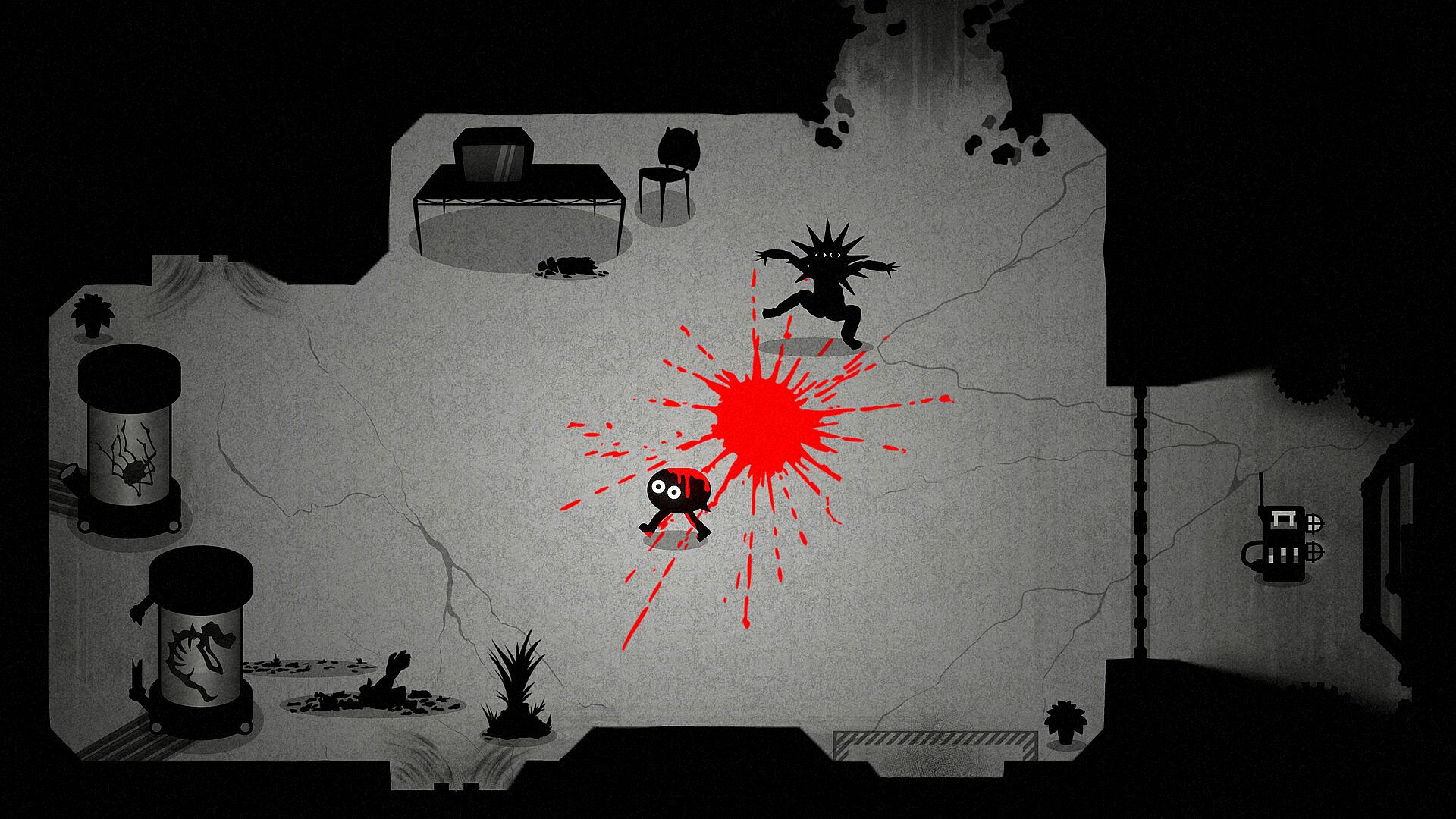
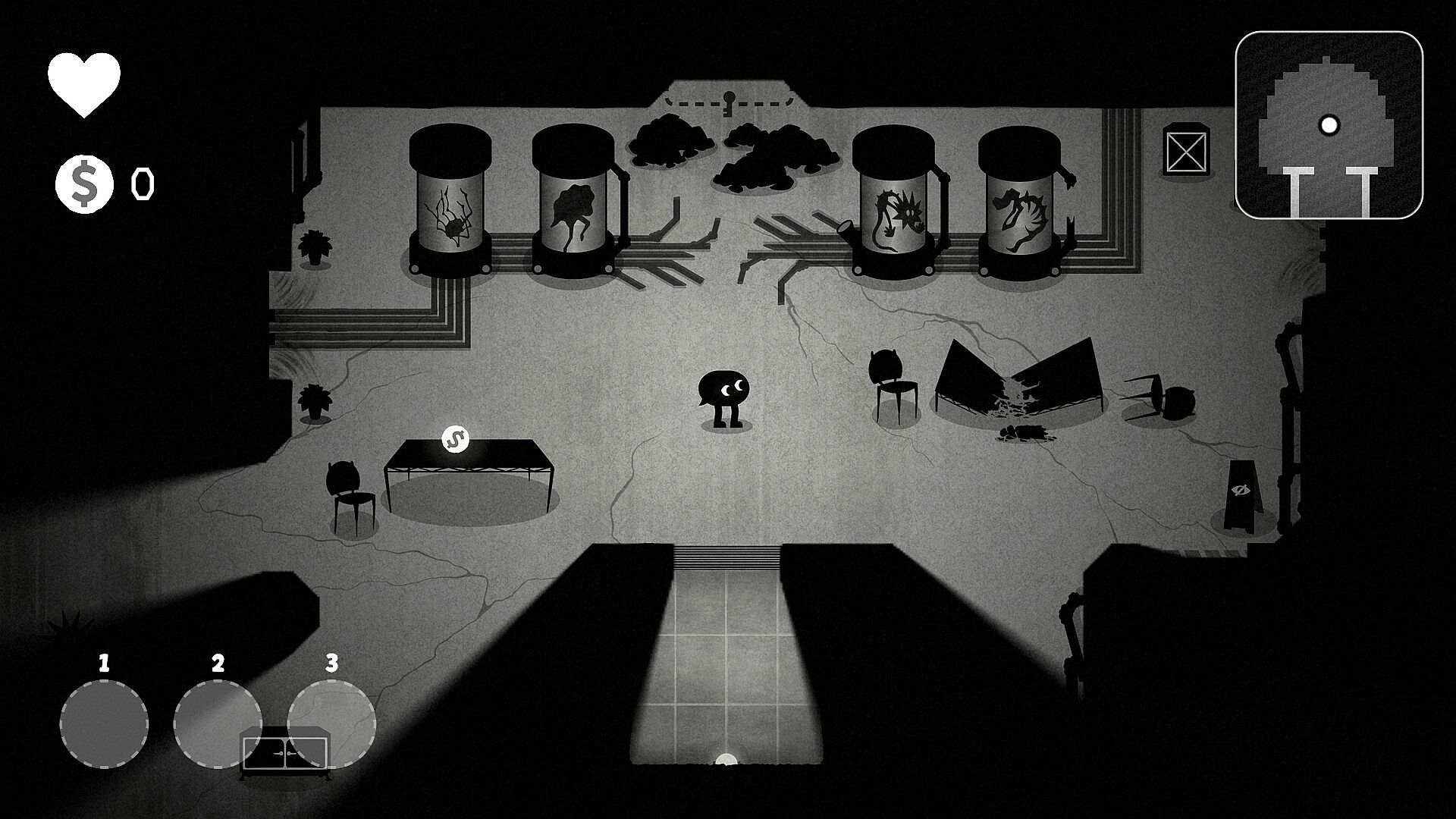
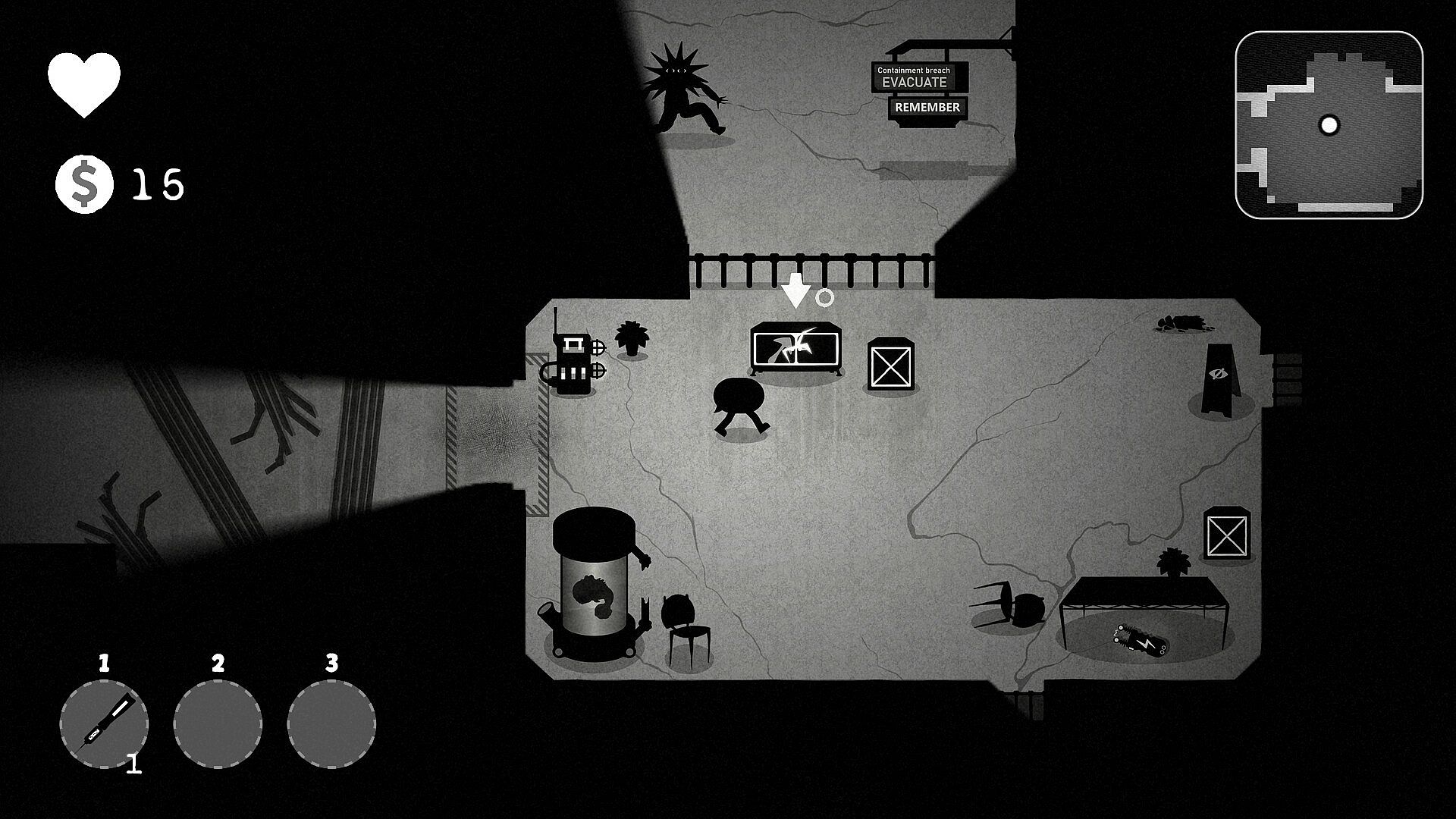
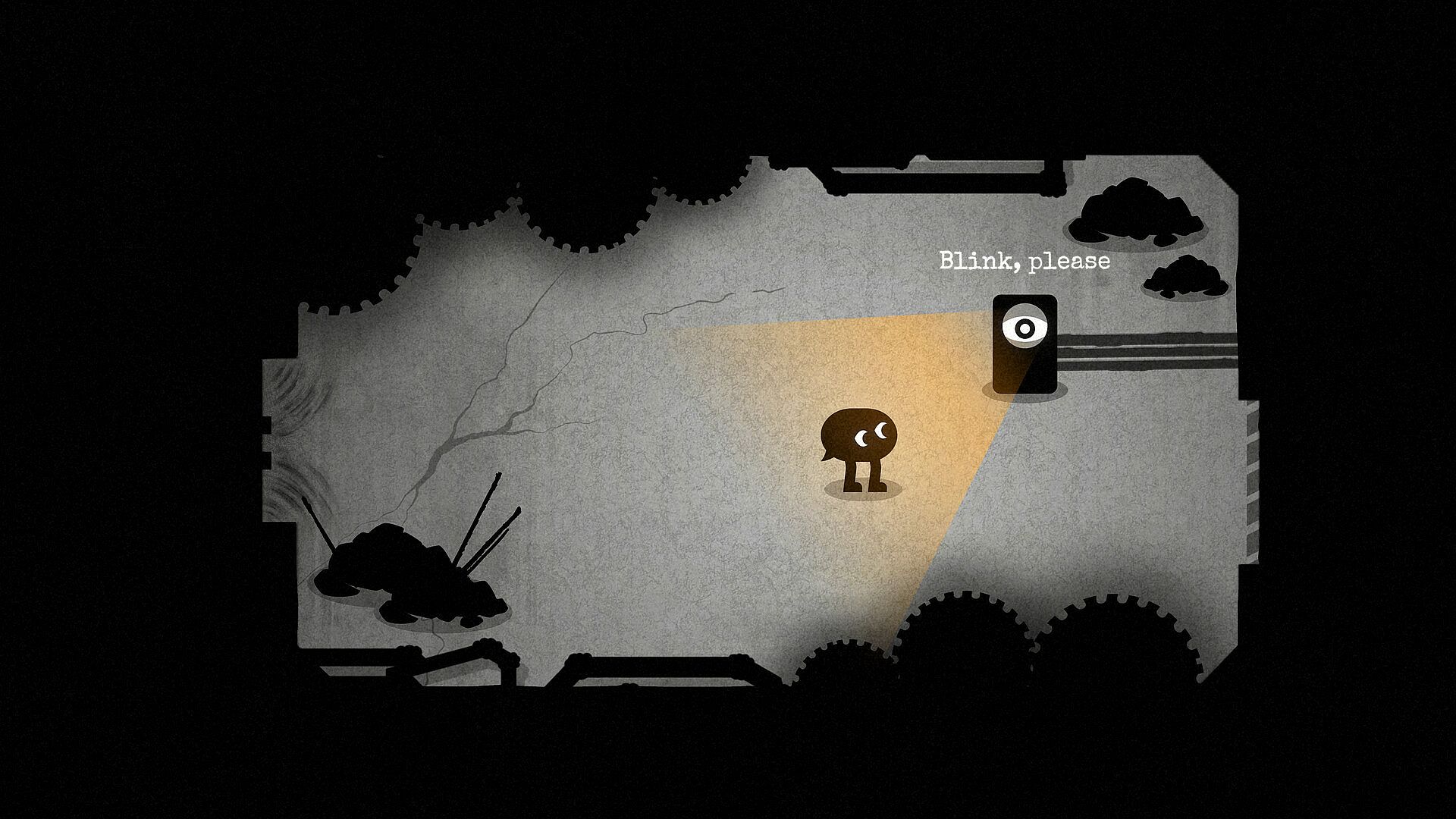
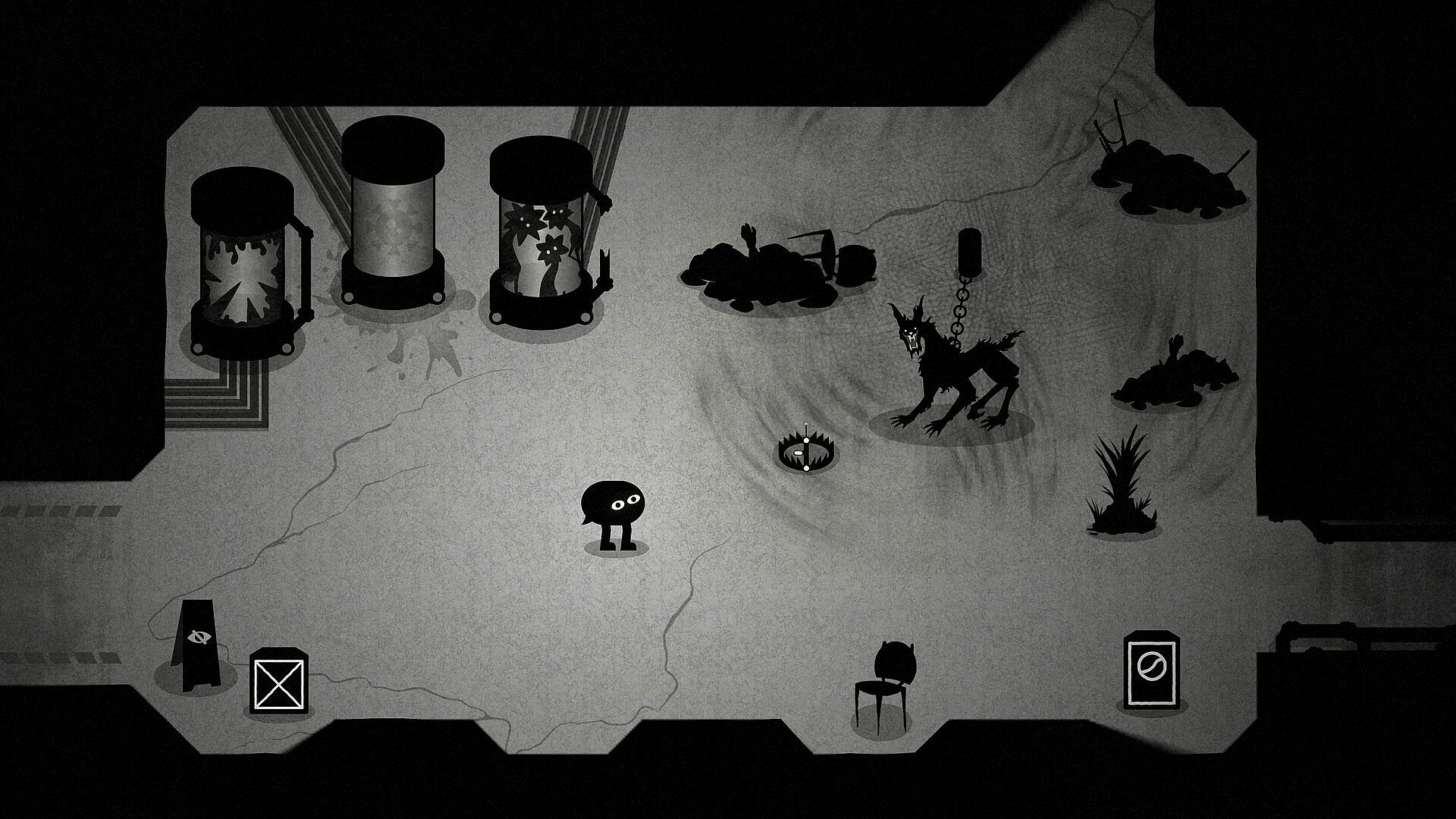
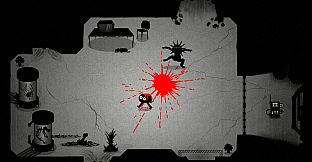
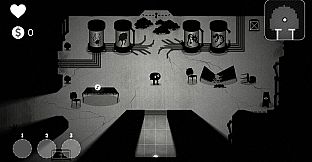
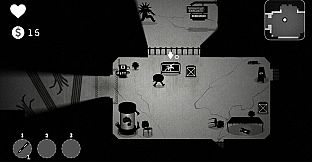
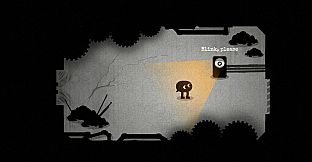
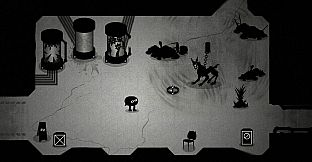
DON'T BLINK is a single-player survival horror game developed for PC that places the player's real eyes at the center of its tension. Monsters remain frozen in place as long as the eyes stay open, but any blink detected through a connected webcam allows them to advance. The experience draws from action, indie, and adventure genres while emphasizing careful observation and resource management in a ruined laboratory setting.
Gameplay
The core loop revolves around descending through multiple floors of a breached research facility. Players scavenge for valuables and survival tools while navigating darkened rooms filled with failed experiments and containment breaches. Deeper levels yield higher-value items but increase the distance back to the surface and introduce stronger threats that punish every involuntary blink. Blink detection operates locally on the player's machine with no data recorded or transmitted, preserving privacy during sessions.
Webcam tracking serves as the primary interaction method. Keeping eyes open freezes enemies in position, creating windows for movement and exploration. A blink grants the creatures a brief window to close distance or reposition. The system supports full play without a webcam through alternative controls, though the intended experience relies on real-time eye monitoring. Monochrome visuals punctuated by red accents heighten the stark, clinical atmosphere of the abandoned lab.
Missions assigned by remaining laboratory staff provide optional objectives that can unlock further descent. These tasks integrate with the scavenging focus, encouraging repeated runs to gather better equipment and reach the facility's lowest levels where larger secrets await.
Game Modes
The game operates entirely in a single-player format centered on procedural descent and extraction. Each run involves entering the laboratory, collecting assets across escalating floors, and attempting a safe return while managing eye fatigue and monster proximity. Roguelite elements appear through the risk-reward structure of deeper exploration, where greater rewards come with heightened danger and longer return paths. No separate multiplayer or competitive modes exist.
Progression ties directly to mission completion and asset recovery rather than traditional leveling. Players balance the need to keep eyes open against natural blinking, using tools found during runs to mitigate threats or extend safe movement periods. The structure rewards careful pacing and repeated attempts to optimize routes and item management.
Setting and Atmosphere
The narrative frames the player as an employee of the DON'T BLINK CORPORATION sent to recover company property after a containment failure. The laboratory environment features sealed tanks, experimental remnants, and areas that should have remained locked. Staff members encountered during descent offer side objectives that expand access to lower levels while revealing fragments of the facility's history.
Visual design maintains a limited palette of black, white, and gray with selective red highlights to emphasize danger and key elements. Sound design supports the tension created by the blink mechanic, though specific audio details remain limited in available descriptions. The overall tone stays grounded in corporate indifference meeting catastrophic failure.
Technical Requirements and Accessibility
Minimum specifications include a 64-bit Windows 10 system with an Intel Core i5-4460 or equivalent processor, 8 GB RAM, and basic DirectX 11 graphics. Recommended hardware upgrades to Windows 11, a stronger CPU, and a dedicated GPU for smoother performance. A webcam receives strong recommendation for the intended blink detection experience, yet the title remains fully functional through standard input methods.
Local processing ensures no external data handling occurs during eye tracking. This approach addresses common concerns around camera-based mechanics while maintaining the core tension of the survival horror loop.
Is It Worth Playing?
The game targets players who enjoy survival horror with unconventional control schemes and high-stakes resource decisions. Its unique webcam integration creates a direct physical connection between player actions and in-game consequences that sets it apart from standard genre entries. Those comfortable with tension built around real-world eye control and willing to engage in repeated descent runs will find a focused, mechanics-driven experience.
Because the title remains unreleased with no user reviews or completed updates available, reception rests on the strength of its core concept and verified features. Fans of roguelite progression combined with horror atmosphere may find the blend compelling once it launches. The single-player focus and privacy-conscious design further narrow its appeal to those seeking a solitary, innovative horror session rather than social or competitive play.












