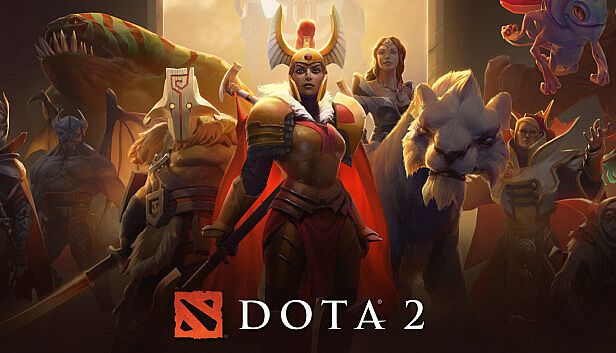



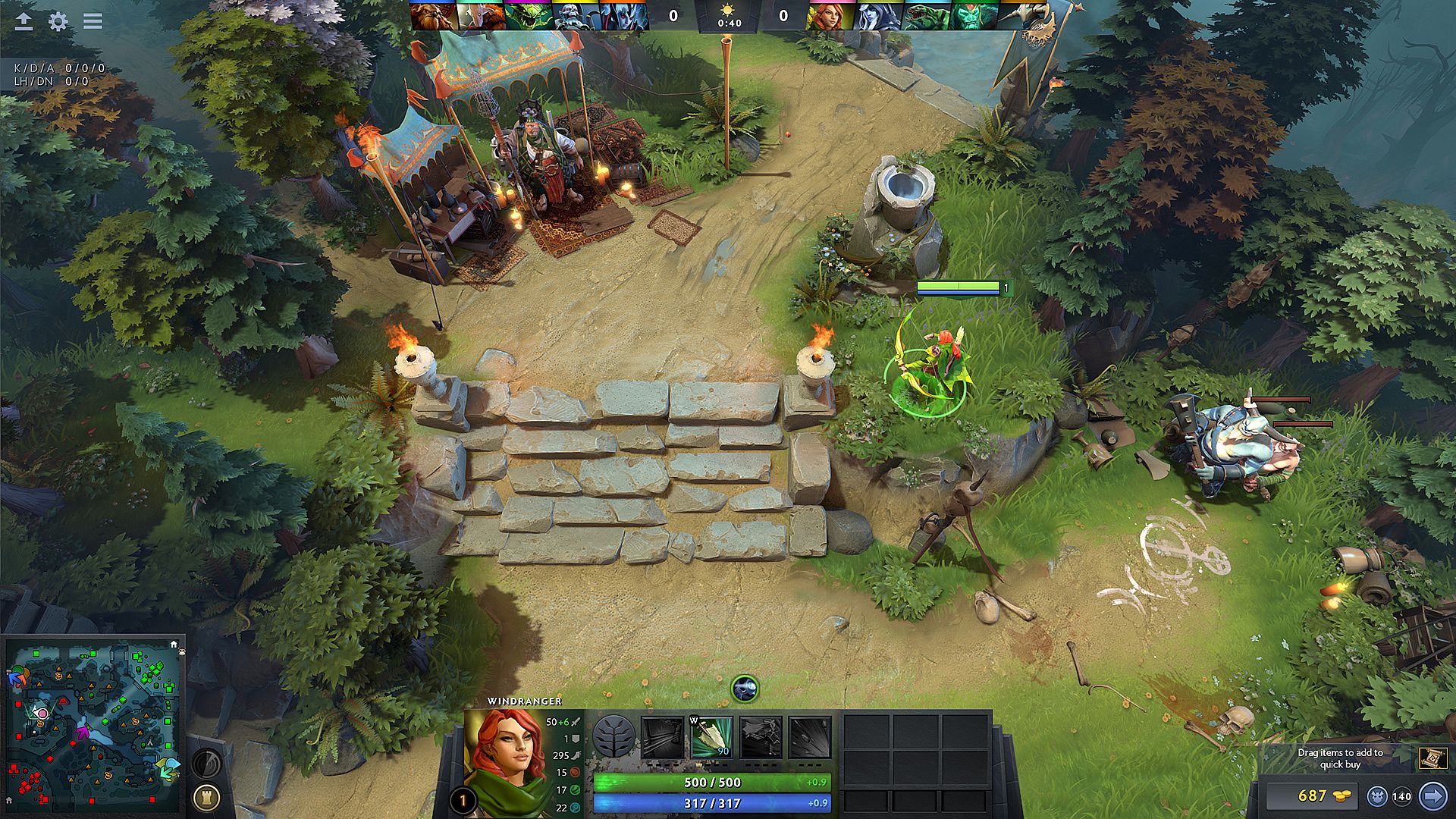
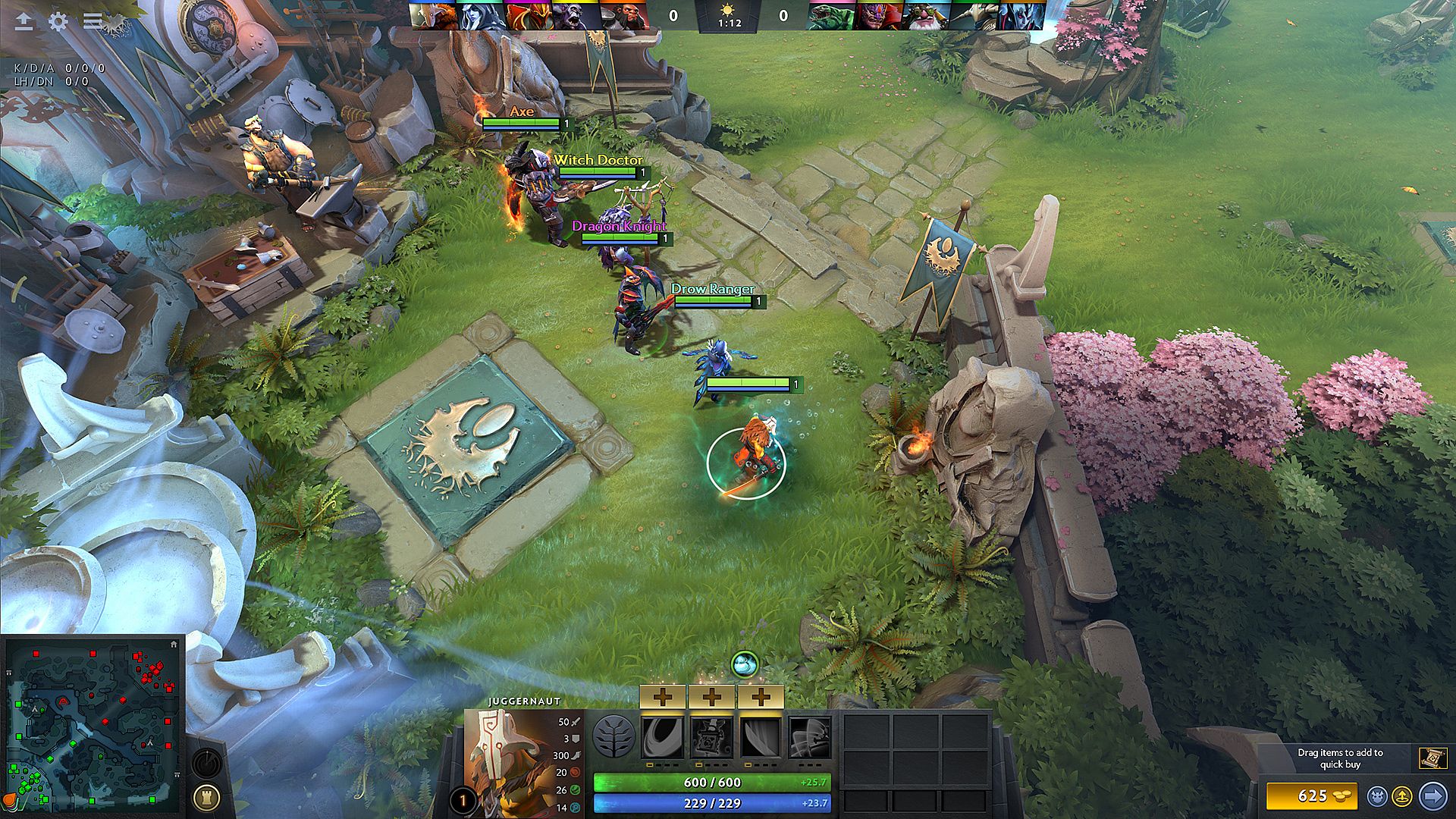
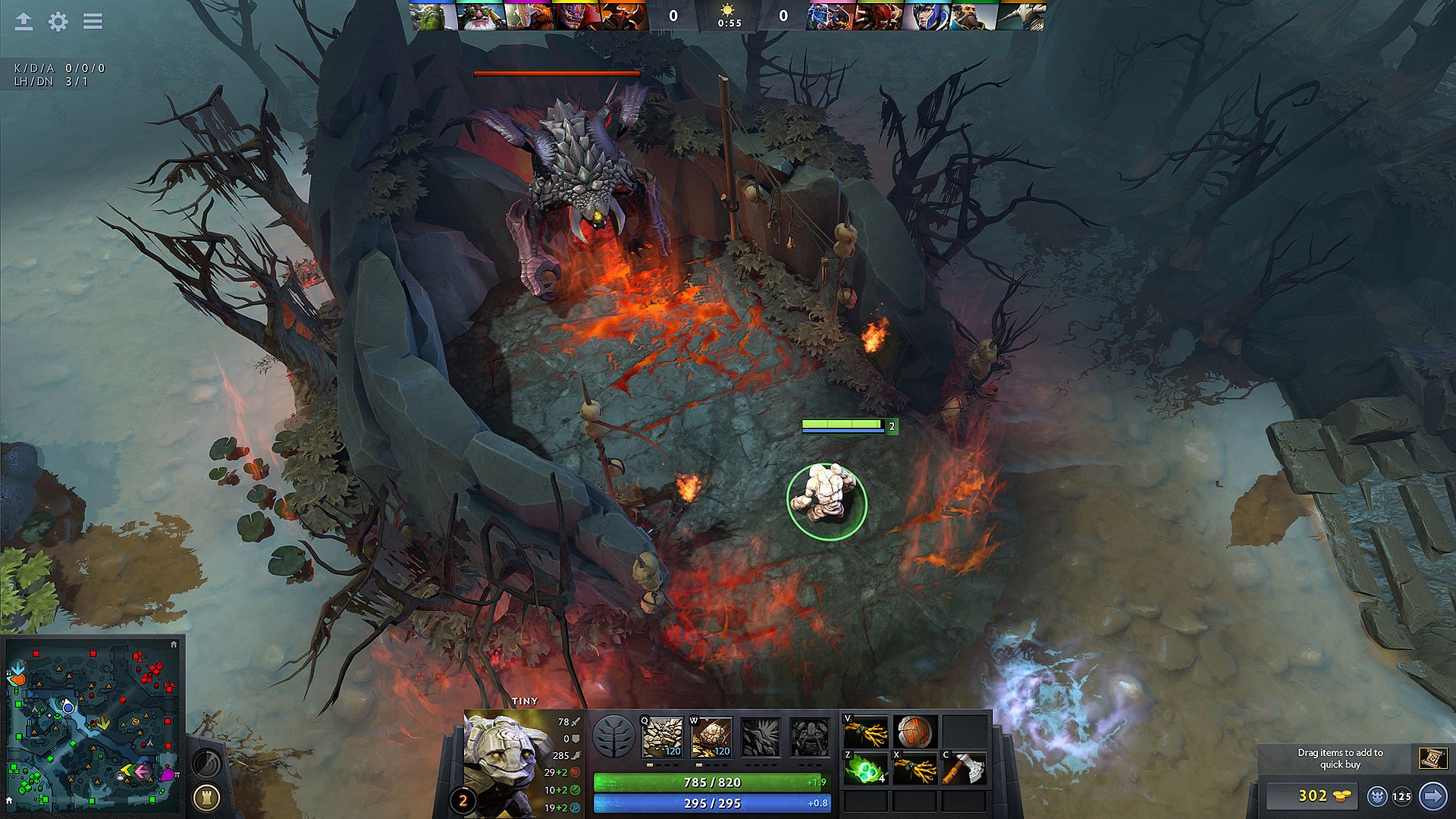
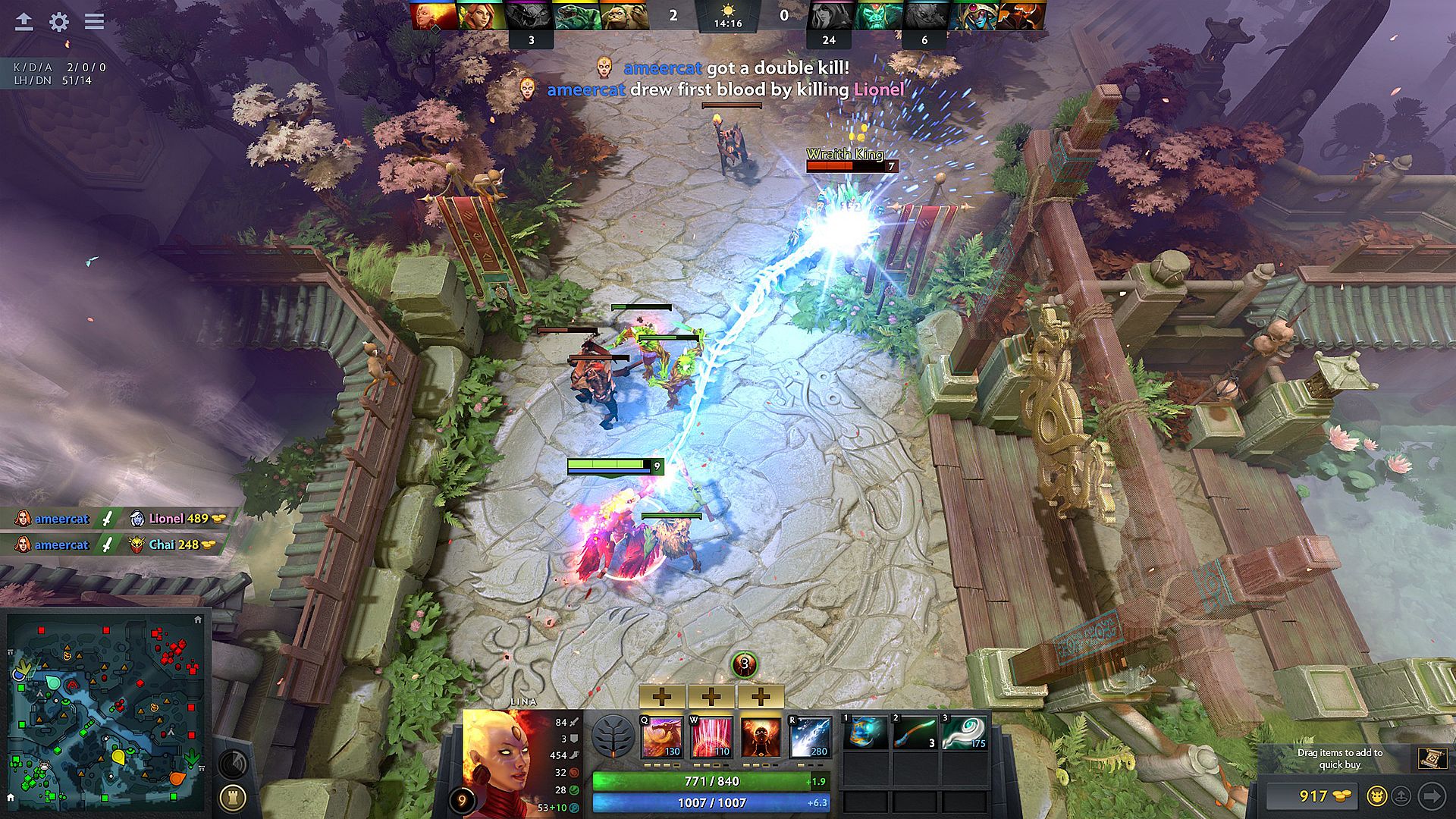
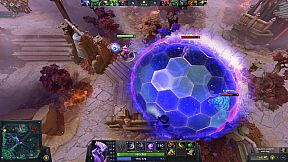
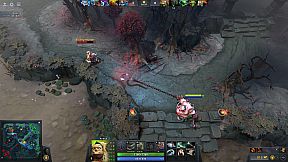
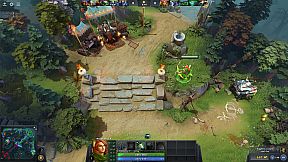
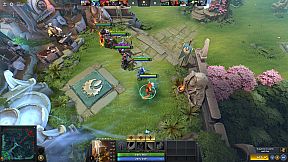
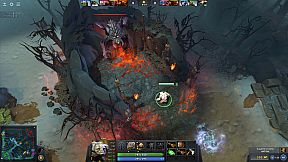
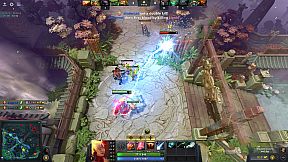
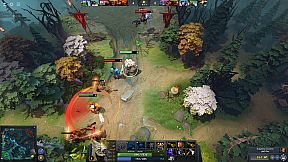
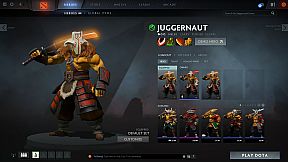
Dota 2 stands as a prominent multiplayer online battle arena game that pits teams against each other in strategic combat. Released as a free-to-play title on PC, it draws millions into its complex world of heroes and battles. Players select from a vast roster of characters, each with unique abilities, to form teams and compete on a shared map. The core objective revolves around destroying the opponent's ancient structure while defending your own, blending action and strategy in every match.
Gameplay
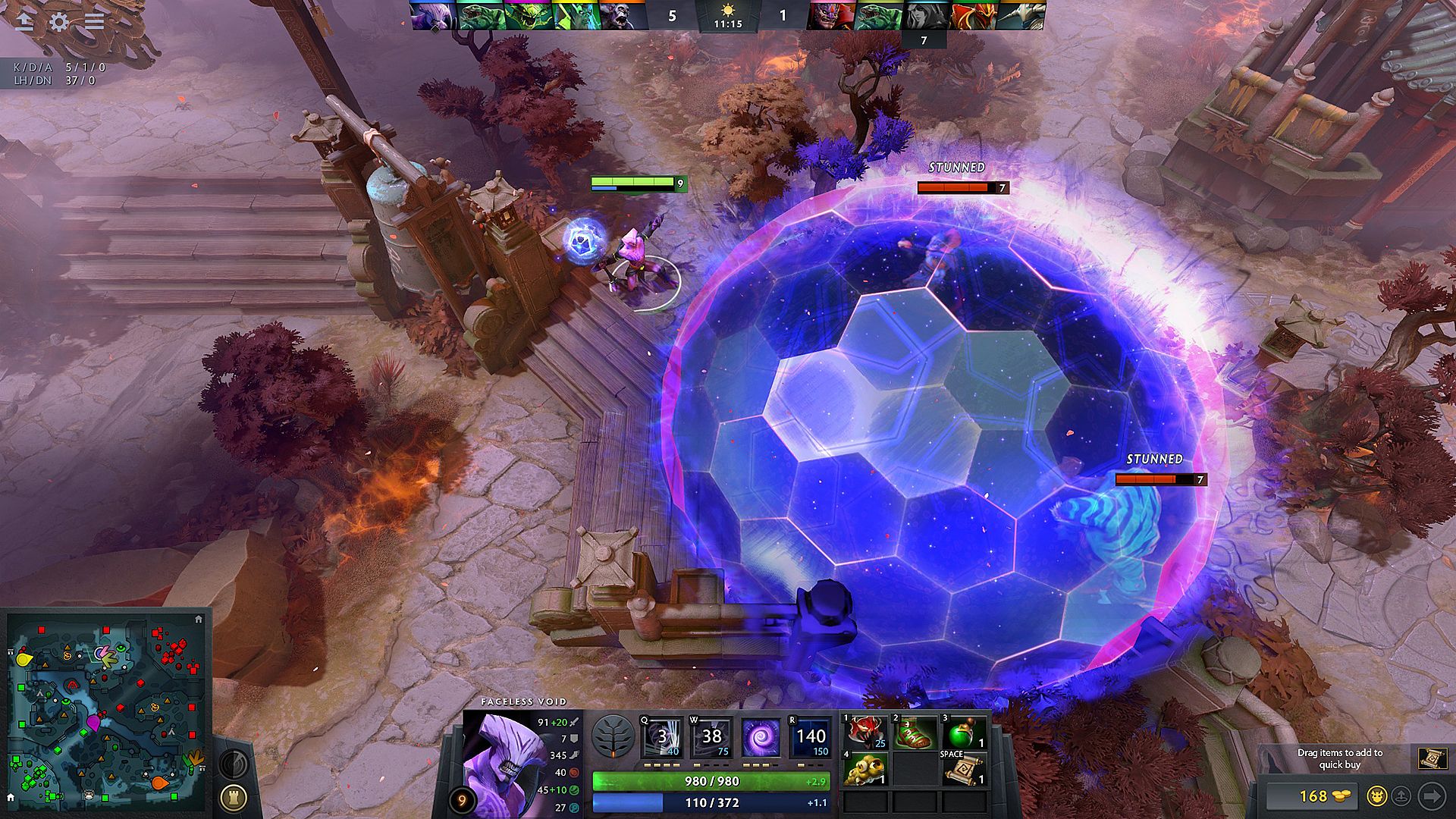
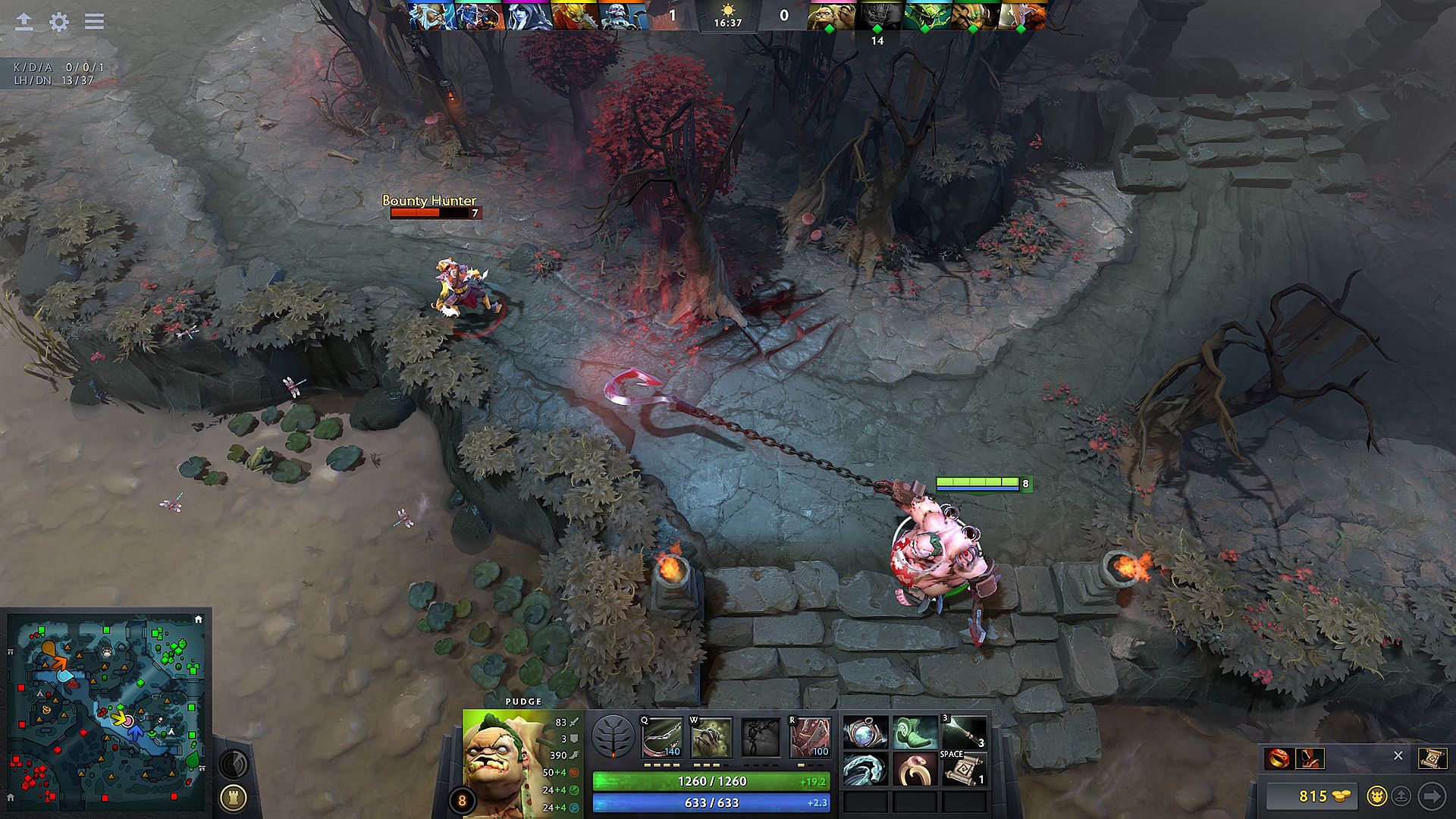
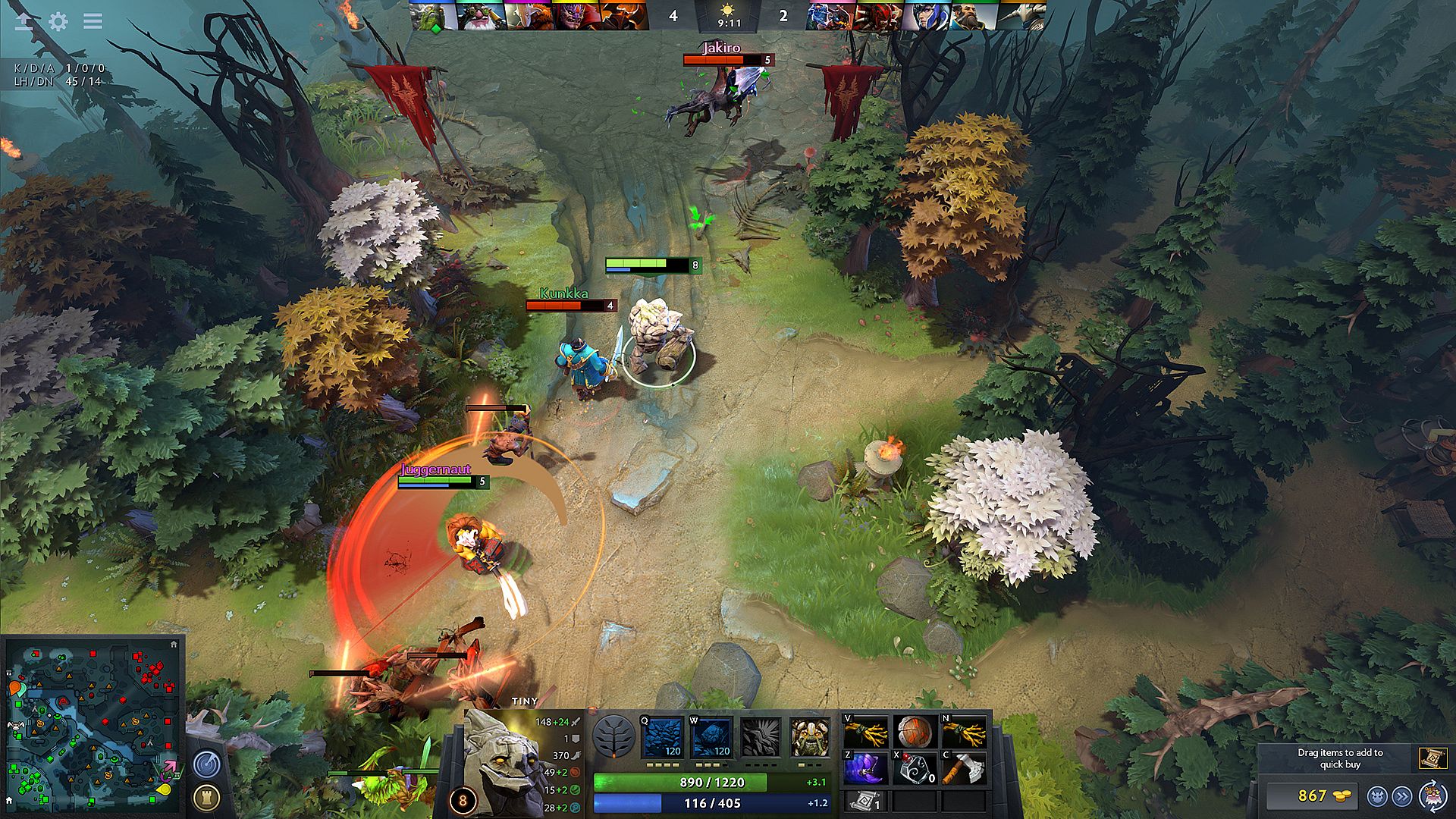
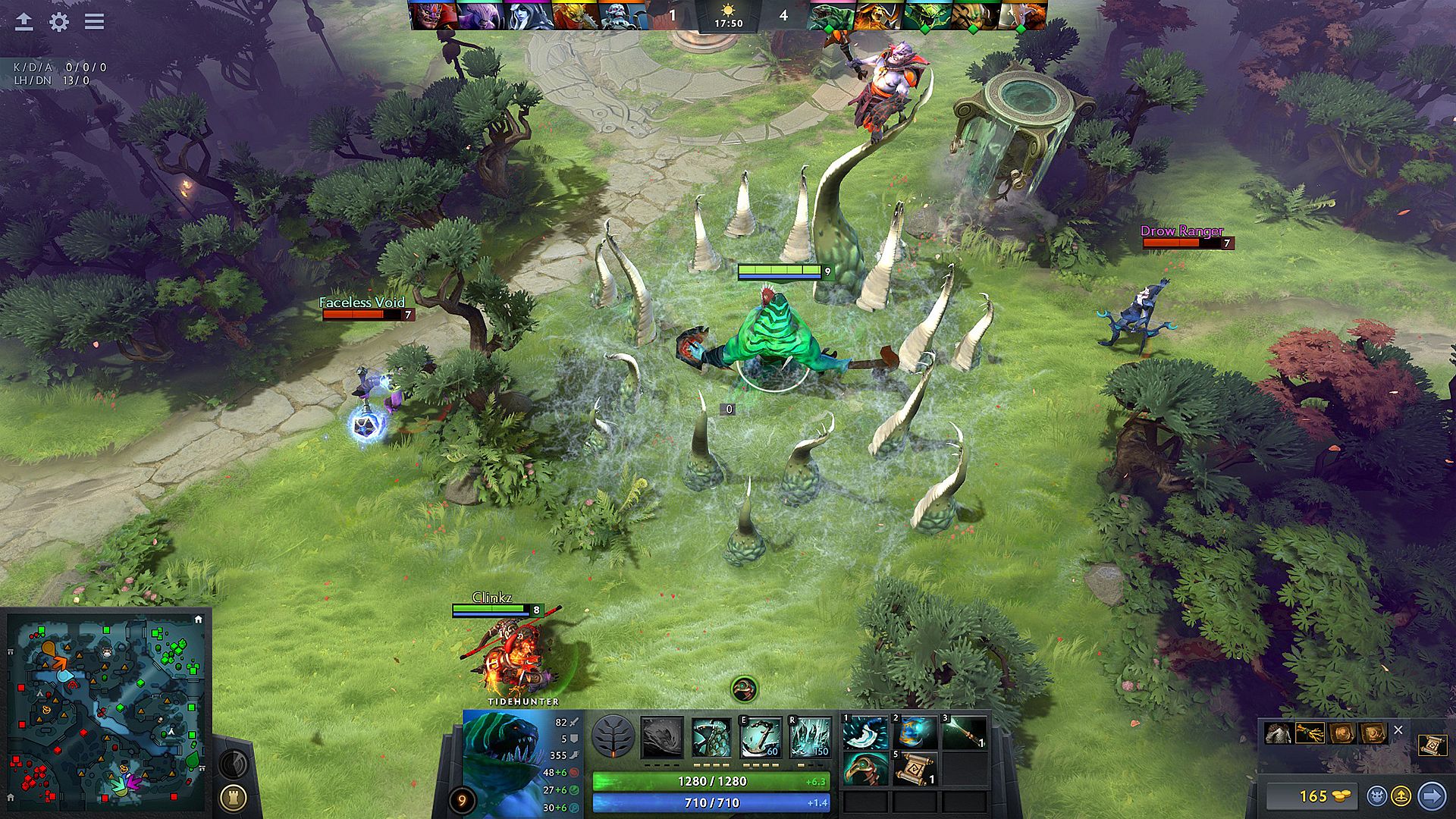
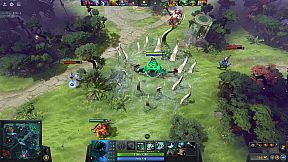
In Dota 2, matches unfold on a battlefield divided into lanes, where two teams of five players each control heroes from the Radiant or Dire side. Heroes gain experience and gold by defeating creeps, neutral monsters, and enemy heroes, using these resources to level up abilities and purchase items that enhance their strengths. The game emphasizes teamwork, with heroes filling roles like carry, support, or initiator, though flexibility allows for creative strategies. Regular mechanics include last-hitting for gold, denying creeps to hinder opponents, and coordinating pushes to destroy towers leading to the ancient. Recent additions, such as overhead indicators for consumables, refine these systems for better clarity during intense fights.
The item system offers depth, with thousands of combinations that can turn the tide of battle. Heroes like those introduced in updates, including the recent Largo from patch 7.40, bring fresh abilities that alter team compositions and counterplay options. Matches typically last 30 to 60 minutes, demanding quick decisions and long-term planning.
Game Modes
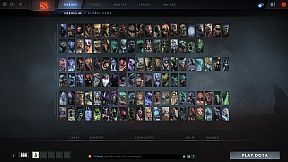
Dota 2 provides a range of game modes to suit different skill levels and preferences. All Pick lets players choose any hero from the full pool, making it accessible for casual games. Turbo Mode speeds up the experience with faster gold and experience gains, weaker towers, and quicker respawns, ideal for shorter sessions. Ranked All Pick follows similar rules but incorporates a matchmaking system based on skill and behavior, used for competitive play.
Other options include All Random, where heroes are assigned randomly, and Captain's Mode, where team captains draft heroes for everyone, common in professional settings. New Player Mode simplifies rules for beginners, while co-op matches against bots help newcomers practice. Limited-time events introduce modes like Diretide or Frostivus, adding thematic twists to the standard formula.
Updates and Current State
Dota 2 continues to evolve through frequent patches that balance heroes, items, and mechanics. As of March 2026, patch 7.41 has rolled out with bug fixes and quality-of-life improvements, addressing community feedback. The game hosts annual events like The International 2026, where top teams compete for massive prizes. Ongoing tournaments, such as ESL One Birmingham 2026 in late March, keep the competitive scene active with structured qualifiers and LAN formats.
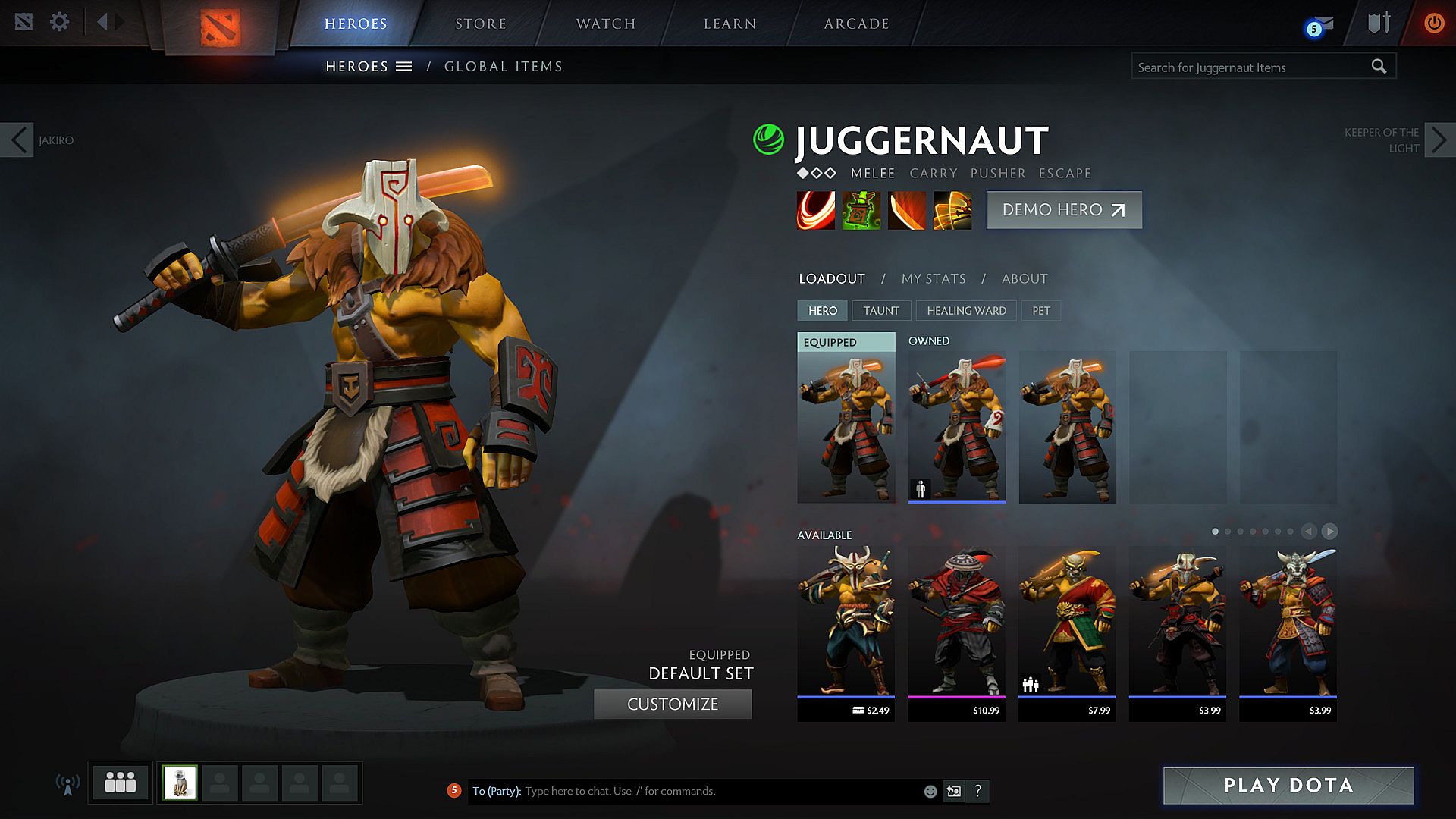
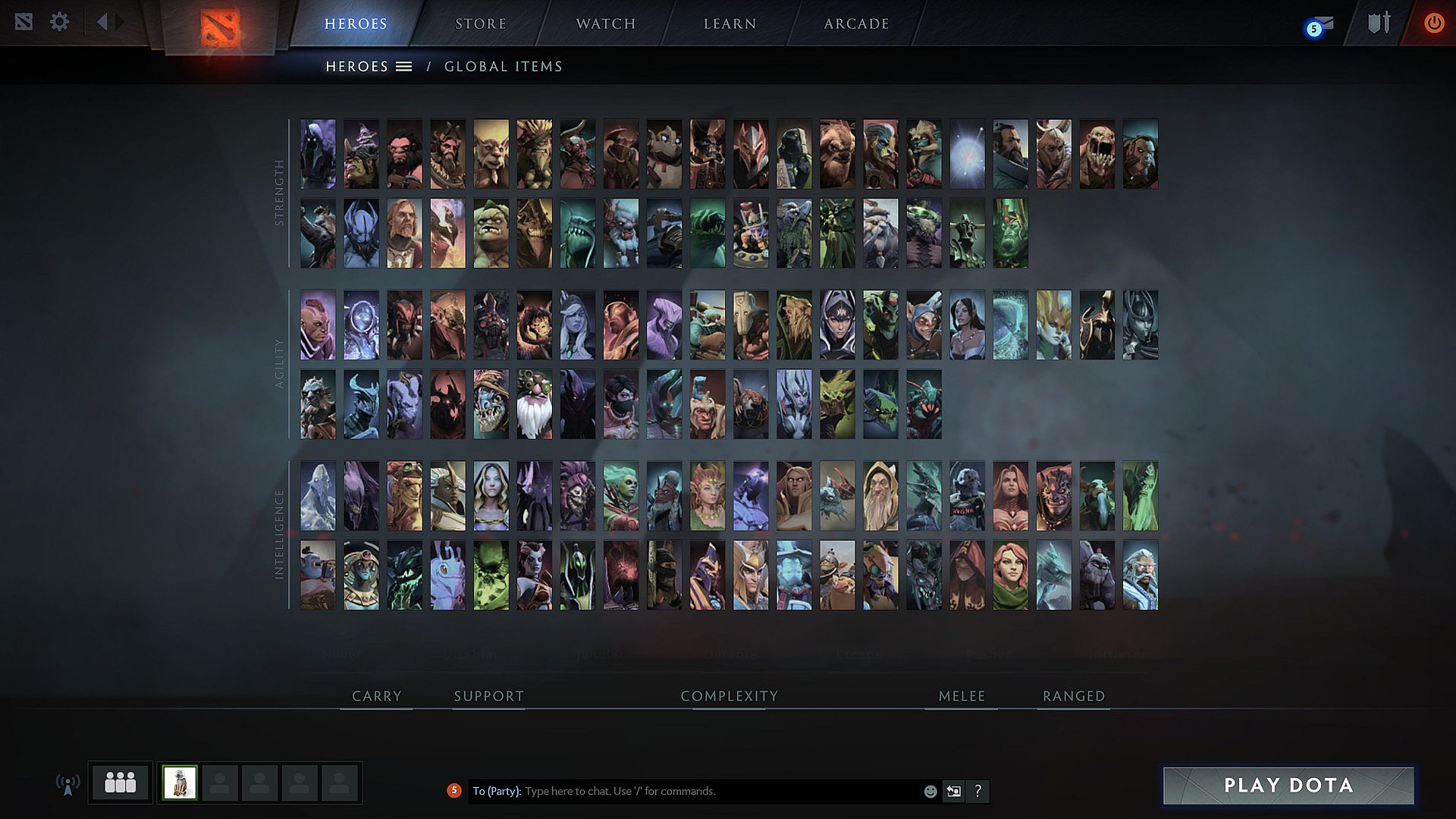
The hero pool exceeds 120, with regular additions ensuring variety. Community-created custom modes expand replayability, from battle royales to unique challenges.
Is It Worth Playing?
Dota 2 maintains strong appeal for those who enjoy deep strategy and team-based competition. With all heroes free from the start, it removes barriers to entry, allowing anyone to jump in without cost. Player reviews on platforms reflect this, with all-time ratings at very positive levels, including 88% positive from over 824,000 English reviews and a total of more than 2.6 million reviews. Recent feedback shows a mixed 66% positive from about 19,000 reviews in the last 30 days, often citing desires for more frequent updates, though the latest patches demonstrate ongoing support.
If you thrive on mastering complex systems and collaborating in high-stakes matches, Dota 2 delivers lasting value. Beginners can start with bot games or demo mode to build skills gradually. For strategy enthusiasts, the constant evolution and free access make it a solid choice in 2026.