

A note from the developer
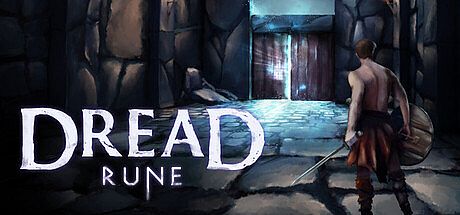
Dread Rune started life as a mobile game. The problem was, almost everyone who played it told me the same thing: "this feels like a PC game."
So I've brought it to Steam. Also for the selfish want of playing it on my Steam Deck.
This version includes improved post-processing effects, reworked character animations, and full Steam Deck support, plus a tonne of changes I've brought over from its sister game, Dread Protocol: improved dungeon generation, faster load times, and allies that now persist between floors, to name but a few.
It's not just about swinging your sword
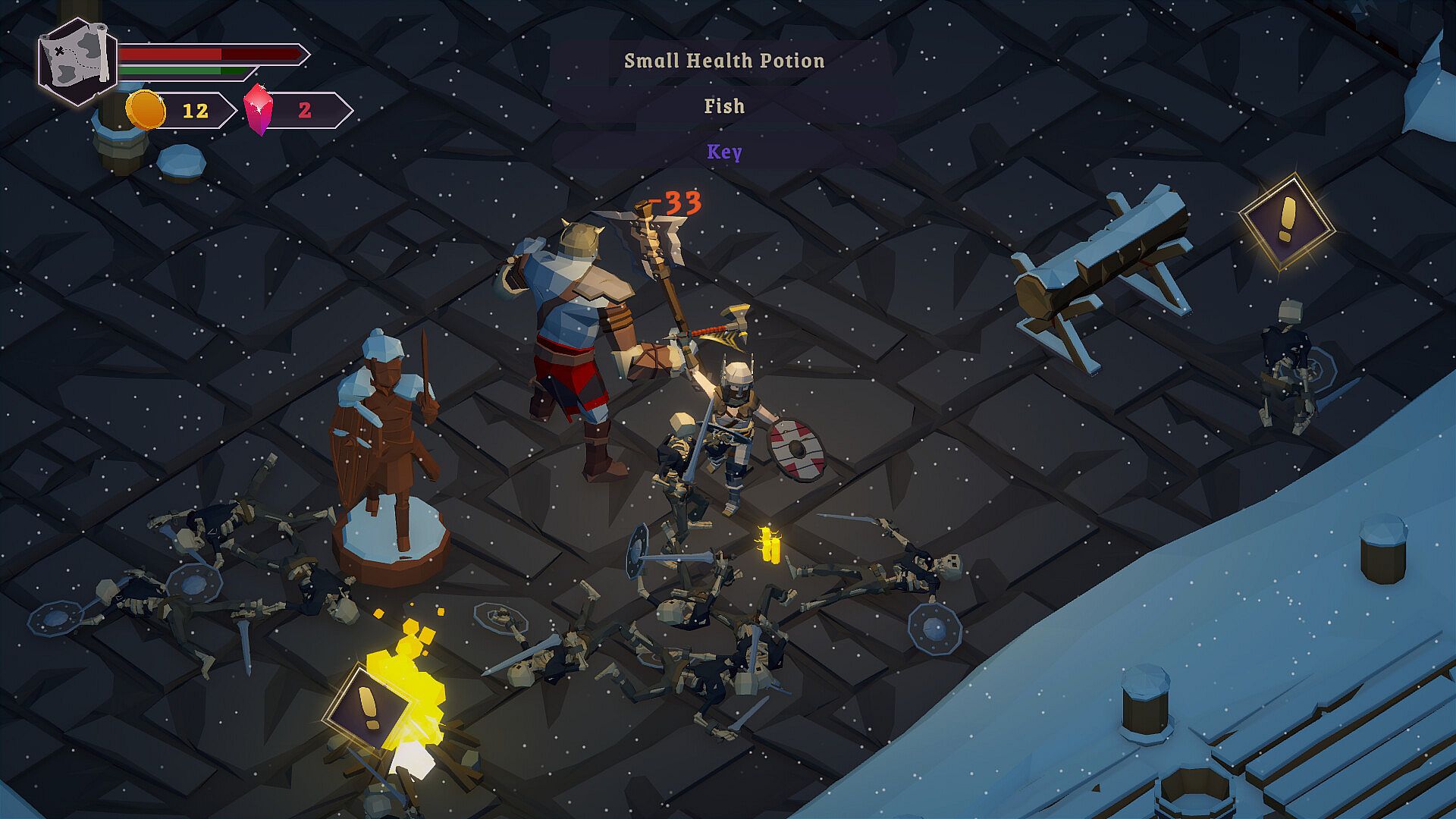
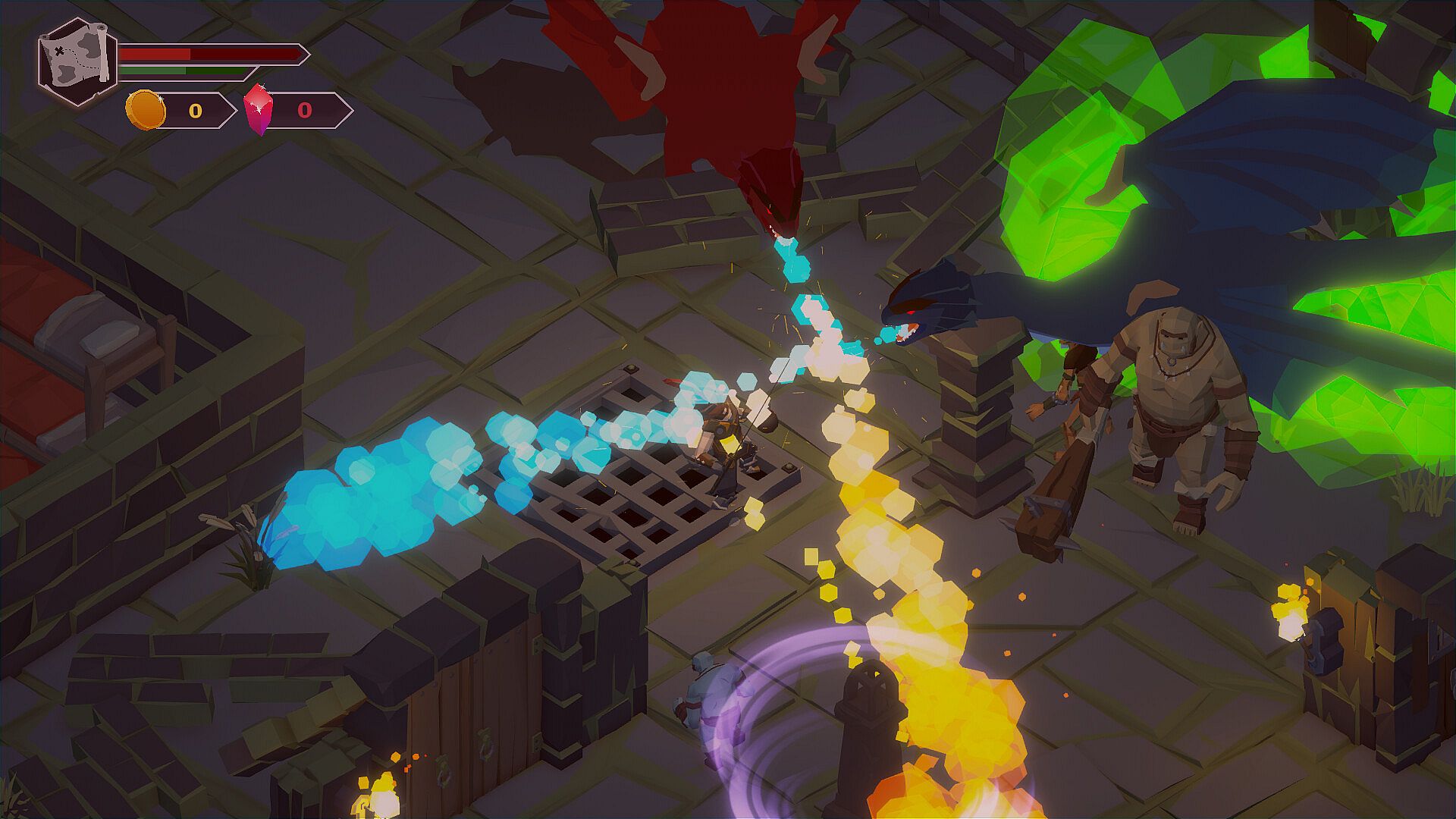
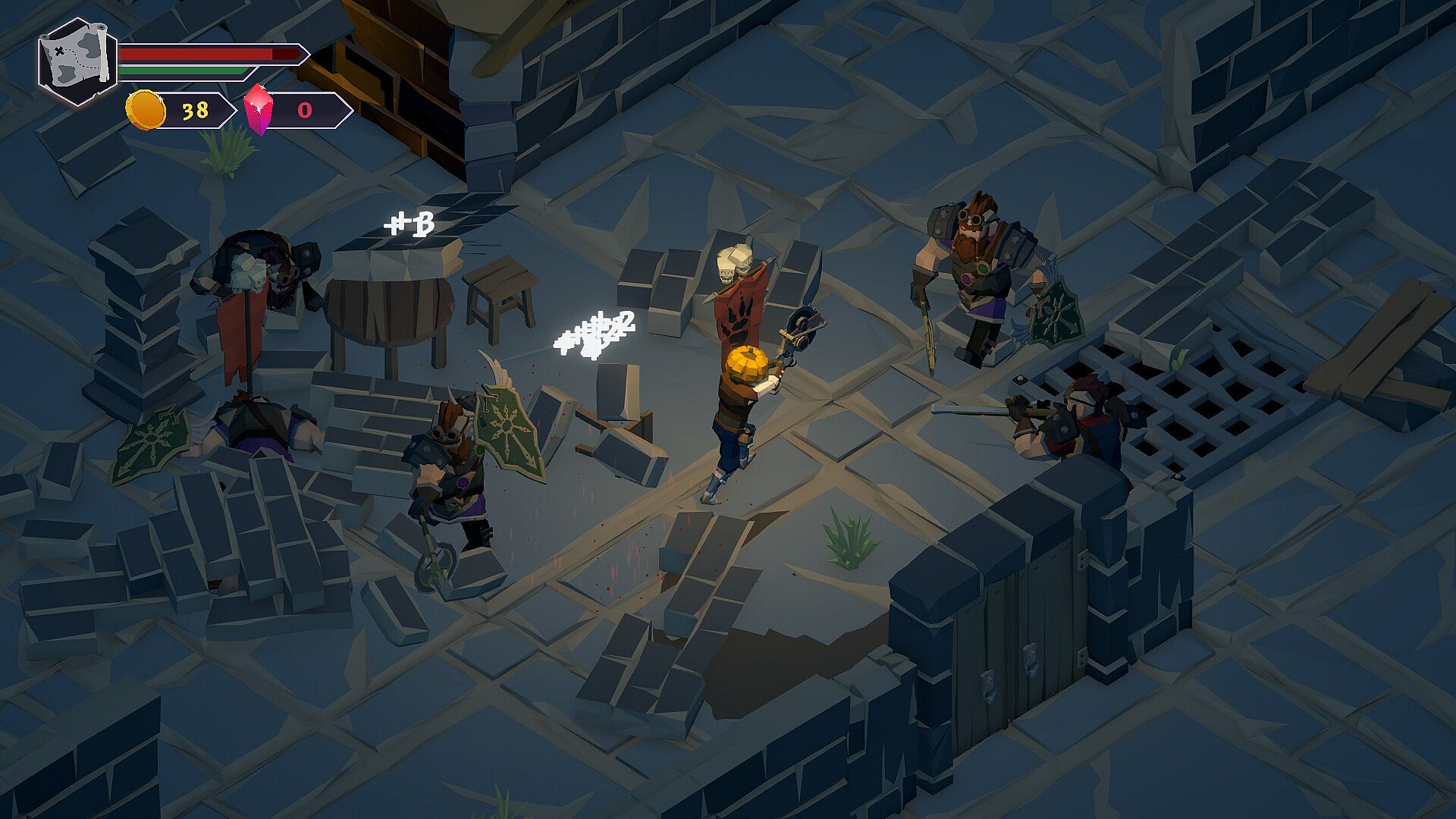
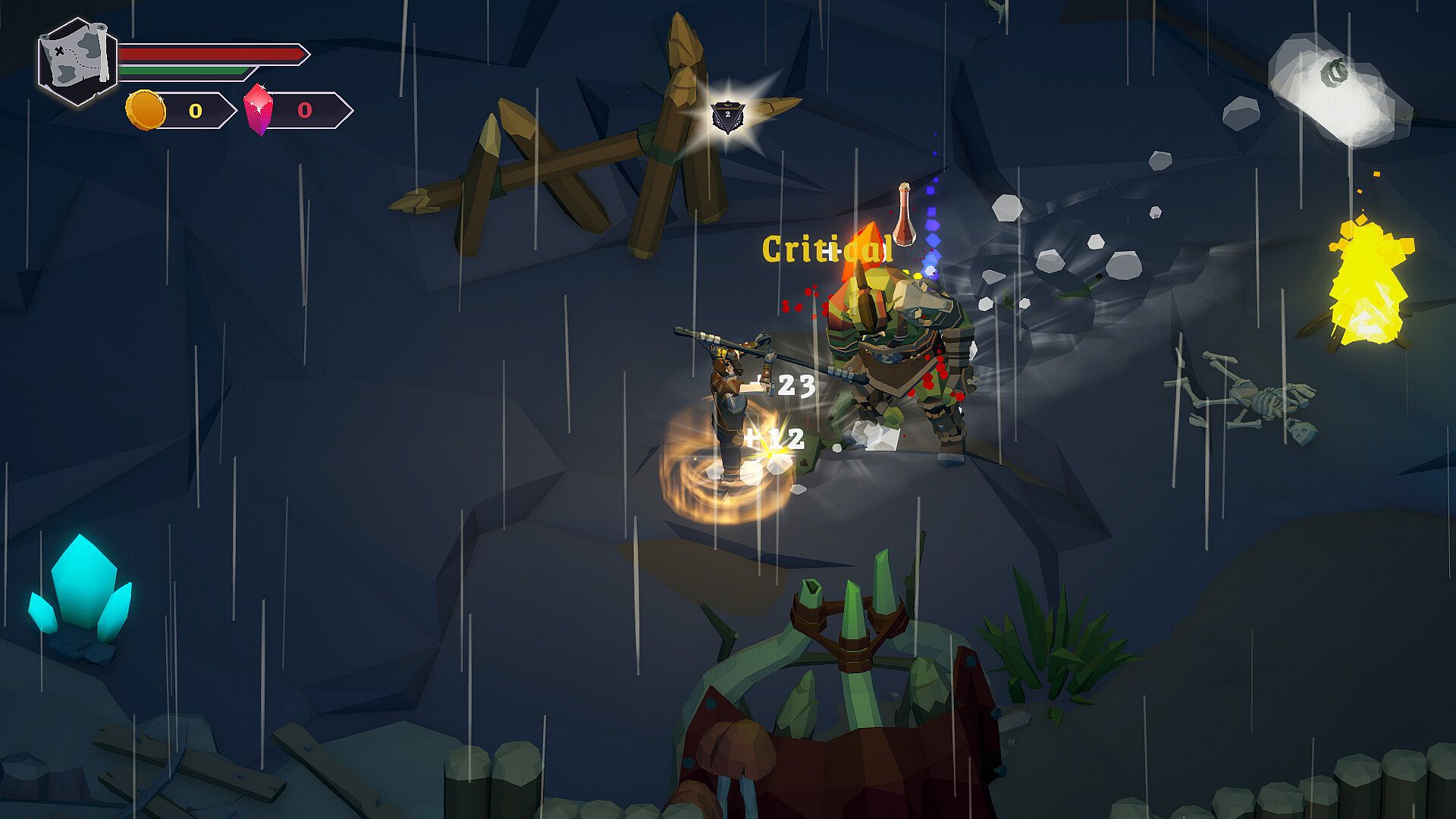
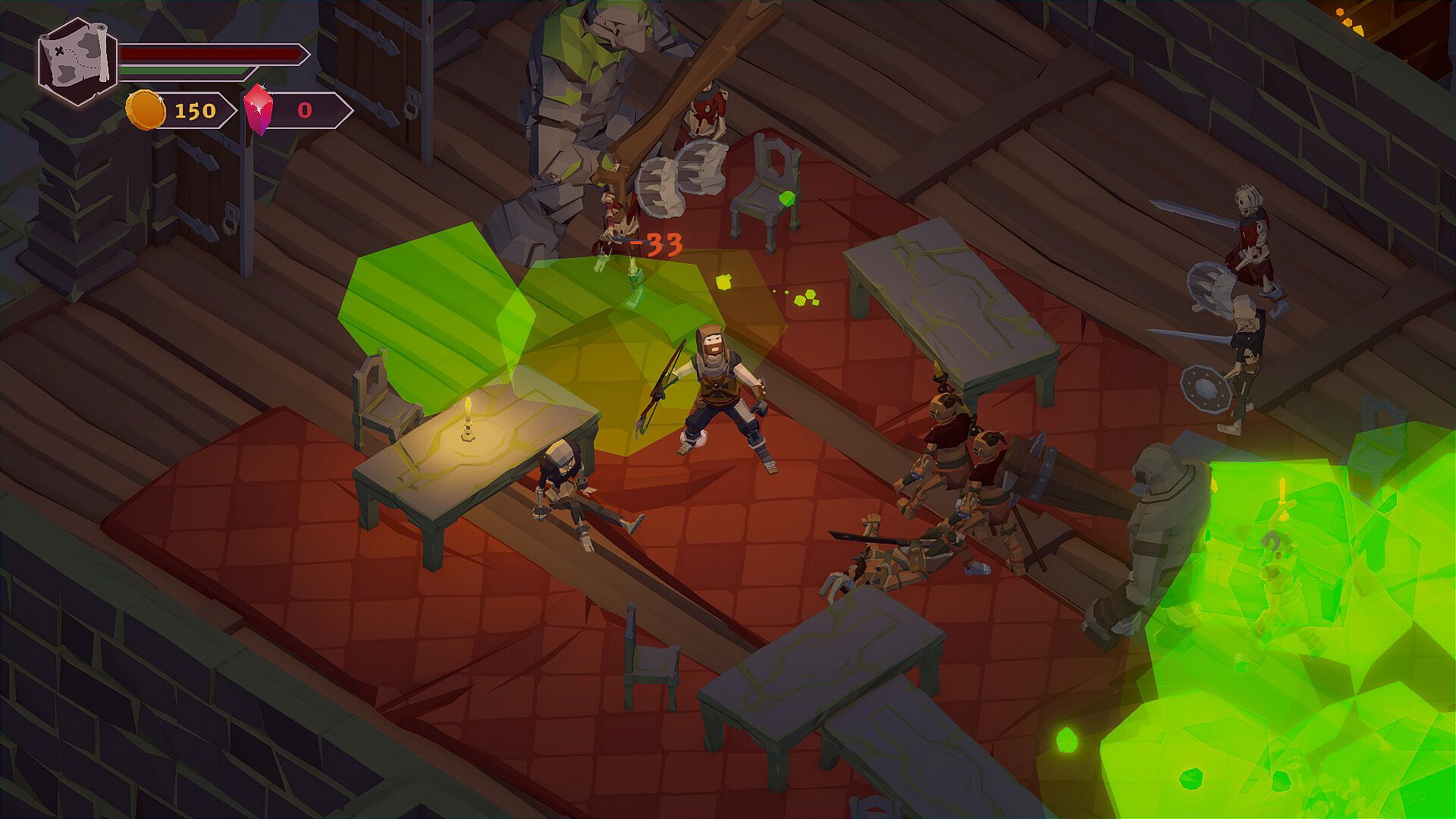
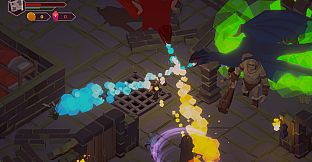
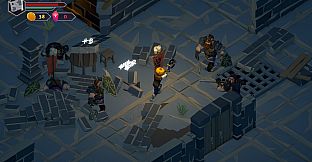
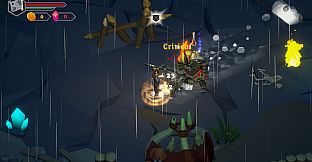
Every run is different: twelve playable heroes, randomized levels and enemies, and over 130 items to find. Inspired by Pixel Dungeon, Dread Rune is a hack-and-slash on the surface, but the real game runs deeper. Winning is part skill and part knowing how to get the most out of what you find.
The scroll you saved. The rune you gambled on. The health potion you wasted early that now comes back to bite you. Knowing what you've found, and how to get the most out of it, is what separates a good run from a great one.
Item degradation...
Your gear wears down as you use it. I know it's not for everyone, but for me it's one of my favourite parts of the game, and it's really important to the core loop. It means your best weapon isn't a crutch you can lean on forever. You'll need to use the blacksmiths dotted around the map, or save your best weapons for boss fights and sticky situations.
Dread Rune includes
Randomized runs. Randomized levels, enemies, and item drops make every run different.
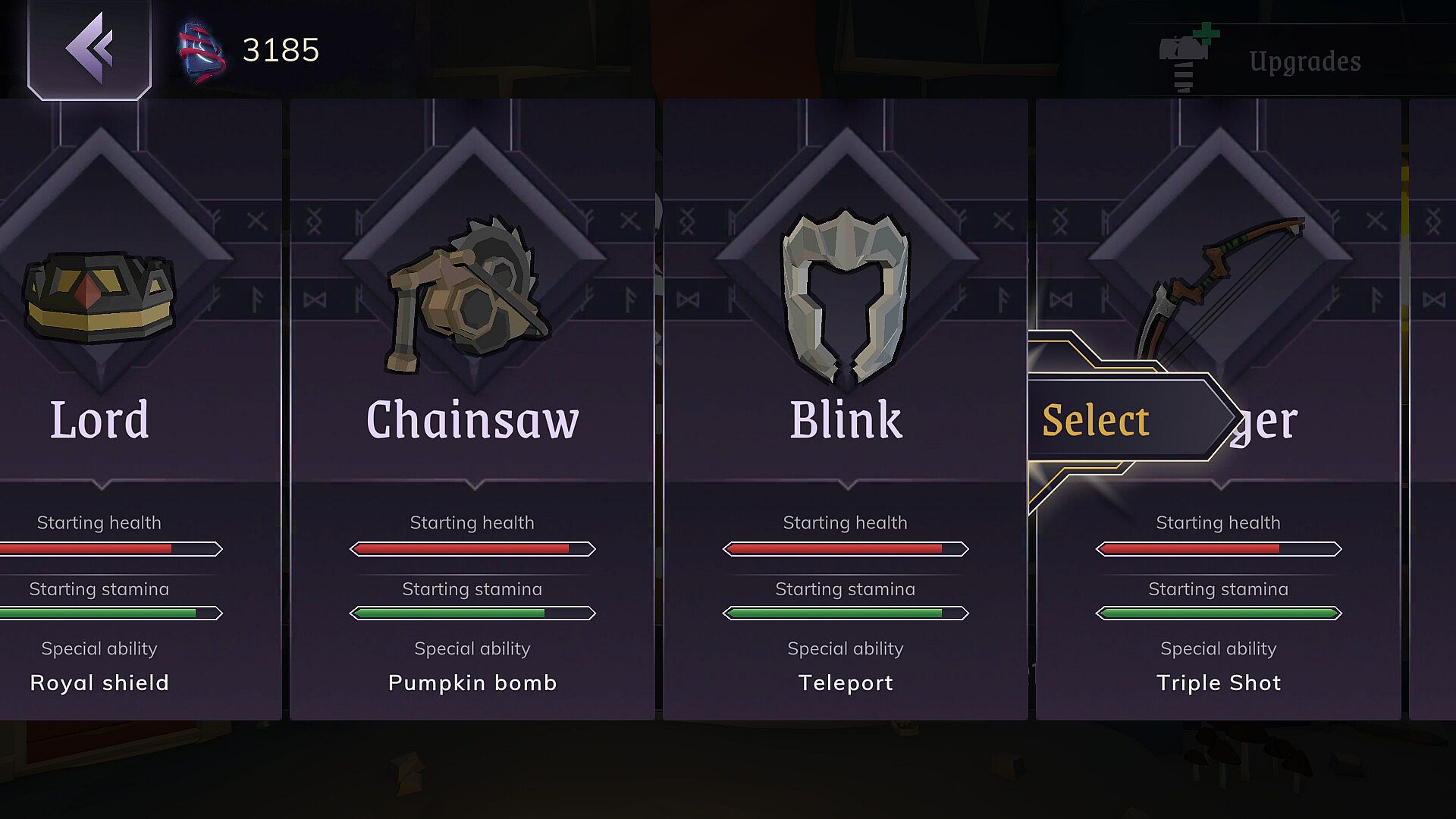
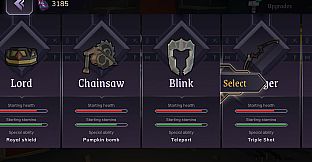
12 playable heroes. From Pirates and Mages to Drunks, Chefs, and the mysterious Blink, each hero has unique abilities, starting stats, and items.
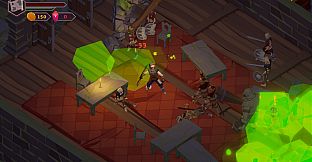
5 distinct dungeon regions. Each with its own enemies, environments, and challenges.
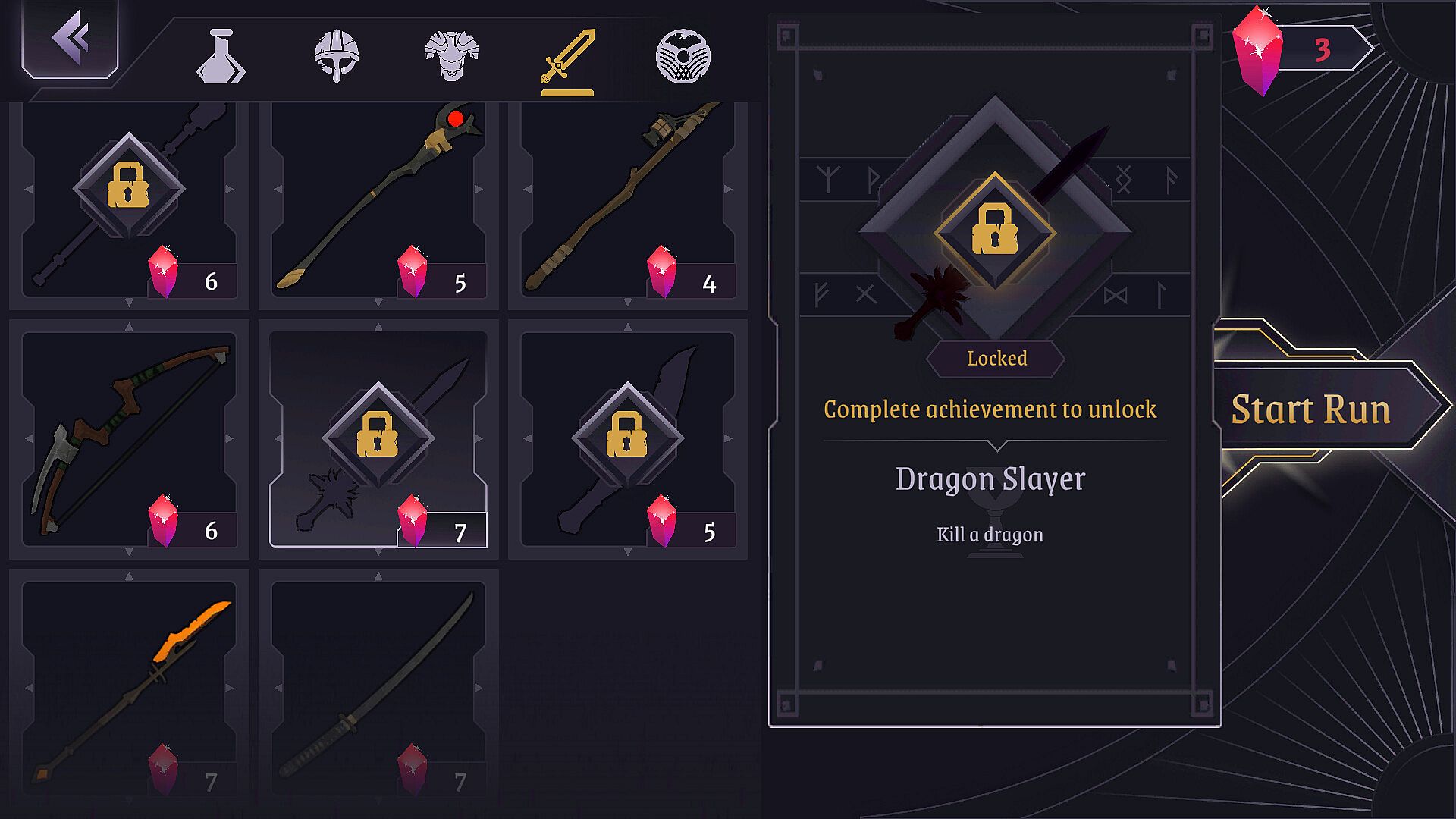
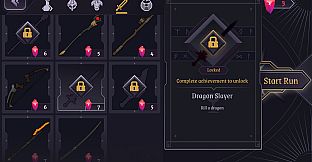
Over 130 items. Runes, scrolls, weapons, and armour, all of which wear down with use, so choosing when to use them matters.
30+ enemies, 10 traps, and 5 bosses. Everything down here is trying to kill you.
Destructible environments. Blast your own path through the dungeon.
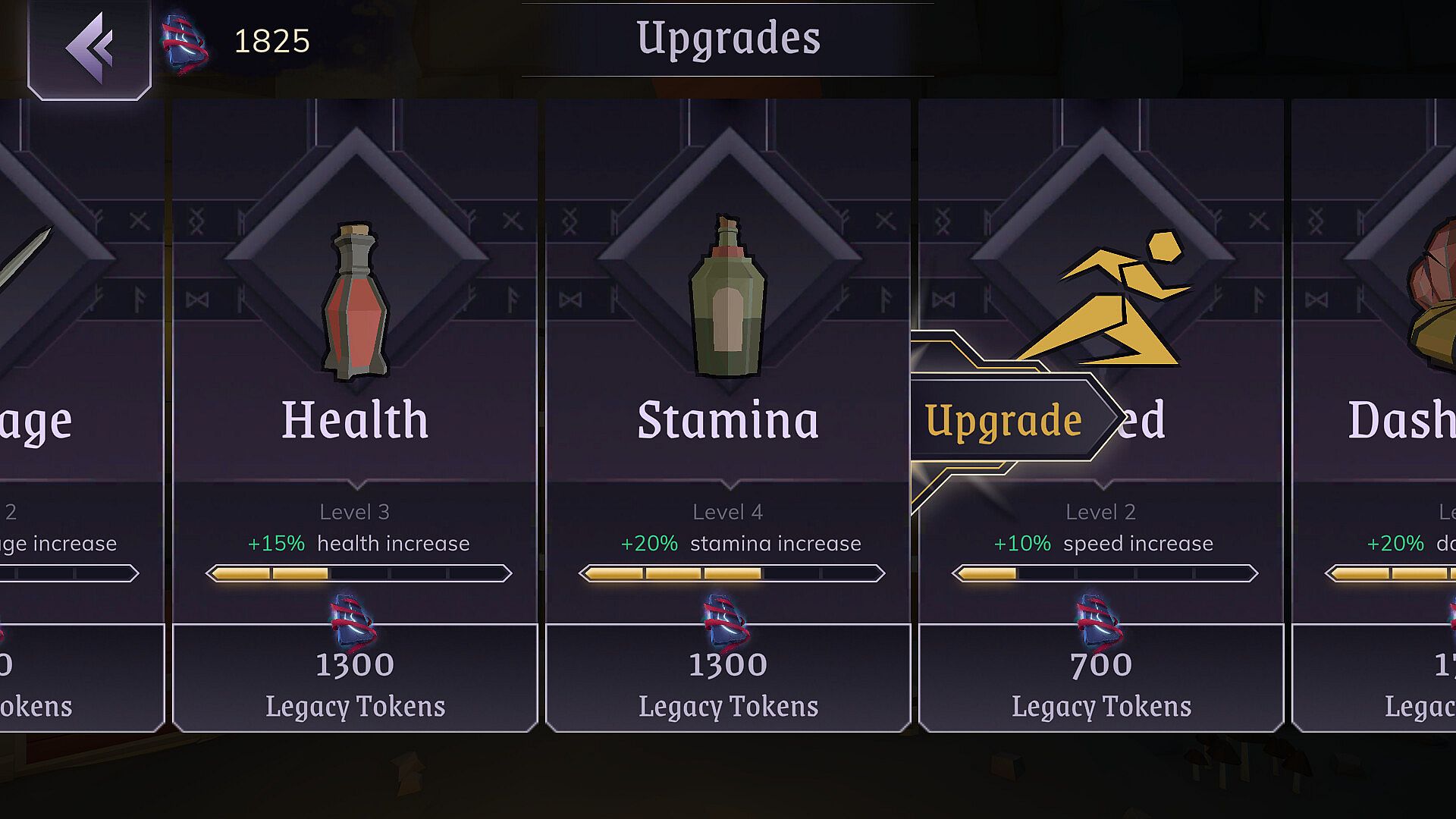
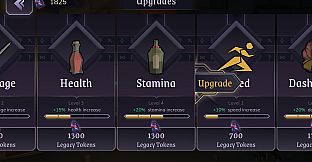
Persistent upgrades. Improve your Damage, Health, Stamina, Speed, Dash Speed, Carry Capacity, and Special Cooldown between runs.
18 random events. Sometimes good, mostly bad. Discover them all, if you dare.