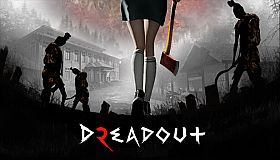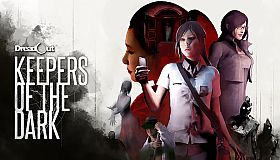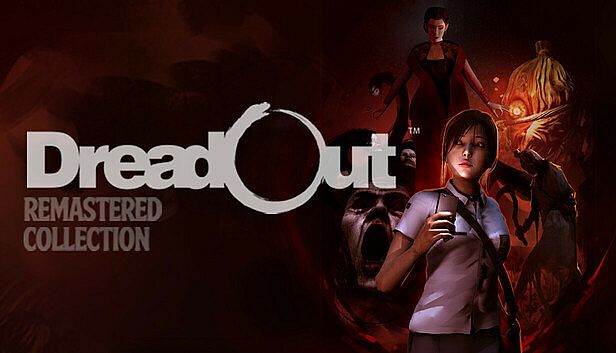


















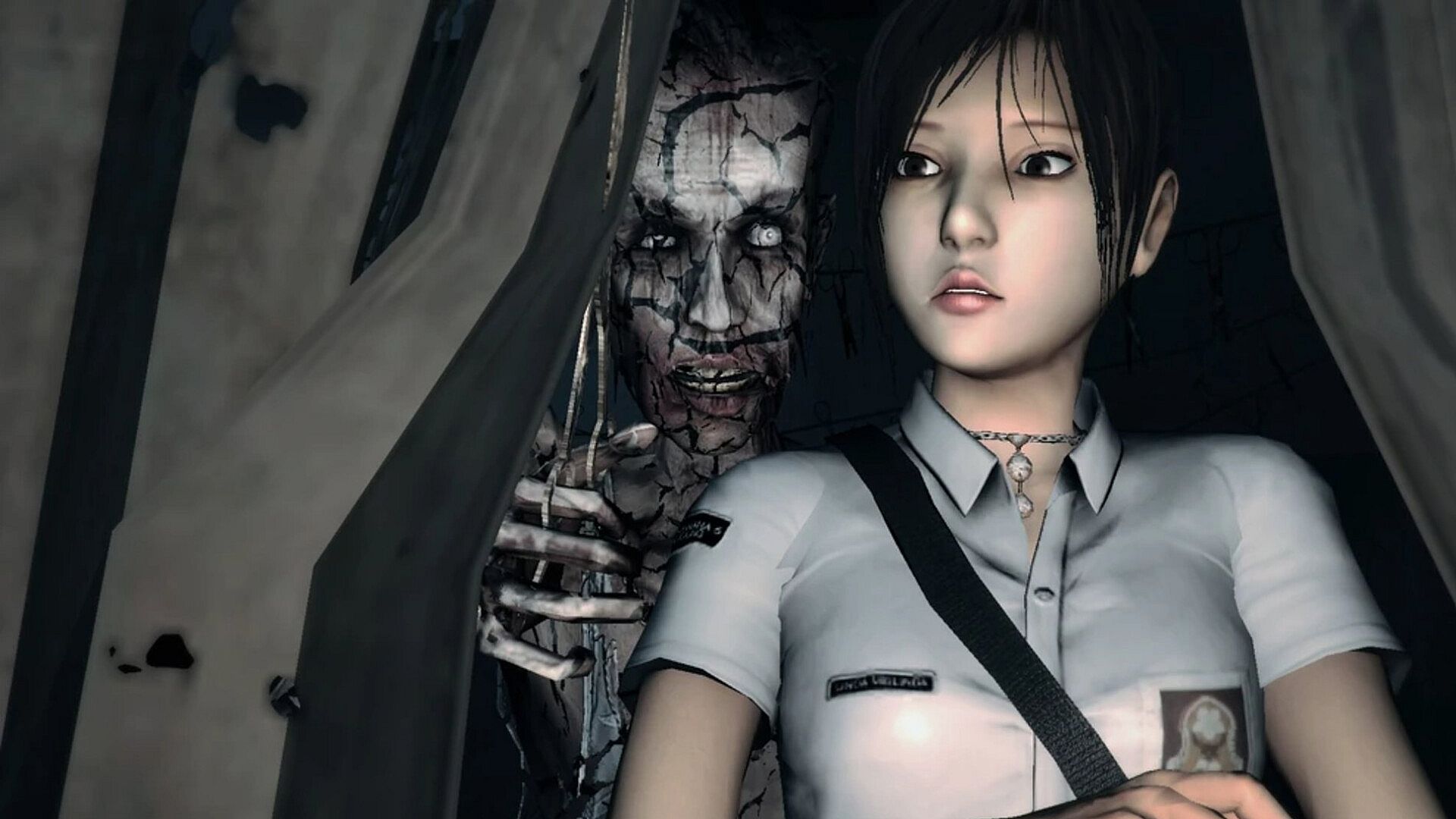
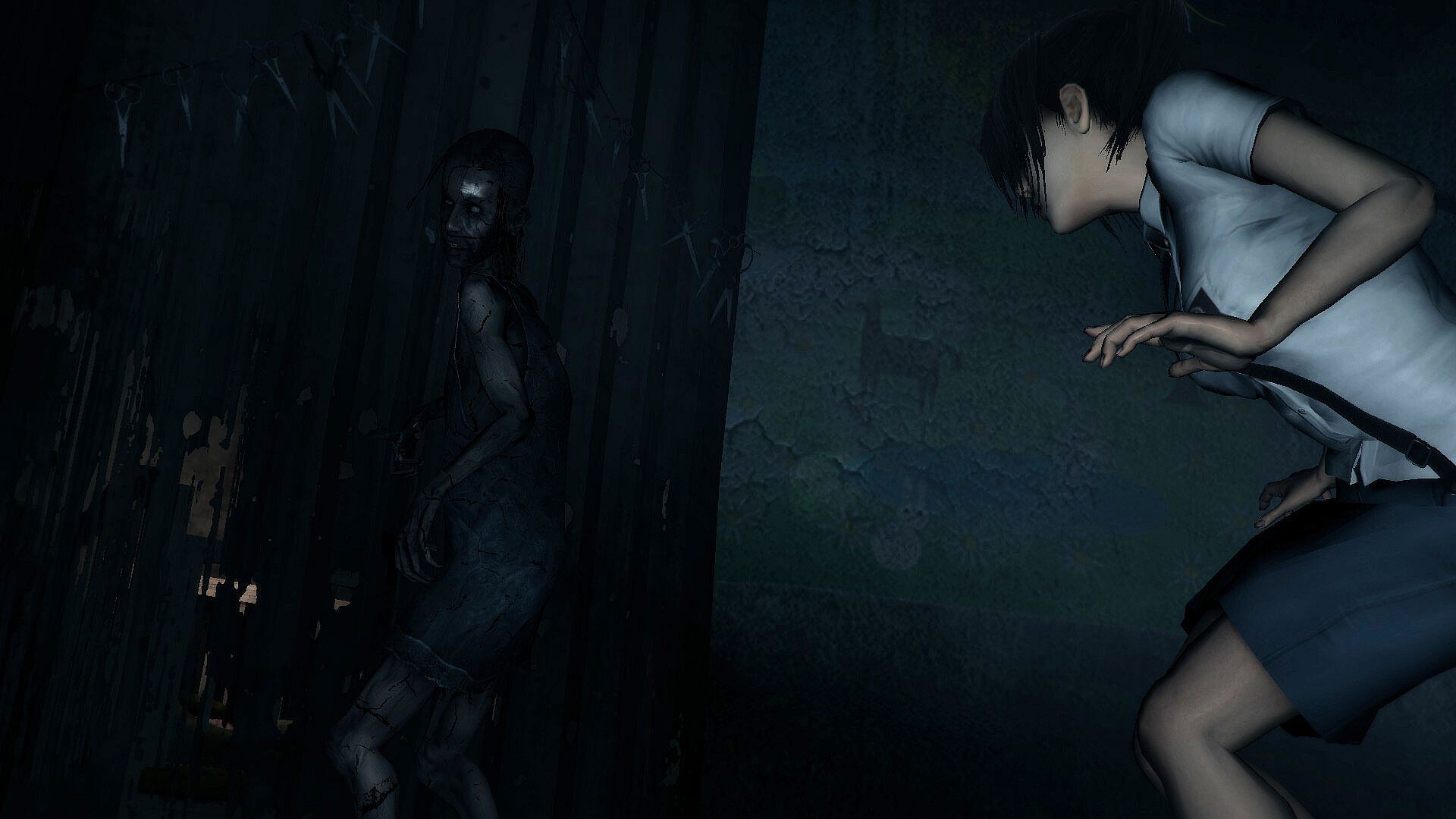
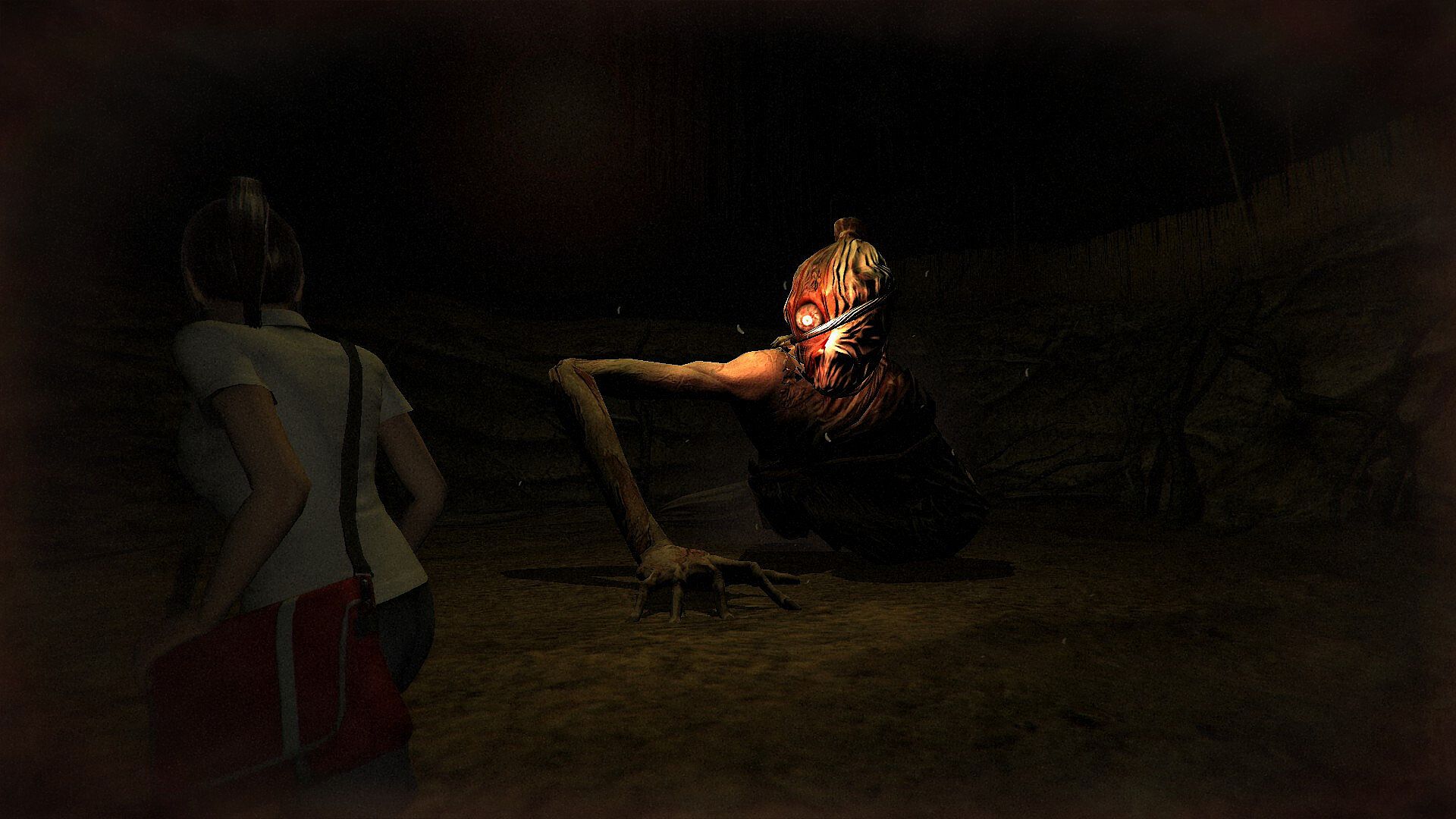
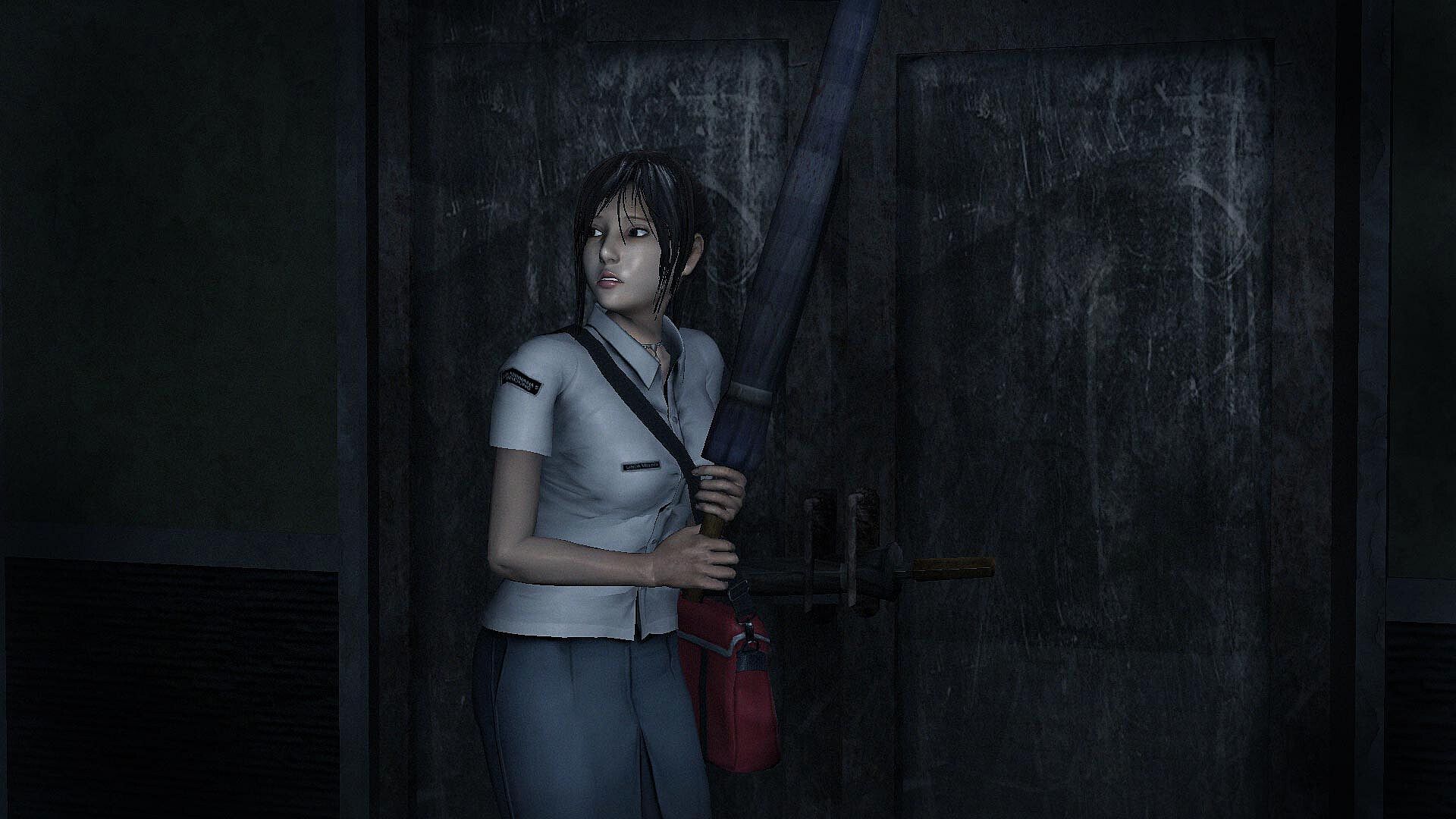
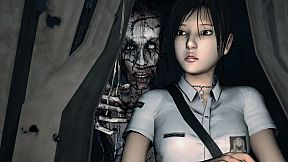
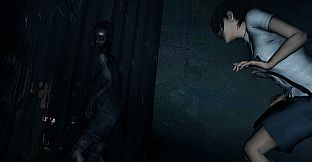

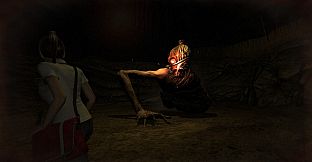
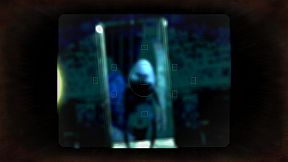
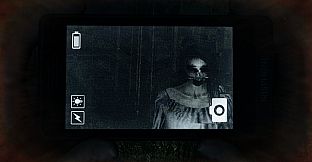
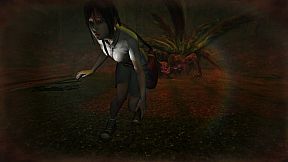
DreadOut Remastered Collection delivers a third-person survival horror experience centered on supernatural encounters and puzzle-solving in abandoned Indonesian settings. Players take control of high school student Linda, who relies on a smartphone and SLR camera to confront ghosts and uncover the mysteries of a forgotten town. The package combines two original titles from 2014 and 2016 into one remastered release, with updates that enhance visuals, controls, and performance for modern hardware while preserving the core tension of facing otherworldly threats.
Gameplay
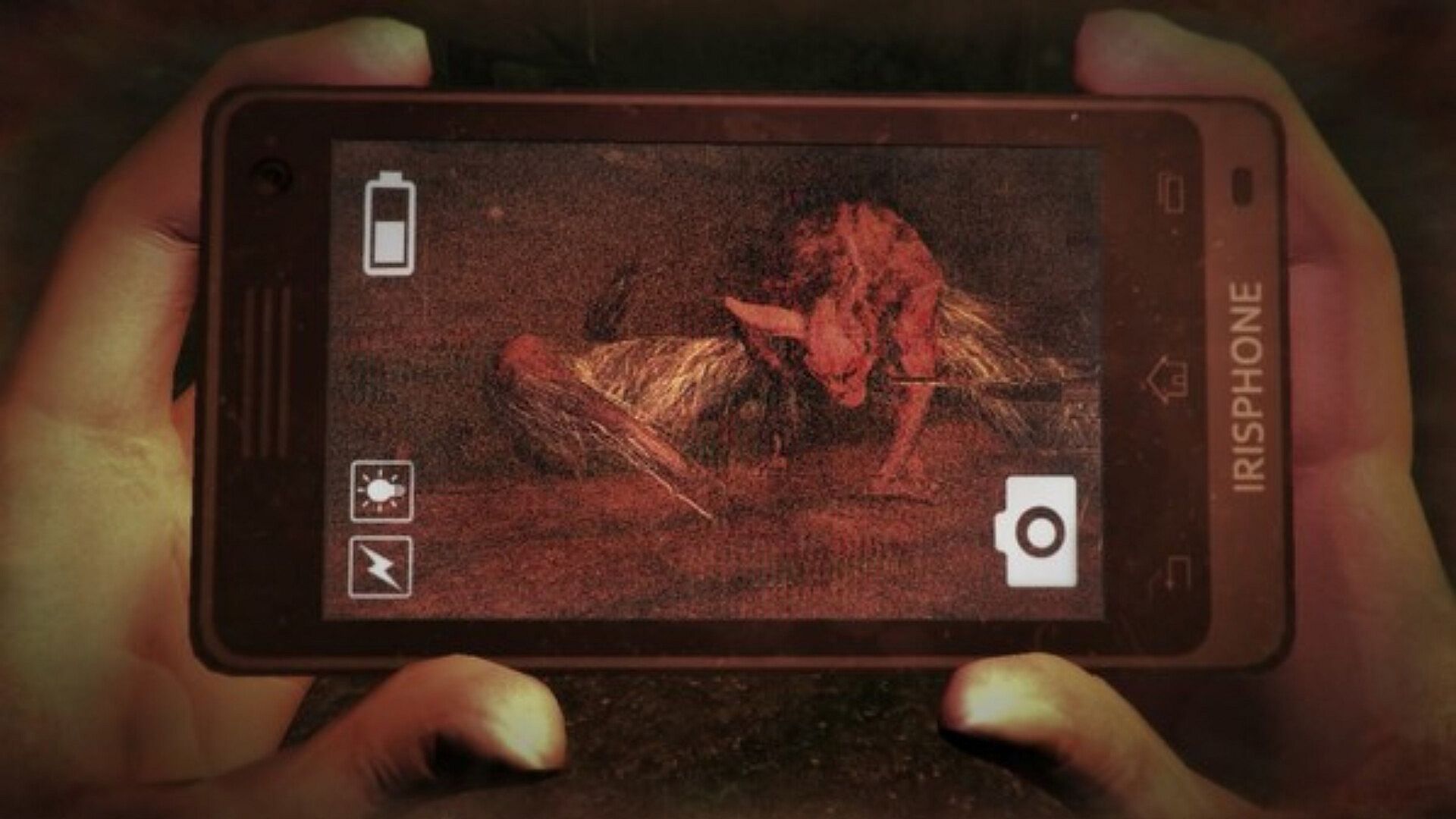
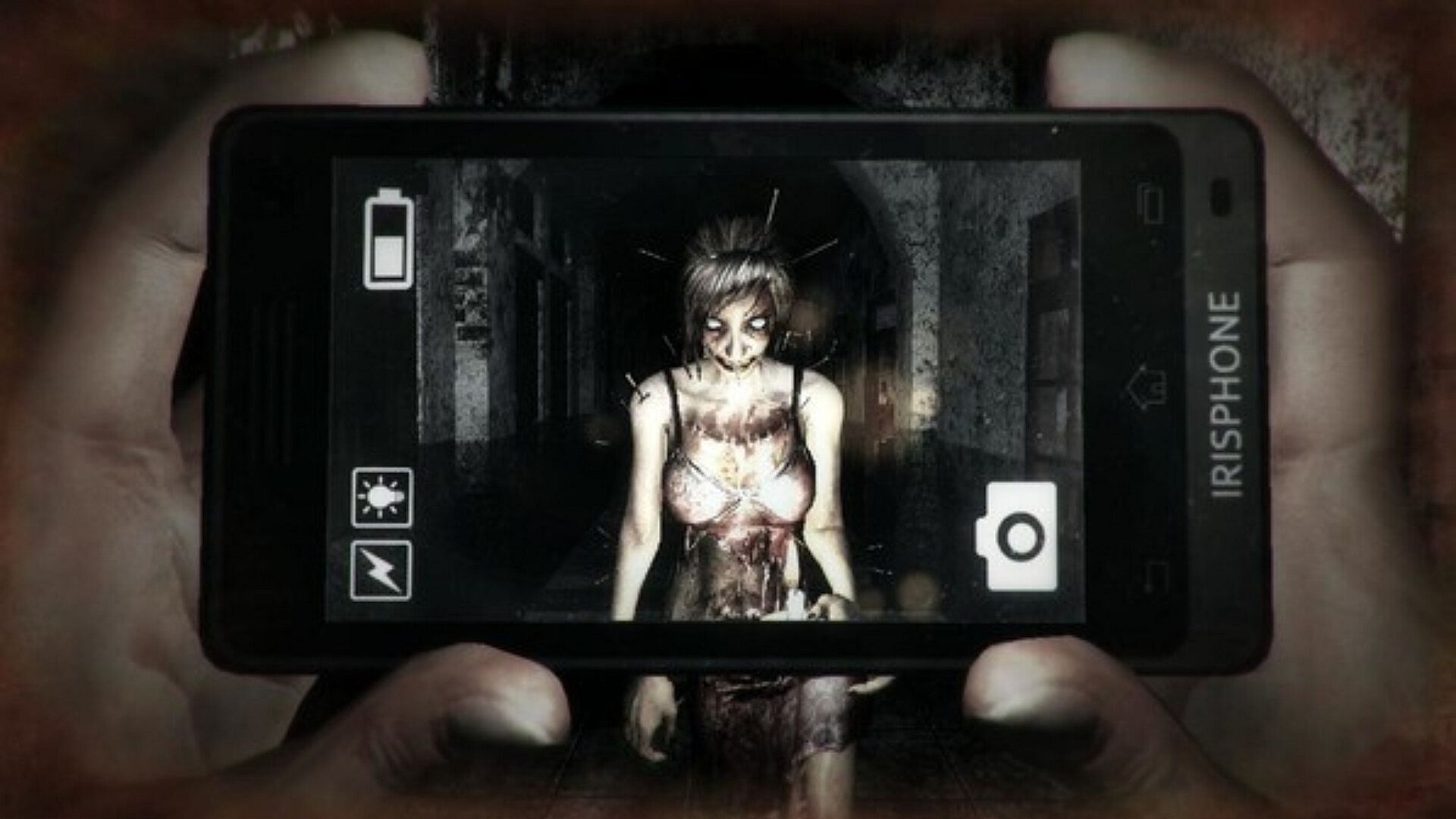
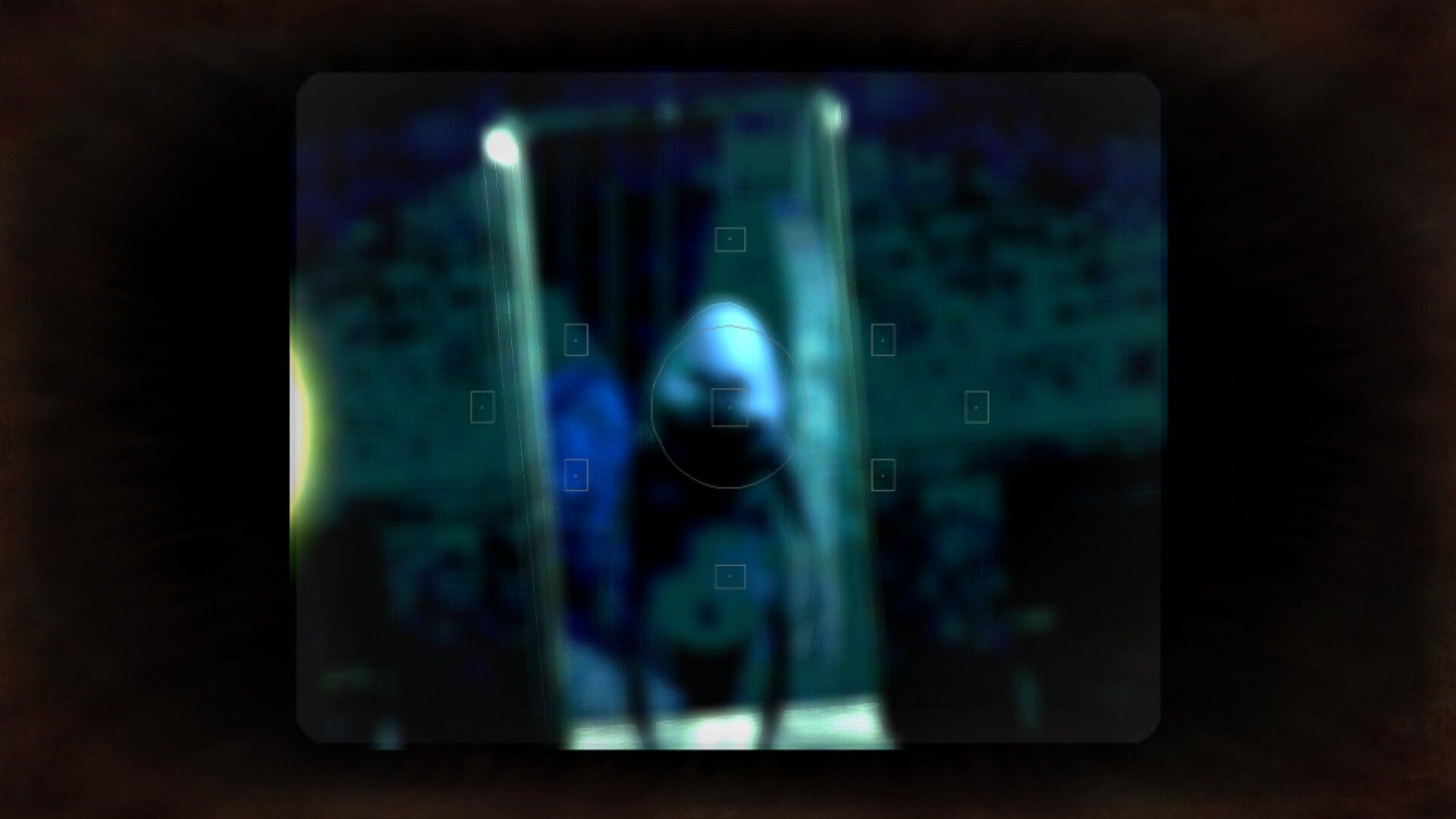
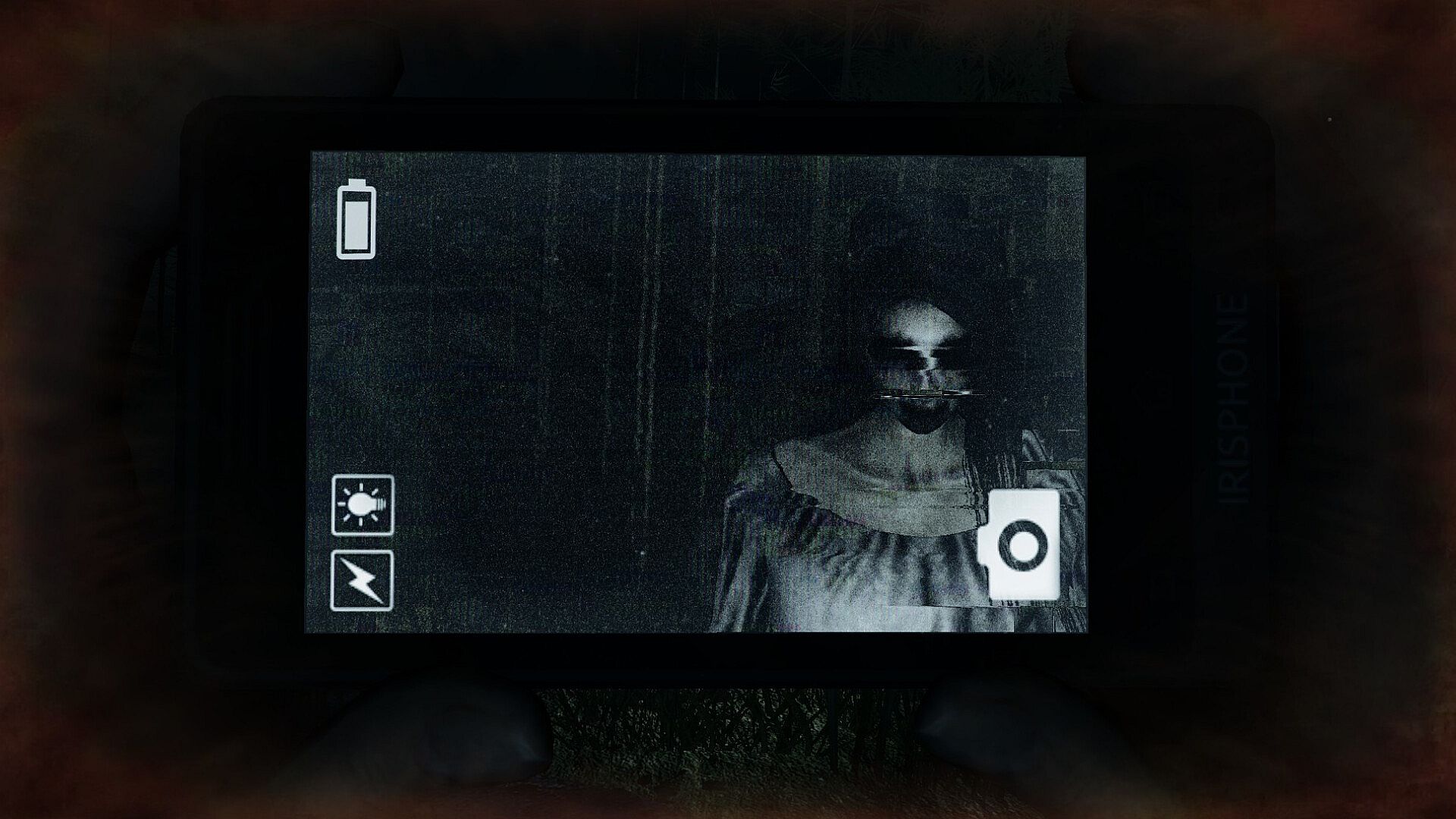
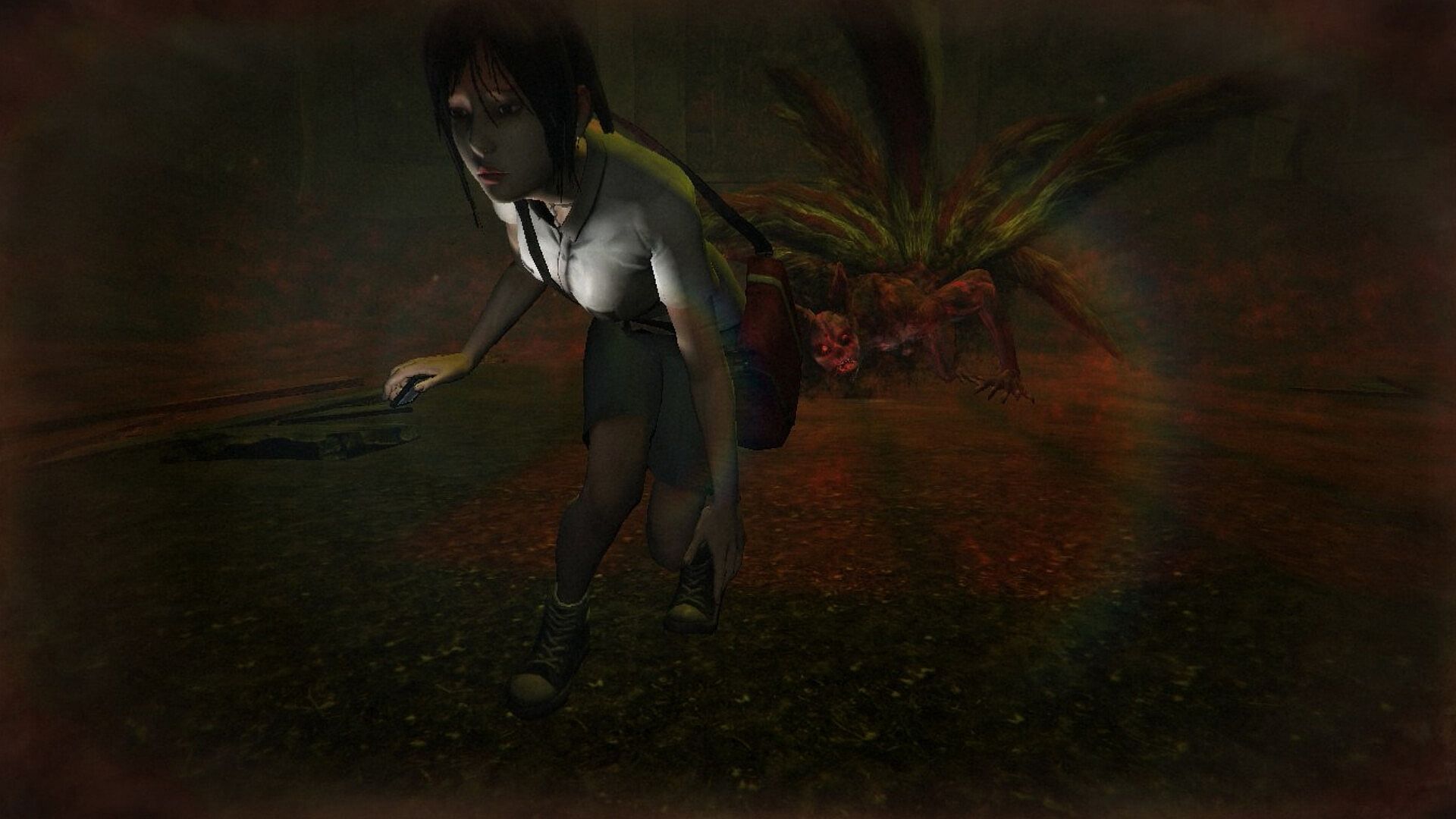
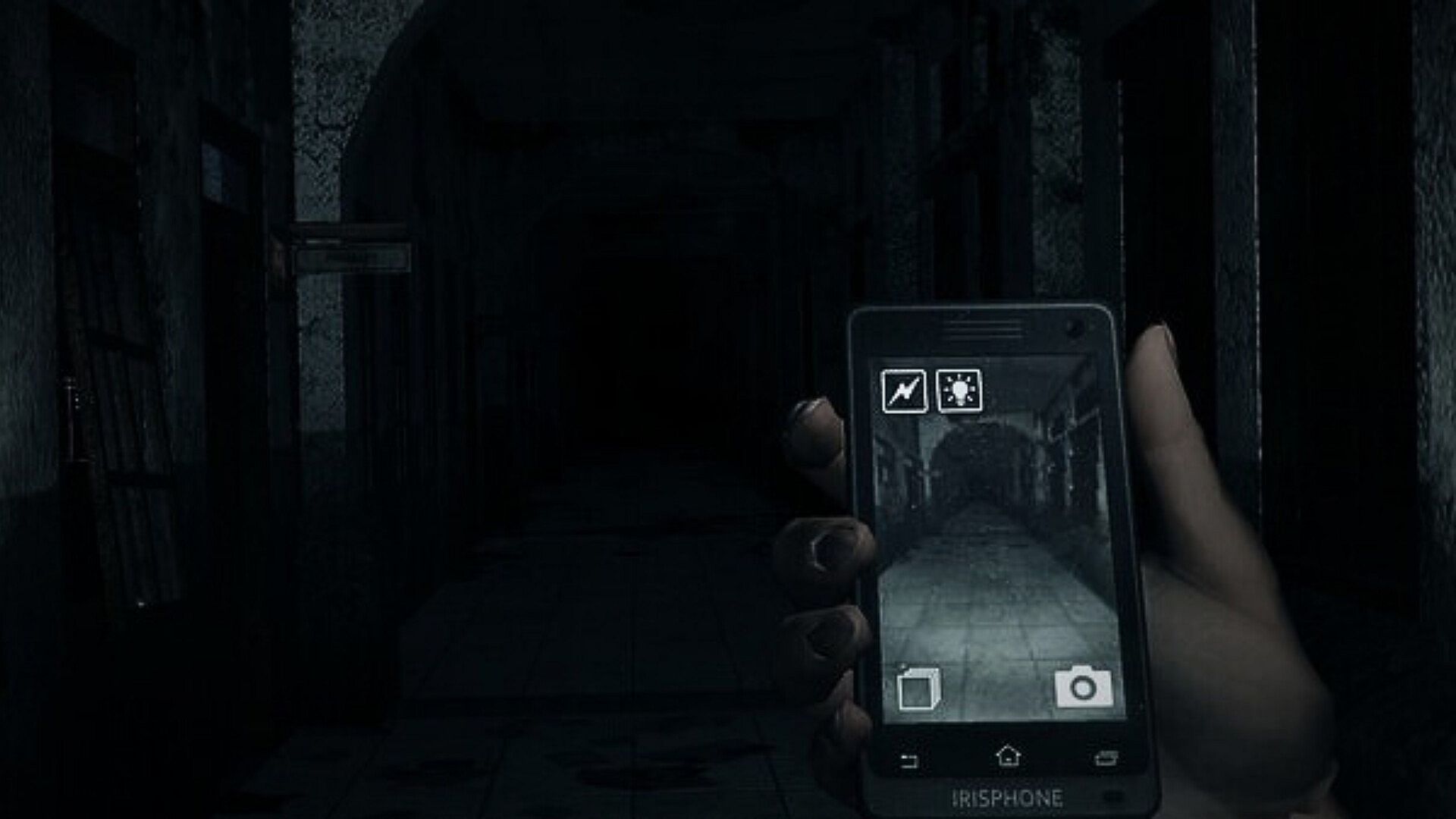
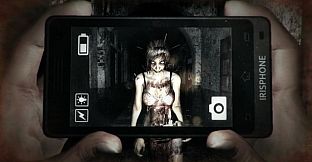
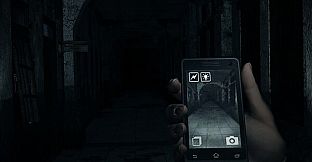
The core loop revolves around exploration, combat, and investigation. Linda navigates eerie environments where sinister forces manifest through apparitions and environmental hazards. The smartphone serves as a detection tool to reveal hidden threats, while the SLR camera acts as the primary weapon by capturing and banishing ghosts through targeted photography. Puzzles often require interaction with the surroundings or use of these devices to progress, blending survival elements with narrative discovery. Remastering improvements include an updated lighting system with post-processing effects, refined textures and shaders, ambient occlusion, motion blur, bloom, and SMAA anti-aliasing. Cutscenes receive upscaled resolution, load times shorten significantly, and the UI gains a full-screen warning menu. Controls benefit from better analog input handling, adjusted sensitivity, smoother DSLR aiming, and reduced movement drifting for tighter navigation.
Both titles share the same engine foundation, now upgraded to a newer Unity version that supports enhanced performance across PC and supported consoles. Brightness adjustments and shader refinements contribute to a more consistent visual presentation without altering the original atmosphere of dread and isolation.
Game Modes
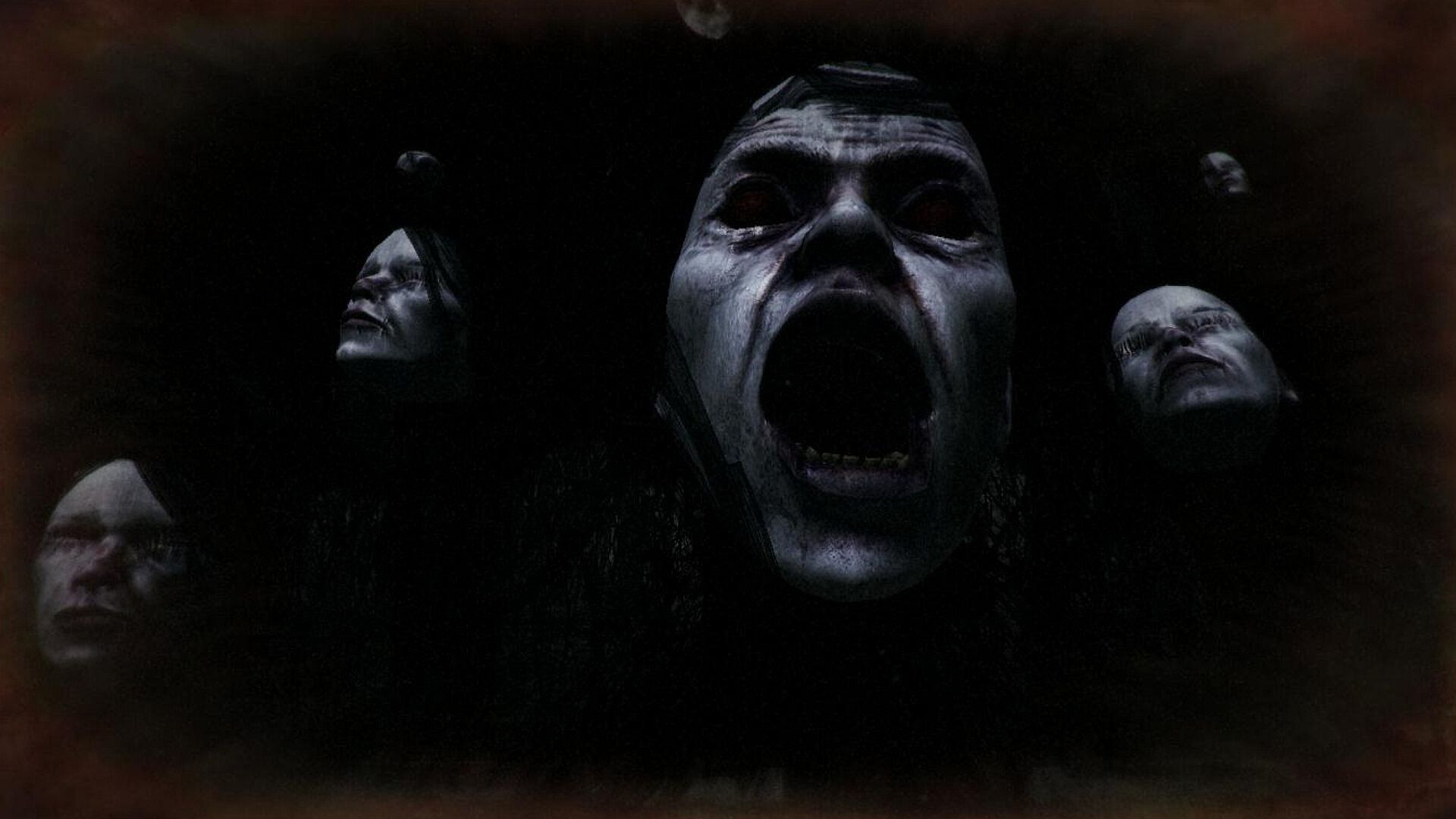
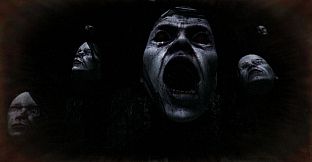
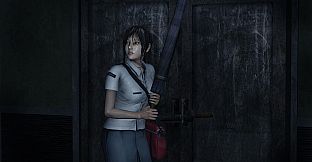
The collection structures its content around two separate single-player campaigns that function as distinct narrative experiences. The first follows the events of the original DreadOut, where Linda and her classmates encounter the haunted town during a field trip gone wrong, awakening latent abilities to combat the emerging threats. The second campaign, DreadOut: Keepers of the Dark, shifts focus to a standalone chapter set in the Mirror Realm, a portal-linked domain containing multiple haunted areas populated by additional ghosts. Players select paths through these dominions, with survival depending on strategic use of the camera and smartphone against over a dozen distinct spectral enemies. No multiplayer components exist, keeping the emphasis on solitary progression through linear story sequences punctuated by combat and puzzle segments.
Story and Setting
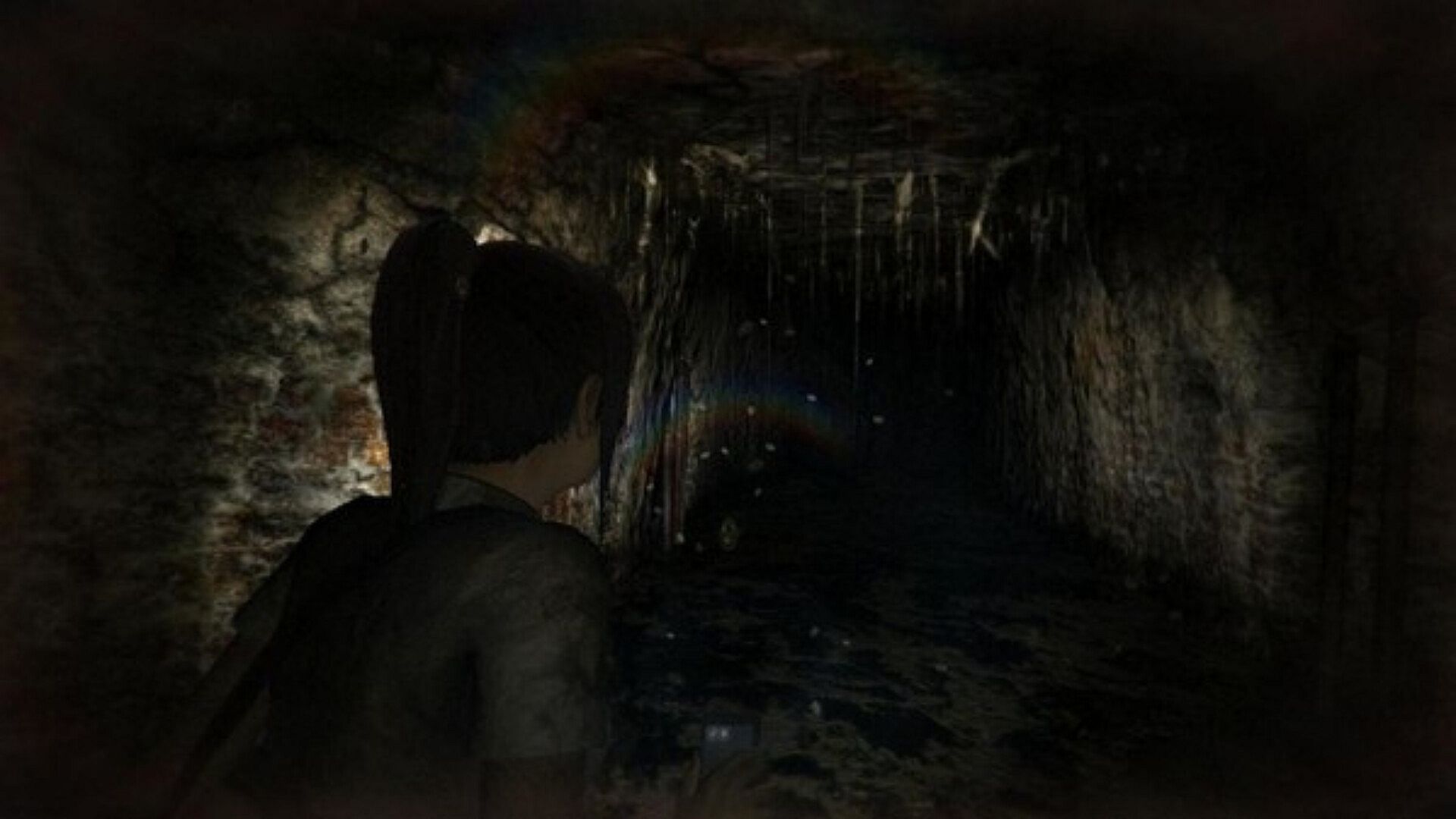
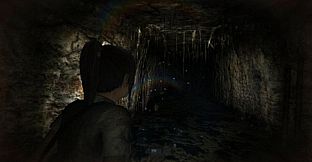
The narrative unfolds across an isolated town trapped in timeless slumber and expands into interconnected realms filled with cultural and supernatural Indonesian influences. Linda discovers emerging powers that become essential for survival as she confronts the dark secrets lurking beyond ordinary perception. The second campaign deepens this universe by transporting her into the Mirror Realm via a mysterious figure, where choices in navigation influence outcomes against intensified dangers. Both stories maintain a focus on personal stakes, friendship, and the consequences of disturbing ancient forces.
Technical Enhancements and Availability
Remastering efforts target modern playability with fixes for enemy behaviors, glitch resolutions specific to contemporary devices, and optimized loading. The package launches from a unified interface on PC, with console support extending accessibility. Steam Deck verification confirms compatibility for portable sessions. Language options include Traditional Chinese and Portuguese for the base game, plus additional support in Polish, Hungarian, Russian, Spanish, and German for the expansion content.
Is It Worth Playing?
Player feedback on the remastered collection registers as mixed, with praise directed at the unsettling atmosphere, creature designs, and novel cultural setting alongside criticism of occasional bugs, puzzle design, and dated movement feel that persists despite updates. The experience suits those drawn to camera-driven horror mechanics and single-player supernatural adventures rather than fast-paced action or multiplayer formats. Availability on PC and consoles, combined with the bundled remasters, provides a consolidated entry point for newcomers or returning players seeking refined versions of the originals. Those tolerant of indie horror quirks may find value in the narrative depth and ghost encounters, while others might note the need for patience with certain mechanical limitations.