












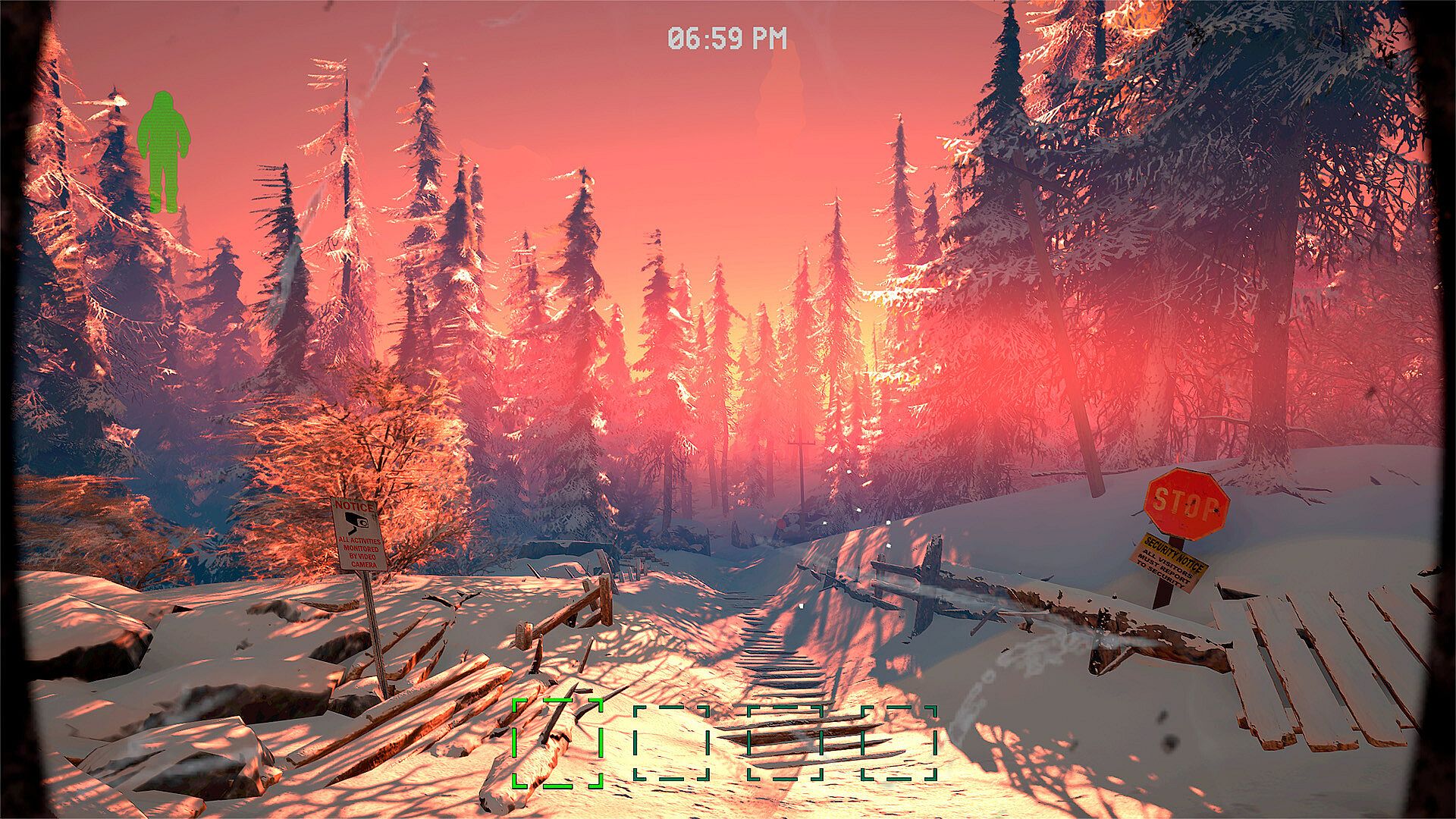
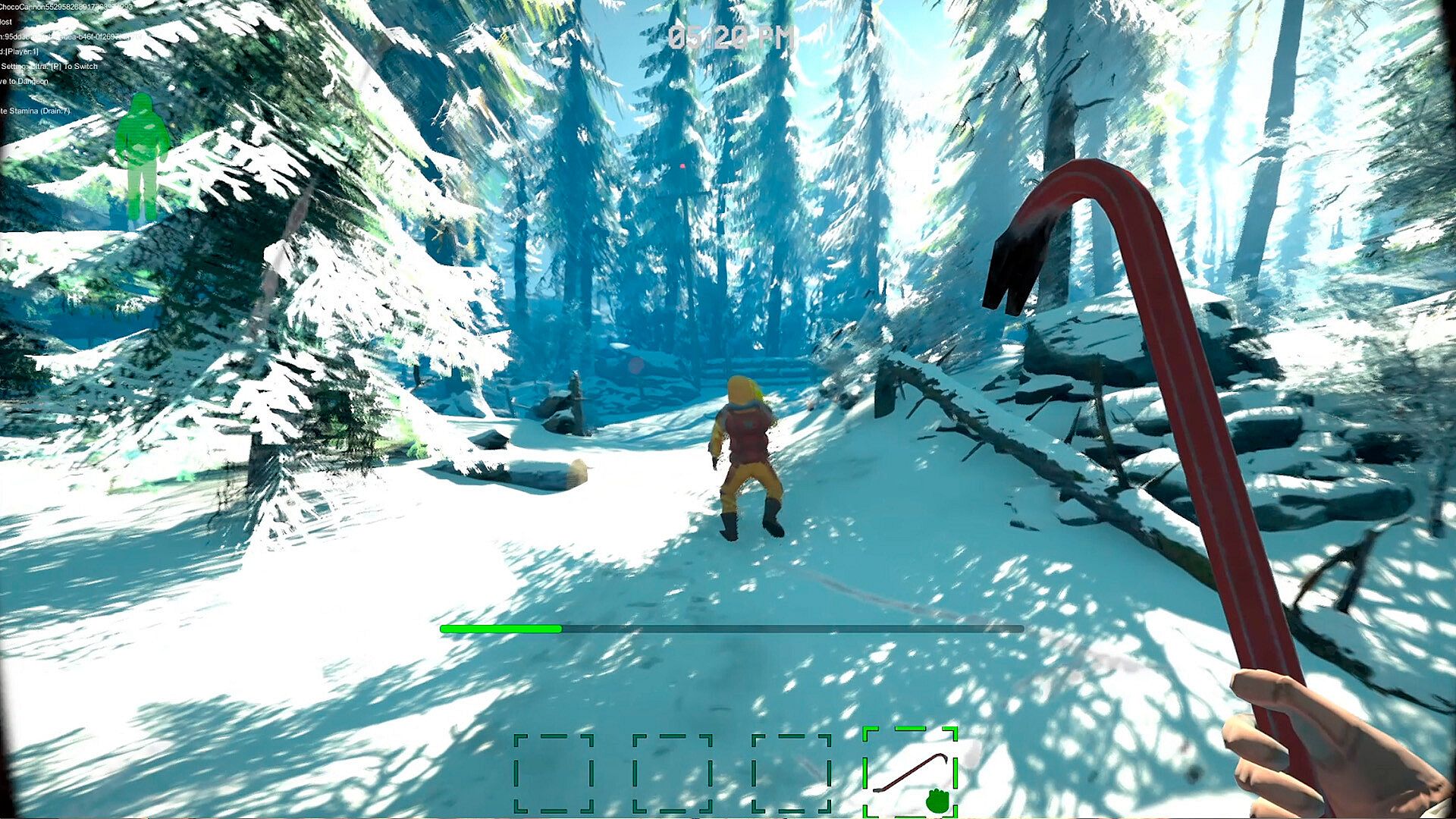
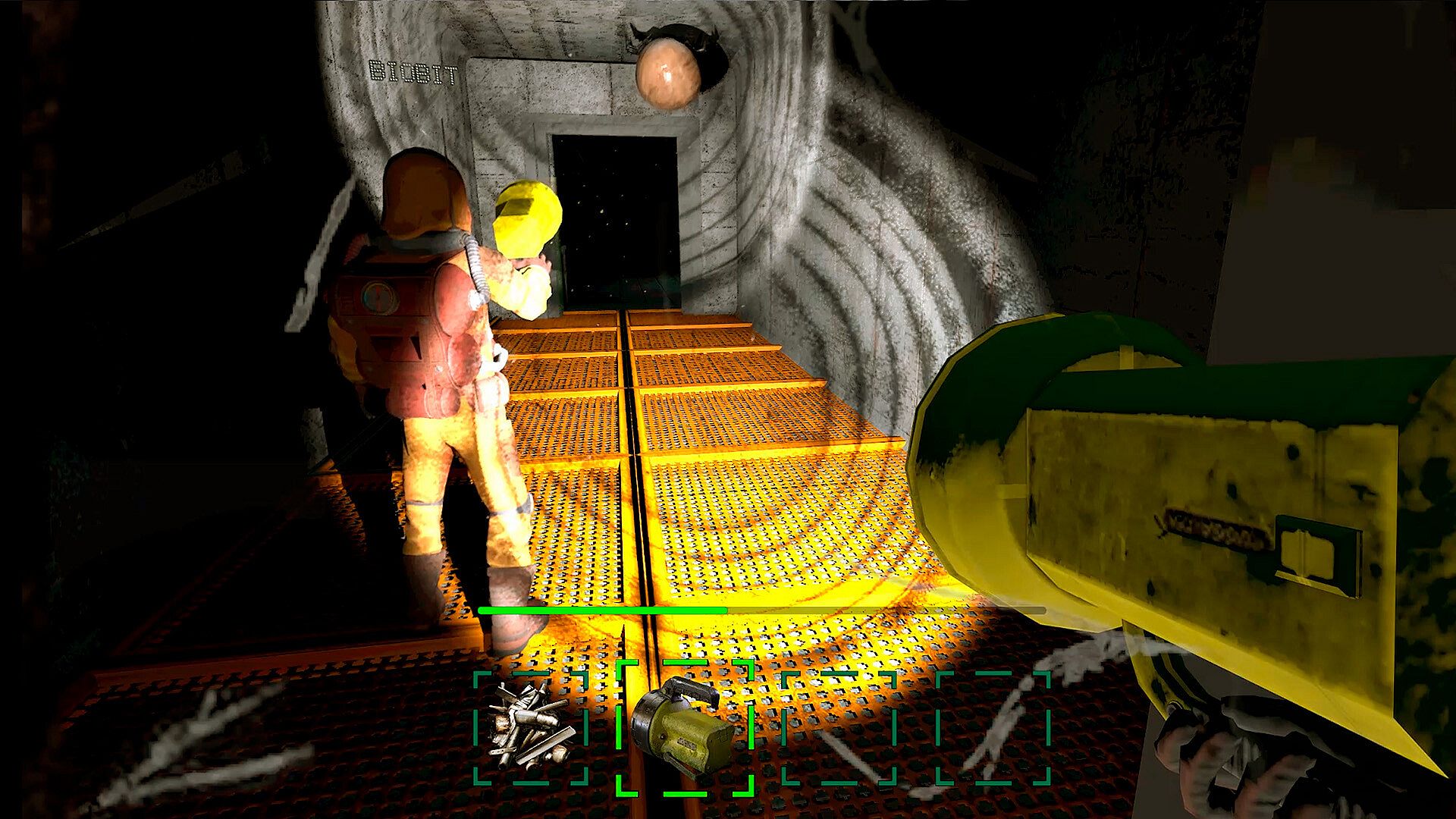
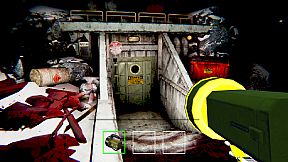
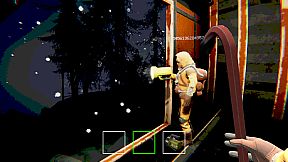
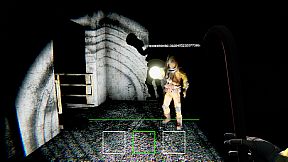
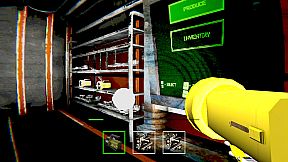
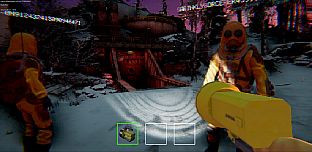
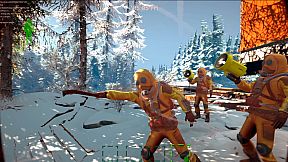
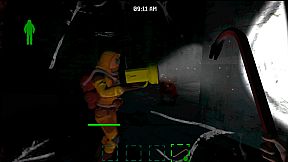

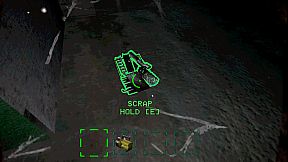
Dreadway is a co-op survival horror game set in a post-apocalyptic world where players scavenge resources while managing a moving train. Developed as an indie title for PC, it combines extraction-style runs with crafting, proximity voice chat, and monster encounters that respond directly to player audio. Up to four players work together to collect junk, craft tools, solve puzzles in underground bunkers, and keep the train fueled to progress through hazardous environments.
Gameplay
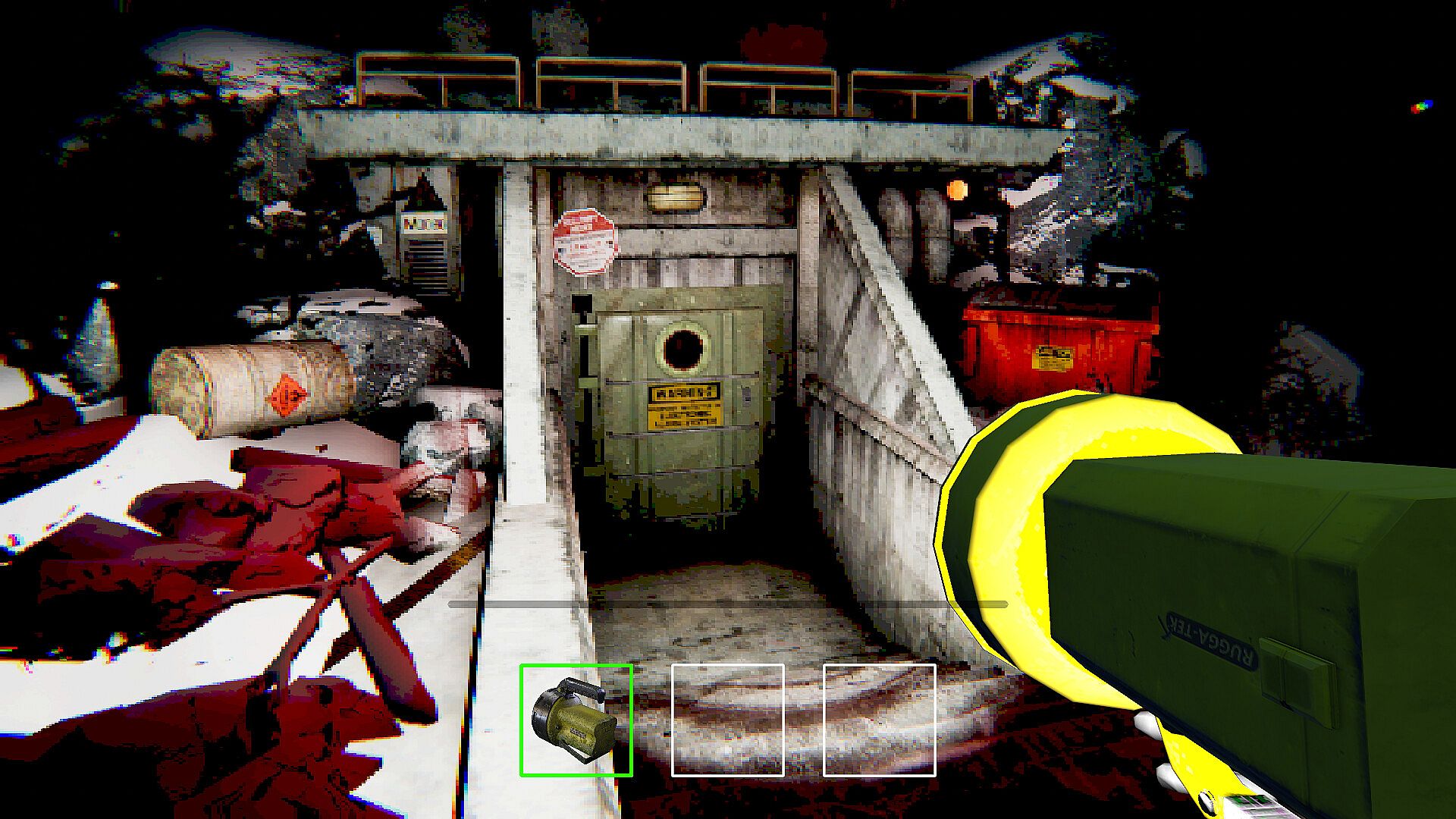
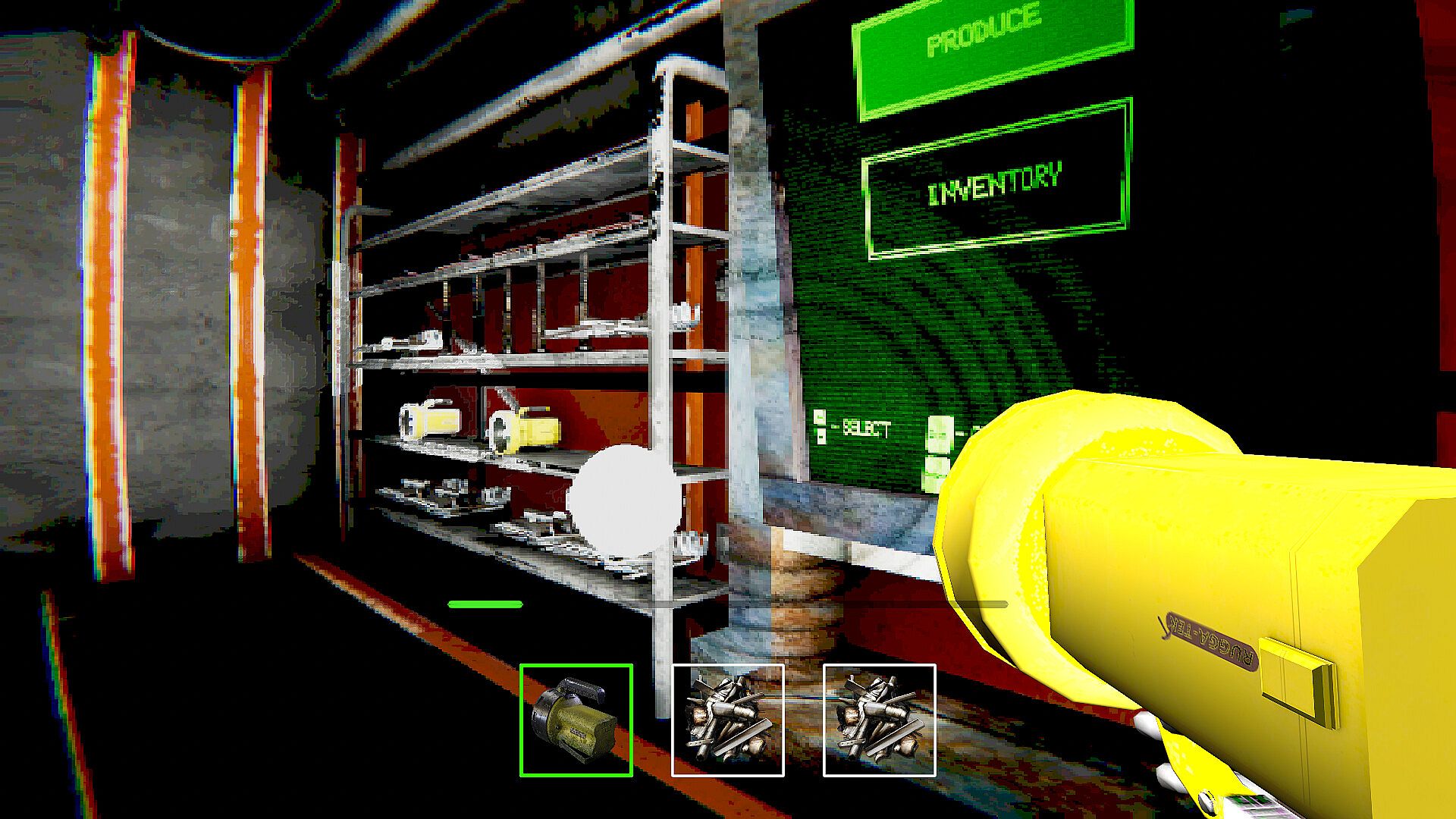
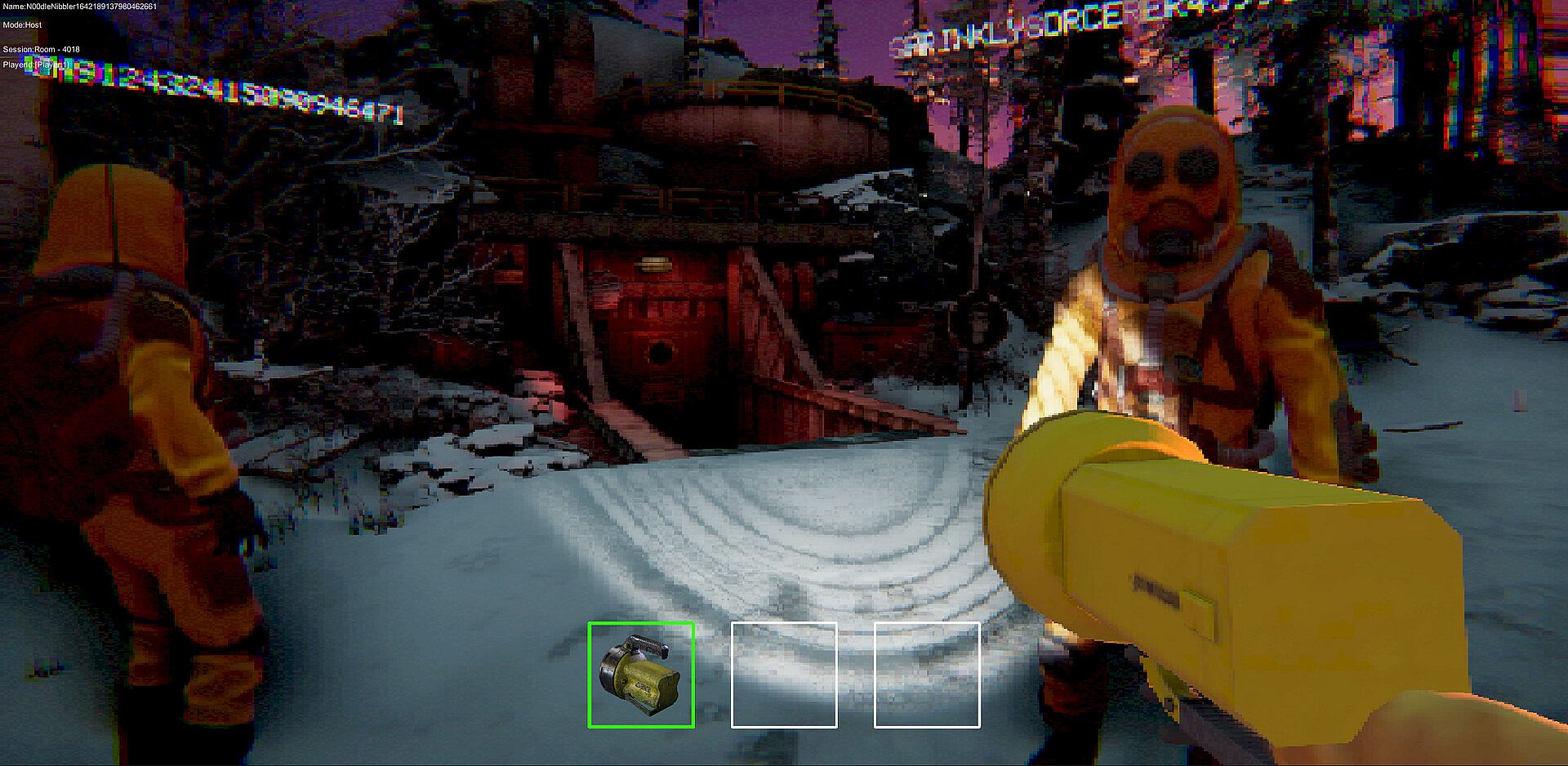
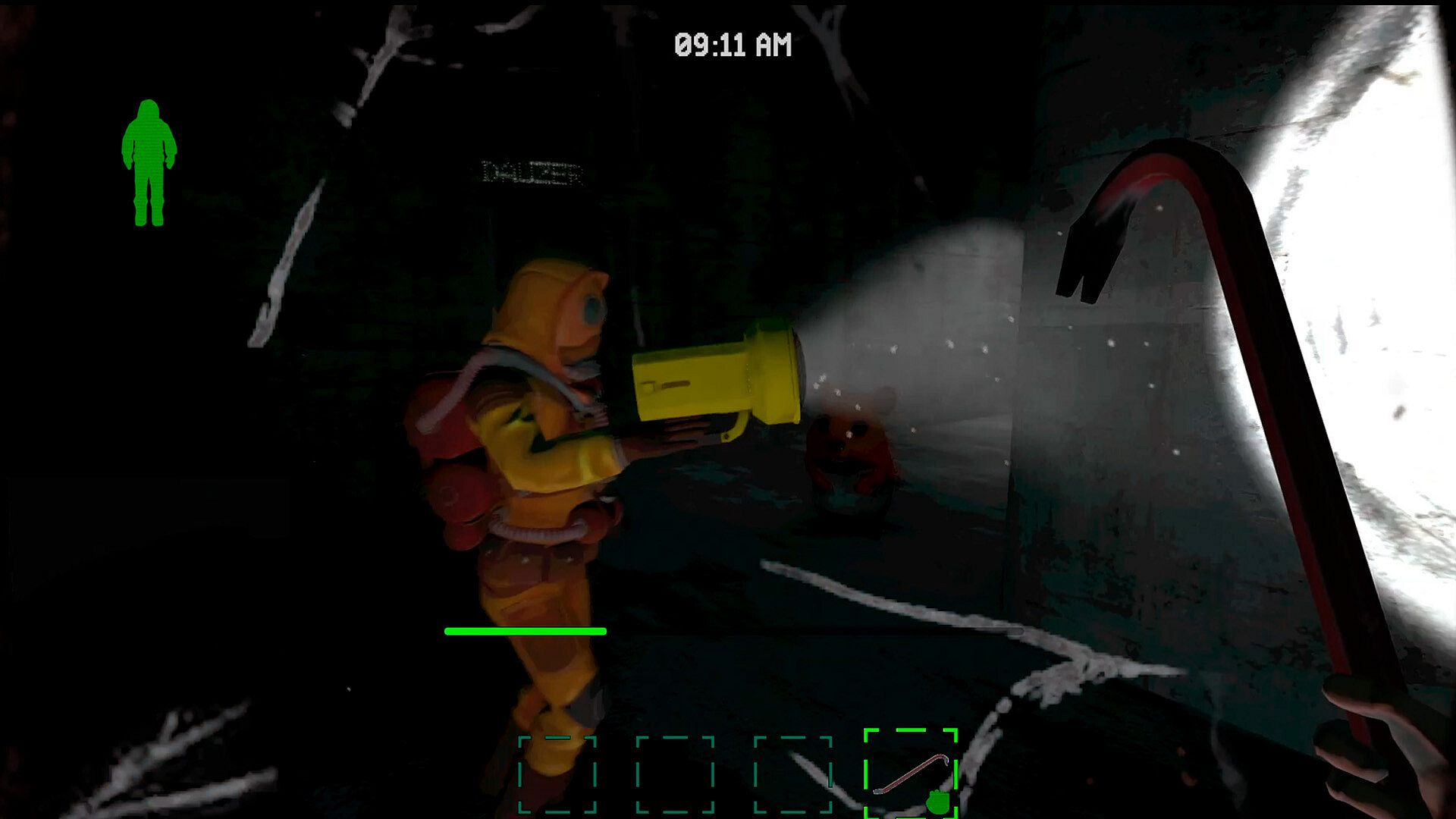
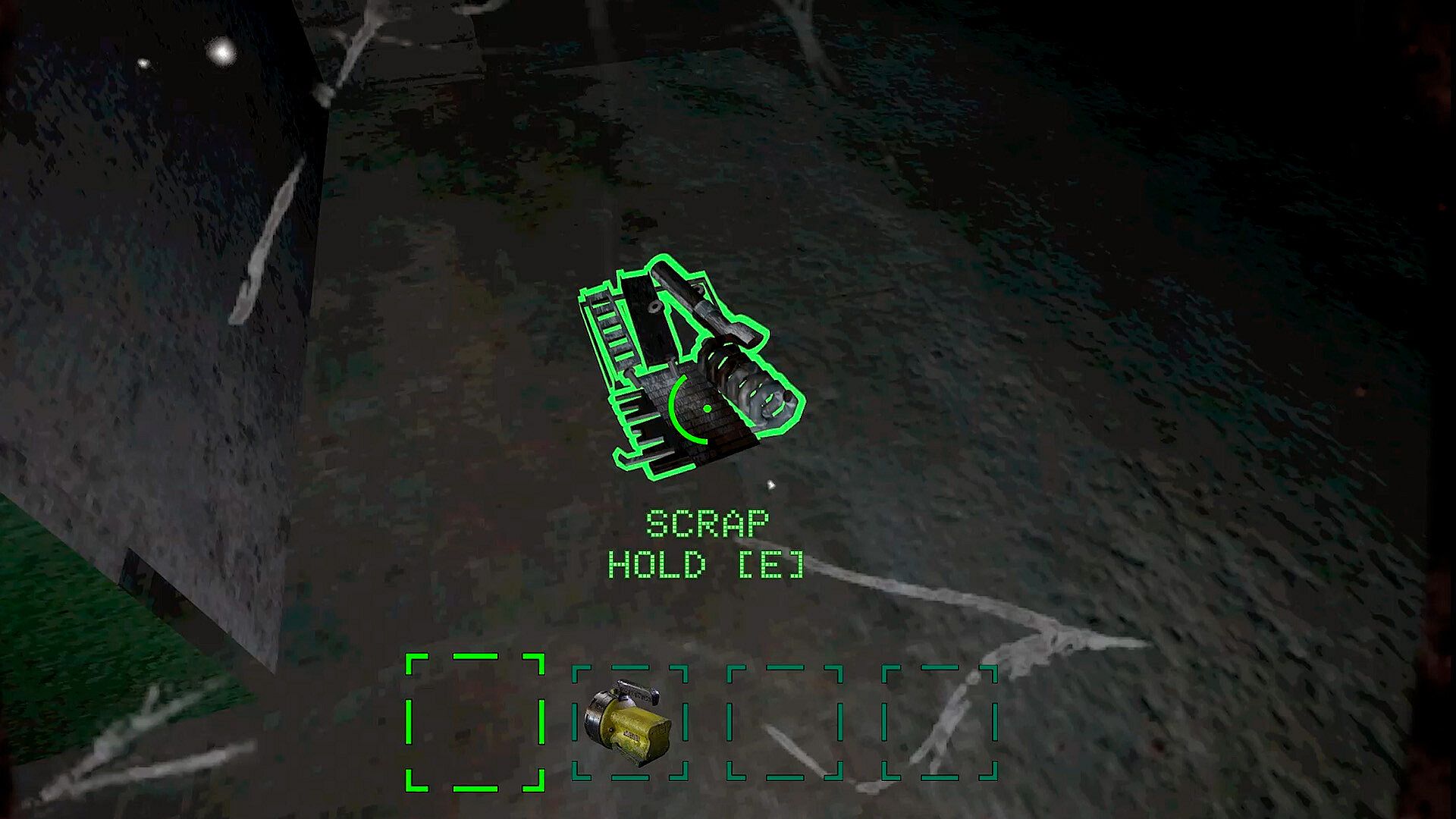
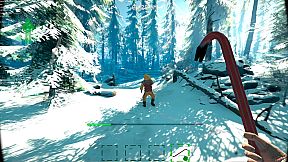
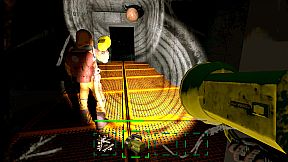
The core loop centers on scavenging expeditions from the train into ruined landscapes and bunkers. Players gather scrap and resources that serve dual purposes: burning them as fuel to keep the train running and using them to craft survival items such as tools, devices, and upgrades for characters. Proximity voice chat forms a central mechanic, allowing communication at varying distances while also exposing positions to monsters that react to sound. Voice commands open code locks and doors, and screaming specific code words can repel threats, though overuse risks drawing more attention.
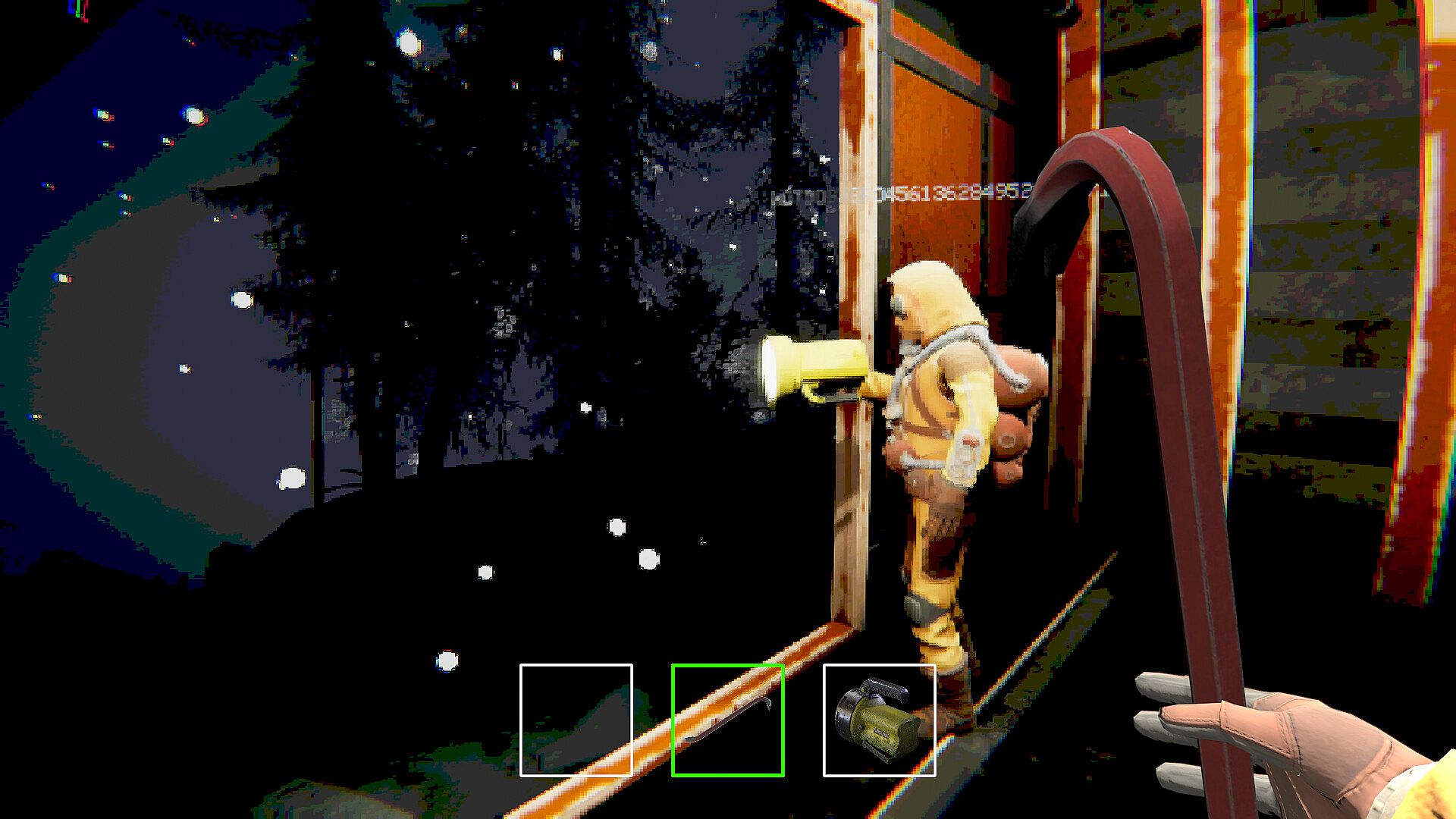
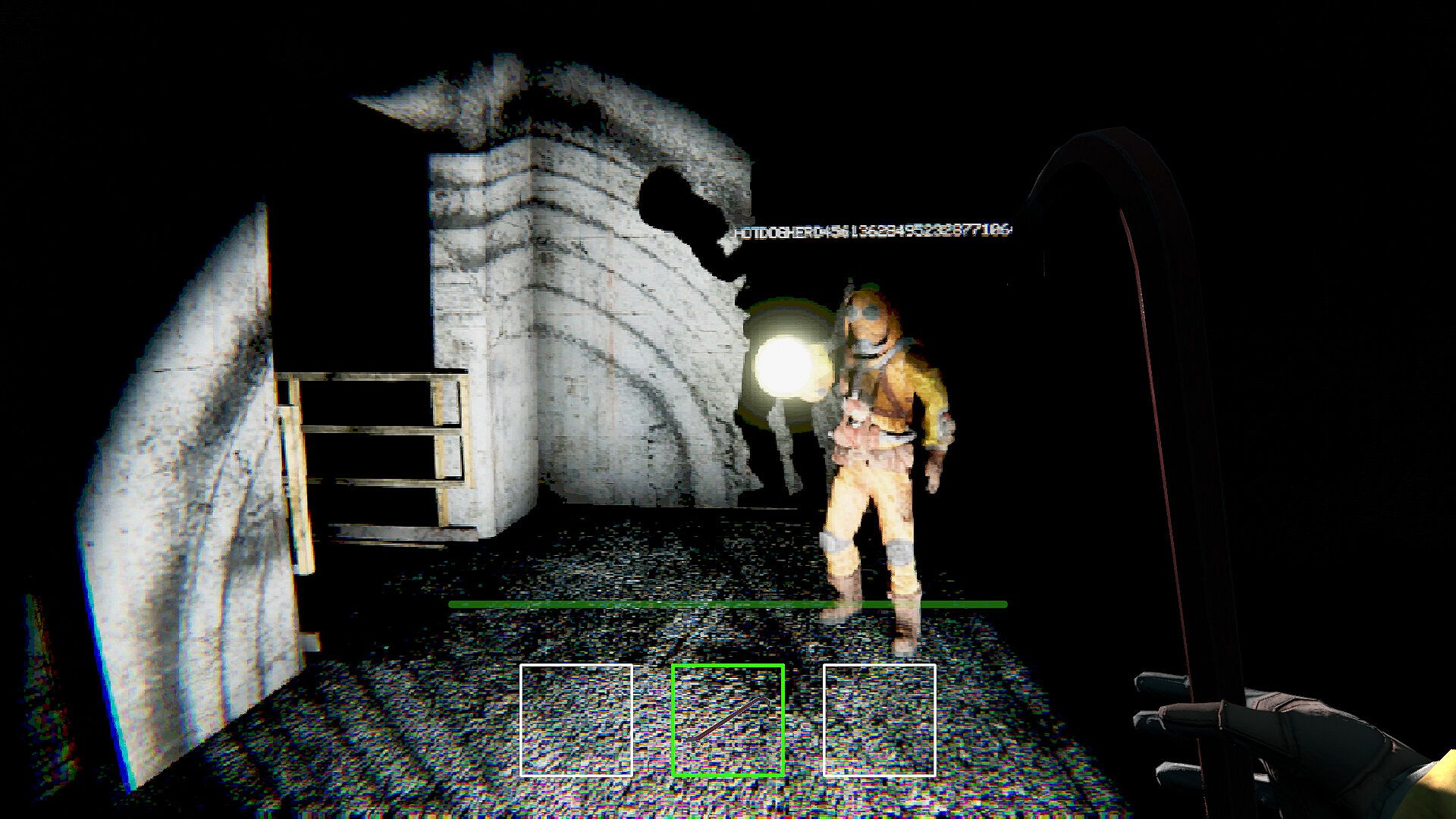
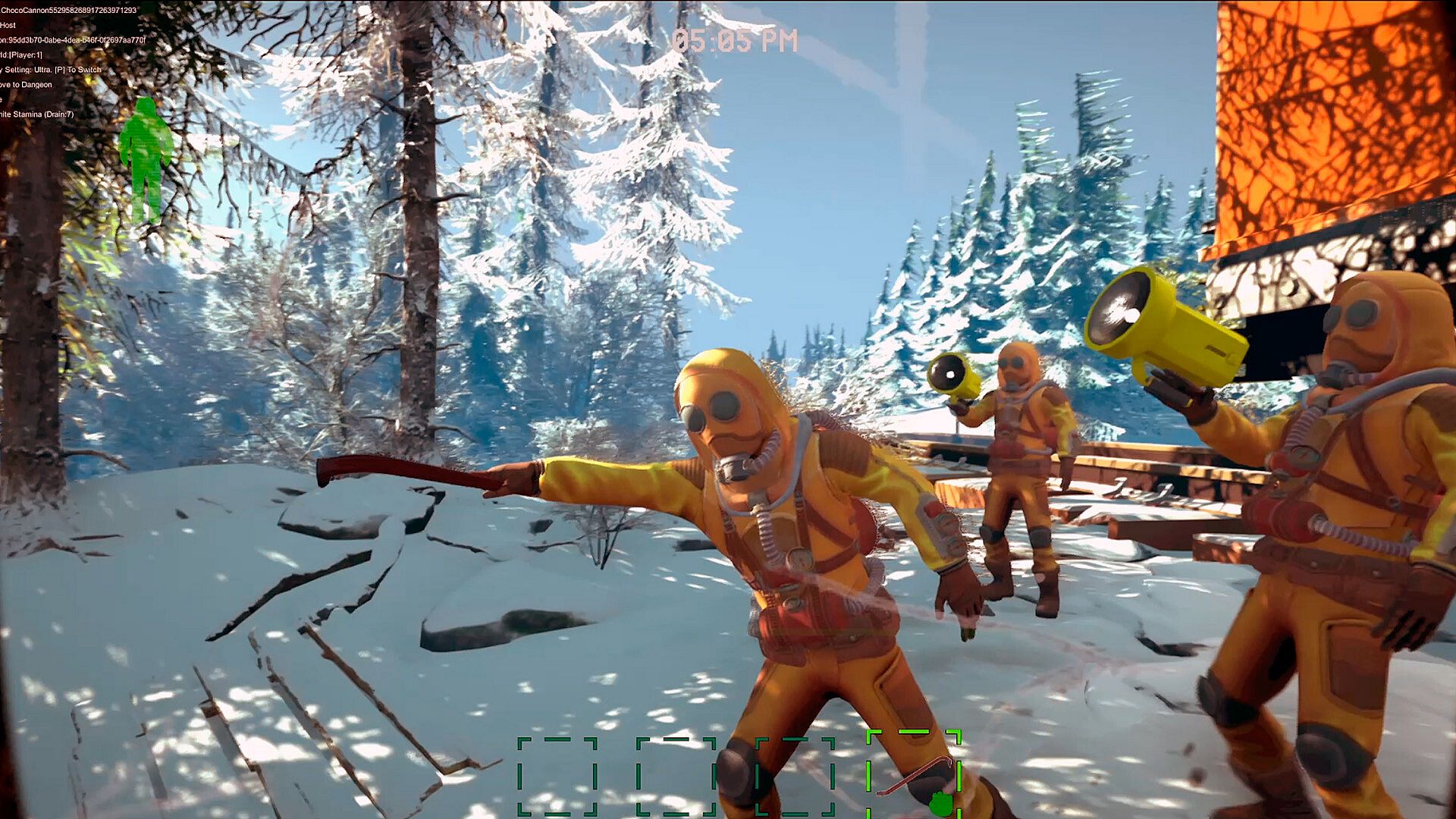
Teammates can physically kick one another, creating opportunities for interruption, rescue, or deliberate sabotage during tense moments. Traps and environmental hazards demand careful movement, as a single error can end an entire run. Monsters exhibit distinct behaviors, forcing groups to adapt strategies based on audio cues and positioning. Character upgrades from crafted materials provide incremental improvements to survival chances across repeated sessions.
Game Modes
Dreadway focuses on cooperative extraction runs for one to four players. Groups depart the train to explore limited bunker locations, complete co-op puzzles, and gather supplies before returning to maintain momentum. Each session emphasizes resource management and voice-driven interactions, with no single-player campaign or competitive modes available. The experience revolves around shared survival stories shaped by player improvisation and the constant need to feed the train with collected materials.
Voice-Driven Interactions and Multiplayer Dynamics
Voice chat extends beyond standard communication into active gameplay elements. Players use it to bypass locks, deter monsters through targeted screams, and coordinate in real time as proximity affects clarity and range. This system heightens tension because monsters detect and respond to spoken words, turning casual talk into a risk factor. The ability to kick teammates adds layers of chaotic cooperation, where actions can save allies or push them into danger for humorous or strategic effect. Groups that balance caution with creative use of these tools tend to progress further through the wasteland.
Is It Worth Playing?
Dreadway suits players who enjoy co-op horror experiences built around voice mechanics and resource scavenging. It launched in January 2026 with mixed reception, holding a 68 percent positive rating from user reviews on its primary distribution platform. The game remains supported through ongoing availability and features like character upgrades and bunker puzzles that reward repeated play with friends. Those seeking tense, audio-focused survival sessions in a small group will find its systems engaging, while players preferring polished single-player stories or large-scale multiplayer may want to consider the current review consensus before committing.















