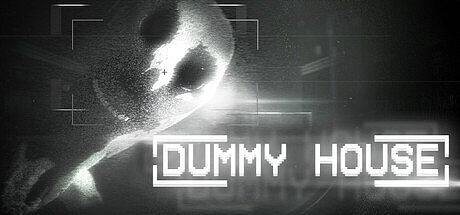


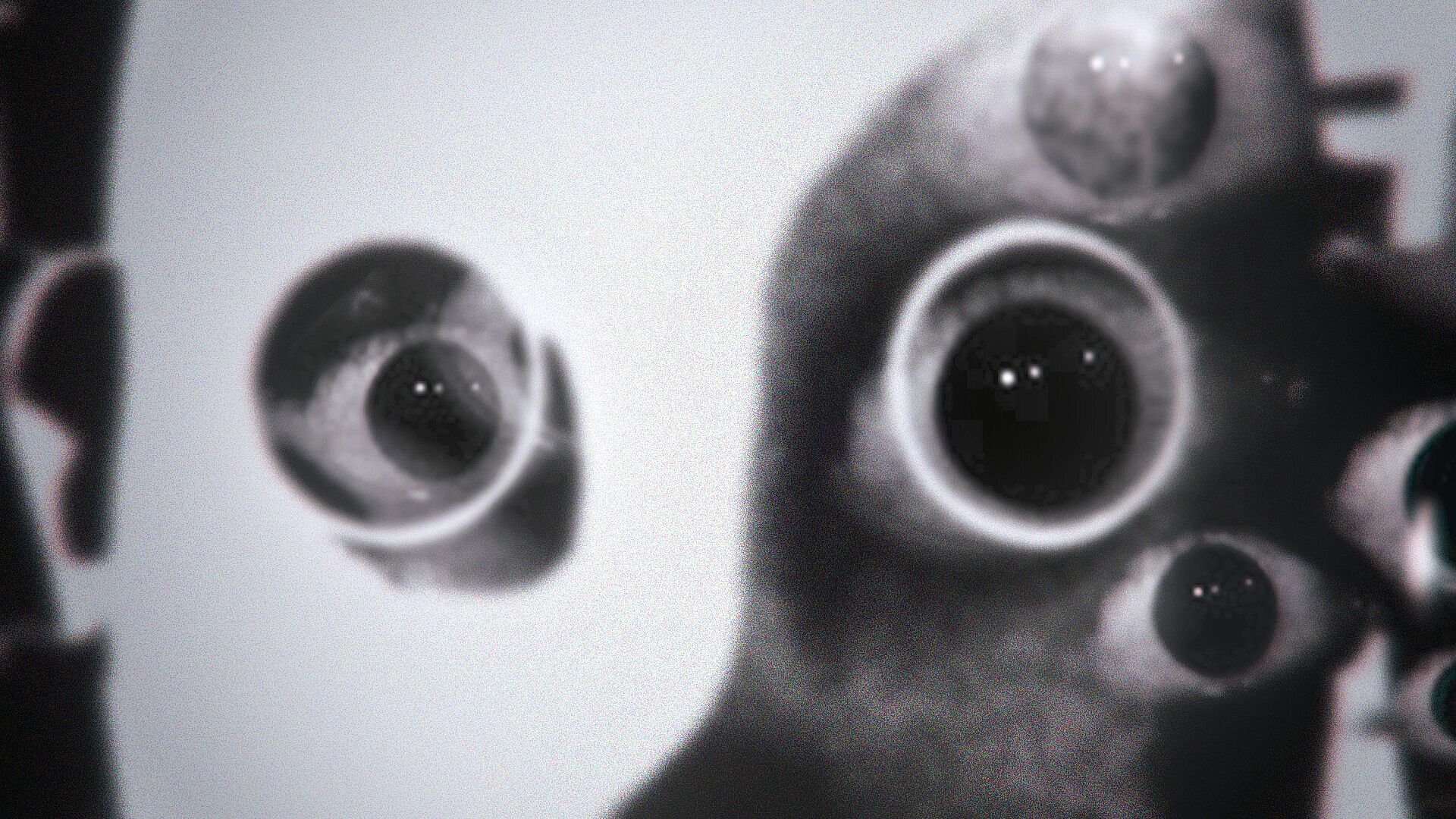
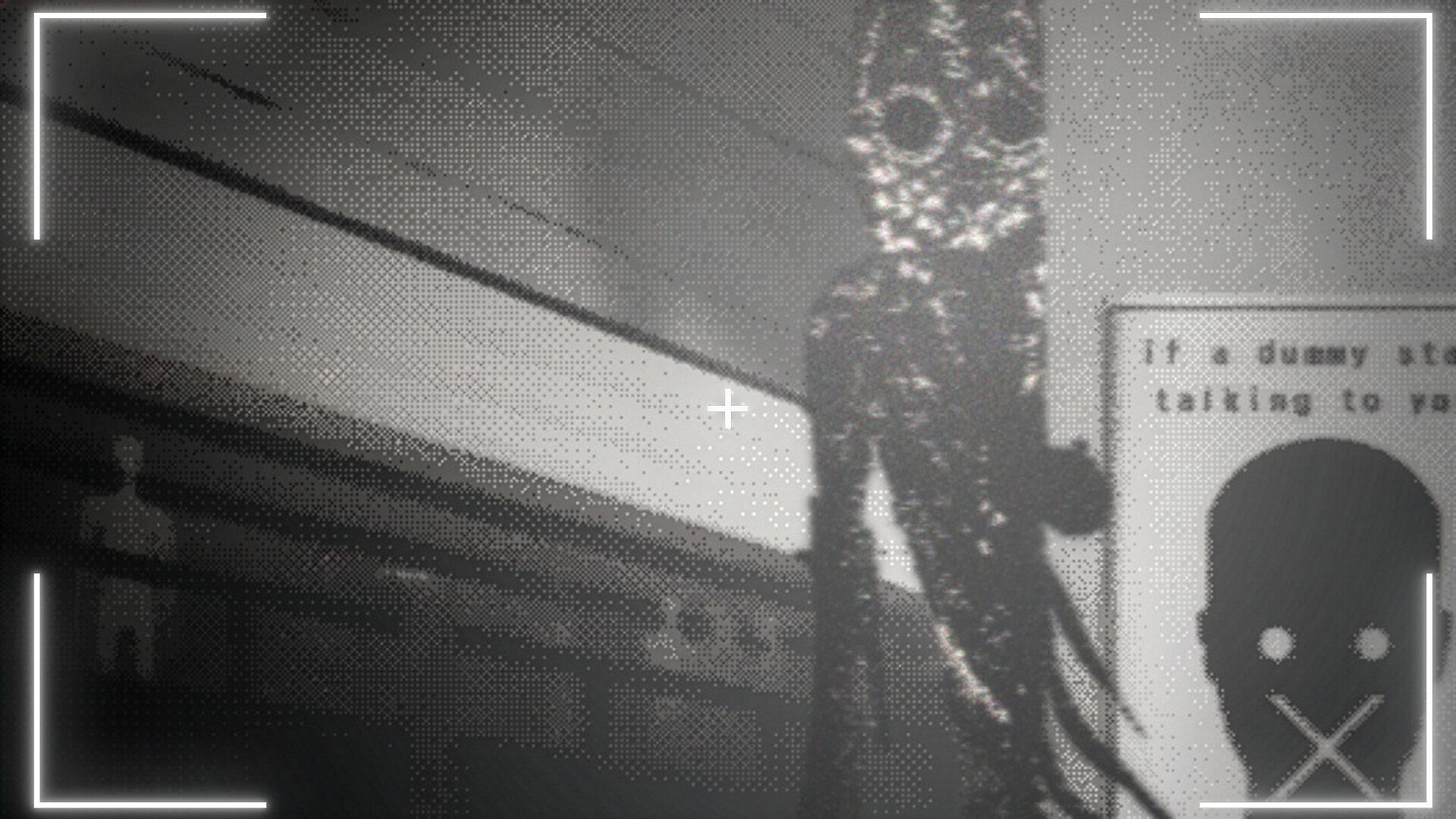


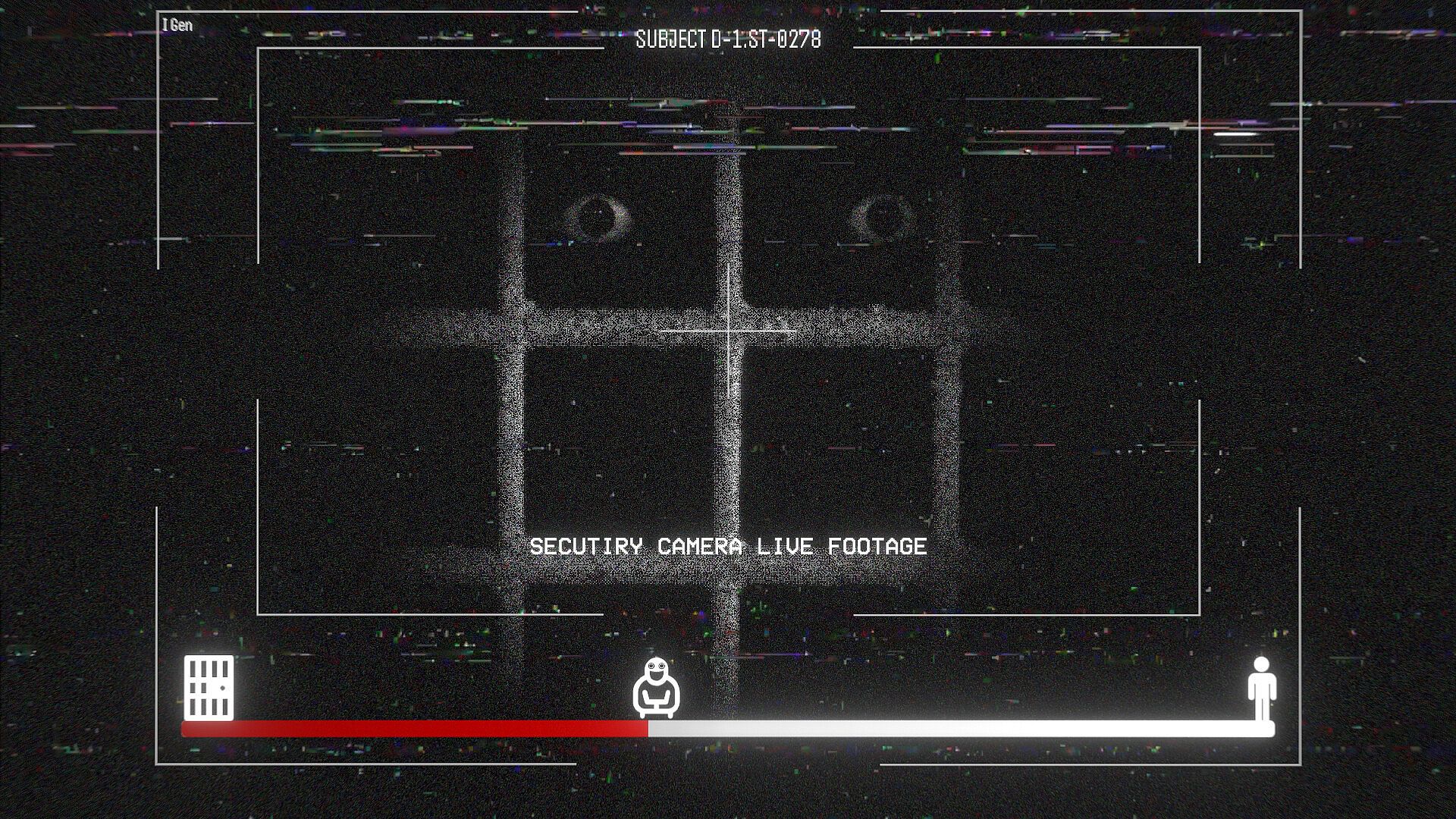
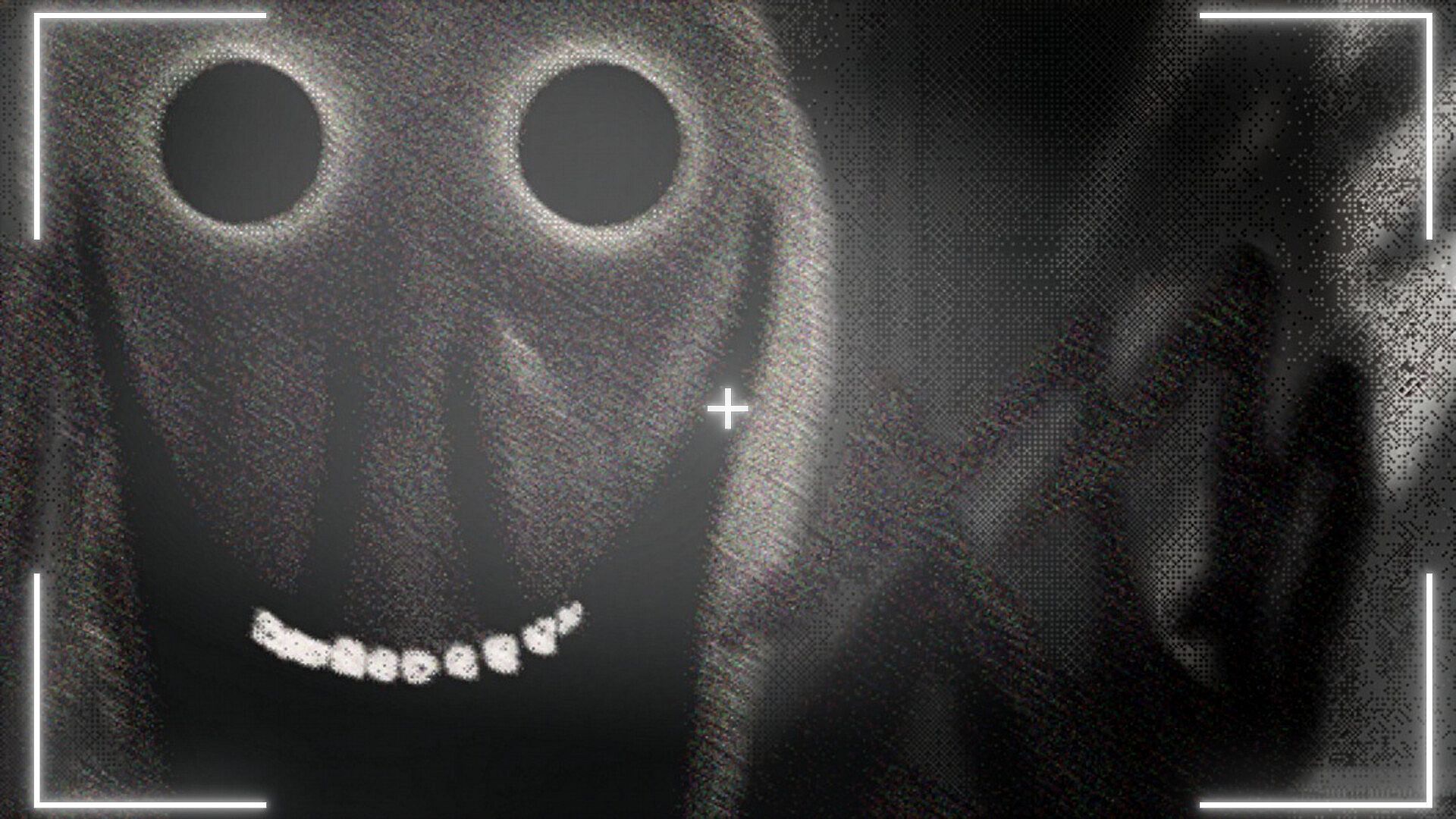
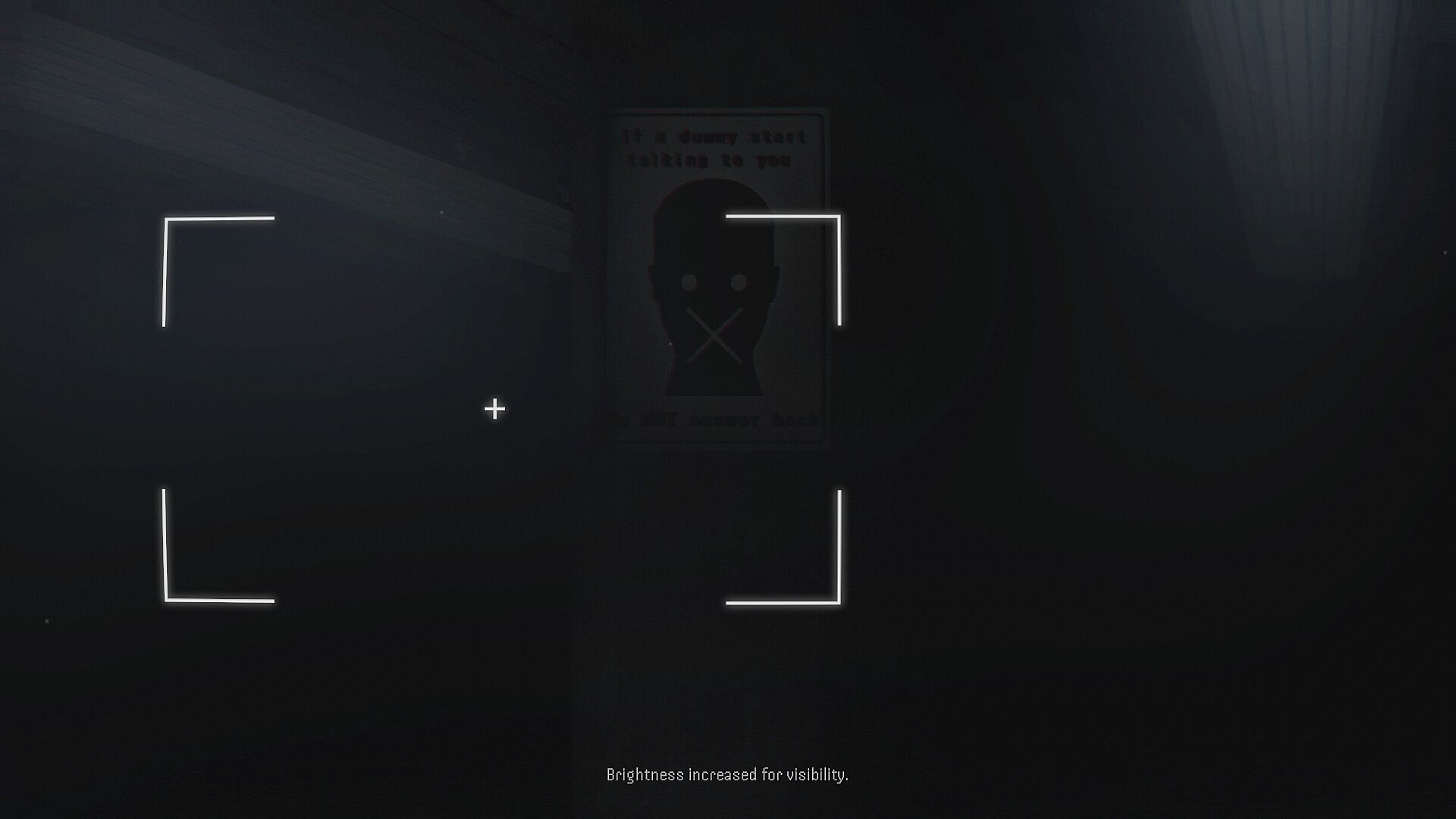
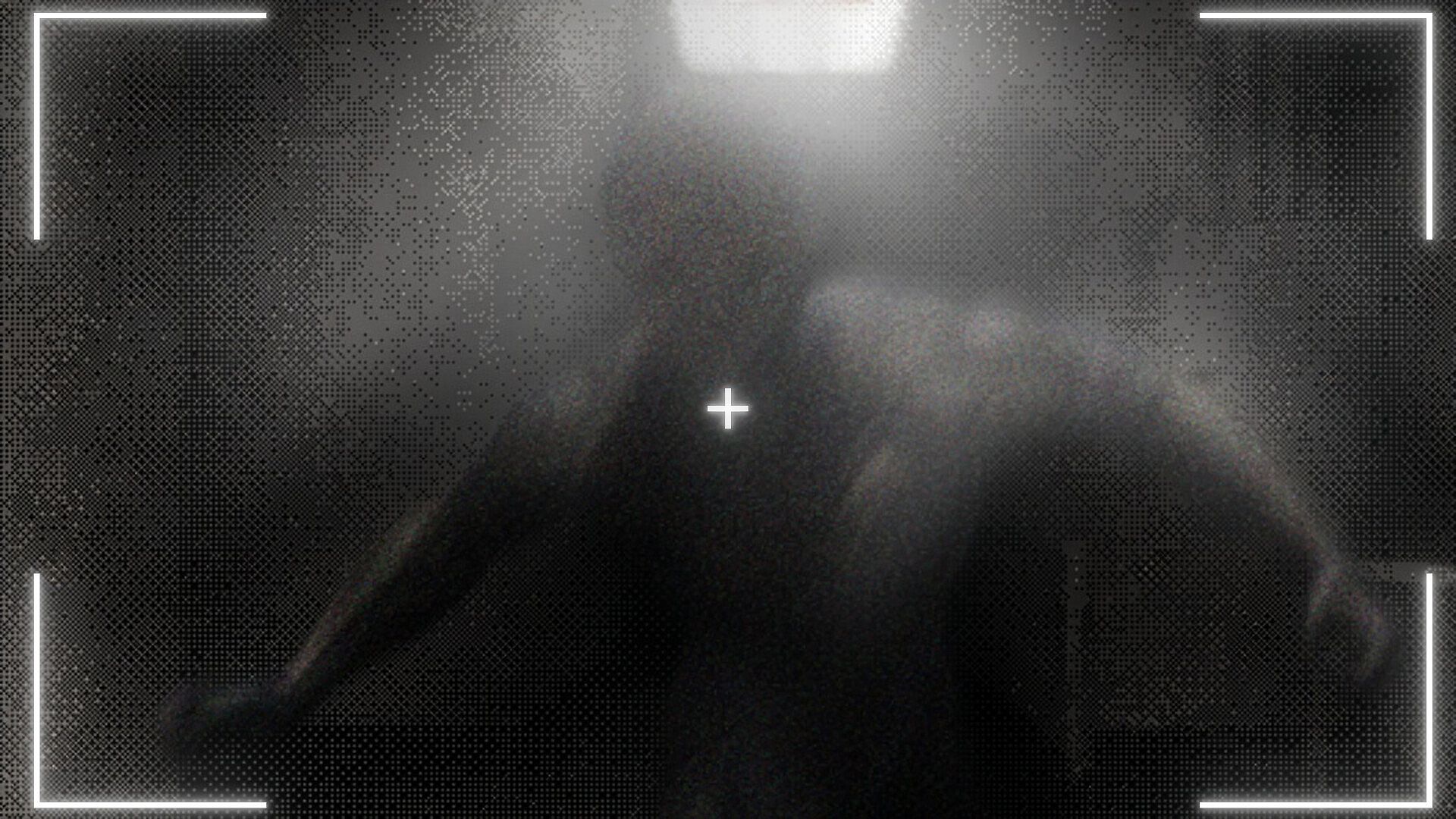

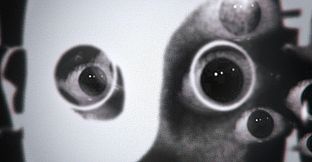






DUMMY HOUSE is a first-person psychological horror survival game that blends action and adventure elements in an indie package for PC. Players find themselves locked inside a sealed industrial complex with no outside contact, forced to endure a series of Experiment Nights against entities called Dummy that imitate human movements, voices, and appearances with unsettling accuracy.
Gameplay
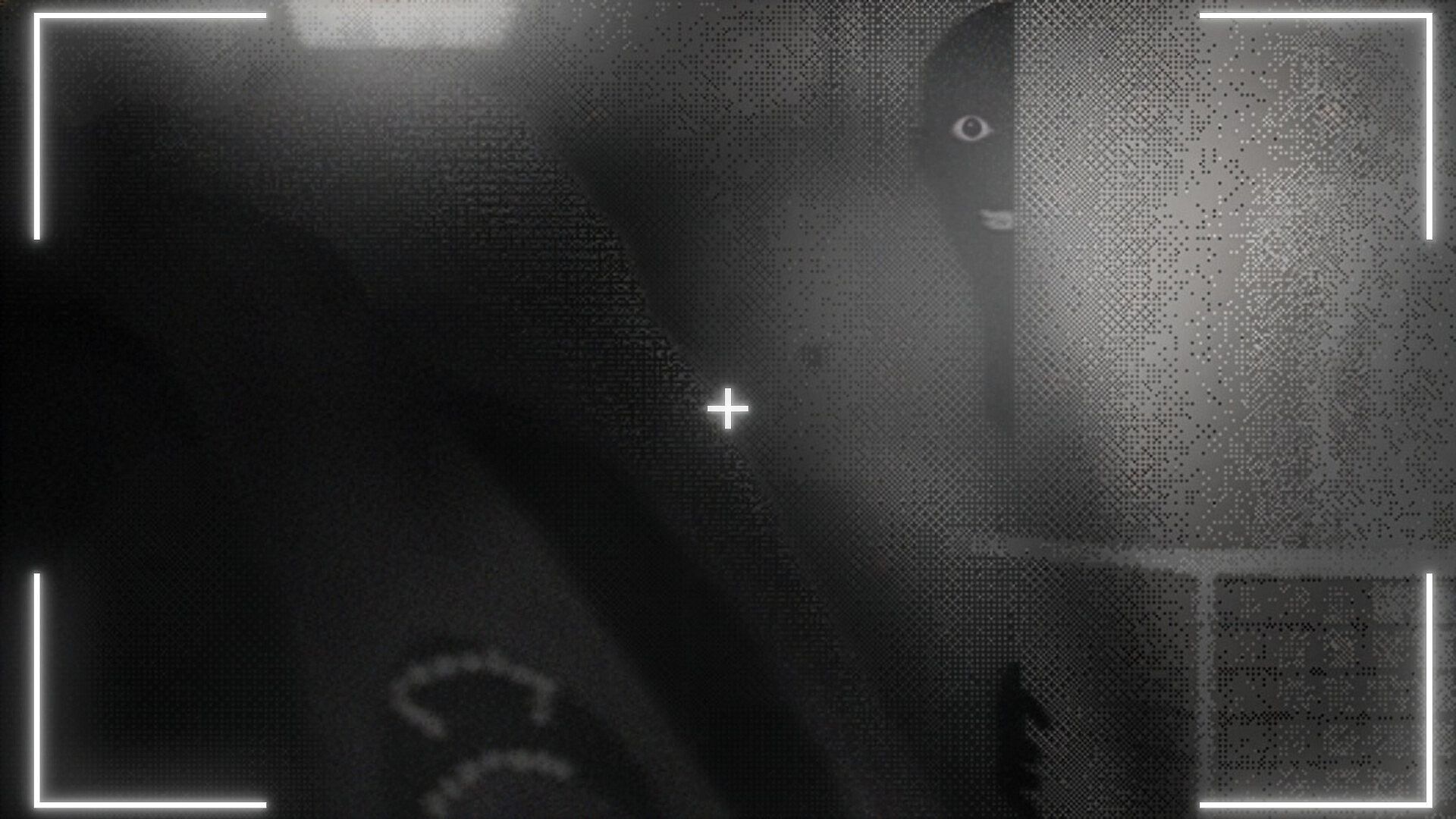
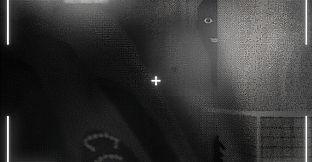
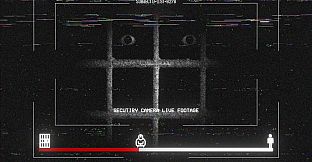
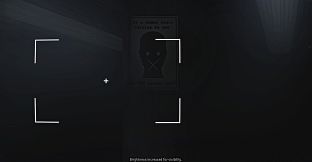
The core loop revolves around navigating pitch-black corridors using audio cues to detect approaching threats. Footsteps, whispers, and distorted voices serve as the primary navigation tools in complete darkness. The camera functions as both a detection device and a defensive tool, allowing players to photograph Dummy subjects and repel their advances through targeted flashes or captures. Managing limited photographs becomes critical, as each shot carries strategic weight and one miscalculation can lead to fatal encounters with multiple entities at once.
Survival demands constant attention to positioning and timing. Simply staying hidden proves insufficient across successive nights, pushing players toward active decision-making that combines evasion with precise counter-measures. The environment reacts dynamically, with tension building as nights progress and new threats emerge. Sound design plays a central role in immersion, guiding movement while heightening the discomfort of facing near-human imitators that blur the line between ally and adversary.
Game Modes
The experience centers on a single-player survival structure built around sequential nights of escalating challenges. Each night functions as a self-contained test of reflexes and planning, requiring players to balance exploration, threat management, and progress toward escape routes via computer terminals scattered throughout the complex. No separate multiplayer or competitive modes exist, keeping the focus on solitary endurance against coordinated Dummy groups.
Progression ties directly to performance across these nights, with choices influencing available paths and outcomes. The system encourages repeated attempts through variations in enemy placements and environmental responses, creating fresh combinations without relying on traditional mode selectors.
Story and Atmosphere
The narrative unfolds through environmental details and player-driven investigation rather than direct exposition. Multiple endings emerge based on survival strategies and terminal interactions, revealing layers of the experiment and the player's potential role within it. Mysteries connect across playthroughs, rewarding those who adapt their approach and piece together clues from the industrial setting.
Complete darkness combined with reactive 3D audio creates a persistent sense of unease. The Dummy entities exploit human familiarity to generate psychological pressure, forcing players to question every sound and silhouette. This setup sustains intensity without relying on jump scares alone, instead building dread through imitation and proximity.
Is It Worth Playing?
DUMMY HOUSE suits players who enjoy deliberate, sound-focused survival horror with strategic camera mechanics and branching conclusions. The emphasis on quick decisions amid multiple threats appeals to those seeking tension that rewards planning over raw speed. As the title remains in active development with recent alpha updates refining controls, visuals, and audio, early access through available demos offers a direct way to test the core systems.
High replayability stems from customizable stage elements and the pursuit of different endings, making each run feel distinct. Those drawn to indie psychological experiences that prioritize atmosphere and mechanics over conventional action will find the current state engaging, particularly if they appreciate games where mistakes carry permanent consequences within a night. The absence of established review aggregates reflects its recent emergence, yet the verified mechanics align closely with the described survival loop for targeted audiences.