



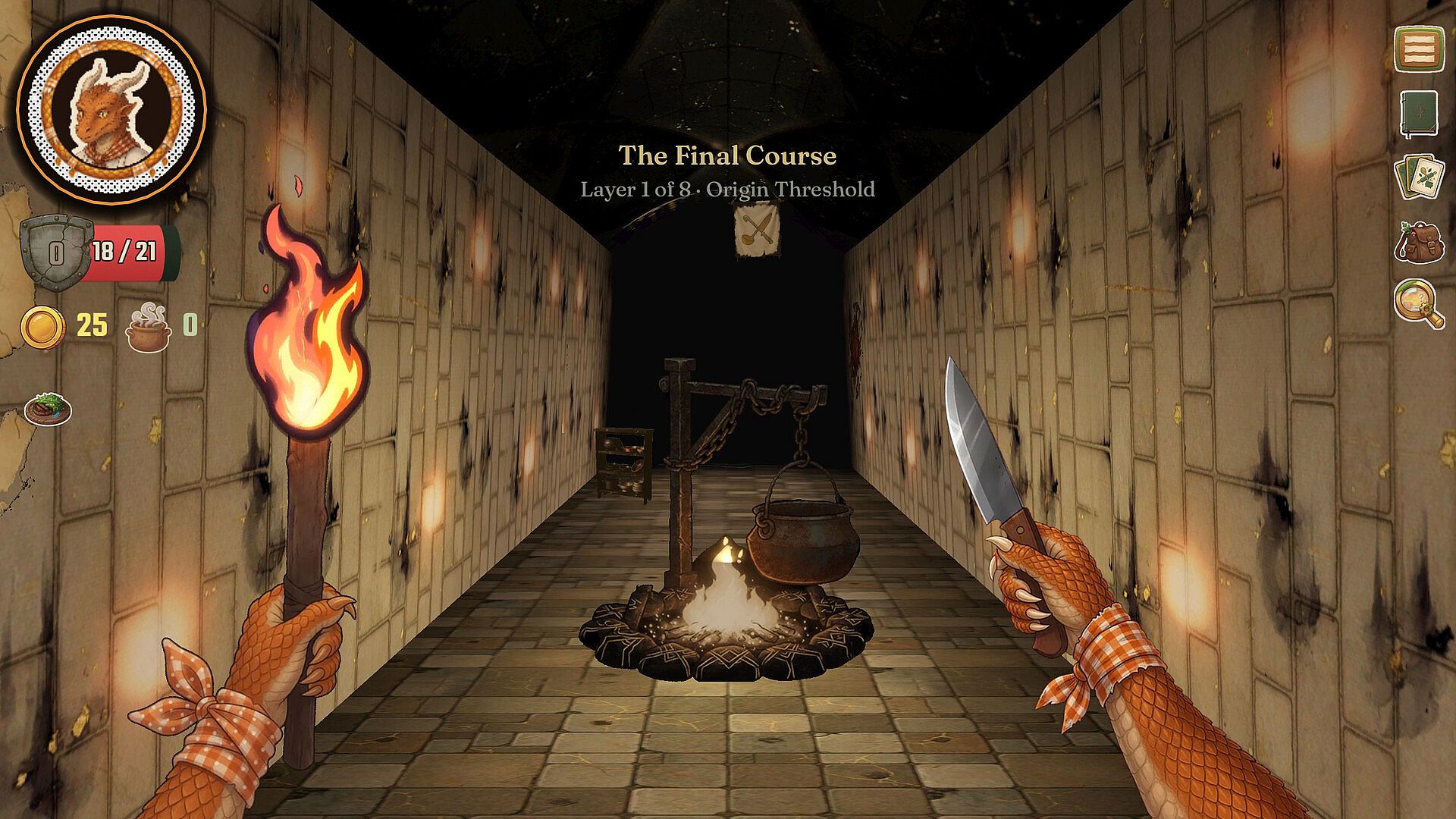
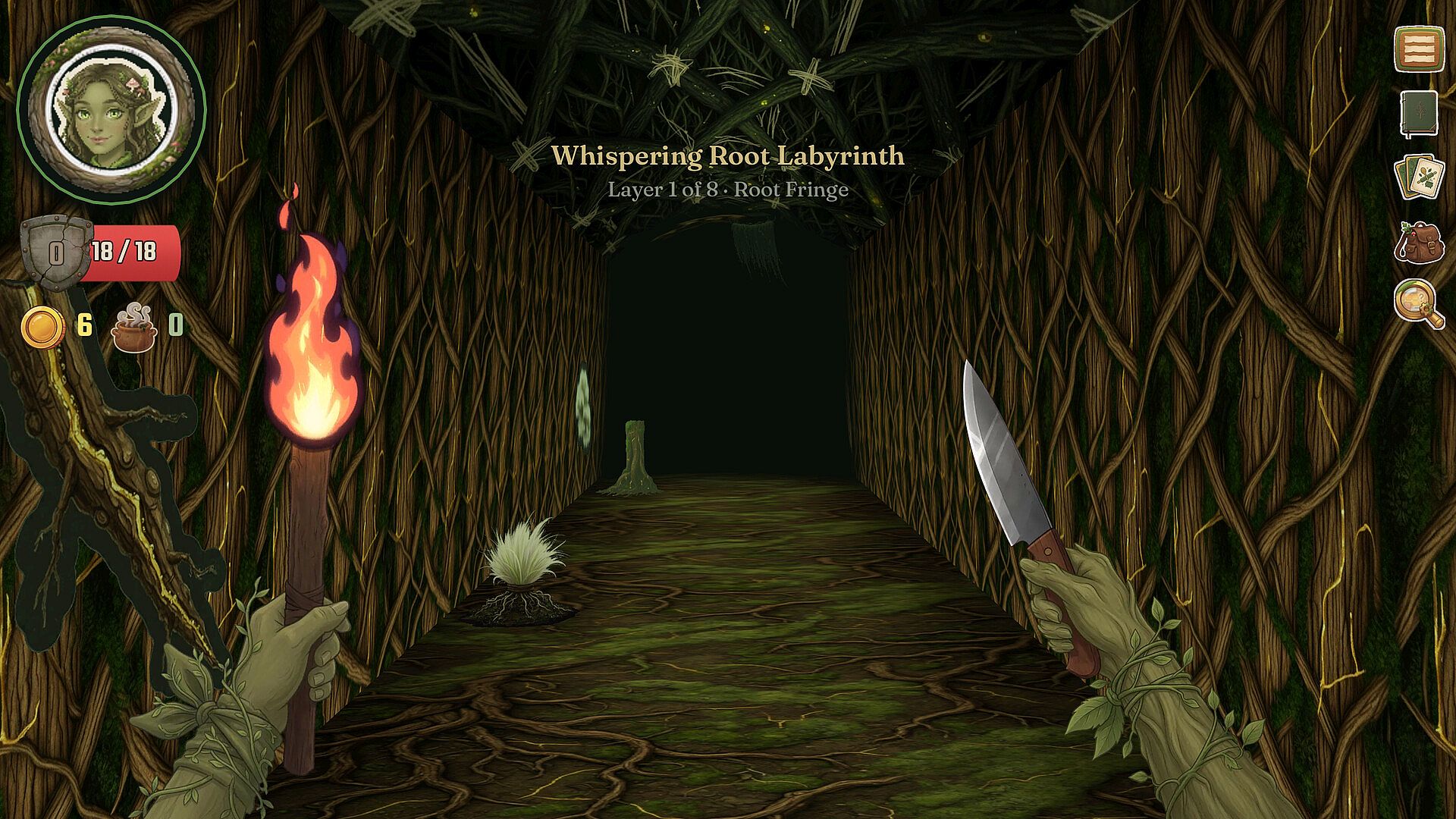
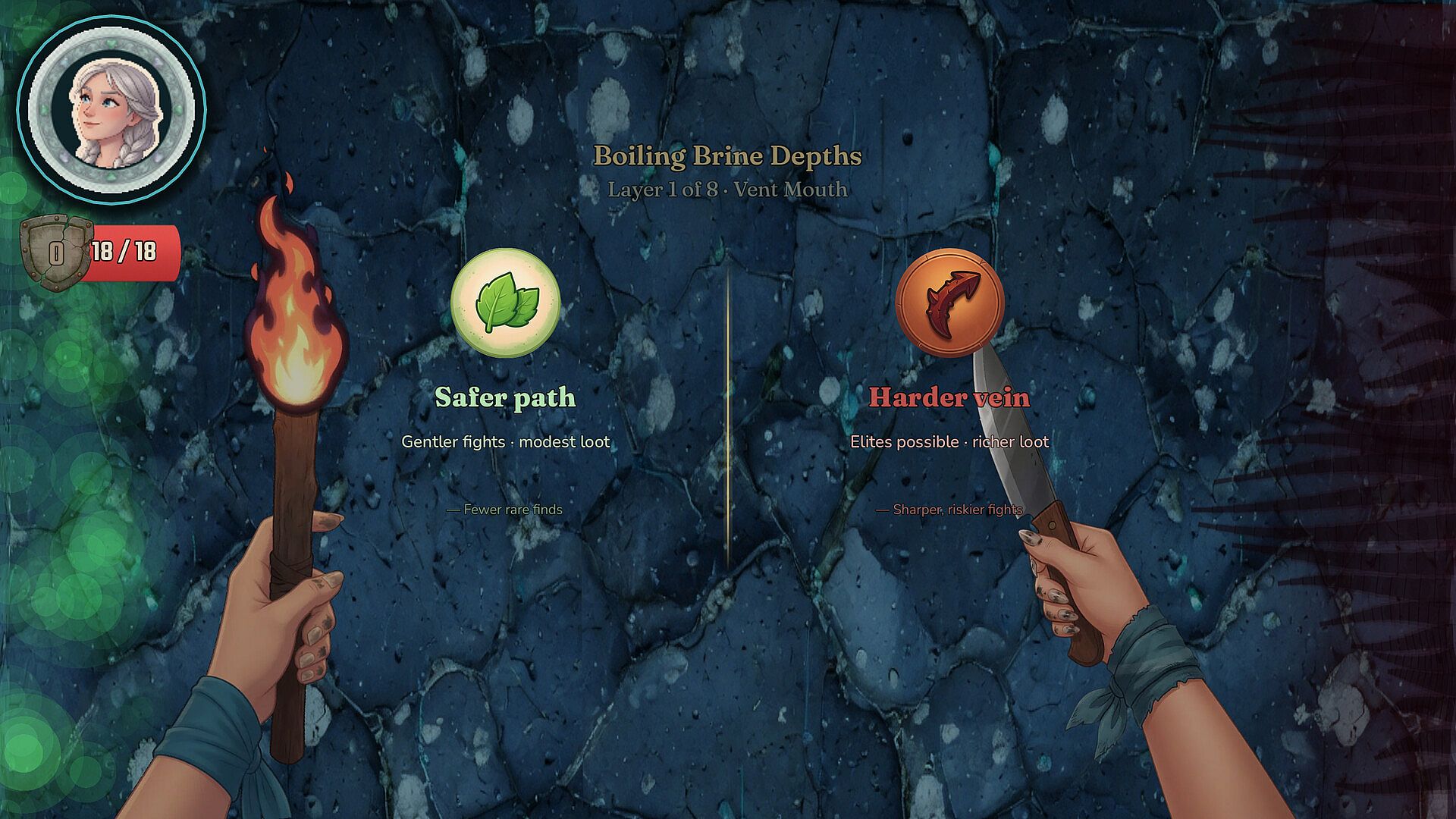

Dungeon Cook is a single-player first-person dungeon crawler that blends strategy, adventure, and indie mechanics on PC. Players control Pip, a kitchen apprentice who wakes inside a living dungeon with a Living Cookbook and no memory of how the rest of the kitchen staff ended up trapped. The core loop involves exploring shifting corridors, engaging in deck-based combat, harvesting ingredients through precise knife work, and cooking meals that directly influence the next encounters. Treasure lures explorers deeper while the dungeon itself grows stronger from those who fall, turning fallen delvers into new threats and expanded layers.
Gameplay
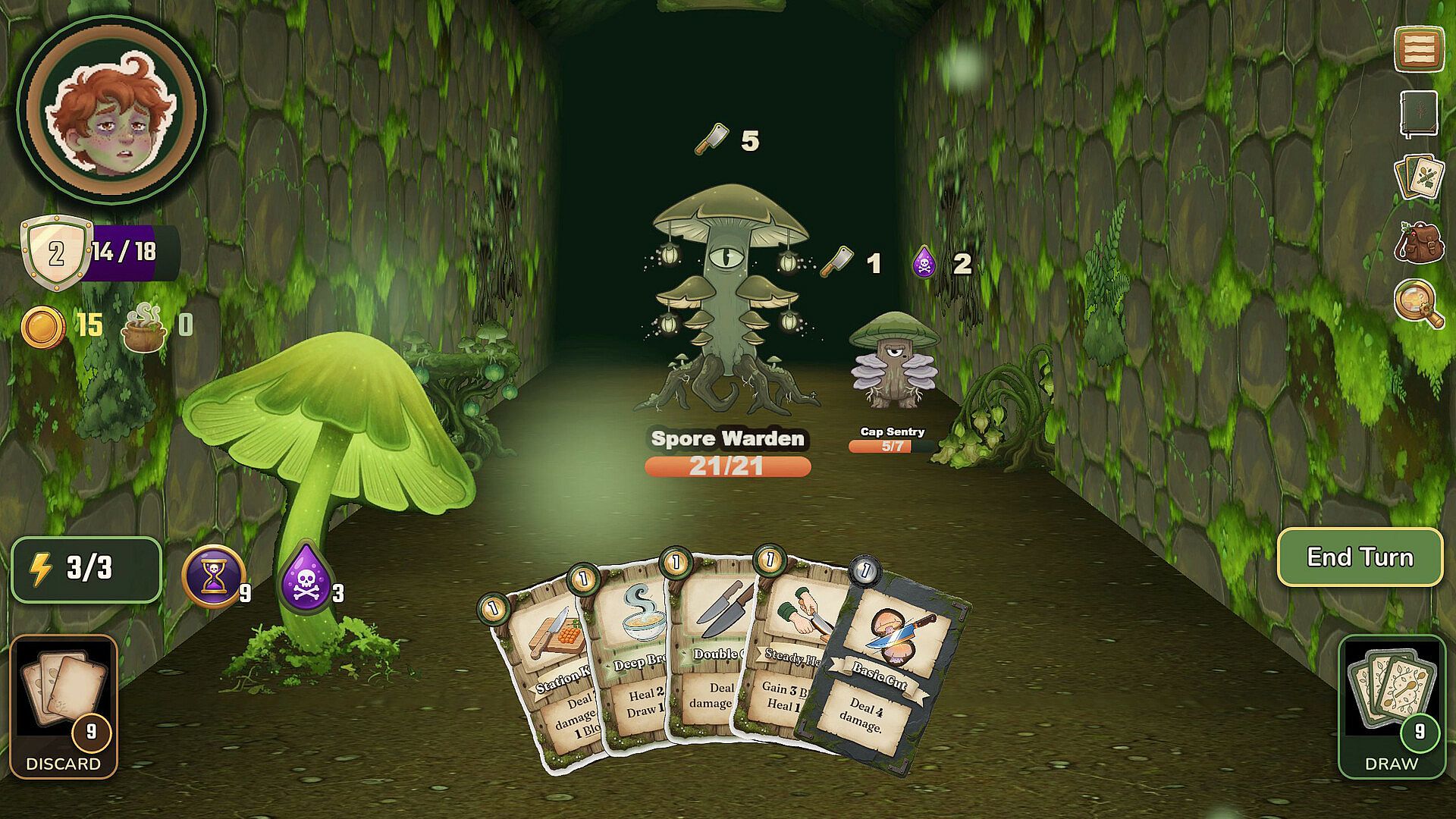
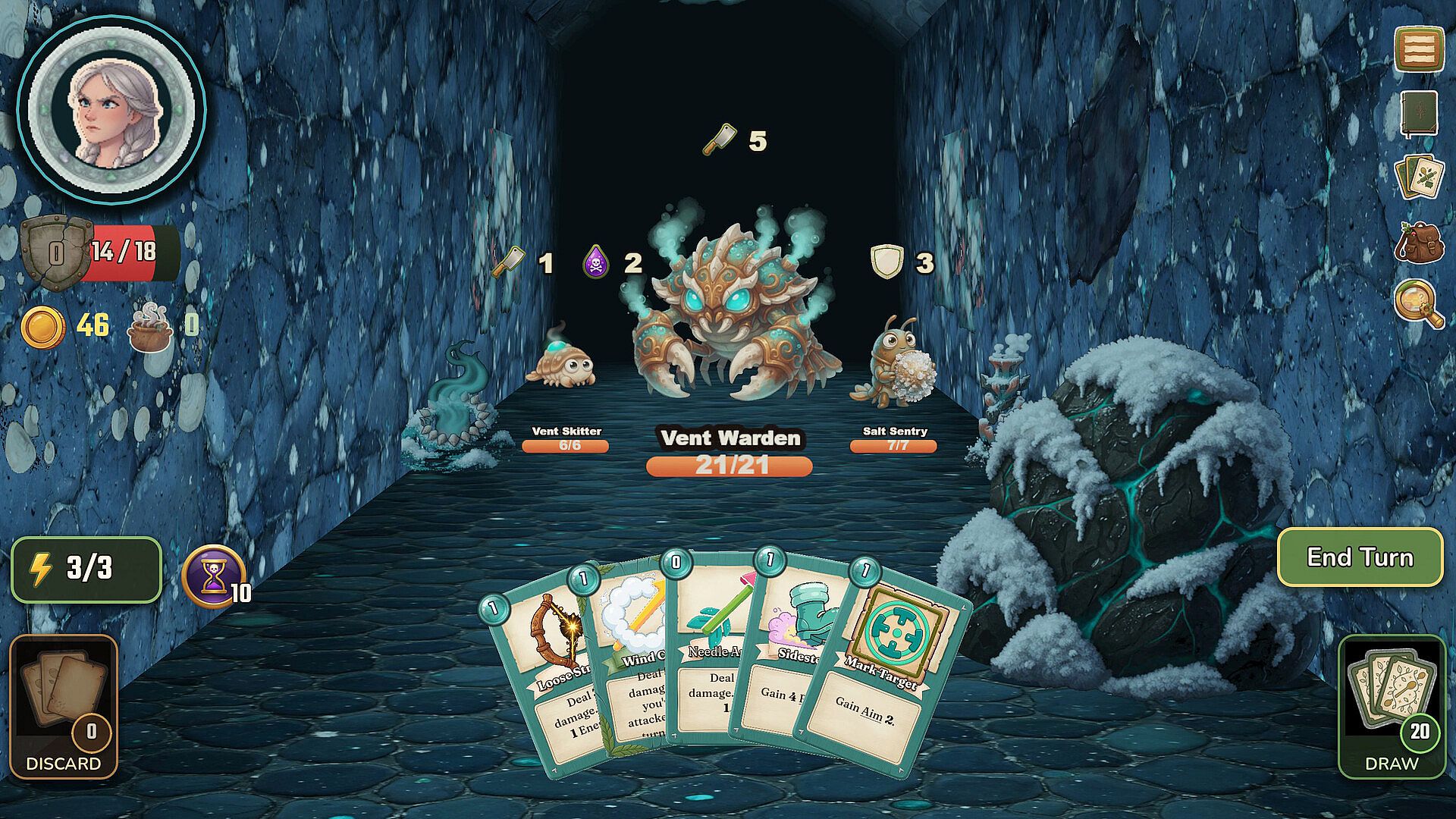
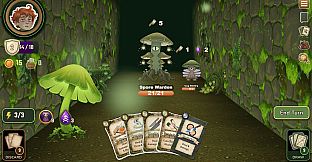
Exploration takes place in first-person view through eight distinct kitchens, each functioning as its own self-contained ecology with unique layouts, enemies, and environmental behaviors. Routes change between runs, and fauna adapts as the dungeon digests previous victims. Combat relies on a cook's deck of cards divided into actions like cuts, blocks, and supportive effects. Players must reduce monsters to exactly zero health with a precise strike to harvest usable parts; excess damage ruins the meat and wastes potential resources.
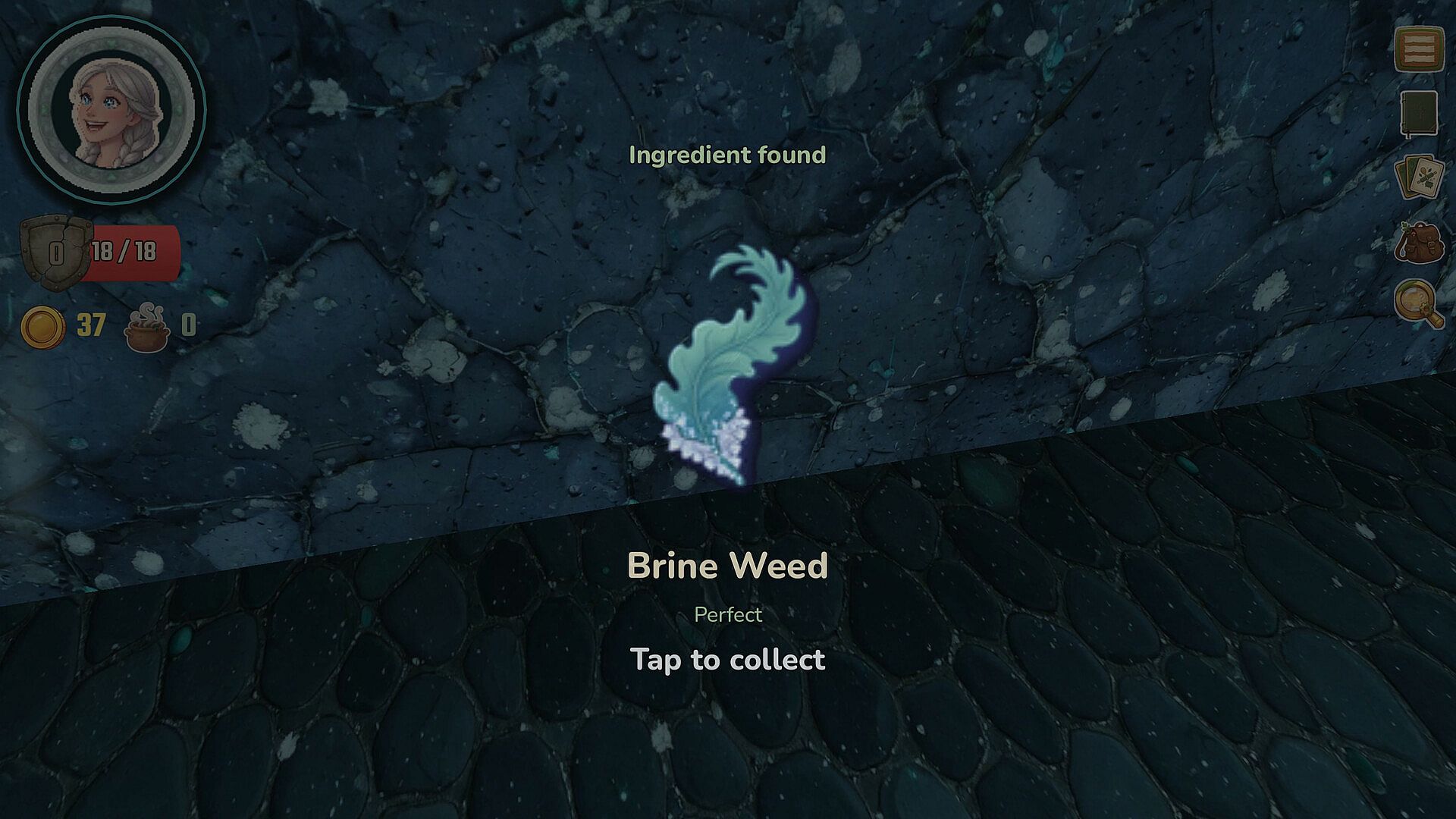
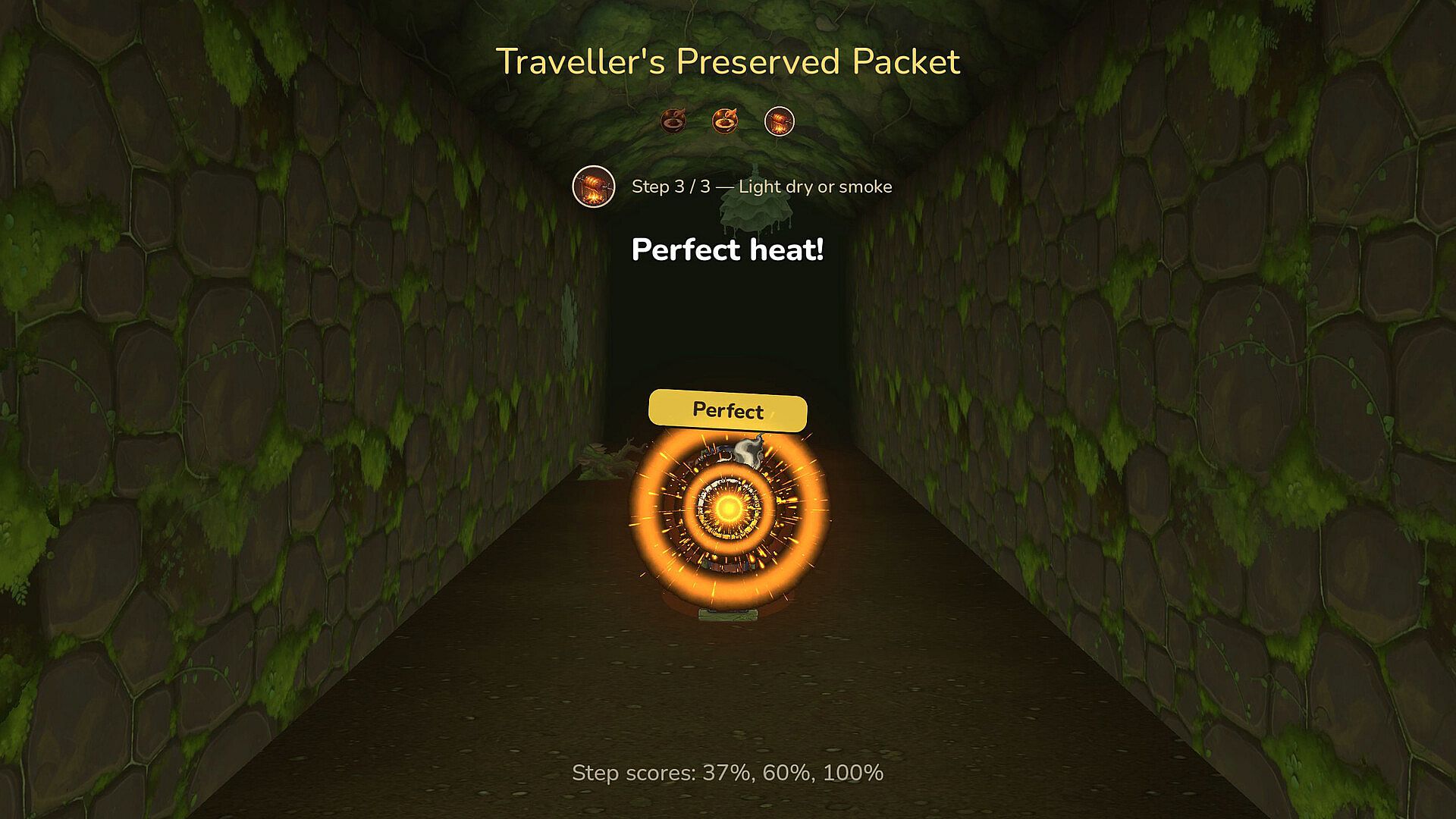
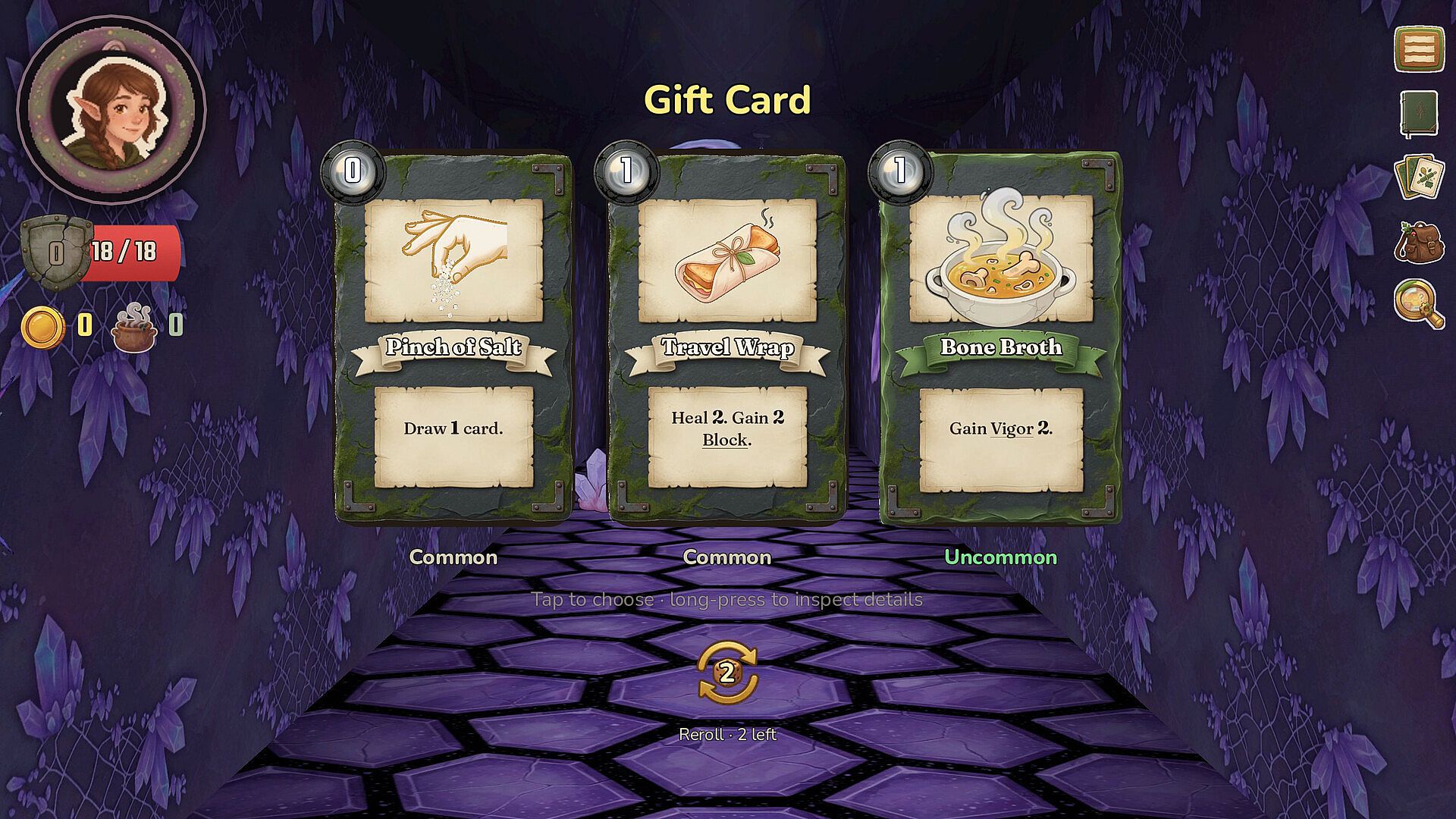
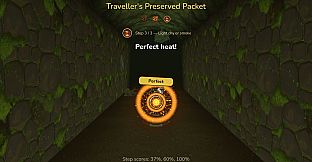
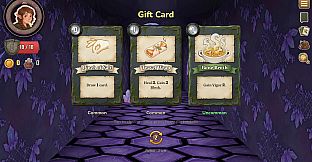
After fights, ingredients go onto the fire where timing determines quality: clean or perfect results yield stronger meals. These dishes grant temporary bonuses, alter deck performance, or provide recovery options for upcoming layers. The Living Cookbook retains lost party knowledge across runs, while artifacts and prepared meals rewrite fight dynamics on the fly. Eight recruitable cooks each bring specialized decks, from honest knife work and small heals to bow volleys that scale with repeated use or heavy cleaves that demand careful resource management.
Game Modes
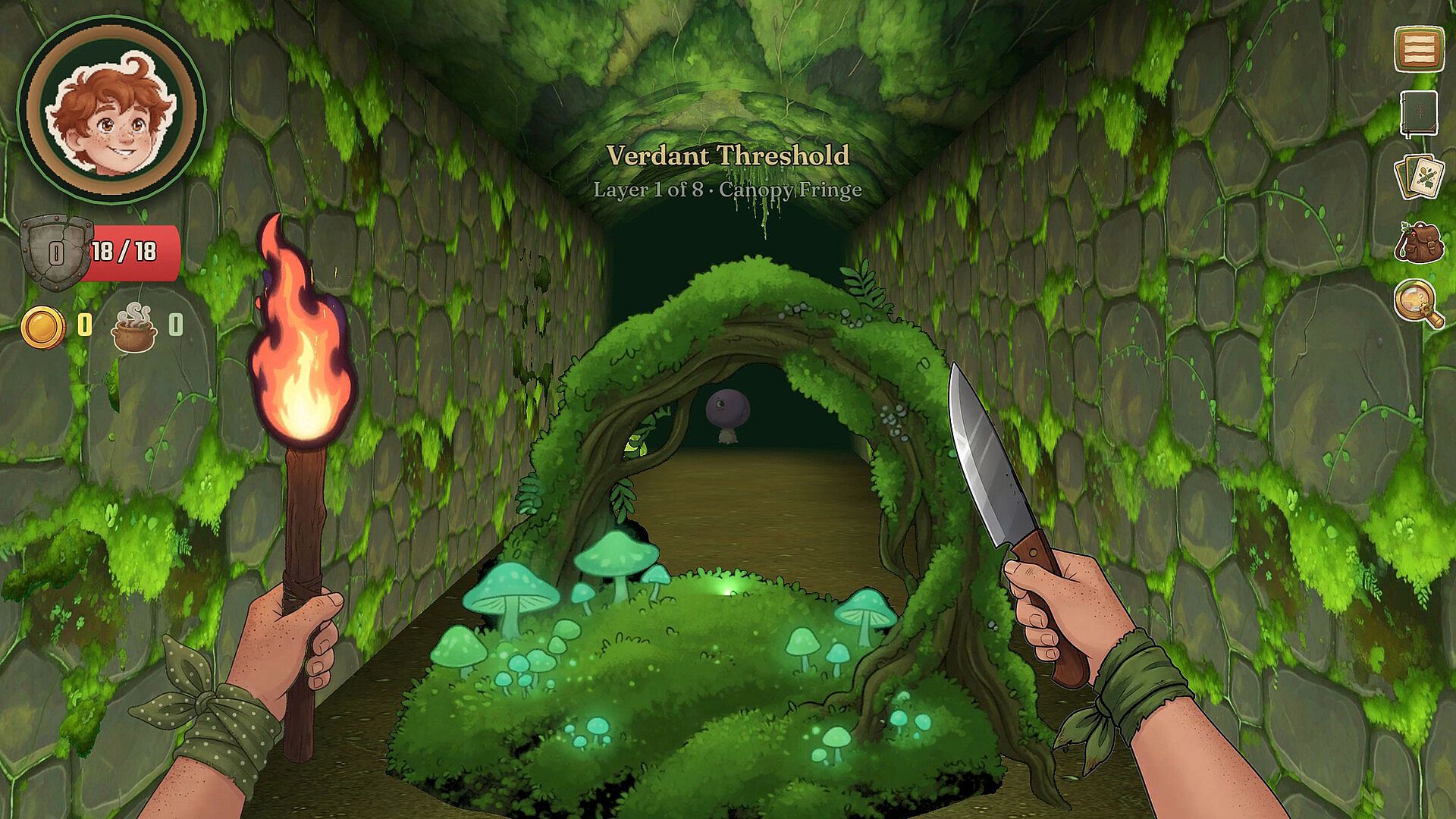
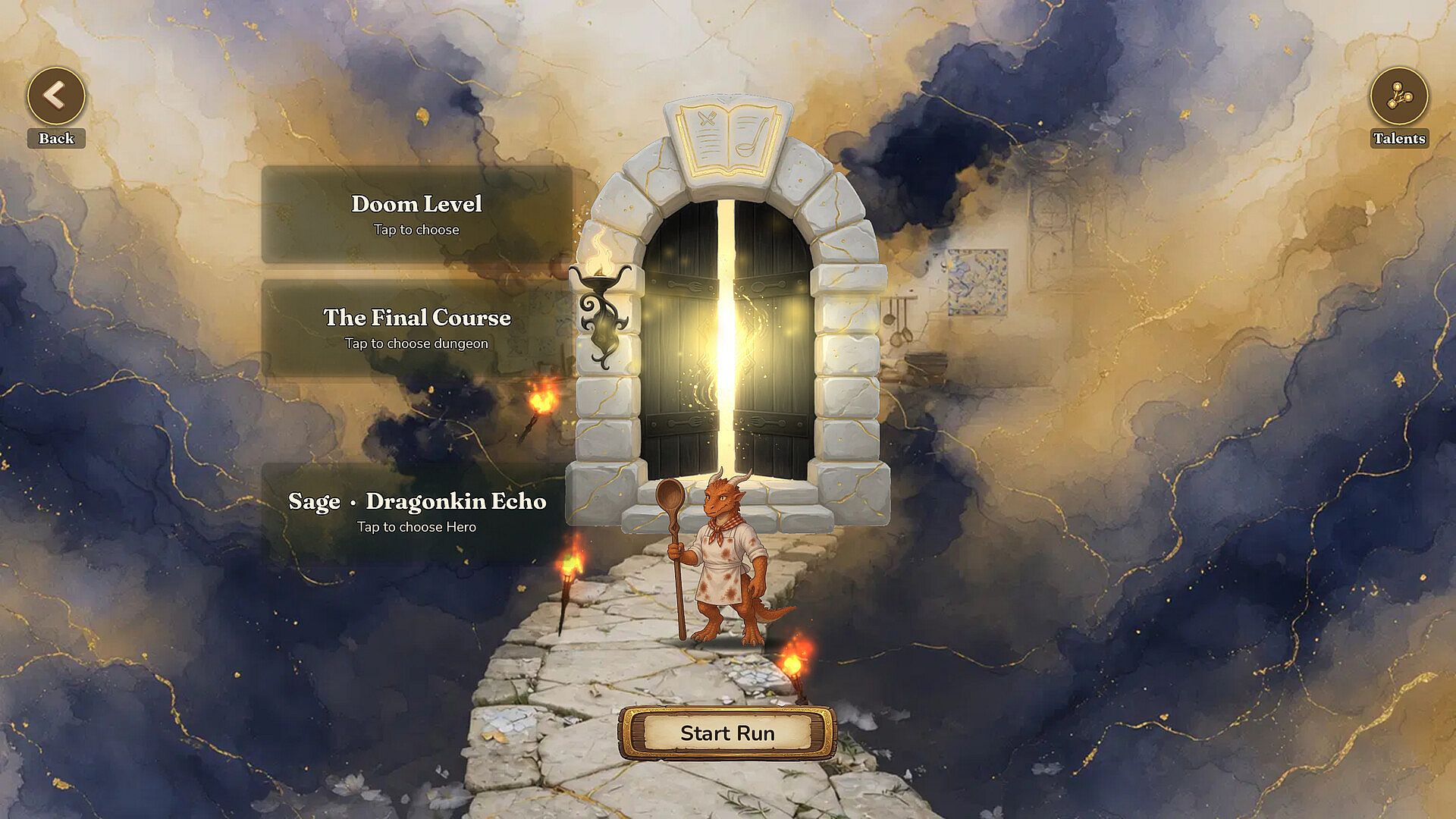
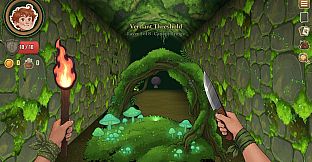
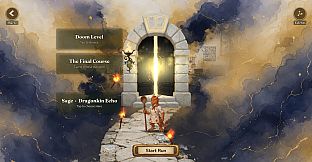
The primary experience is a single-player campaign structured around clearing successive kitchens. A free demo allows access to the first two layers of the Verdant Threshold, introducing core combat, harvesting, and cooking systems with one starting cook and the Living Cookbook. After completing the Final Course, Doom Level unlocks as a harder variant where enemies deal increased damage, waves grow denser, and rewards scale accordingly. Progress through tiers by clearing each kitchen's ending encounter to open the next difficulty step, creating a finite but increasingly demanding progression path rather than endless runs.
Kitchens and Cooks
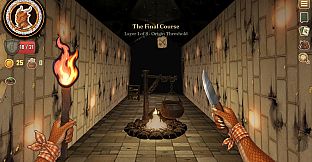
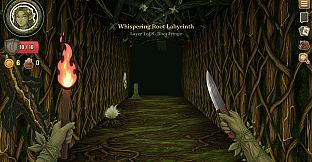
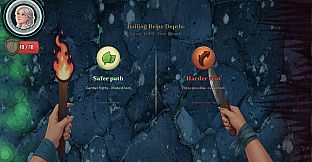
Each of the eight kitchens presents distinct challenges and thematic depth. The Verdant Threshold consists of eight fungal forest layers where routes shift and fauna evolves. Boiling Brine Depths features steam, salt, and pressure across eight layers guarded by the Brine Sovereign. Crystalline Meat Gardens involves singing lattice and jeweled flesh tended by the Crystal Gardener. Ashen Ember Fields hold banked heat and patient ash under the Ember Warden. Whispering Root Labyrinth uses listening vines and borrowing flesh. Hollow Feast Halls contain unfinished courses that remember past cooks. The Last Dessert offers a single frosting-court layer beneath the final kitchen, while the Final Course represents the origin kitchen with living gold ink and an unfinished first recipe.
Rescuing the eight cooks grants access to their unique decks and playstyles. Pip starts as the line cook focused on direct knives, blocking, and minor healing. Miravelle emphasizes growing bow volleys. Torren delivers heavy cleaves with strong blocks at higher cost. Sable manages smolder effects and recovery between bursts. Rook handles draws, energy, and soft control. Lira supports through heals and table mechanics. Vespera sets up discards for burst damage but risks fragility on failed combos. Sage scales power based on cumulative meals cooked across runs.
Is It Worth Playing?
The game remains in a pre-release state with a free demo available covering early layers, allowing players to test the precise-cut harvesting, campfire cooking timing, and deck synergy without commitment. No user reviews exist yet on major platforms, so reception depends on individual tolerance for roguelike deck-building combined with first-person exploration and resource management. Those who enjoy single-player strategy titles that reward careful execution over raw aggression will find the cooking-as-combat loop and kitchen-specific ecologies provide consistent variety across runs. The Doom Level adds structured escalation for those seeking tougher challenges after the main kitchens. Availability on PC with a demo makes it accessible to evaluate fit before full release.