




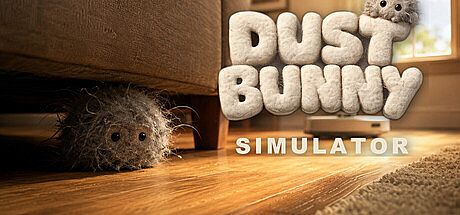





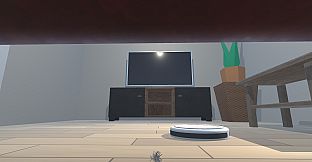
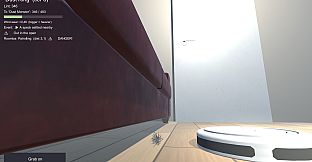


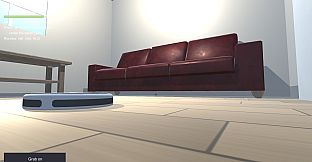
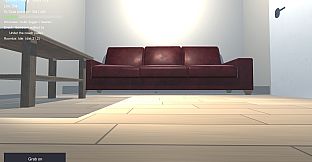
Dust Bunny Simulator is an indie casual simulation game where players take on the role of a passive dust bunny in a domestic setting. The experience centers on growth through accumulation rather than direct control, creating a humorous take on helplessness in a familiar environment.
Gameplay
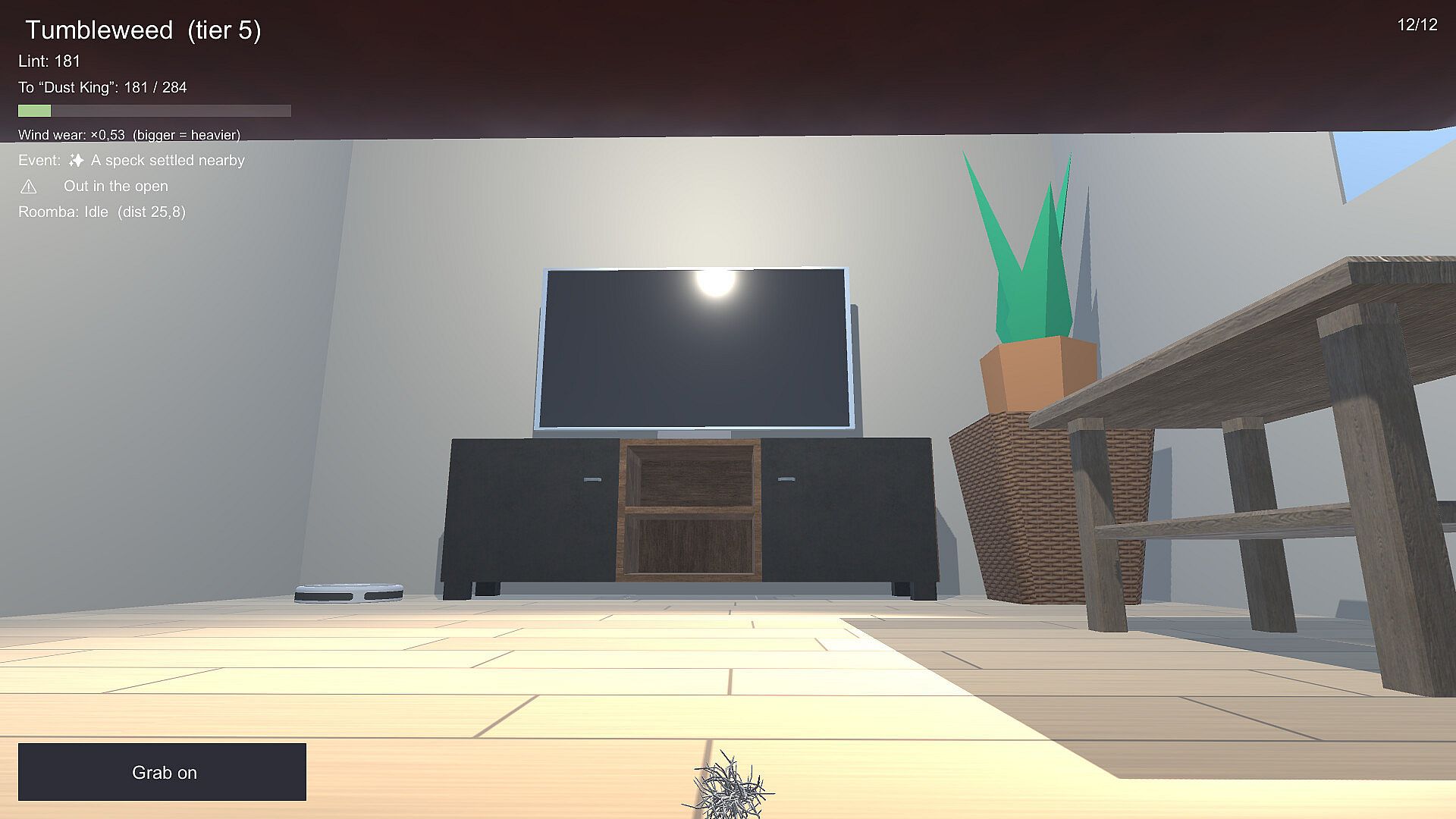
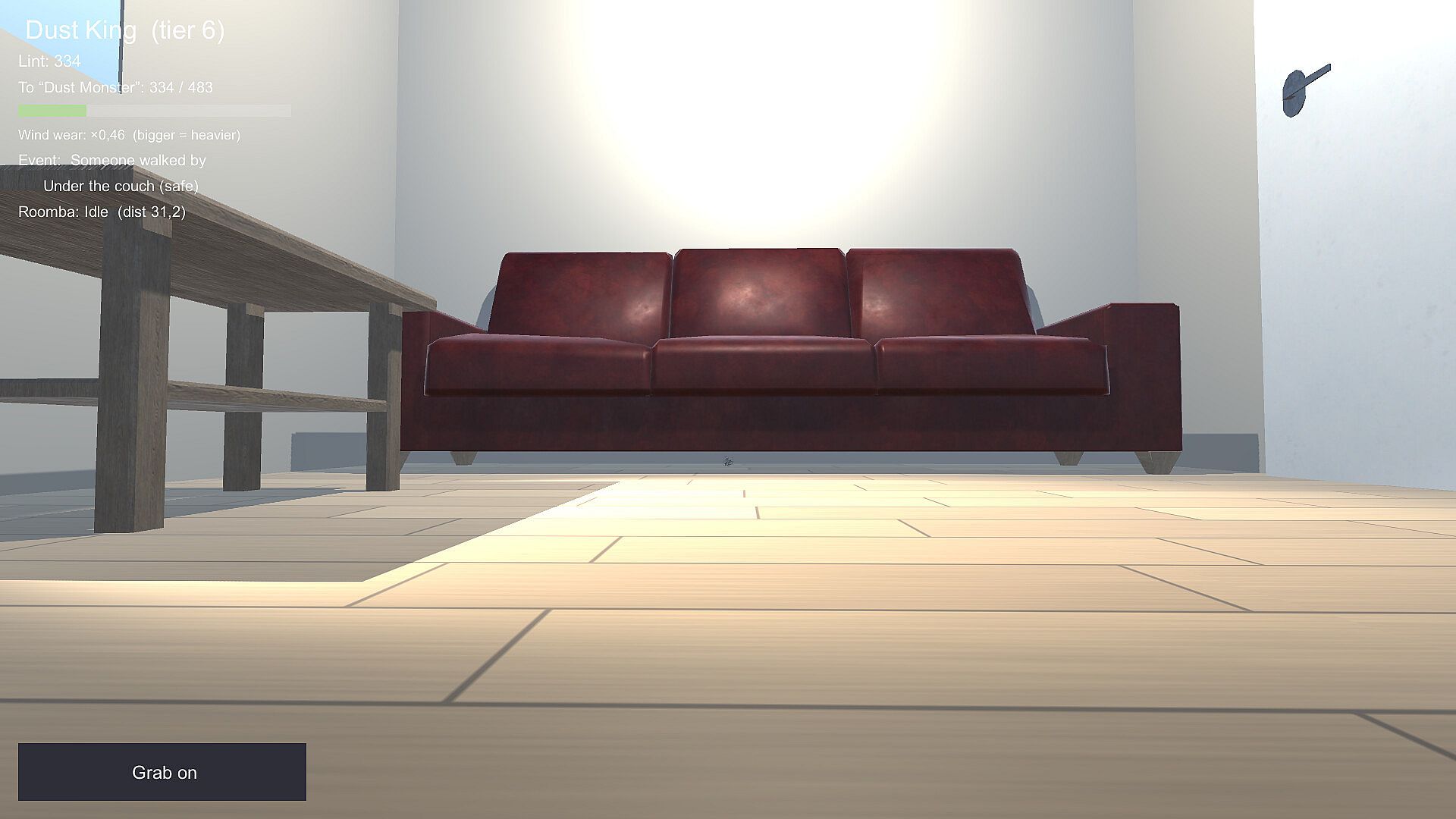
The core loop revolves around watching as external forces shape your progress. Drafts, footsteps, cats, and sneezes push the dust bunny around the room, allowing it to gather lint and debris over time. This passive system means the player observes rather than directs movement, with growth occurring gradually from a tiny speck to larger forms.
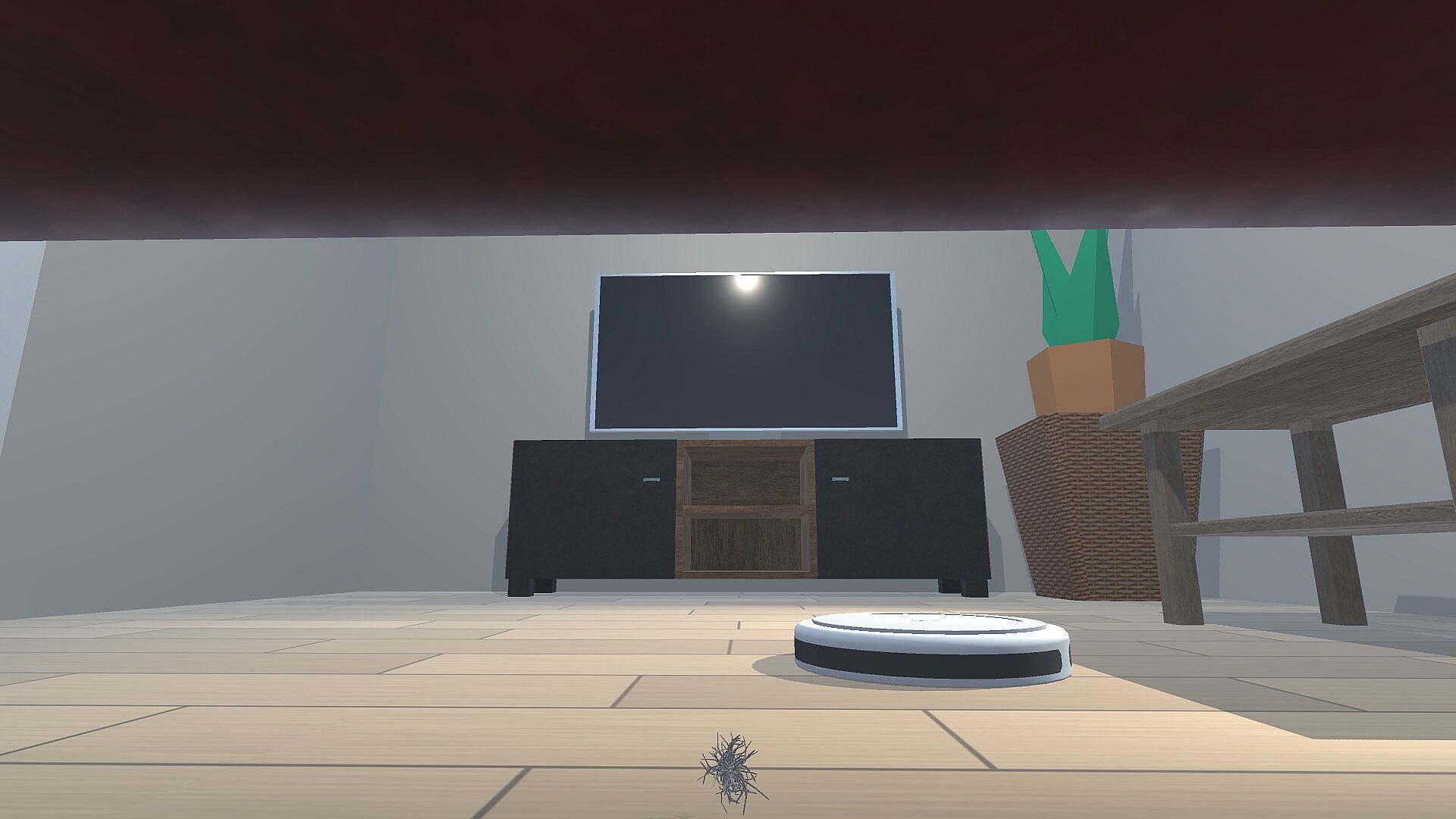
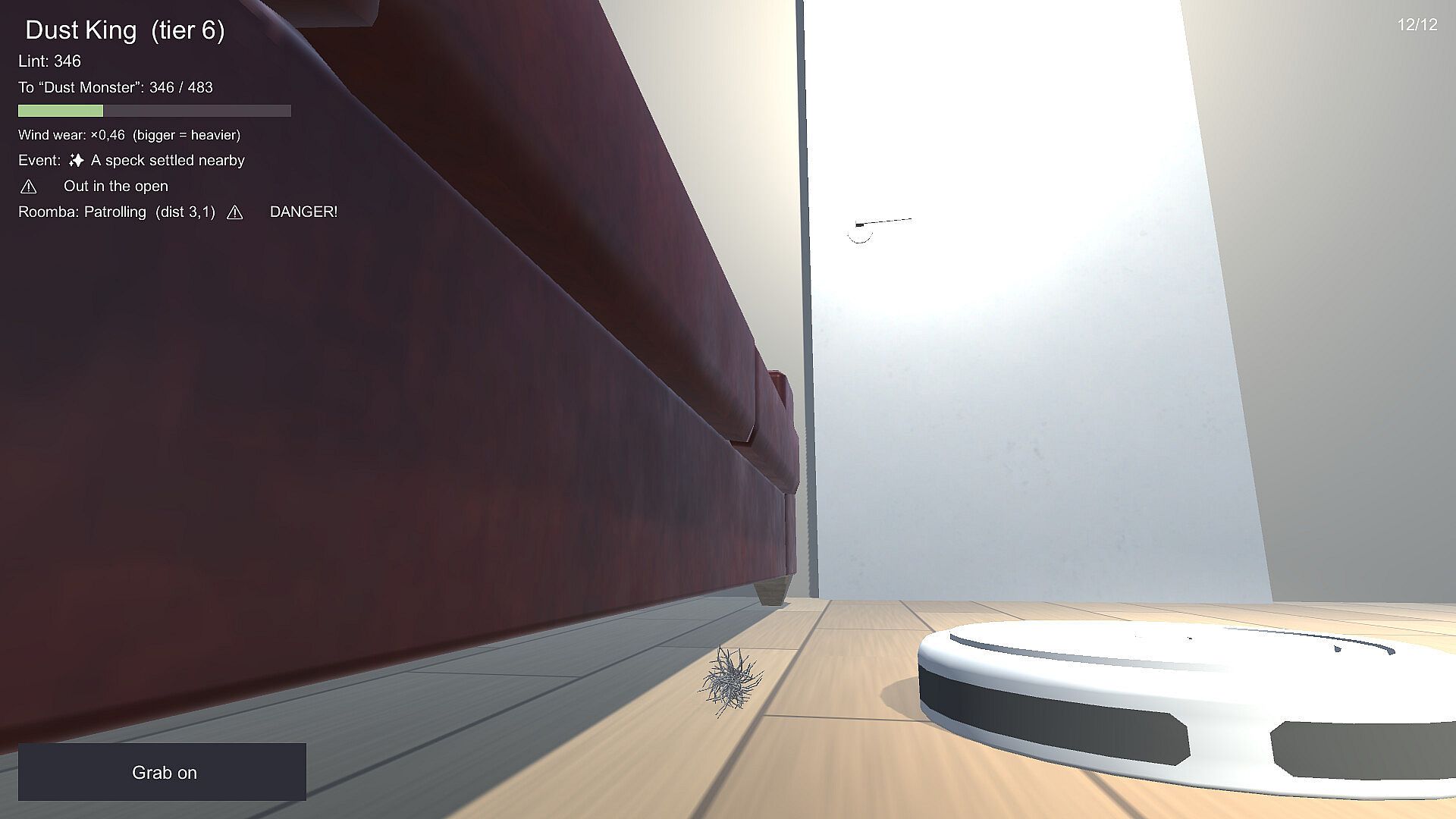
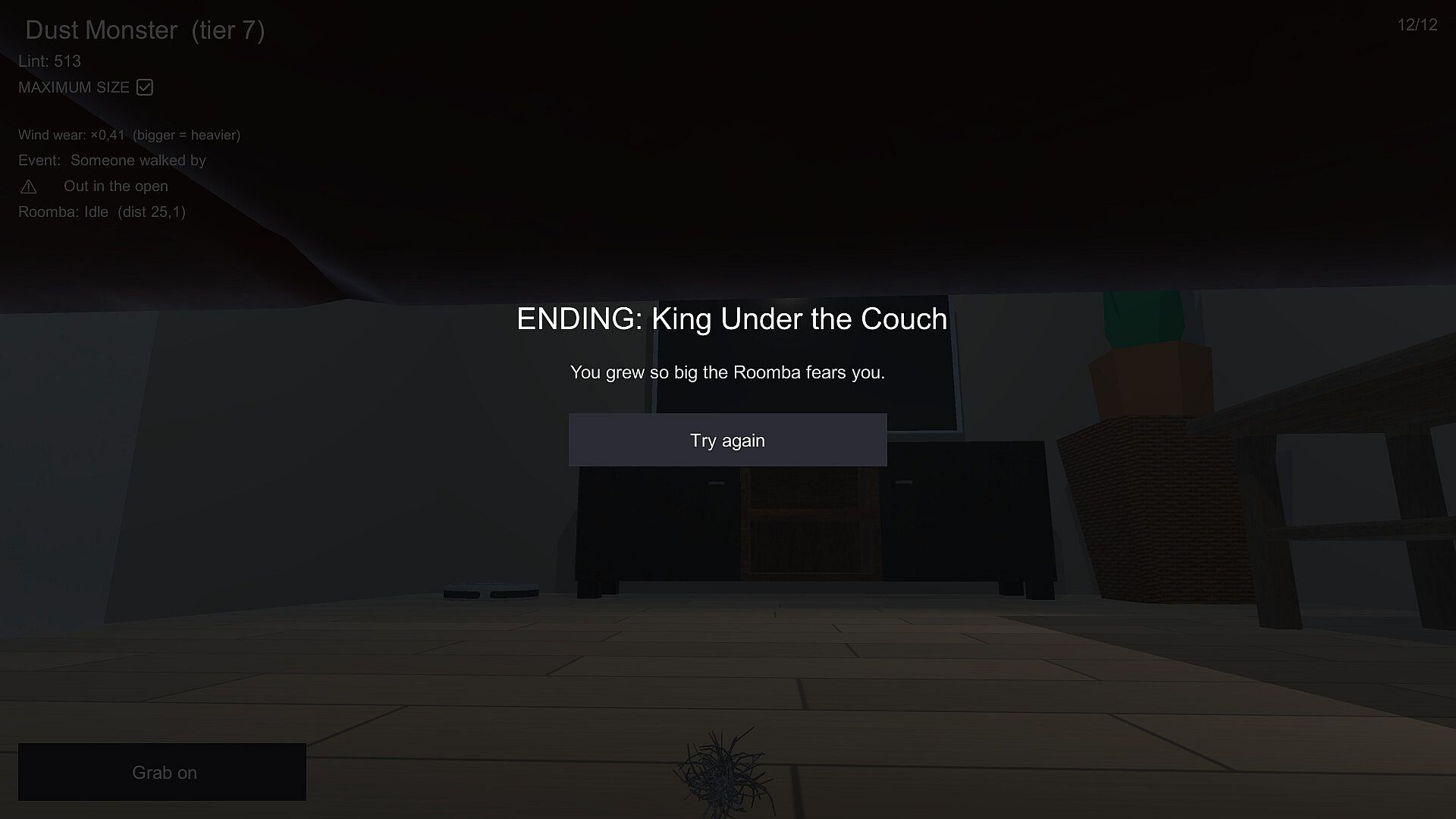
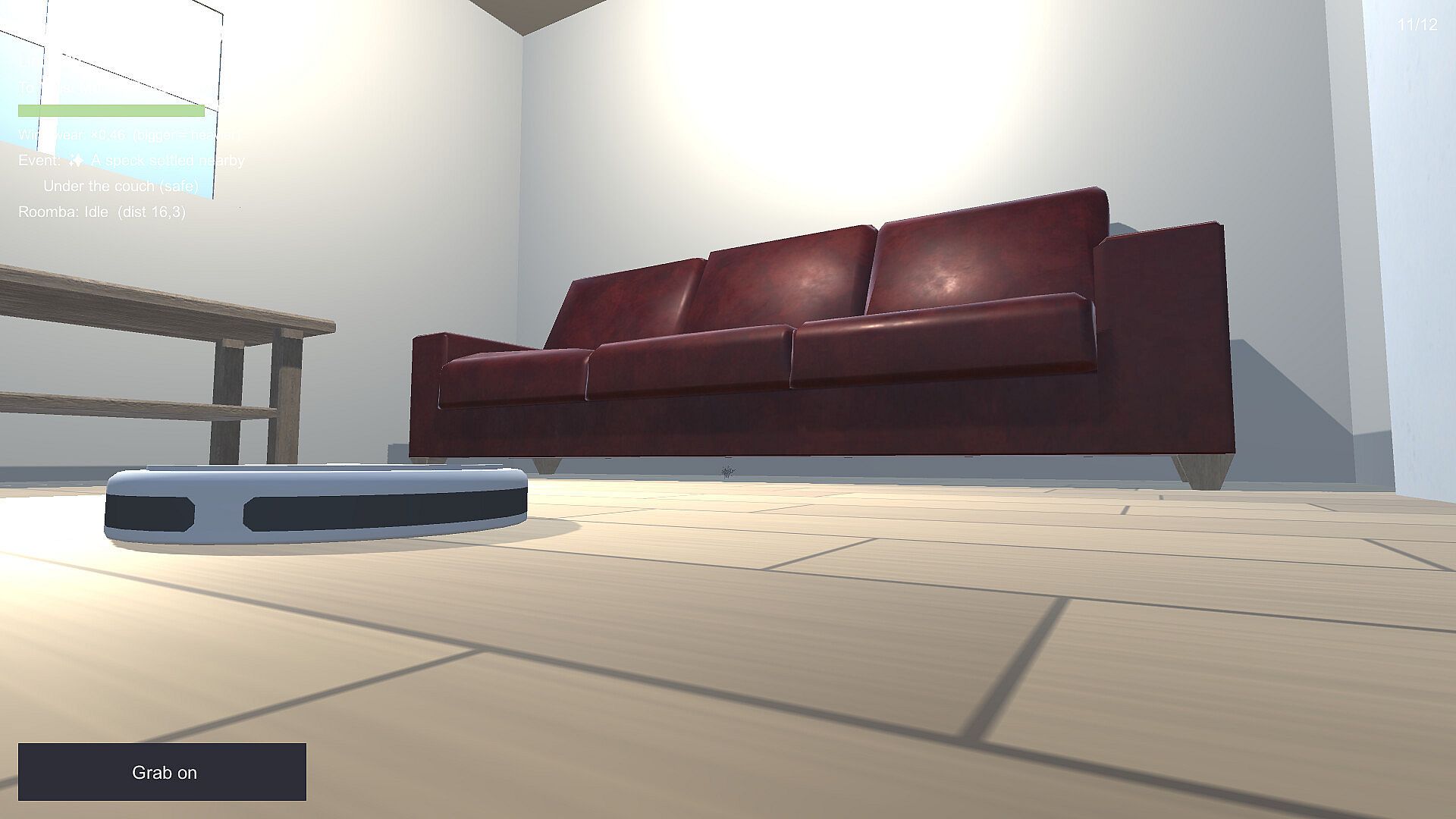
Survival hinges on avoiding the Roomba, which patrols at regular intervals. When it approaches, the dust bunny must seek cover under furniture or use a floor-grabbing mechanic to stay safe during the pass. Reaching the largest size changes the dynamic, as the vacuum begins to react differently to the now-dominant presence.
Progress tracks across seven distinct size stages, each building on the previous accumulation. The short session length supports repeated plays without long commitments, emphasizing lighthearted observation over intense action.
Game Modes
The game operates as a single-player simulation focused on one continuous run. Players experience the idle accumulation process in a contained room environment, with the central challenge being timed evasion of the robotic vacuum. No separate competitive or cooperative modes exist, keeping the focus on the solitary, absurd journey from speck to oversized clump.
Each playthrough follows the same structure of passive growth interrupted by periodic threats. The format encourages multiple short sessions, where the outcome depends on timing the hiding or anchoring actions correctly during patrols.
Key Features and Mechanics
Twelve Steam achievements reward specific milestones in size progression and survival. The title supports eight languages from launch, broadening accessibility for different audiences. System requirements remain minimal, running on basic hardware with a sense of humor listed as an essential component.
Mechanics stay simple and consistent: world-driven movement, size-based visual changes, and binary survival choices against the recurring Roomba. The design avoids complex controls or branching paths, reinforcing the comedic premise of limited agency.
Is It Worth Playing?
This simulation suits players who enjoy low-pressure, observational experiences with a comedic edge. The minimal stakes and short runtime make it accessible for quick sessions, while the unique premise of growing through helplessness sets it apart from traditional simulation titles. With no user reviews available ahead of the August 2026 release, interest depends on appreciation for idle mechanics and absurd humor rather than established community feedback. Those drawn to casual indie games centered on passive progression and environmental interaction will find the concept aligned with their preferences.












