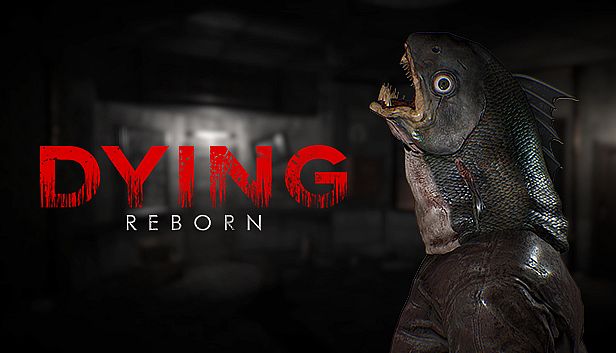











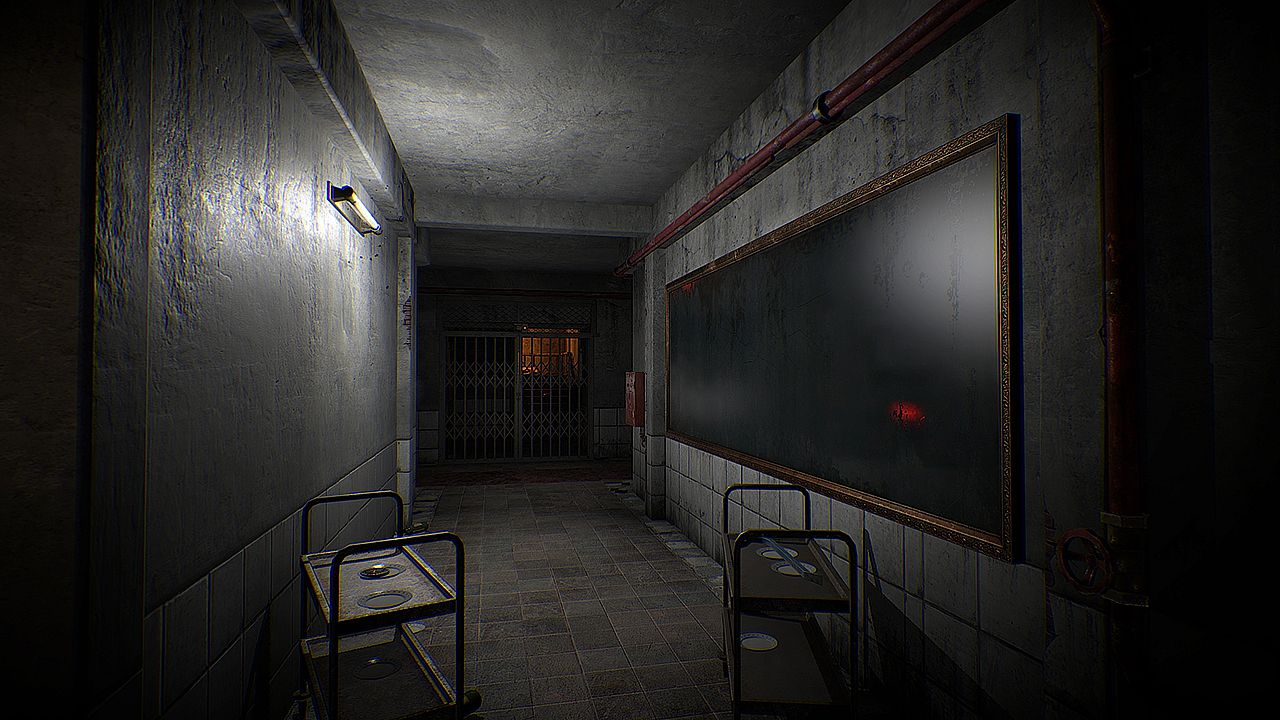
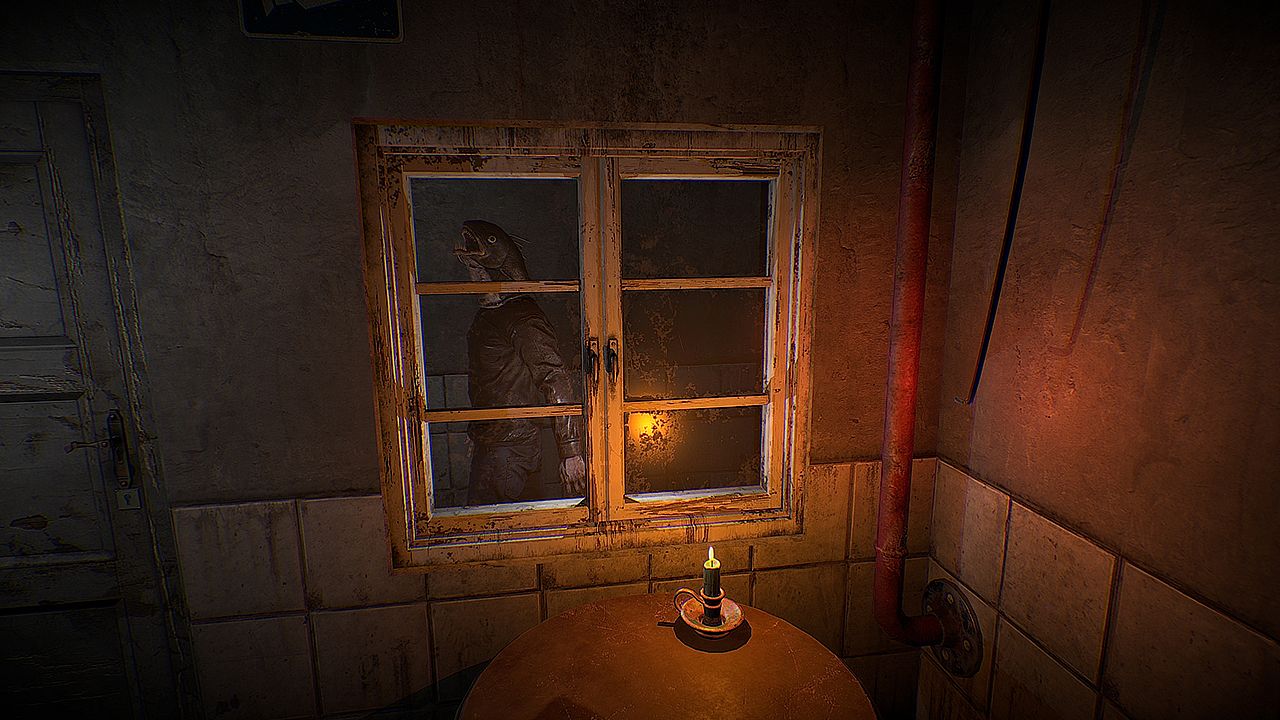
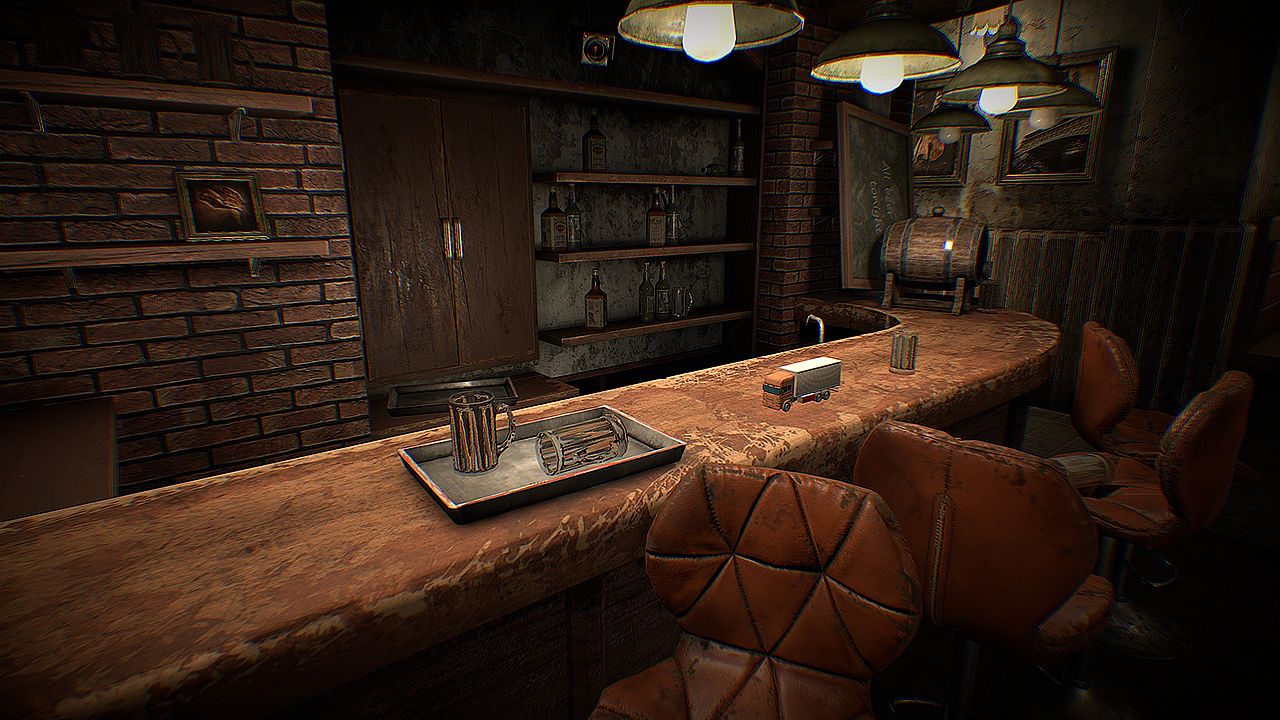
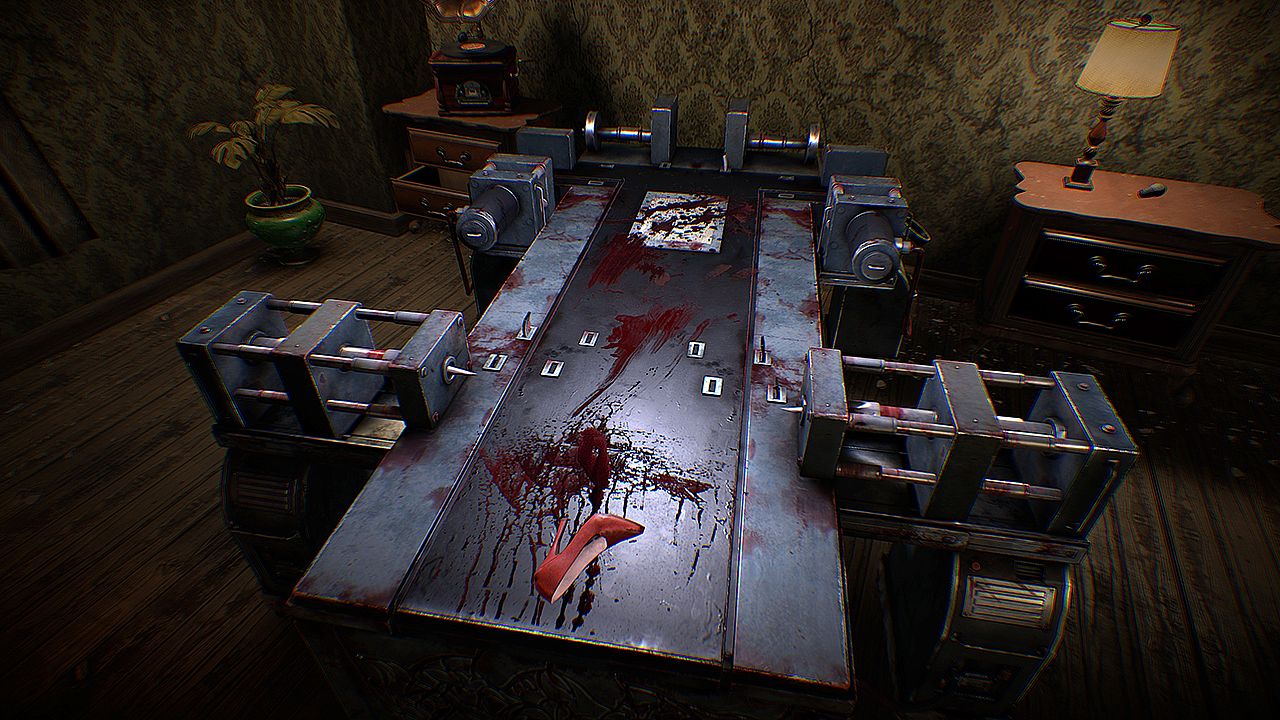
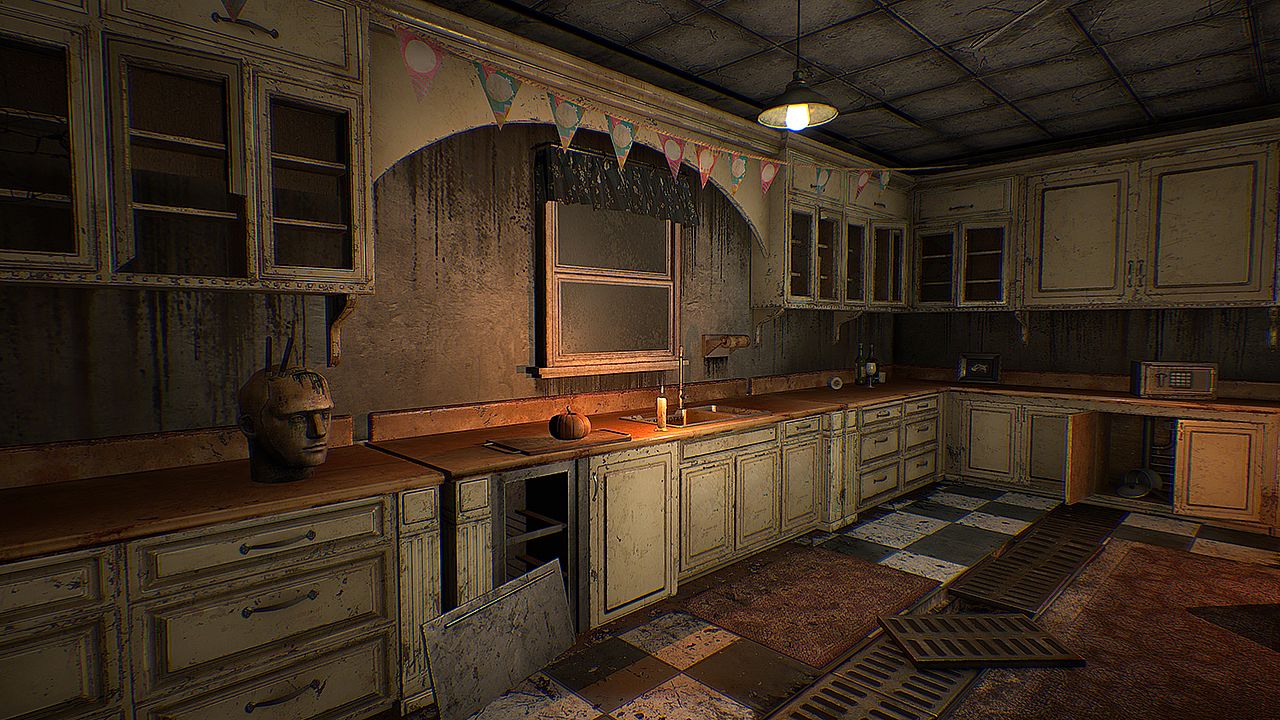
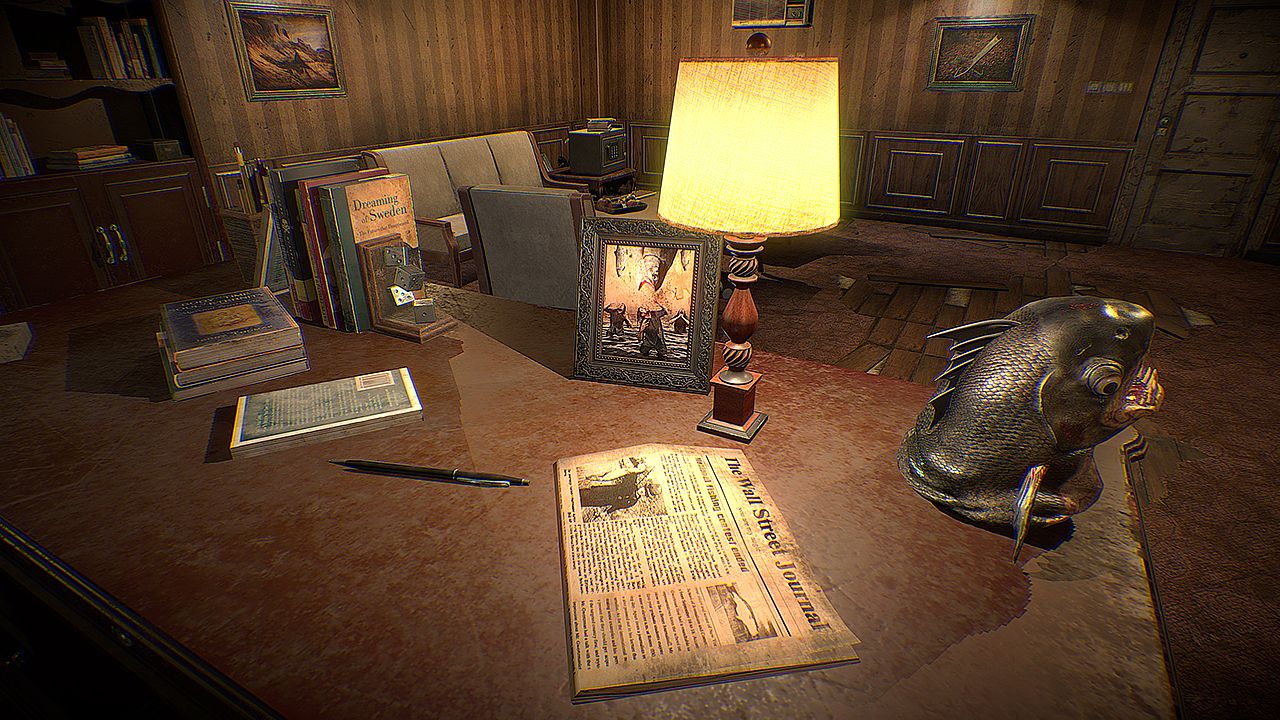
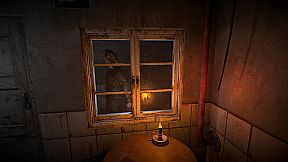
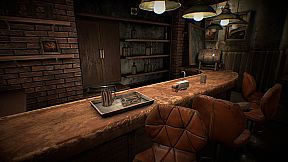
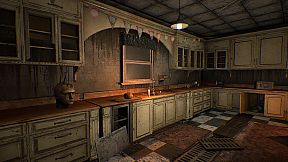
DYING: Reborn is a first-person adventure game centered on room escape puzzles. Players control Mathew as he wakes in a dimly lit hotel and faces a series of trials set by a mysterious contact. The experience unfolds across six chapters that combine exploration, object interaction, and logical problem solving in fully three-dimensional spaces.
Gameplay
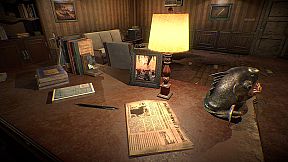
The core loop involves moving through connected rooms while examining every surface and item for clues. Players open drawers, inspect notes, manipulate objects such as piano keys or combination locks, and combine fragments of information to progress. Puzzles range from straightforward number sequences to more involved tasks that require cross-referencing drawings on walls with physical items in the environment. The first-person perspective keeps the focus on close inspection and trial-and-error experimentation within each confined area.
Progression relies on collecting scattered data fragments that gradually reveal details about Mathew's past and the reason for his confinement. These fragments appear as notes, recordings, or visual clues that players must locate and interpret. The game emphasizes careful observation over combat or resource management, with an emphasis on atmosphere created through dim lighting, creaking sounds, and unsettling room layouts. Controls center on direct interaction with the environment, requiring players to point at and activate specific elements to test solutions.
Game Modes
DYING: Reborn offers a single continuous campaign divided into six chapters. Each chapter presents a self-contained set of rooms and puzzles that must be completed in sequence to advance the story. There are no separate difficulty settings, time trials, or alternative play styles; the structure remains linear and focused on narrative delivery through environmental storytelling and puzzle resolution. Players experience the full sequence from start to finish without branching paths or optional side content.
Story and Atmosphere
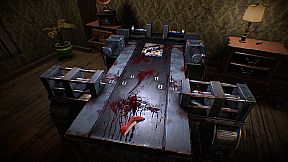
The narrative follows Mathew's attempts to understand his situation and atone for an unspecified past mistake. A voice on the phone delivers instructions and warnings, pushing the protagonist through increasingly complex trials. The plot unfolds primarily through collected fragments and environmental details rather than direct exposition, creating a sense of mystery that ties the rooms together. The hotel setting incorporates elements of decay and hidden violence that support the eerie tone without relying on jump scares or overt horror mechanics.
Each chapter introduces new room configurations and puzzle themes while maintaining the same core interaction style. The overall experience stays grounded in exploration and deduction, with the bizarre elements of the plot emerging through the accumulation of clues rather than sudden revelations.
Is It Worth Playing?
The game suits players who enjoy methodical puzzle solving in confined spaces and do not mind a short, linear structure. Its strength lies in the variety of escape-room style challenges that test observation and logical connections. Those seeking longer campaigns, multiplayer options, or frequent updates will find the title limited in scope. The single-player focus and chapter-based progression deliver a complete but contained experience that appeals primarily to fans of first-person adventure puzzles on PC.