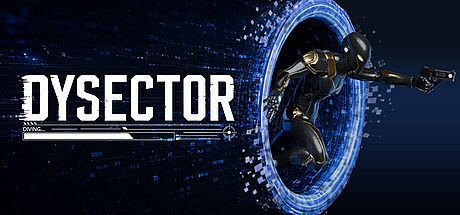




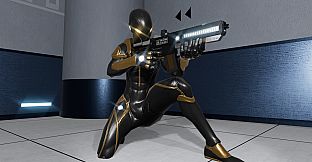




DySector is an action simulation game for PC in which players operate a tech repair business. Customers arrive with malfunctioning devices, and the work involves both hands-on management at the shop and direct intervention inside the hardware itself. The core loop alternates between screening jobs, setting prices and deadlines, and entering the device's software to address problems at their source.
Gameplay
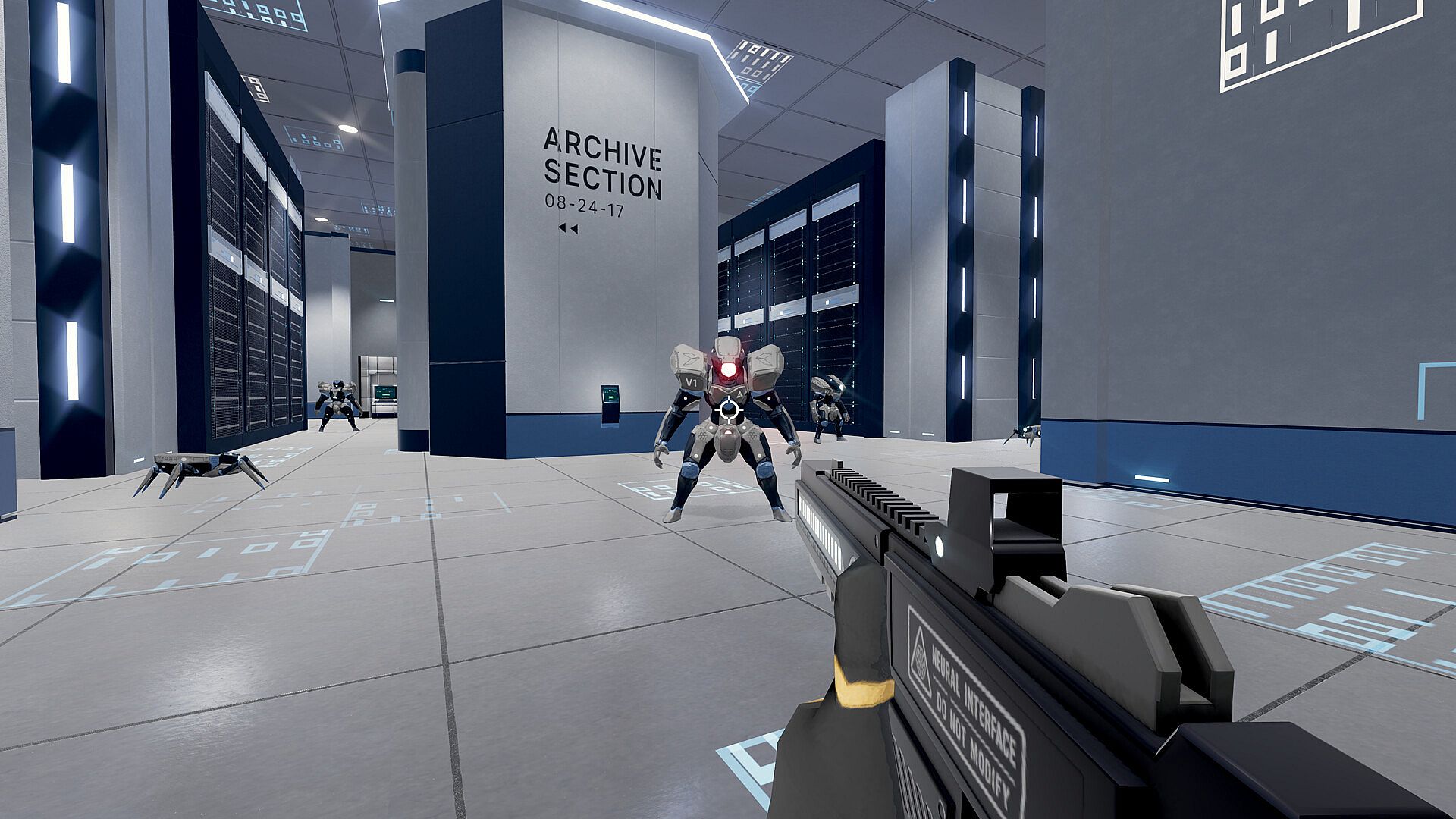
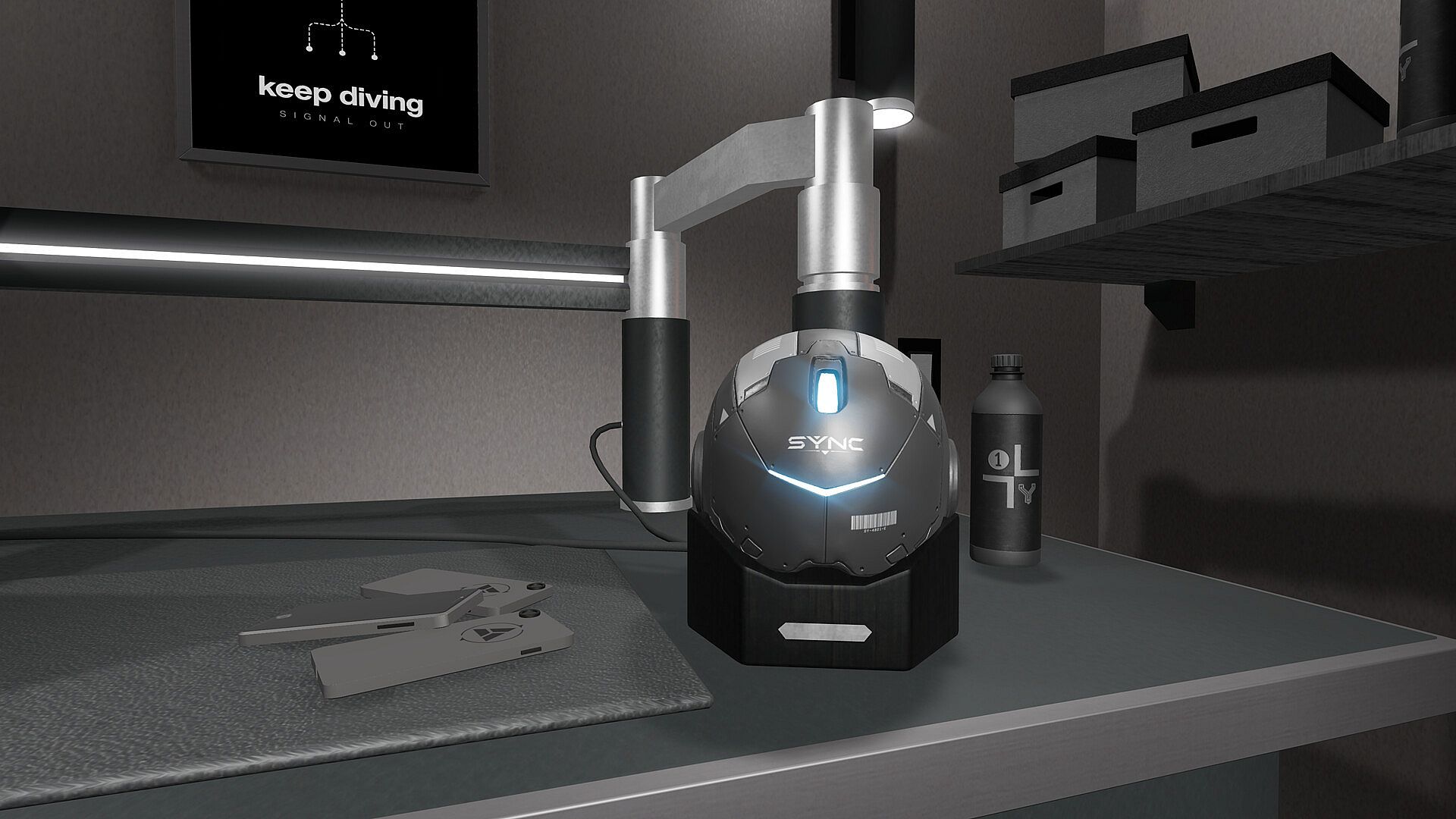
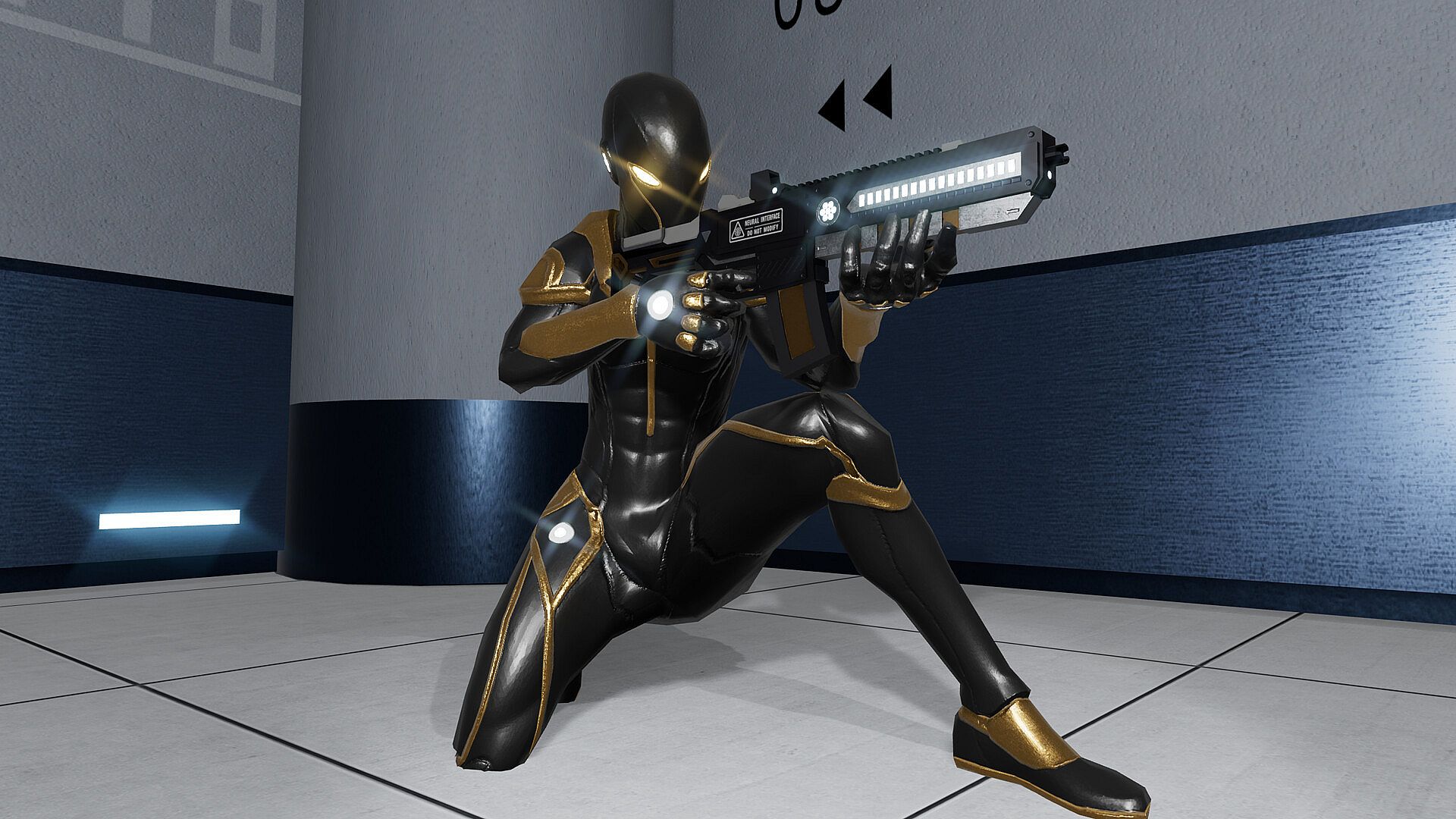
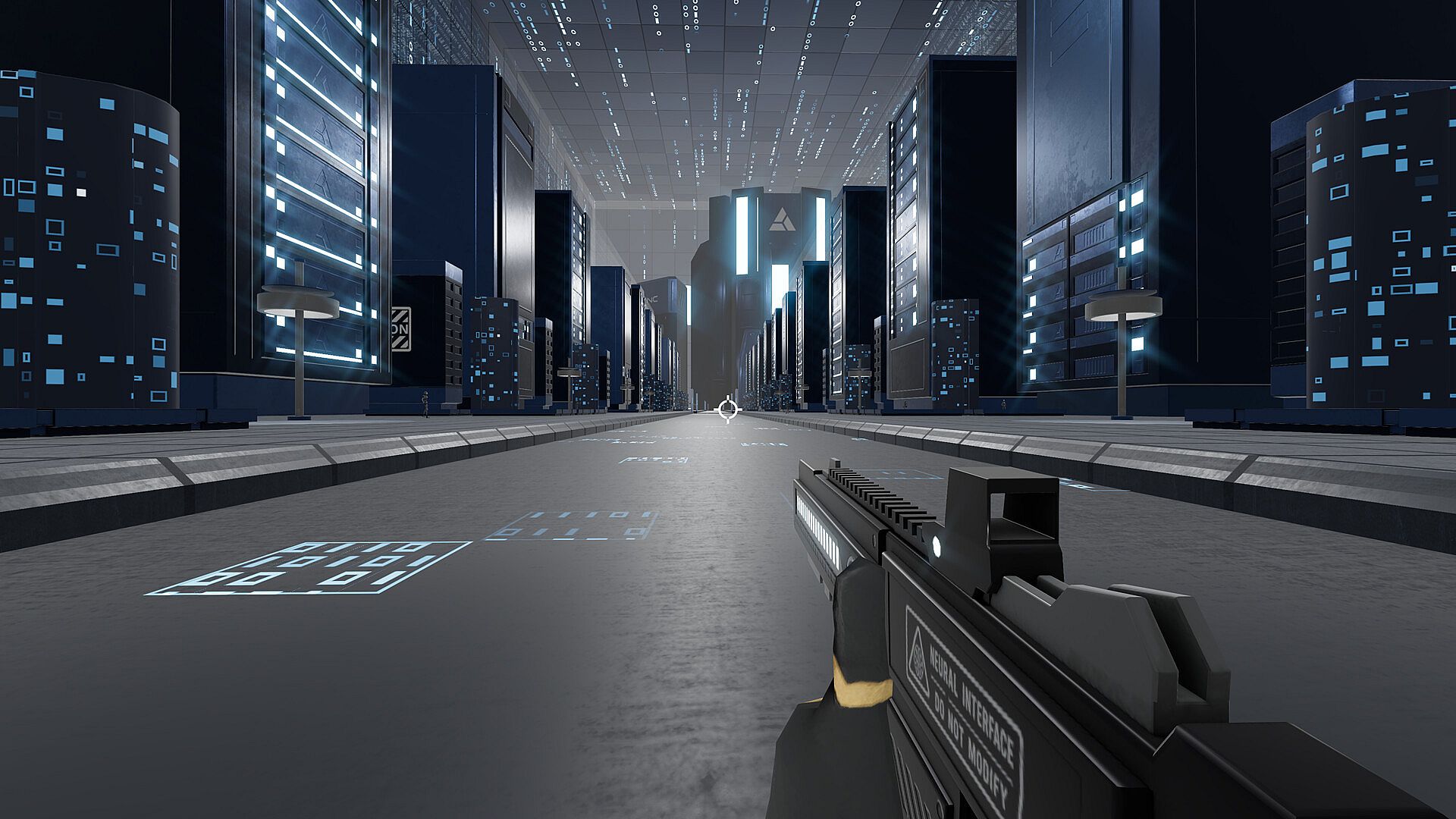
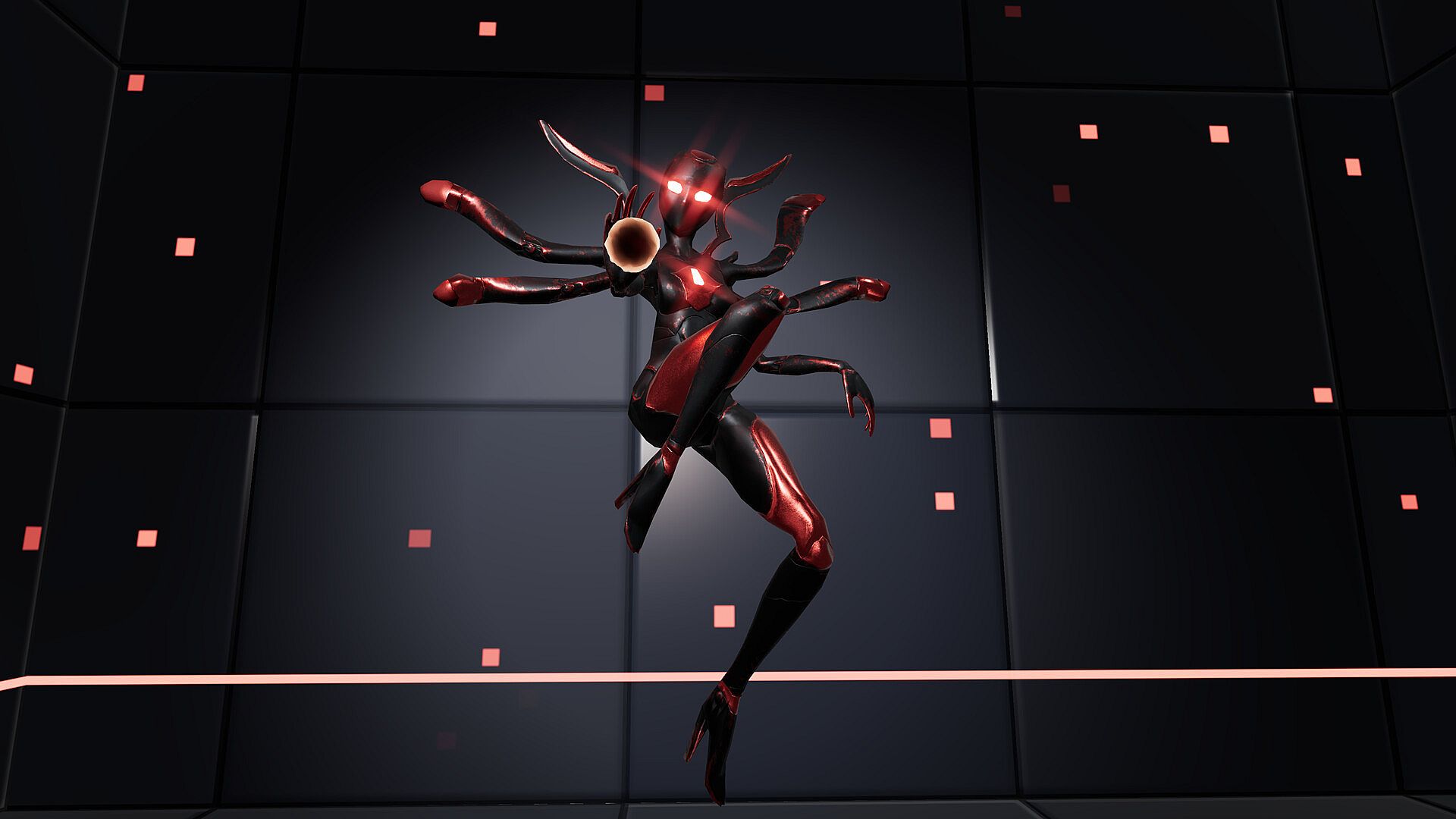
The central activity takes place through a specialized interface called the Dy-Helmet. Connecting a device allows entry into its software sectors, where corruption must be cleared and systems restored. These sectors appear in procedurally generated layouts, so each dive presents a fresh arrangement of areas to navigate and tasks to complete. Some sectors have become inaccessible or corrupted to the point of scheduled deletion, yet they persist within the device.
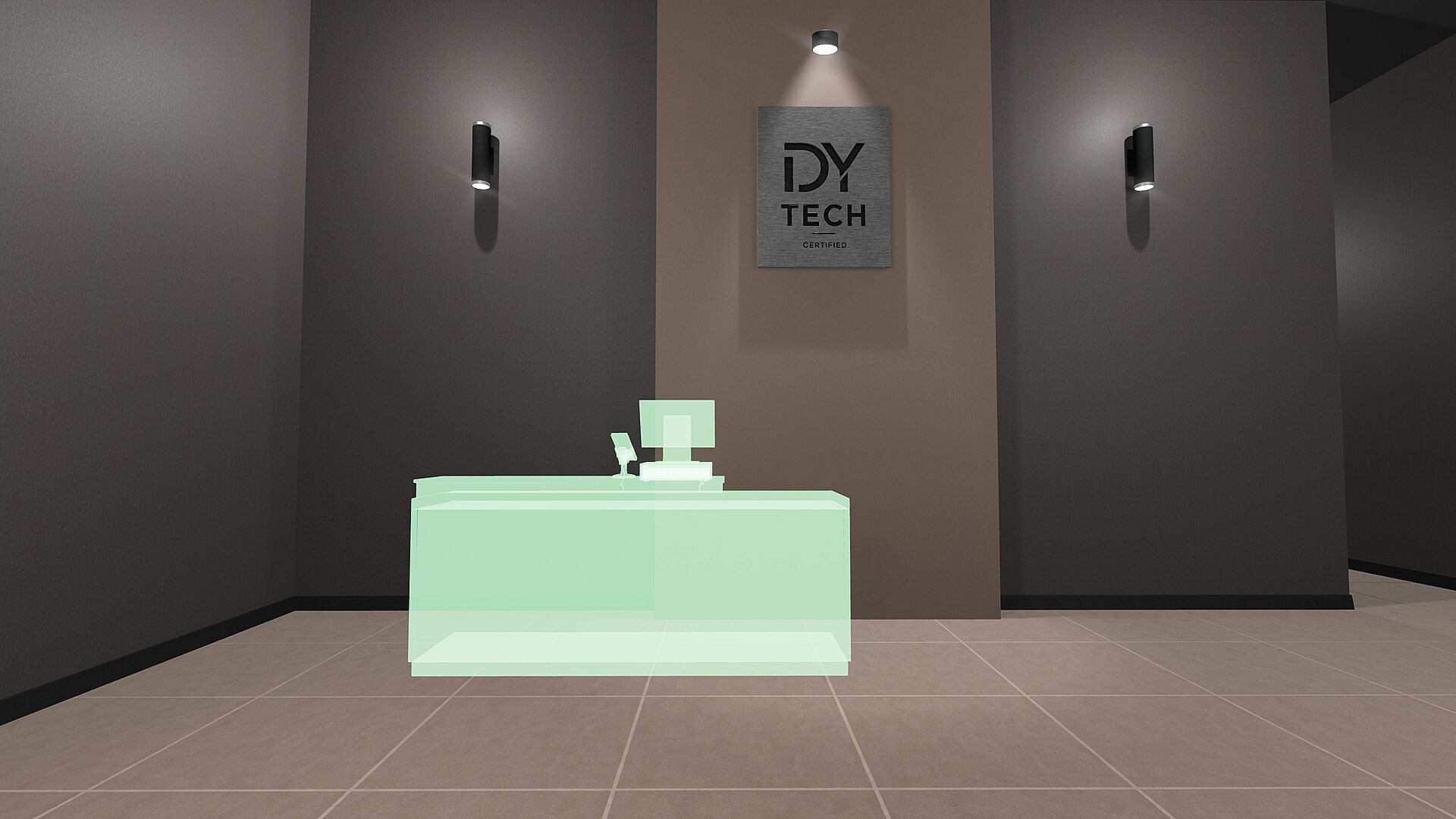
Outside the dives, time at the workbench centers on business decisions. Players evaluate incoming work, negotiate terms with customers, and balance workload against available resources. Corporate contracts offer higher pay but carry greater risk, while standard walk-in repairs provide steadier but lower returns. Financial pressure remains constant, with bills and equipment upgrades consuming earnings quickly. Choices about accepting certain jobs or cutting operational corners directly affect customer reviews and long-term viability.
Progression ties into certifications from an entity known as SYNC. This AI oversees the software infrastructure used across devices, and its approvals determine which jobs and tools become available. Starting with simpler devices such as phones leads to larger corporate servers as rank increases. The structure creates a steady climb in complexity and access while highlighting the relationship between the player and the system that both creates and licenses the fixes.
Game Modes
DySector runs entirely as a single-player experience. The gameplay combines shop management sequences with the exploratory and corrective dives into device sectors. No separate multiplayer or competitive modes appear in the available details. The focus stays on individual decision-making around job selection, resource allocation, and the outcomes of each internal repair operation.
Business Decisions and Risks
Every device represents a calculation before any dive begins. Players weigh the potential reward against the time, gear cost, and chance of negative feedback. Accepting grey-market work can accelerate income but risks reputation damage if discovered. Equipment upgrades become necessary as deeper sectors demand better tools, yet the expense often outpaces immediate earnings. This tension between short-term cash flow and sustainable operations forms a recurring element of play.
The Role of SYNC
SYNC functions as both gatekeeper and underlying cause within the setting. Its AI develops the software that powers consumer and corporate devices, while its certification system controls who may perform repairs. Advancement requires compliance with these standards, unlocking higher-tier jobs and equipment. The arrangement raises questions about why human technicians handle the work instead of the originating AI, adding a layer of context to the progression system without altering the mechanical loop of dives and shop management.
Is It Worth Playing?
DySector remains unreleased with a planned date listed as to be announced and currently shows no user reviews. The described gameplay centers on alternating shop management and procedural internal device exploration in a single-player format. Individuals drawn to simulation titles that blend resource decisions with direct action sequences inside generated environments may find the combination engaging once the game becomes available. Those seeking established player feedback or ongoing updates will need to wait for launch and subsequent patches. The single-player structure and emphasis on procedural variety support repeated play sessions built around different job choices and dive outcomes.