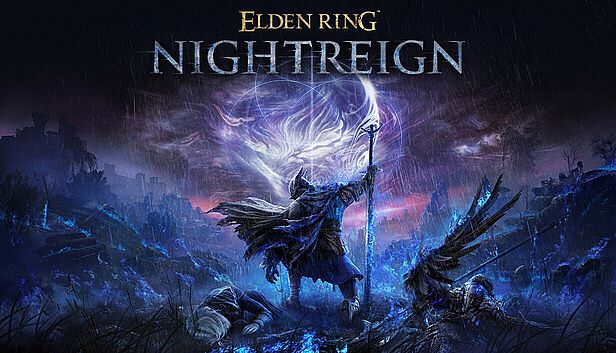




























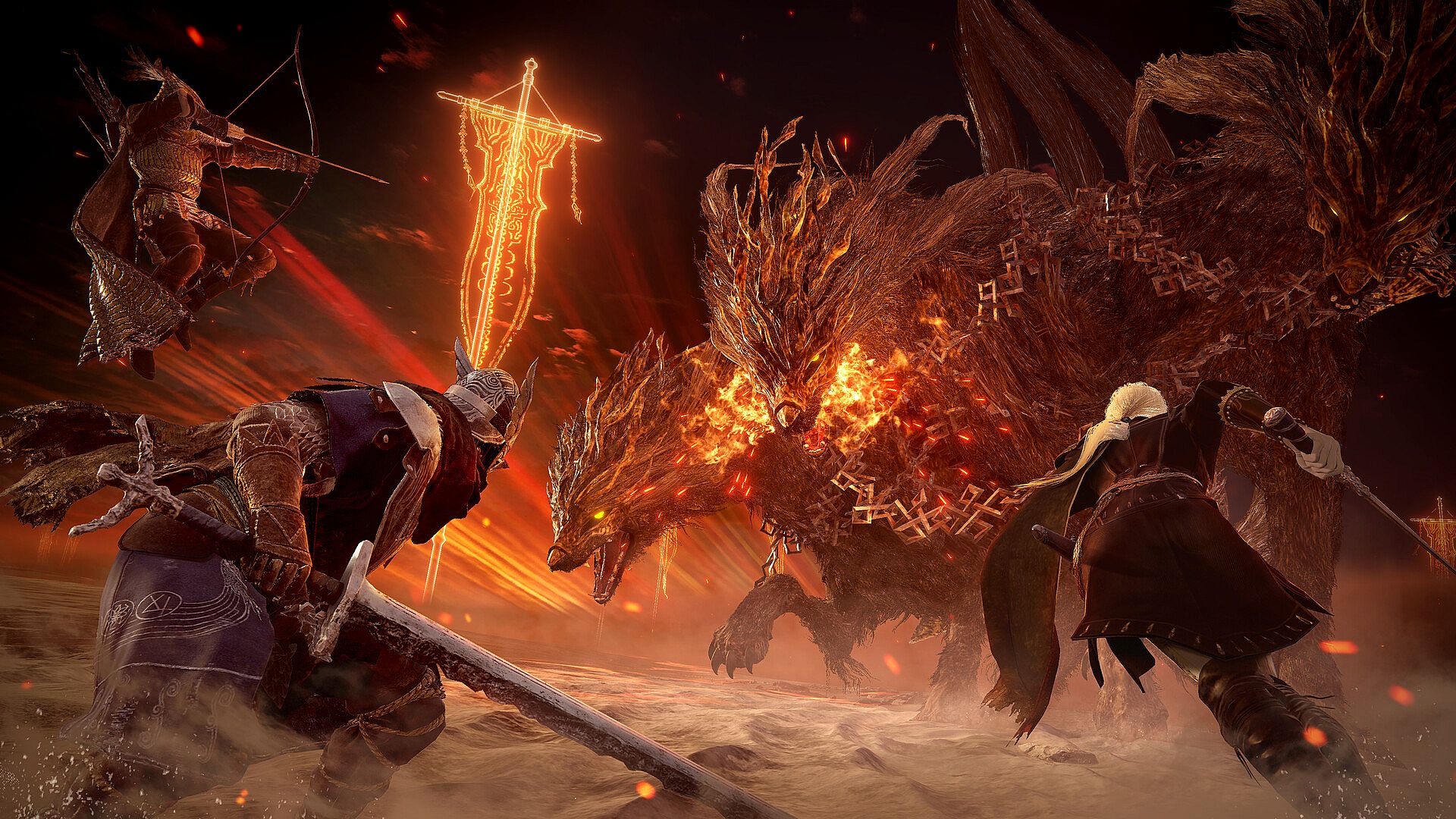
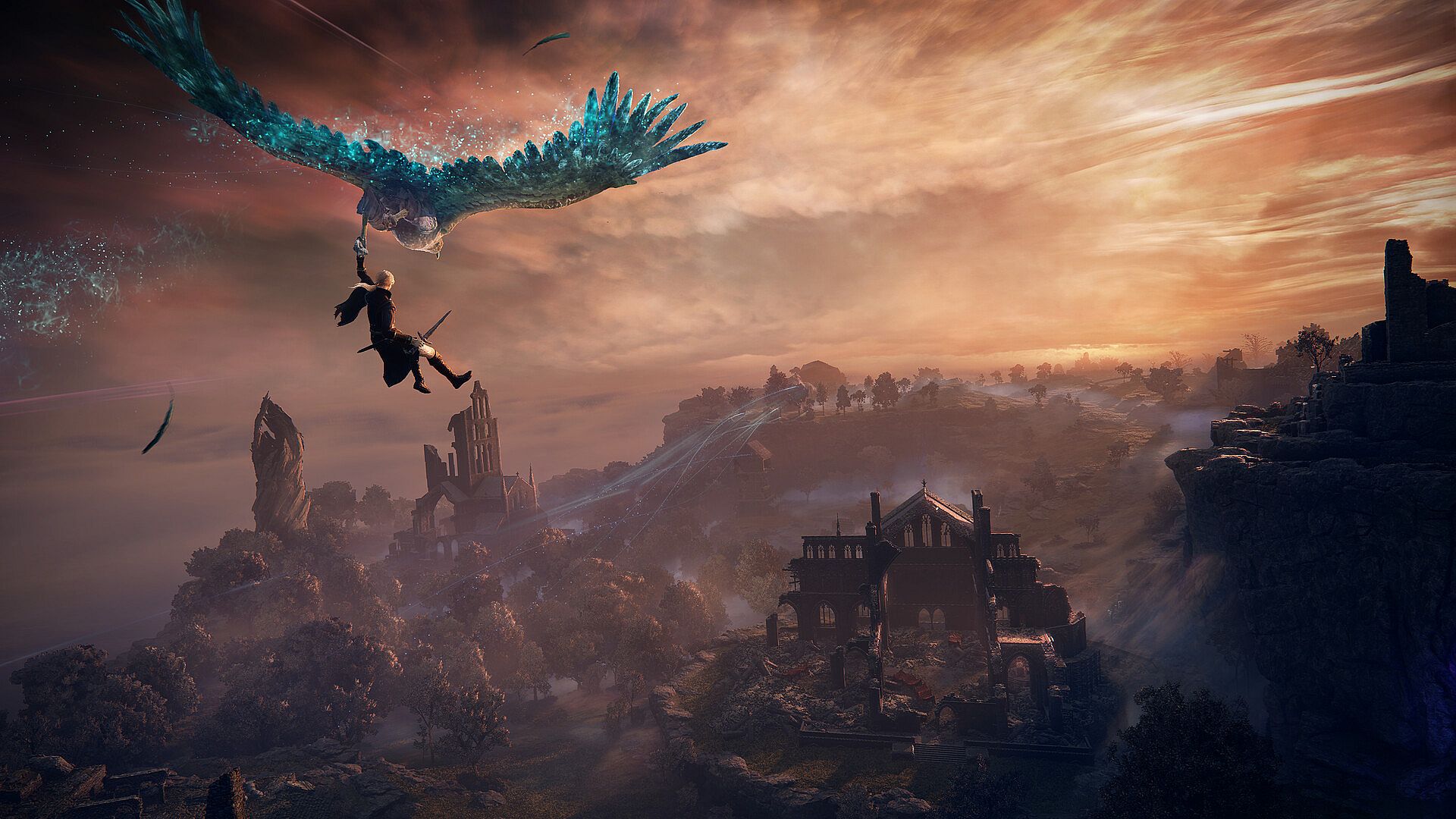
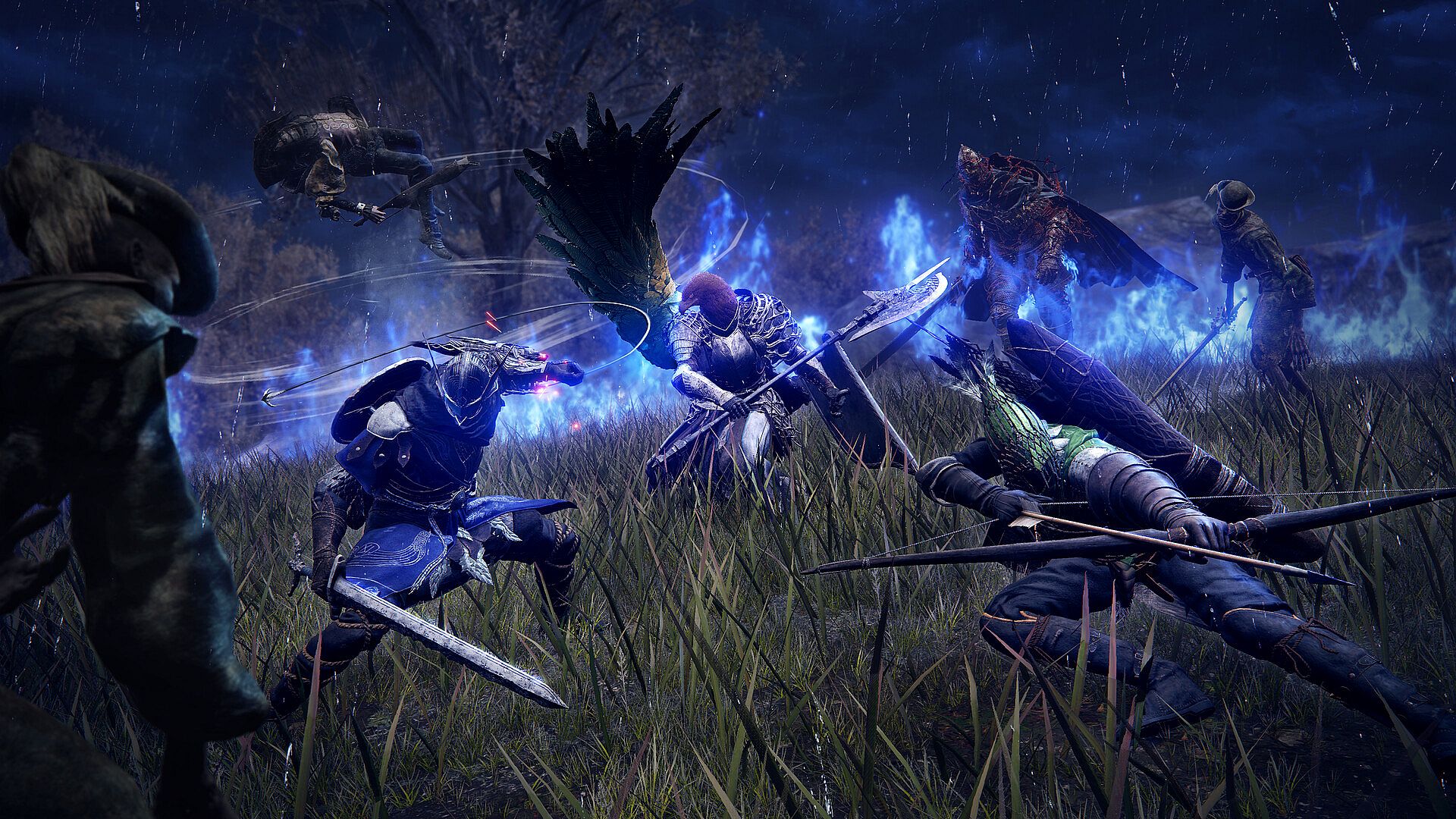
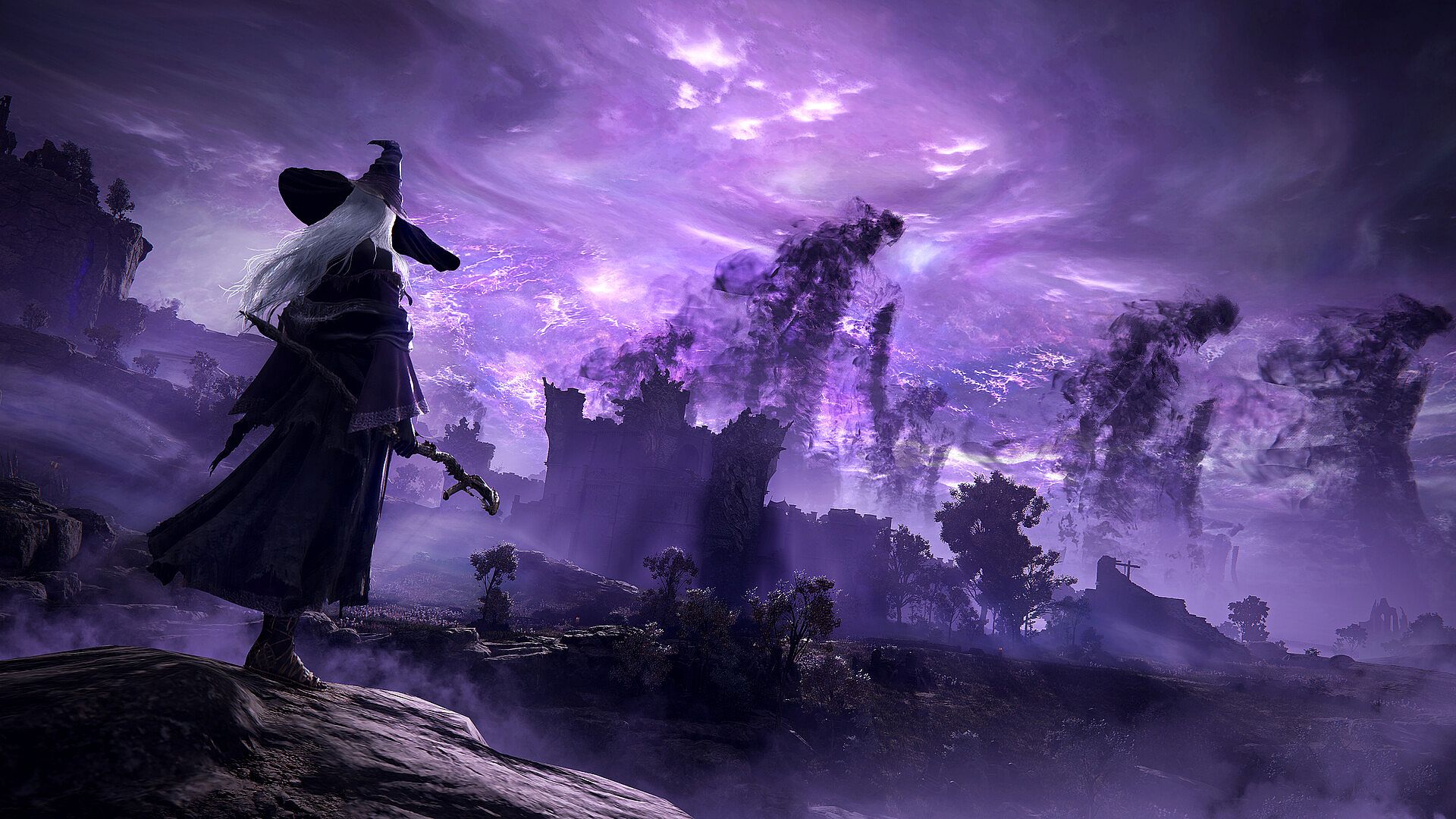
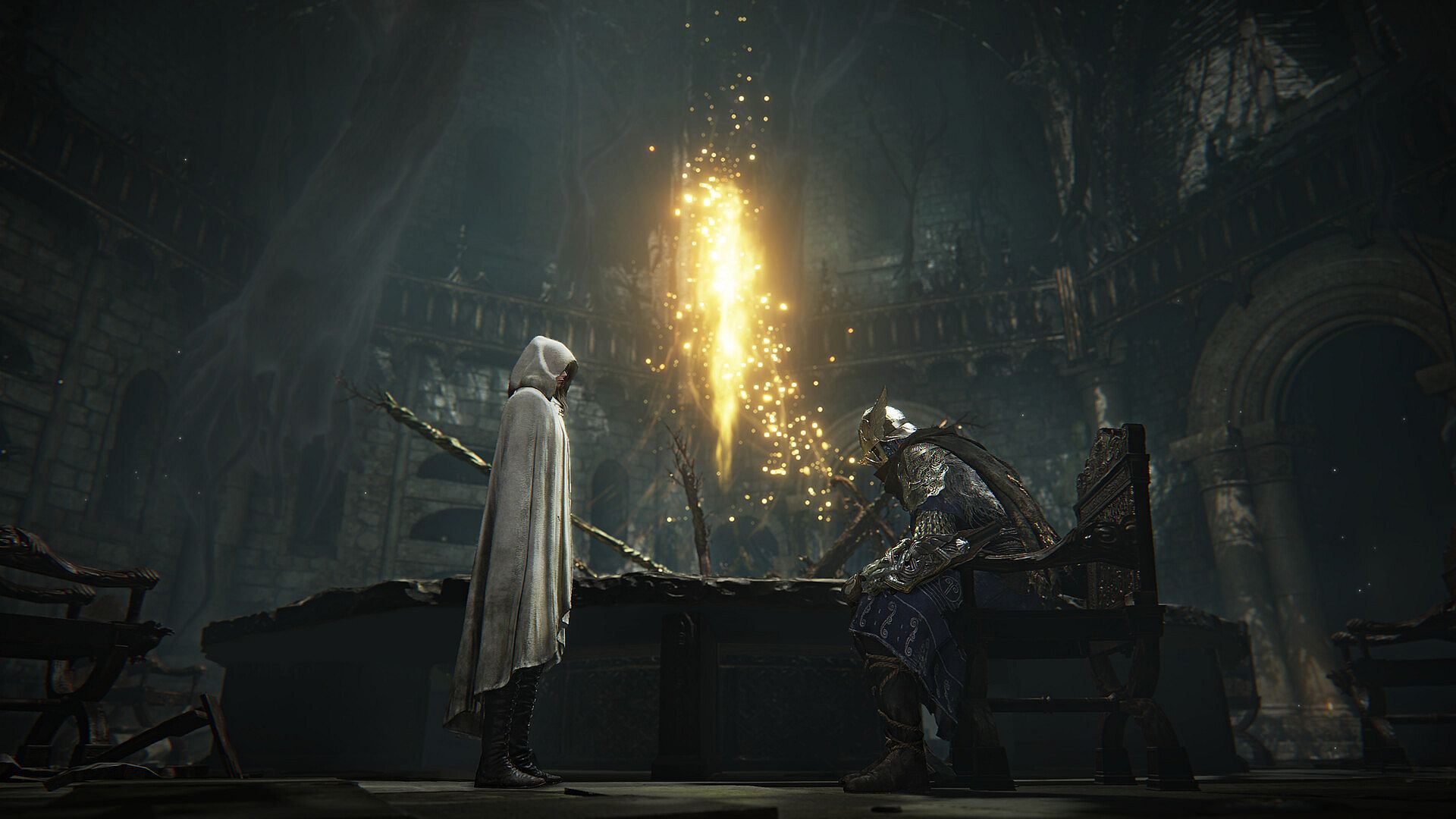


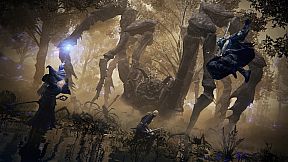
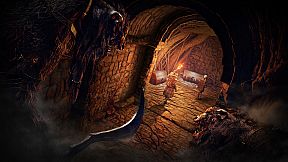

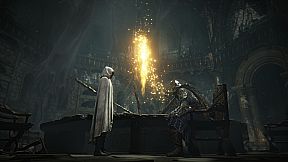
ELDEN RING NIGHTREIGN stands out as an action RPG with roguelite elements, delivering a cooperative experience set in a procedurally influenced world. This standalone title reimagines core designs from its universe, focusing on team-based challenges against evolving threats in sessions that demand strategy and quick adaptation.
Gameplay
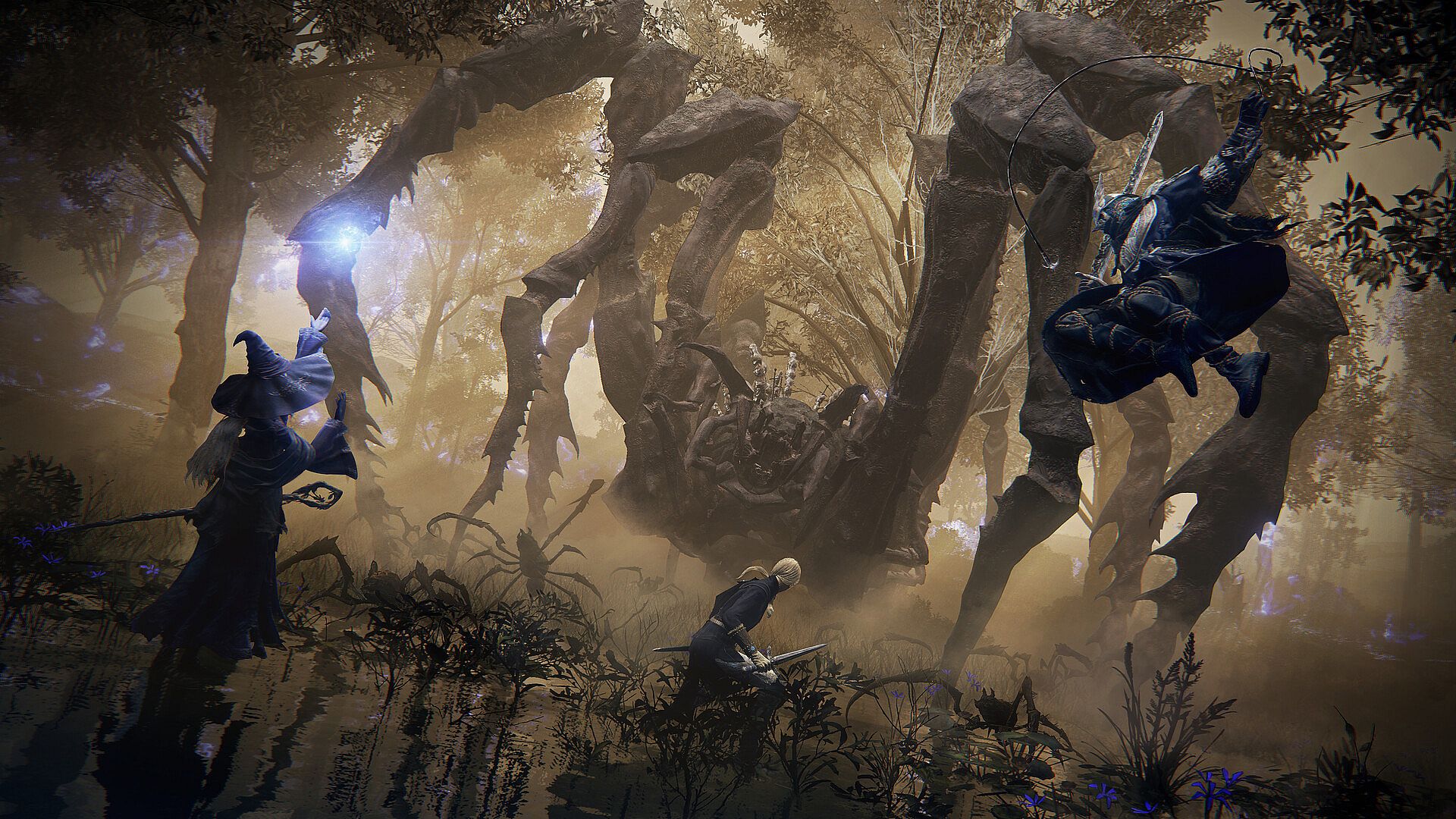
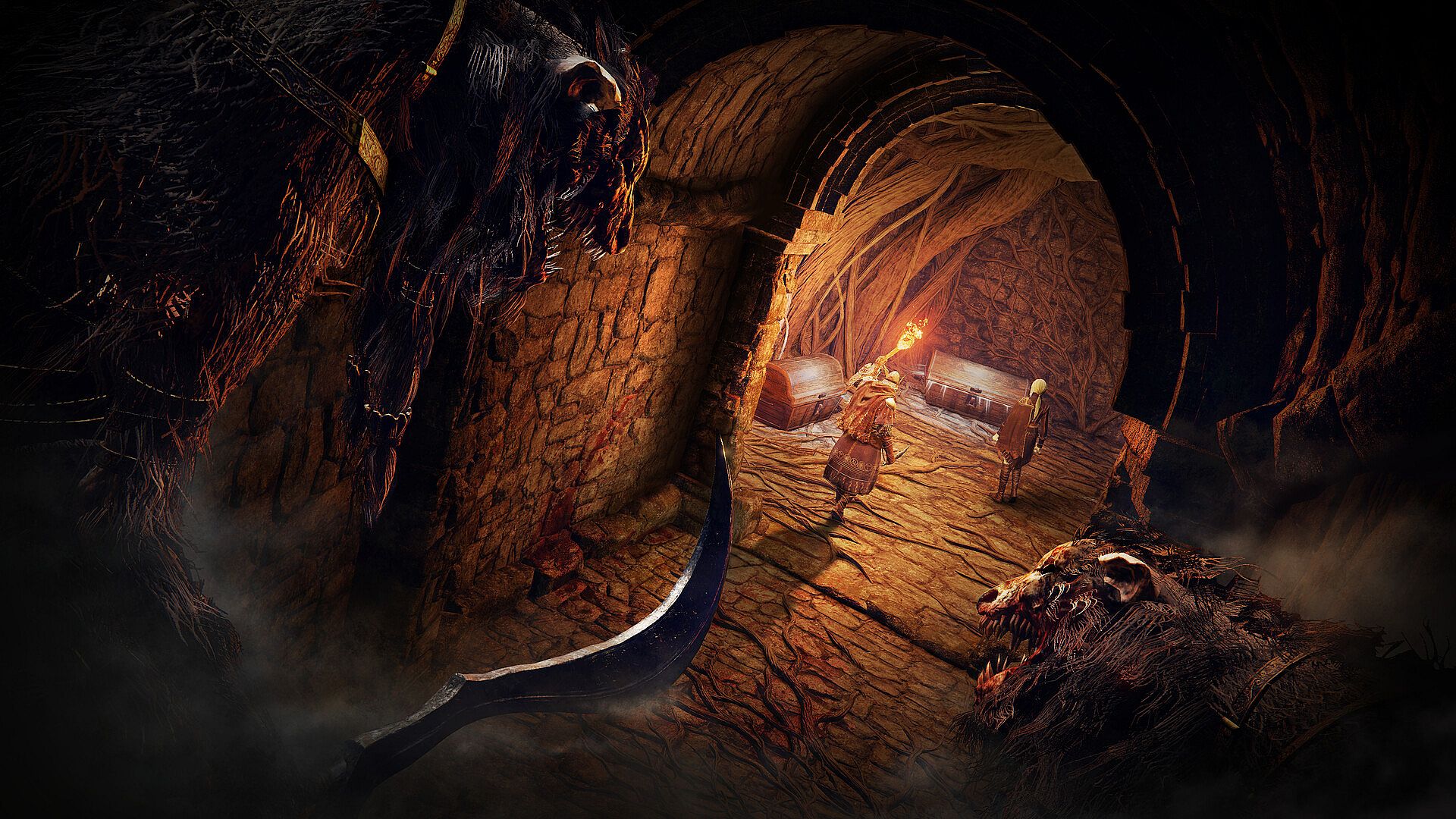
In ELDEN RING NIGHTREIGN, the core loop revolves around a three-day cycle within each run, lasting roughly 45 minutes. During the first two days, teams gather gear, take down intermediate bosses, and build strength to face one of eight Nightlord bosses on the third day. The island of Limveld features a mostly static map with procedurally generated points of interest, forcing fresh route planning every session. A shrinking circle mechanic, similar to battle royale formats, adds urgency by constricting the playable area and sparking intense encounters.
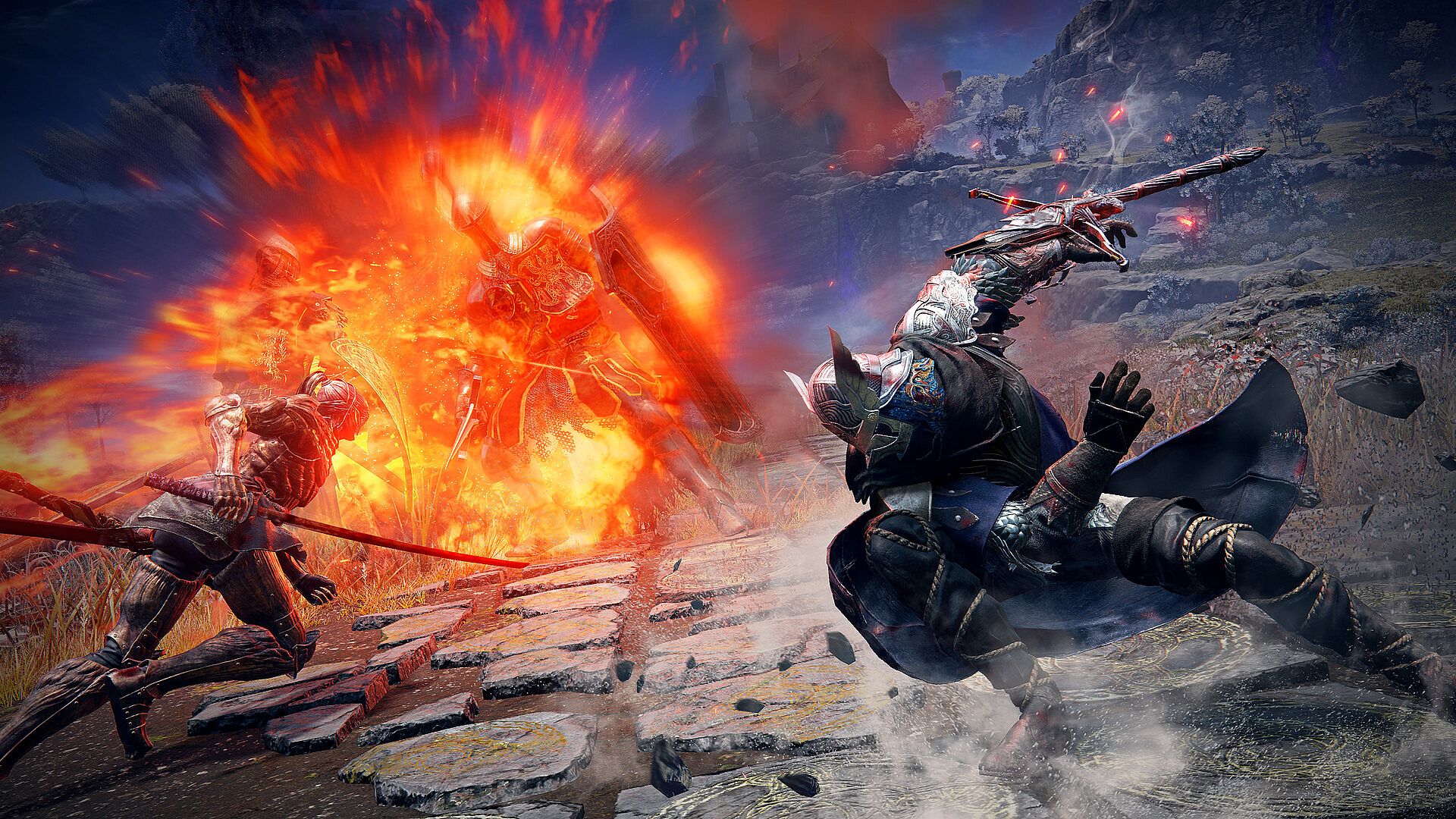
Combat mechanics emphasize teamwork, with enemies scaled for three-player squads. Features include automatic level-ups at Sites of Grace tailored to class preferences, and a streamlined inventory system highlighting weapon damage, elemental affinities, passive bonuses, and skills. A wall-climbing ability allows for vertical navigation, though it has faced criticism for implementation issues. Random events introduce chaos, such as boss raids or summoning portals, requiring split-second coordination.
Game Modes
The primary mode centers on three-player co-op runs, where matchmaking pairs users with random teammates to tackle the night's challenges. Solo play exists as an option, with adjusted damage scaling, but it originally lacked revival mechanics, relying on rare items for limited resurrection at the expense of rewards. No dedicated duo mode is available, and crossplay support is absent, limiting group formation across platforms.
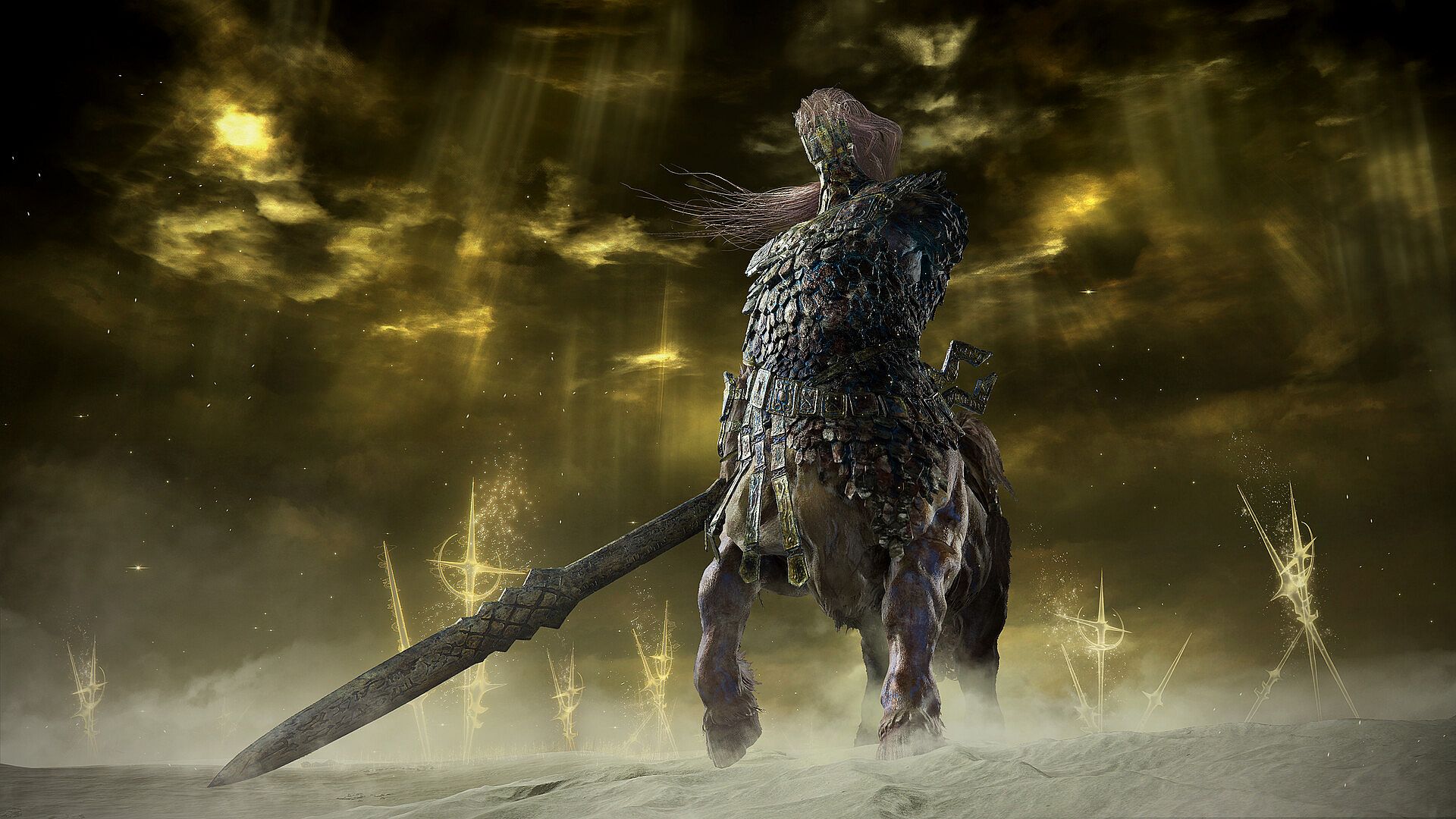
Communication relies on a pinging system rather than built-in voice chat, which can affect coordination in random groups. Each run culminates in a boss fight against a Nightlord, with seven out of eight noted for their engaging, MMO-style mechanics involving interrupts and role divisions.
Classes and Progression
Eight distinct Nightfarers serve as classes, each with unique abilities that encourage synergy. For example, the Wylder uses a grappling hook for enhanced mobility, while the Executor wields a parrying sword that negates damage and depletes enemy stamina on well-timed blocks. Other archetypes include variations on fighters, mages, and rangers, all with specialized twists.
Progression extends beyond individual runs through a meta system of relics, earned based on performance and equipped for bonuses like stat improvements or starting skills. A remembrance system ties into class-specific journals and objectives, yielding runes and additional relics. Recent updates, such as patch 1.03.2 in January 2026, have adjusted abilities like Fighter's Resolve for better balance.
Is It Worth Playing?
With ongoing support through patches and a recent DLC introducing new maps, ELDEN RING NIGHTREIGN maintains an active state in 2026, though the DLC has drawn criticism for design elements like bottomless pits leading to negative Steam reviews. Player reception on Steam shows an overall Very Positive rating of 87% from over 71,000 reviews, with recent feedback at around 80% positive.
This title suits those who enjoy challenging co-op roguelites with demanding combat, especially in coordinated groups. If intense teamwork and procedural runs appeal to you, it offers strong replay value; however, solo enthusiasts or those preferring seamless matchmaking might find frustrations outweigh the thrills.