





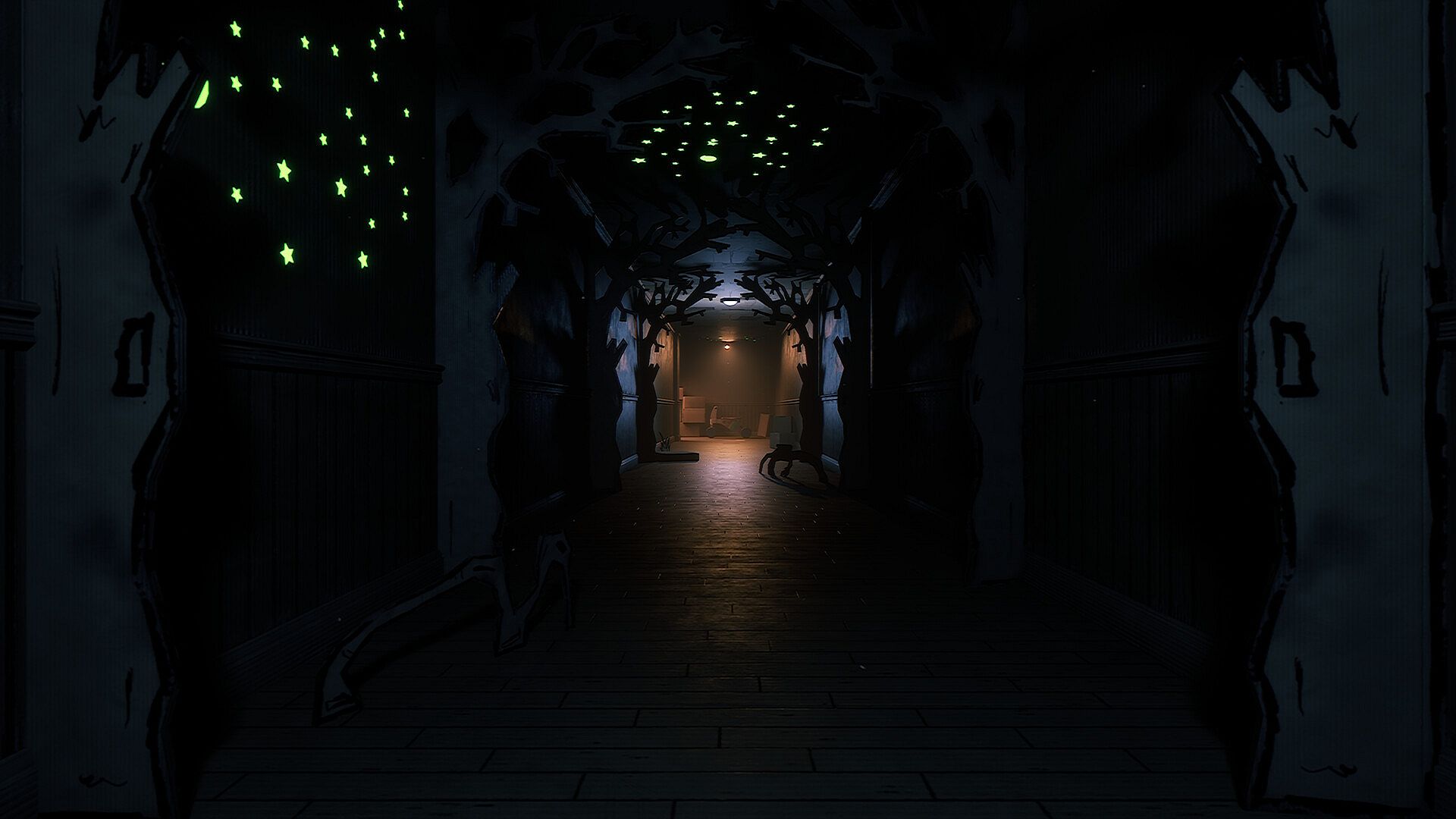
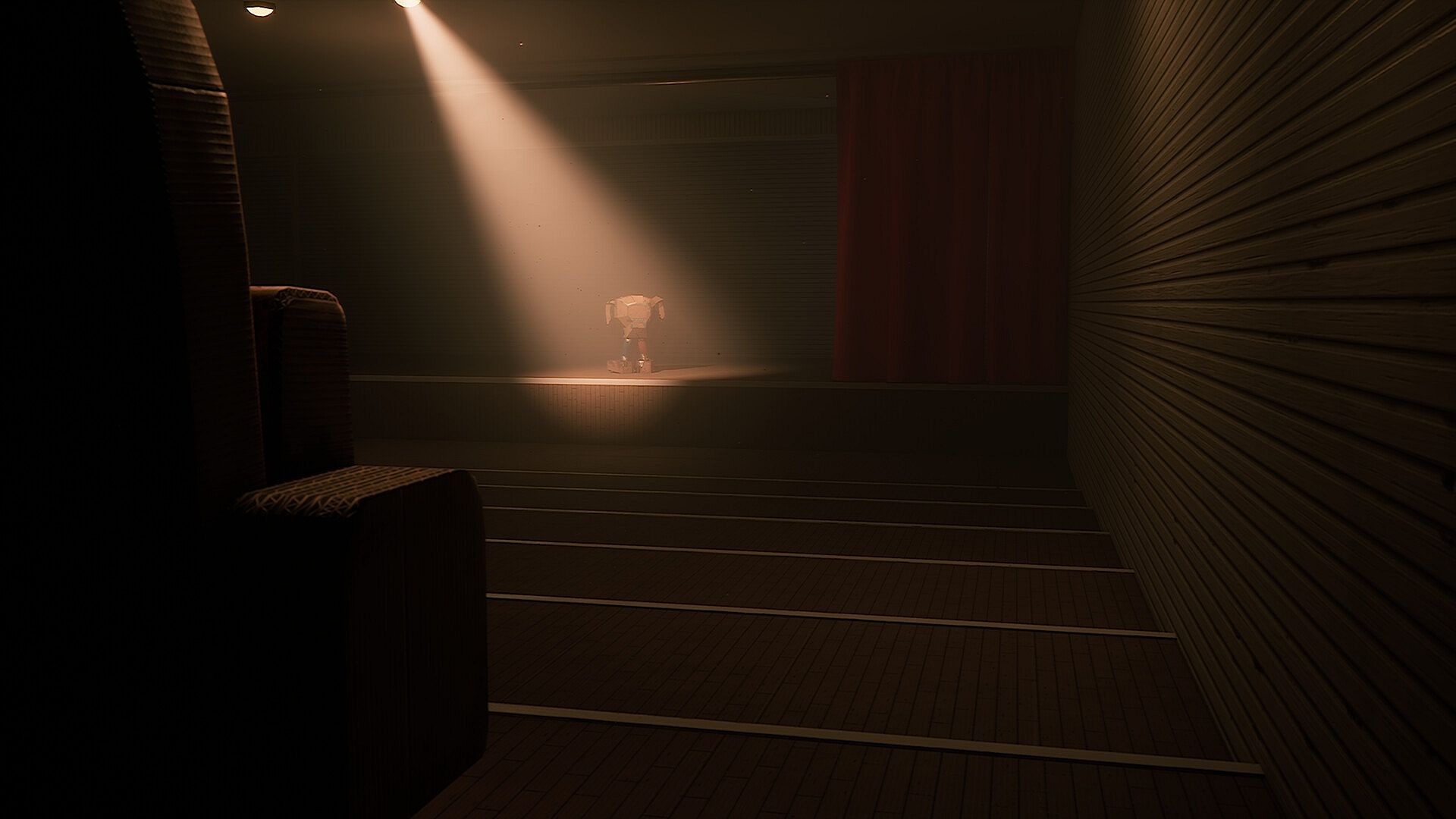
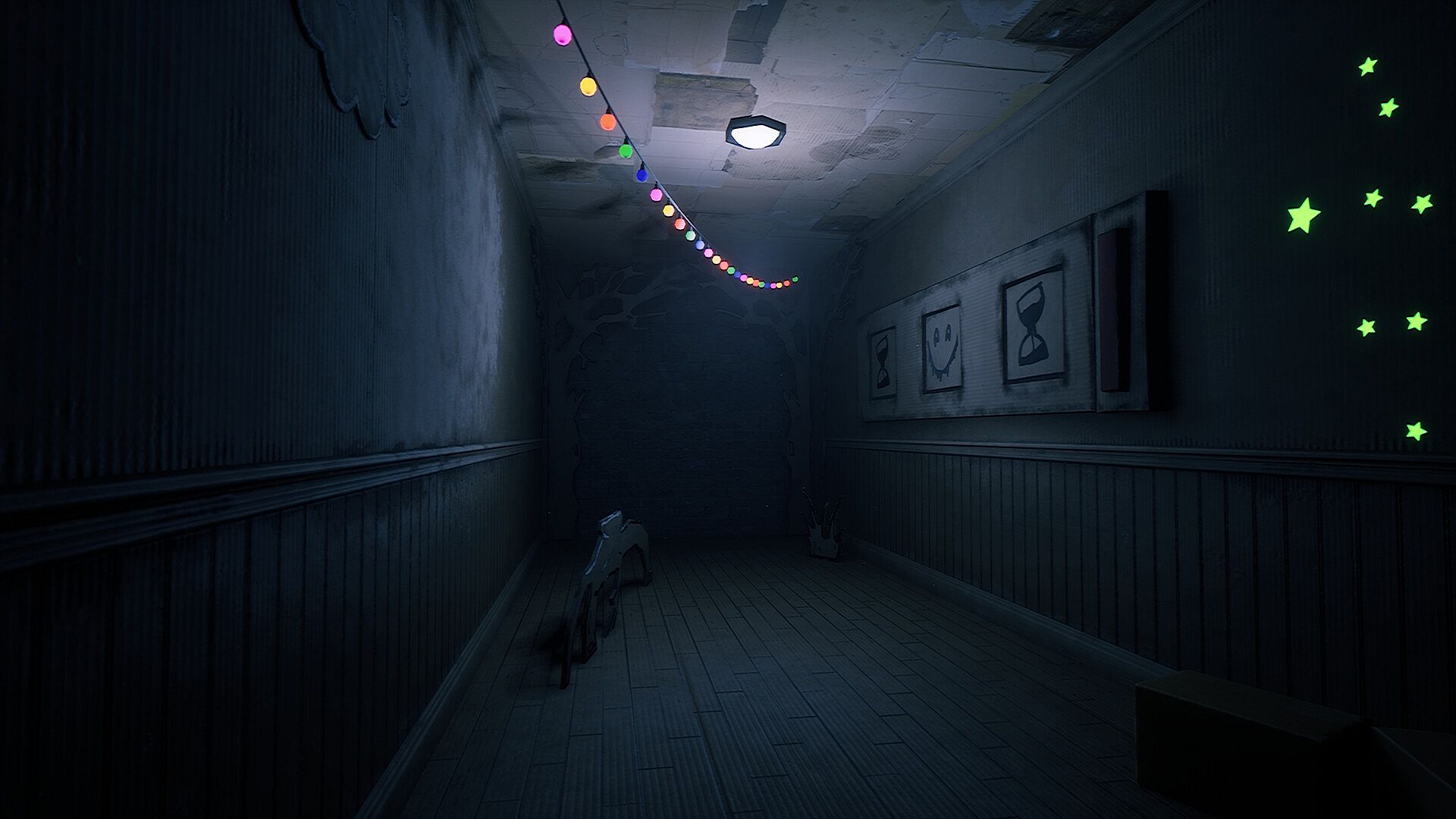
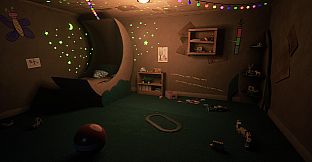
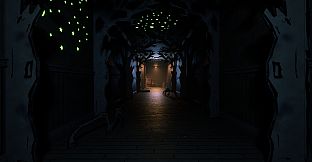
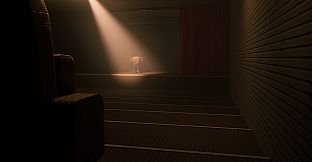
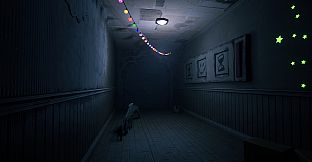
Encore House is an indie adventure horror game developed for PC that places players in a tense, memory-driven experience inside a shifting house. The core premise revolves around confronting buried recollections that refuse to remain silent, turning familiar childhood games into tools for survival against pursuing entities.
Gameplay
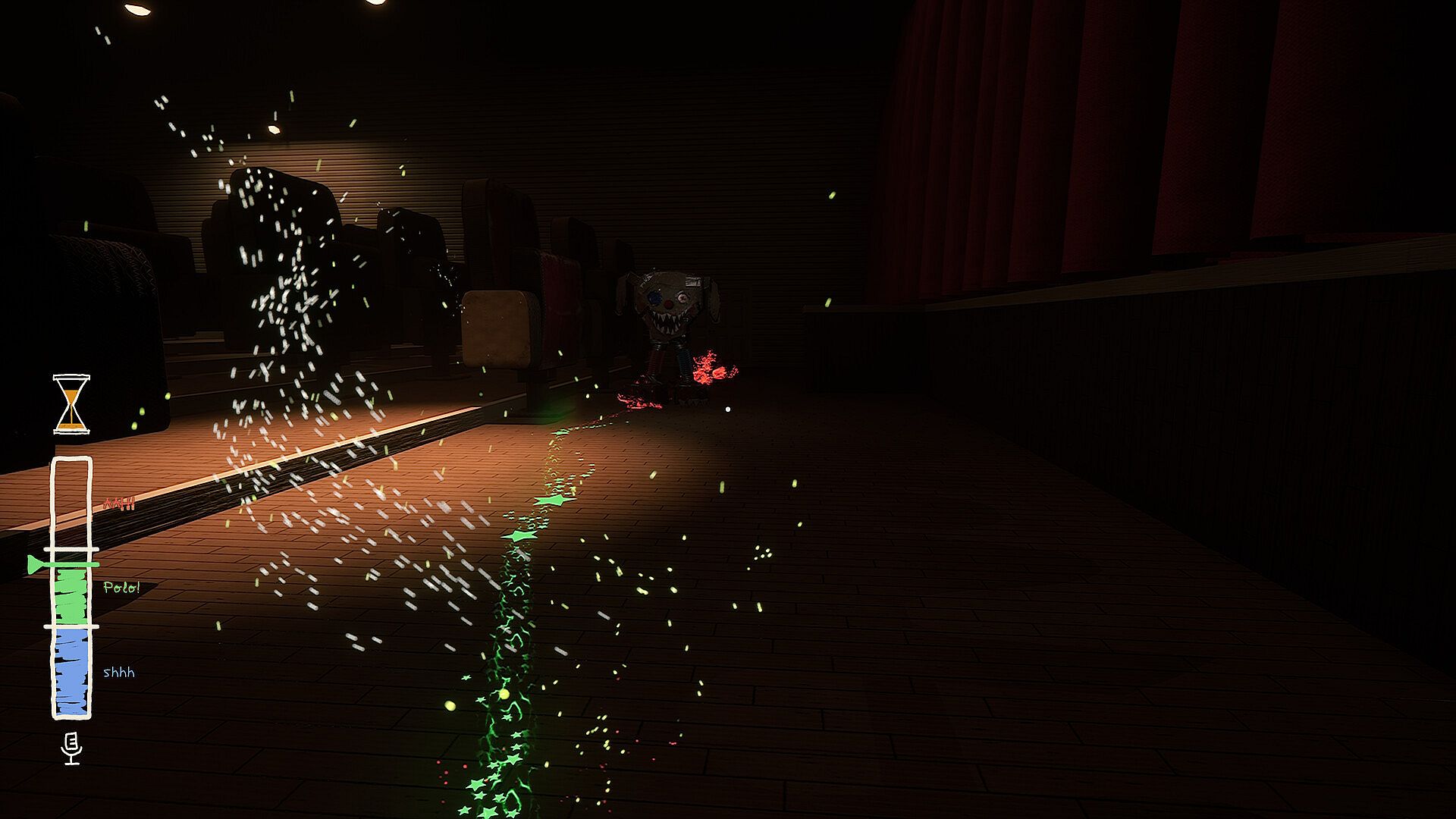
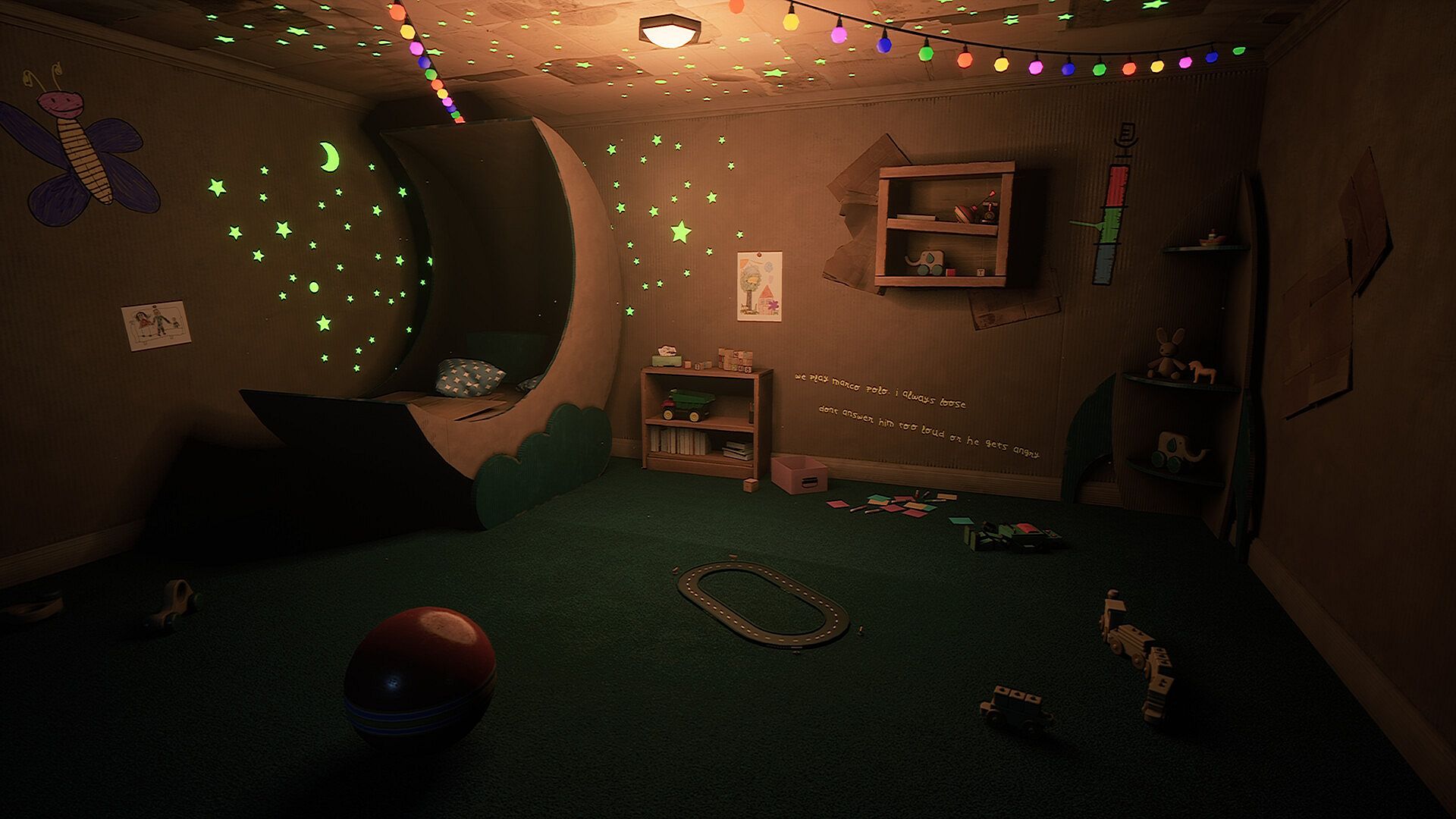
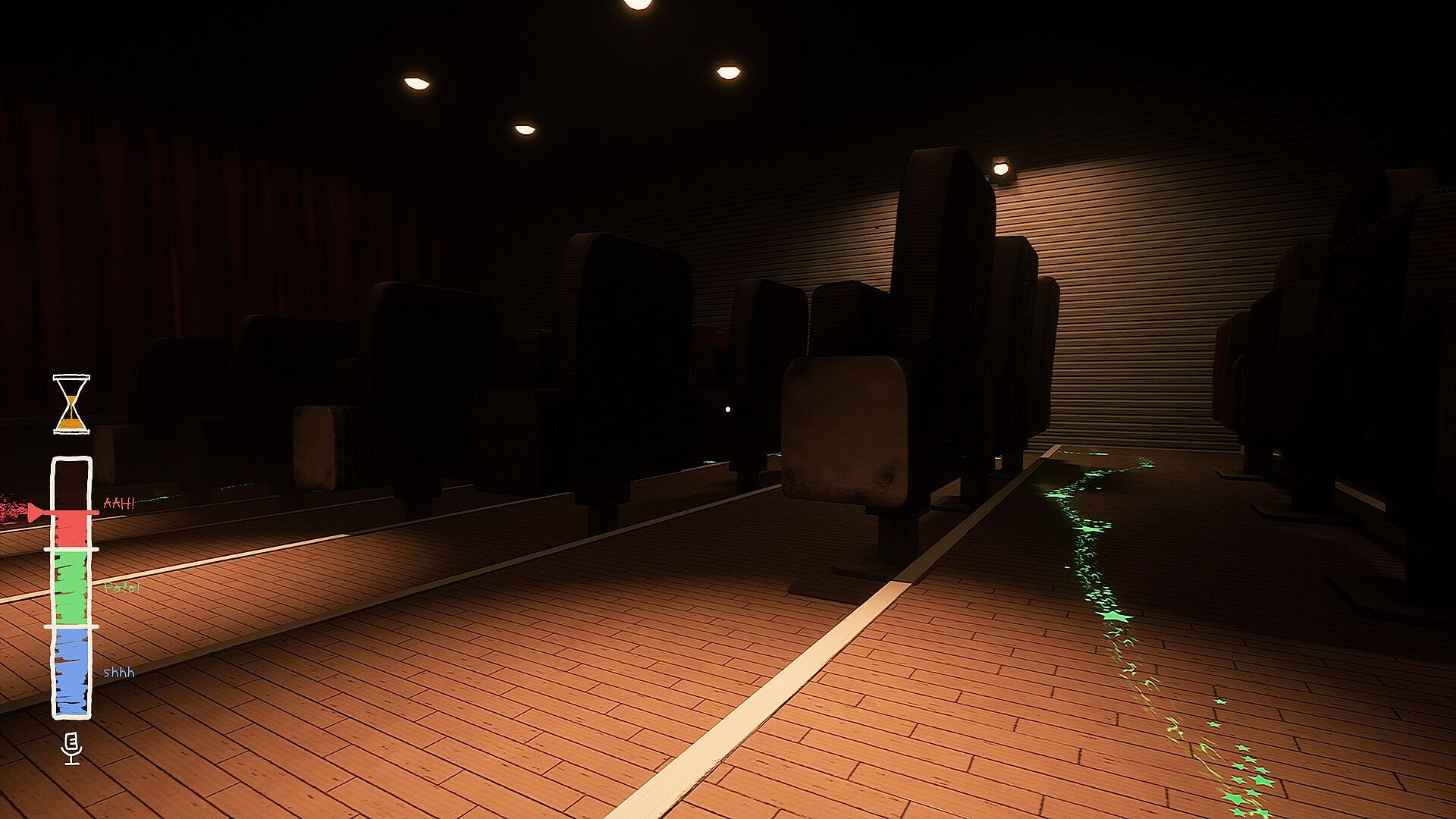
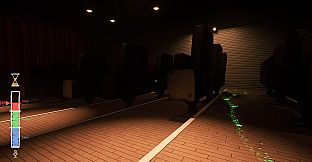
The central mechanic requires players to engage with their microphone in a version of Marco Polo. Memories call out "Marco," prompting a response of "Polo" spoken at a controlled volume to avoid detection. Whispering too softly or shouting too loudly risks drawing attention from the entities that hunt based on sound cues. This voice interaction forms the foundation of movement and evasion throughout the environment.
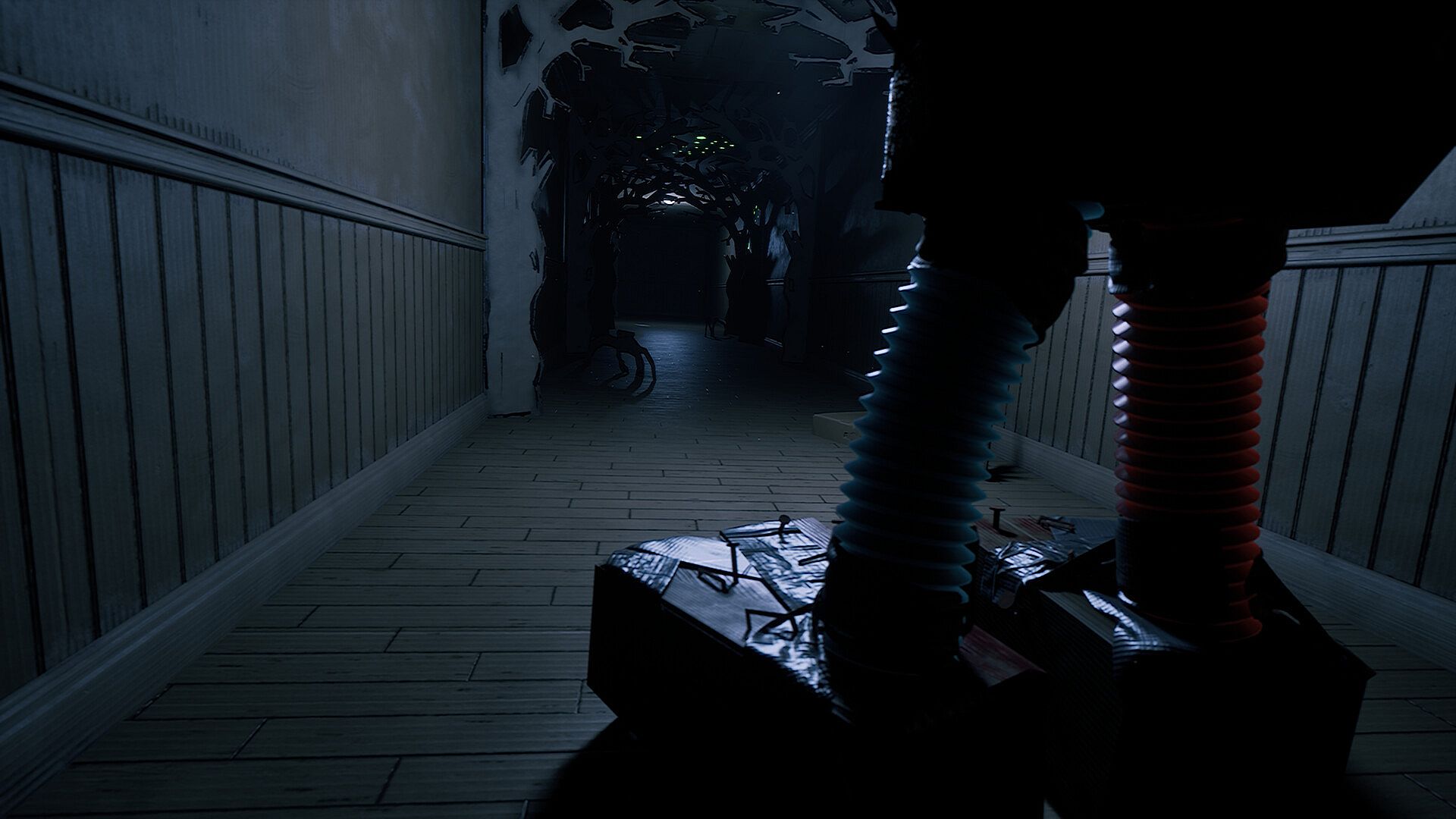
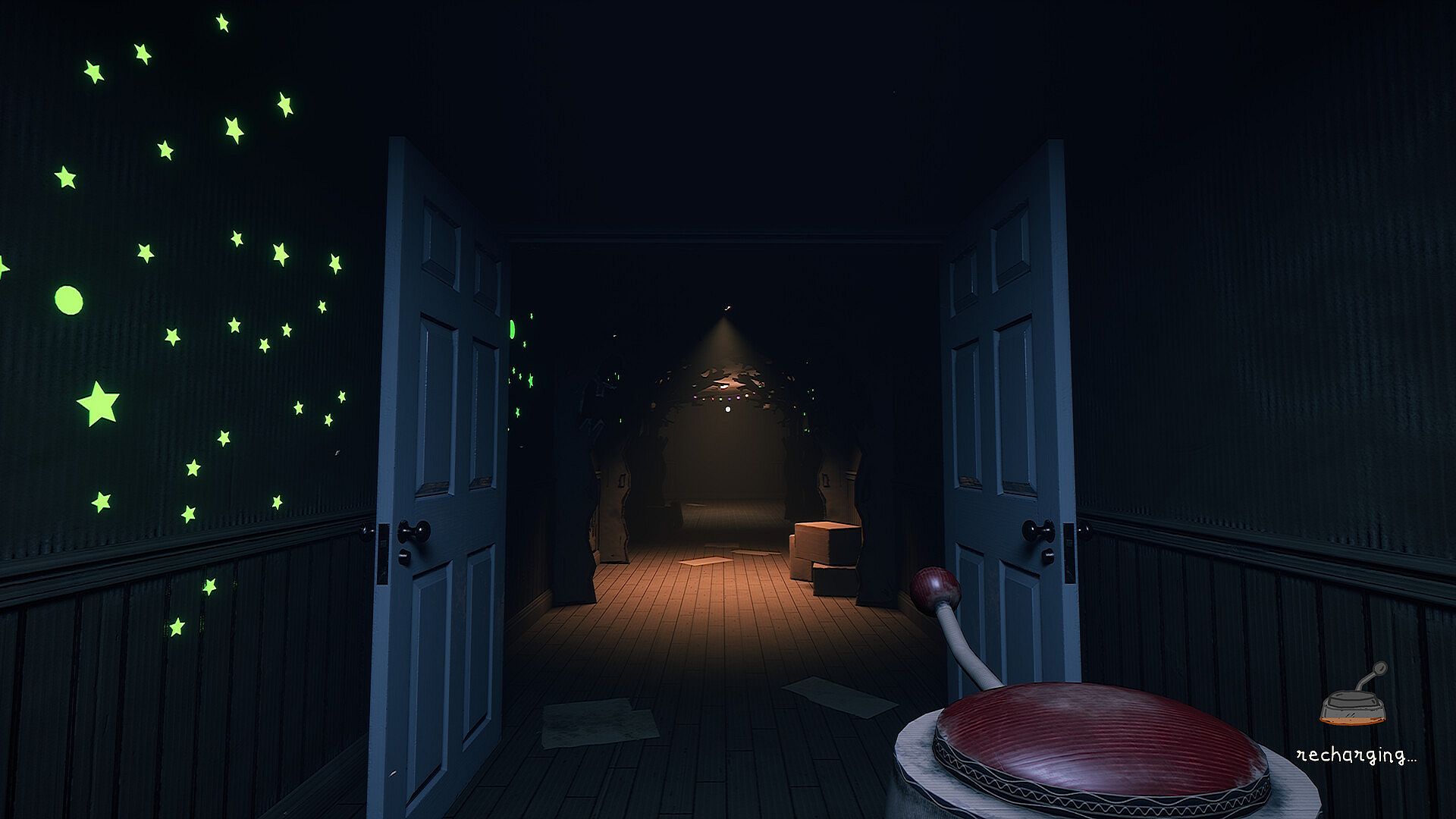
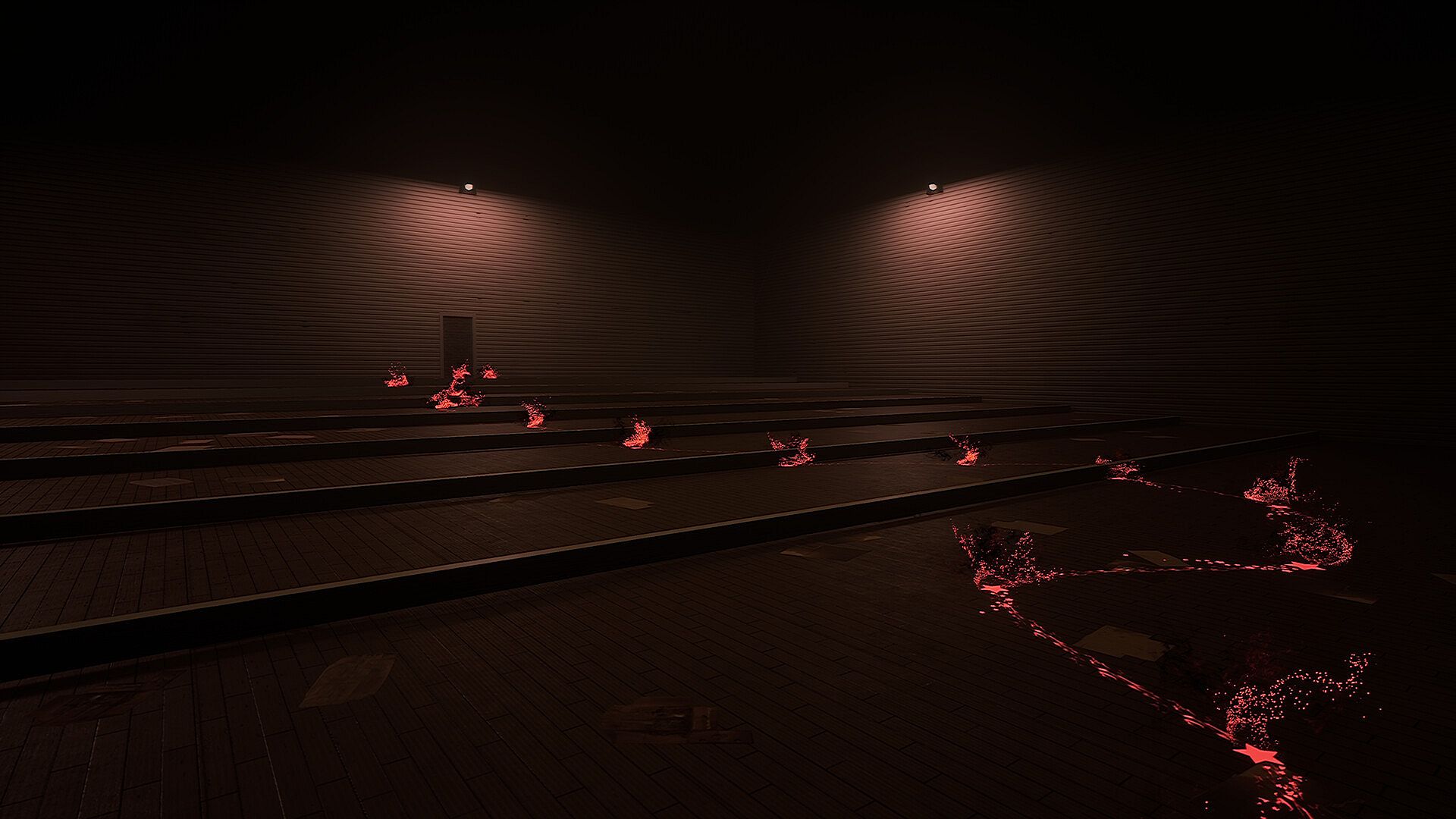
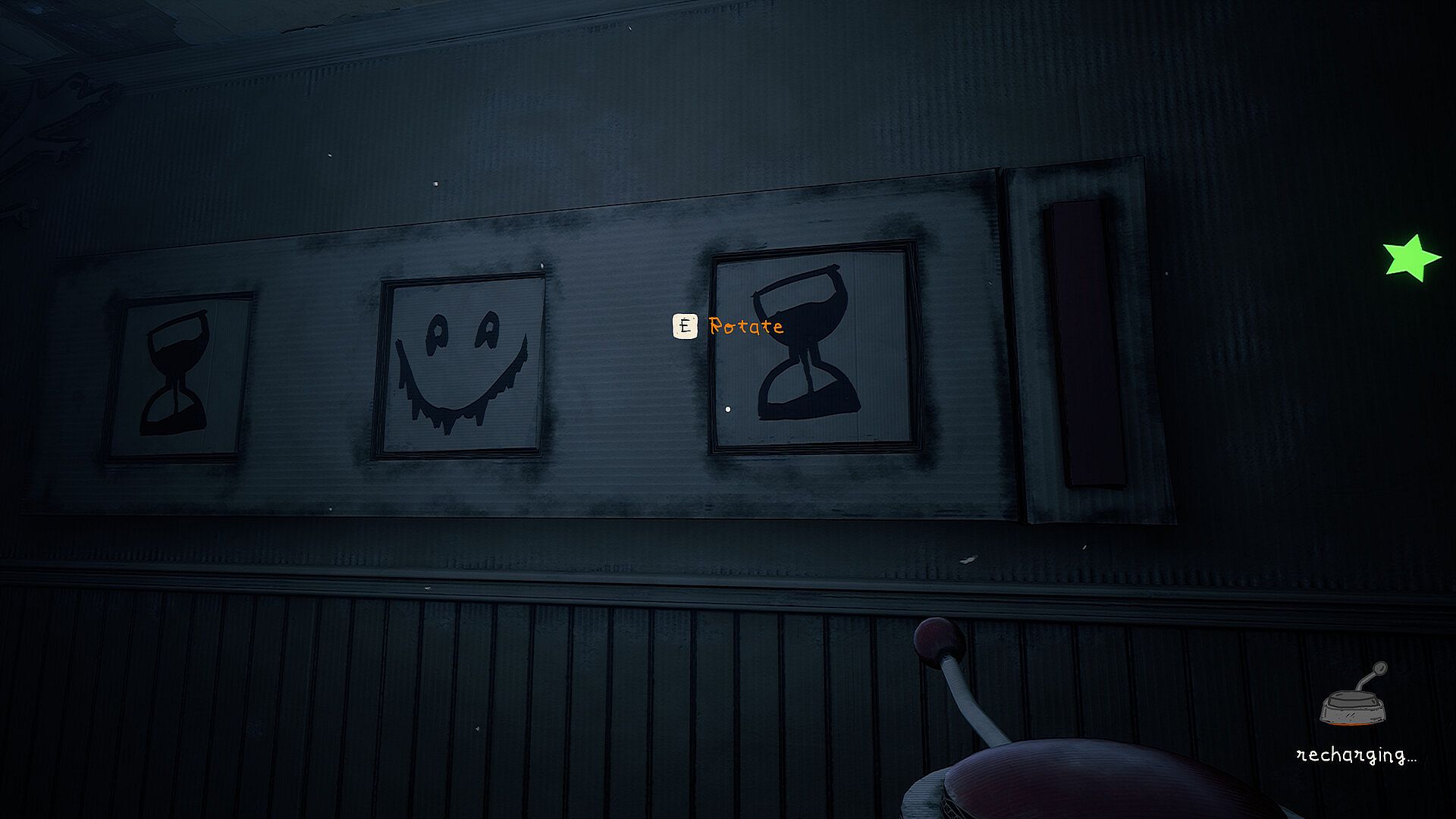
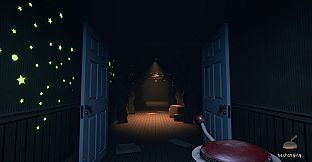
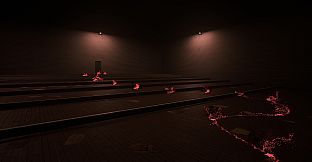
Navigation involves stepping on red stars scattered across the floor to fill a path that unlocks the next area. Each step must be taken carefully, as footsteps can alert whatever follows close behind. The house itself responds to player actions, with objects and walls that can be manipulated using a remote control to rotate sections and create new routes or block pursuits.
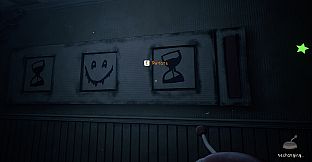
Puzzle elements appear in specific rooms, requiring observation and interaction with the surroundings to progress. These challenges tie directly into the narrative of resurfacing memories, blending exploration with moments of reflection on the past. The short length emphasizes focused sessions where sound awareness and precise timing determine success.
Game Modes
Encore House operates as a single-player experience centered on sequential room progression and survival through sound management. There are no separate multiplayer or competitive modes confirmed at this stage. The structure follows a linear path through the house, with each section building on the previous through the combination of voice commands, star-filling navigation, remote manipulation, and occasional puzzles.
Players advance by completing objectives in order, using the microphone as the primary tool for interaction while managing the risk of detection. The design keeps the focus narrow, encouraging repeated attempts to refine volume control and path efficiency within the confined setting.
Core Mechanics and Atmosphere
Sound plays a decisive role in every decision, from answering calls to monitoring footsteps. The remote adds a layer of environmental control, allowing rotations that alter sightlines and pathways in real time. Star paths create a visible trail that must be completed without interruption from pursuers.
Puzzles integrate with the horror elements by revealing fragments of the story through careful examination. The house feels alive and reactive, with changes triggered by player choices in volume and positioning. This creates a loop of tension where every action carries audible consequences.
Is It Worth Playing?
Encore House appeals to players interested in short, experimental horror experiences that rely on voice input and puzzle-solving rather than combat or extensive exploration. The mechanics stand out for their direct use of the microphone in a way that feels personal and immediate.
As a solo-developed title still in active development, it offers a glimpse into a focused concept without additional content layers. Those who enjoy atmospheric indie adventures with unique controls may find value in trying the experience once it reaches a more complete state. Interest in voice-based stealth and memory-themed narratives provides the strongest reason to follow its progress.











