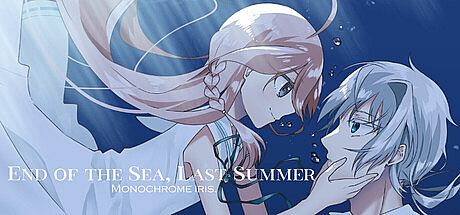



End of the Sea, Last Summer: Monochrome Iris is an indie visual novel released for PC that combines casual adventure storytelling with a focused narrative experience centered on personal encounters and quiet reflection during a single summer.
Gameplay
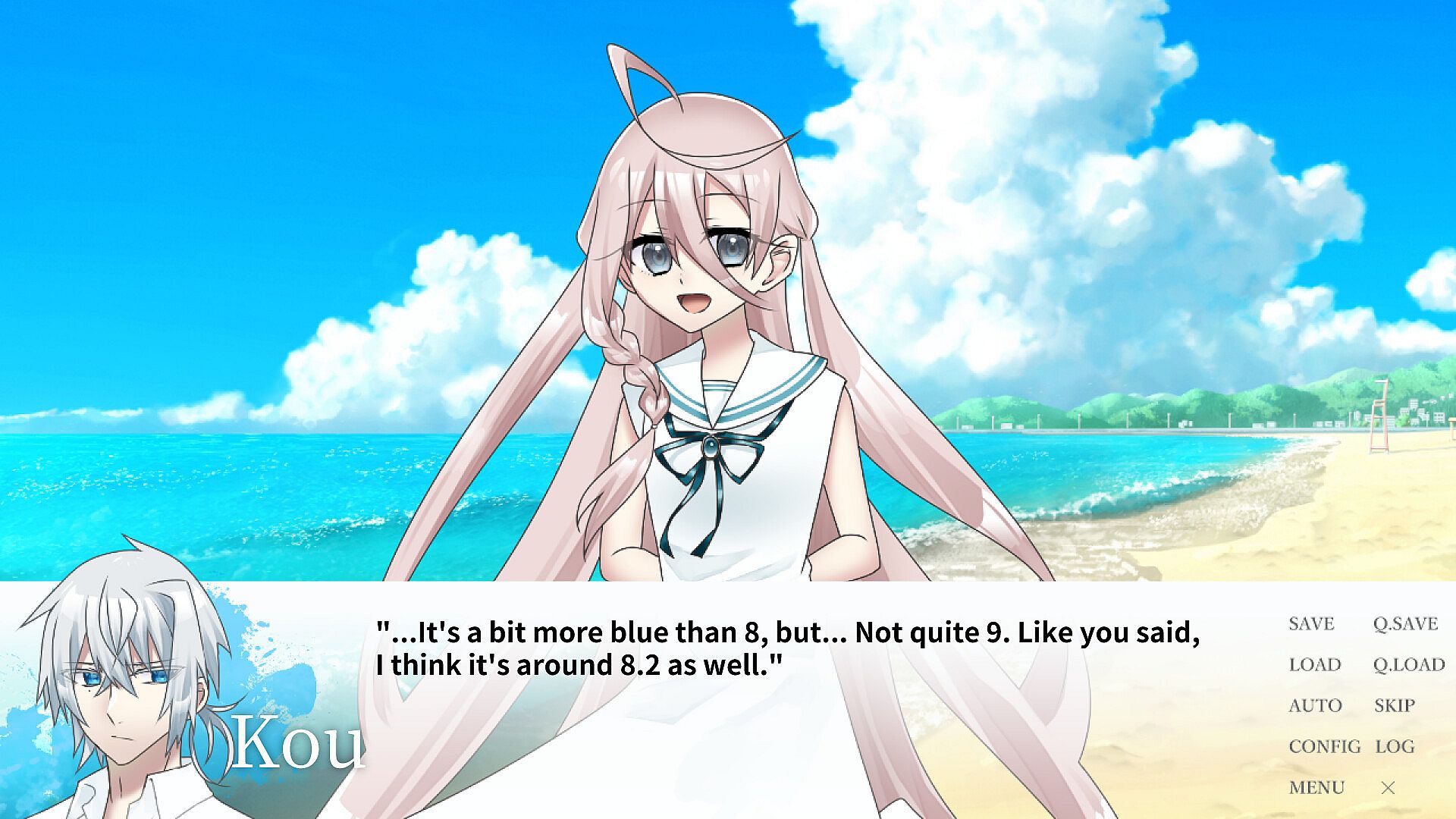
Players follow the perspective of Kou Hanezu, a young painter dealing with monochrome disorder that gradually removes color from his sight. The core loop involves progressing through dialogue scenes, observing character interactions, and viewing illustrated moments that advance the plot. The experience emphasizes reading text accompanied by full voice acting for the main cast, allowing the story to unfold at a measured pace suited to short sessions.
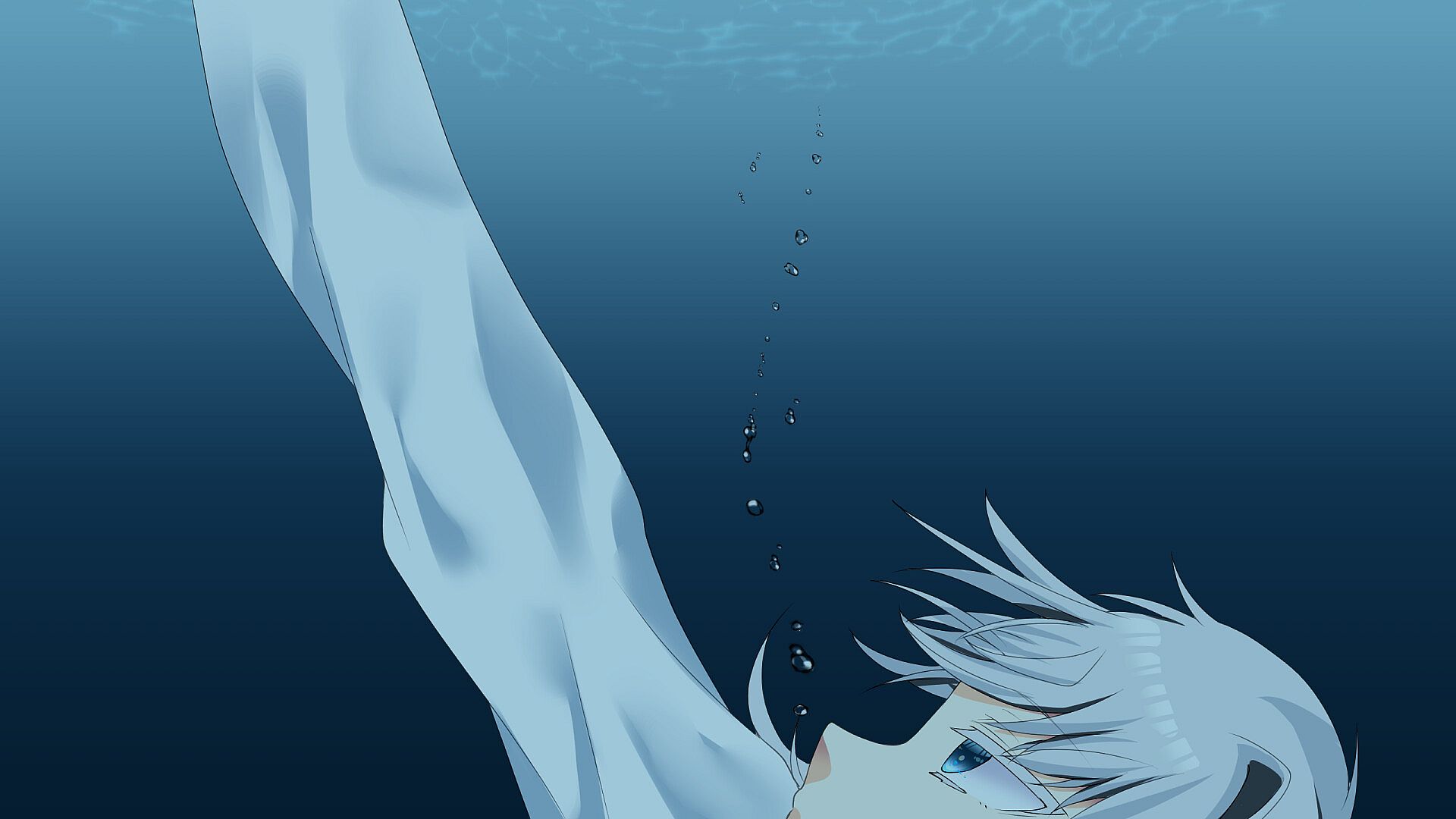
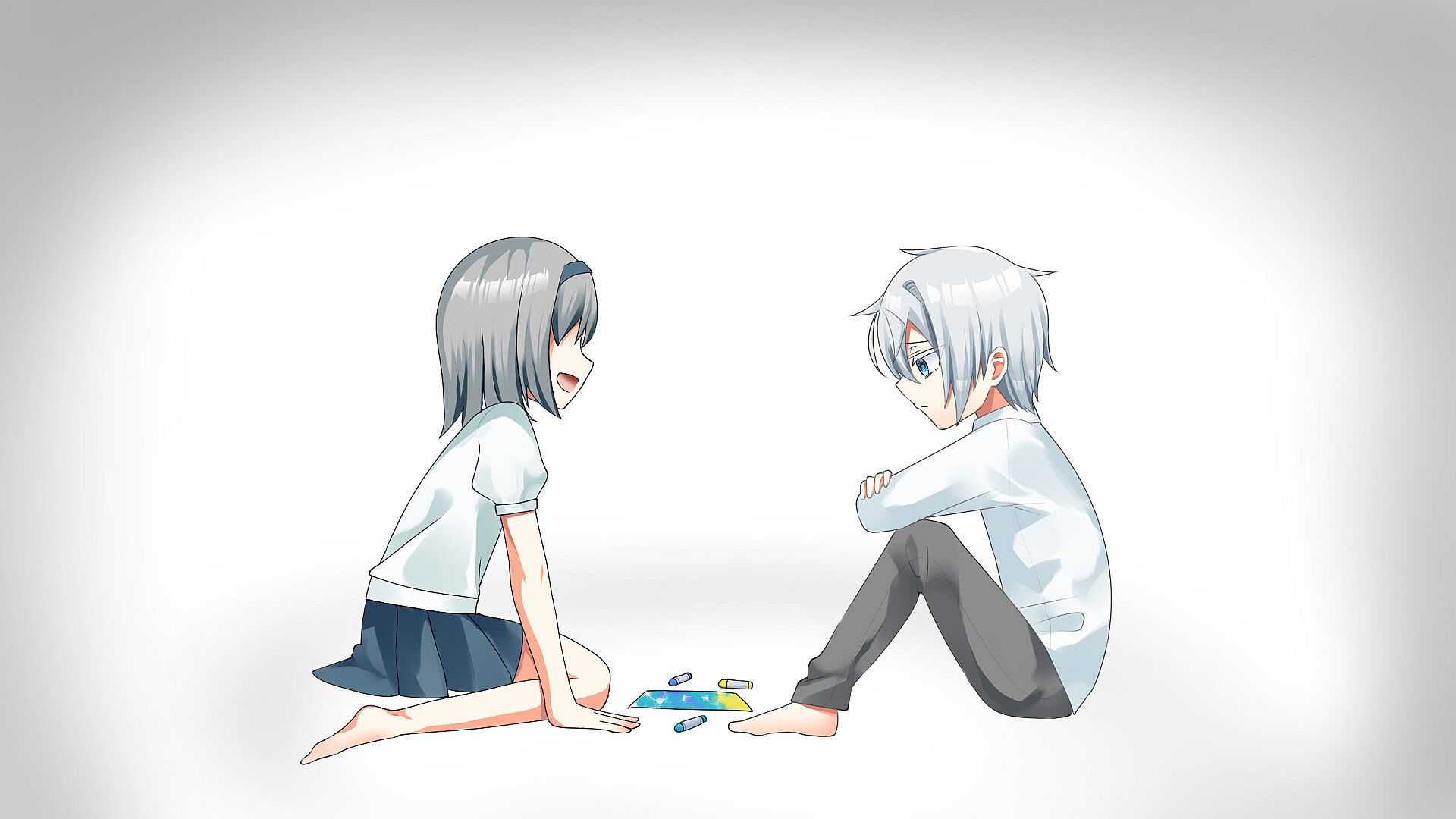
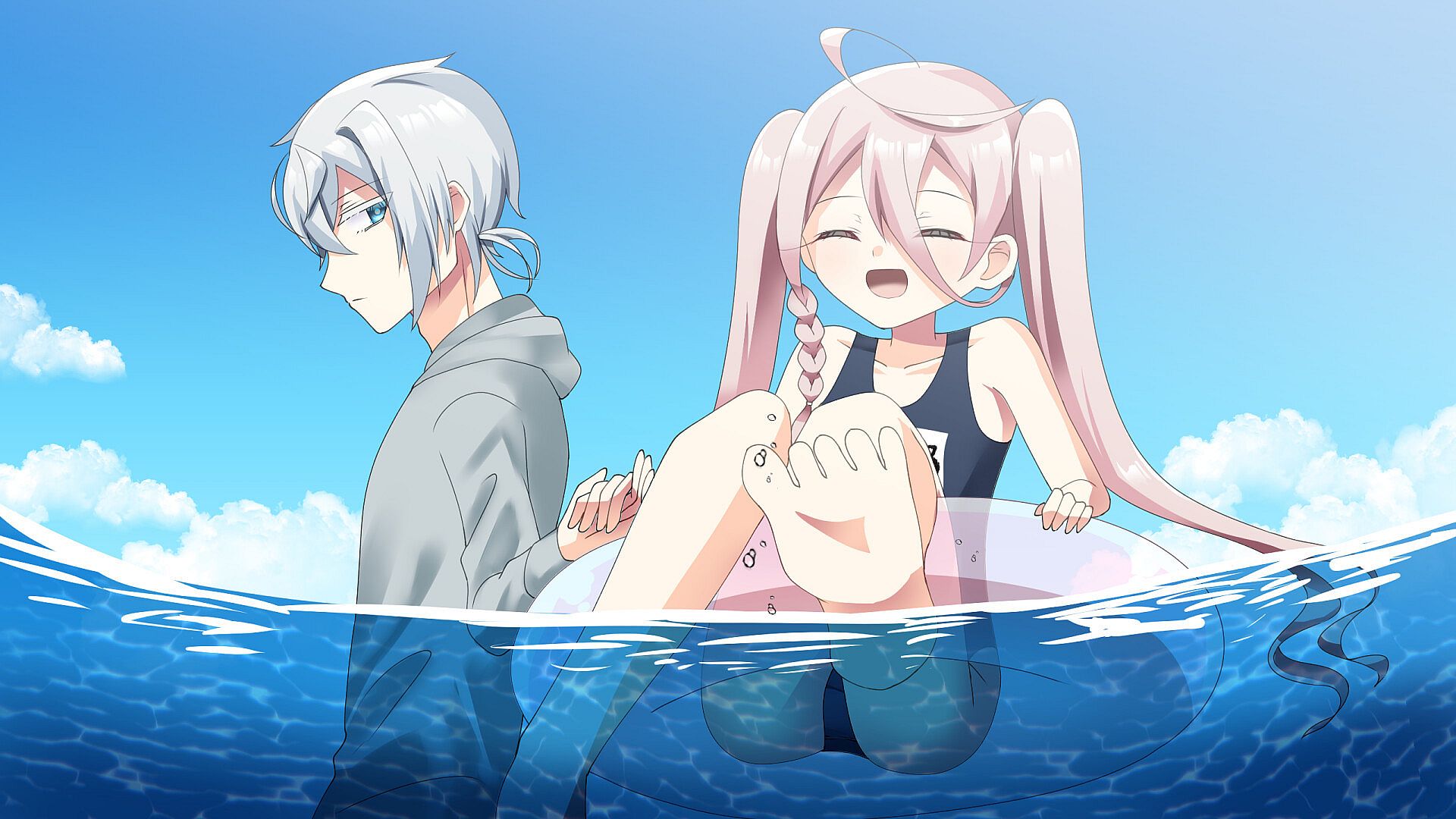
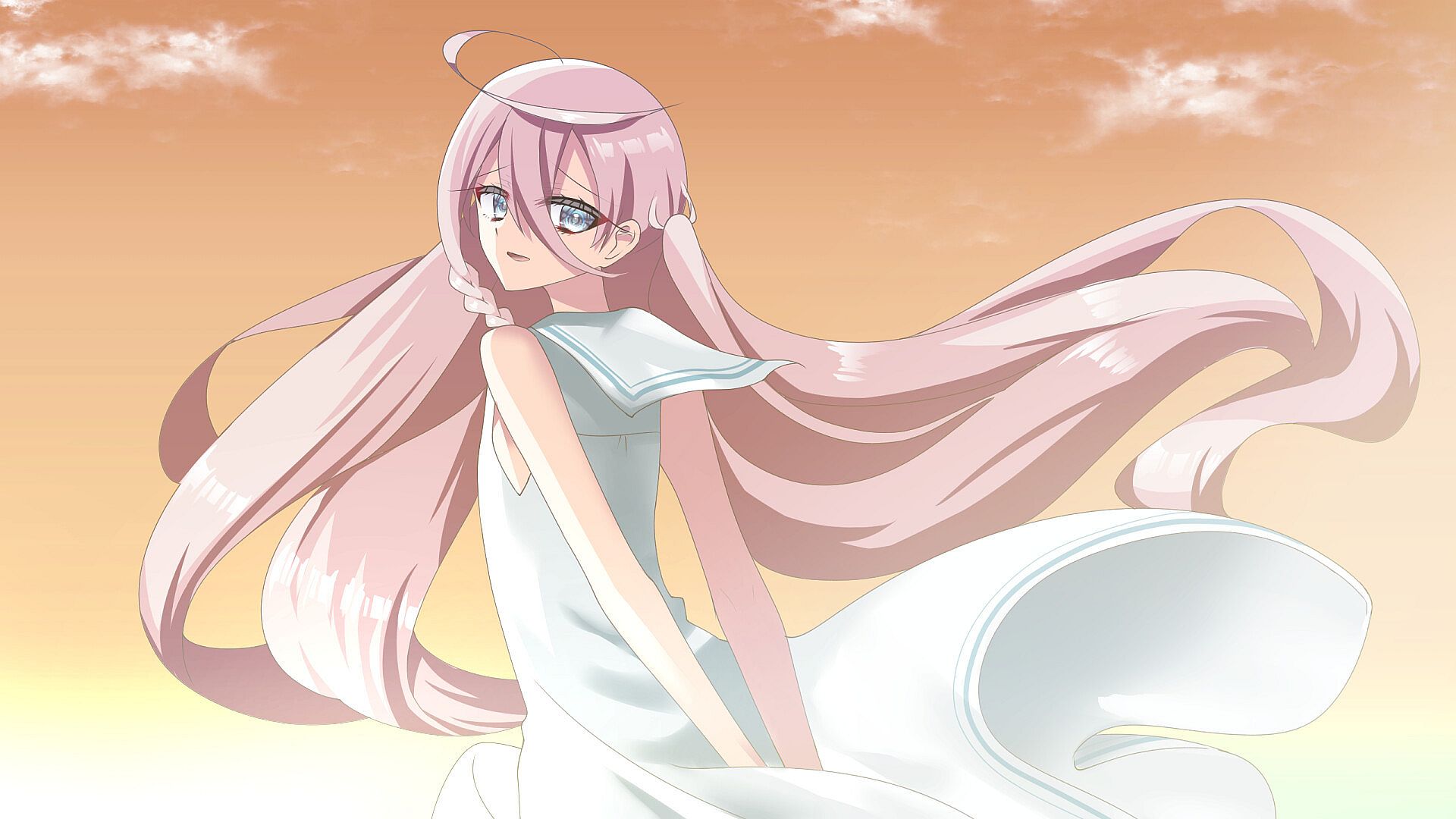
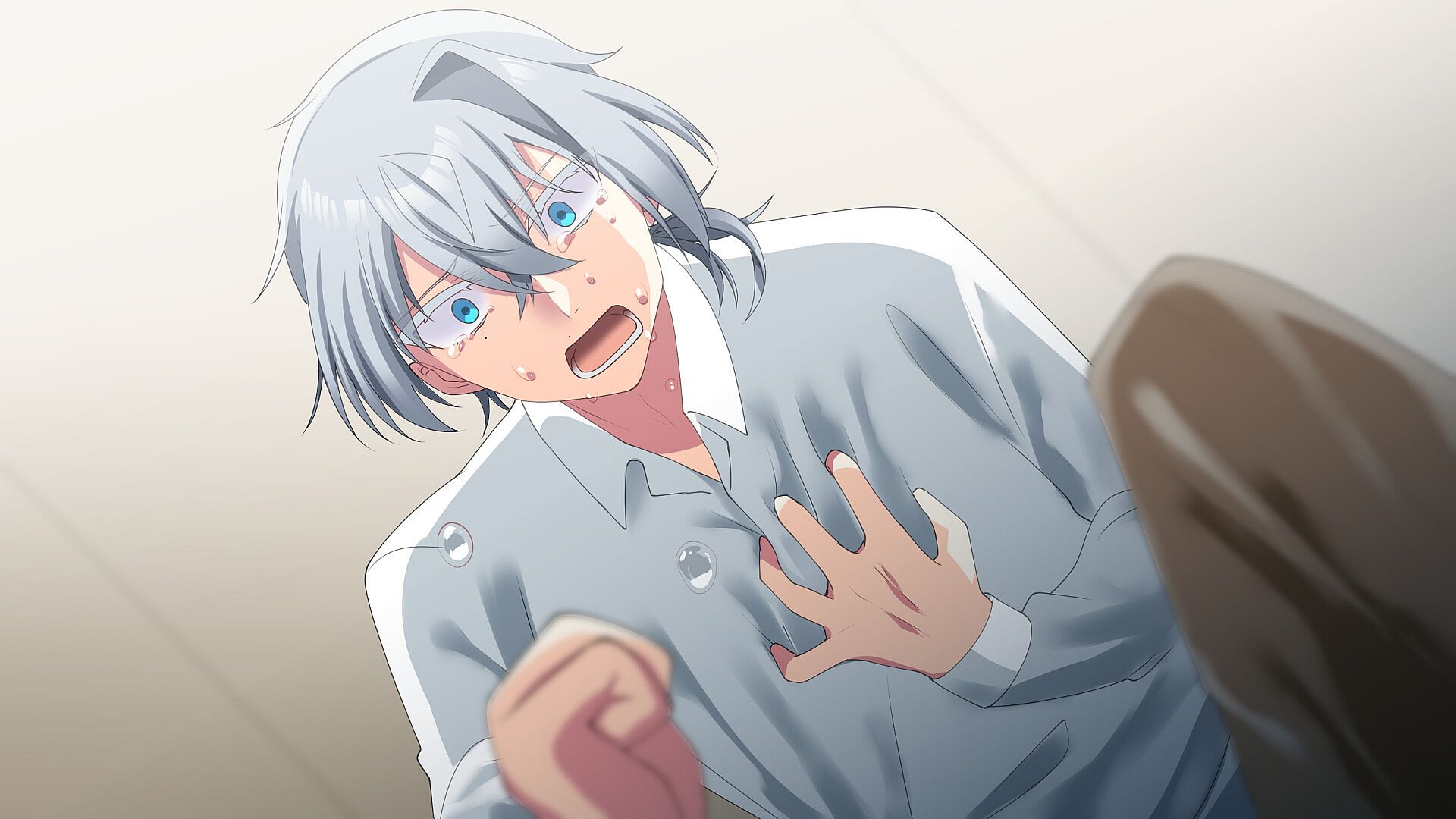
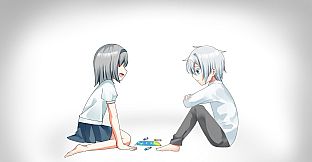
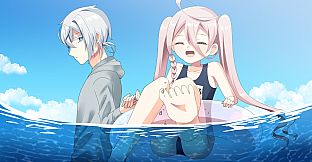
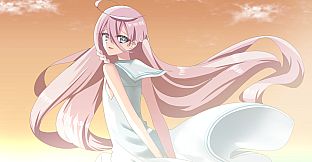
Over fifty event CGs and their variations appear at key points to highlight memorable exchanges and settings. These visuals support the summer atmosphere without requiring complex controls or resource management. Ten original soundtrack pieces, many built around piano melodies, play throughout to underscore the seasonal mood and emotional shifts. Opening and ending vocal themes add further layers to the presentation.
Game Modes
The title operates as a single continuous narrative without separate modes or branching structures beyond the main story path. Players experience the full sequence of events in one playthrough that lasts approximately one to two hours. No additional gameplay variants such as alternate routes or challenge options appear in the design.
Interactions remain linear and dialogue-driven, with the focus placed on the developing relationship between Kou and Sora Tsukishiro. The structure prioritizes atmosphere and conversation over mechanical choices or multiple endings.
Story and Characters
The narrative begins with Kou continuing his artistic pursuits despite his condition. A chance meeting introduces Sora, a free-spirited biologist whose presence disrupts his routine. Their days together involve lighthearted exchanges, discussions of ambitions, and shared time under the summer sky. As colors fade from Kou's vision, the story examines acceptance versus resistance to an imposed fate.
Themes revolve around color, life, and the conclusion of a dream rather than its fulfillment. The tone stays bittersweet, culminating in a quiet resolution designed to linger after the credits. The game avoids high-stakes conflict in favor of personal introspection and the weight of a brief connection.
Visuals and Audio
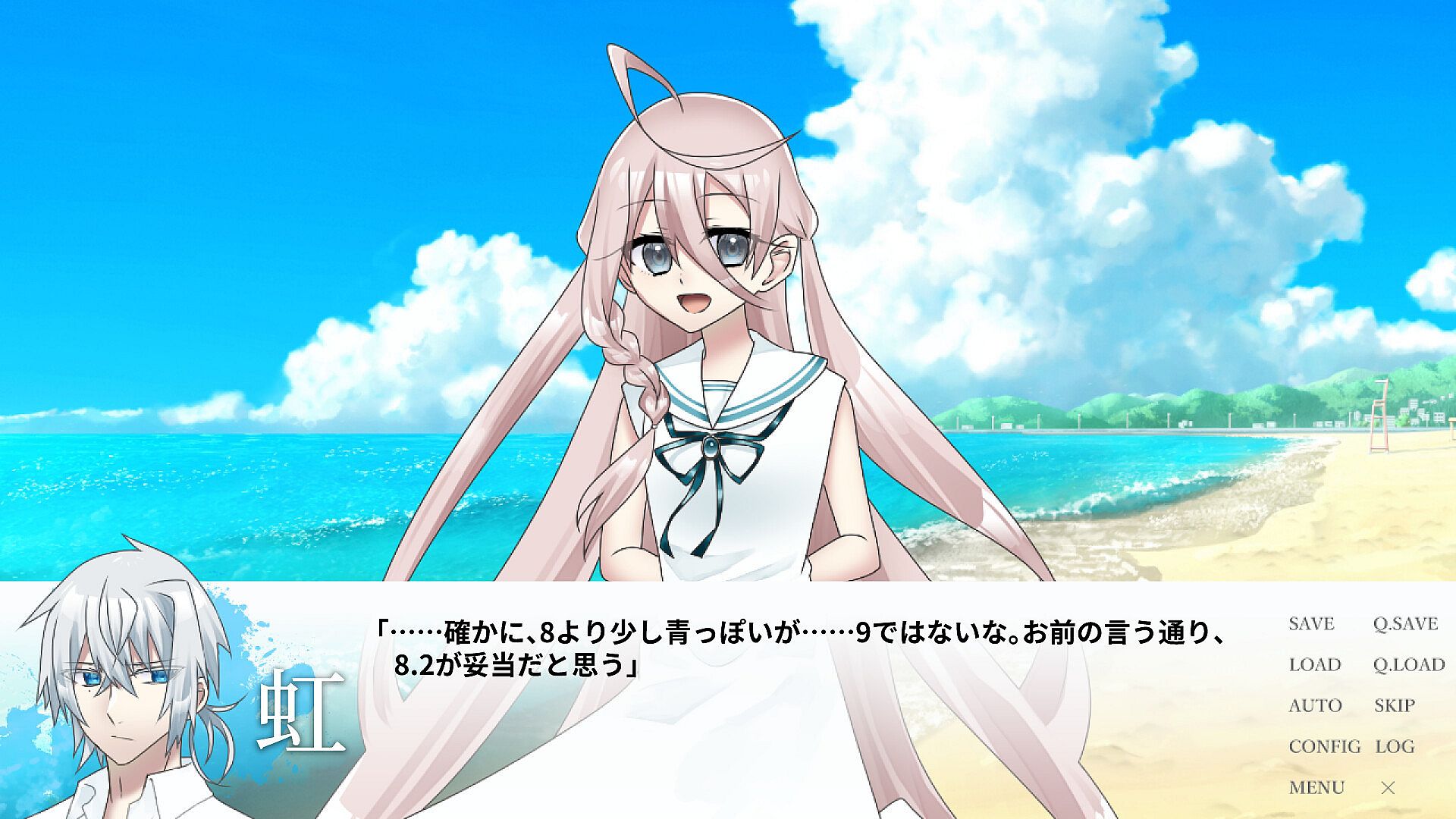
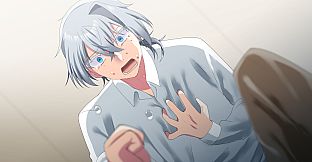
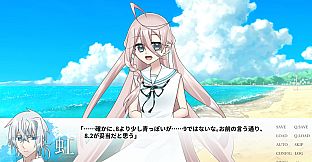
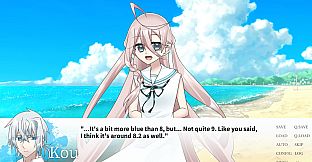
Artwork captures the nostalgic summer setting through detailed backgrounds and expressive character sprites. Event CGs provide heightened visual moments that stand out during pivotal scenes. The soundtrack integrates seamlessly with the dialogue to reinforce the seasonal and emotional context.
Full voice acting covers the primary characters, delivering natural delivery that enhances the banter and reflective passages. The combination of visuals, music, and audio creates an immersive yet contained presentation suited to players seeking a compact story.
Is It Worth Playing?
This visual novel suits individuals who prefer emotionally resonant short stories, natural character conversations, and summer-themed settings. Those drawn to heartfelt narratives that explore themes of color and personal limits will find the one-to-two-hour length accessible and complete.
The title delivers a focused experience with strong emphasis on atmosphere, voice work, and illustrative moments rather than extended playtime or mechanical depth. Players who value lingering impressions after the final scene may appreciate its approach, while those seeking longer adventures or varied gameplay systems might look elsewhere. Availability on PC makes it straightforward to try for anyone interested in indie visual novels with these specific strengths.