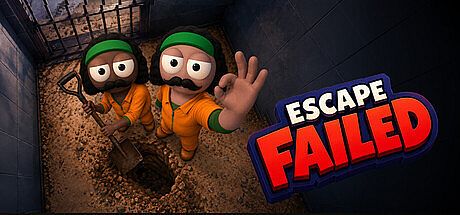


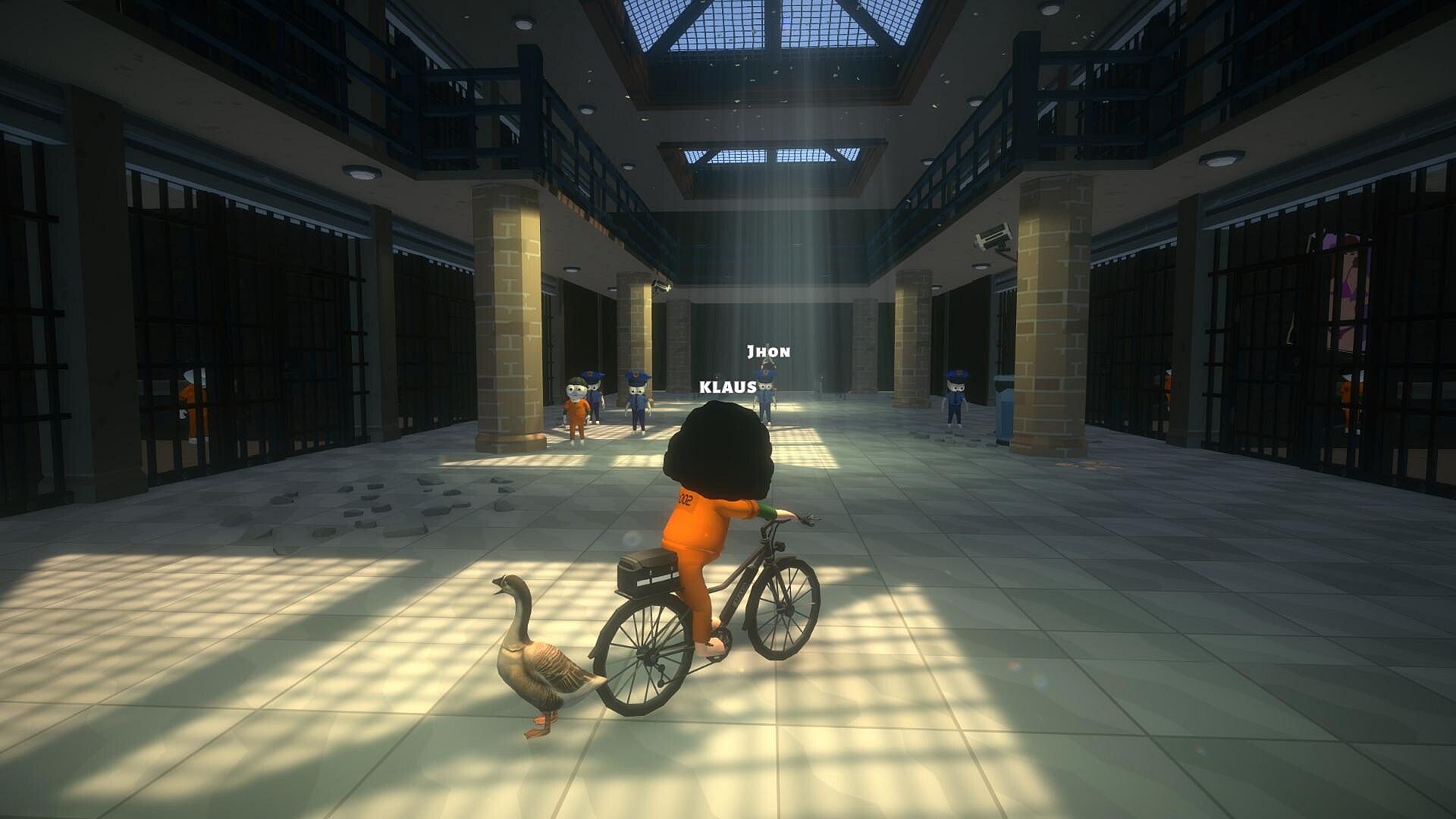
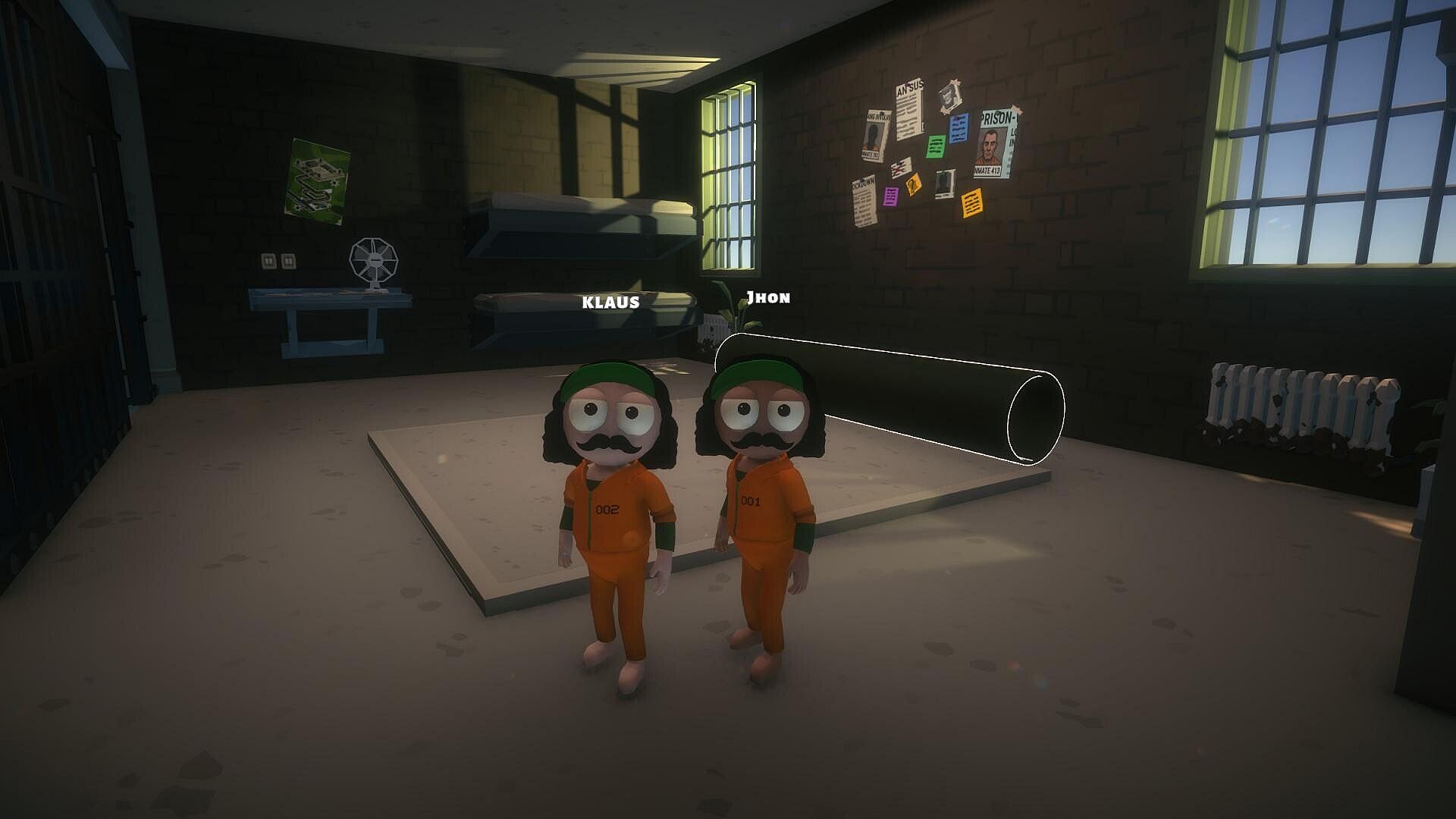
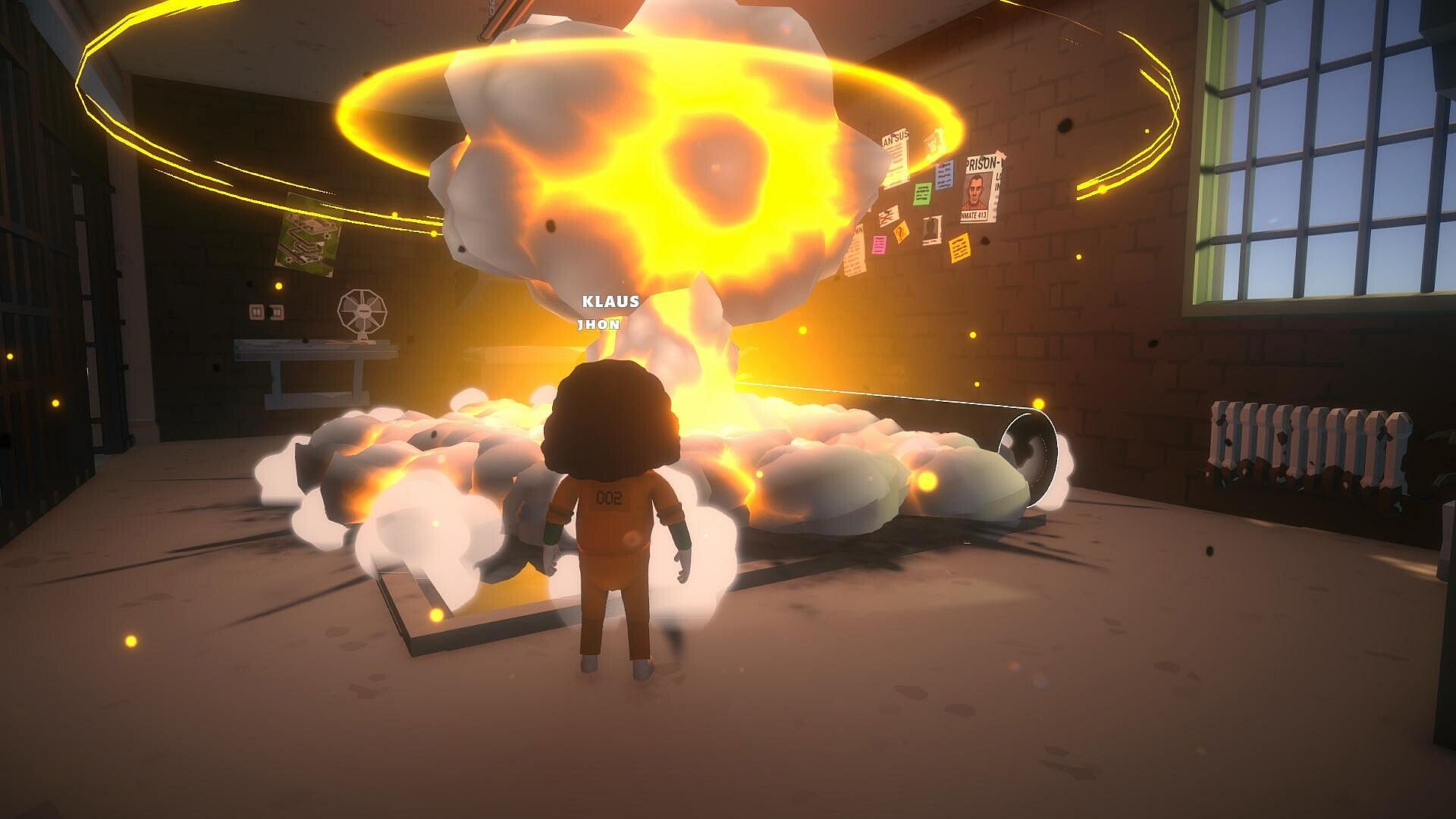
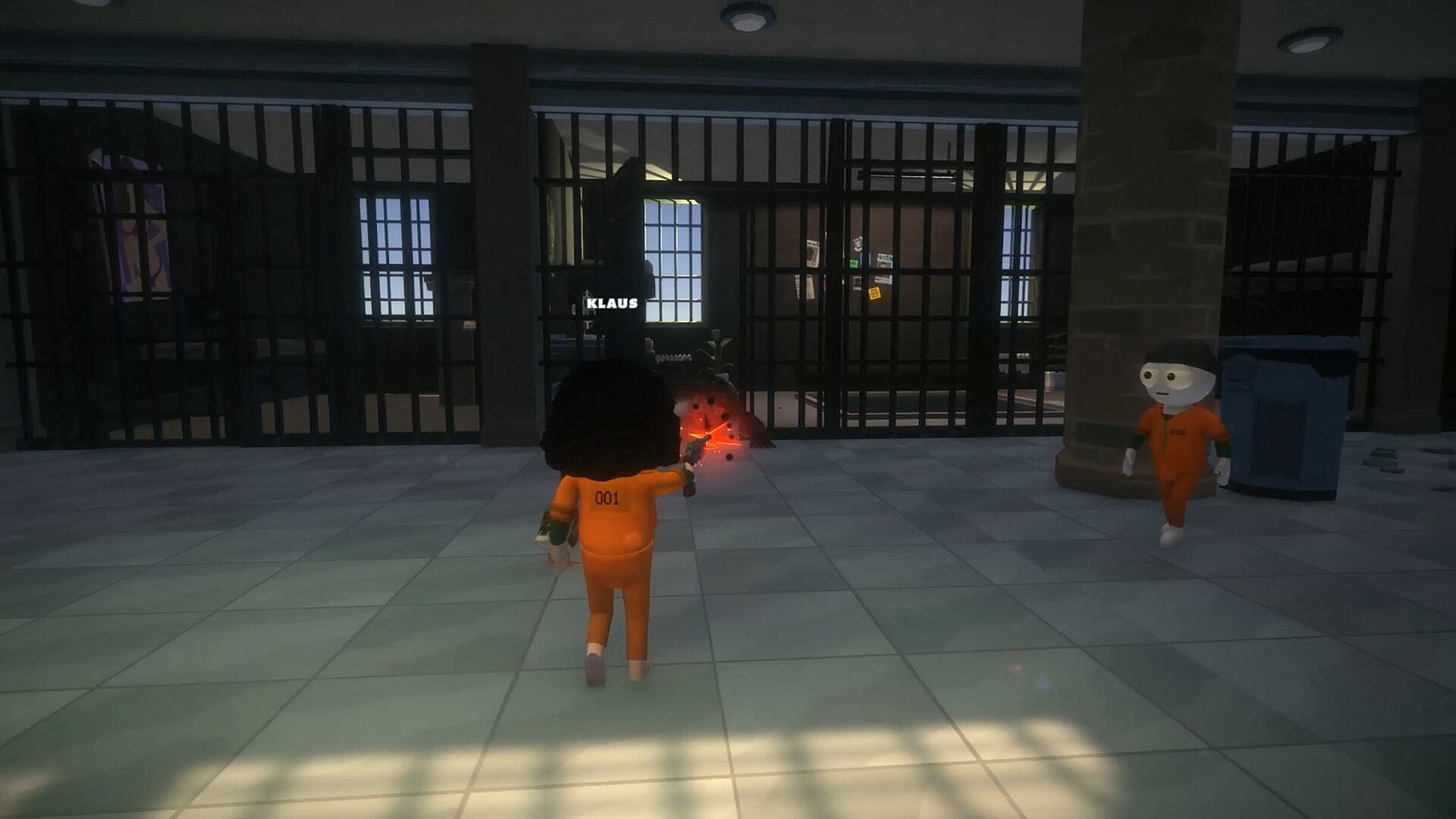


Escape Failed is a co-op action, indie, RPG, and casual game for PC in which players work together to break out of prison. The experience centers on daily routines inside the facility, careful preparation, and the constant risk of detection during an escape attempt.
Gameplay
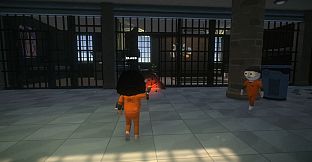
Players follow the prison schedule each day to blend in and avoid raising suspicion. This includes participating in routine activities while secretly collecting tools and equipment needed for the breakout. Gathering items happens gradually, often through small tasks that fit the daily pattern.
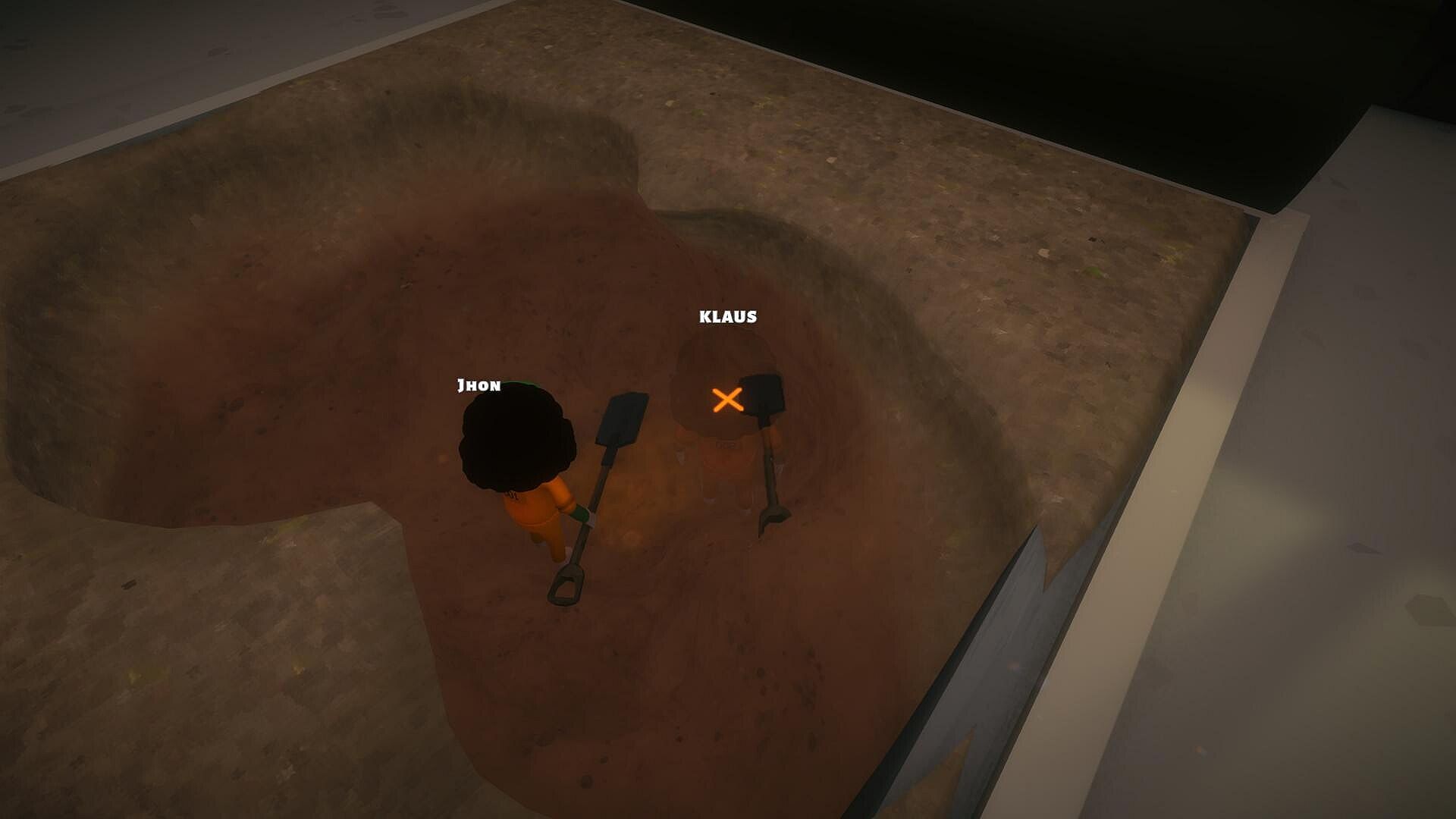
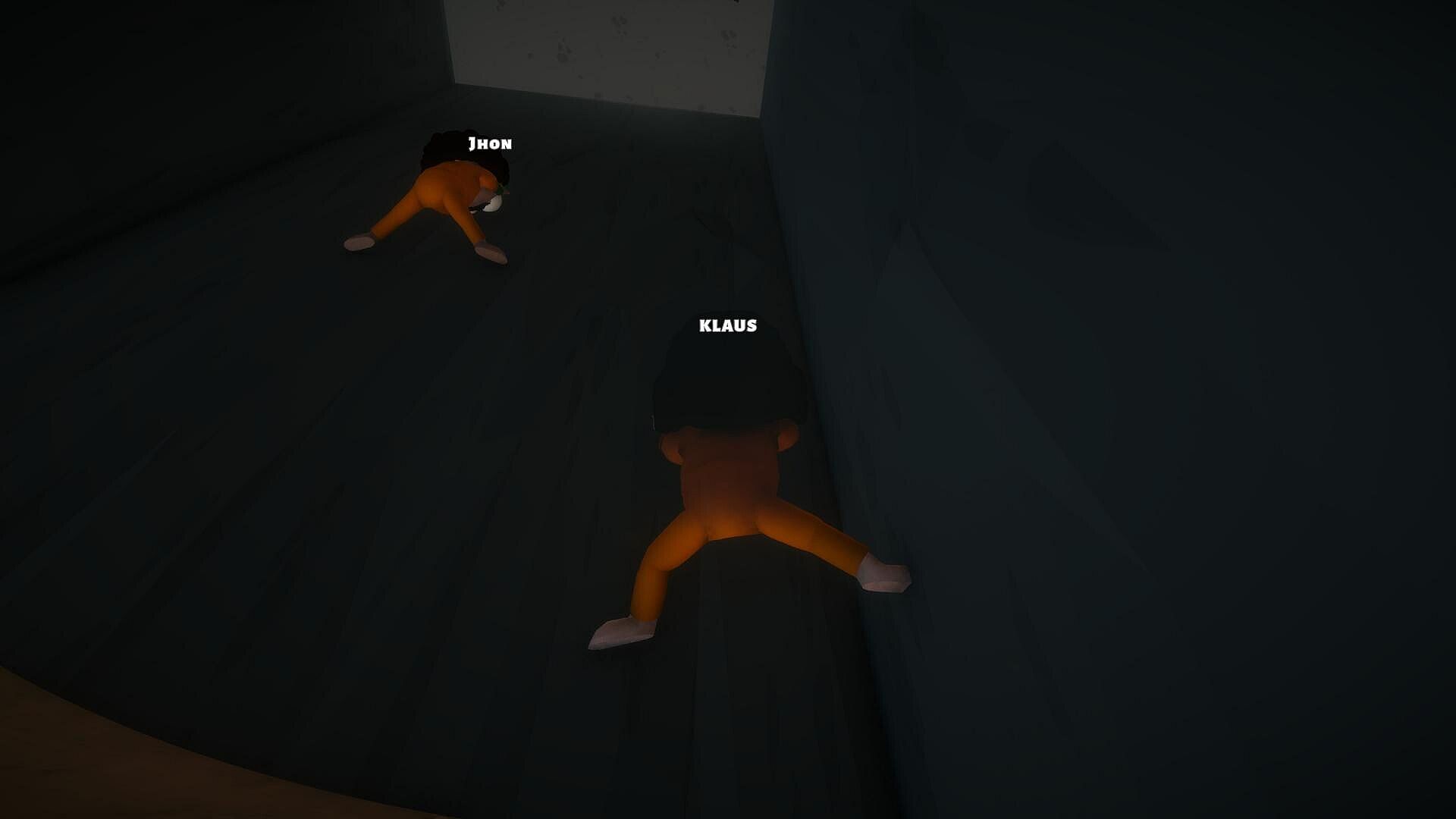
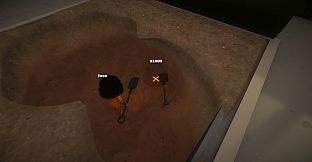
Once enough resources are secured, the group begins digging a tunnel beneath the prison. Exploration of these tunnels requires a headlamp for visibility in the dark passages. The escape follows a multi-stage route that demands coordination at every step.
Teammates share responsibilities such as monitoring guards, managing tools, and adjusting the plan when unexpected issues arise. A single error can disrupt the entire effort and force the group to adapt quickly. The setup encourages creative approaches, whether the team sticks to a structured strategy or experiments with unusual ideas that lead to memorable outcomes.
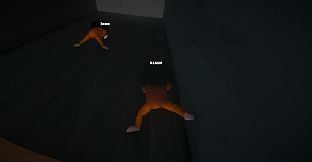
Inspections add tension, as players must survive checks without revealing their preparations. Tools support both the digging process and survival elements during the escape. When plans change due to setbacks, the focus shifts to turning those failures into new opportunities for progress.
Game Modes
The core experience revolves around online co-op play for up to four players. Everyone participates in the same prison environment, handling different parts of the preparation and execution together. There is no single-player option described, and the mechanics emphasize group interaction over individual play.
Within this co-op setup, players can divide tasks according to preference. Some may focus on gathering supplies while others handle digging or monitoring routines. The mode supports both careful planning sessions and more spontaneous attempts that can descend into chaos from minor mistakes.
Flexibility allows teams to experiment with different roles across multiple attempts. Responsibilities shift based on what the group needs at any moment, keeping the sessions varied even after repeated tries.
Team Dynamics and Strategy
Success depends on how well the group communicates and adapts. Players can choose to collaborate closely on every detail or let one person manage the heavier lifting while others contribute in smaller ways. This range of involvement suits different play styles within the same session.
Failed attempts become learning opportunities. The game highlights how small changes in approach can lead to different results on subsequent tries. Creative escape ideas often emerge from these adjustments, turning routine prison life into the foundation for unexpected plans.
The emphasis on shared moments means the experience grows with repeated play. Friends can build on previous attempts, refining their methods or trying entirely new tactics each time they start over.
Is It Worth Playing?
Escape Failed suits players who enjoy co-op experiences built around teamwork, preparation, and the potential for things to go wrong in entertaining ways. The focus on daily routines mixed with secret digging creates a steady loop of planning and execution that rewards coordination.
Those who like casual sessions with friends will find value in the ability to experiment without strict rules. The game supports both structured strategies and lighter, more chaotic approaches, making it accessible for groups with varying levels of commitment.
Availability on PC with online co-op for up to four players makes it straightforward to join sessions. The mechanics around inspections, tool use, and plan changes provide consistent reasons to return and try different methods. Overall, it appeals to anyone seeking a prison escape game centered on group creativity and adaptability rather than solo challenges.