









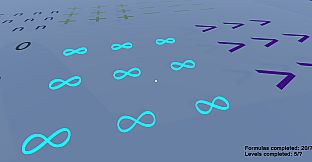

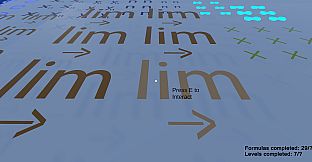
Escape Matrix is a first-person puzzle game that blends strategy, indie development, casual accessibility, and simulation elements into a focused experience centered on mathematical problem solving. Players find themselves inside a simulated environment where completing disrupted equations serves as the primary method of progression through a series of interconnected chambers.
Gameplay
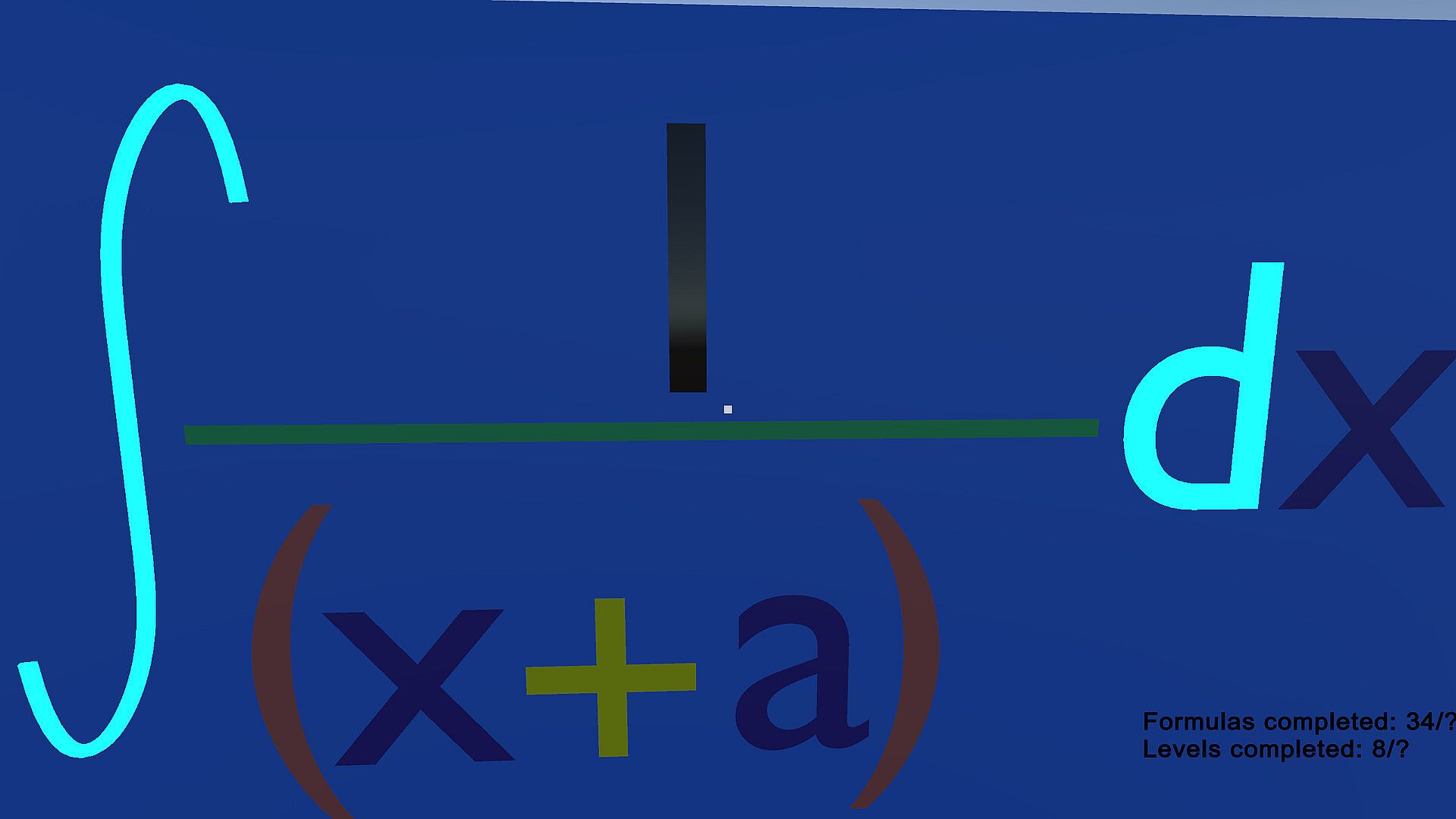
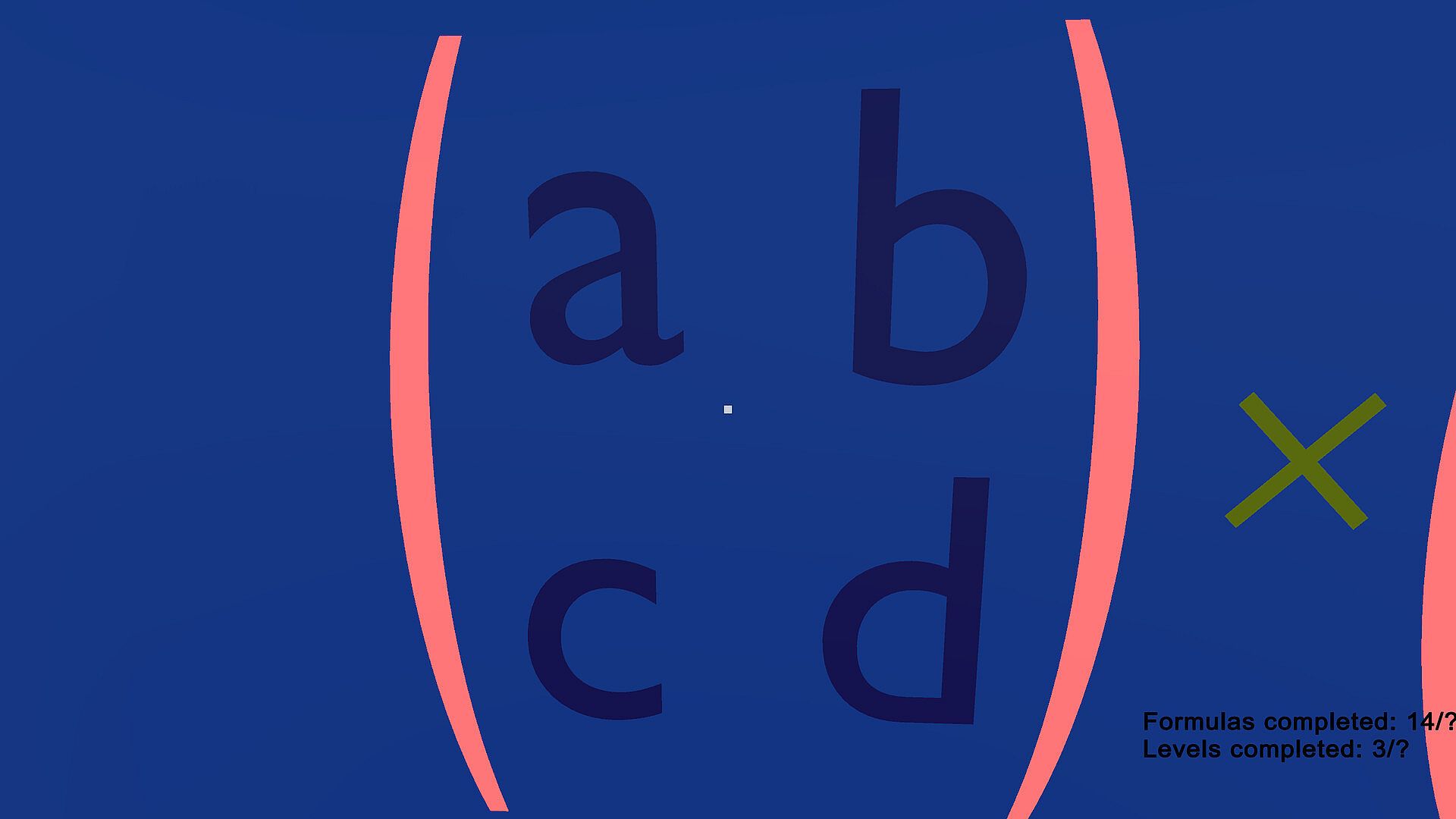
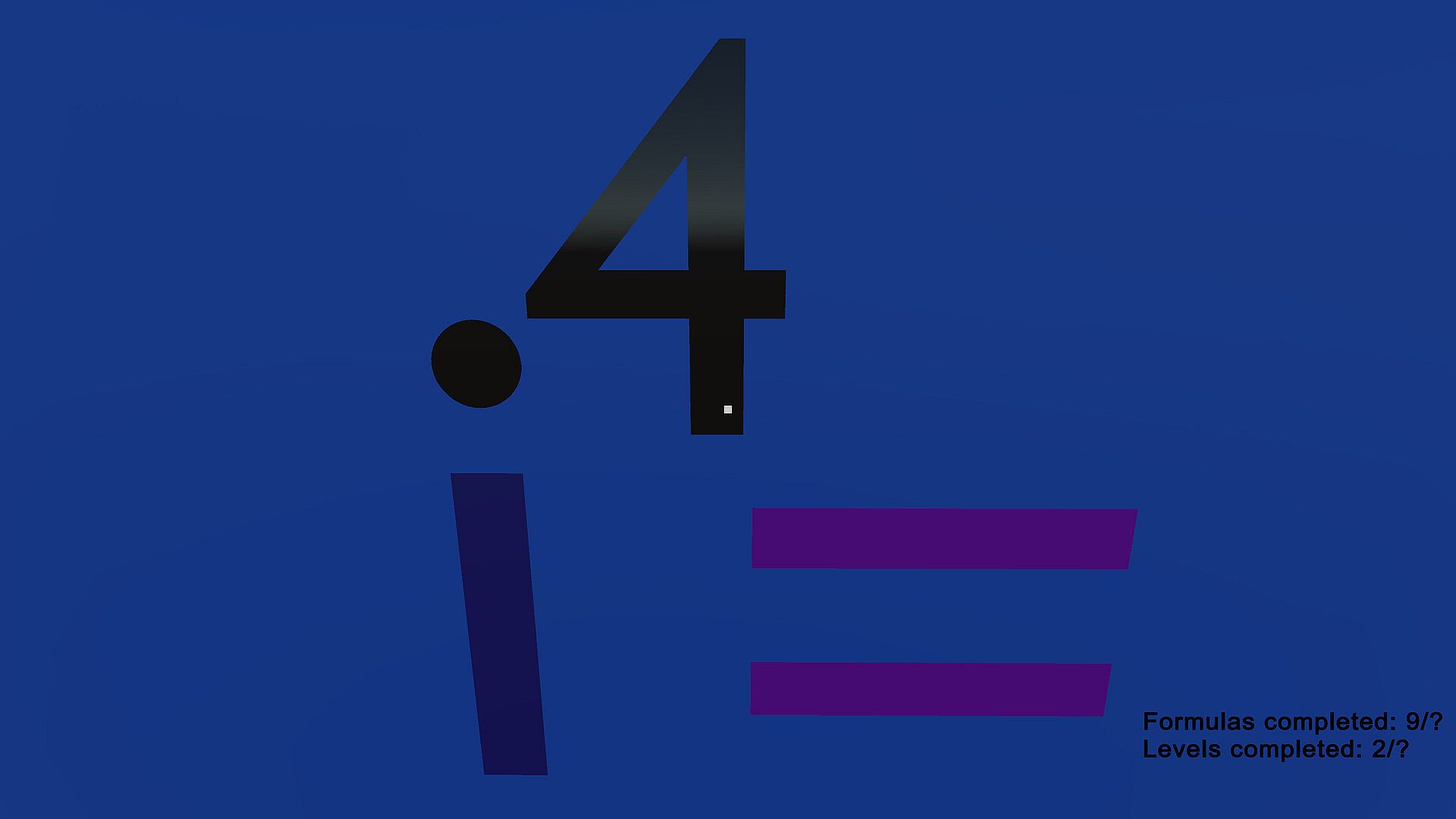
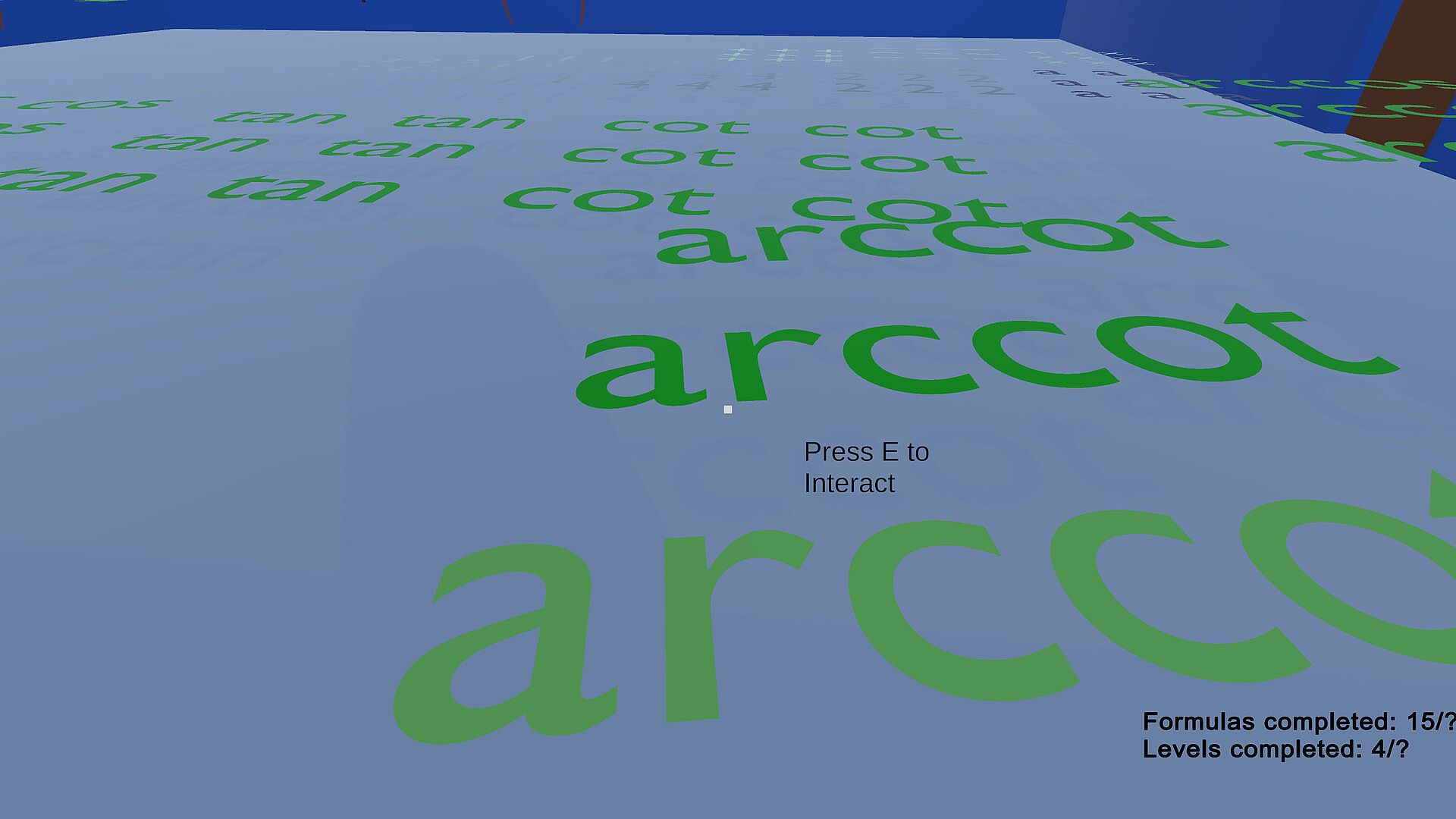
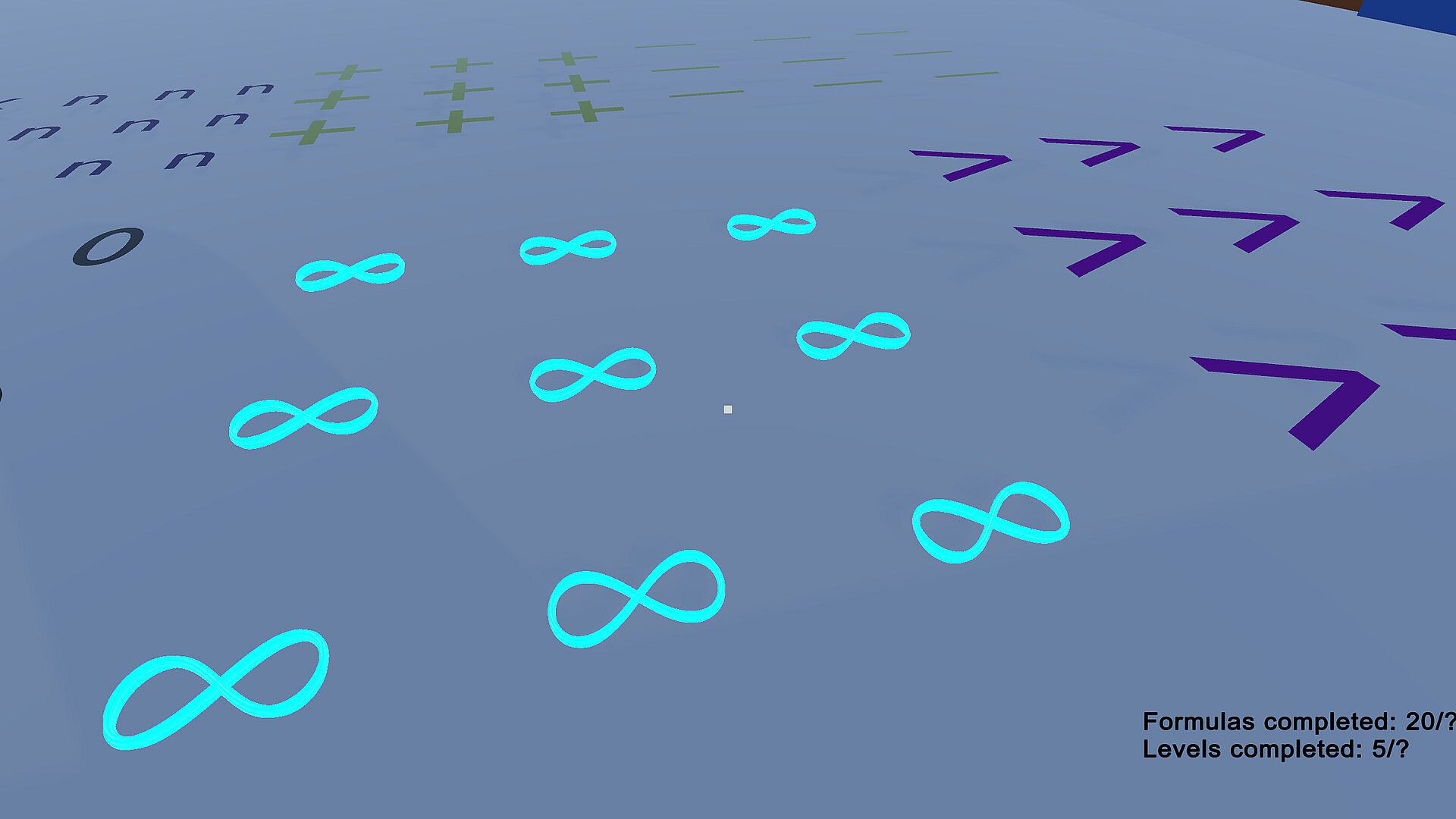
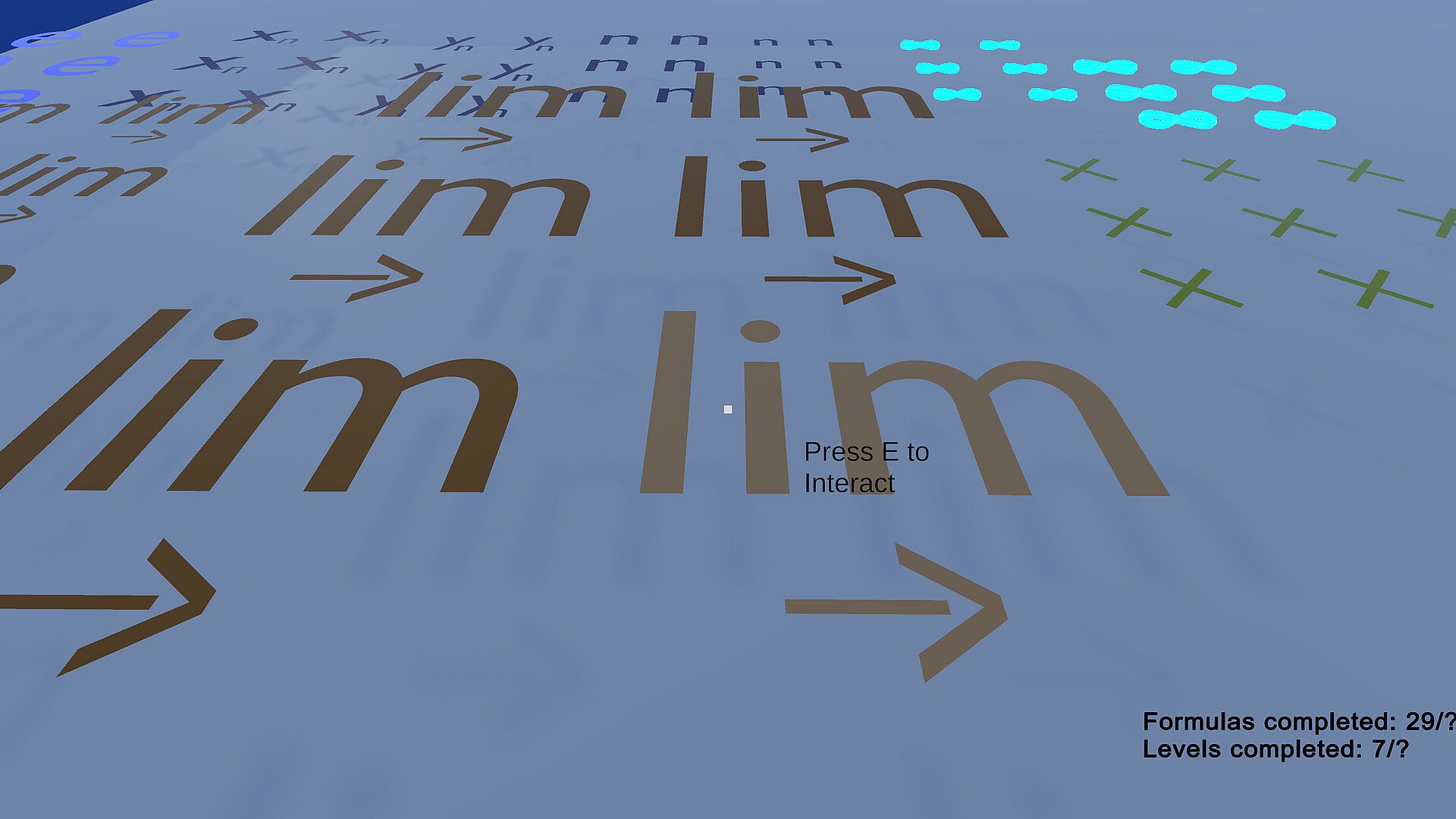
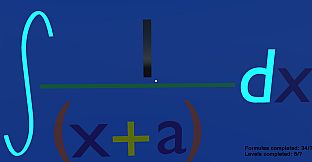
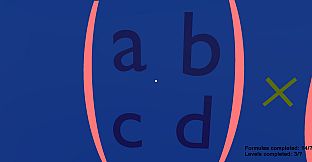
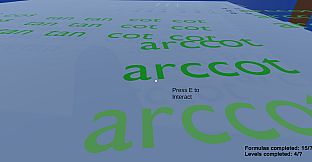
The core loop revolves around exploring enclosed rooms to locate three-dimensional mathematical symbols scattered throughout the space. These symbols represent components of formulas drawn from topics such as limits, integrals, trigonometry, and basic calculus. Once collected, symbols can be carried and inserted into designated wall slots using a universal placement system that allows any piece to fit into any available position for experimentation.
Physics-based interactions let players pick up objects, examine them closely, drop them, and reposition them freely in three-dimensional space. If a configuration does not unlock the exit, pieces can be retrieved and rearranged without penalty, encouraging trial and error alongside logical deduction. Each successful formula completion opens the next chamber, where puzzle complexity increases through longer equations and more precise symbol requirements.
Controls emphasize intuitive first-person movement combined with direct object manipulation, supporting both quick navigation and detailed inspection of individual symbols. The minimalist environment features clean lines and neon accents that highlight the symbols against darker backgrounds, reducing visual clutter while maintaining a consistent atmospheric tone across all areas.
Game Modes
Escape Matrix operates exclusively as a single-player experience with a linear sequence of puzzle chambers. There are no separate multiplayer options, competitive modes, or cooperative variants available. Progression follows a room-by-room structure where each completed equation grants access to subsequent challenges, accompanied by visible tracking of formulas solved and overall advancement toward the final exit.
The design remains consistent throughout, with no branching paths or alternative objectives beyond solving the presented mathematical reconstructions. This focused approach suits players who prefer methodical, self-paced puzzle solving without external competition or time limits.
Setting and Aesthetic
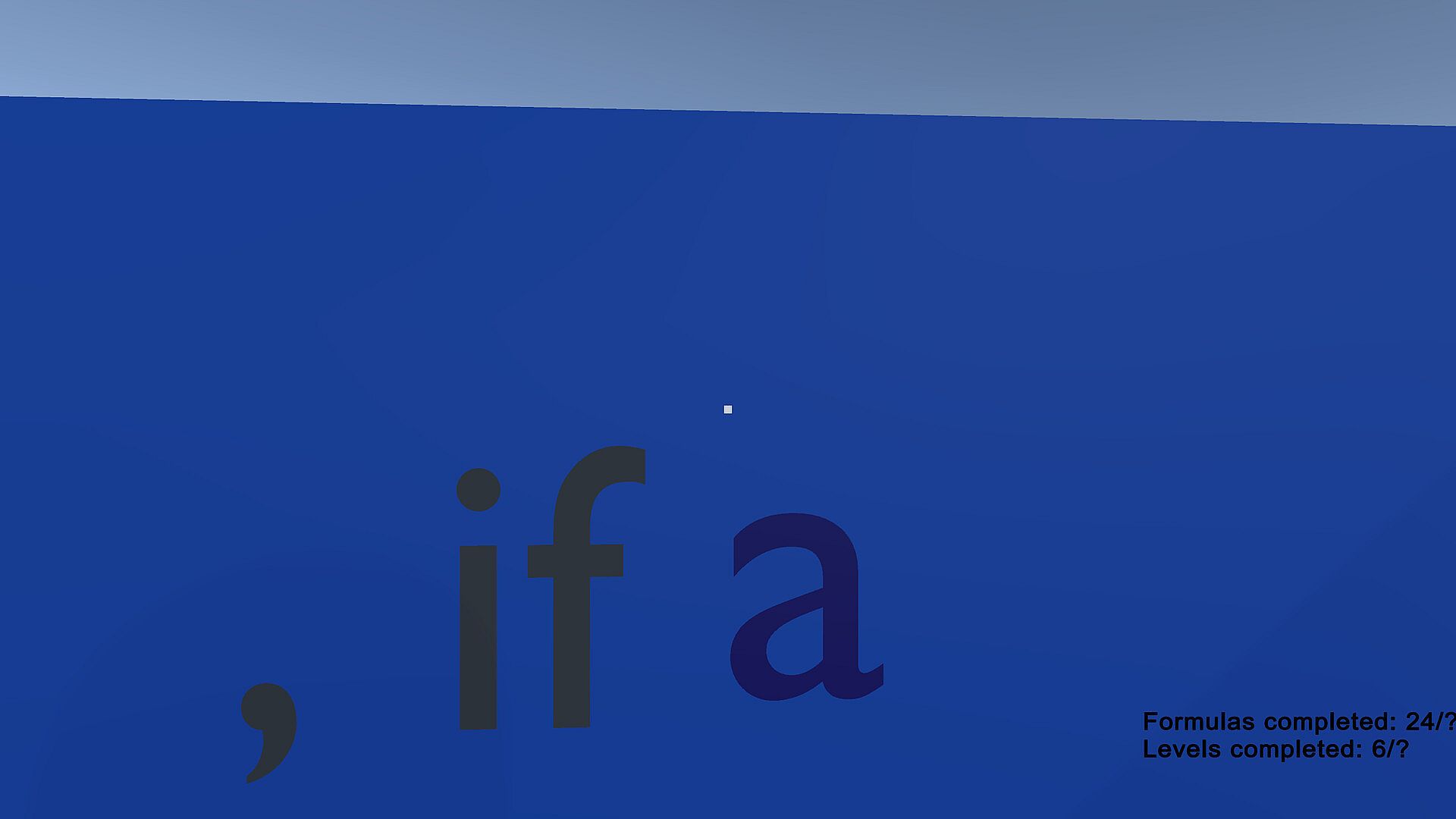
The game places participants inside an abstract simulation governed by mathematical rules rather than conventional narrative elements. Environments stay deliberately sparse, relying on glowing symbols and controlled lighting to direct attention toward the interactive components. This visual style supports the simulation theme while keeping the emphasis on the tactile process of gathering and placing objects.
Atmospheric details remain secondary to the logic challenges, creating a clean backdrop that avoids distraction during extended puzzle sessions. The overall presentation aligns with the indie and casual tags through its straightforward interface and absence of complex menus or additional systems.
Is It Worth Playing?
Escape Matrix targets individuals who enjoy logic puzzles with a mathematical foundation, particularly those comfortable with or curious about calculus concepts presented in an interactive format. The accessible puzzle design accommodates both enthusiasts seeking stimulation and newcomers to the genre through progressive difficulty and flexible placement mechanics.
As an upcoming title scheduled for release in Q3 2026, it currently lacks player reviews or aggregated ratings. Availability will be limited to the PC platform upon launch, with single-player focus and Steam achievements as confirmed features. Those drawn to simulation-style problem solving and strategy through equation reconstruction may find the chamber-based progression rewarding, while players seeking action, narrative depth, or social elements should consider the narrow scope before purchase.
The combination of tactile object handling and increasing formula complexity provides a clear loop for dedicated puzzle fans, though the unreleased status means final reception depends on post-launch feedback.













