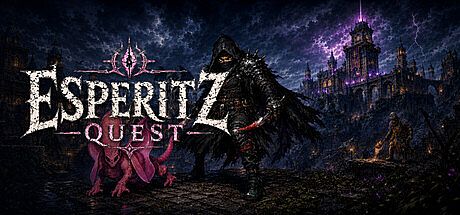



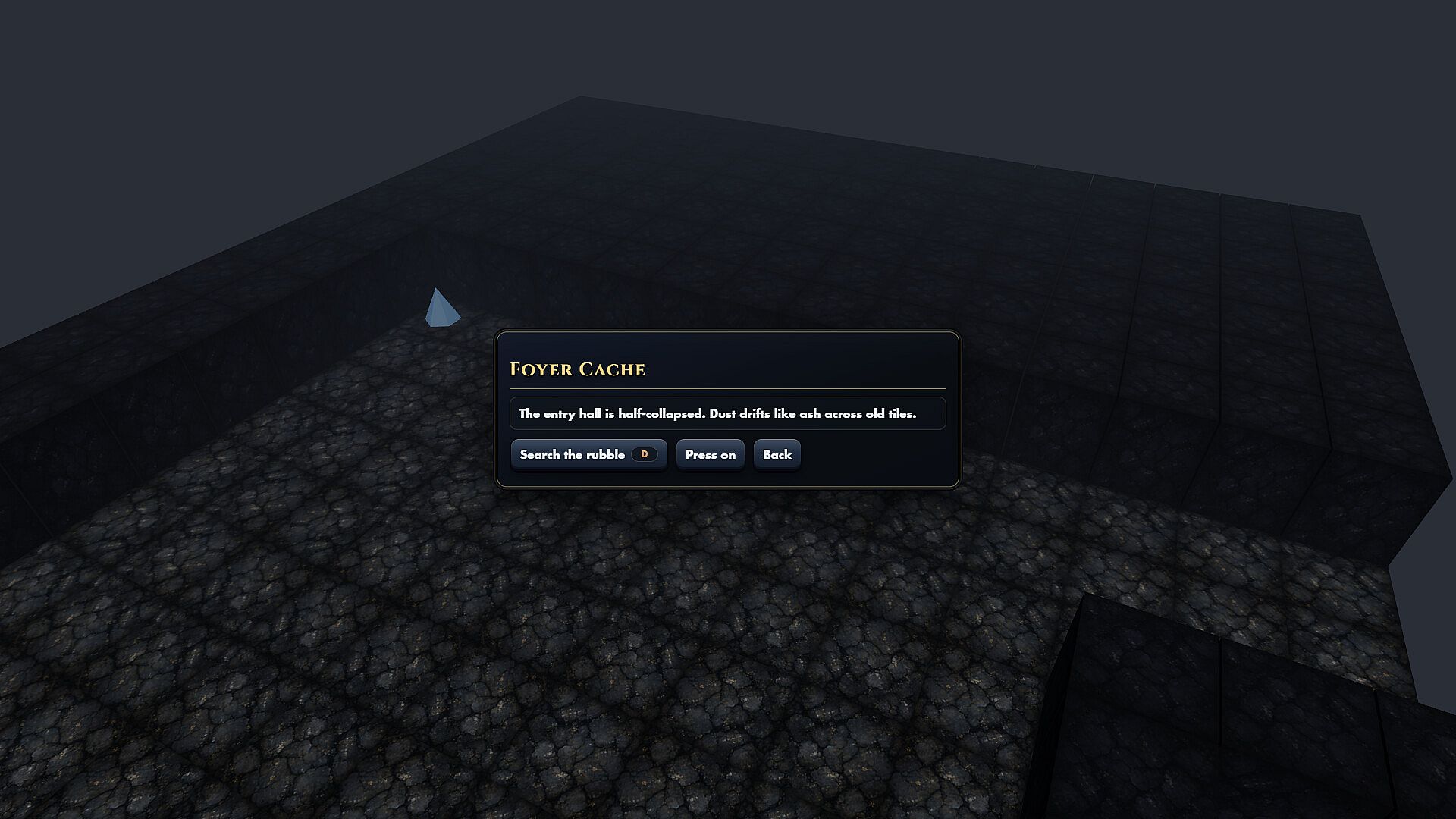
Esperitz Quest is a single-player strategy RPG and adventure game in early access on PC that centers on creature taming within a demanding dungeon-crawling framework. Players create a trainer, roll stats, select a class with alignment and restrictions, and choose a starter creature before venturing into a hostile world filled with roads, wild esperitz, towns, and various structures. The experience emphasizes resource management, luck, and class-based command limits on creatures while navigating old-school dice checks and procedural environments.
Gameplay
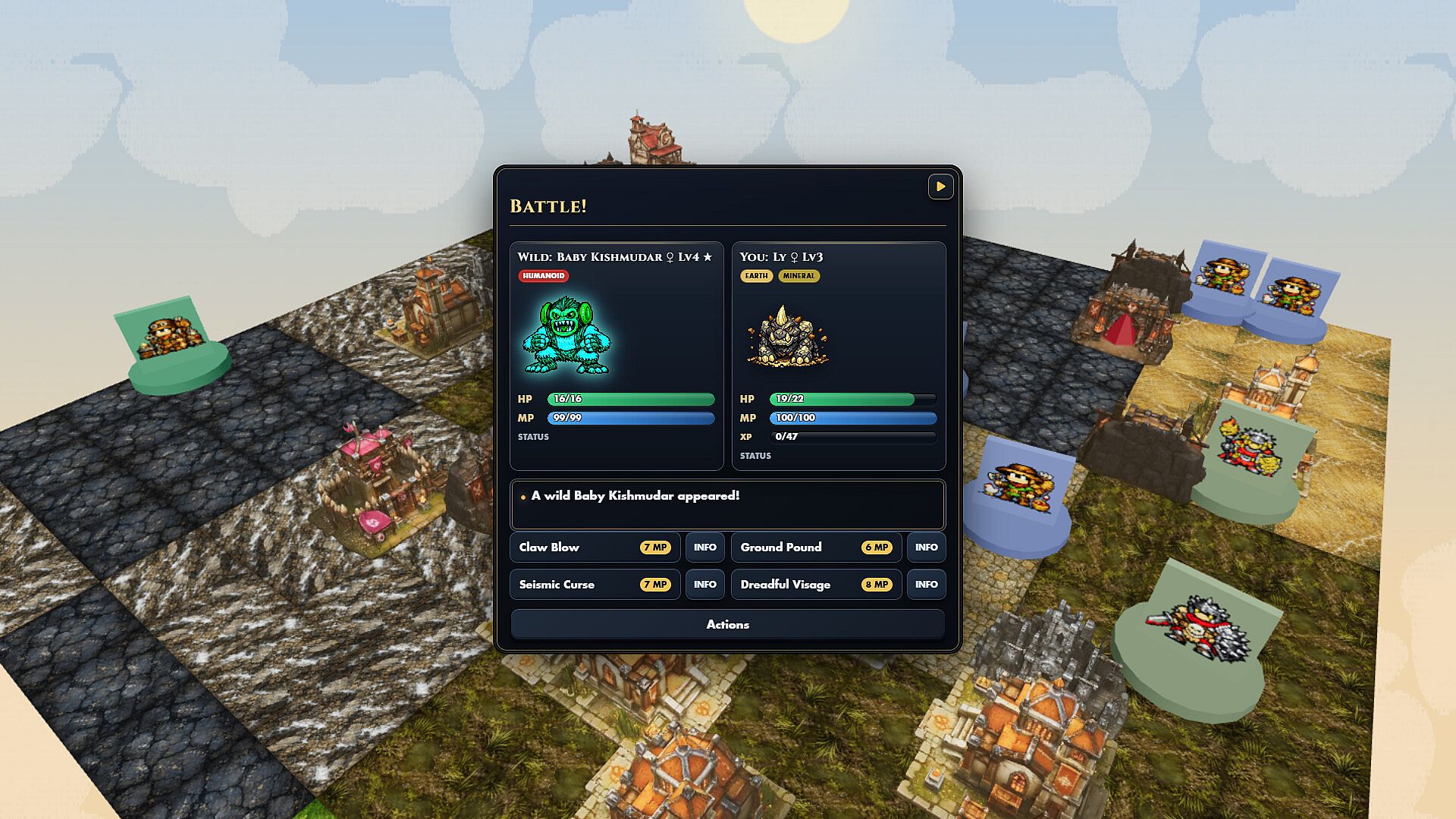
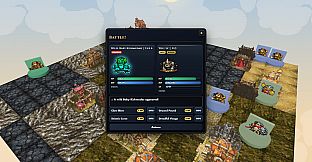
The core loop revolves around exploration and turn-based combat in a resource-driven system. Trainers manage supplies, money, and healing tools during travel across plains, forests, caves, swamps, shores, and mountains. Combat occurs against wild esperitz, other trainers, and tougher encounters in structures, where players capture creatures, train them, and select moves from a pool of 480 entries across 19 types. Class choice directly restricts which esperitz a trainer can command, forcing strategic team building and reshaping after losses or recoveries.
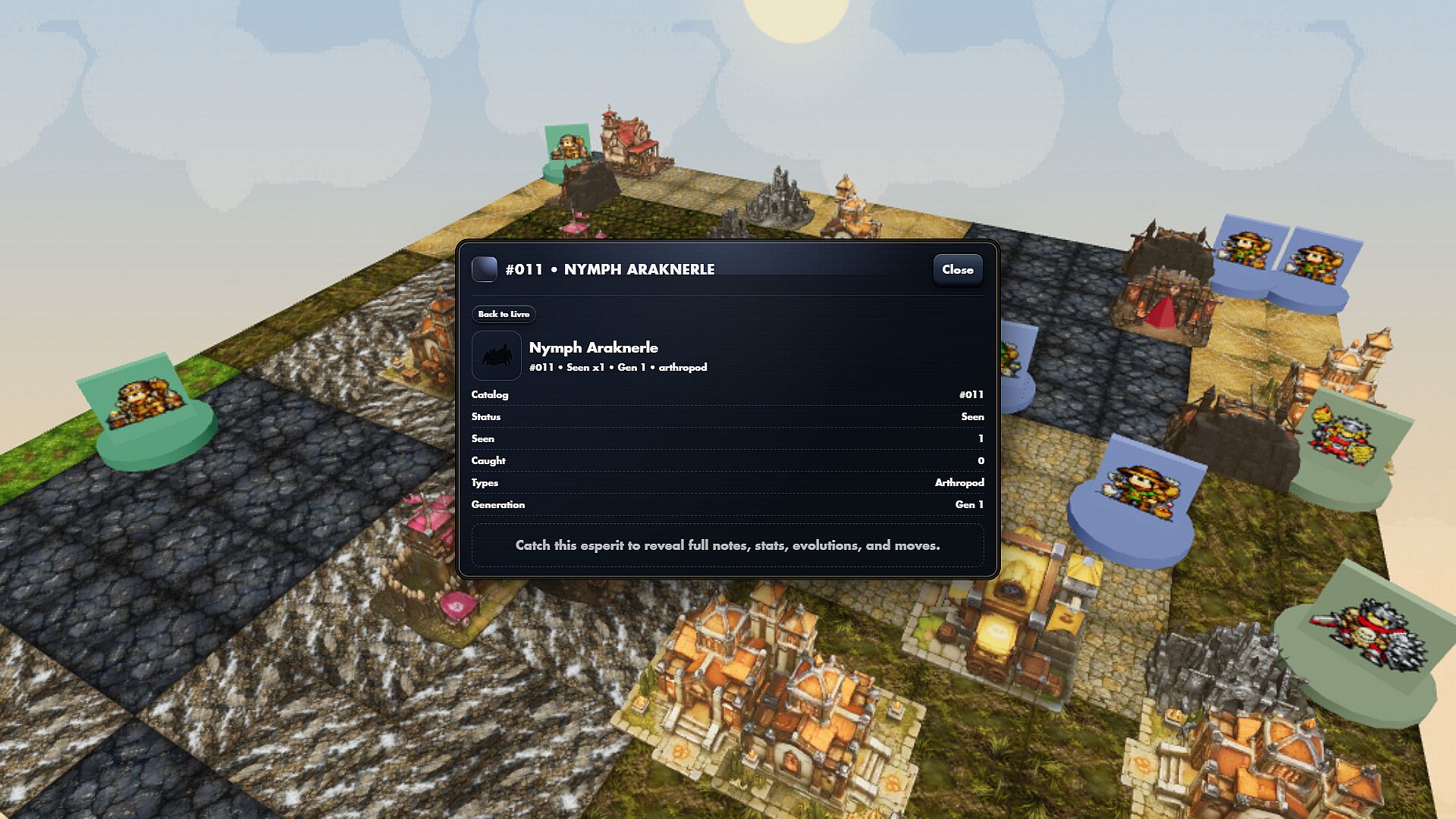
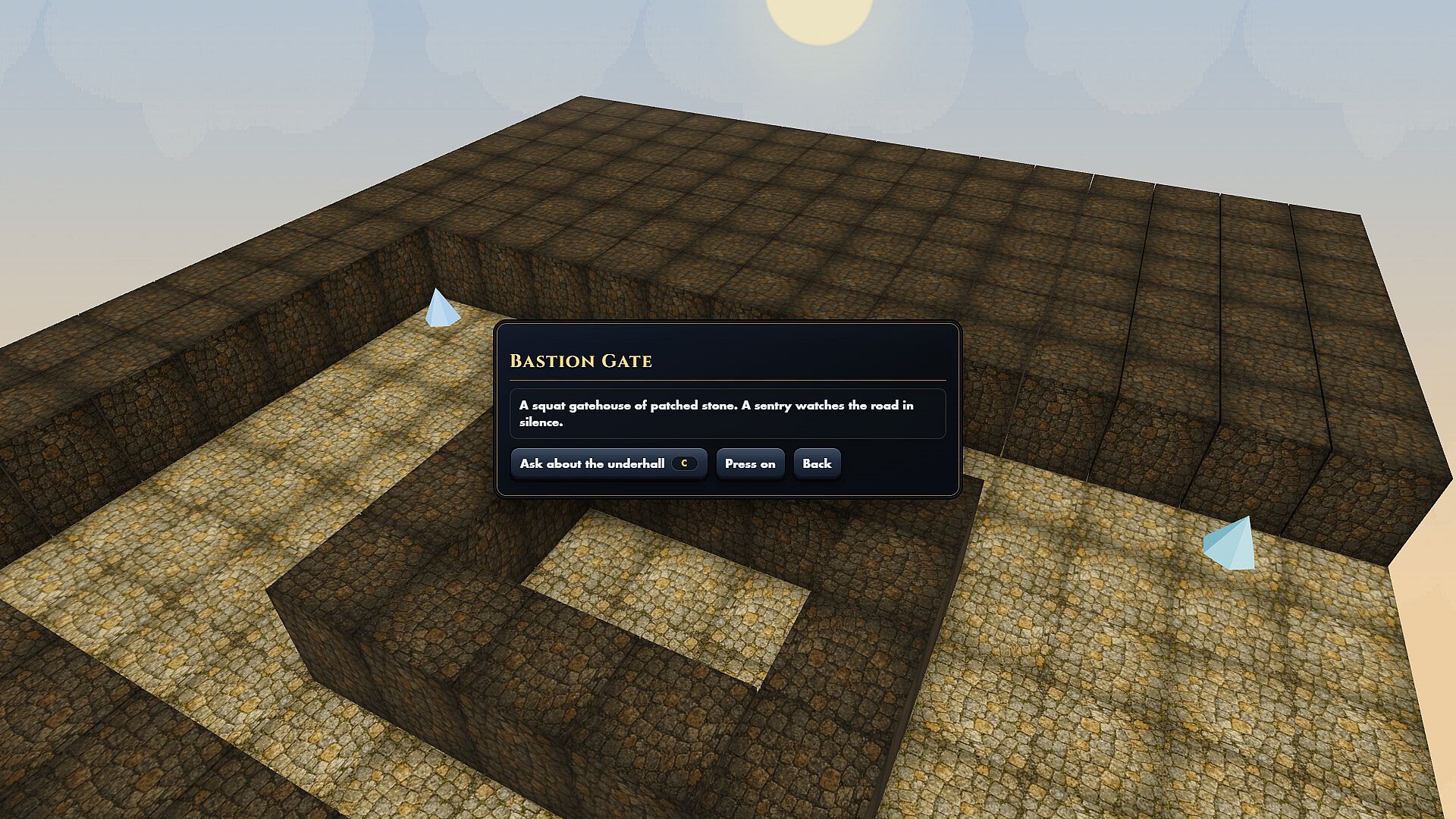
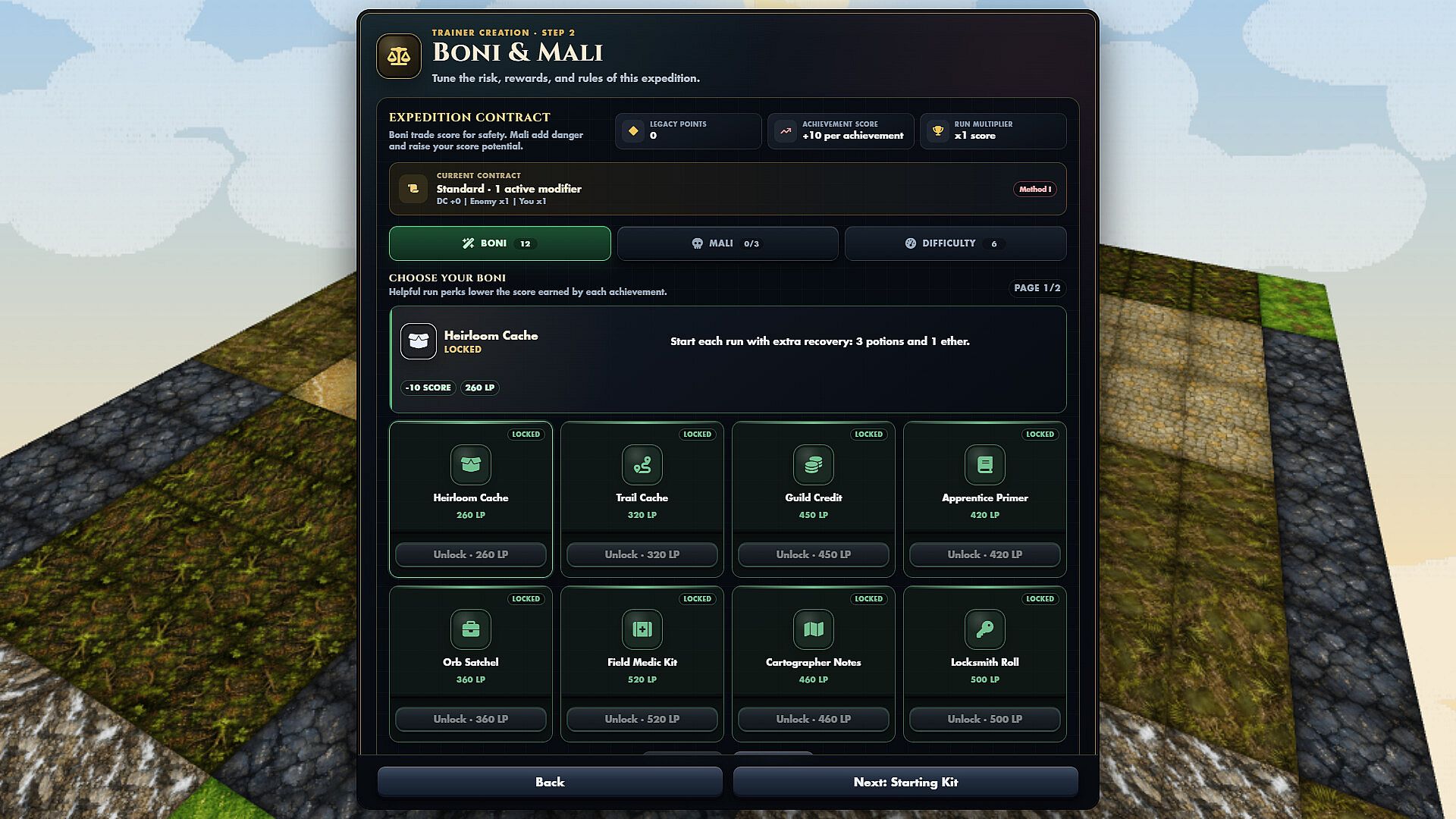
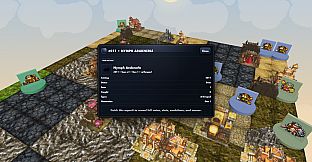
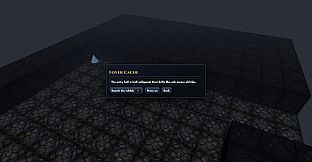
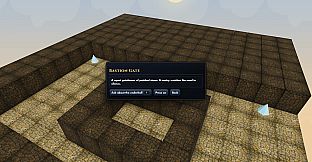
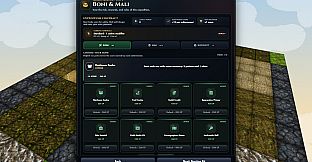
Between encounters, players visit town structures such as infirmaries for healing, stores for items, guildhalls for contracts, shrines, ruins, outposts, and dungeons. The 151 local esperitz entries include types, moves, evolution data, and discovery tracking through the Livre des Esperitz. Procedural generation ensures varied routes and encounters, while camp and stronghold systems support rest and preparation. Achievements and Legacy Points provide optional bonuses or harsher modifiers for subsequent runs, rewarding repeated play with adjusted difficulty.
Game Modes
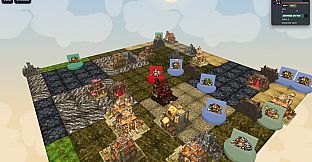
Esperitz Quest supports single-player progression through campaign-style adventure files that incorporate NPC scenes, skill checks, rewards, and lasting consequences. Thirteen such files are available in the current build, blending narrative events with the ongoing journey. Procedural overworld travel forms the backbone of exploration, leading to contracts and structured encounters that vary in scale from standard trainer battles to sanctum-style boss fights.
Run-based elements encourage replayability, with penalties and bonuses tied to performance. Players can pursue discovery tracking for esperitz, complete contracts, or tackle harsher challenge modifiers unlocked via Legacy Points. The systems-heavy design favors deliberate pacing over casual sessions, with supplies and luck influencing survival across multiple attempts.
World and Systems
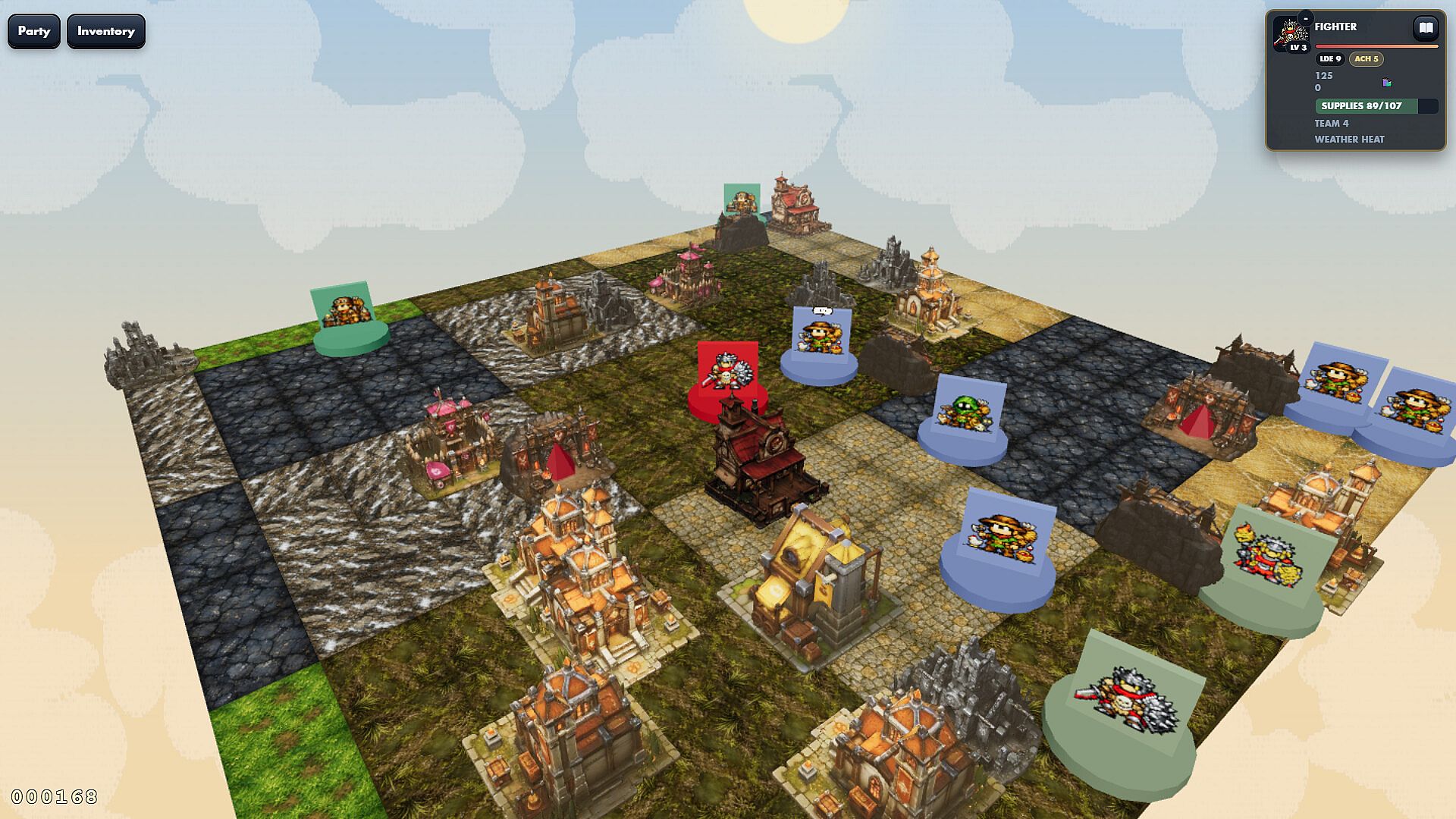
The overworld presents a consistently hostile setting where travel itself carries risk. Towns serve as hubs for preparation and recovery, while ruins, outposts, and dungeons house more dangerous content. Original music, trainer art, class tokens, UI elements, structure models, writing, and sound contribute to the atmosphere without relying on external references.
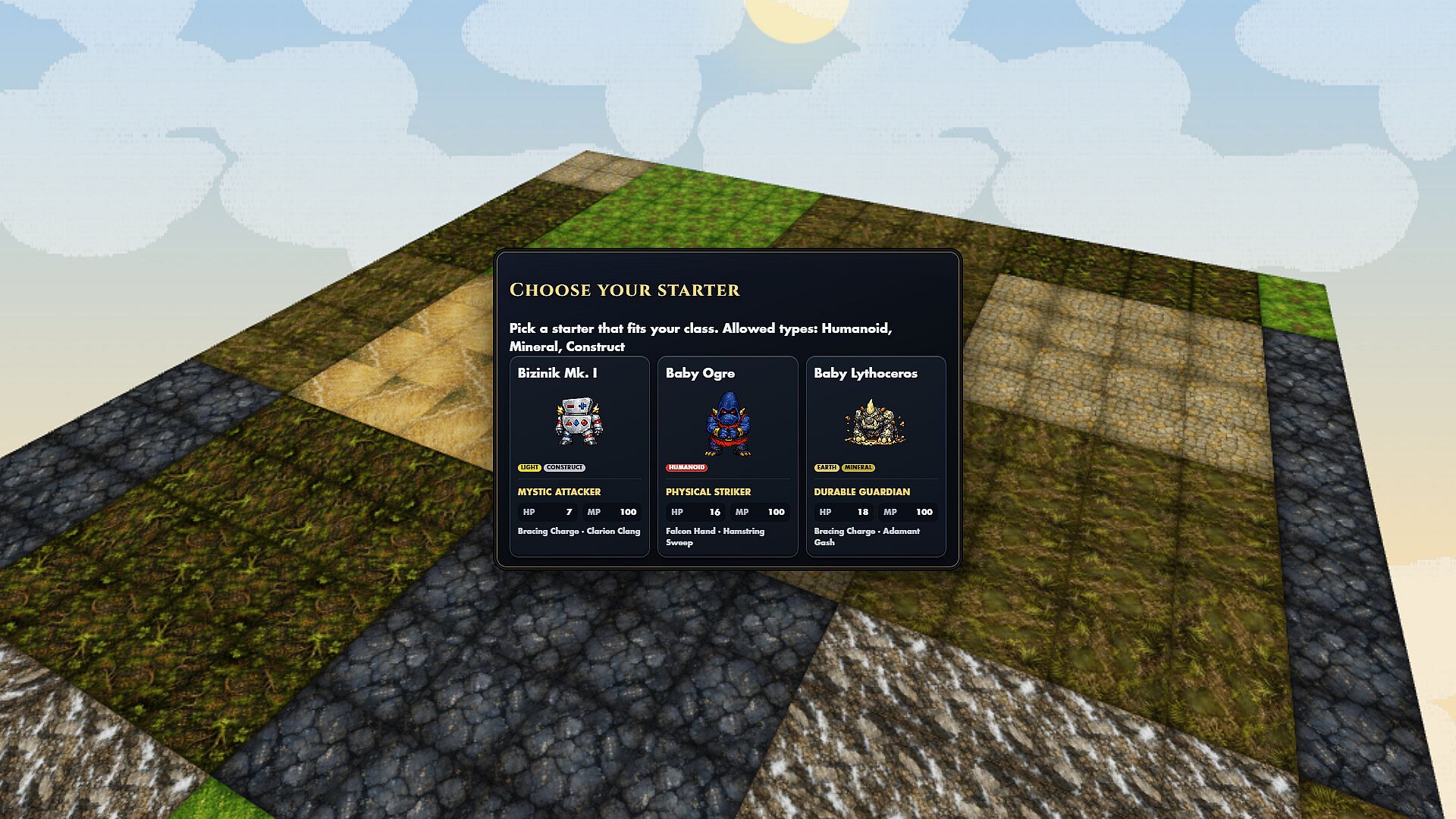
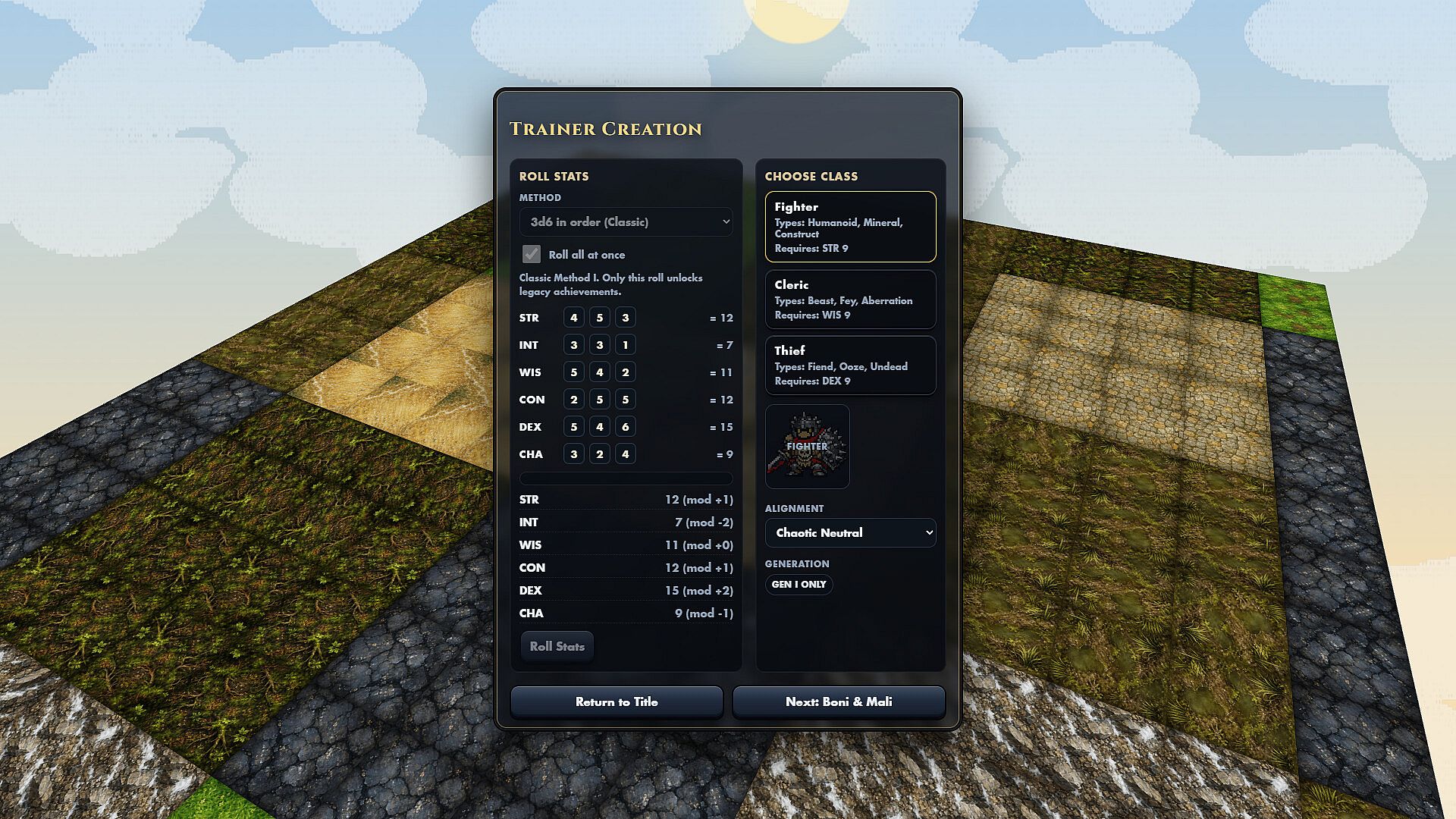
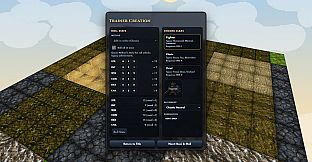
Trainer creation includes stat rolling, class requirements, alignment selection, and starter choice, establishing immediate constraints. Consumable items, travel tools, and team management add layers of decision-making during expeditions. The game tracks progress through discovery and achievements, allowing players to unlock run bonuses or penalties that alter future attempts.
Is It Worth Playing?
Esperitz Quest suits players who enjoy creature collecting paired with stricter RPG constraints, old-school stat rolls, dice-check pressure, and single-player progression featuring replayable runs. The current early access build delivers a playable experience focused on these elements, including trainer creation, 151 esperitz entries, turn-based battles, procedural overworld travel, town structures, and 13 campaign-style adventure files.
Those drawn to deliberately rougher, systems-heavy adventures rather than cozy experiences will find the resource management, class restrictions, and journey consequences engaging. The game remains in active development, with the source text noting that balance changes, UI improvements, new encounters, and additional adventure material are expected. Potential buyers should assess the existing build rather than anticipated features, as updates may occasionally affect saves.