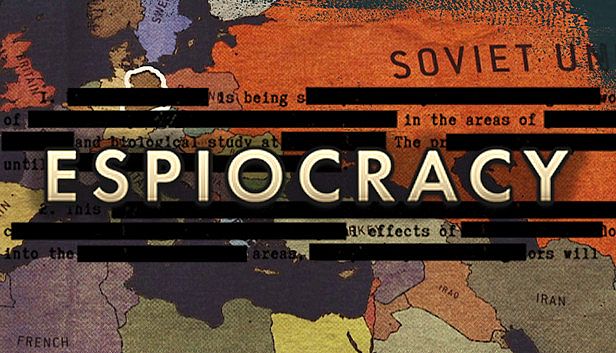


Espiocracy stands out as a grand strategy simulation game set against the backdrop of the Cold War, where players step into the role of leading an intelligence agency. This PC title lets you shape global events from the shadows, starting just after World War 2 and extending through decades of tension up to 2023. With a focus on espionage and subtle influence, it appeals to those who enjoy deep strategic planning in historical contexts.
Gameplay
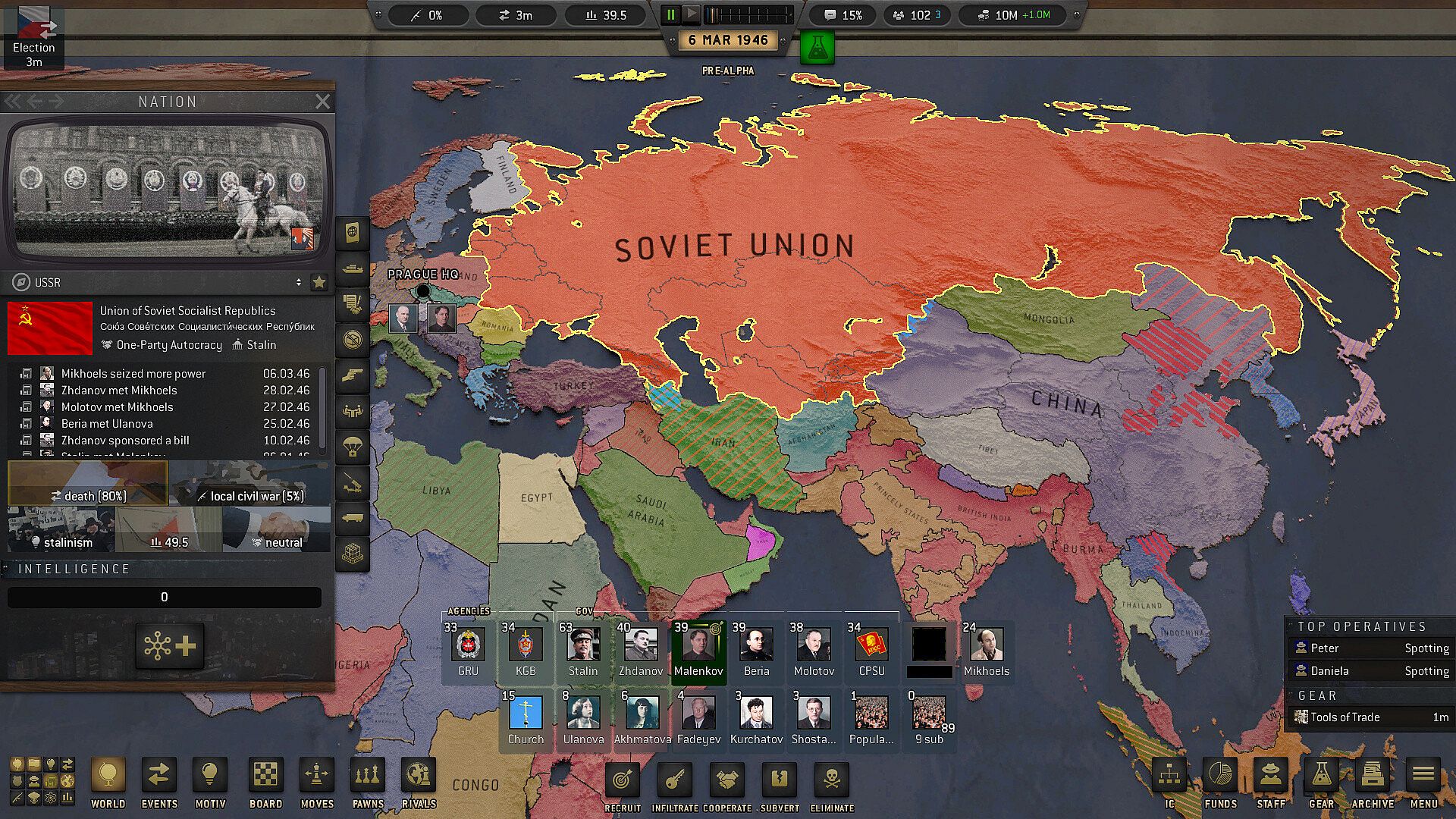
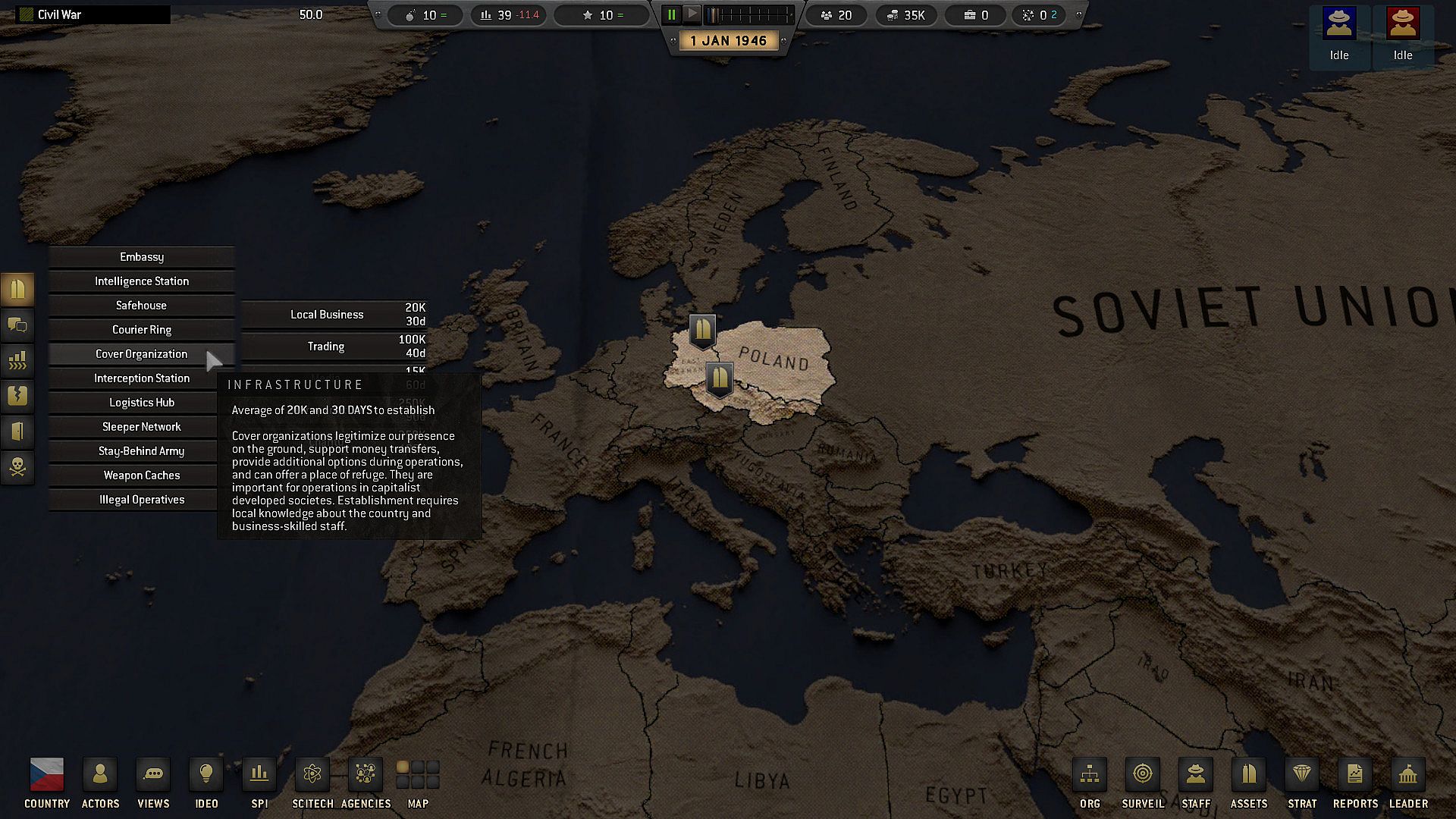
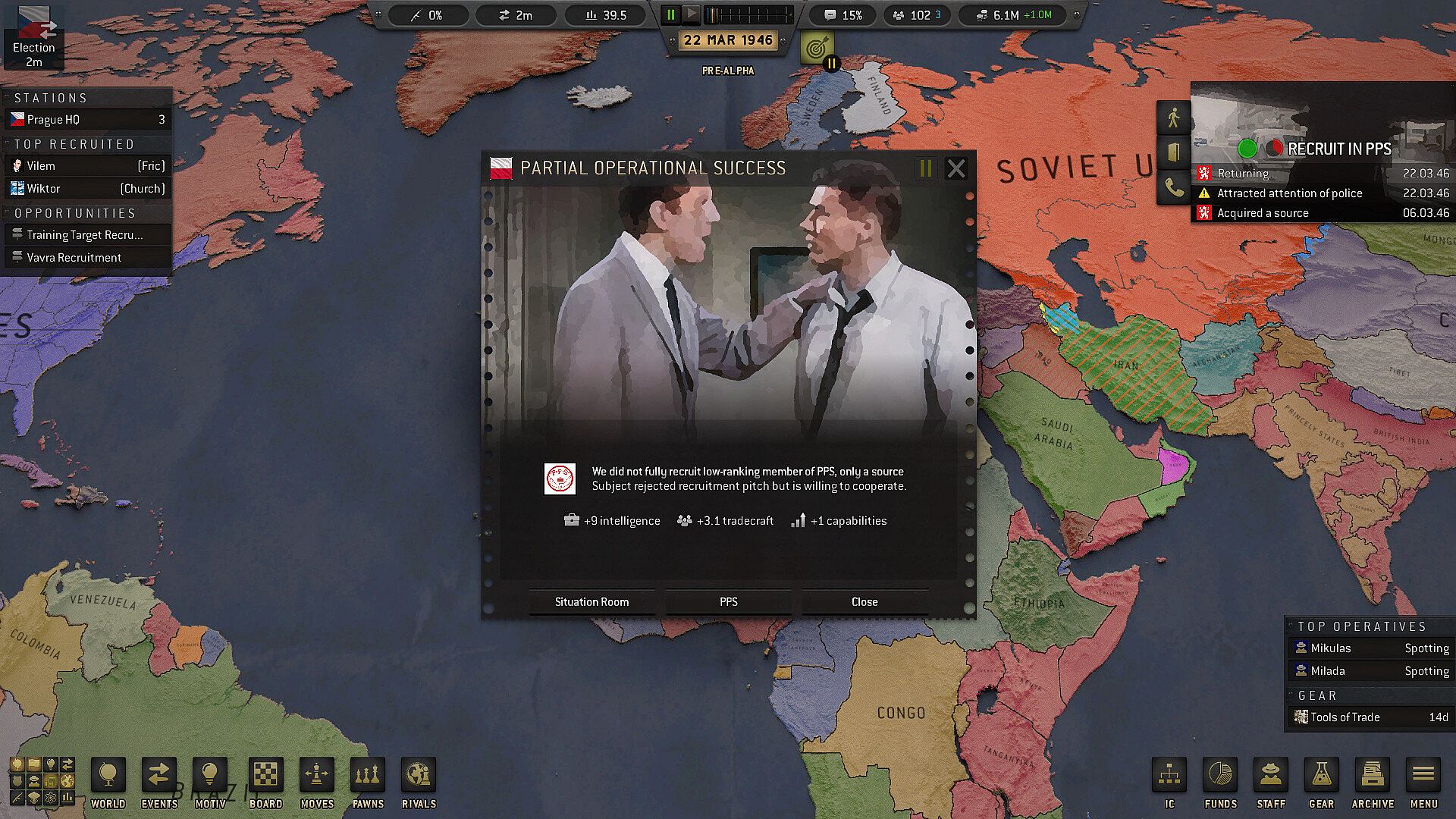
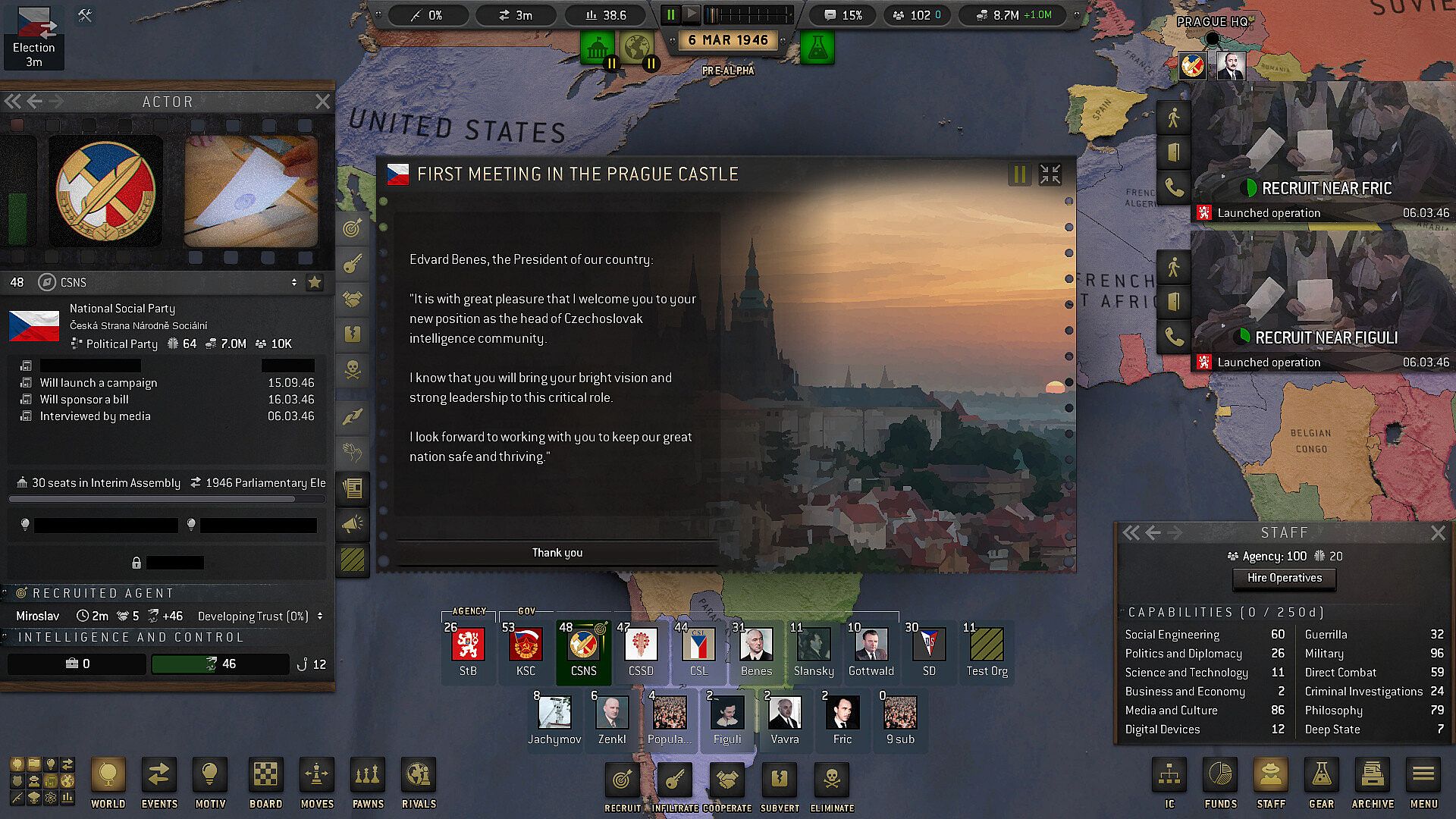
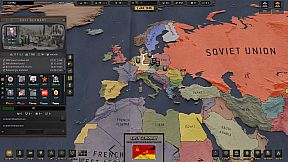
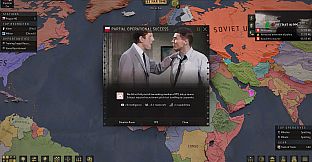
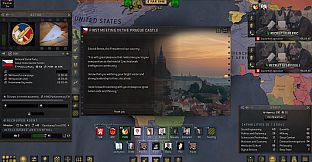
In Espiocracy, the core gameplay revolves around managing an intelligence agency for one of 74 countries. You deploy agents to carry out 34 different types of operations, such as spreading propaganda, conducting assassinations, or installing operatives in rival agencies. These actions help manipulate public opinion, support political factions, or ignite proxy wars. Agents come with unique traits, skills, and biases that affect their performance and autonomy, sometimes leading to unexpected outcomes like forming internal subgroups or retiring to become influential figures outside your control.
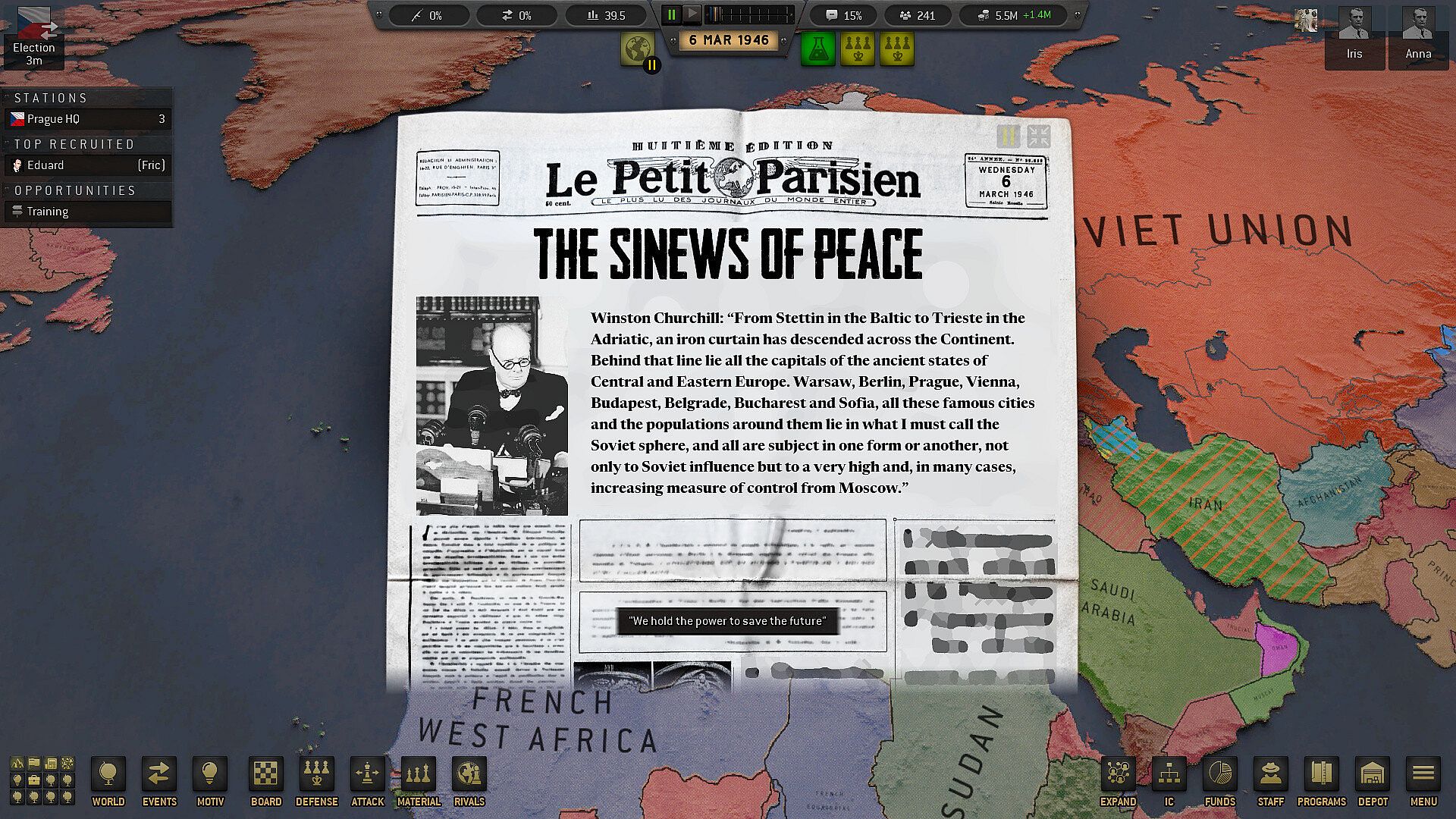
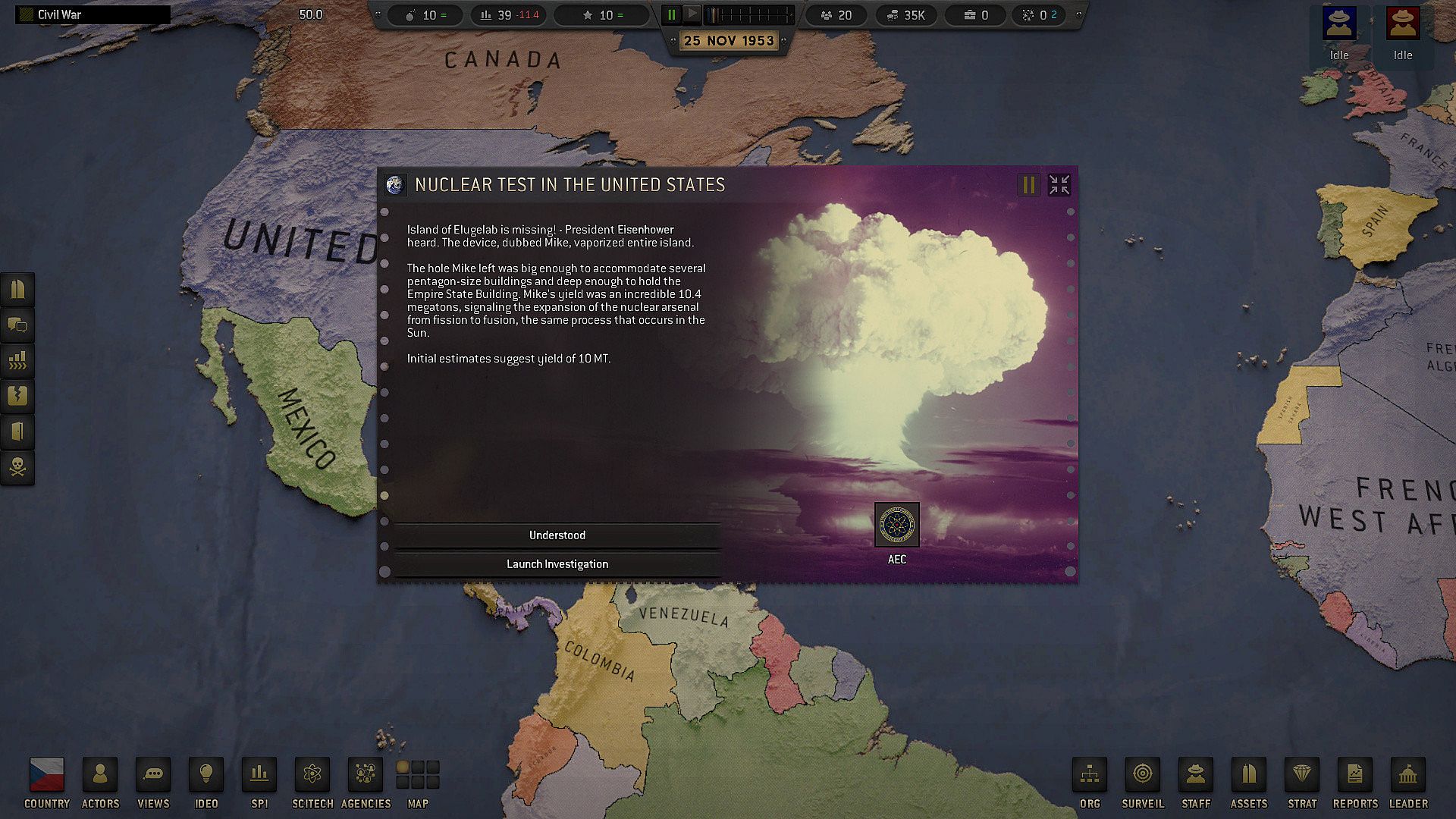
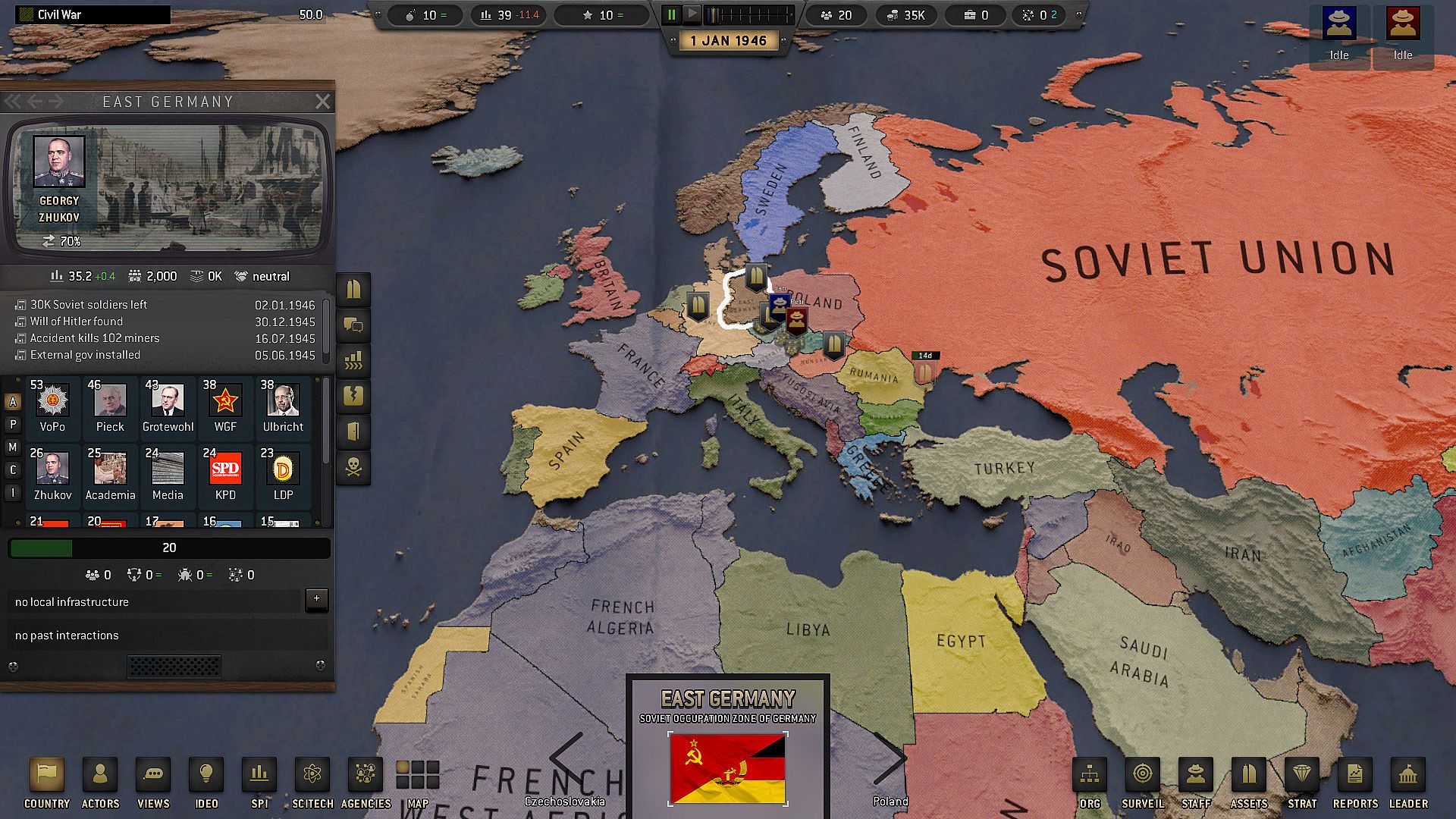
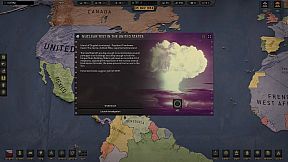
Geopolitical actors play a central role, including historical individuals like celebrities and inventors, organizations such as political parties or guerrilla forces, and entire sectors like a nation's military or media. These entities have their own goals, influence levels, and resources, which you target to advance your nation's interests. The game simulates historical events like nuclear brinkmanship, the Space Race, and decolonization, requiring you to navigate budgets, staff, and operations amid changing leadership or foreign interventions.
Your decisions influence major national choices, such as forming alliances or invading neighbors, through advisory input. The emphasis on subtle espionage means open warfare is rare, pushing you toward disinformation, falsified justifications for aggression, or arming insurgent groups to achieve goals without direct confrontation.
Game Modes
Espiocracy delivers its experience through a single-player grand strategy framework, without segmented multiplayer options or varied modes. The gameplay unfolds in a continuous campaign starting in 1946, where you guide your agency through real historical timelines and alternate paths shaped by your actions. This setup emphasizes long-term planning across decades, adapting to evolving global dynamics like shifting ideologies and technological advancements.
Players engage in a unified mode centered on shadow operations, balancing domestic and international intrigue. The absence of distinct modes keeps the focus on immersive, narrative-driven strategy, where every decision ripples through a simulated world of espionage and diplomacy.
Key Mechanics and Features
Beyond basic operations, Espiocracy incorporates detailed mechanics for agent development. You hand-pick operatives skilled in technology or emotional manipulation, and their personal histories can unlock unique opportunities or risks, such as falling under foreign influence. Budget management and staff interactions add layers, with potential for internal politics to disrupt your agency.
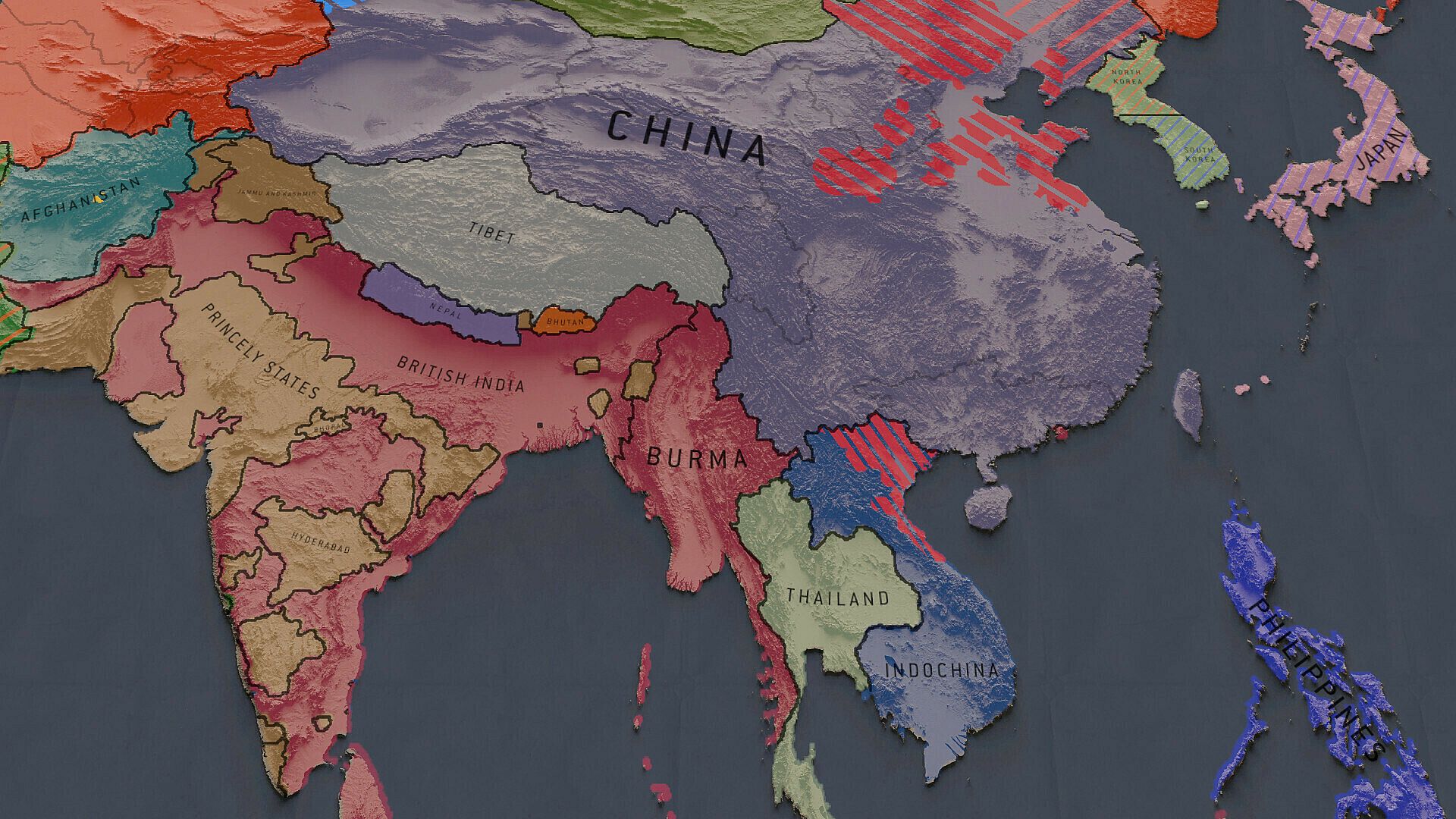
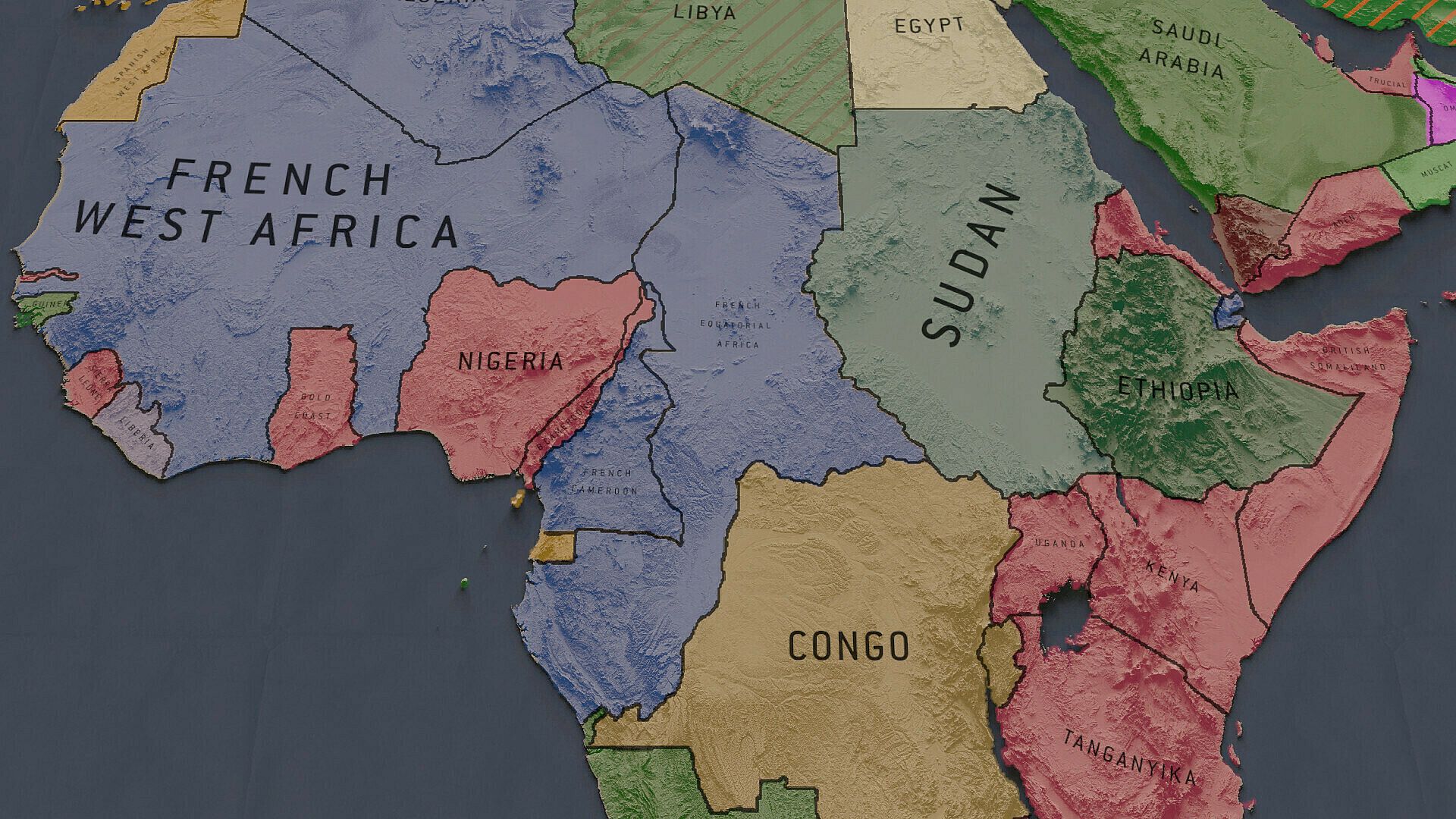
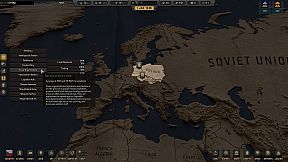
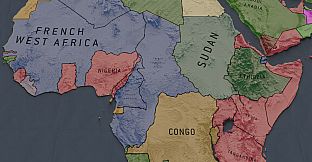
The game models a wide array of nations, from superpowers to emerging states, each with unique capabilities and challenges. Historical accuracy informs the actors and events, ensuring that incompetence in leadership or sectoral shifts can create vulnerabilities or threats. This system encourages ruthless tactics to overcome socioeconomic and geopolitical hurdles.
- 34 operation types for diverse espionage tactics
- 74 playable countries with persistent agencies
- Actor manipulation across individuals, organizations, and sectors
- Agent autonomy influenced by traits and biases
Is It Worth Playing?
For enthusiasts of grand strategy games with an espionage twist, Espiocracy offers a compelling simulation of Cold War intrigue. Its depth in managing agents and influencing global events suits players who prefer thoughtful, indirect conflict over direct action. The historical span and variety of operations provide replayability, especially for those interested in alternate history scenarios.
Without user reviews available yet, the game's appeal hinges on its verified features like detailed actor systems and operational variety. If you enjoy titles that simulate real-world politics and covert actions, this could be a strong addition to your library once released. However, those seeking fast-paced gameplay or multiplayer elements might look elsewhere, as the focus remains on solitary, strategic depth.