





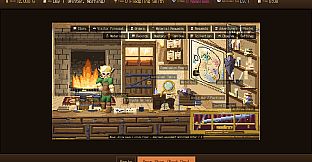
Eternal Swordsmith is a strategy, indie, and simulation game for PC that centers on the craft of forging magic swords and tracking their impact across generations. Players take on the role of a long-lived elf swordsmith who follows a single guiding lesson from a human master: the work does not end when the blade is complete. Instead, the focus stays on the lives that unfold around each sword. The experience unfolds in a quiet workshop setting where choices about recipes, materials, and recipients shape outcomes that return as stories of heroism or ruin.
Gameplay
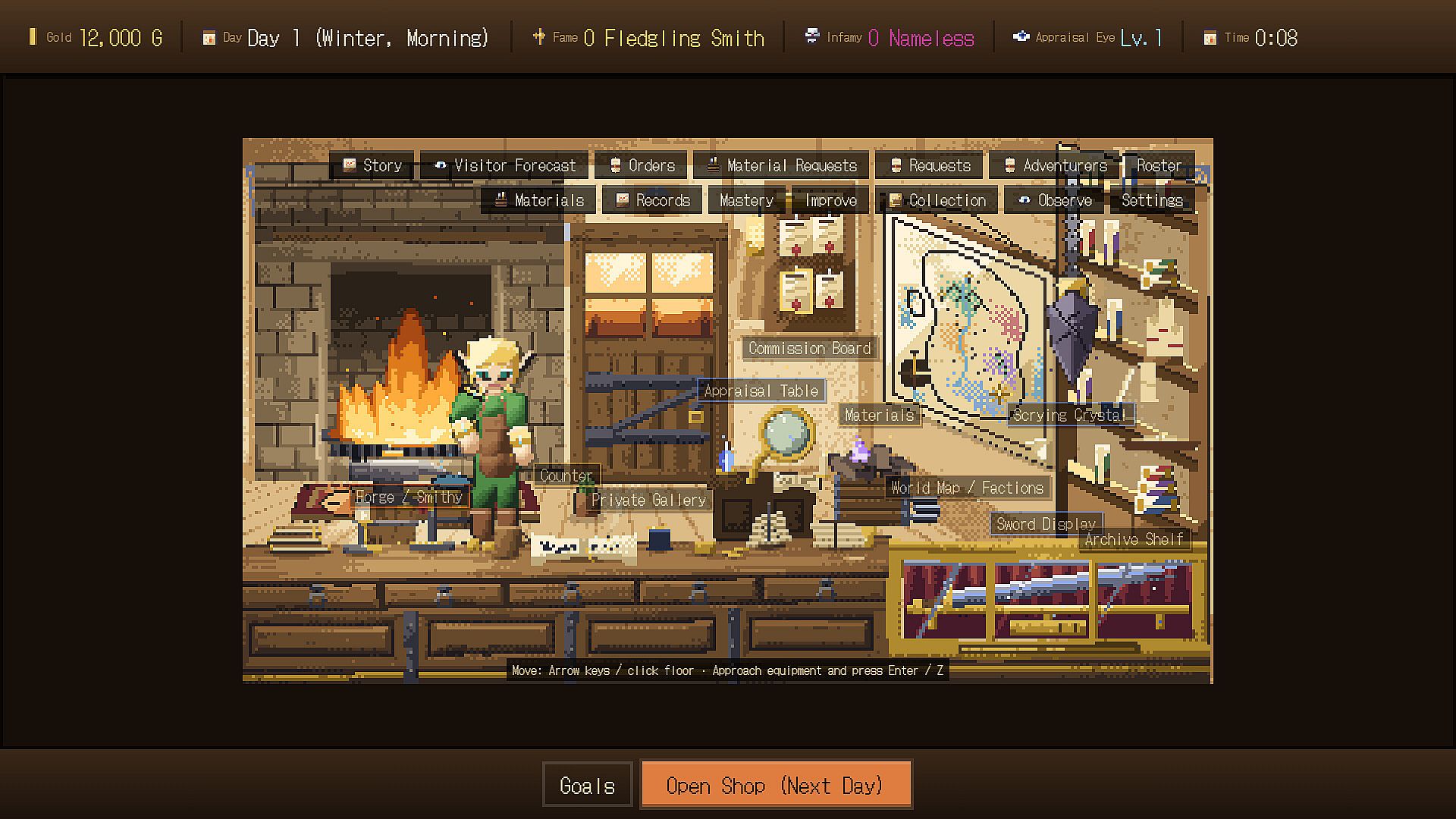
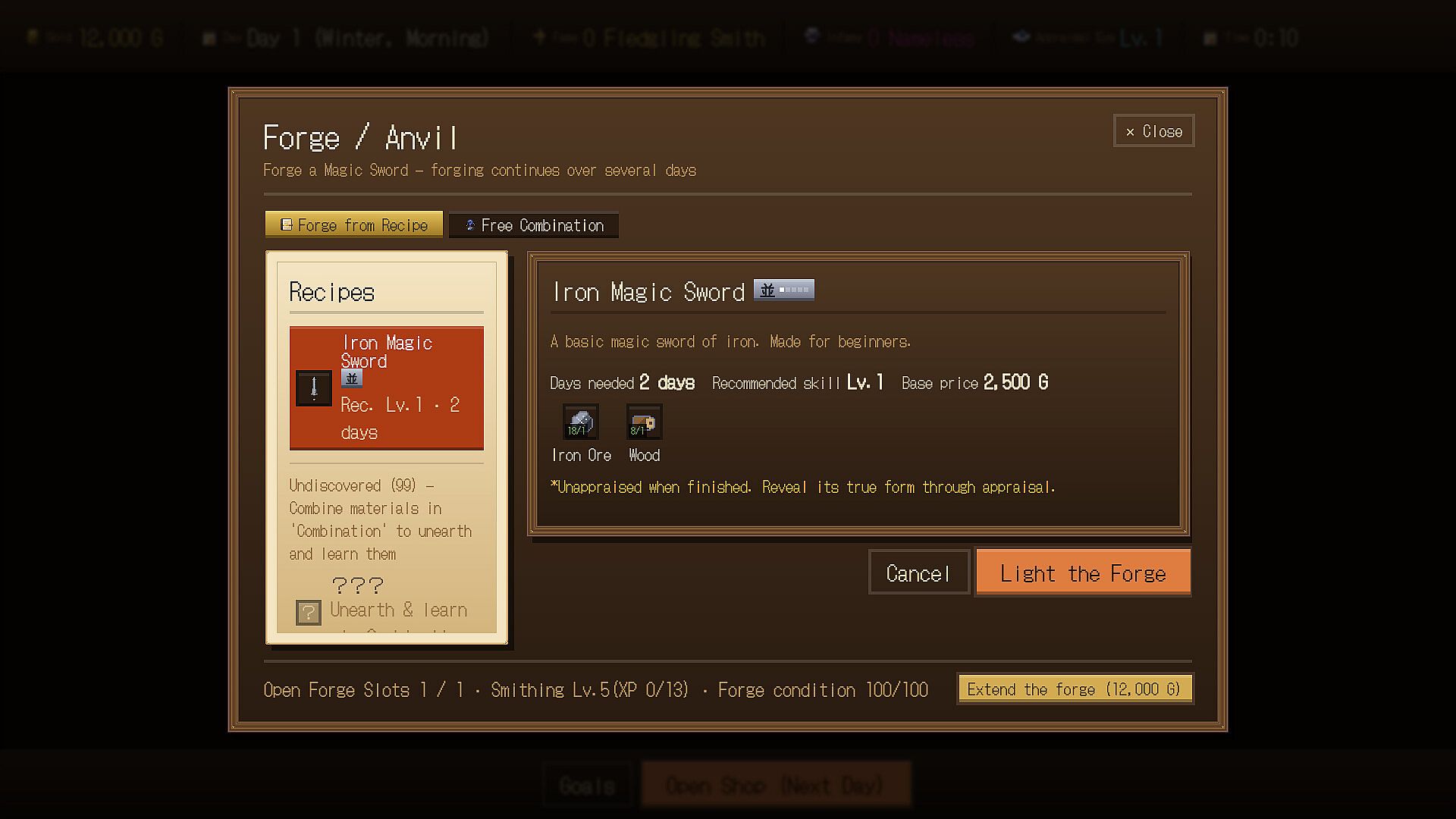
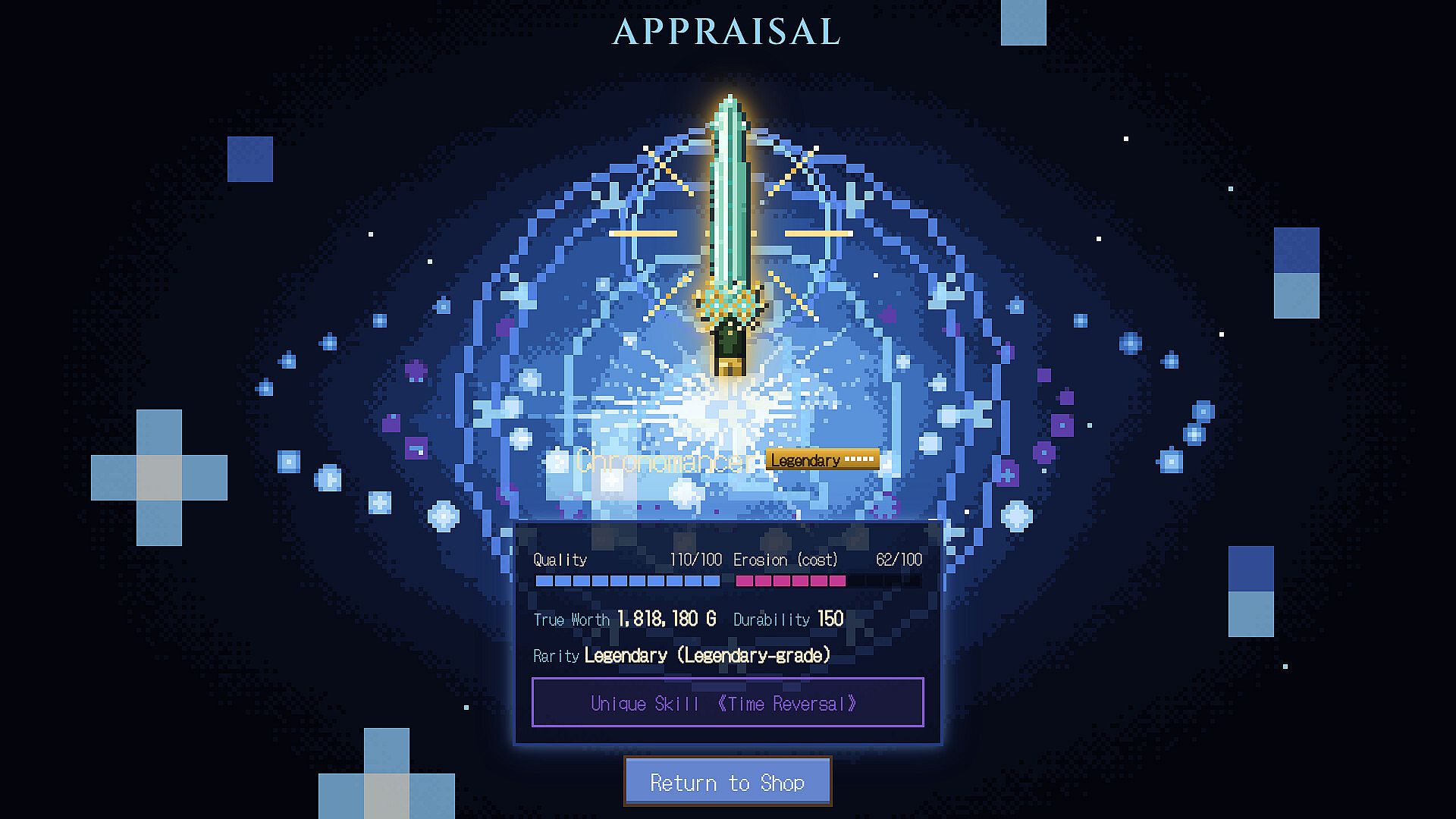
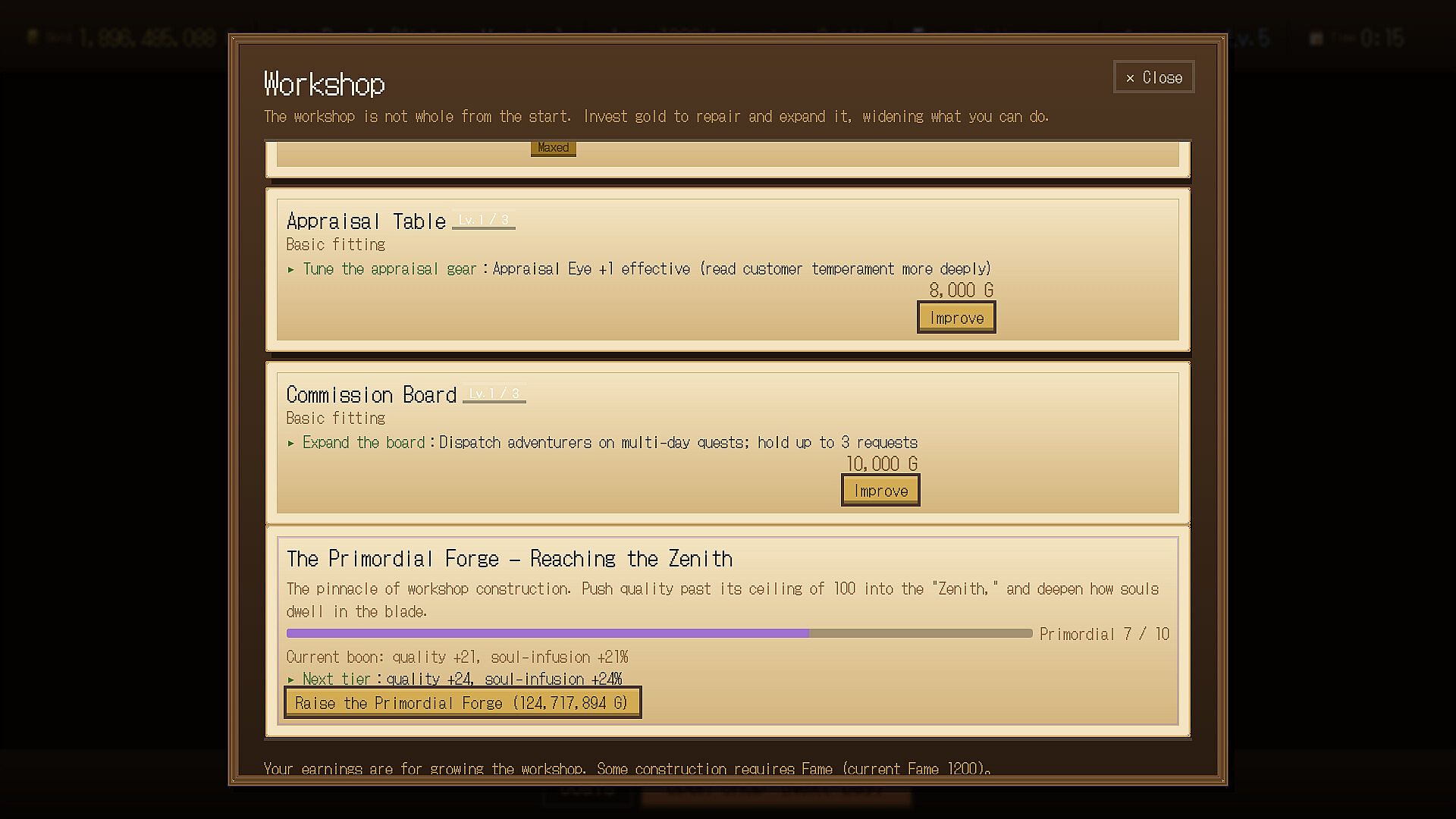
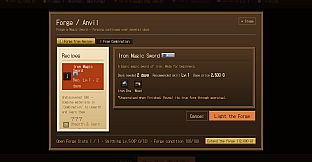
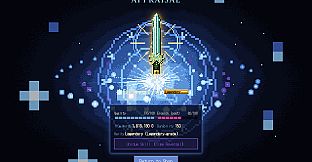
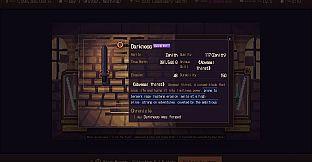
The core loop revolves around four interconnected activities that repeat across an endless cycle of inheritance. Forging begins with selecting one of at least 100 recipes and combining materials from a pool of over 50 options. The process spans several in-game days and ends with a staged reveal that builds tension through darkness, silhouette, rarity glow, crest, and final property numbers. Each completed blade carries unique appearance and statistics determined by the chosen elements.
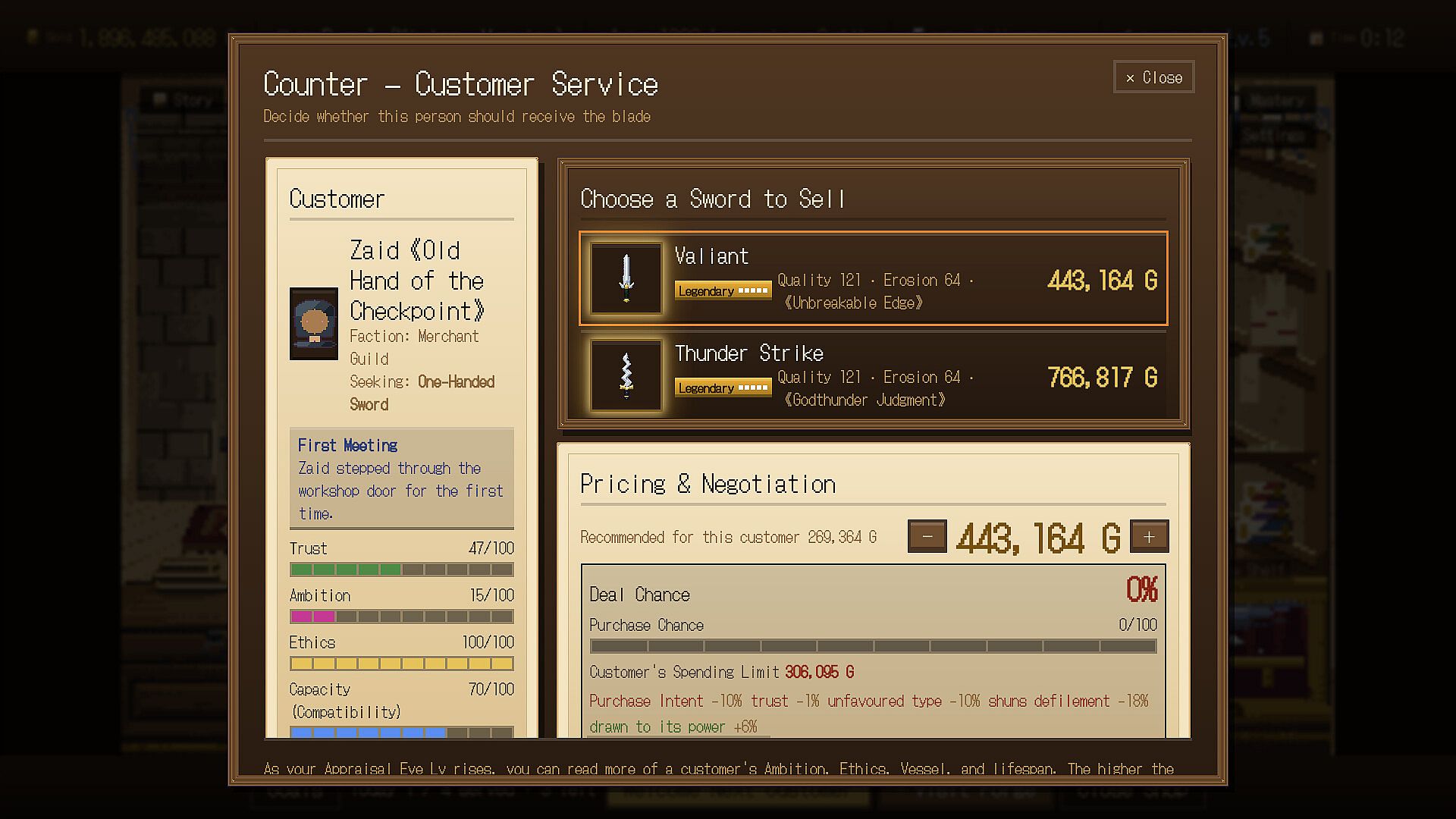
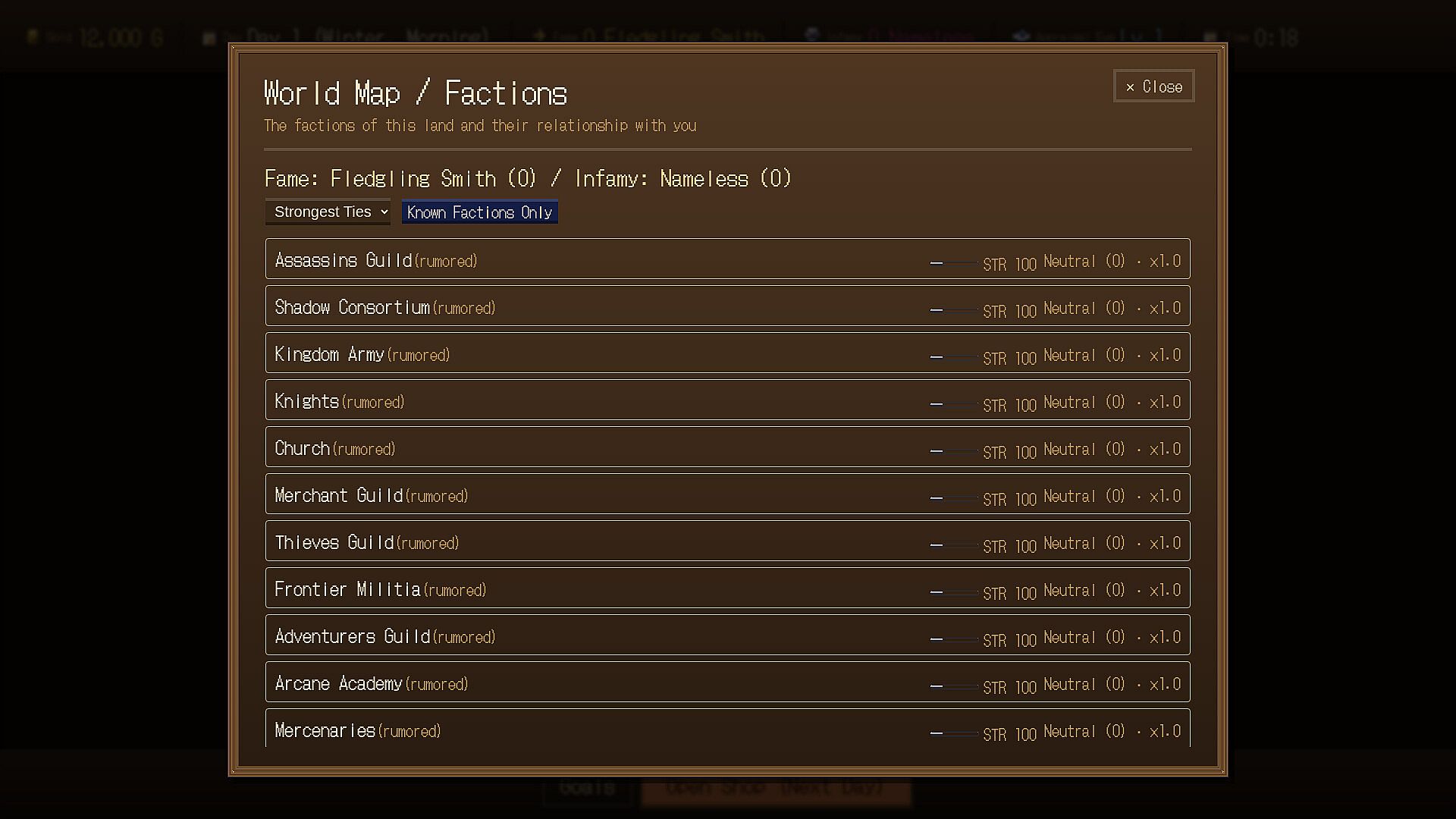
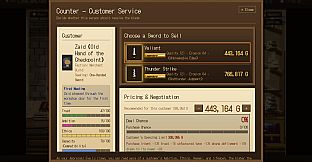
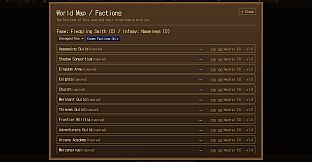
After forging, the dealing phase requires careful appraisal of each visitor. The player examines details such as Vessel, Ambition, Ethics, and Lifespan to decide whether the individual should receive the sword. No affinity tags guide these decisions, so judgment rests entirely on the smith. Poor choices can lead to destruction and infamy, while fitting matches produce heroes and growing fame. Reputation tracks along two separate axes that influence future clientele and faction balances.
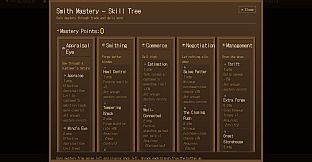
Observation follows each sale. Days later, the blade's wielder either rises or falls, and that outcome returns as a narrative report. These stories feed into reputation shifts and open new opportunities. The inherit phase closes the loop when wielders age and pass away. Returned swords can be melted for materials, allowing skills and properties to carry forward into new blades across generations.
Game Modes
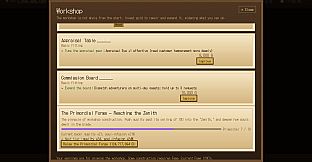
Eternal Swordsmith does not feature traditional multiplayer modes or competitive structures. All activity occurs in a single-player simulation built around the repeated forge-deal-observe-inherit sequence. Within this framework, players manage a workshop beyond town limits and interact with nearly 100 adventurers plus more than 20 unique customers, each carrying their own fate. Over 20 quests appear as opportunities that respond to accumulated choices, leading to multiple endings shaped by reputation and decisions.
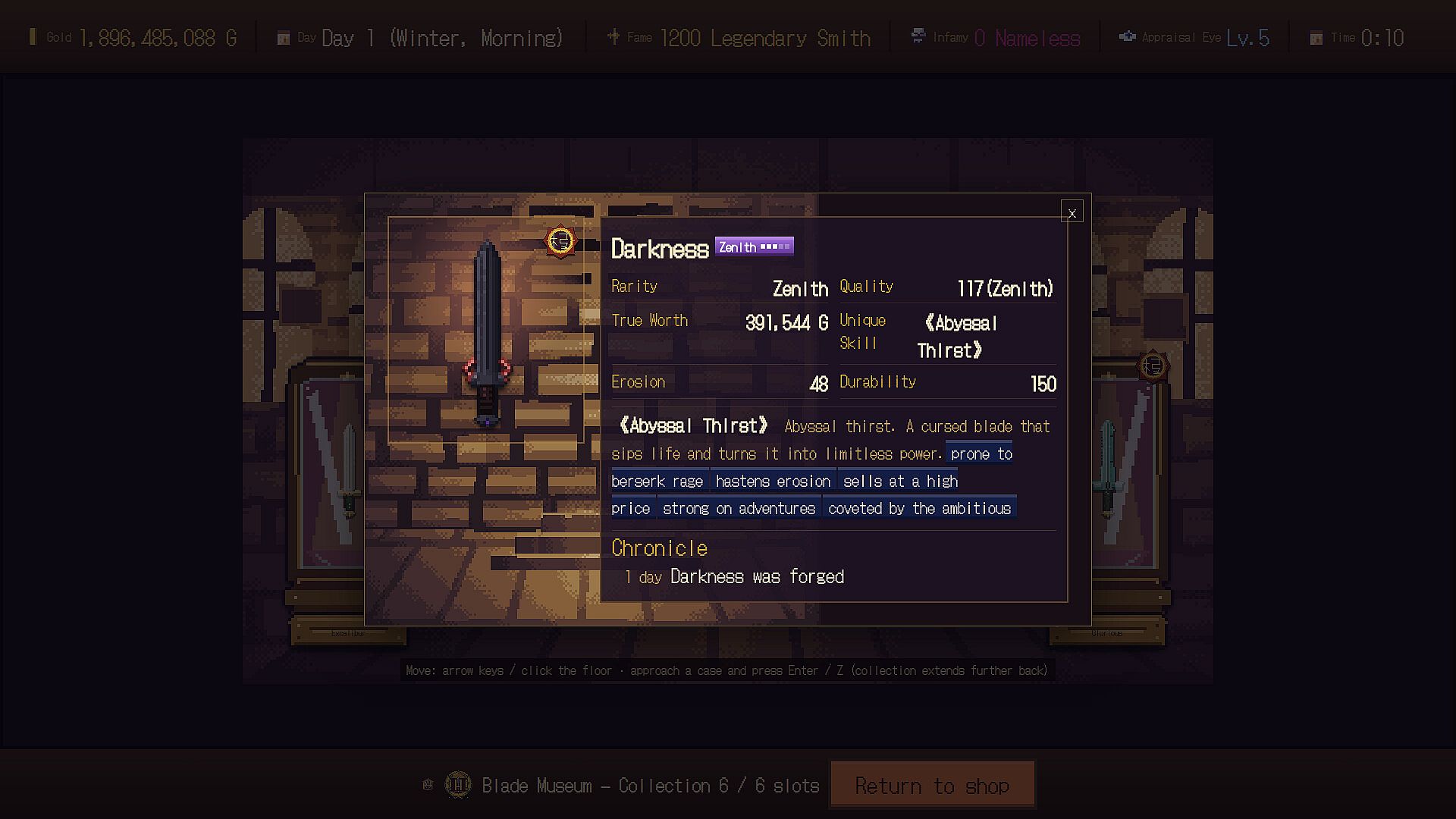
A separate Blade Museum area allows players to walk through and preserve returned swords along with their histories. Sound design supports the atmosphere with at least 30 original BGM tracks, character motifs, stingers, and effects. The overall structure emphasizes deliberate pacing, with each blade requiring time and attention rather than rapid repetition.
Key Mechanics and Features
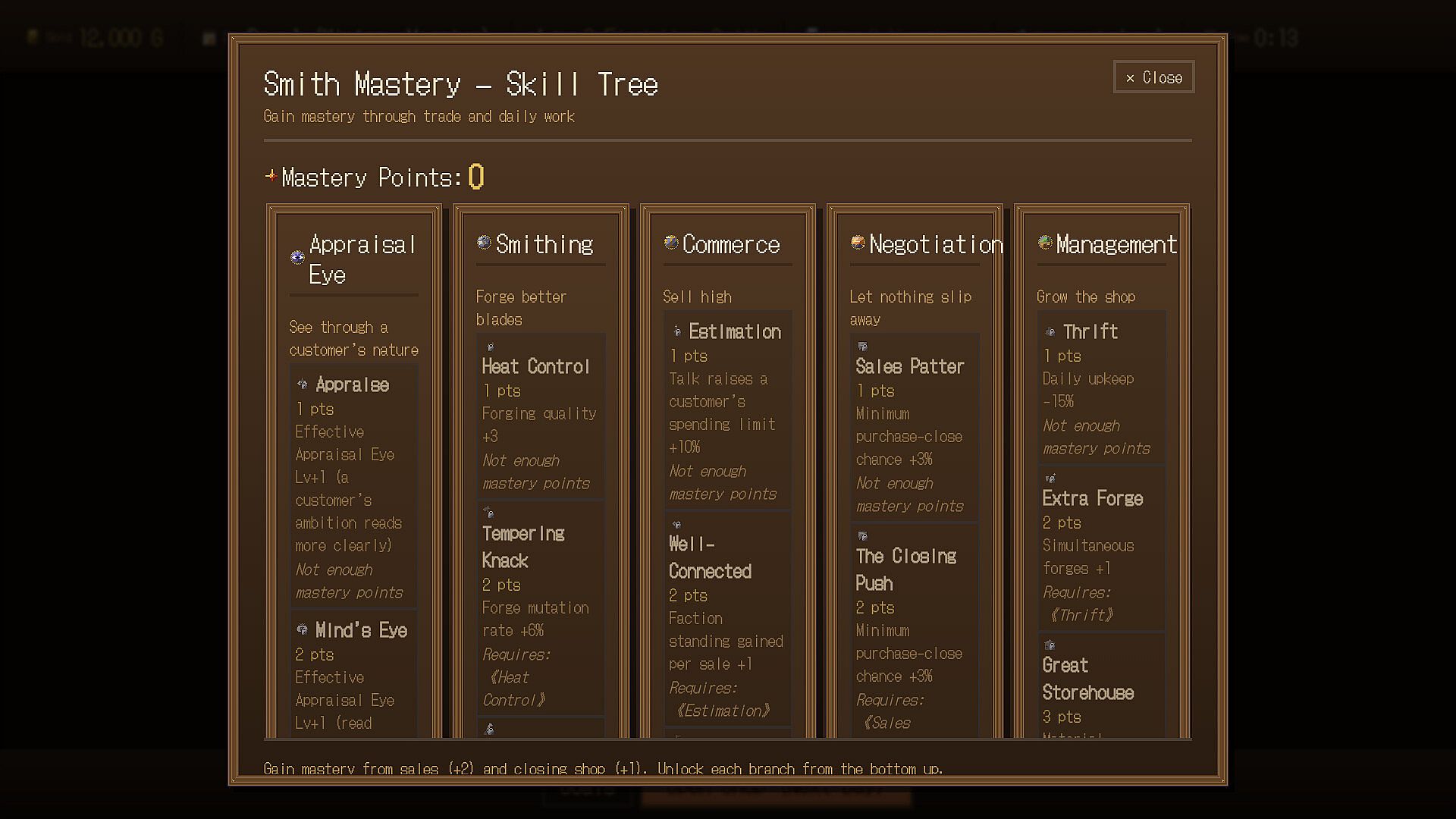
More than 350 magic-sword designs emerge from the combination of recipes and materials. Swords carry no preset alignments, leaving all moral and strategic weight on the player's choices during the dealing phase. Faction balance shifts occur naturally as fame and infamy alter available visitors and story directions. The inheritance system creates long-term progression where skills from earlier blades influence later ones, encouraging players to track lineages across multiple cycles.
World events unfold passively after each sale. A sold blade's story returns without direct player control, reinforcing the theme that the smith observes rather than intervenes. This separation between creation and consequence forms the central tension of the simulation.
Is It Worth Playing?
Eternal Swordsmith suits players who enjoy deliberate strategy and simulation games focused on systems and long-term consequences rather than action or combat. The emphasis on careful material selection, recipient judgment, and generational inheritance rewards thoughtful play and repeated cycles. Those drawn to indie titles with strong thematic consistency around craft and legacy will find the quiet workshop loop engaging. The game remains in an early state on PC with no reported updates or additional content beyond the core systems described. It offers a complete single-player experience centered on one blade at a time and the marks left behind.