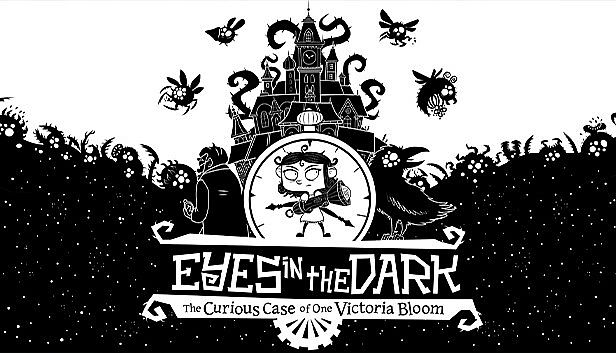











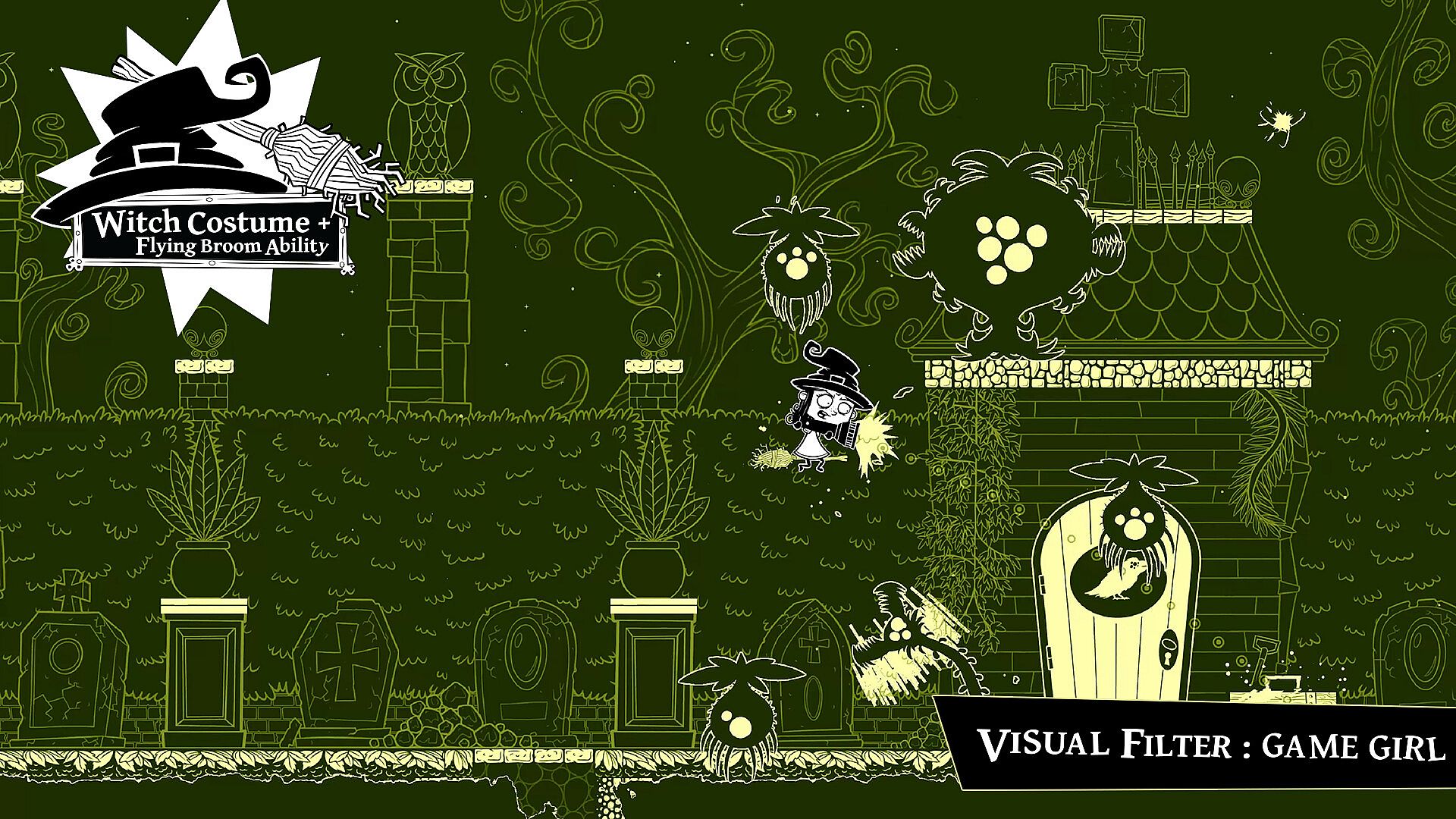
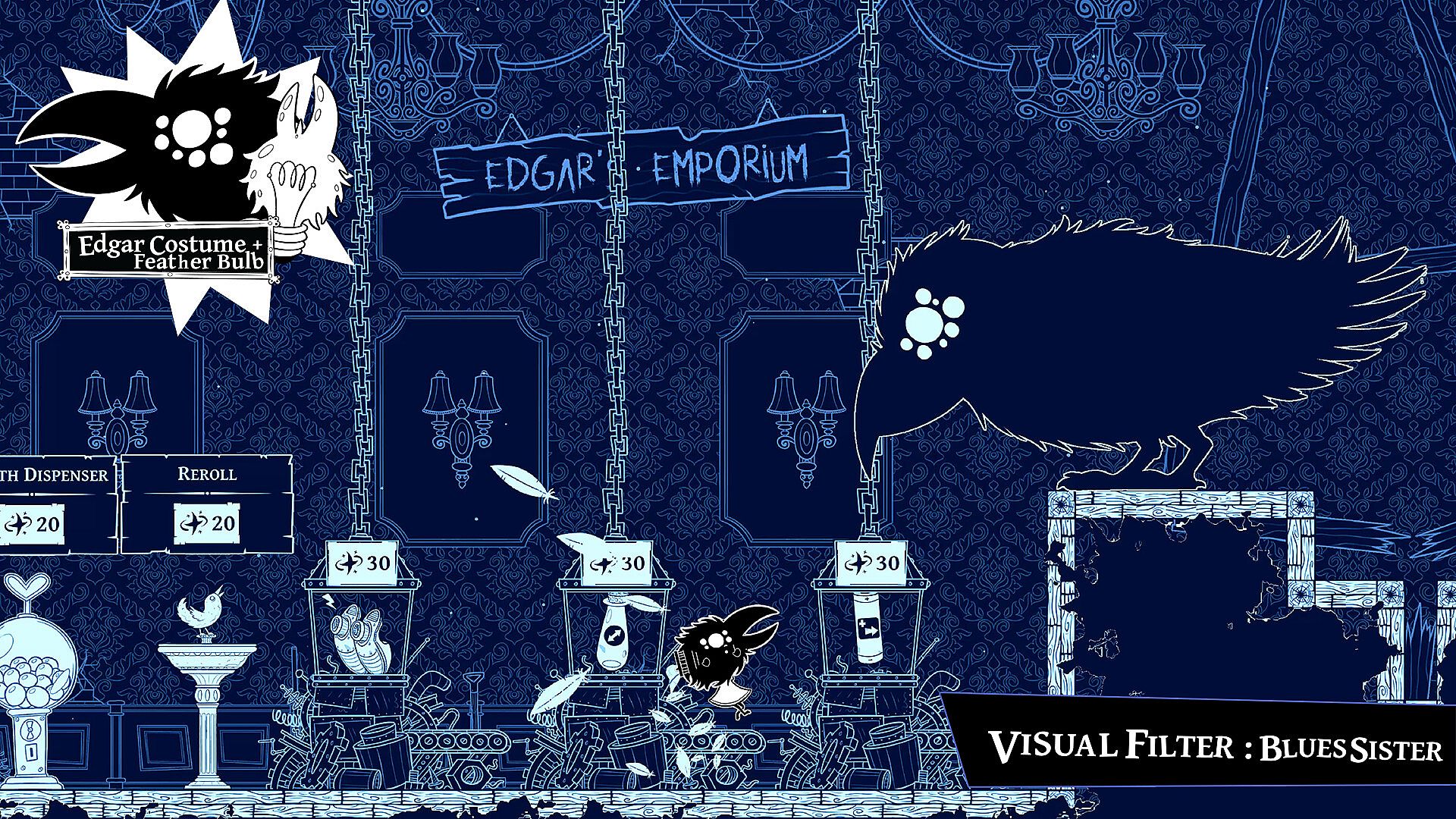
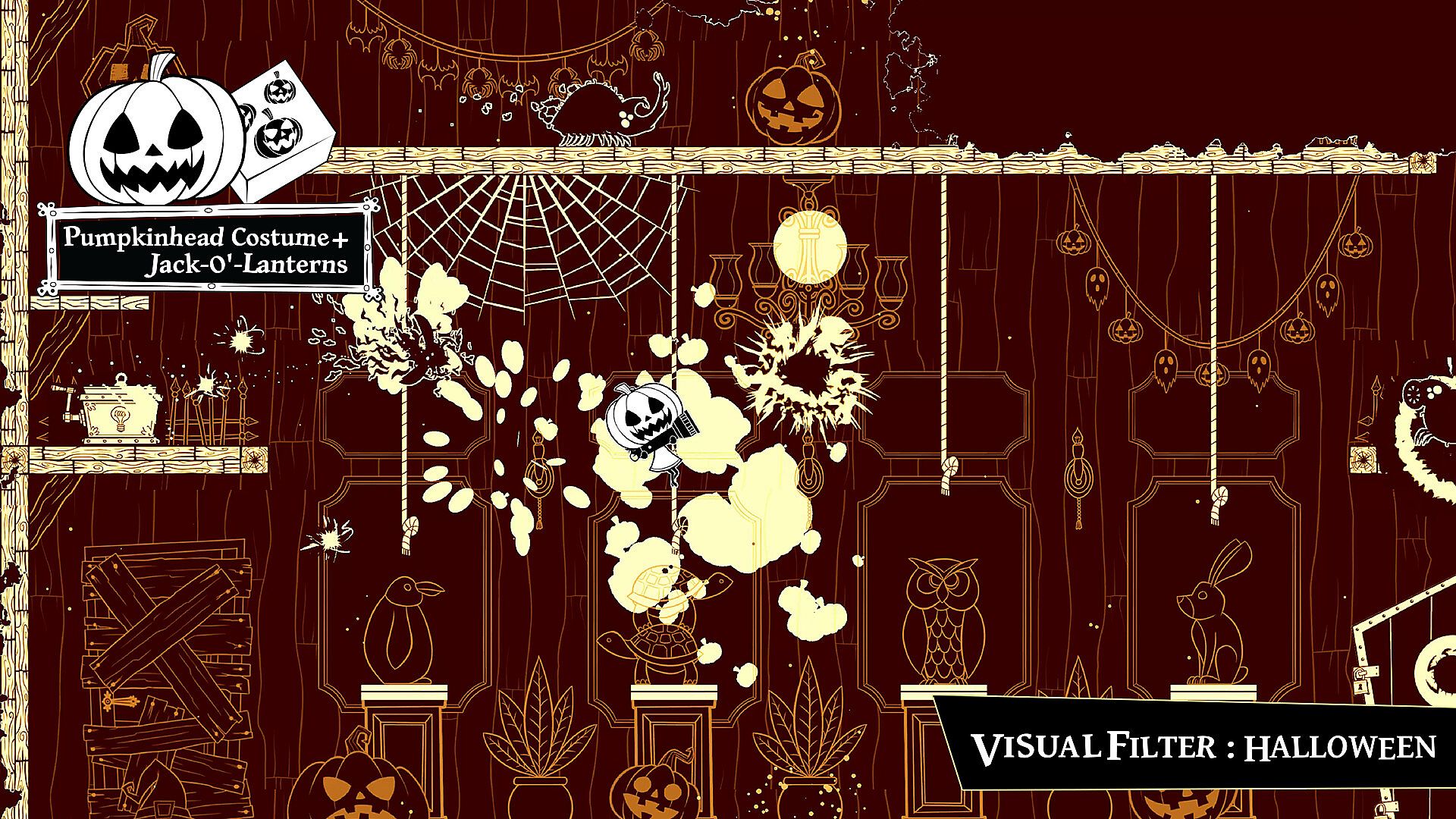
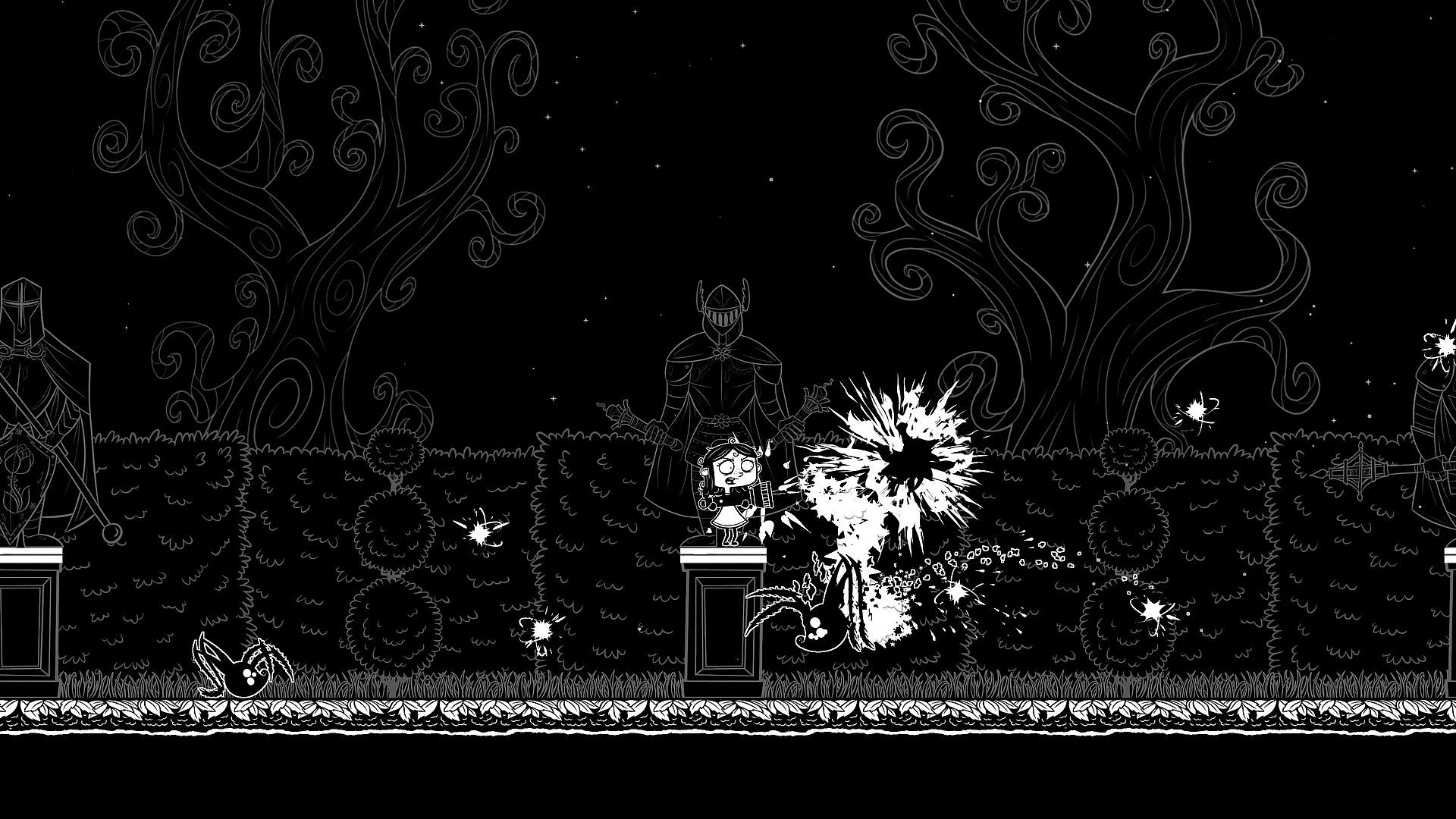
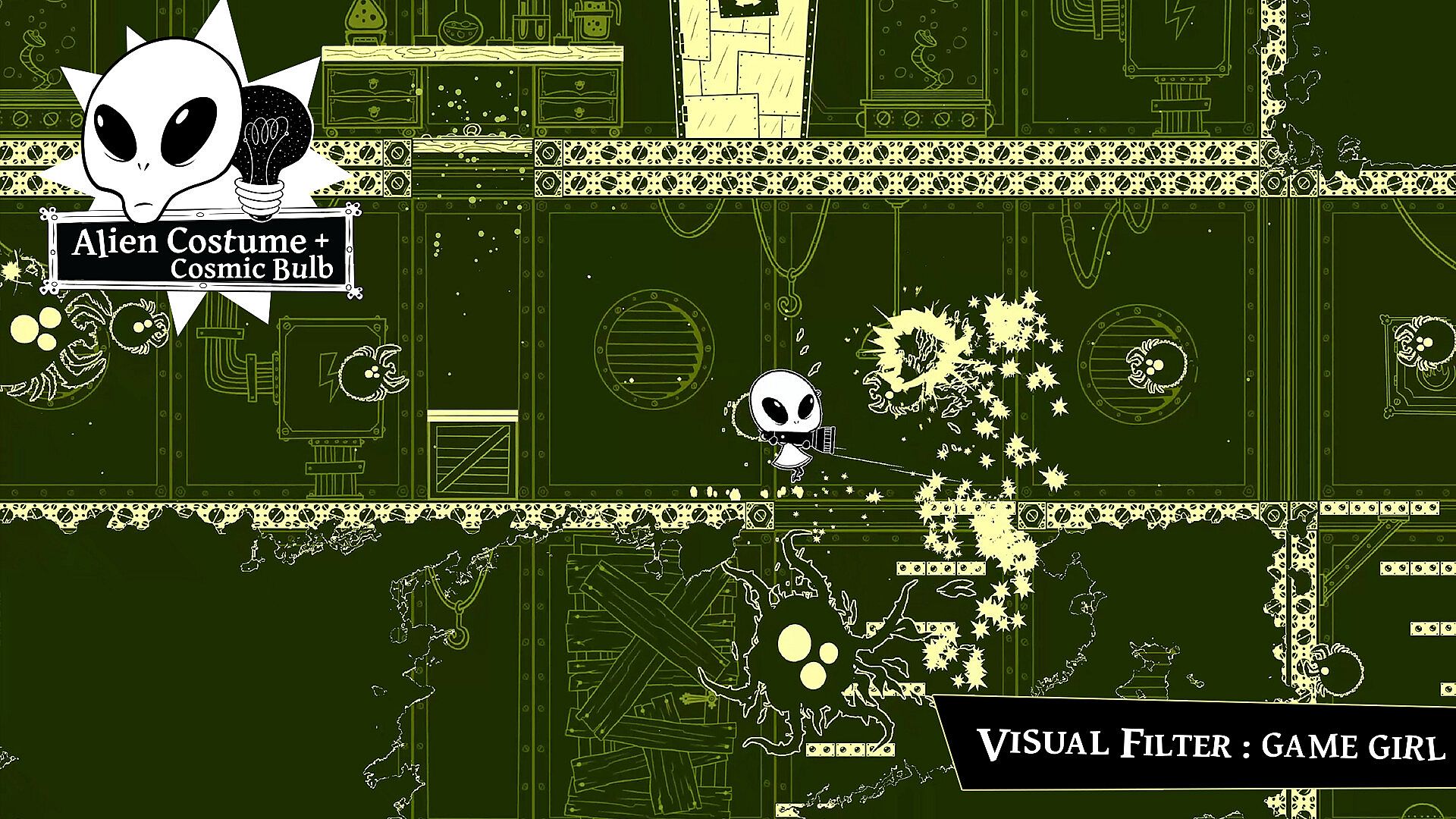
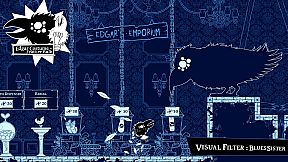
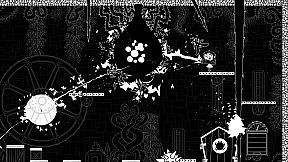
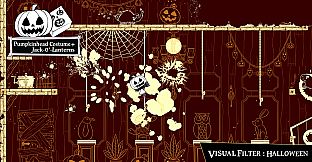
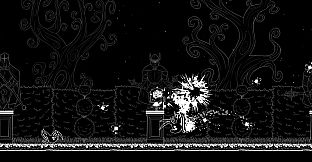
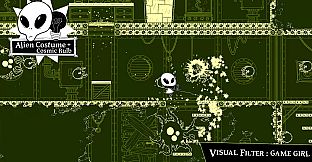
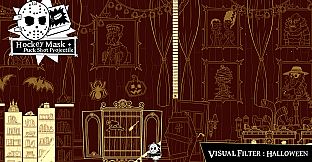

Eyes in the Dark is an indie roguelight platformer for PC in which players guide Victoria Bloom through the shifting halls of Bloom Manor. The title combines precise platforming with light-based combat against waves of creatures that have overtaken the estate.
Gameplay
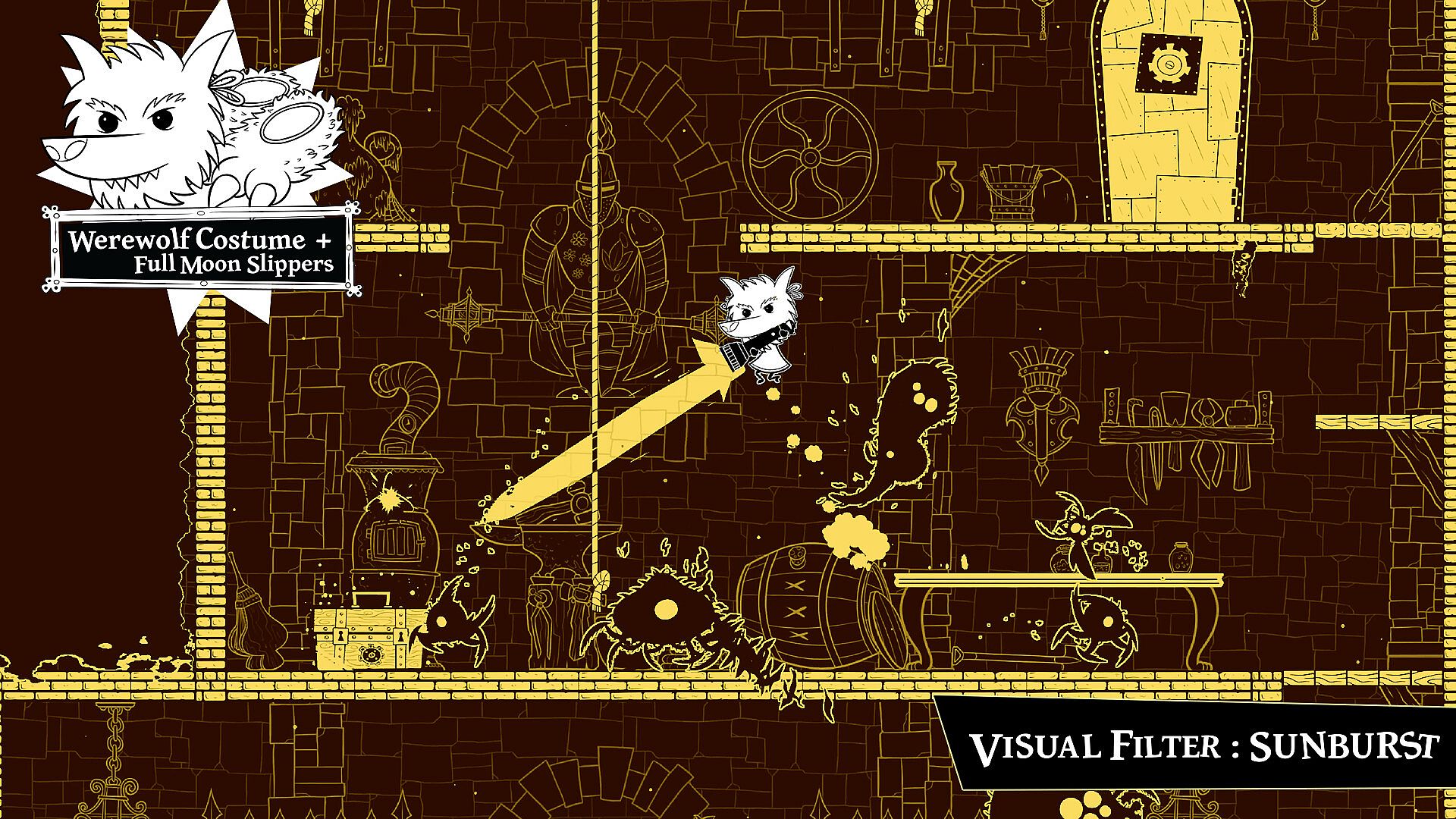
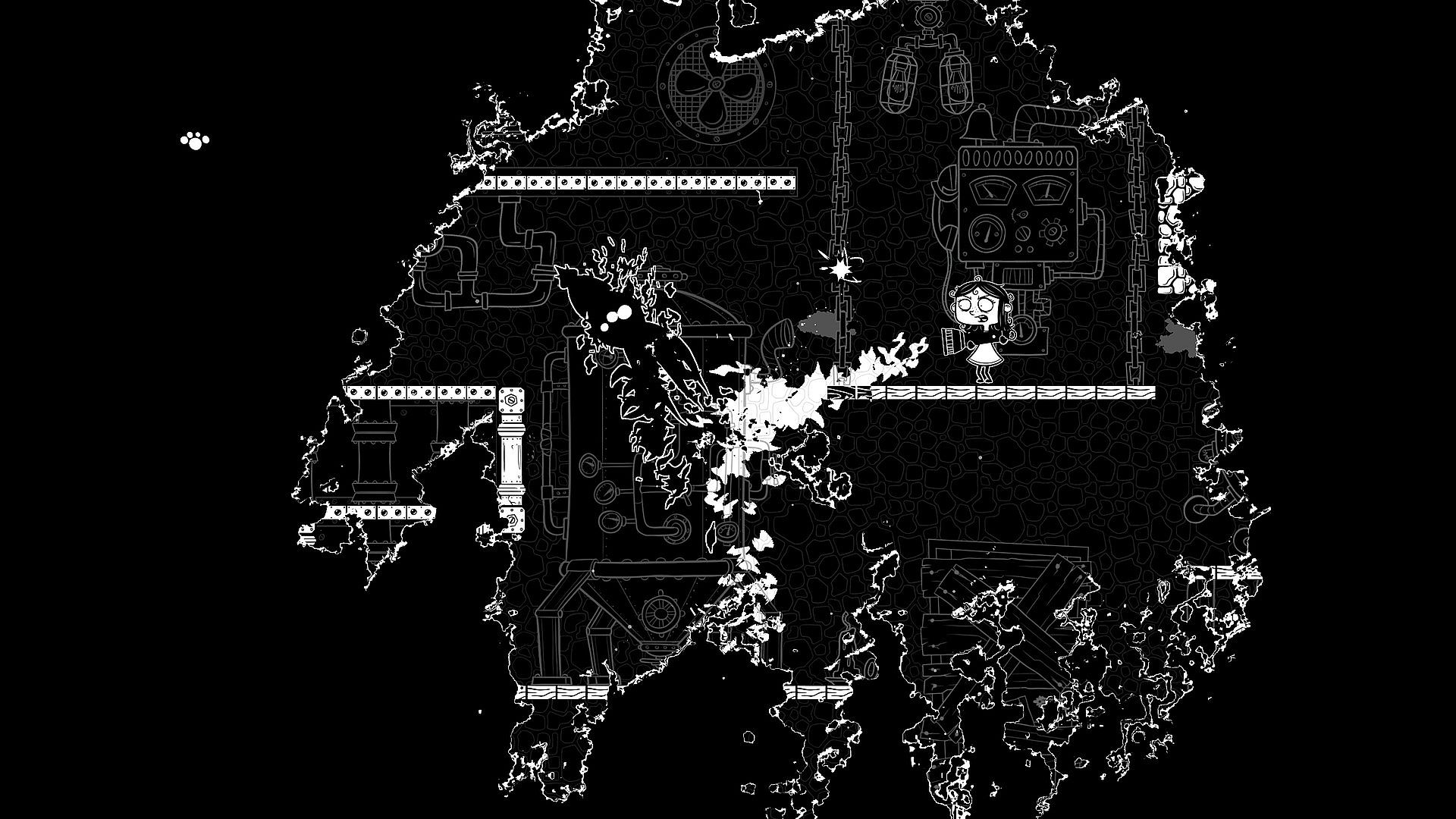
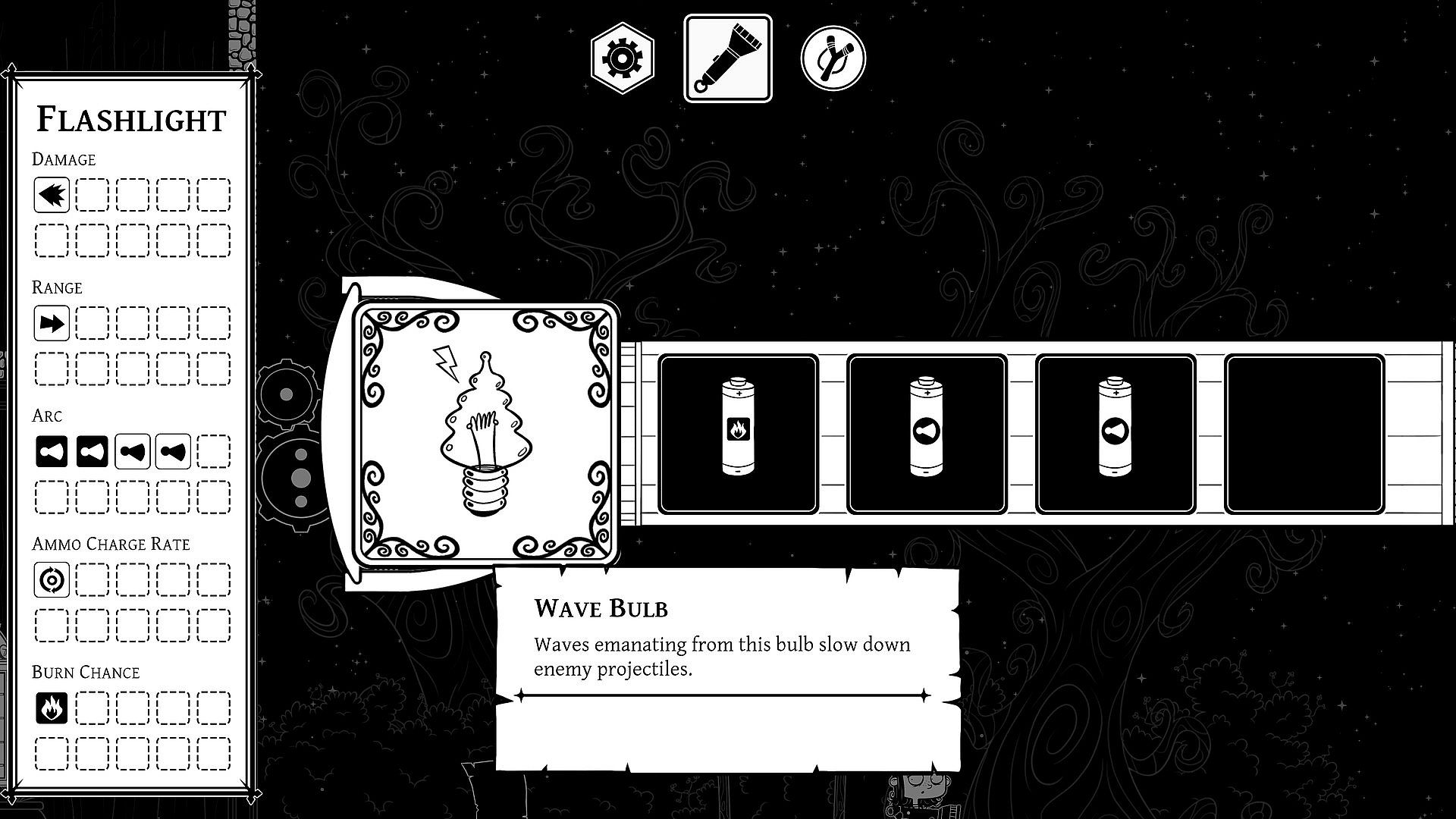
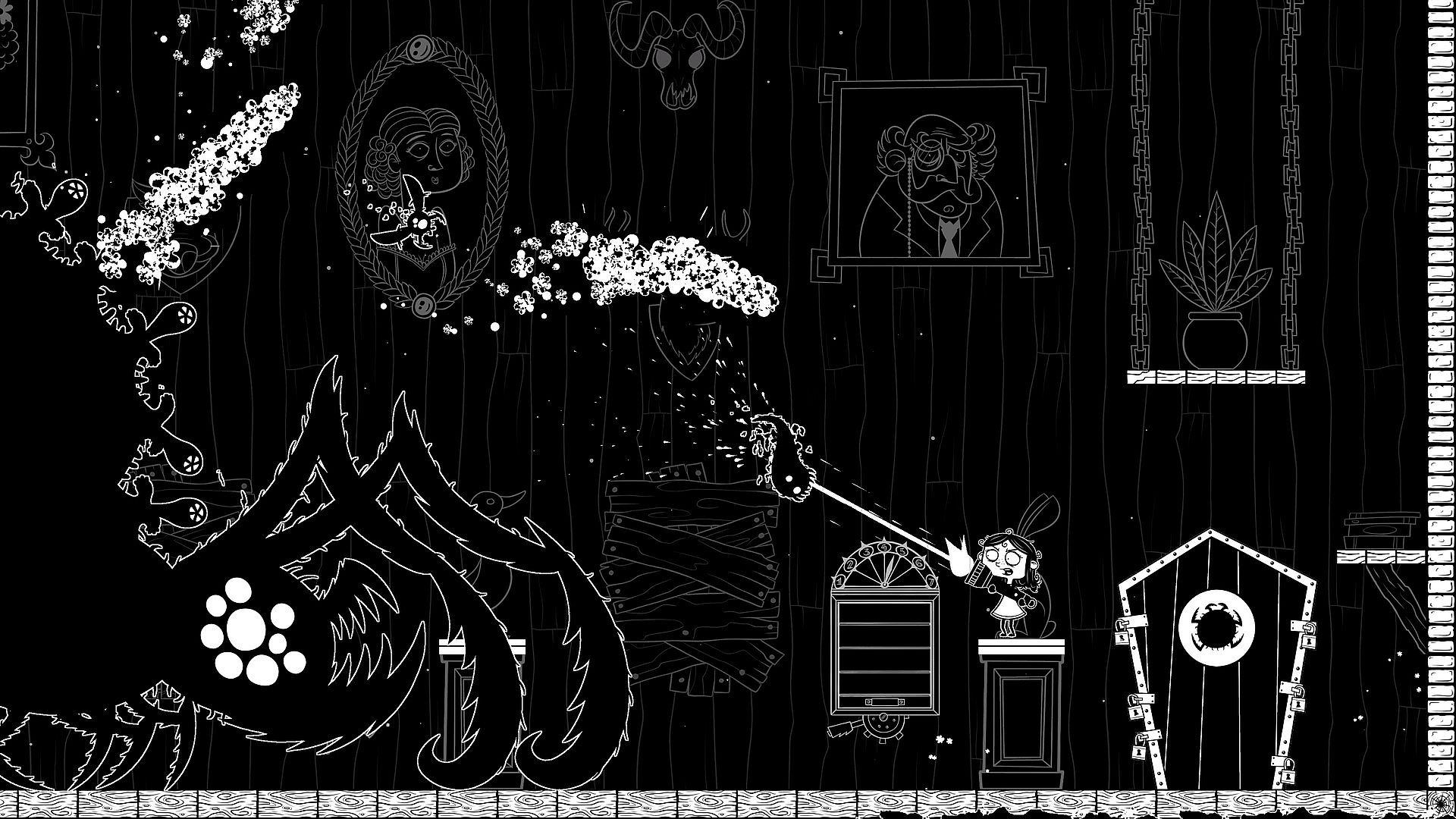
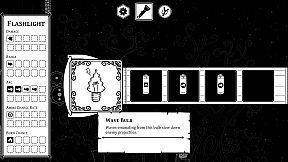
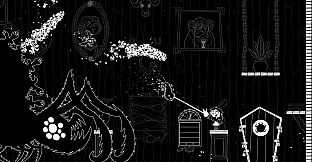
Core movement relies on a slingshot for ranged attacks and a flashlight that serves as the primary tool for illuminating and damaging enemies. Players navigate side-scrolling environments filled with platforms, hazards, and groups of foes that grow stronger with deeper progress into the manor. Each attempt features procedurally arranged rooms and layouts that reset on failure, encouraging repeated entries to uncover new paths and item combinations.
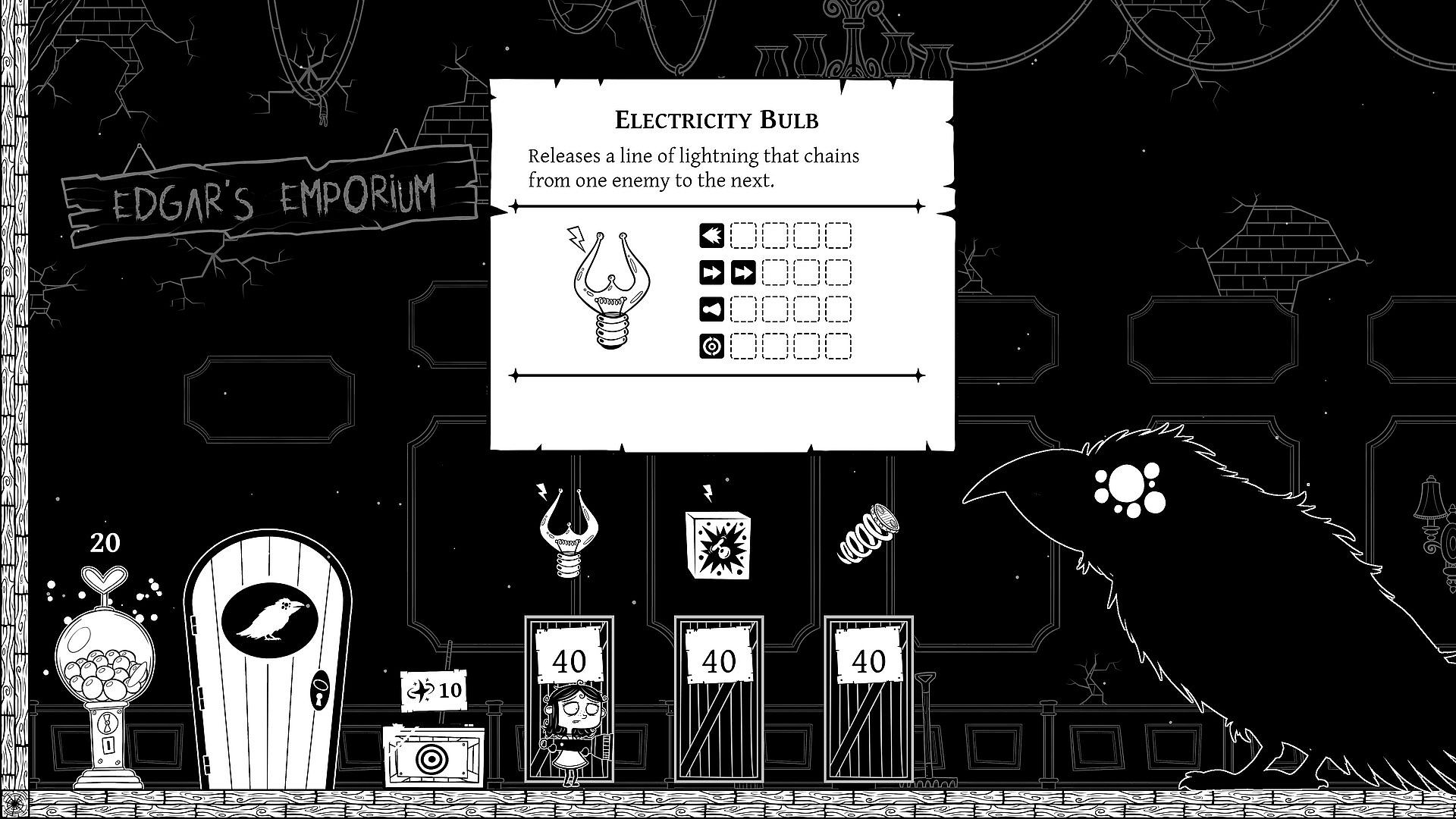
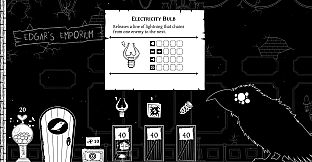
Item discovery forms the heart of progression. Gadgets, weapon modules, and upgrades appear during runs and carry over in limited ways to future attempts. Tinkering allows players to merge effects from collected items, creating custom synergies such as burning projectiles from matches or chaining electricity across multiple targets. Perks found in later areas grant powerful abilities but impose matching drawbacks, forcing choices that alter risk and reward on subsequent runs.
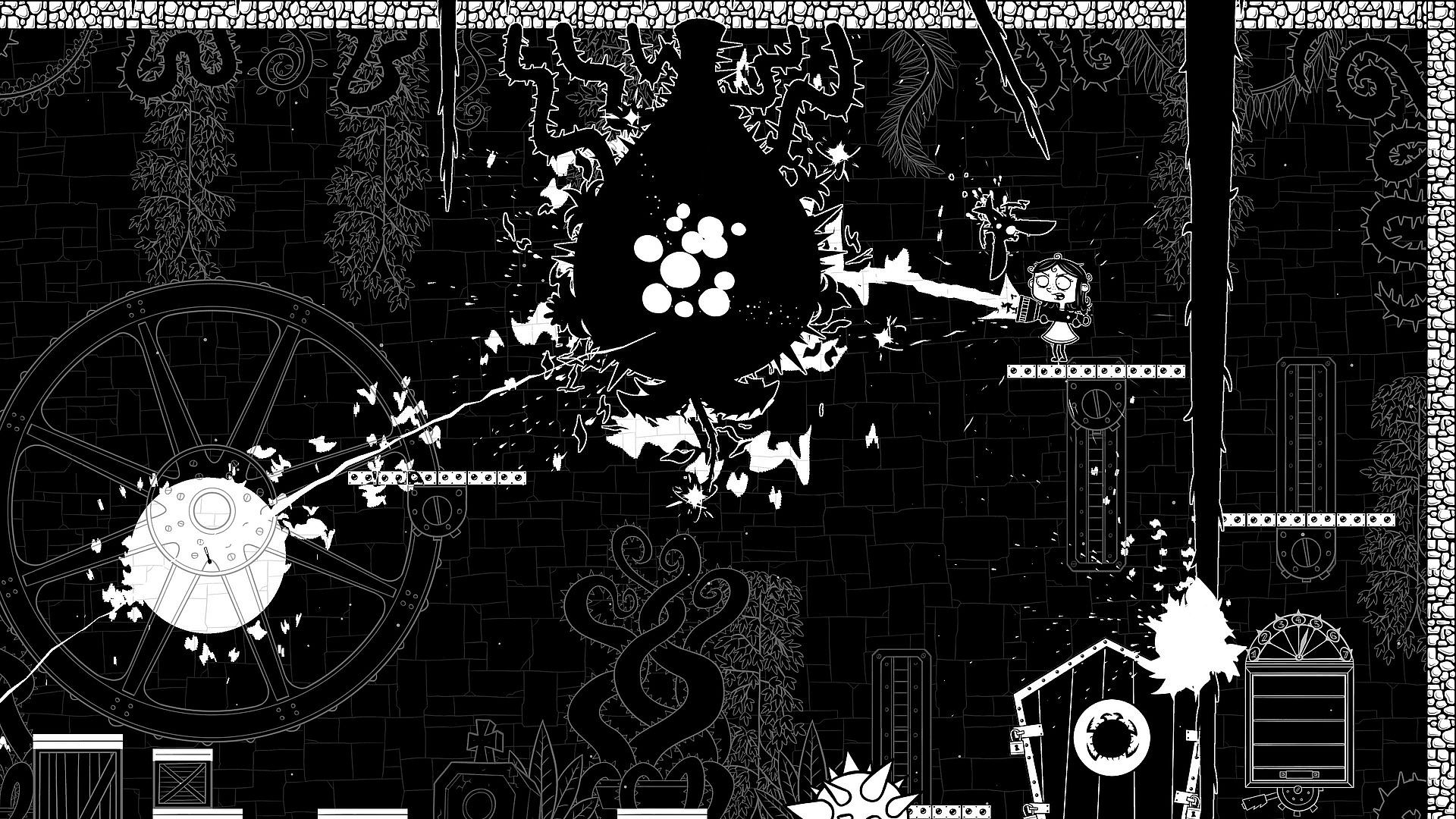
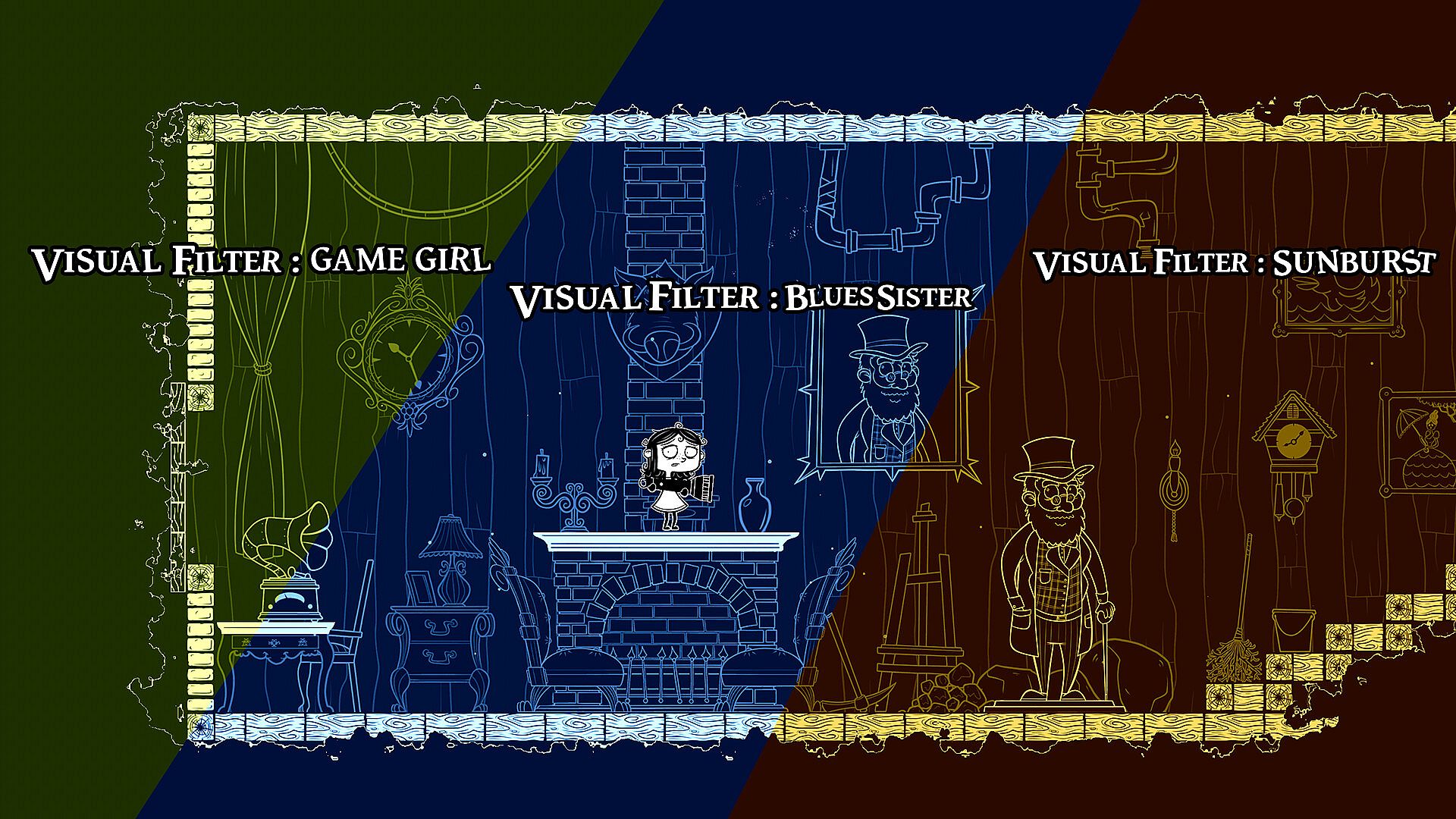
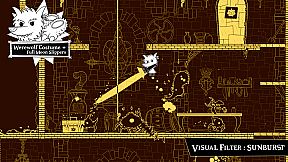
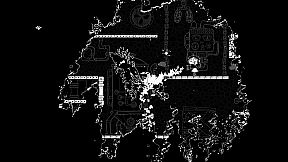
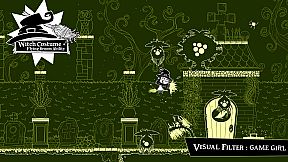
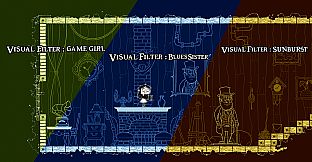
Boss encounters involve oversized Guardians that guard key sections. Completing family-related quests unlocks additional gadgets and story details about Victoria's relatives, which in turn provide new tools for future explorations. The black-and-white visual style emphasizes contrast between light beams and shadowed areas, making positioning and timing critical during combat.
Game Modes
The experience revolves around a single-player roguelight structure built around successive runs through Bloom Manor. Each run begins with basic equipment and expands through collected upgrades and perks. Failure returns the player to the starting area with retained permanent unlocks, allowing gradual arsenal growth across attempts.
No separate multiplayer or alternative modes exist. All content centers on the core loop of exploration, combat, and item experimentation within the ever-changing manor environment. Quests tied to the family narrative integrate directly into these runs rather than forming distinct modes.
Progression and Upgrades
Permanent advancements come from quest completion and item collection. Players balance offensive power, mobility options like double-jump, and utility effects such as slow-time against the weaknesses attached to stronger perks. The system rewards experimentation, as different combinations suit varied play styles across multiple runs.
Further into the manor, larger and more aggressive enemies appear, pushing players to refine tactics and upgrade choices. The layout changes ensure that no two runs follow identical sequences, maintaining freshness even after several hours of play.
Is It Worth Playing?
The game launched on July 14, 2022, and maintains Mostly Positive user reviews on its primary distribution platform, with 78 percent approval from 113 reviews. Critics have noted its polished mechanics and distinctive presentation, reflected in an 81 Metacritic score.
It suits players who enjoy roguelight progression combined with tight platforming and light-based combat. Those seeking short sessions with high replayability through item synergies and procedural layouts will find consistent engagement. The absence of ongoing seasonal content or major post-launch updates means the experience remains as released, focused entirely on the single-player roguelight campaign.