

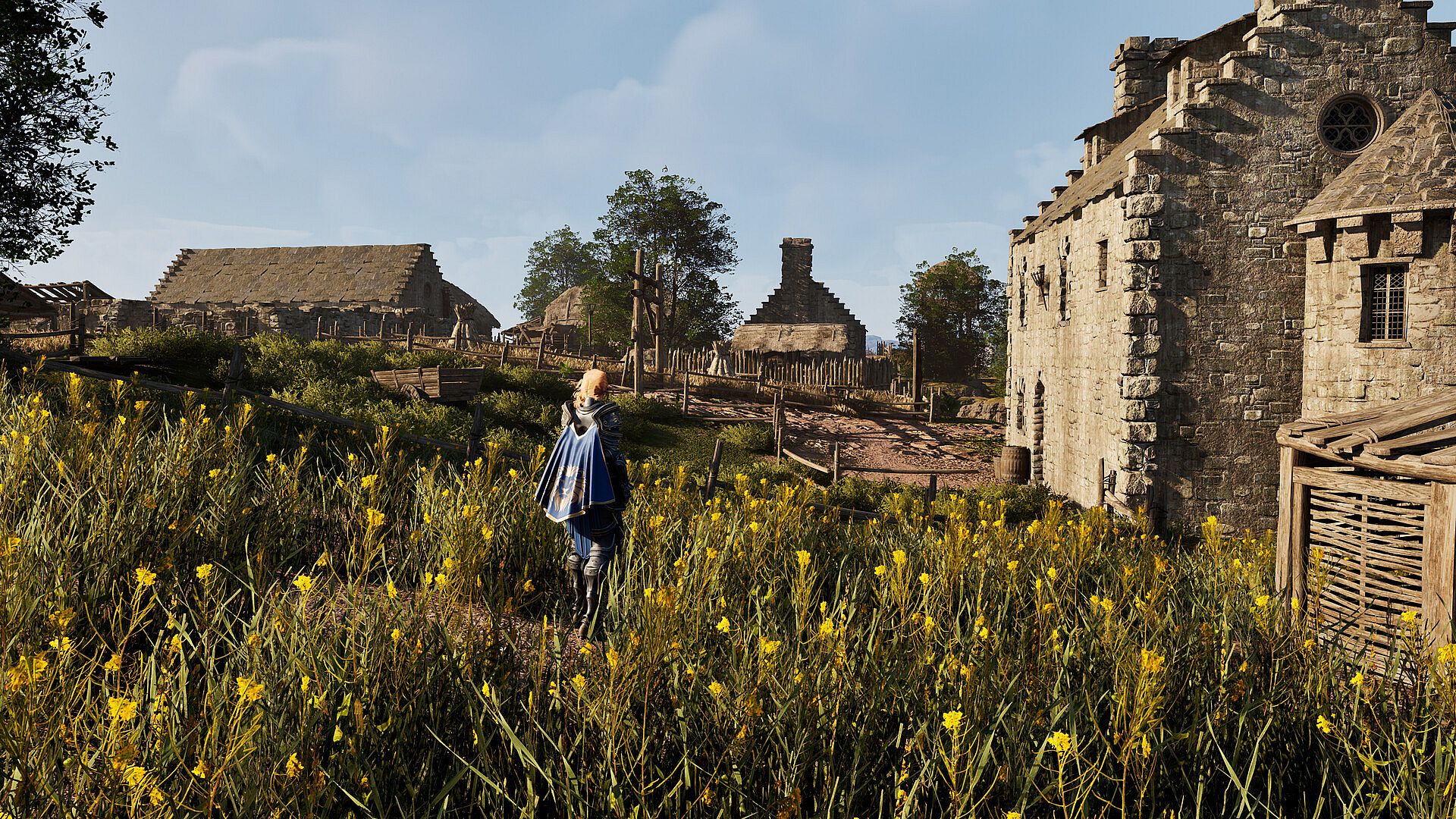
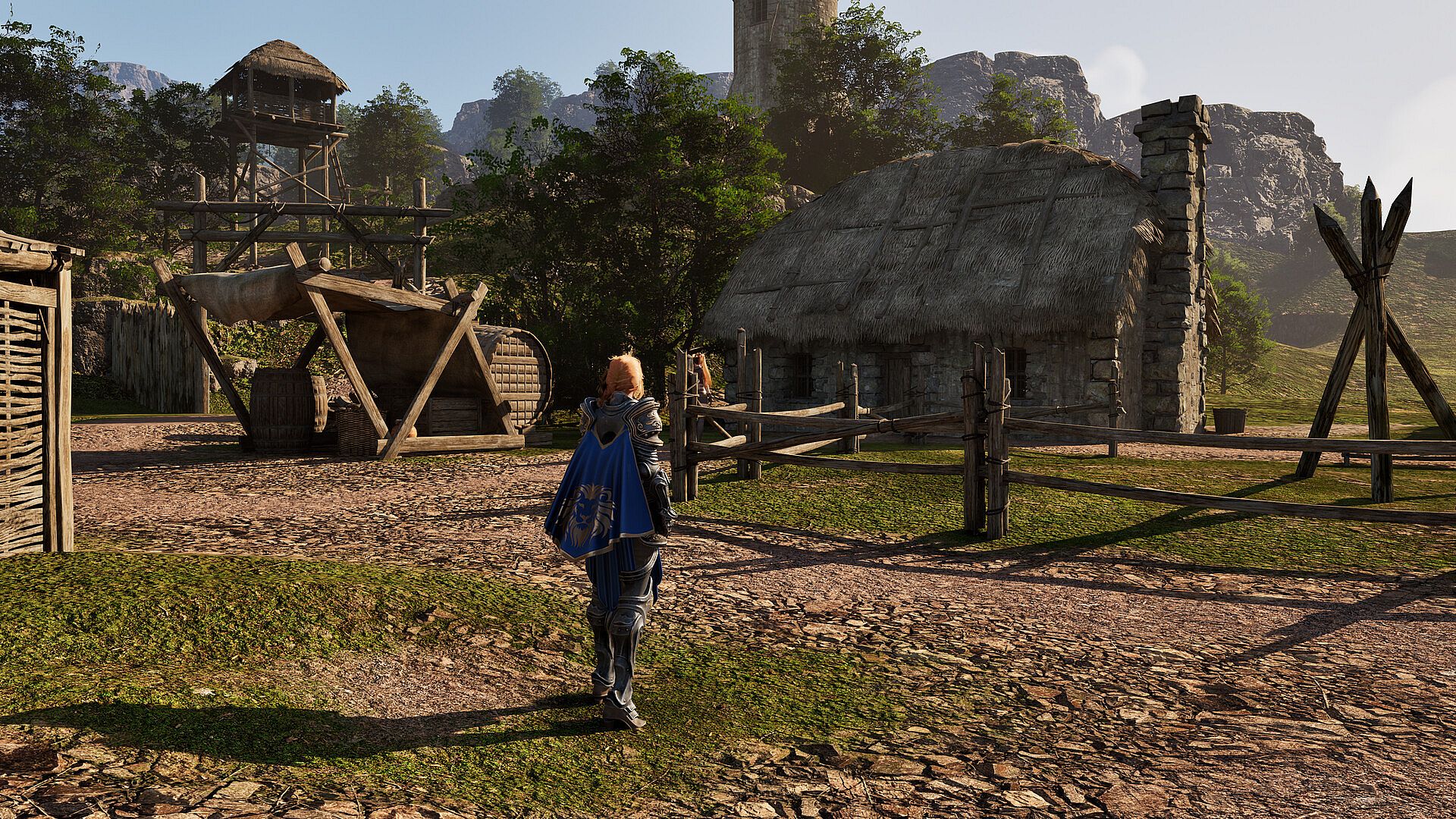




Fantasy Auction House is a trading simulation game that places players in charge of an auction house operation in a fantasy setting. Available on PC, it blends strategy, simulation, and casual elements as players buy undervalued items and resell them for profit through a dynamic market system.
Gameplay
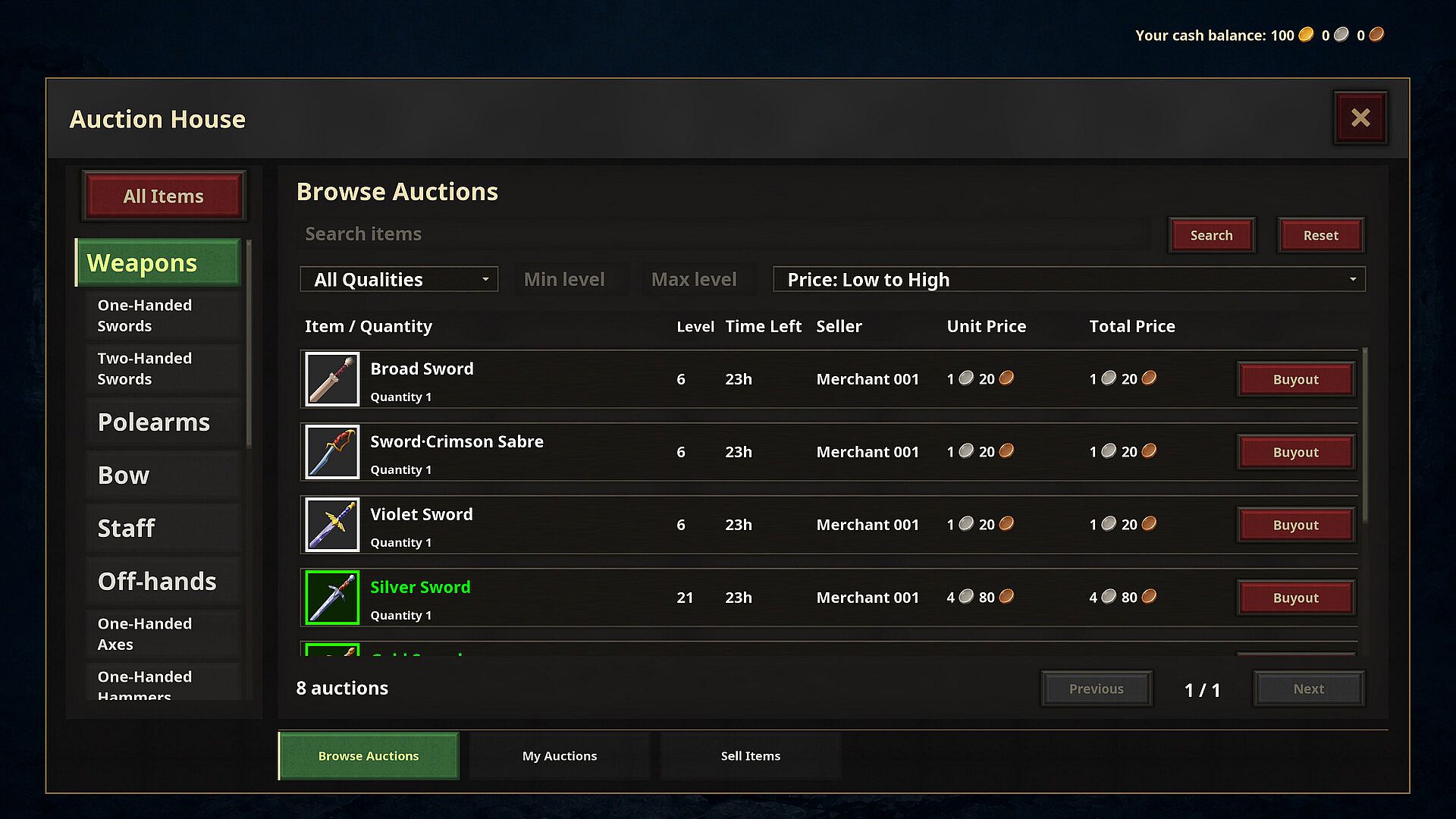
The core loop revolves around browsing listings, identifying bargains, purchasing goods, and relisting them at custom prices. Gear, materials, and magical curios form the inventory, with decisions about which deals to pursue using available gold. Merchants from various locations contribute to the market by listing items and making purchases, which shifts available opportunities over time. Players compare similar offers, reference typical prices, and target items listed below their standard value to build margins.
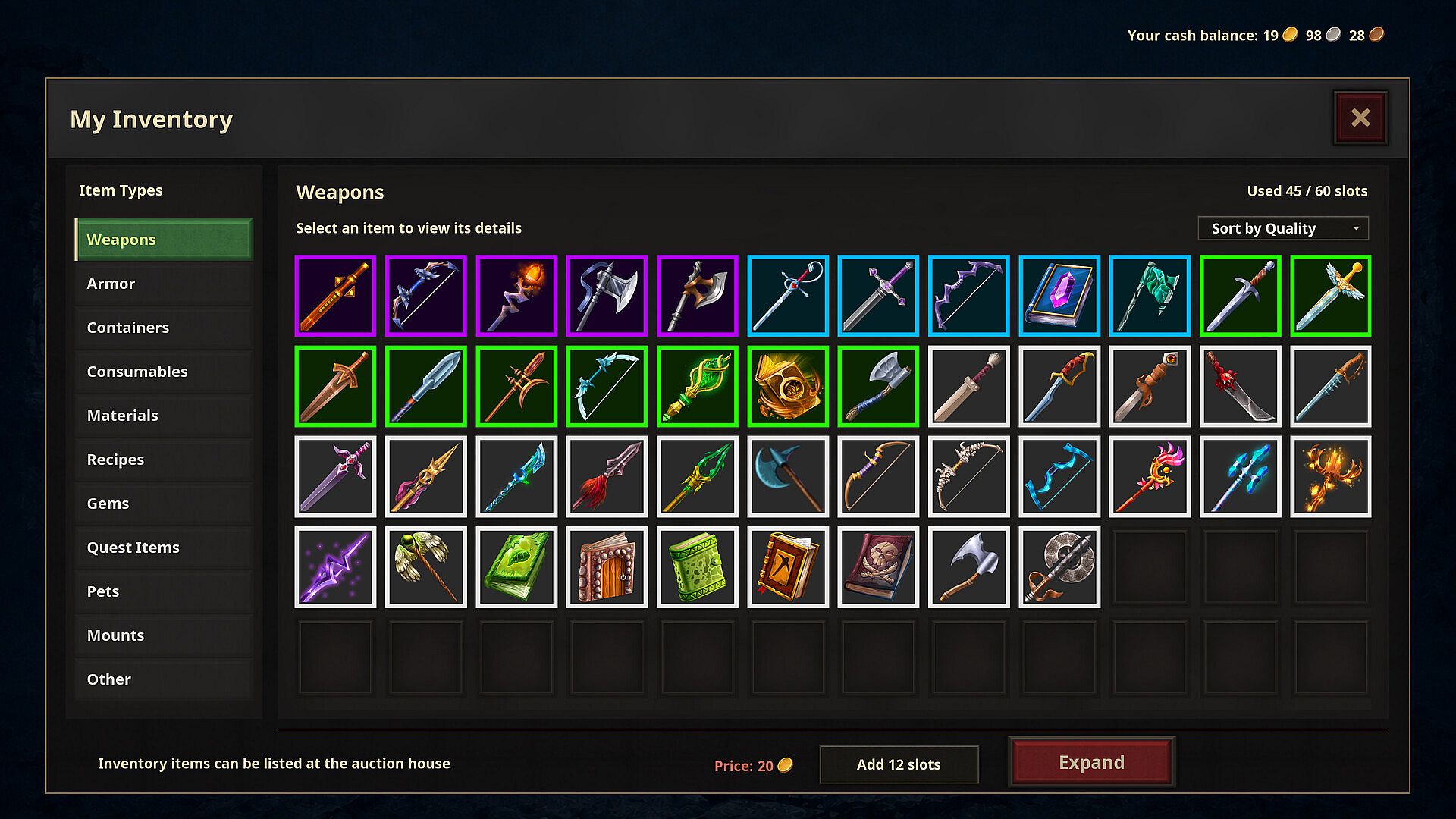
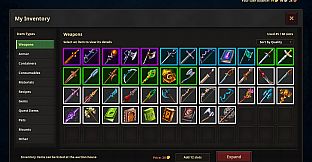
More than 2,300 items span 11 categories such as weapons, armor, consumables, materials, gems, recipes, pets, and mounts. Search functions allow filtering by name, category, quality, and level, while sorting by price helps isolate potential deals. Specializing in one category or spreading across several supports different approaches to profitability, since rarity alone does not guarantee returns.
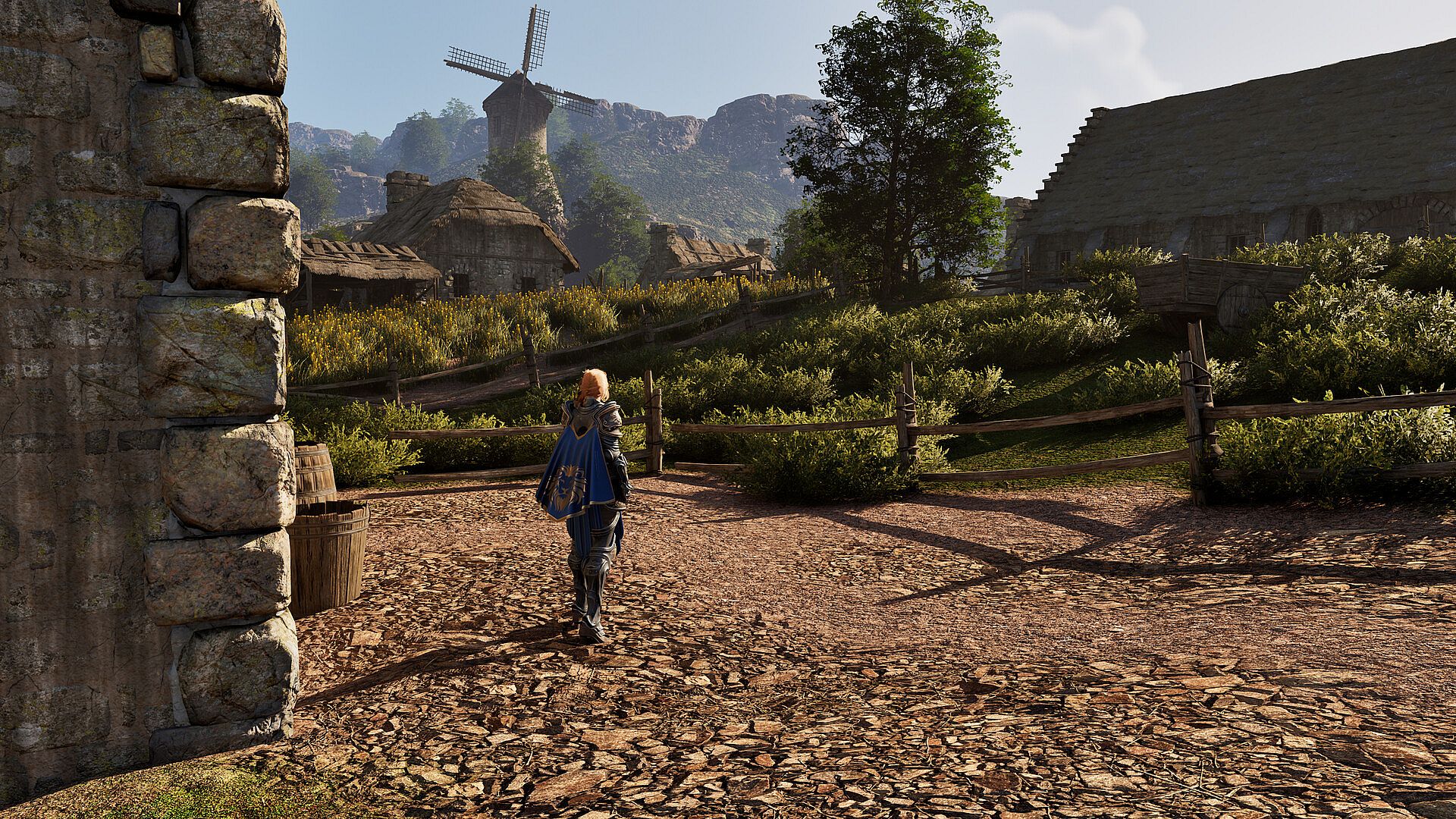
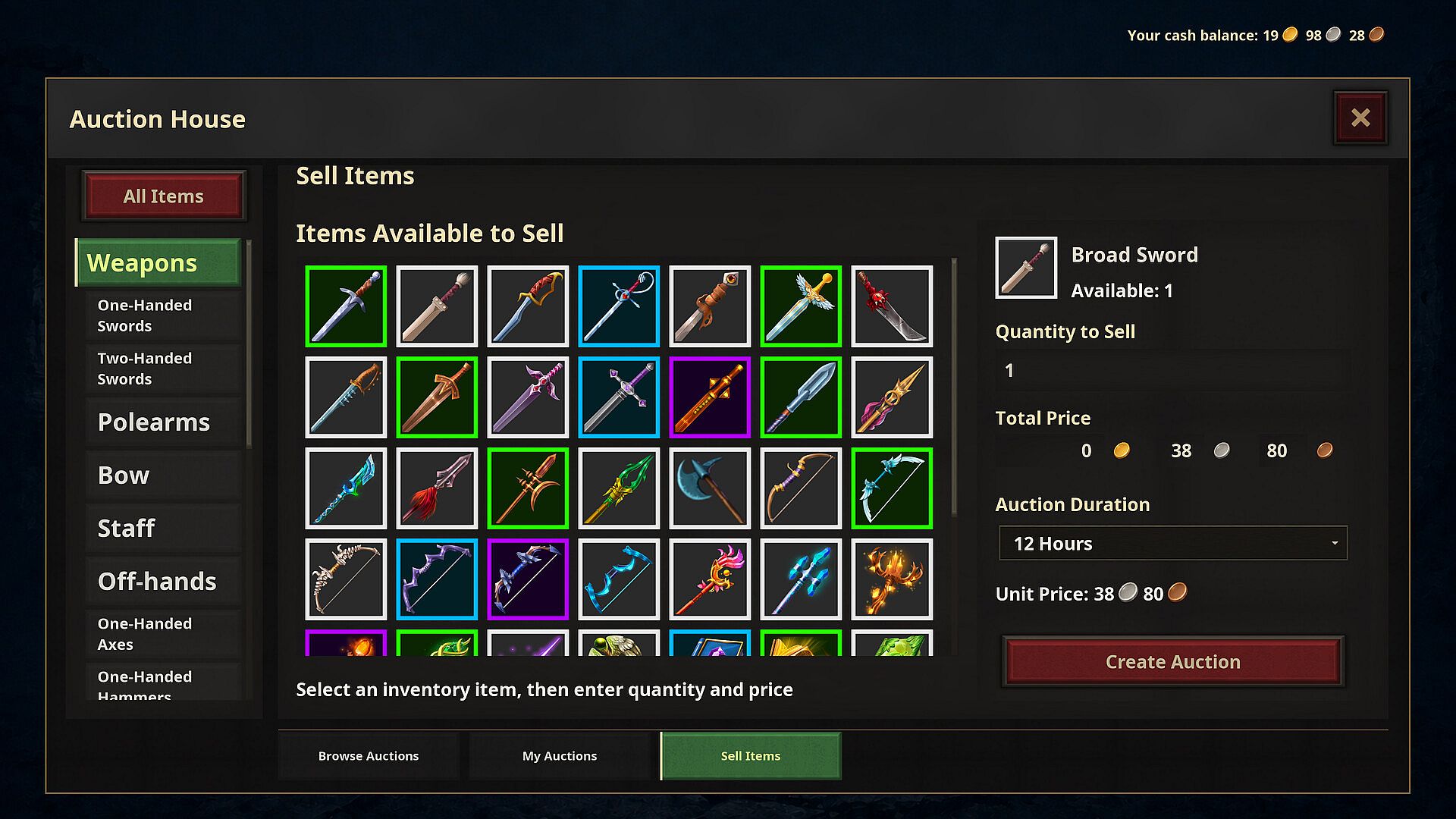
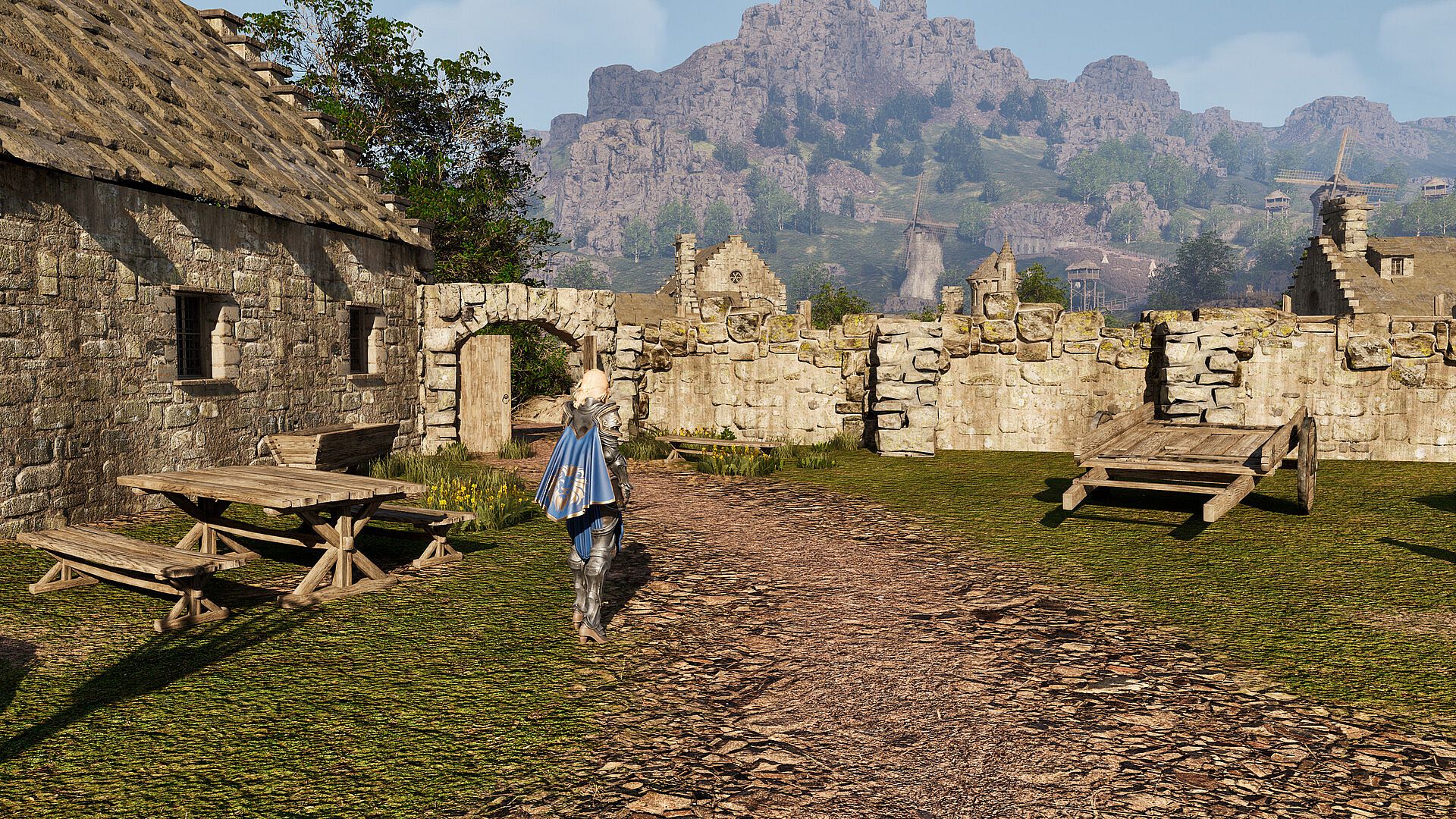
Setting prices involves choosing quantities, asking amounts, and listing durations. Higher prices increase potential profit but require buyers to accept the offer. Sales proceeds arrive via mail, and players can withdraw active listings or recover unsold goods after expiration. Starting capital comes from 10 gold provided at the outset in a medieval frontier town. Early trades focus on affordable goods, with profits reinvested while managing inventory levels, cash reserves, and backpack upgrades to handle growth.
Game Modes
The experience centers on a single-player trading simulation without separate named modes. All activity flows through the auction house interface, where browsing, purchasing, and reselling form the continuous loop. Merchants update listings dynamically, creating ongoing opportunities that reward careful price comparison and timing. No competitive or cooperative variants appear in the design, keeping focus on personal market management and incremental wealth building.
Item Categories and Market Mechanics
Eleven distinct categories provide breadth for players exploring different niches. Weapons and armor appeal to combat-oriented buyers, while consumables and materials support crafting needs. Gems, recipes, pets, and mounts add variety for collectors and specialists. Reference prices help gauge value, and underpriced listings create entry points for resale. The system encourages balancing stock that ties up capital against the need for liquidity on new deals.
Progression and Inventory Management
Starting with limited funds requires careful selection of initial purchases. Reinvesting sales builds capital for larger or riskier trades. Inventory space limits how much stock can be held, prompting decisions on what to keep versus what to liquidate. Mail delivery of completed sales and expired listings keeps the workflow moving without constant monitoring. This structure rewards patience and pattern recognition in pricing across the merchant-driven listings.
Is It Worth Playing?
Fantasy Auction House suits players who enjoy deliberate trading loops and market observation in a fantasy context. The simulation emphasizes price analysis, inventory balance, and incremental growth from a modest starting sum. With no reviews available ahead of its November 25, 2026 release, reception remains unknown, yet the focused mechanics align with casual strategy and simulation preferences. Those drawn to buy-low-sell-high systems without combat or narrative layers will find the core loop matches the described experience. Availability on PC positions it for solo sessions centered on economic decisions rather than action or multiplayer elements.