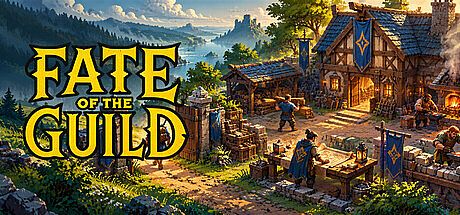


Fate of the Guild is a single-player strategy and simulation game that blends indie RPG elements with management and adventure mechanics. Players take charge of a fantasy guild headquarters rather than directing individual heroes through quests. The core focus rests on balancing the needs of guild members who handle daily operations while also venturing into the wider world.
Gameplay
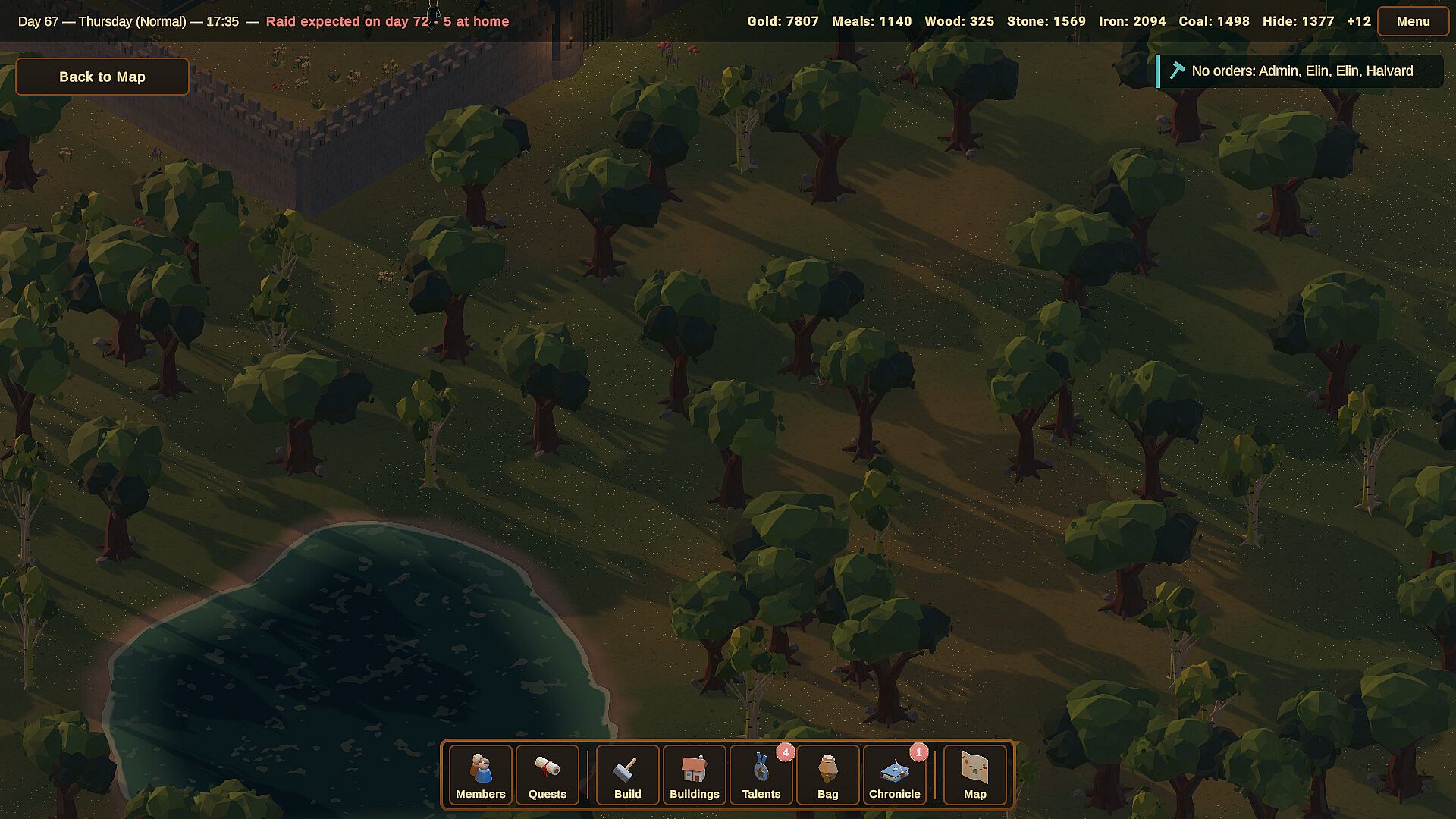
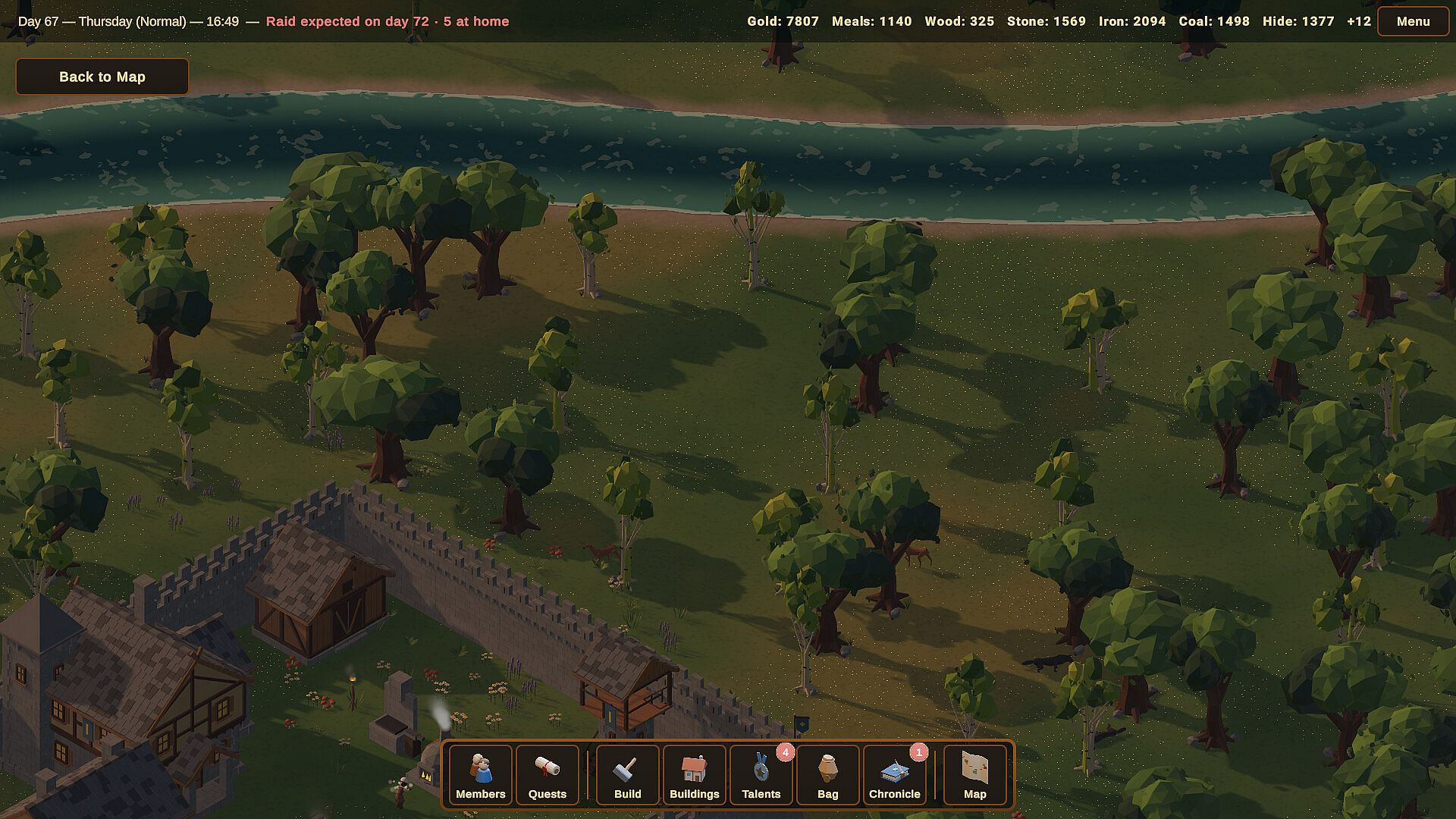
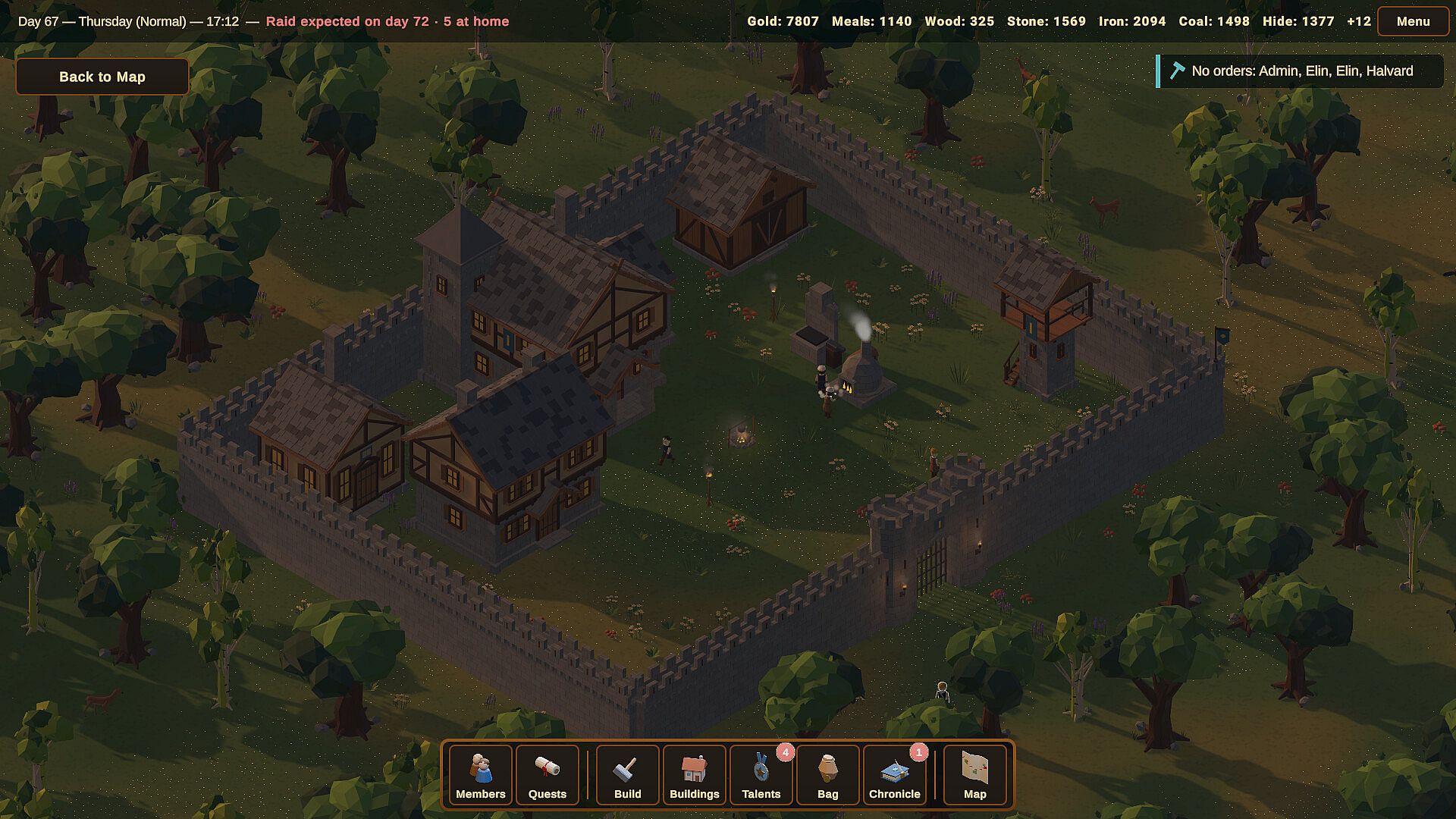
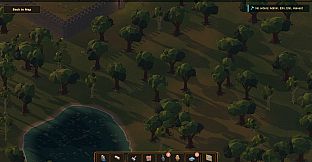
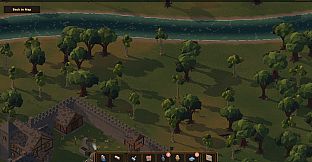
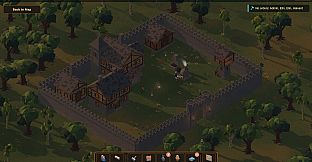
The central loop revolves around constructing and expanding a functional headquarters. Buildings must be positioned with attention to practical details such as travel distances across the courtyard, access to storage for workshops, lighting for nighttime tasks, and defensive readiness ahead of threats. Resources move by hand, so layout decisions directly affect efficiency and response times.
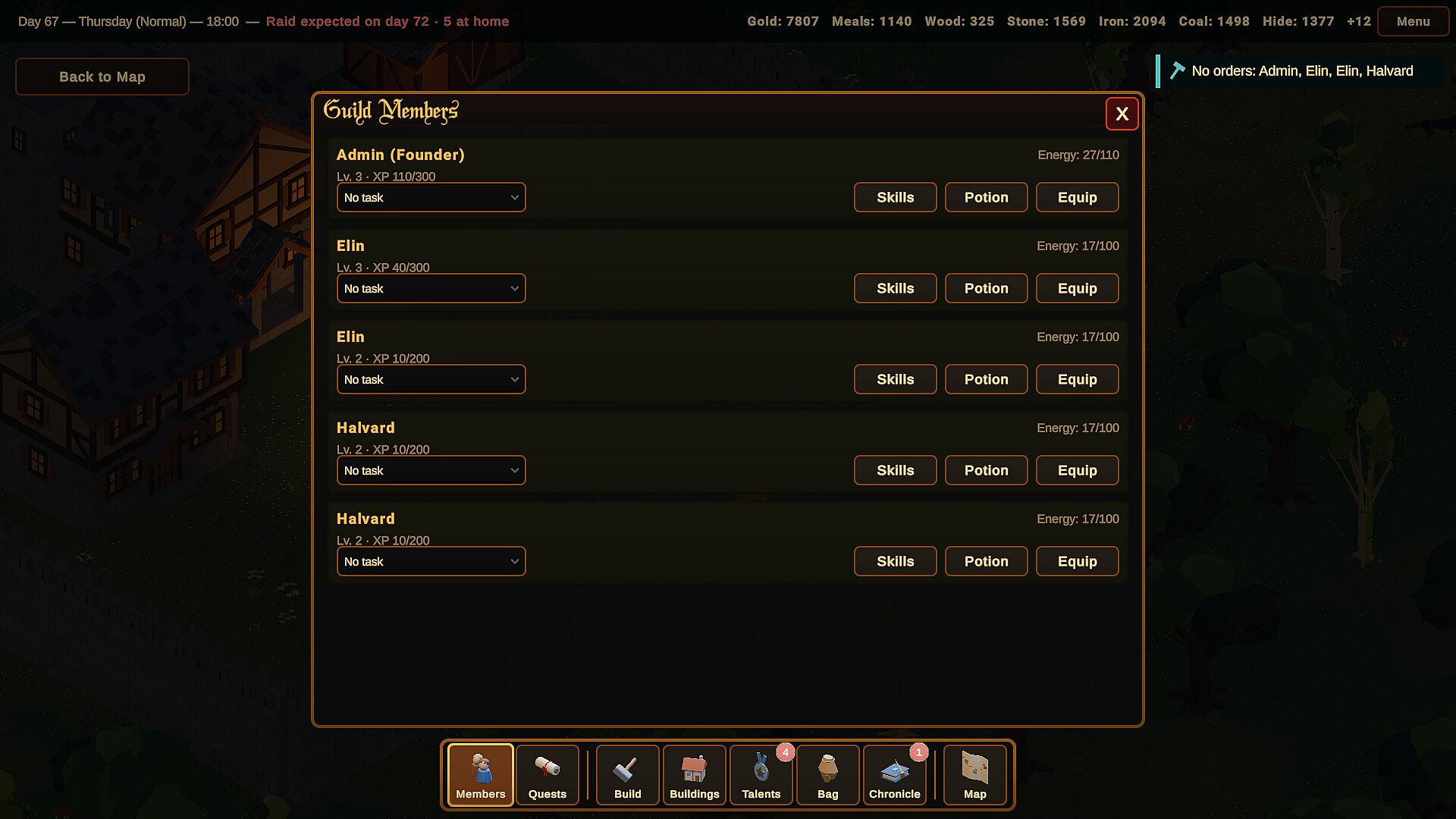
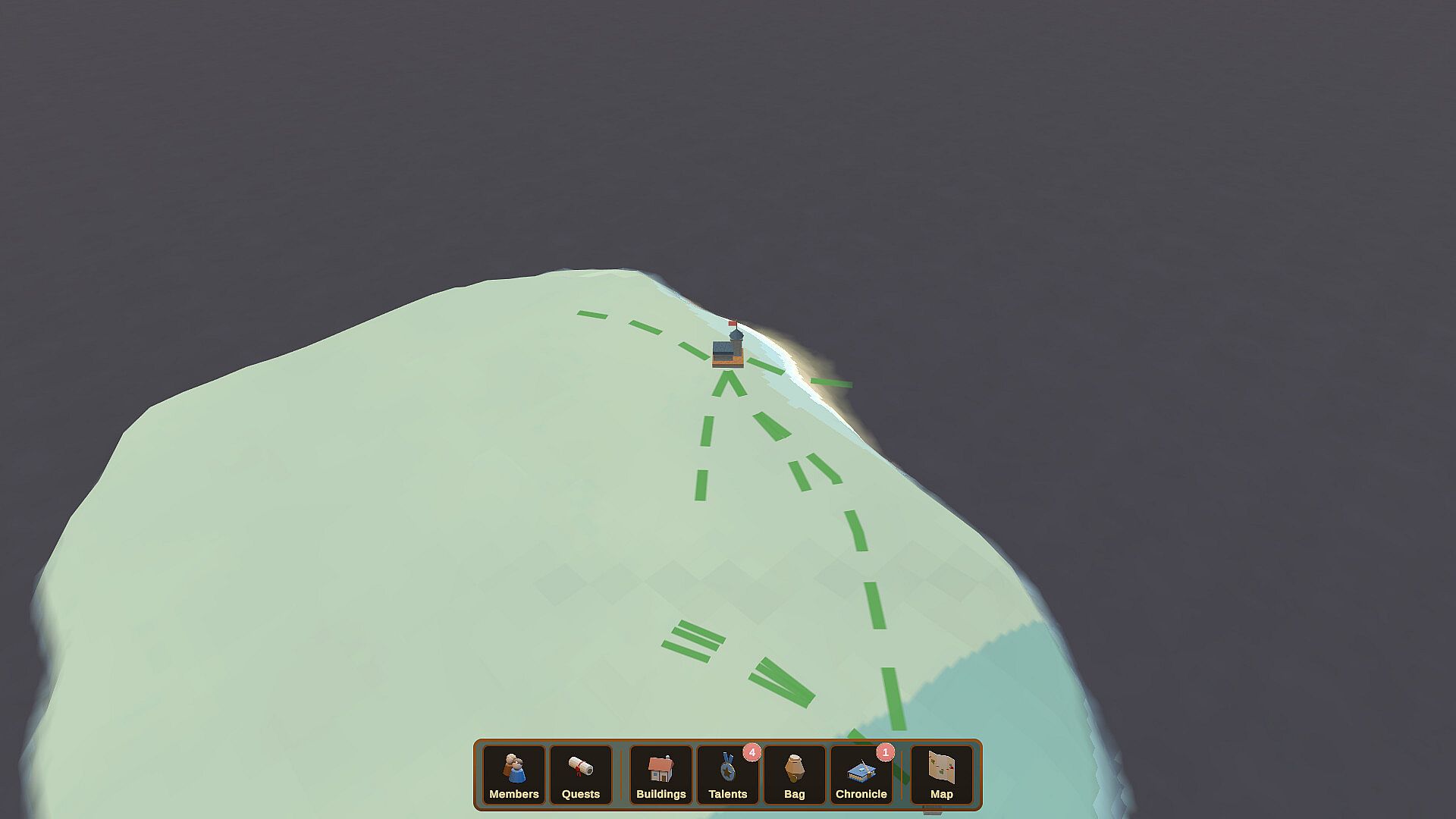
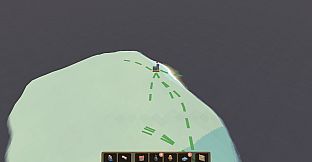
Each guild member functions as a distinct individual with personal traits, energy levels, equipment, skills, and background. Assigning someone to a mission removes their contributions from home activities like crafting, studying, hunting, or guarding. Injuries or exhaustion further reduce availability, forcing careful prioritization of who leaves and when. The world map unfolds gradually, with travel times synchronized to the same clock that governs headquarters events, so distant expeditions carry ongoing opportunity costs.
Over time, player choices shape a persistent chronicle of the guild. Successes, setbacks, losses, and discoveries accumulate into a record that reflects the specific people involved and the trade-offs made along the way.
Game Modes
The game operates as a continuous single-player campaign without separate competitive, co-op, or time-limited modes. All activity occurs within one persistent guild headquarters and its connected world, where progression stems from ongoing management decisions and exploration rather than structured match types or seasonal resets.
Core Systems and Progression
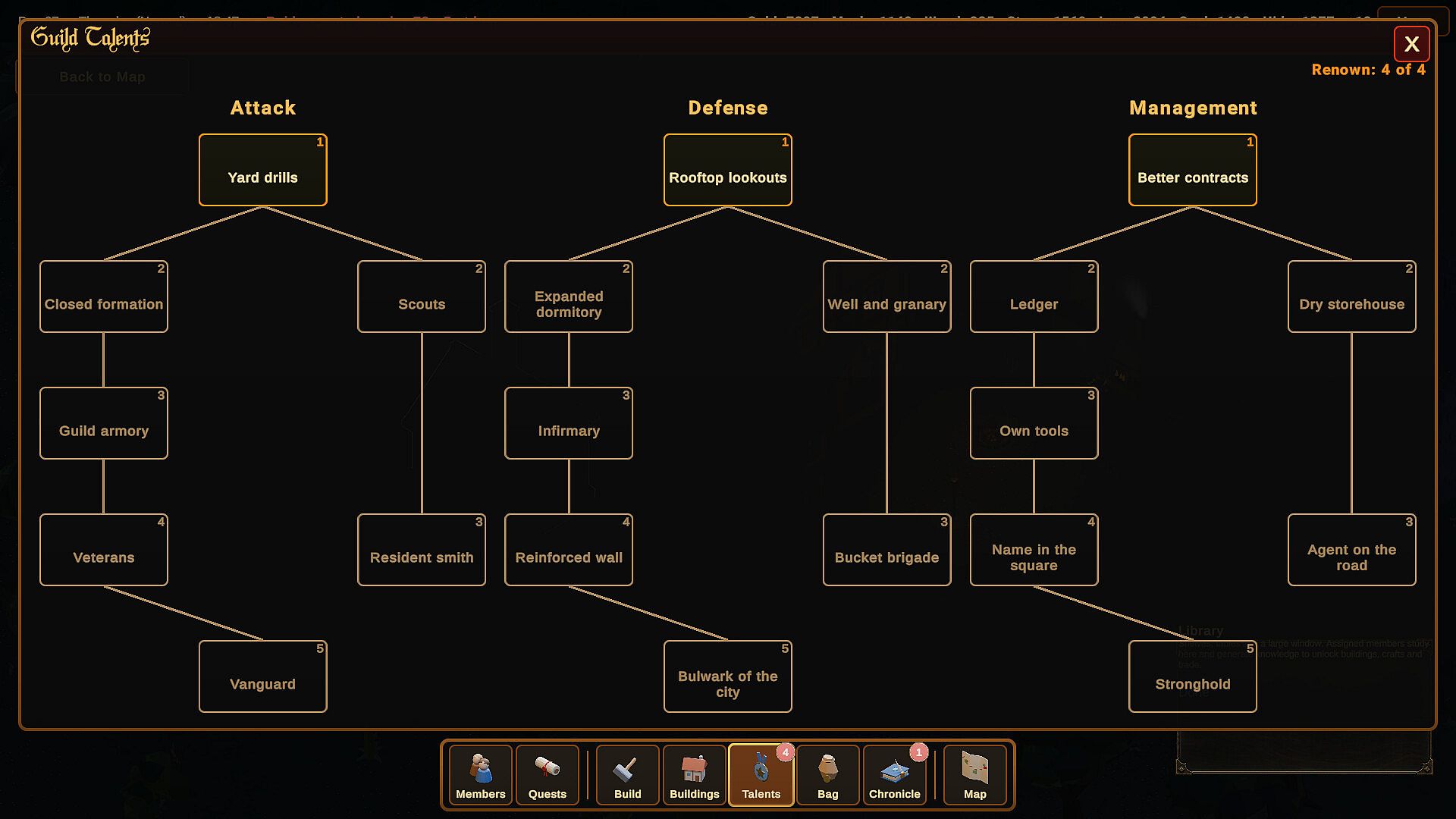
Headquarters development ties directly to member capabilities. Workshops produce equipment and supplies only when staffed and supplied, while defenses require prior construction and positioning to matter during crises. Exploration reveals settlements and hazards, but every departure leaves gaps in production, research, or security that must be covered by remaining personnel. Personal histories and traits influence both mission outcomes and daily productivity, encouraging repeated evaluation of roster assignments instead of treating members as interchangeable units.
The simulation emphasizes time as a shared resource. Travel, recovery, and events all advance on the same timeline, so long expeditions can coincide with internal shortages or incoming threats. This creates natural tension between expansion goals and immediate operational needs.
Is It Worth Playing?
Fate of the Guild suits players who enjoy detailed management simulations combined with light RPG character tracking and strategic decision-making under constraints. The emphasis on individual guild members and the visible costs of absences rewards thoughtful planning over rapid expansion or optimized builds. Because the title remains unreleased with no player reviews available yet, expectations should center on the described systems of headquarters layout, roster management, and synchronized world time. Those drawn to indie strategy titles that treat every character as a limited resource will find the most alignment with its approach.