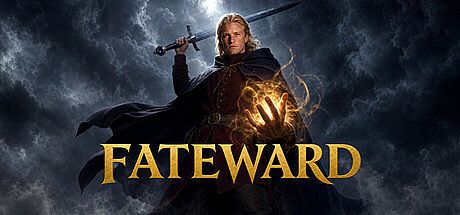









Fateward is an indie RPG adventure game for PC that places players in the role of Aric, a young adventurer leaving the kingdom's edge for the city. The story begins with a straightforward first quest that quickly expands into a larger narrative shaped entirely by player decisions.
Gameplay
The core loop centers on exploration, conversation, and combat integrated through a system of meaningful choices. Movement occurs in first person while interactions shift to third person, allowing players to examine objects, speak with characters, and select destinations across streets, ruins, and wild areas. Hidden paths and artifacts reward careful observation.
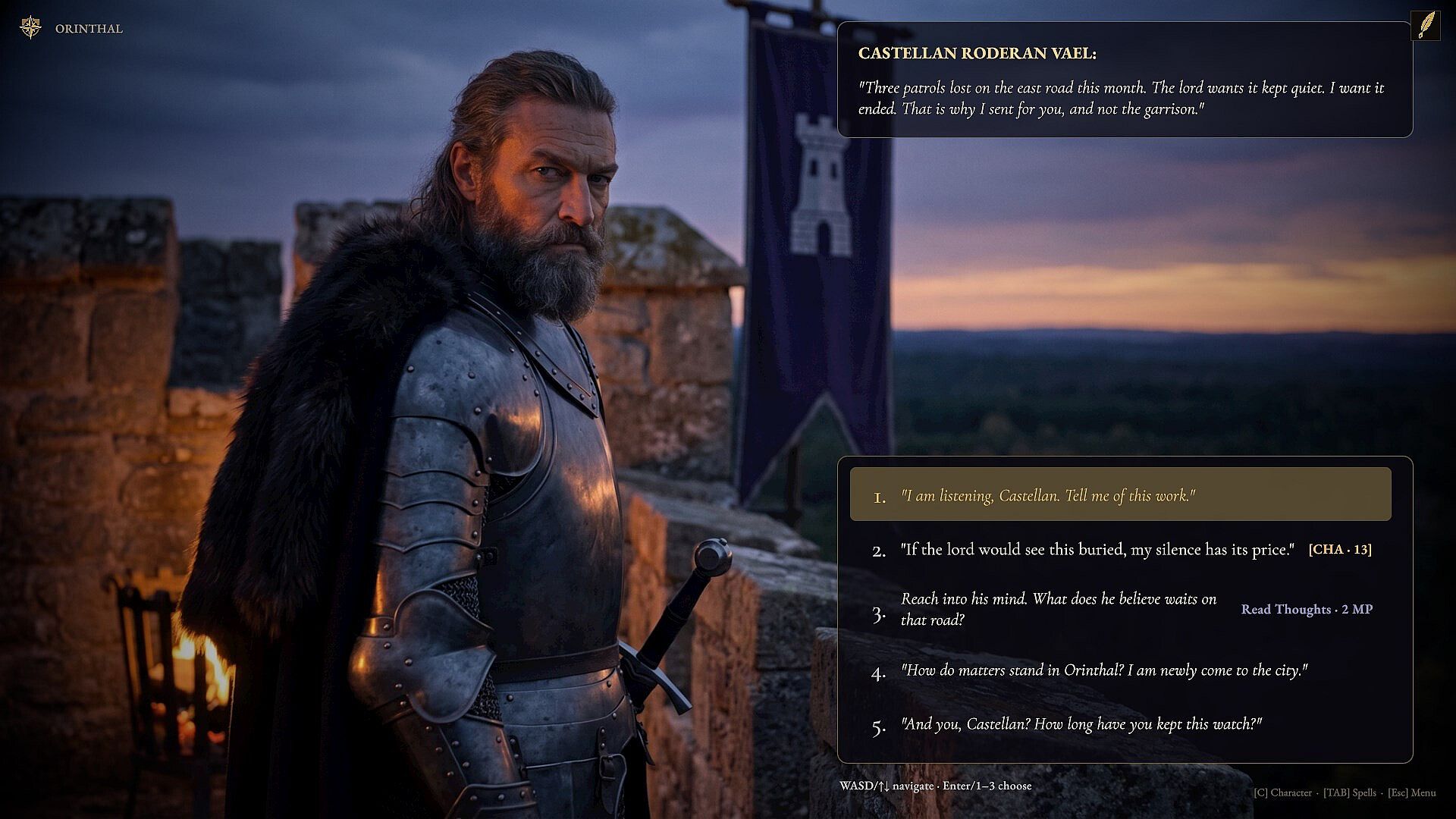
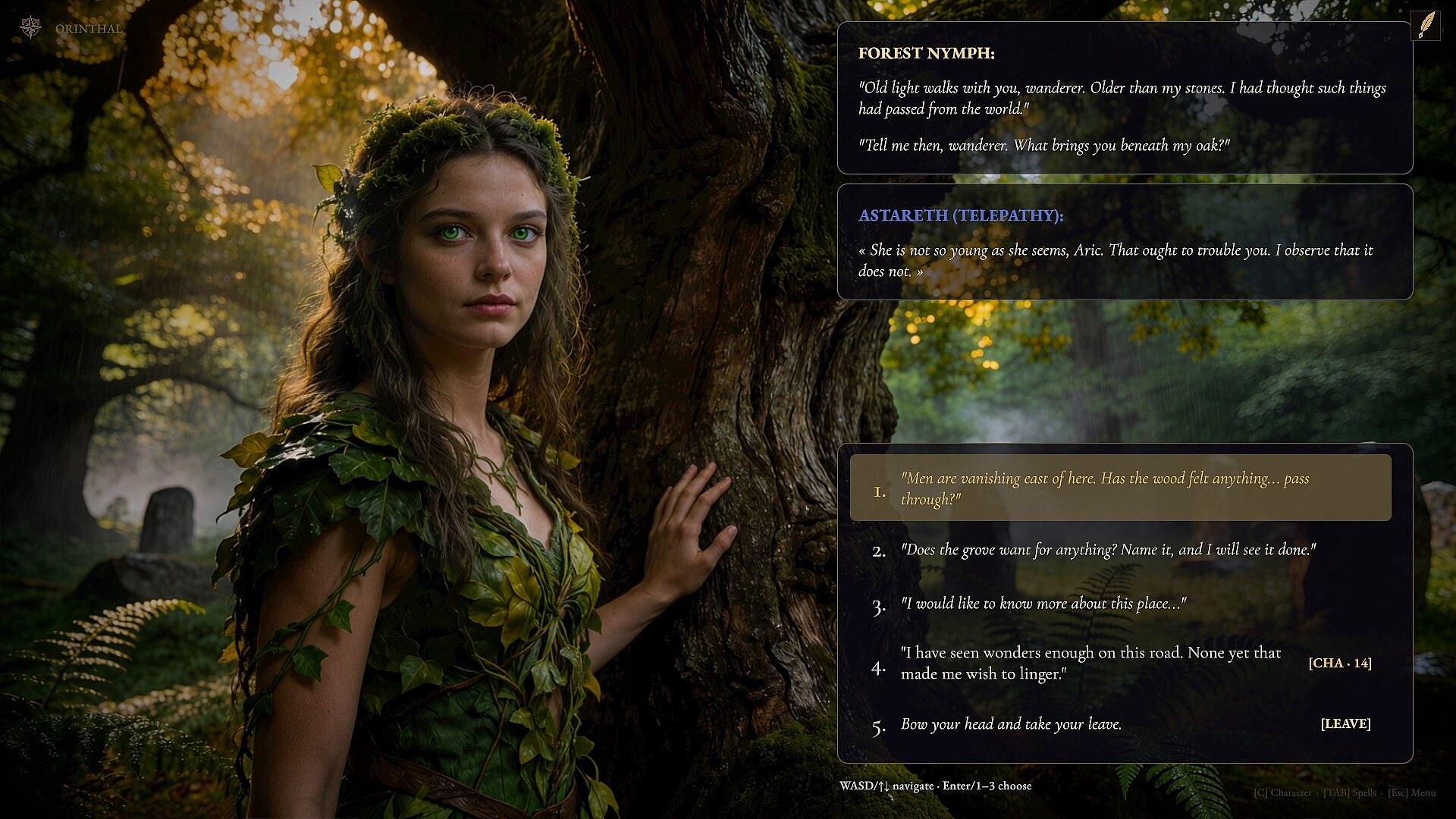
Dialogue unfolds in real time with cinematic presentation. Players select responses that influence ongoing exchanges, with some options gated behind stats, items, or prior knowledge. Certain replies trigger dice rolls that determine success or failure. The game tracks every decision and adjusts future events accordingly, creating personalized story branches without resetting progress.
Character development supports varied playstyles. Players create Aric at the start and continue to level up during the journey. Spells are discovered in the world or selected at key moments, while equipment provides different strengths for combat and skill checks. An original soundtrack accompanies travel and features unique themes for many encounters.
Game Modes
Fateward operates as a single player experience focused on narrative progression and personal decision making. There are no separate multiplayer or competitive modes. Instead, the game emphasizes one continuous campaign where outcomes vary based on the roads taken, conversations pursued, and actions performed. The structure supports replay through different choice paths that alter companions, conflicts, and the overall fate of the world.
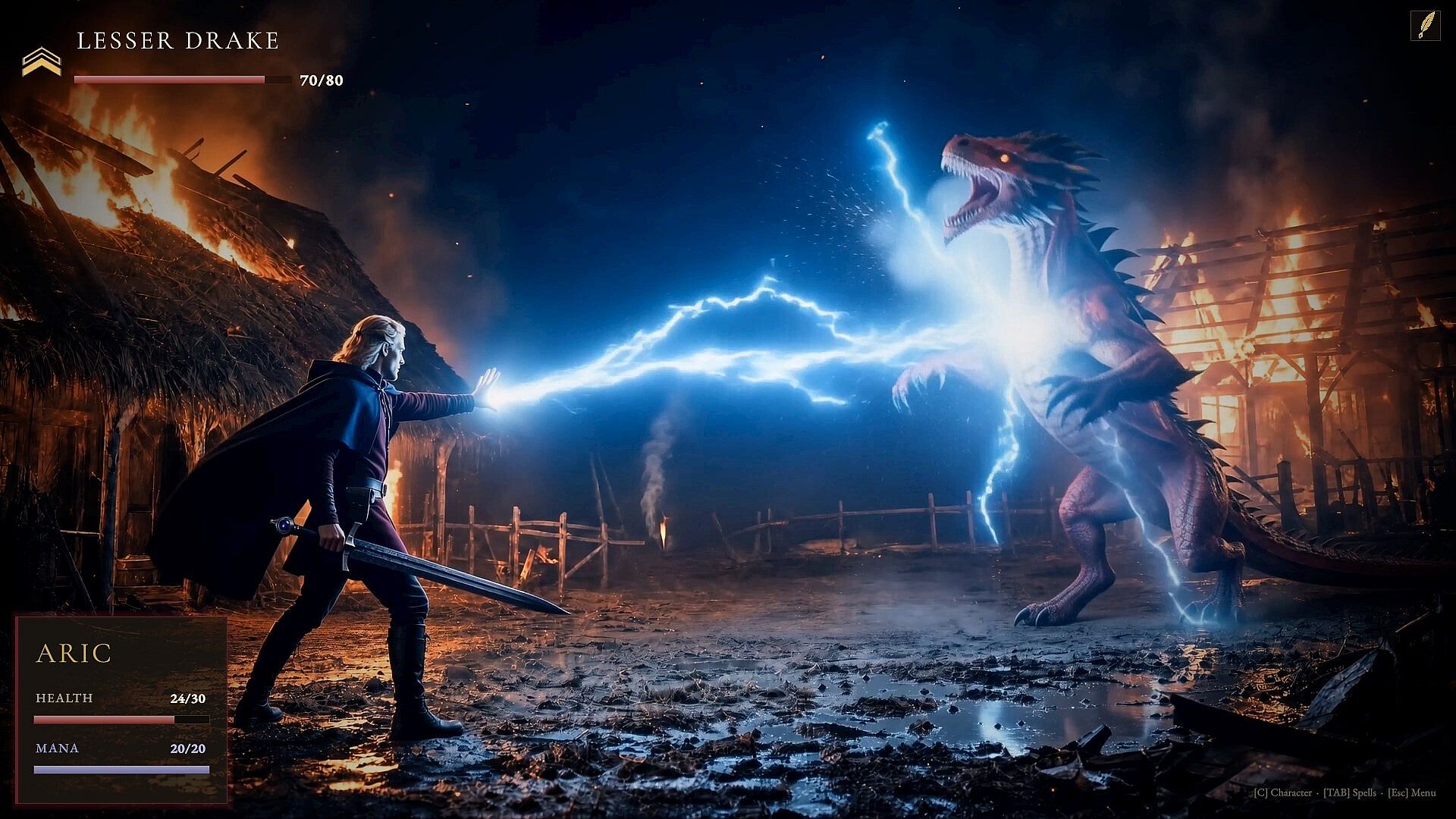
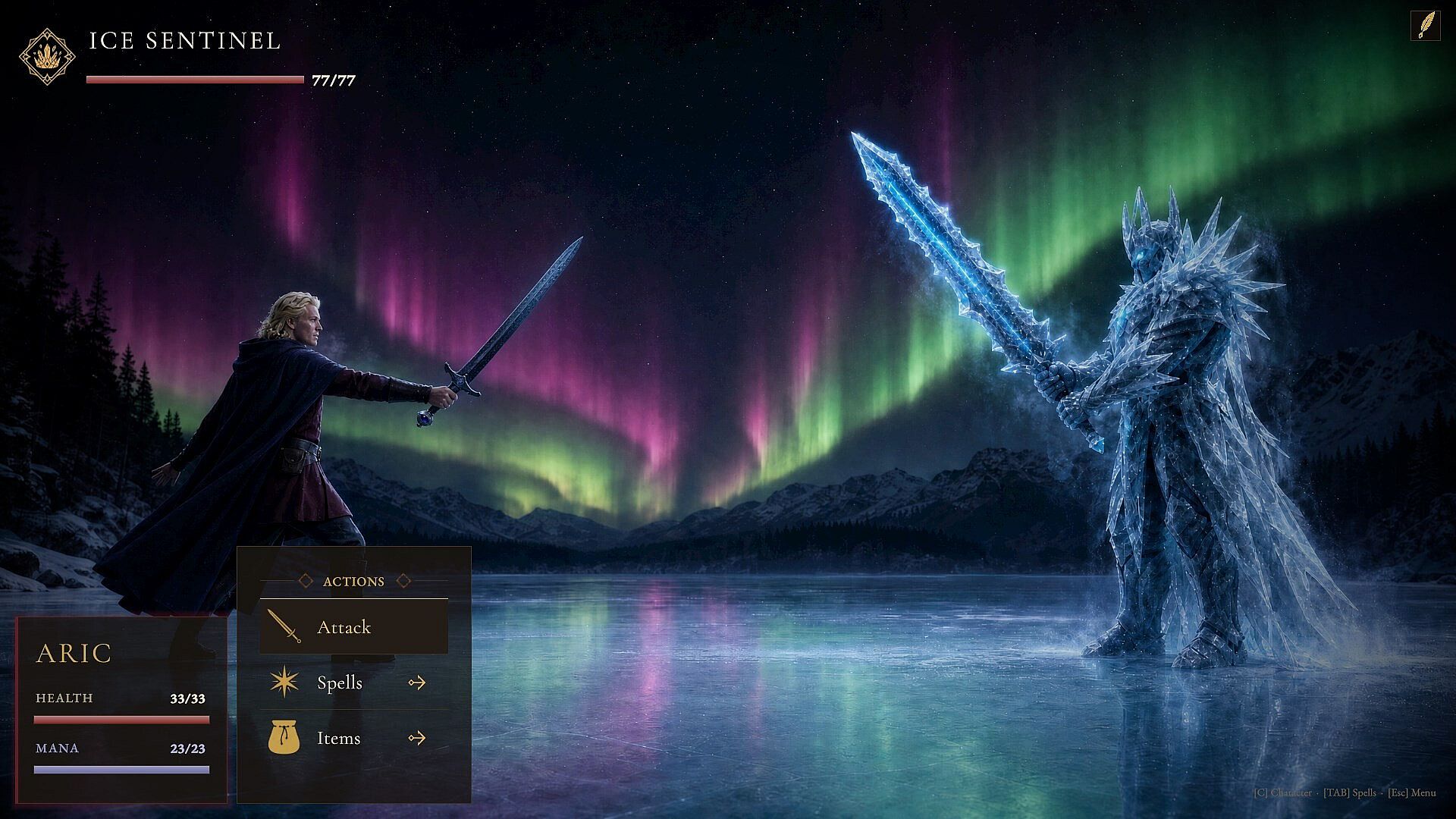
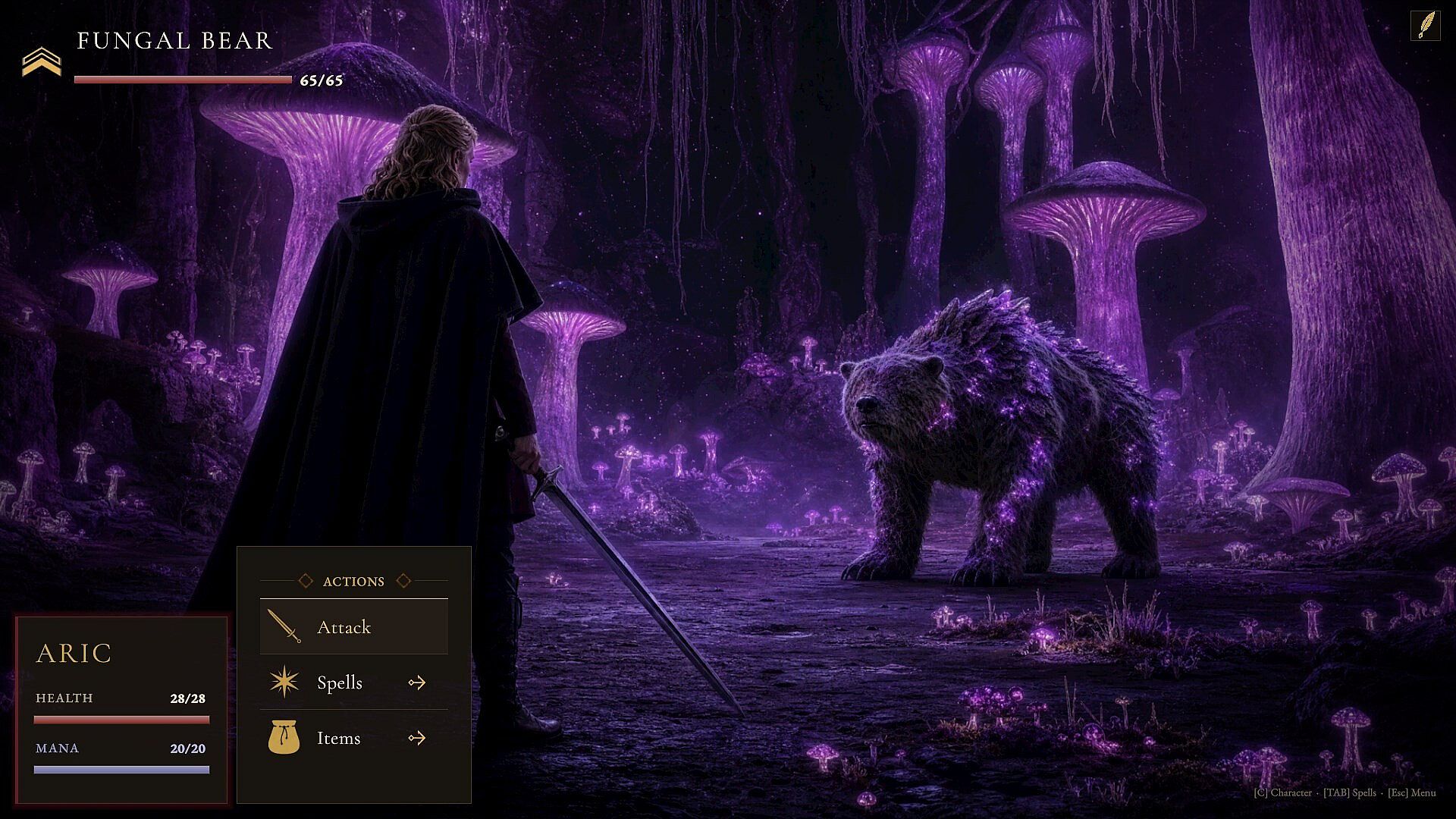
Skill checks and battles integrate directly into this single narrative flow. Active checks use a visible d20 roll against challenges, while passive checks determine what information becomes available without player input. Turn based combat occurs in rounds with options to attack, cast spells, or use items, supported by buffs and debuffs that shift momentum during encounters.
Key Mechanics and Systems
Astareth serves as a constant companion, a sentient sword forged from a meteor and sealed for centuries. He communicates through telepathy, offering counsel, commentary, and recollections of forgotten events that tie into the story. His presence adds another layer to decision making and world building.
The RPG foundation shows in the stat driven systems. Attributes govern success rates in dialogue and exploration, while combat requires strategic use of available abilities each round. Cinematic footage plays for every battle, keeping encounters visually distinct even as the underlying rules remain consistent.
Free exploration encourages thorough investigation. Players can revisit locations or pursue side paths that reveal older secrets, with the game remembering prior visits and choices to maintain continuity across the journey.
Is It Worth Playing?
Fateward suits players who enjoy choice driven RPGs with integrated dice mechanics and turn based combat. The branching narrative and reactive world reward investment in dialogue and exploration over repeated grinding or separate side activities. Those who prefer linear stories or fast paced action may find the deliberate pacing and stat requirements less engaging.
The game runs on PC and delivers its full experience in a single player format without additional modes or expansions required for the core story. Reception centers on the weight of decisions and the distinctive companion sword, though individual enjoyment depends on tolerance for dice based uncertainty in conversations and fights. If the described systems align with preferred gameplay, the title offers a self contained adventure worth considering for its focused design.