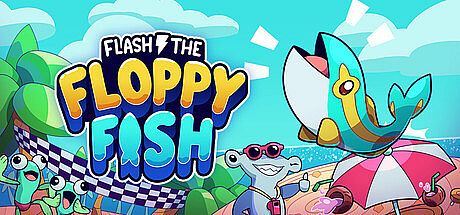


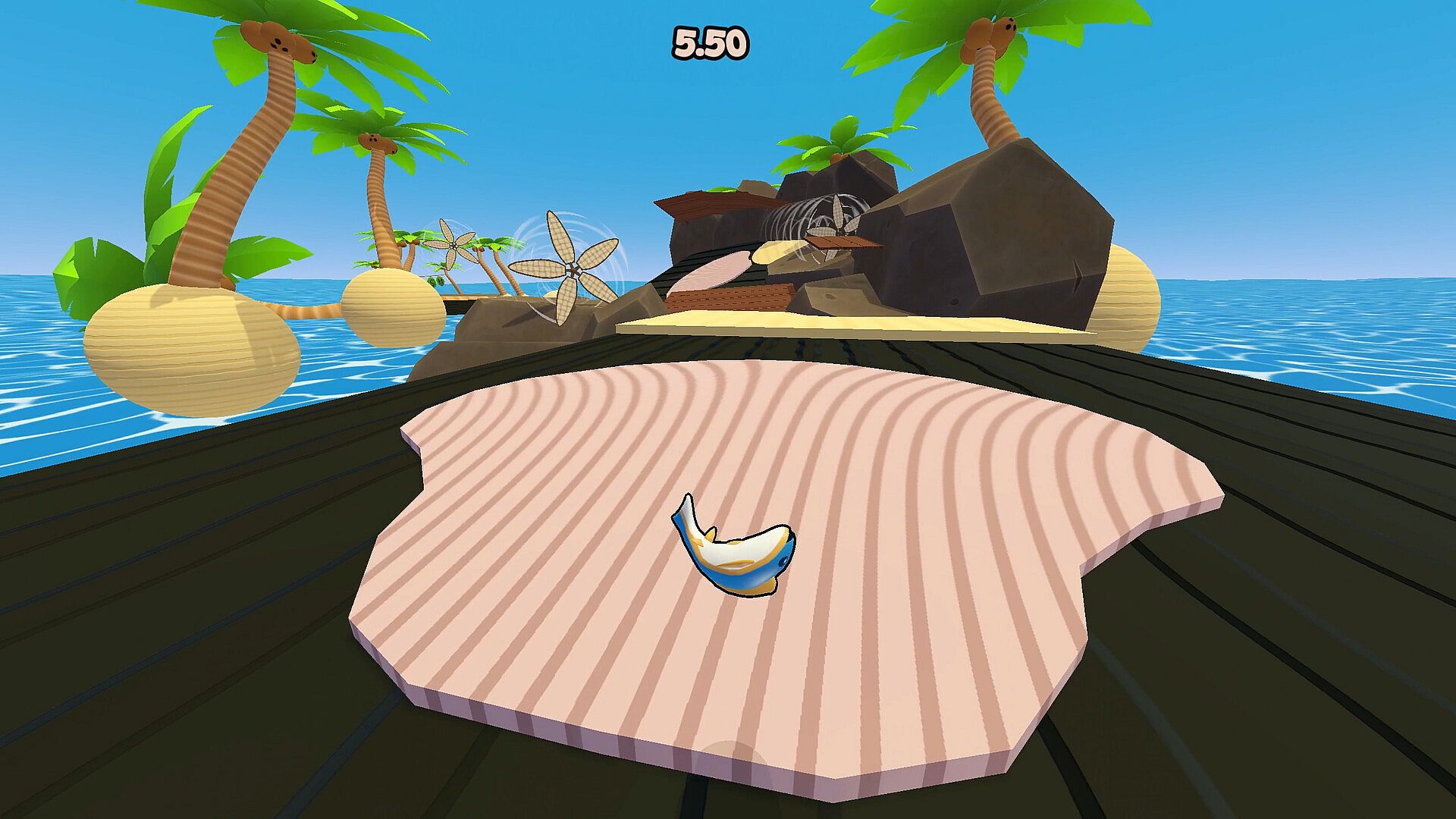
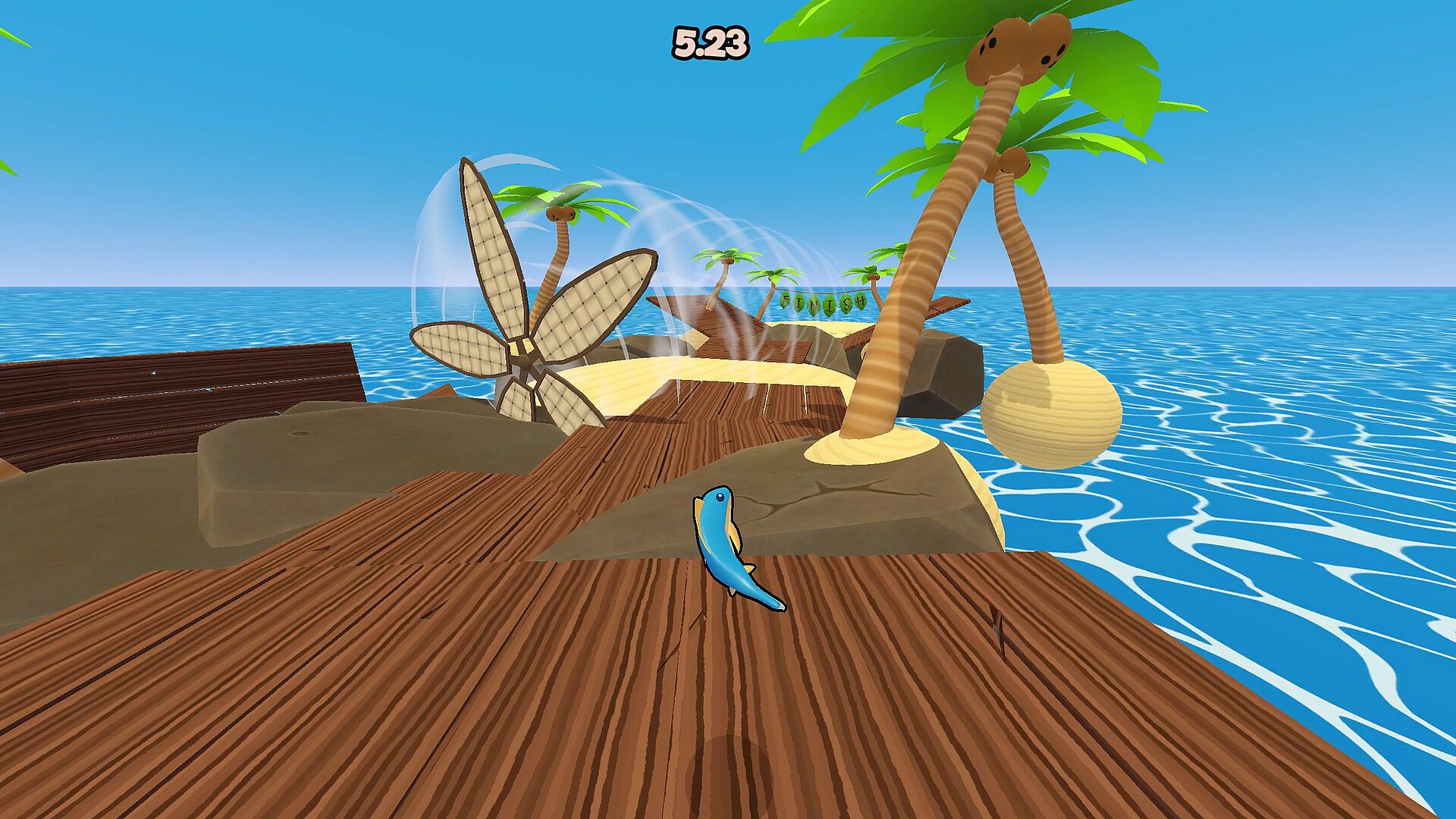
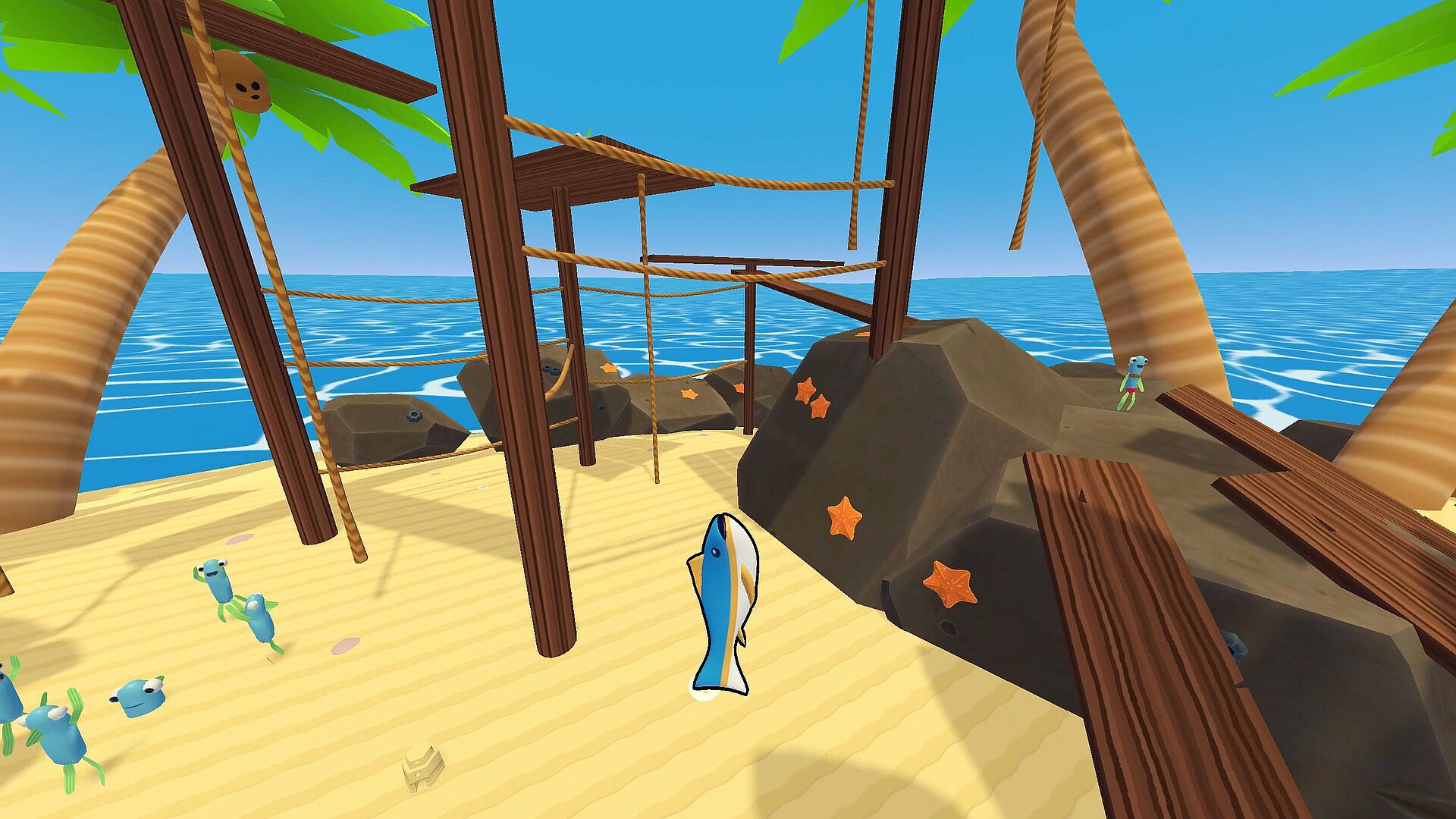
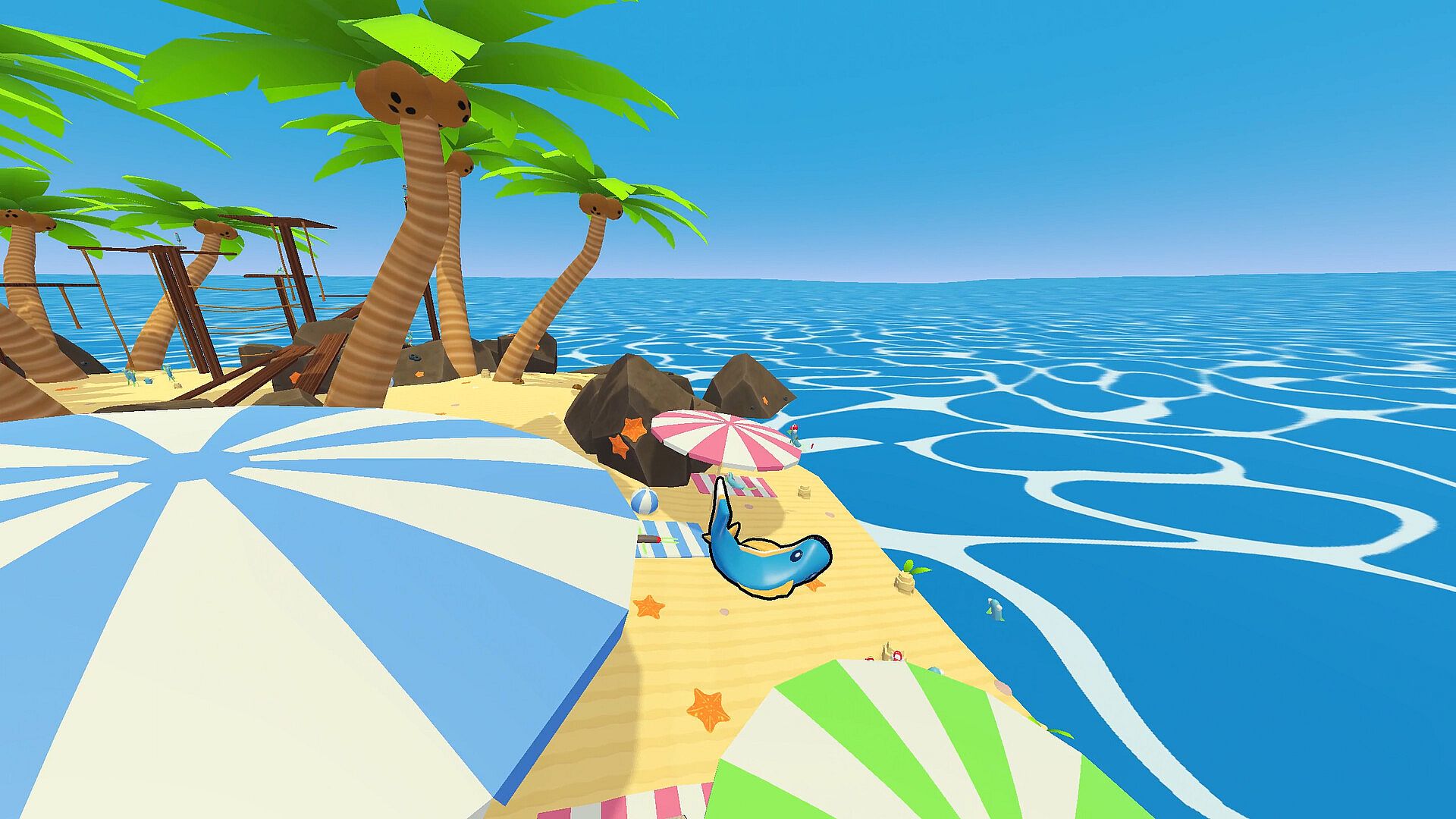
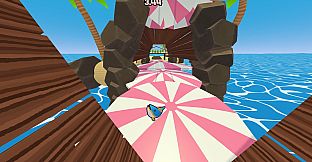
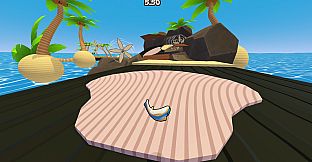
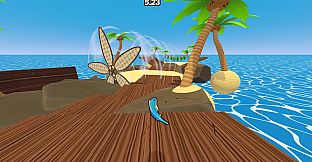
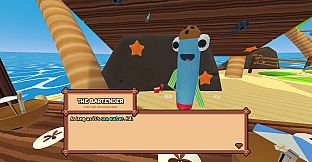
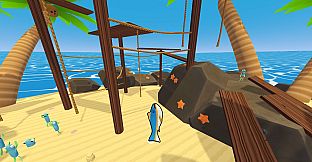
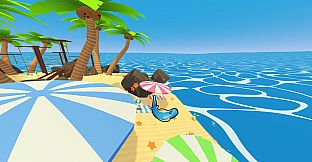
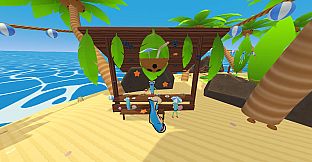
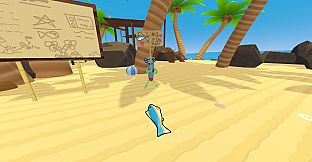
Flash The Floppy Fish is an action game built around ragdoll physics and speedrunning. Players control Finn, a determined underdog fish character, as he attempts to master movement on land after a background in ocean racing. The core experience revolves around precise control of floppy mechanics to complete handcrafted levels in the shortest time possible.
Gameplay
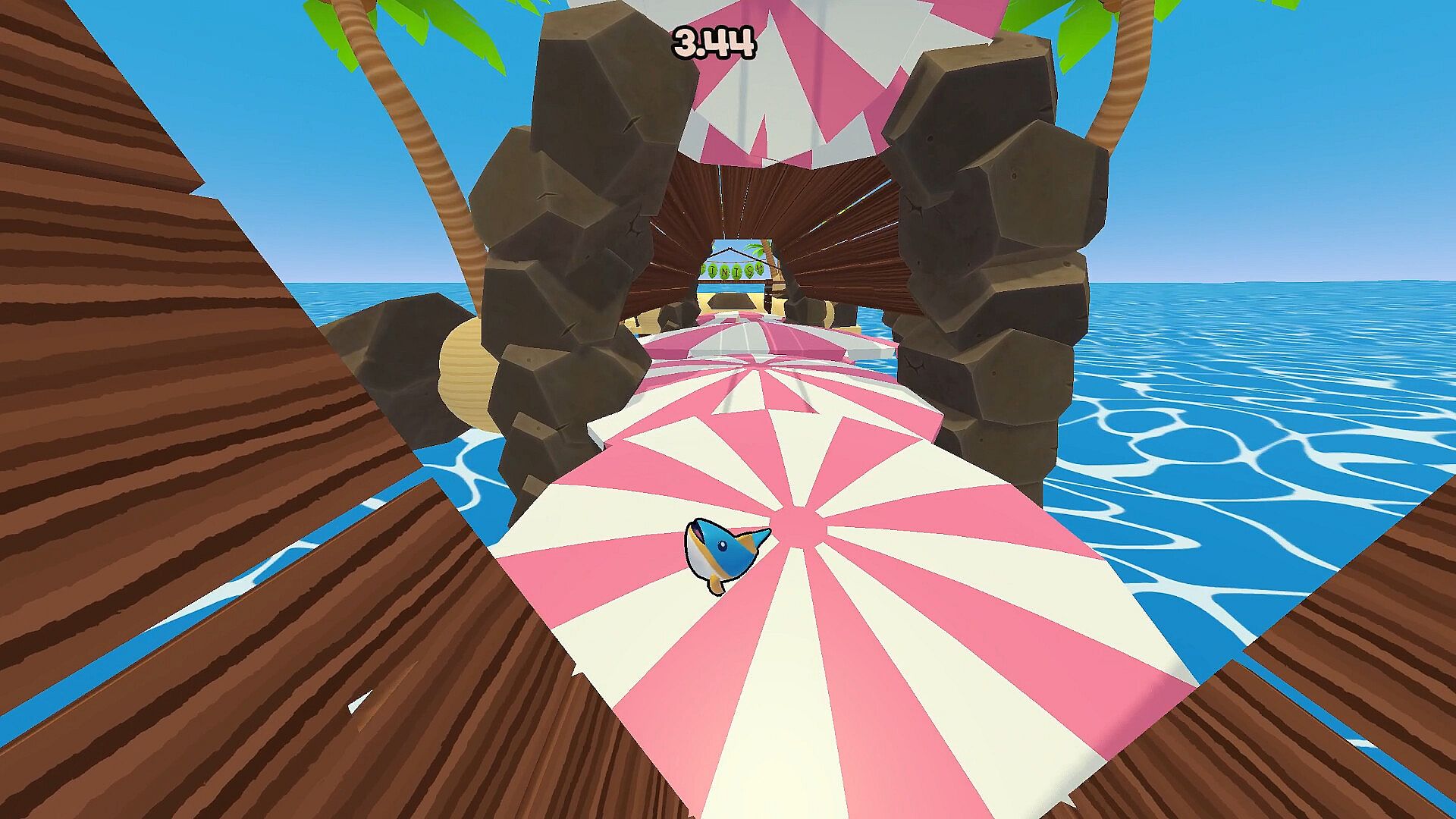
The gameplay centers on learning and refining the unique physics of a floppy fish body. Movement involves flopping and rolling in ways that feel unpredictable at first but reward consistent practice and experimentation. Each level presents a series of obstacles and paths that can be approached in multiple ways, encouraging players to test different routes and techniques to reduce completion times.
Progression comes from repeated attempts where small adjustments in timing and angle lead to noticeable improvements. The ragdoll system creates emergent behaviors that players must internalize, turning what starts as chaotic motion into deliberate, optimized runs. Exploration of level geometry plays a key role, as finding alternative routes often yields faster results than following obvious paths.
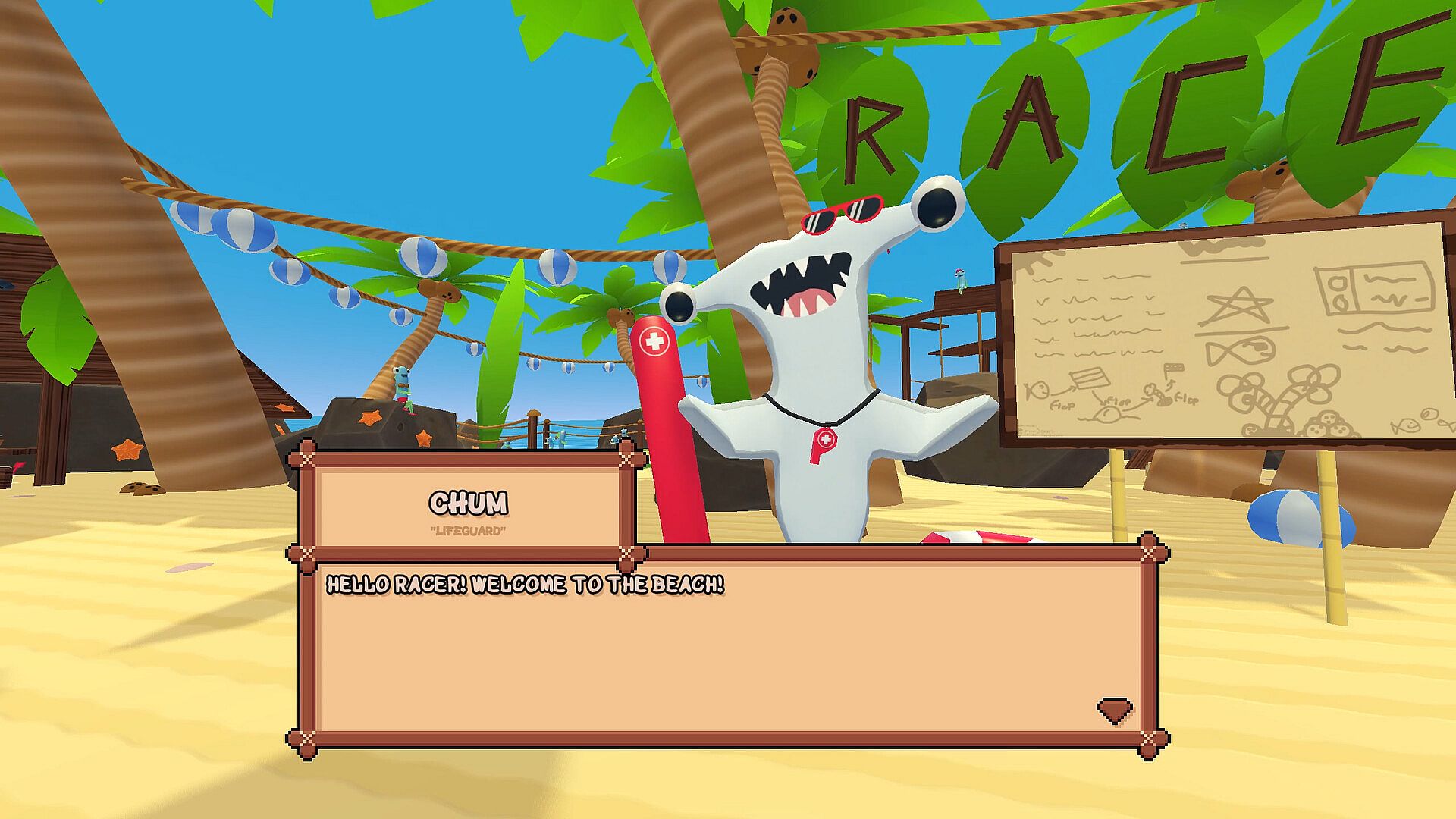
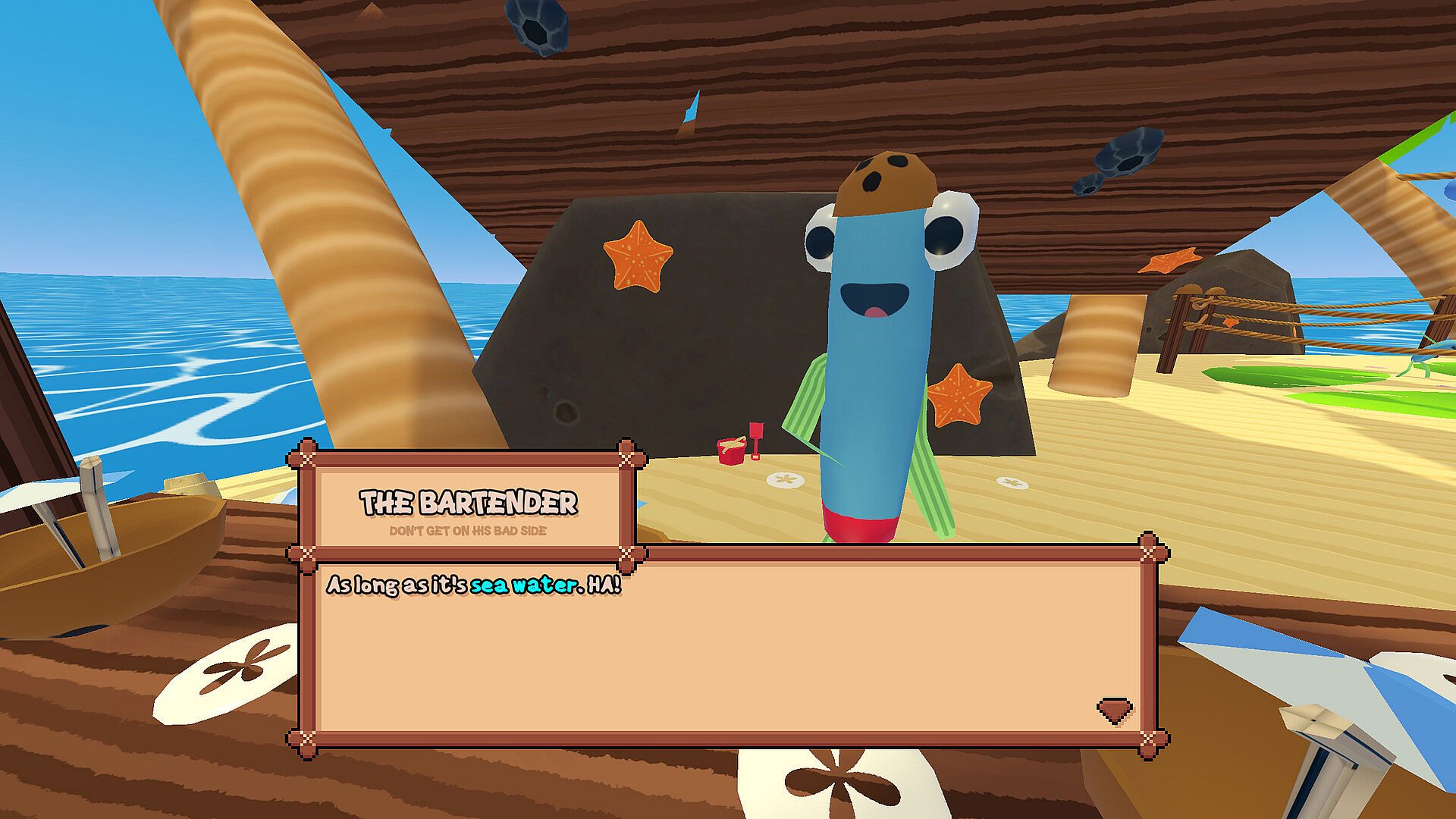
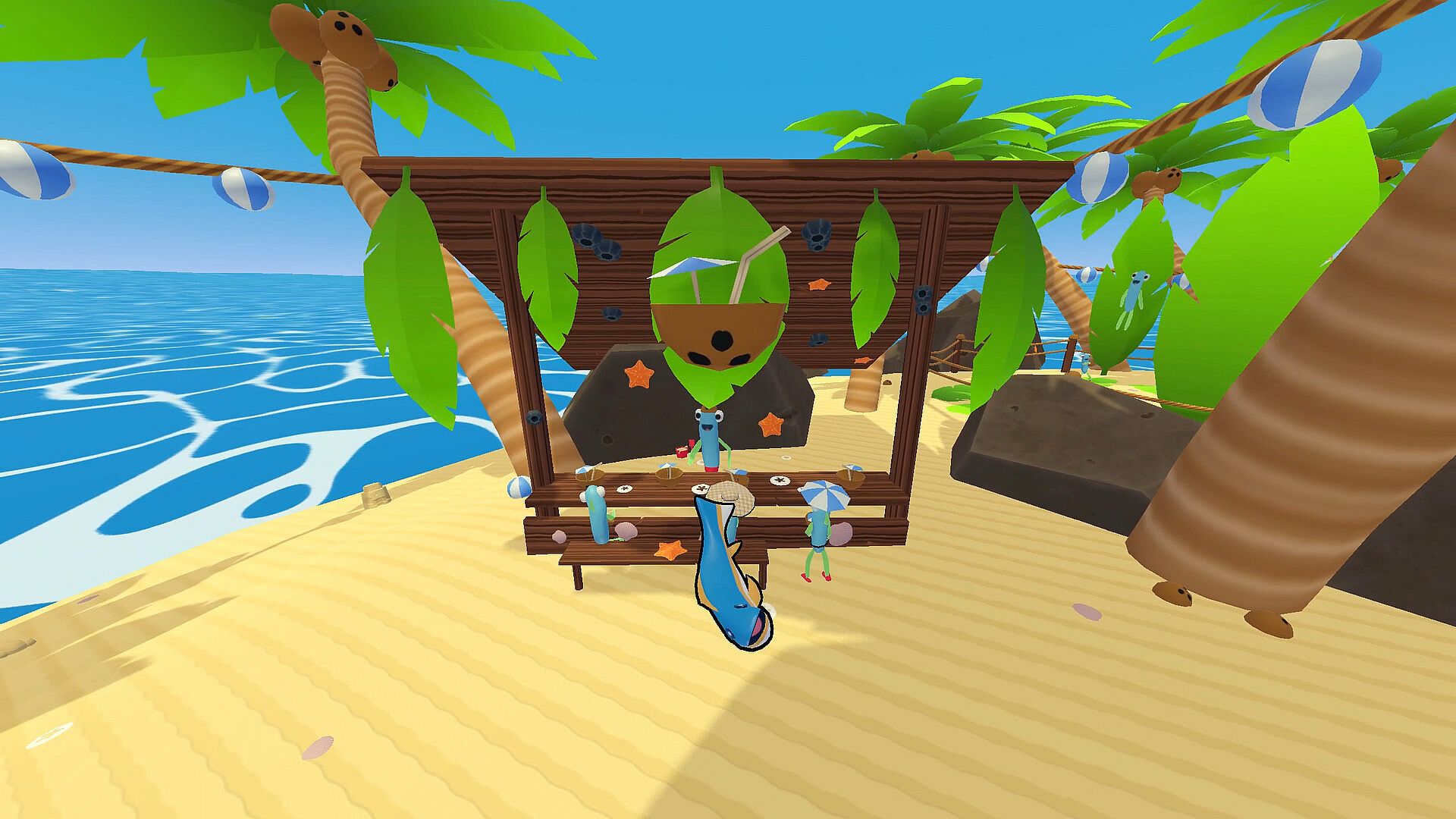
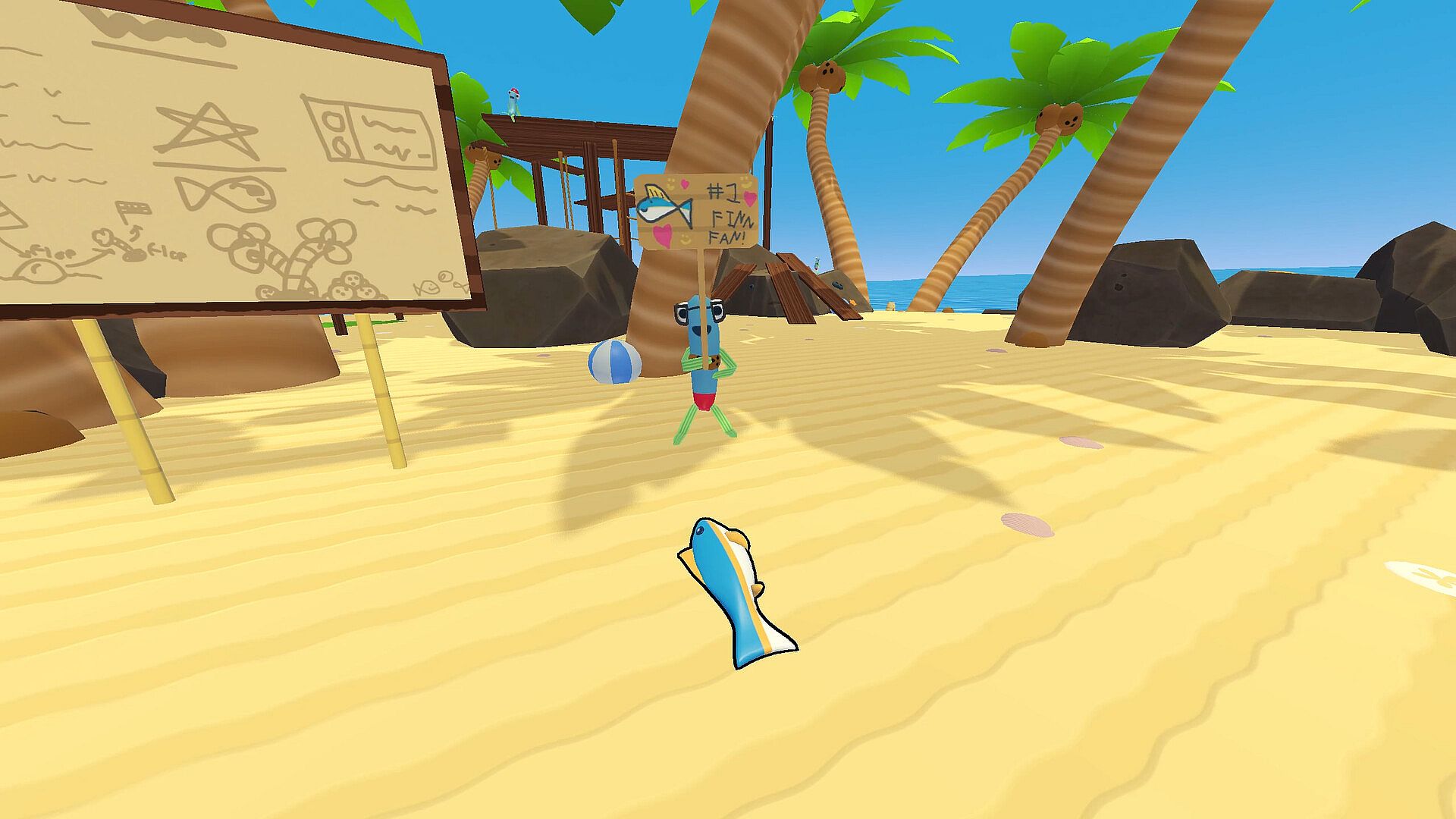
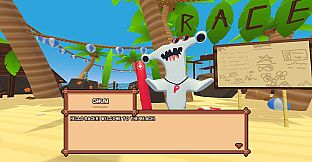
Interaction with other characters adds context to the races. These fishy figures provide dialogue that ranges from competitive banter to supportive comments, giving personality to the setting without altering the focus on physical mastery.
Game Modes
The game operates in a single-player format focused on time-based challenges across individual levels. Players work to beat their personal best times while attempting to discover quicker strategies through the physics system. There are no additional modes listed beyond this core loop of racing to the finish under the constraints of floppy movement.
Level traversal emphasizes freedom within the physics rules, allowing different approaches to the same objective. Competition is framed around personal records and comparisons with friends rather than live multiplayer elements.
Core Mechanics and Progression
Mastering fast flopping forms the central skill loop. Players refine their technique to maintain momentum while navigating terrain that punishes imprecise inputs. The depth comes from how the ragdoll responds to subtle changes in player direction and timing, creating opportunities for advanced shortcuts once the basics are understood.
Ranking up occurs through faster finishes, which ties directly into the speedrunning focus. Levels are designed to support multiple viable paths, rewarding creative problem-solving with the fish's body rather than linear progression through fixed checkpoints.
Is It Worth Playing?
This title suits players who enjoy physics-driven challenges and the process of optimizing runs through trial and error. The emphasis on discovering personal shortcuts and shaving seconds off times aligns with speedrunning interests, particularly for those drawn to unconventional movement systems.
With no released version available yet, reception remains limited to the described mechanics. Those who value single-player experimentation over story or combat may find the focus on floppy physics engaging once the game launches. The experience appears tailored to dedicated practice sessions rather than casual playthroughs.