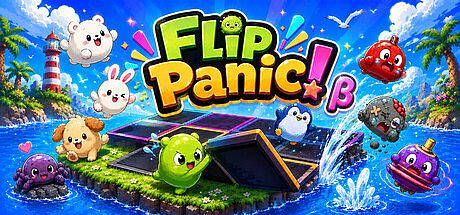


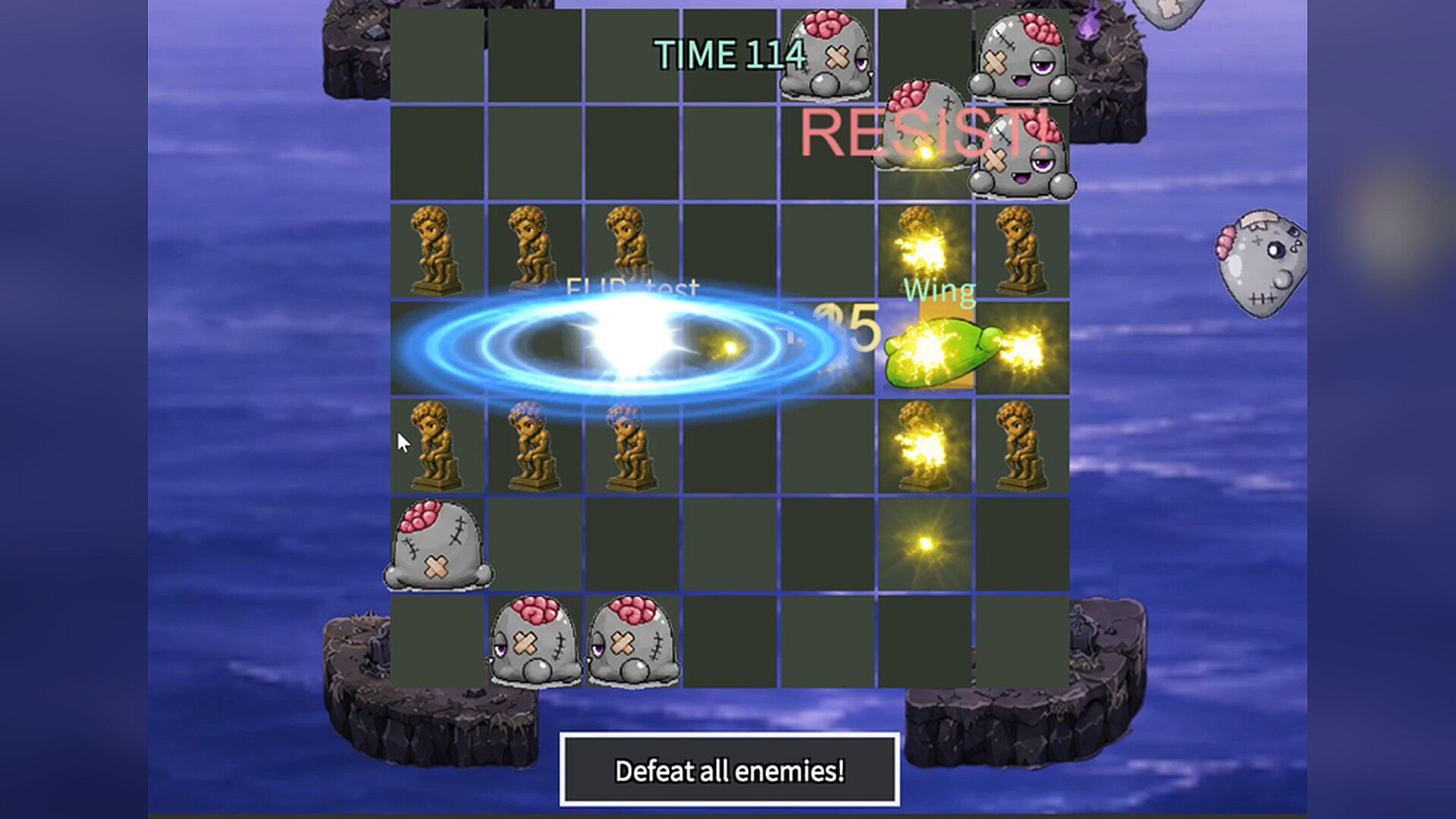
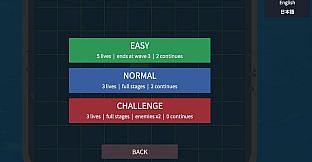

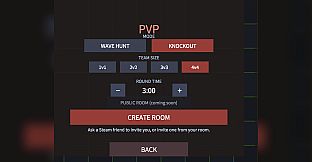
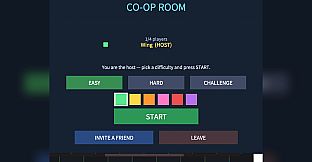
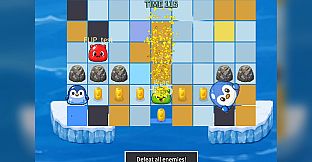
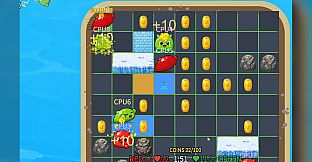
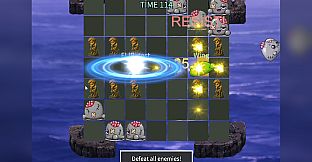
FlipPanic is a top-down action game built around fast panel-flipping combat on isolated arenas. Players move across a grid of floor panels and flip them to launch anything standing on top straight off the edge. The core loop stays simple on the surface yet rewards precise positioning and quick decisions in every match.
Gameplay
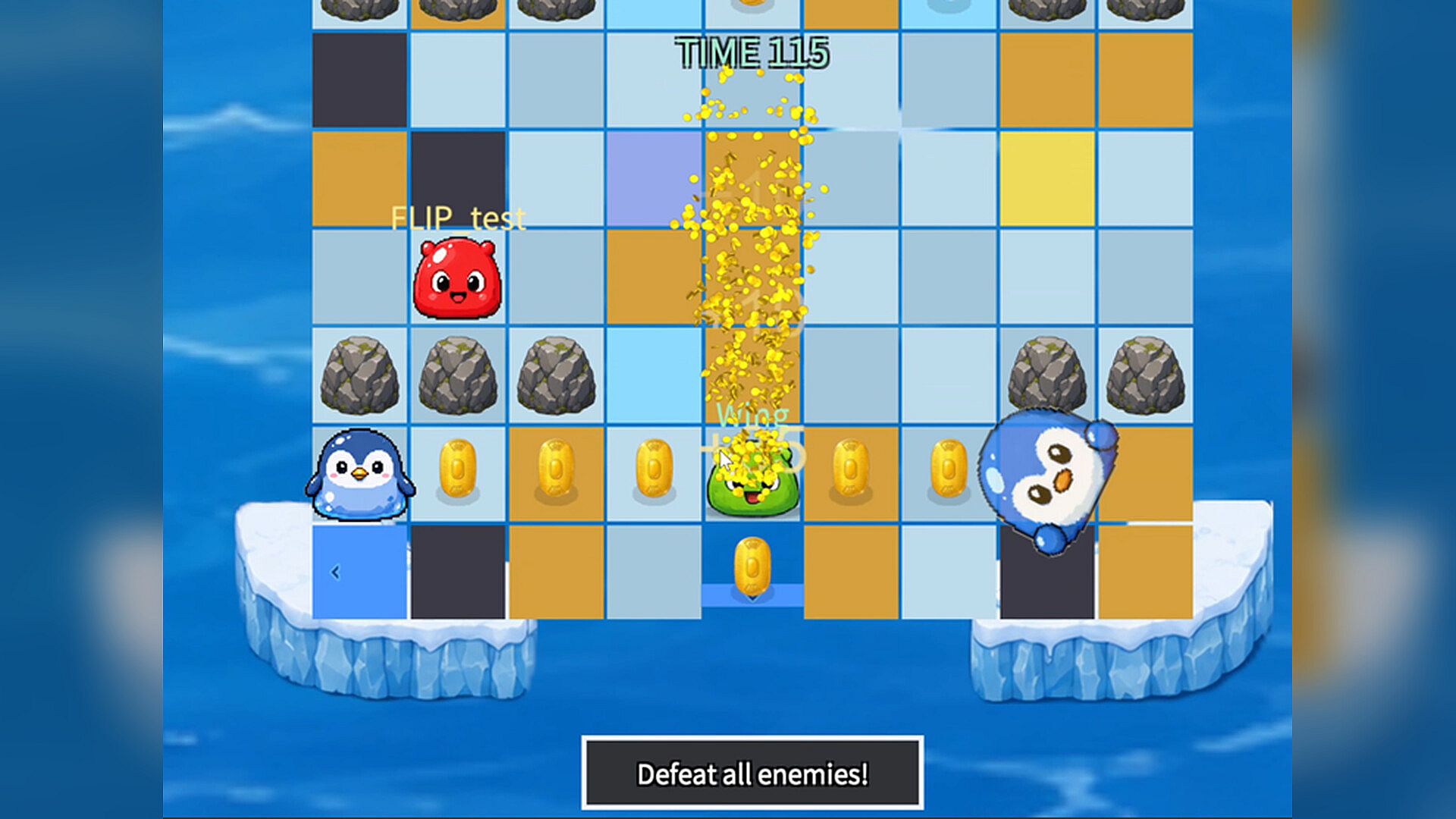
Control focuses on movement and a single flip action. Walking onto a panel and flipping it sends enemies or allies flying out of the arena. A charge shot option stuns targets in place, giving extra time to set up flips or clear multiple panels at once. Timing matters because panels reset after each flip, and positioning determines whether a flip removes threats or creates new openings for opponents. The absence of weapons keeps attention on arena layout and movement patterns rather than loadouts or upgrades.
Each flip carries risk because the same mechanic applies to every character on the board. Players learn to read enemy paths and anticipate where teammates or rivals will stand next. The result is a constant back-and-forth of setup and reaction that stays readable after a few rounds but grows more layered with repeated play.
Game Modes
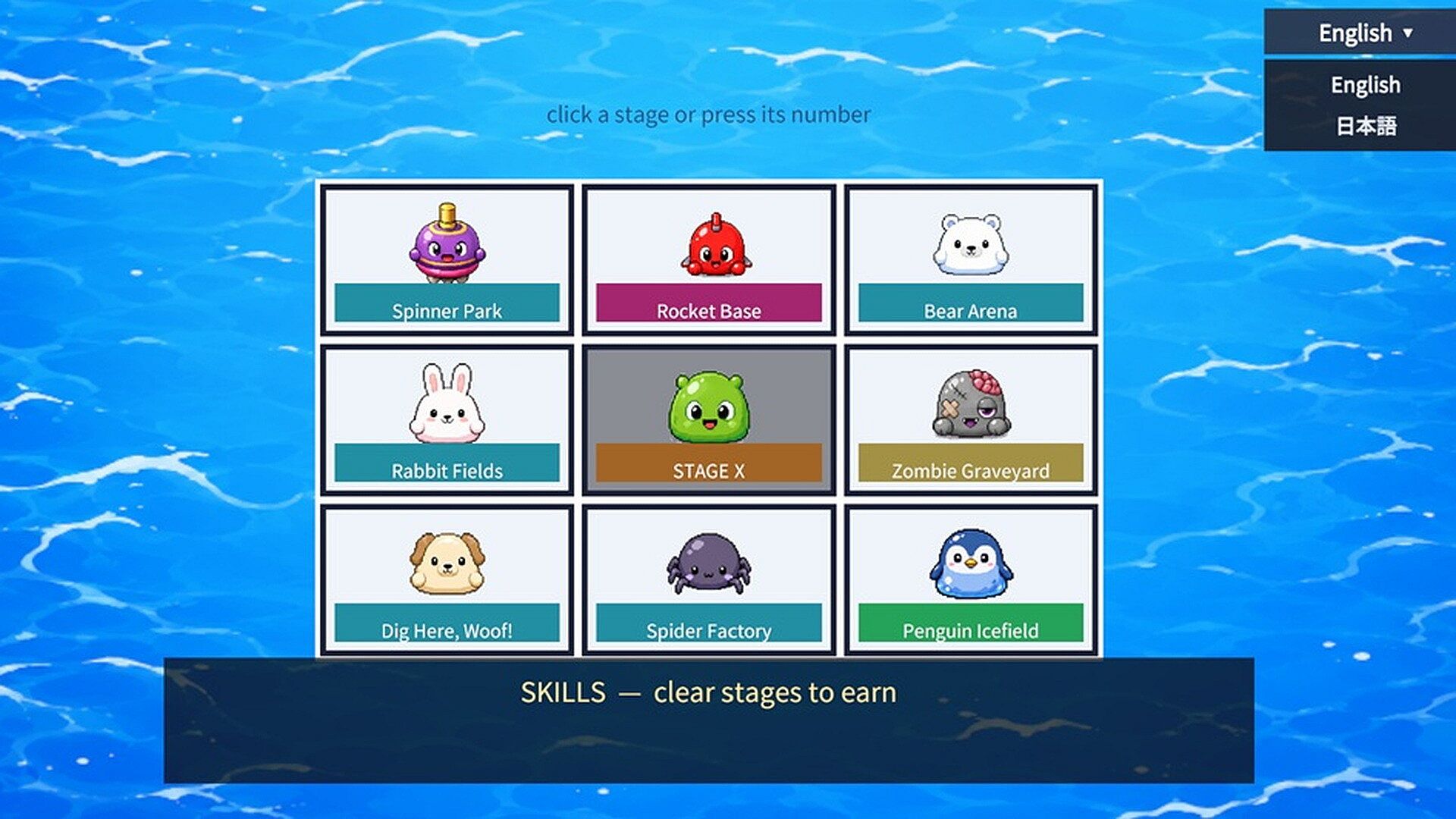
Solo mode sends players through eight stages that build in complexity before a final boss encounter. The structure emphasizes learning panel layouts and enemy behaviors without outside interference.
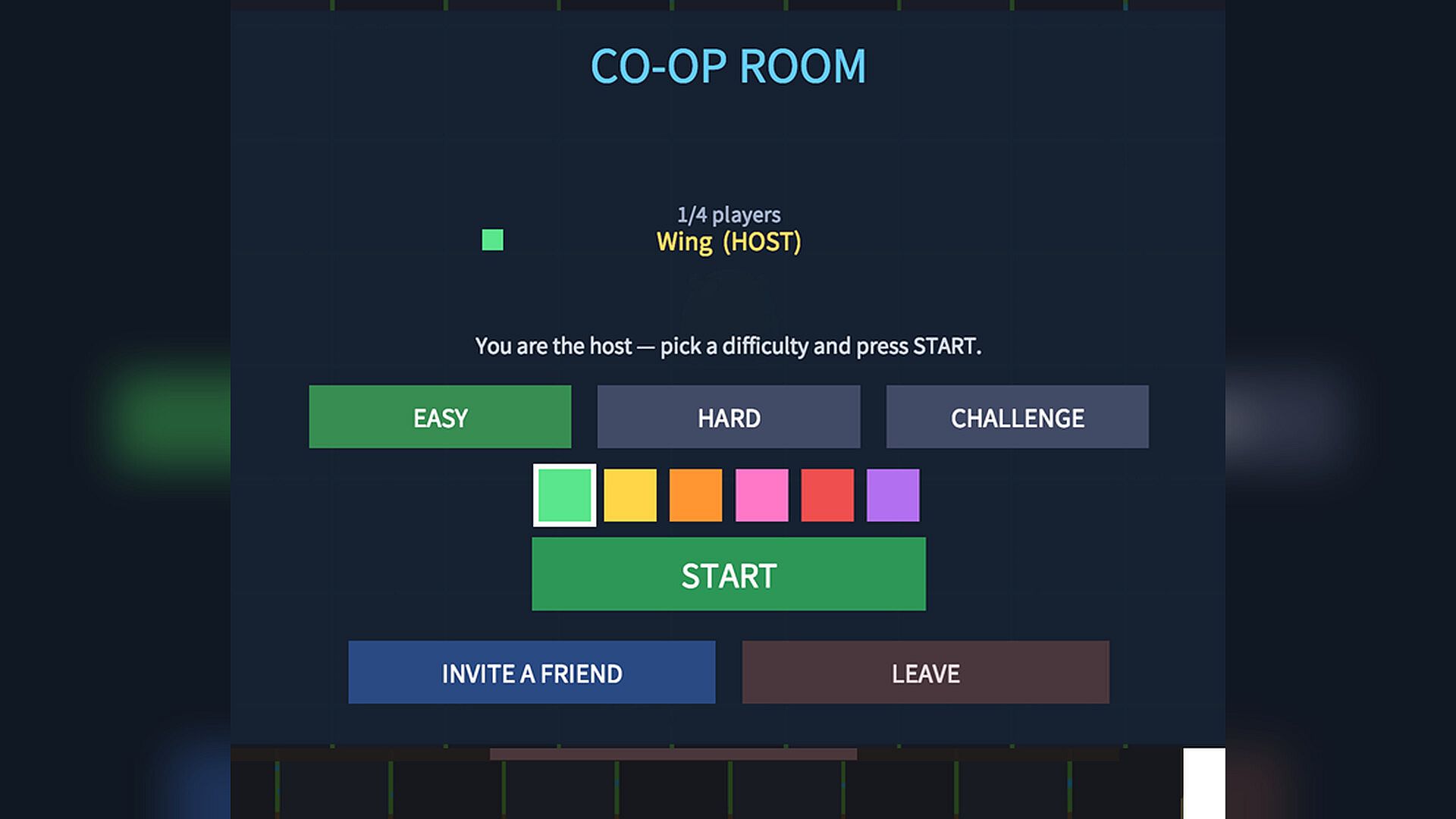
Online co-op lets groups work together to survive waves of enemies. Voice chat support helps coordinate flips, yet the shared flip mechanic means accidental launches of teammates remain possible and count as valid outcomes under the rules.
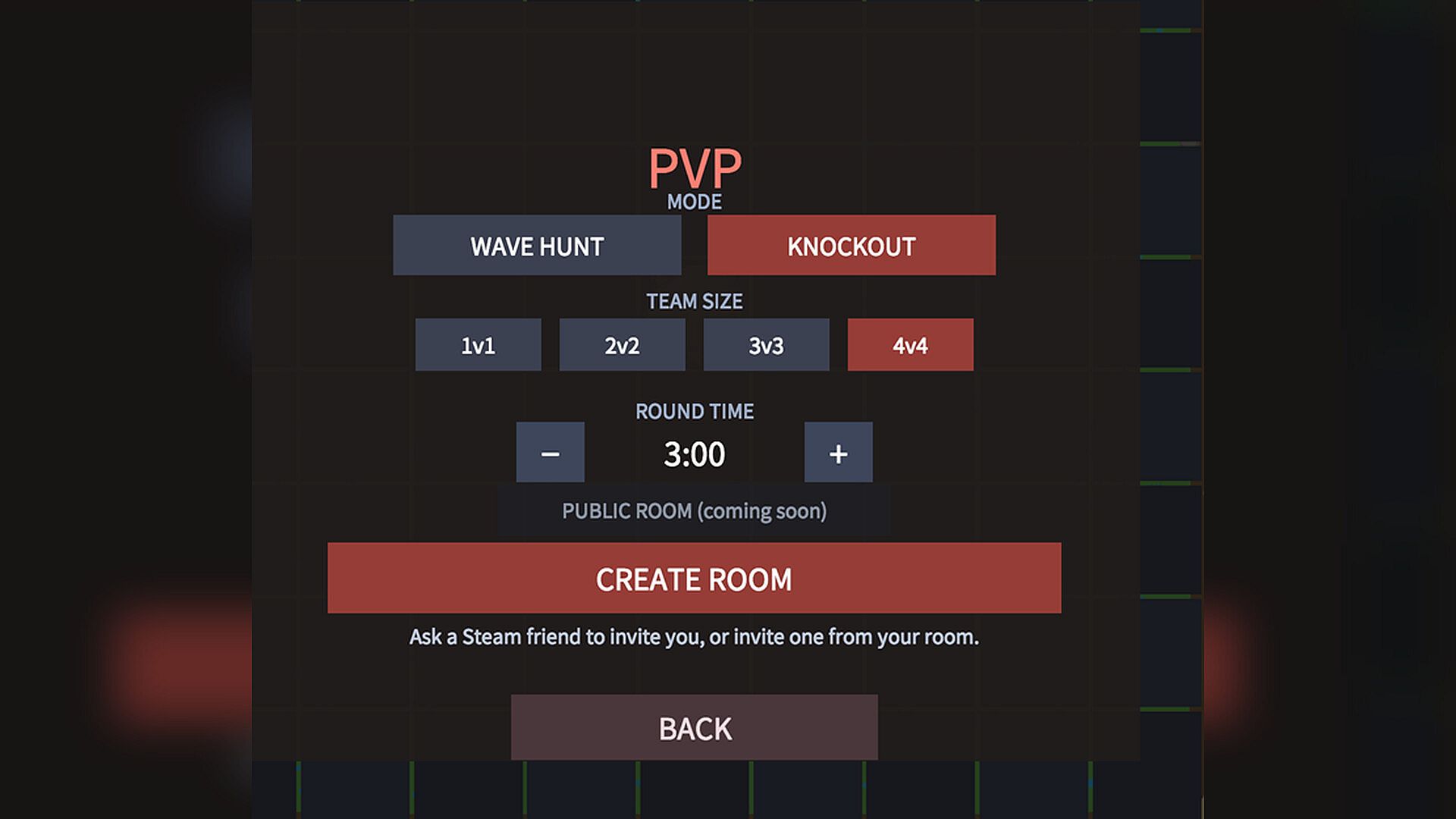
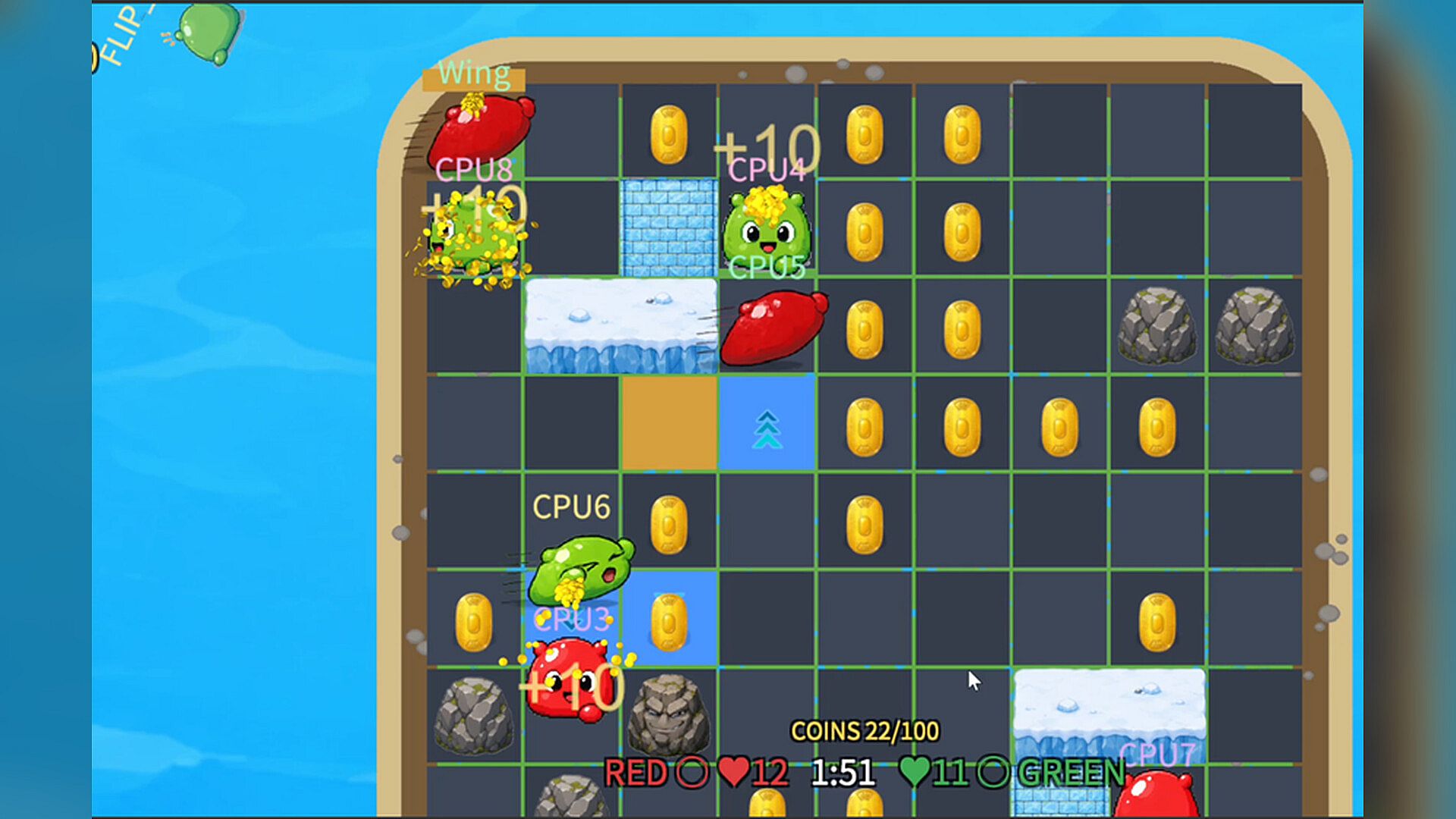
PvP pits players against each other in point-based rounds. Eliminations add to individual scores, and the match continues until only one remains standing. The mode highlights direct competition over arena control and last-second flips.
Visual Style and Design
The presentation draws from classic arcade titles with clean, readable sprites and straightforward stage designs. Bright colors and minimal UI keep focus on the grid and the characters moving across it. The overall feel captures the immediate pick-up-and-play quality of older coin-op games while supporting modern online sessions with friends.
Stages vary enough to change how flips interact with edges and obstacles, yet they remain small enough that one or two rounds reveal the key sightlines and safe zones. This balance supports both short sessions and longer runs without requiring long tutorials.
Is It Worth Playing?
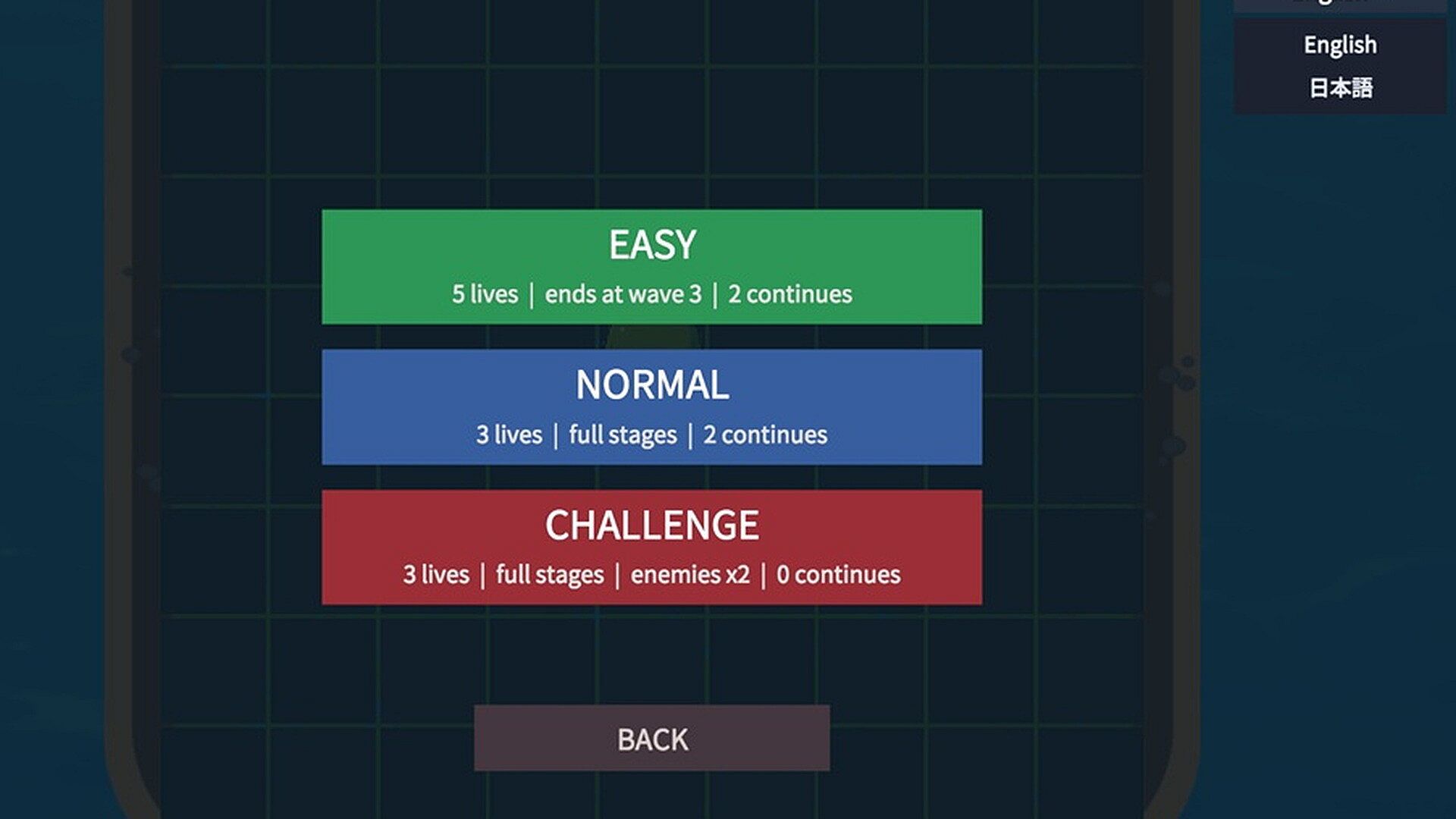
FlipPanic suits players who enjoy party-style action with clear rules and room for friendly competition or cooperation. The demo currently available lets anyone test the flip mechanics and all three modes before committing further. Those who like games built on positioning and shared risk rather than complex weapon systems or progression trees will find the loop engaging from the first round.
Because the full release remains upcoming, the current version centers on core gameplay without additional layers. Players looking for a lightweight multiplayer experience that works well in short bursts or longer co-op nights can explore the demo to decide if the style matches their preferences.