














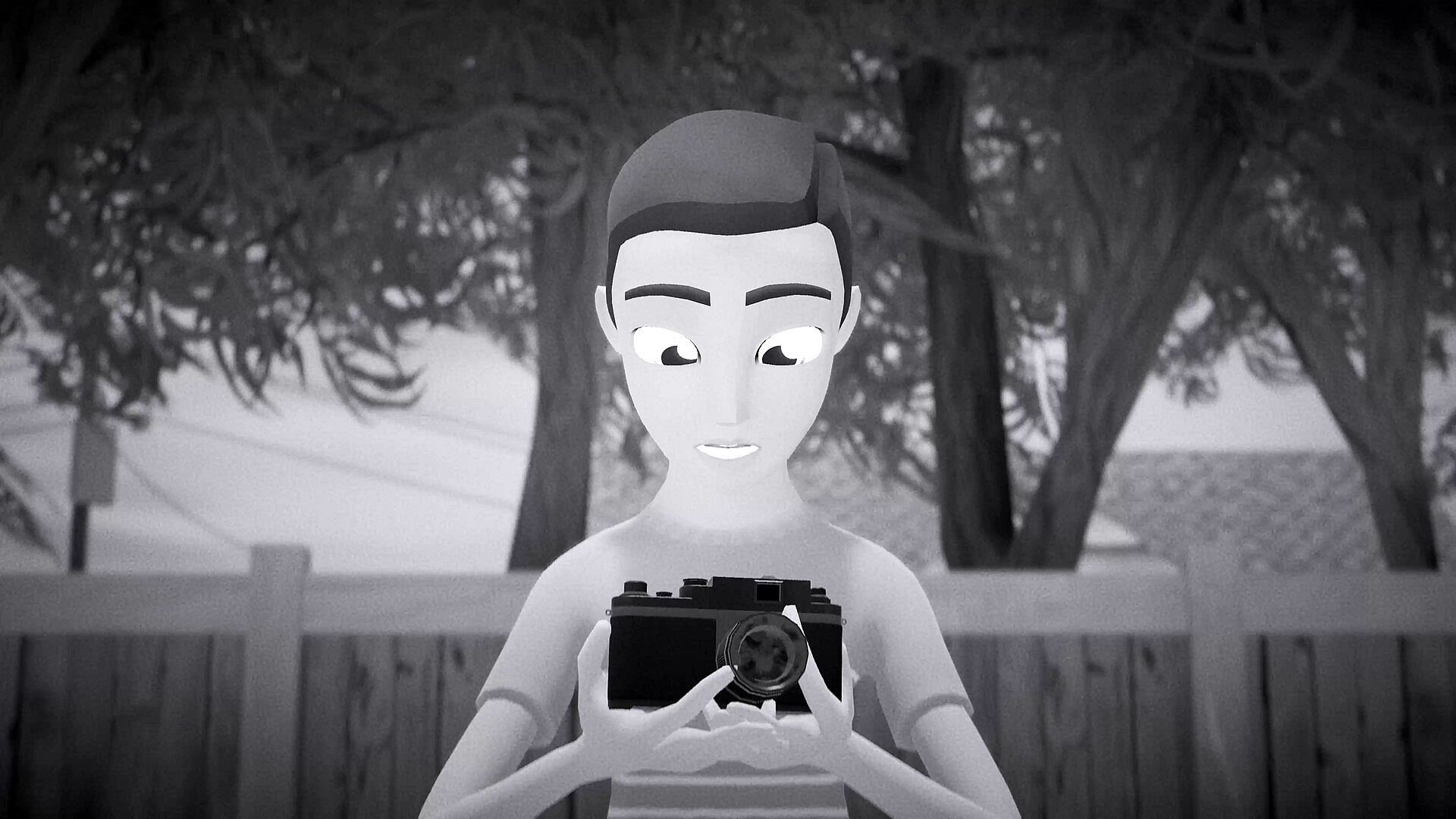
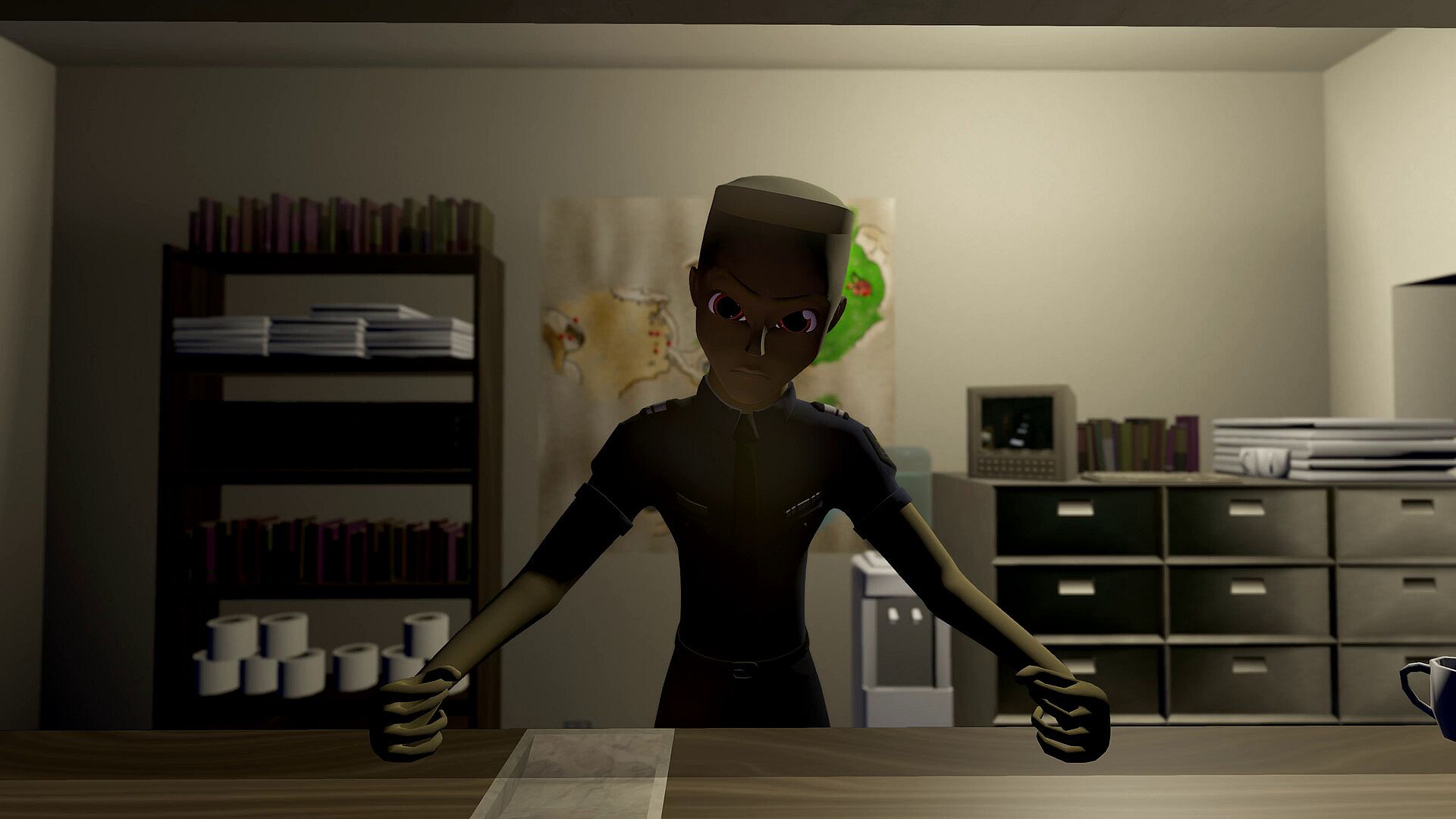
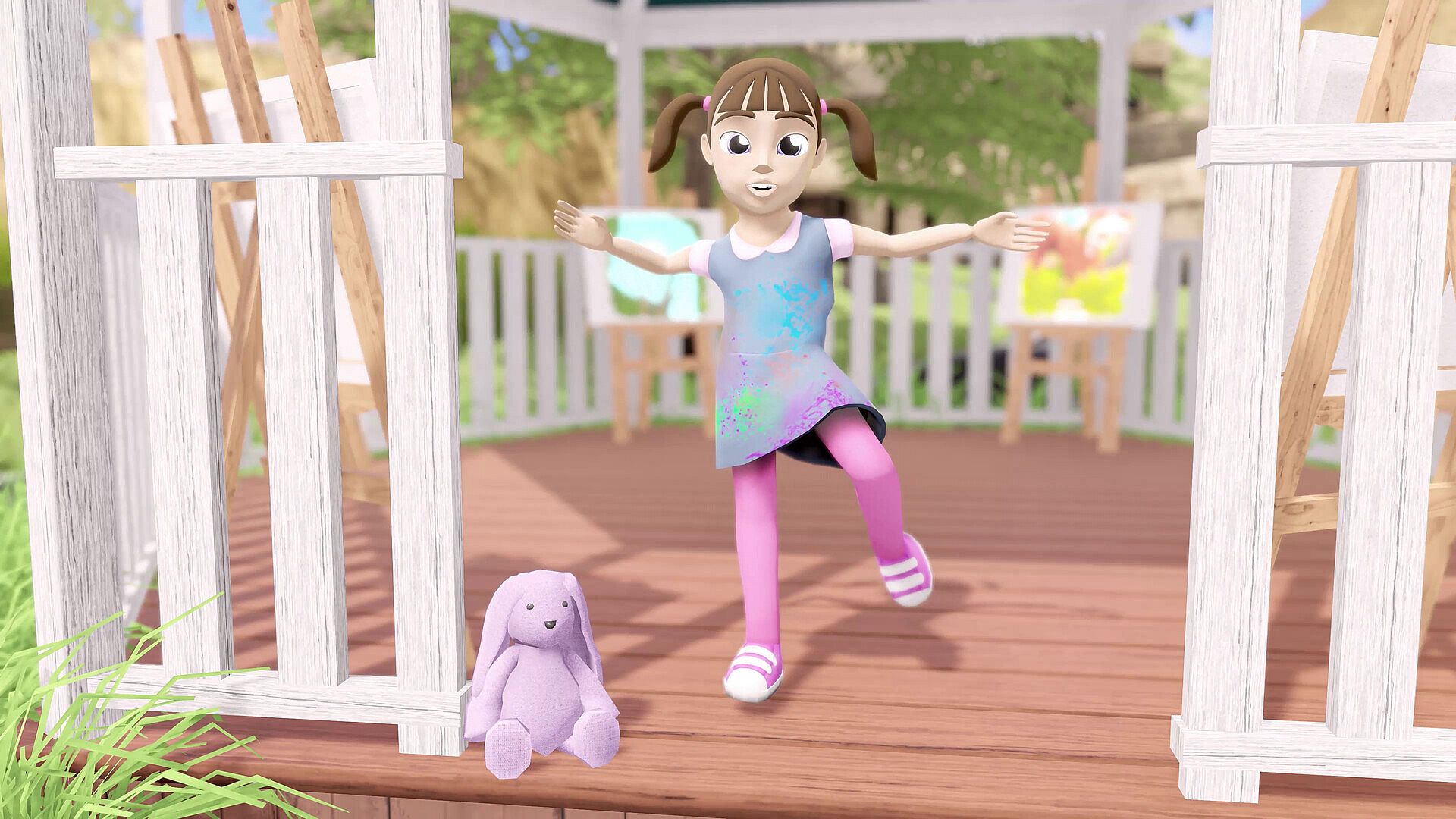
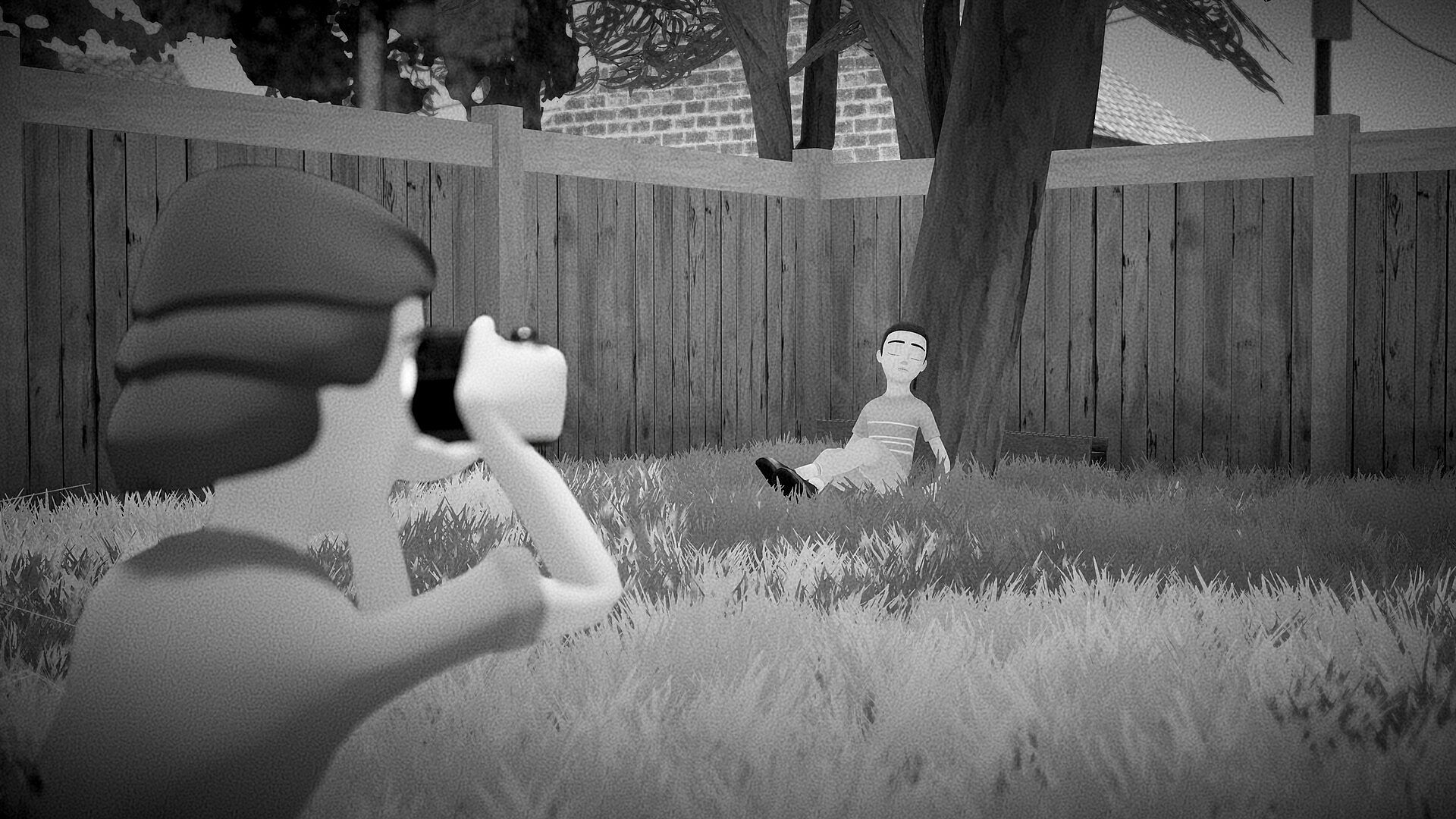
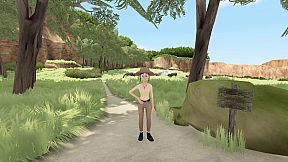

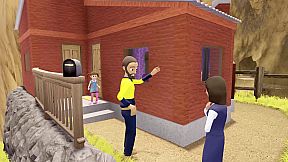
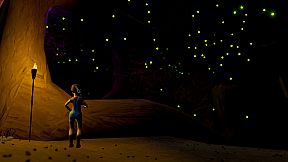
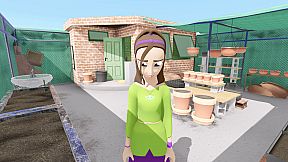

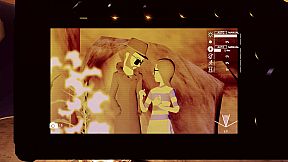



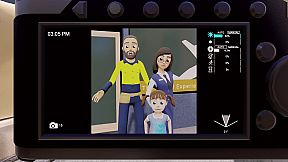
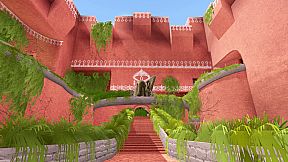
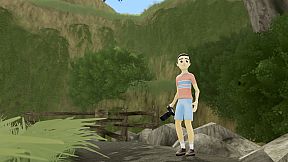

Fomography is an indie casual adventure game centered on photography and personal memory. Players take on the role of an aging man who revisits fragments of his past by stepping into the perspective of his younger self. The experience unfolds through first-person exploration and camera-based interactions that drive the narrative forward.
Gameplay
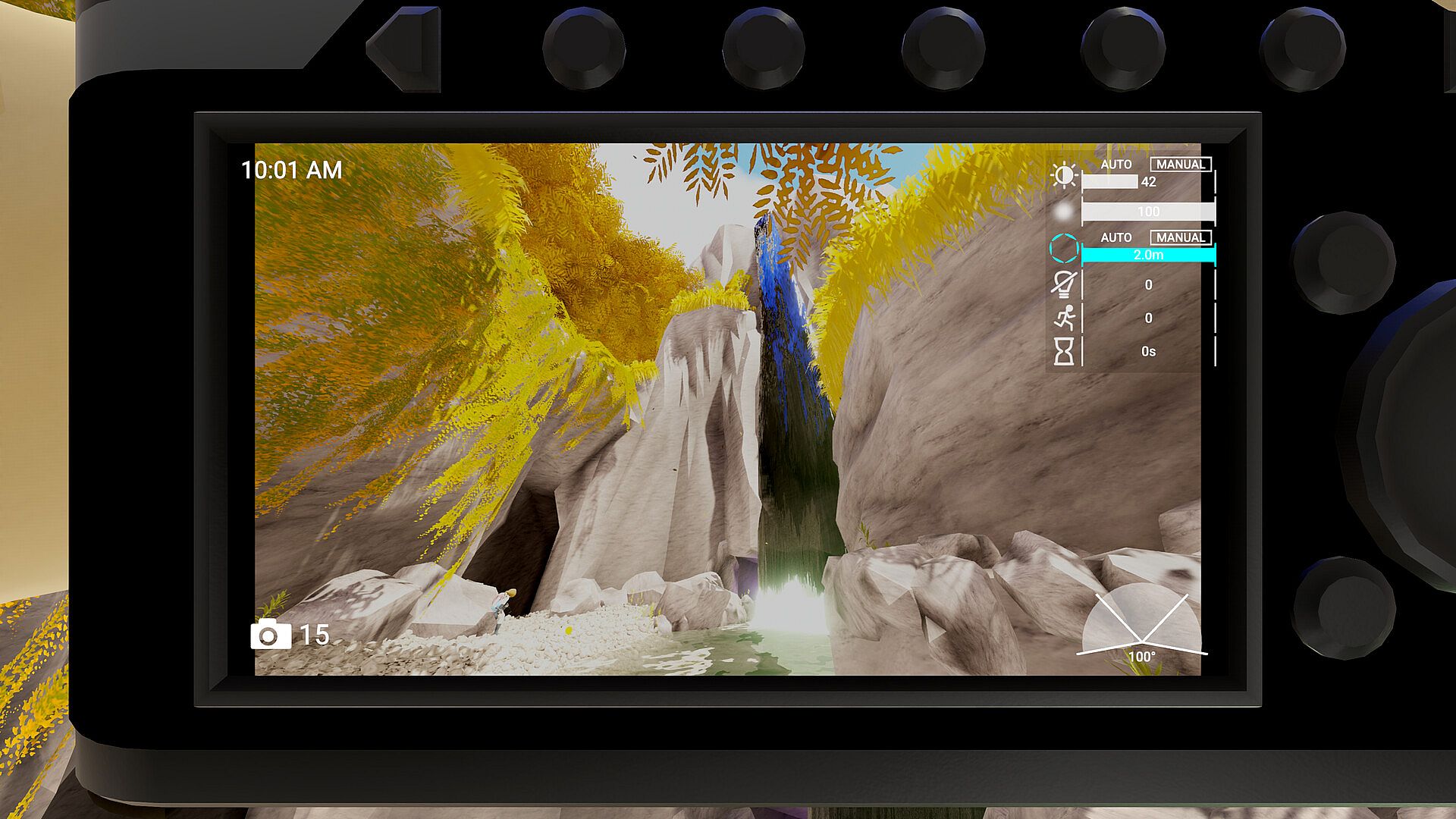
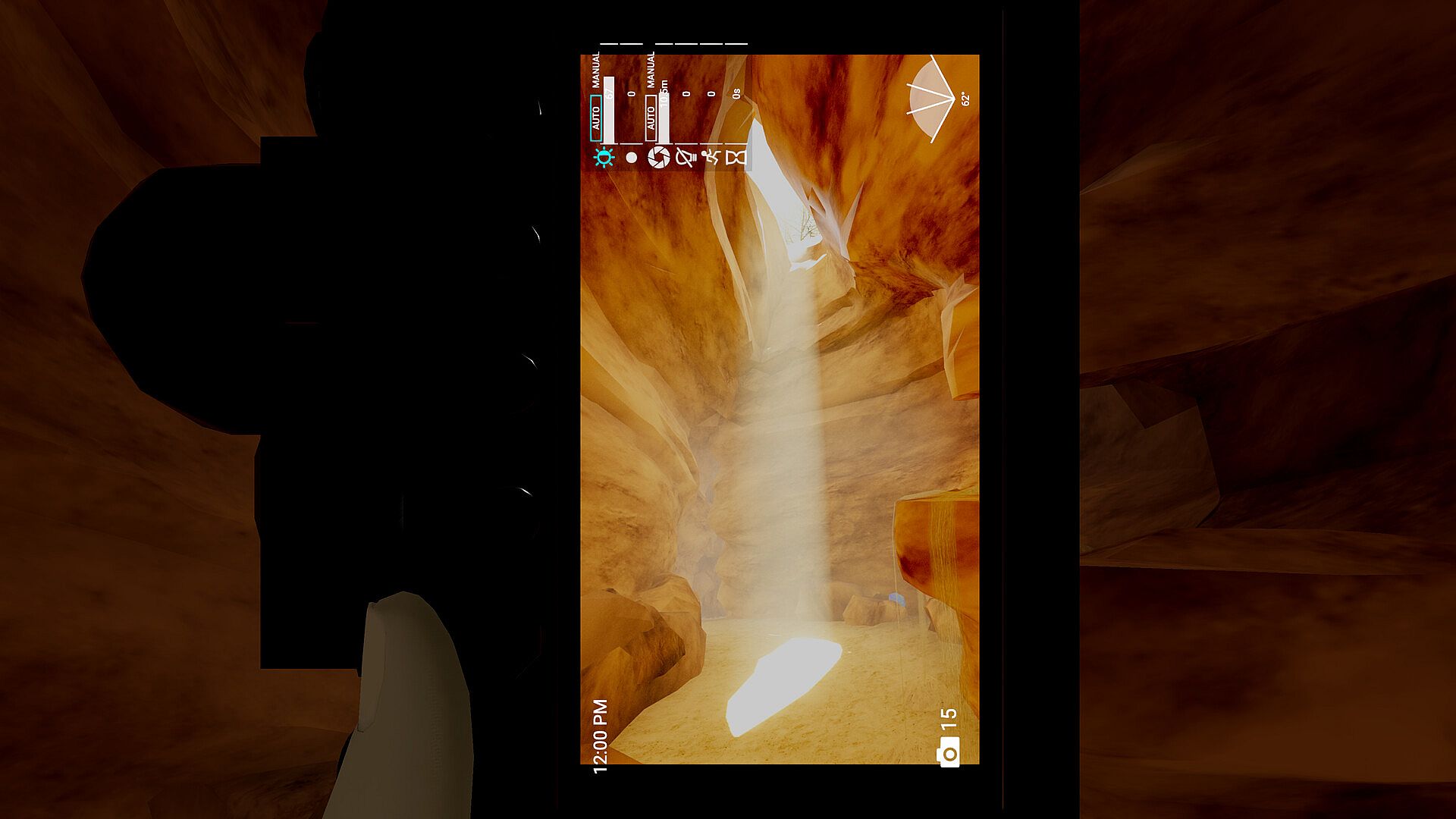
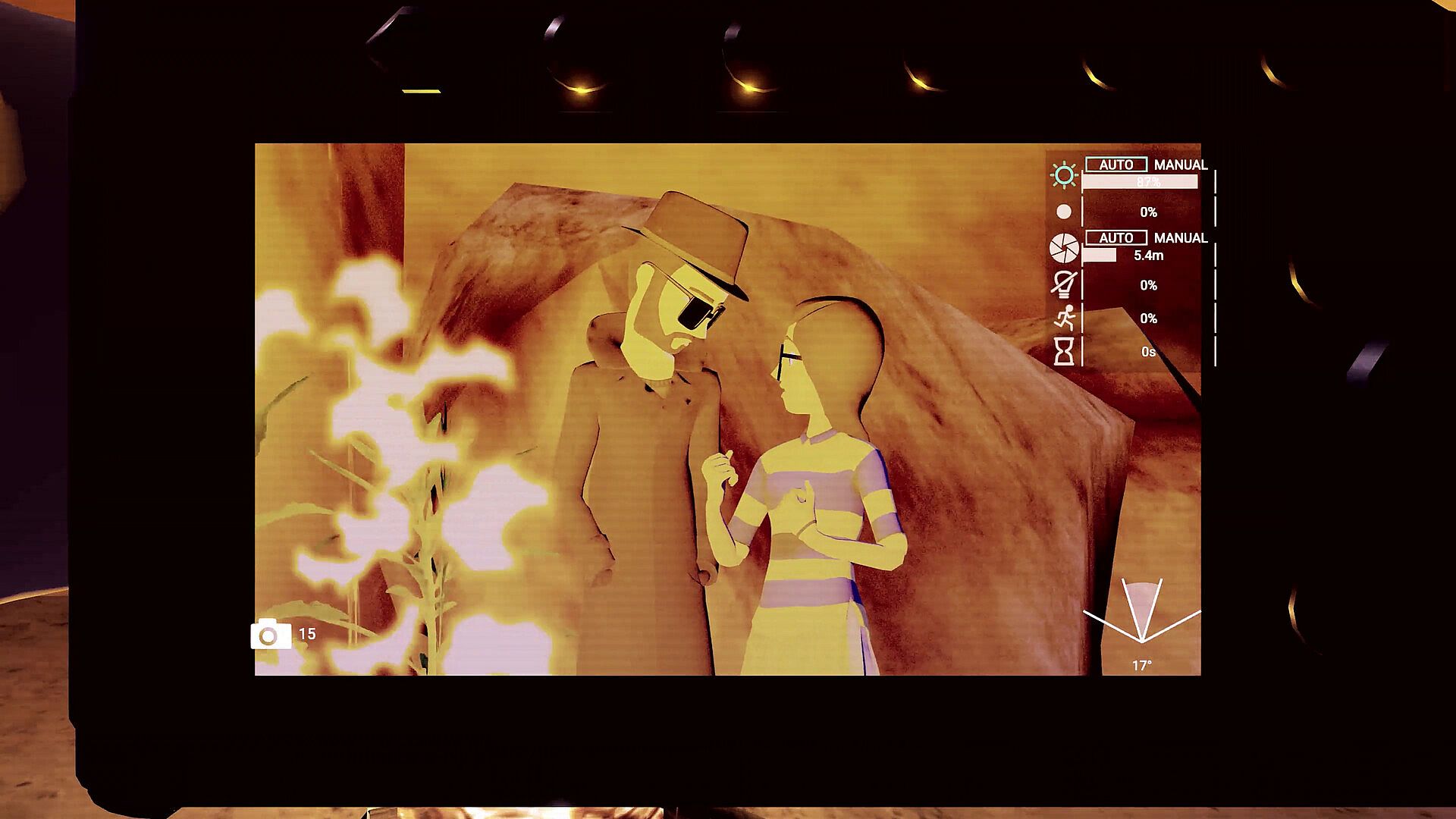
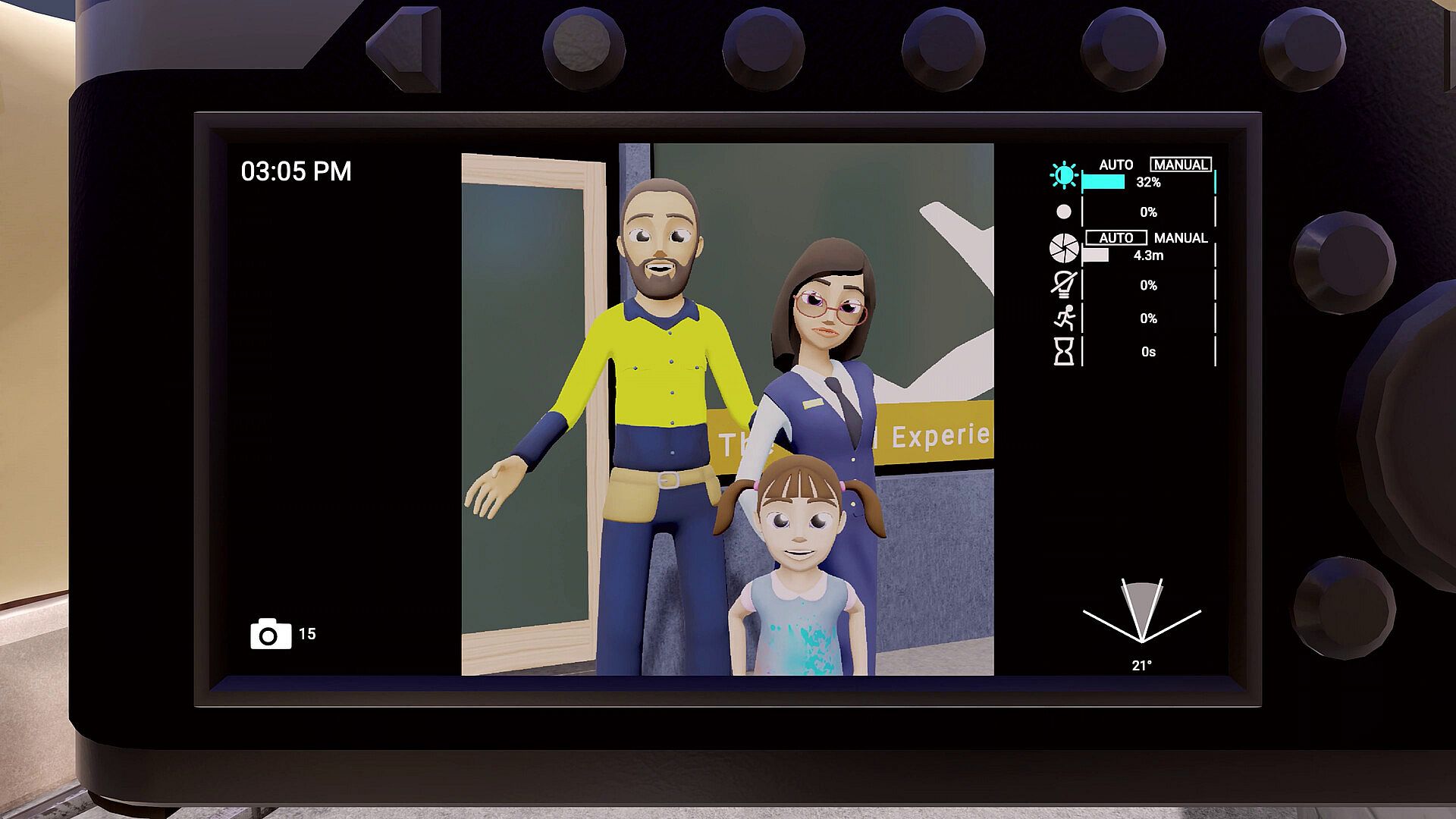
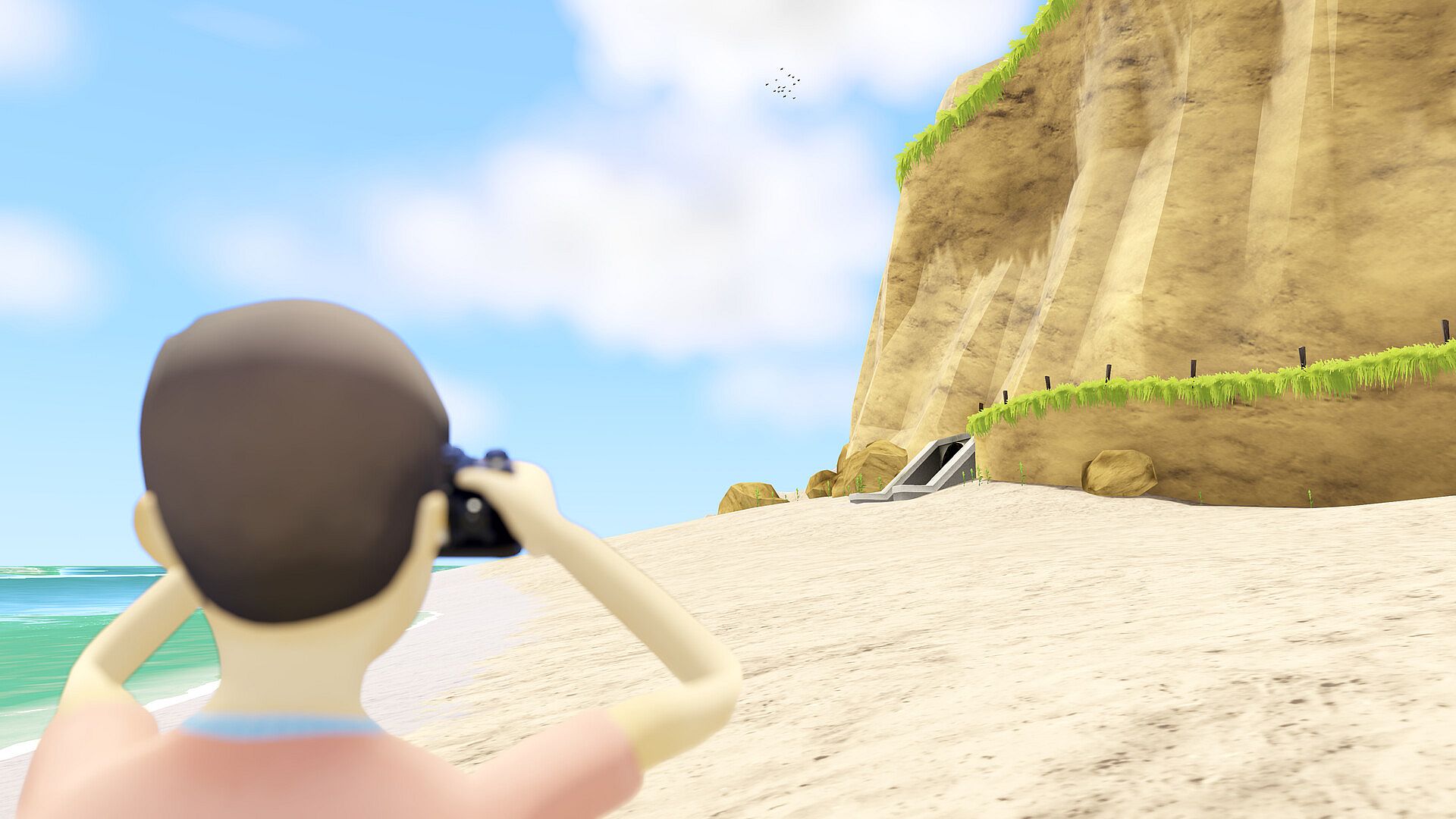
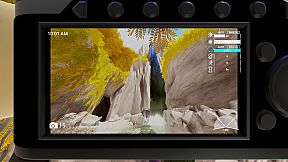
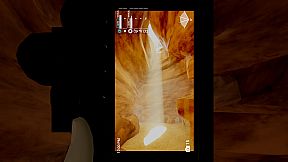
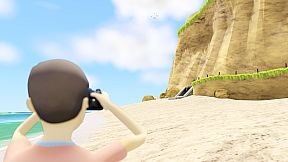
The core loop revolves around navigating environments while using a camera to capture specific subjects that advance the story. Players move through detailed locations, speak with characters, and fulfill requests by photographing particular scenes or objects. Each successful shot unlocks new recollections and reveals additional layers of the central mystery. The camera serves as the primary tool for both progression and expression, with mechanics that encourage careful framing and timing to preserve fleeting details before they fade.
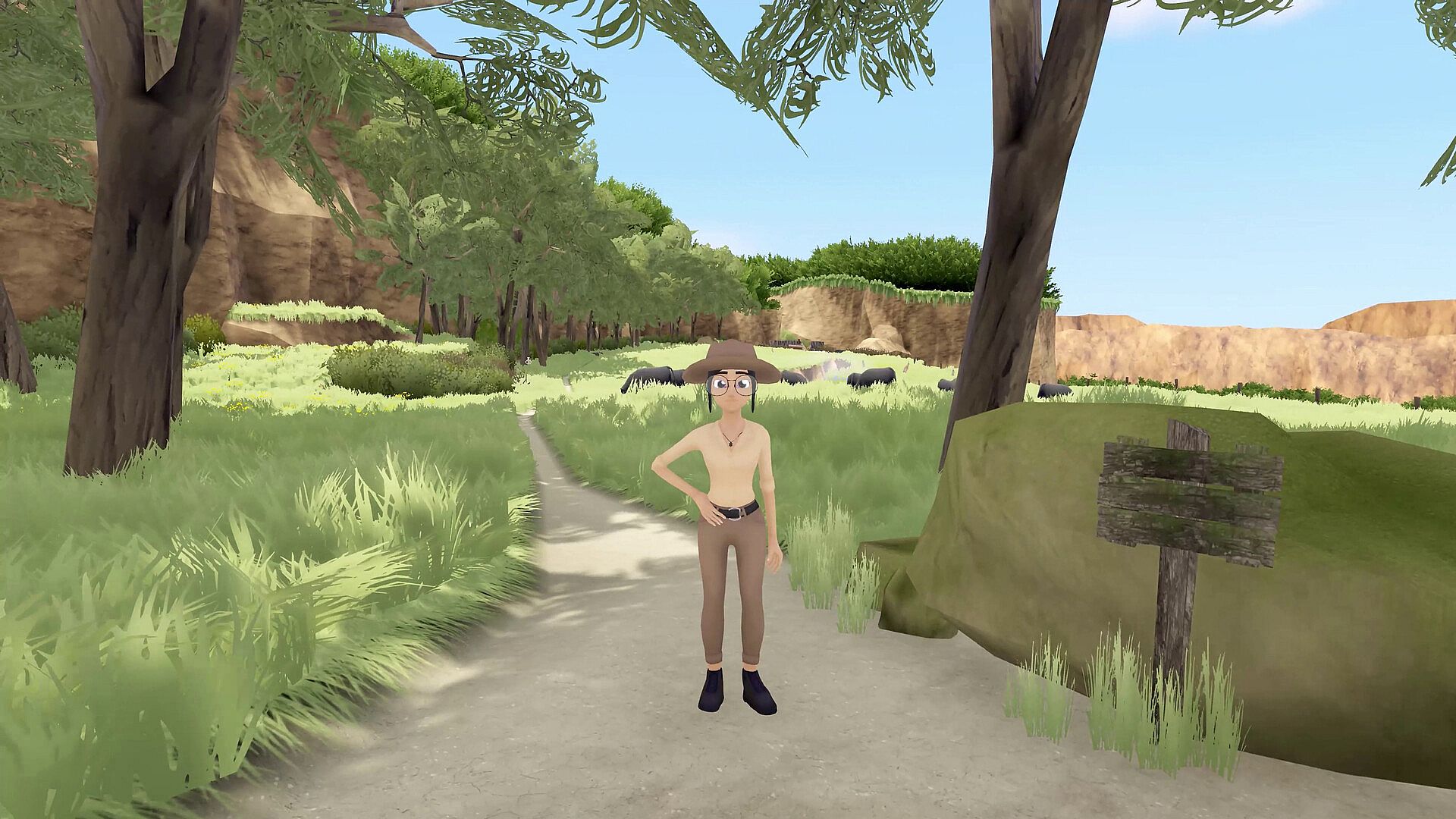
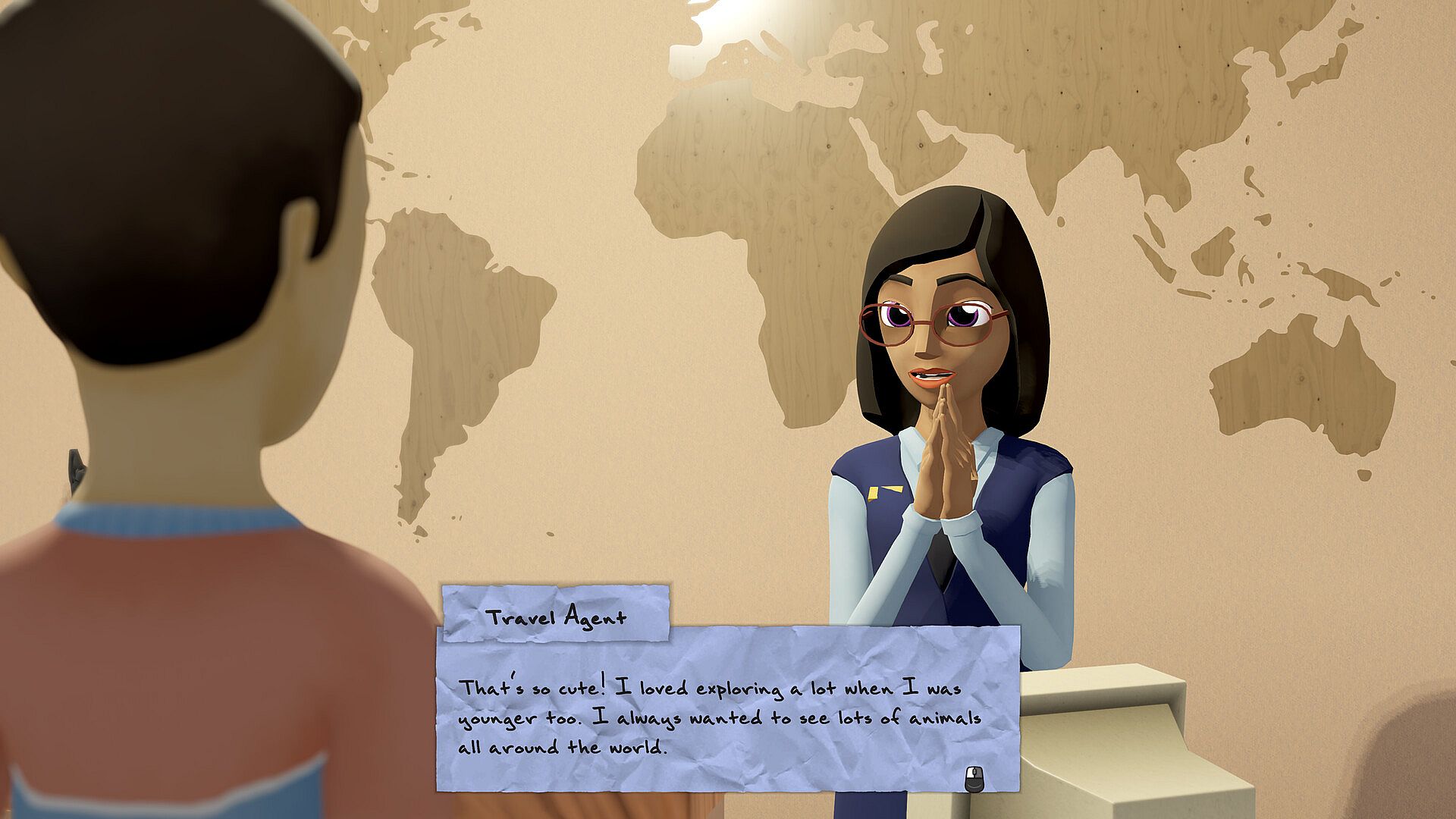
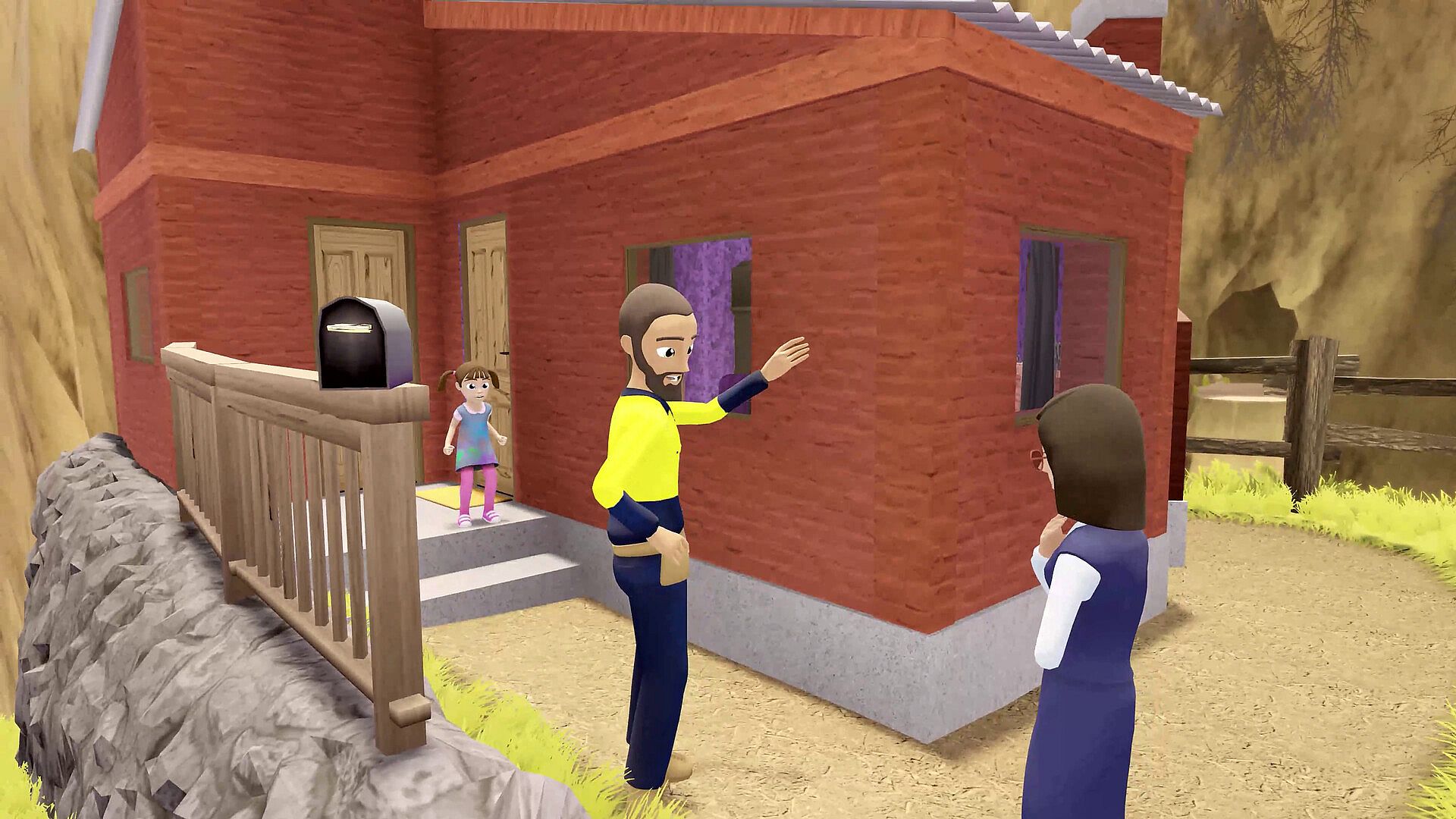
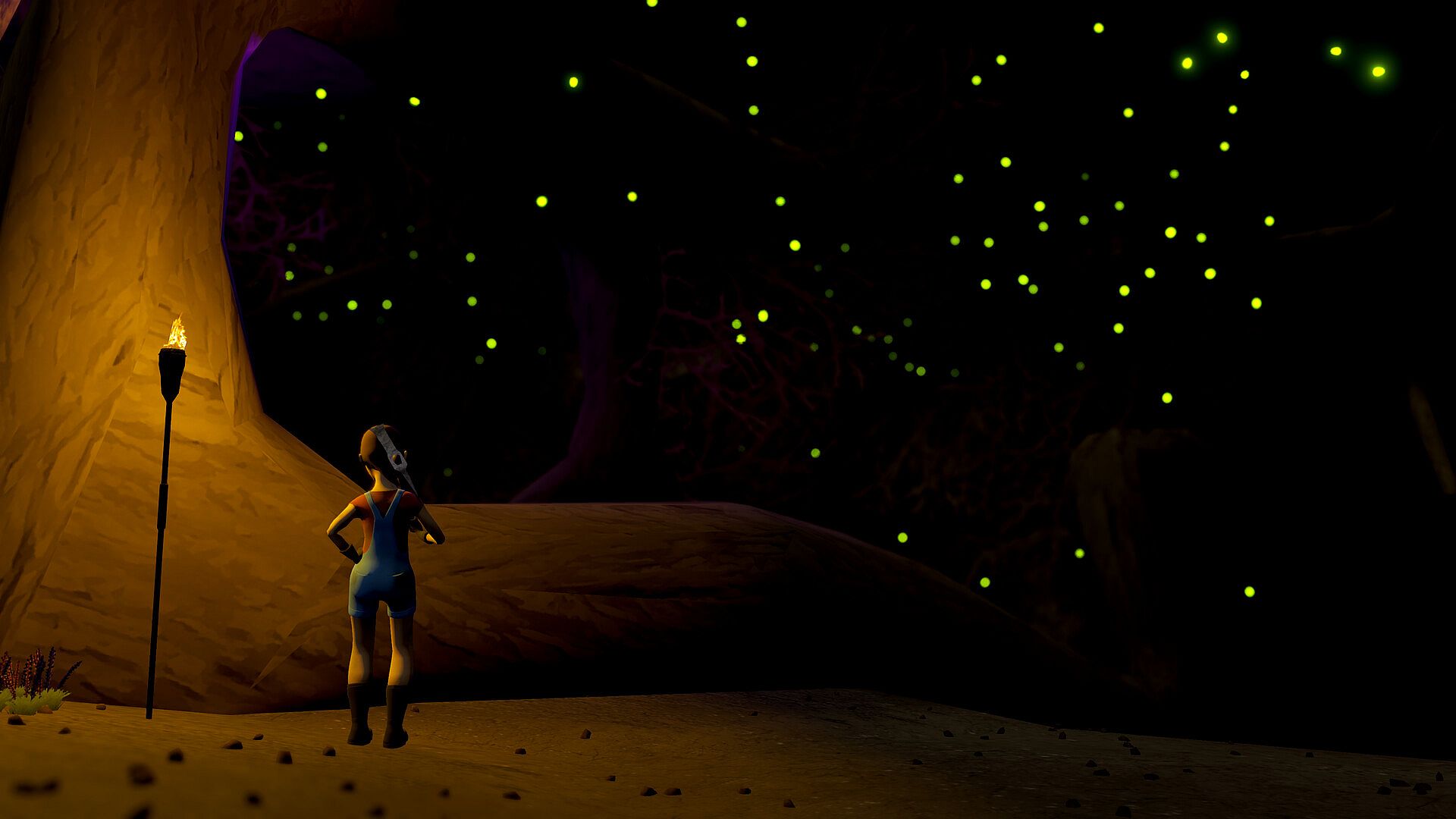
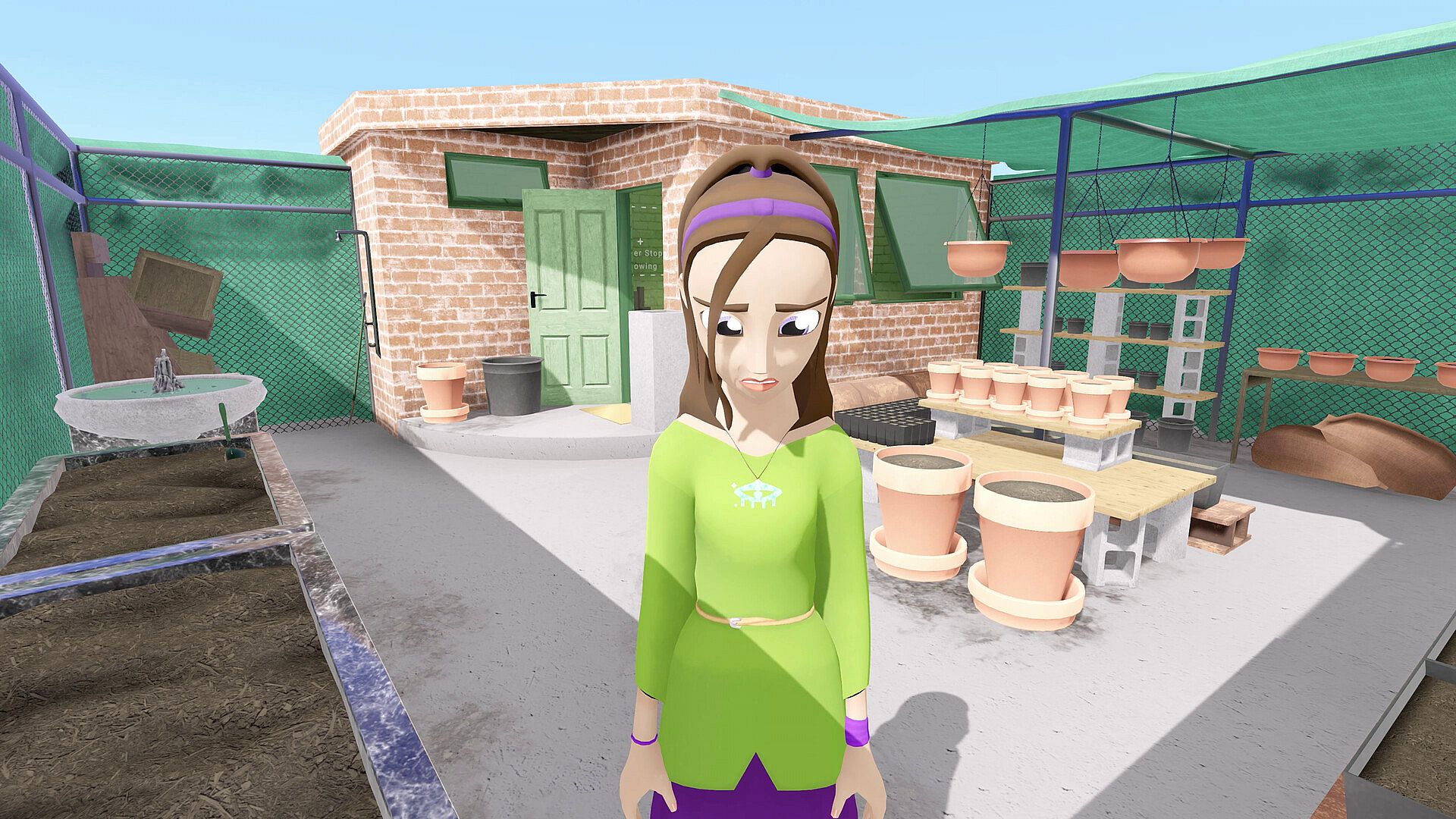
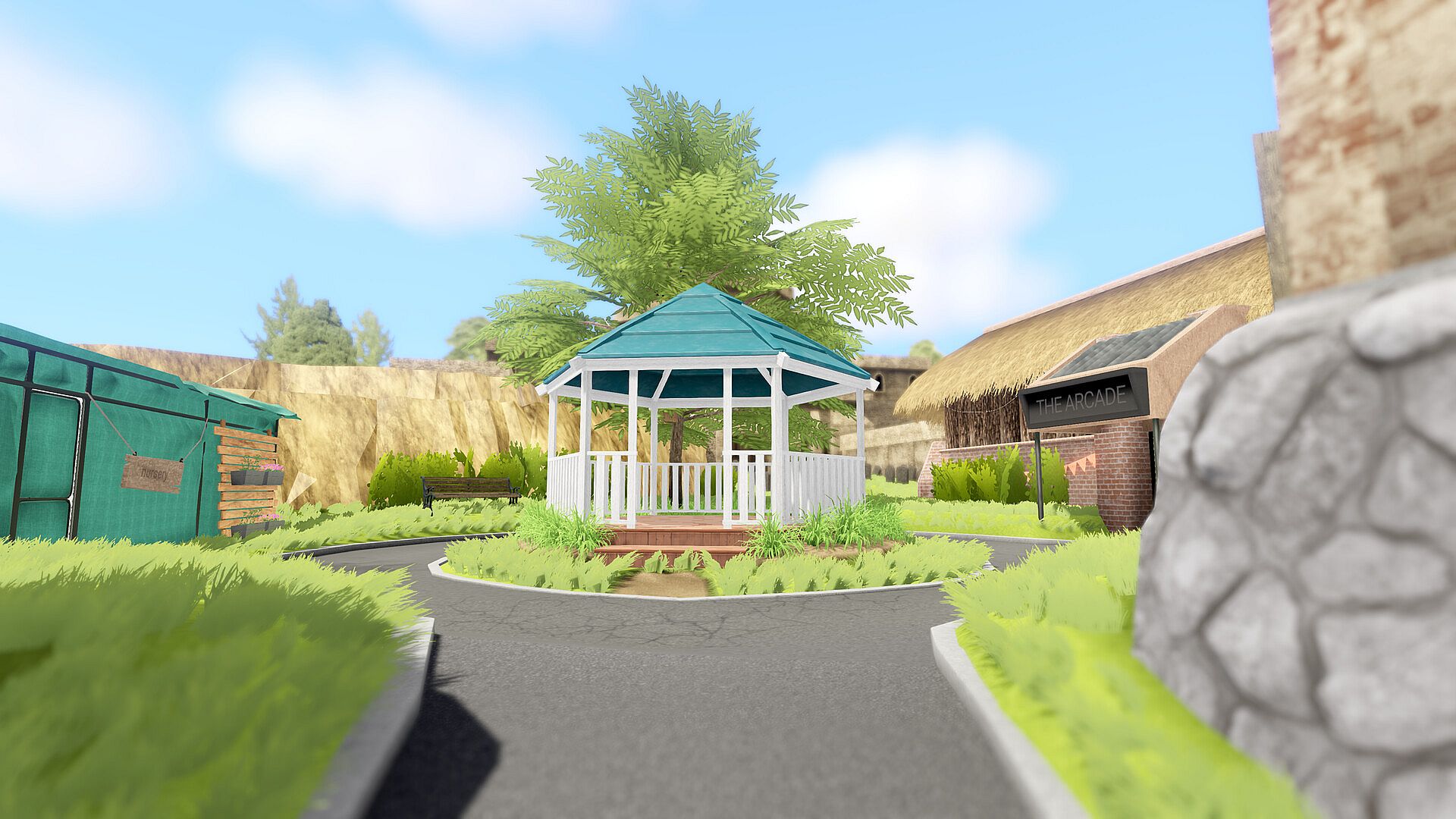
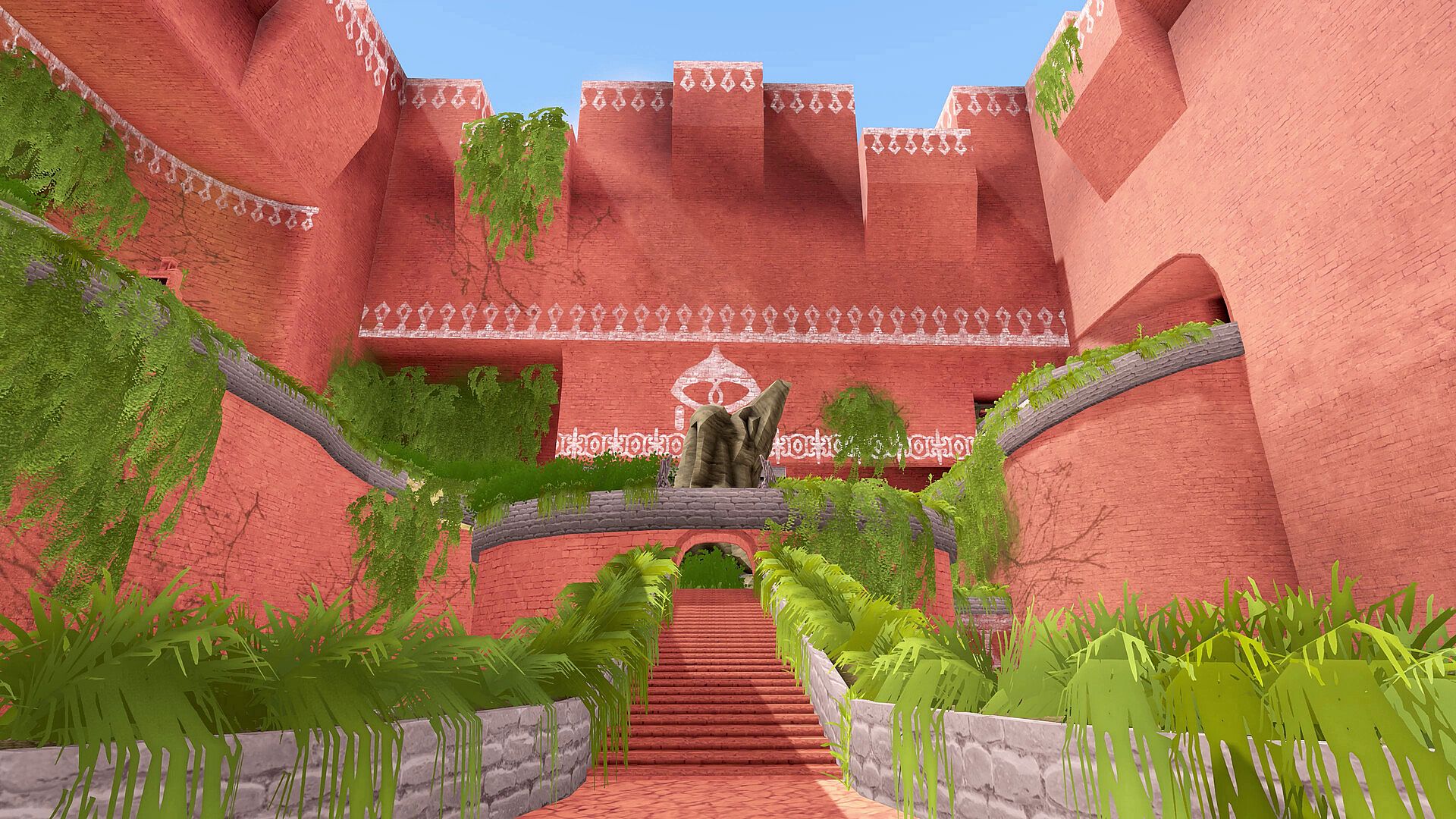
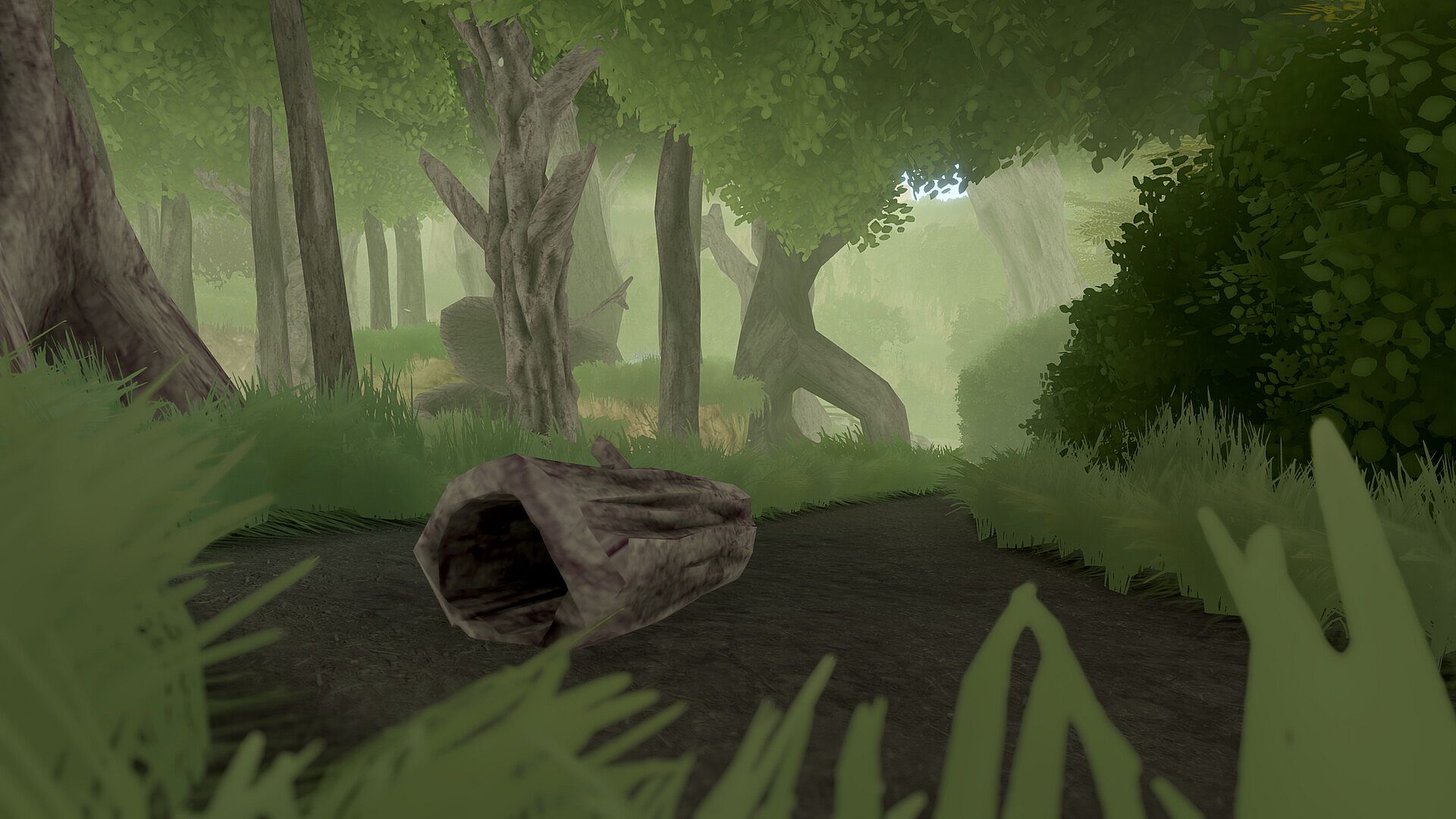
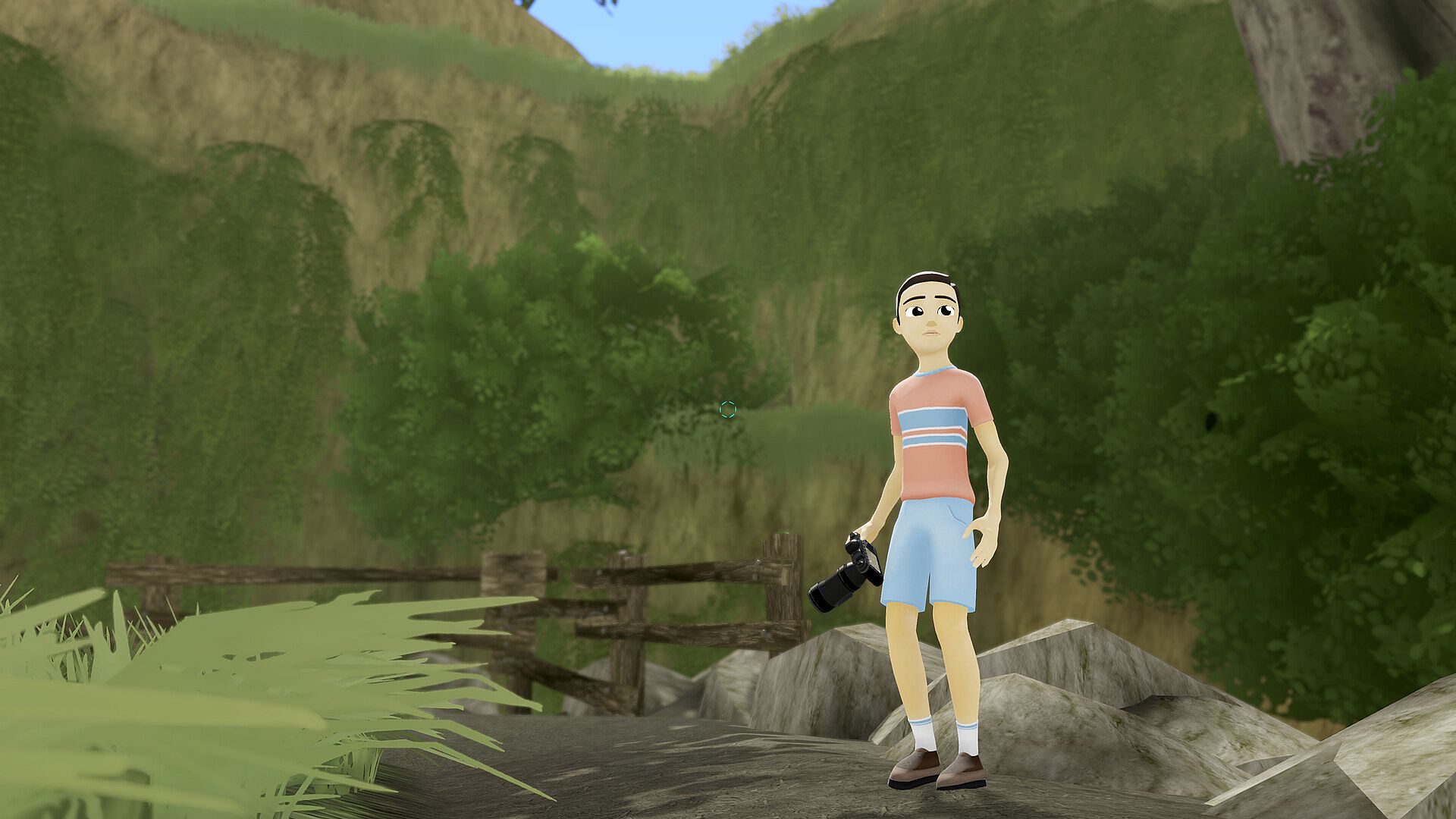
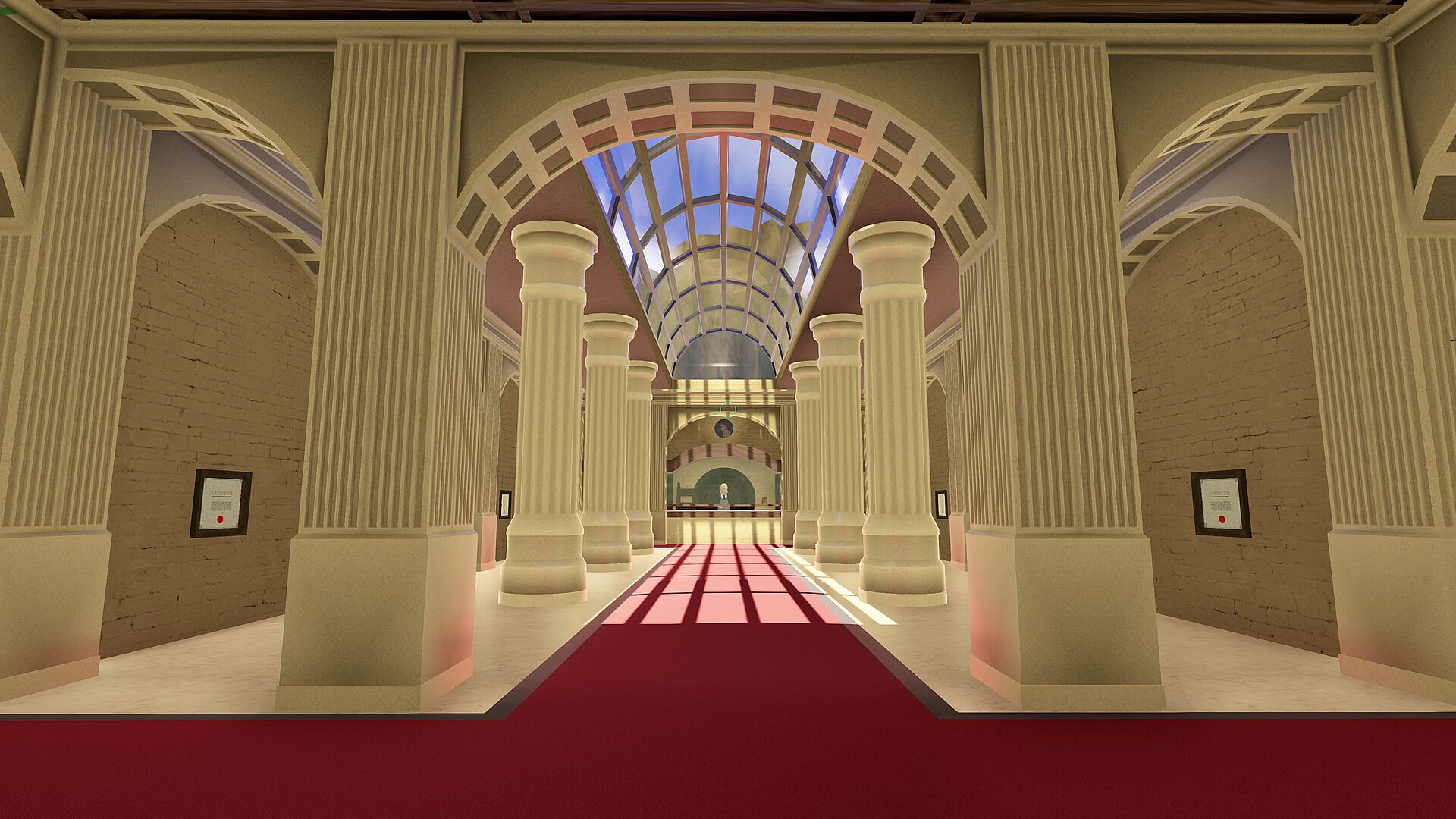
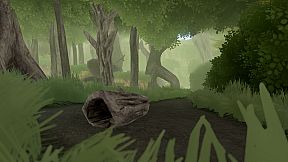
Exploration forms a major part of the experience. Players roam through Australian forests, underground caves, and lively towns, searching for subjects that range from wildlife and plants to landmarks and human figures. Interactions with the cast of characters often lead to side objectives that tie back into the main thread of memory recovery. The photography system rewards observation, as certain clues or emotional moments only become clear once captured and reviewed later.
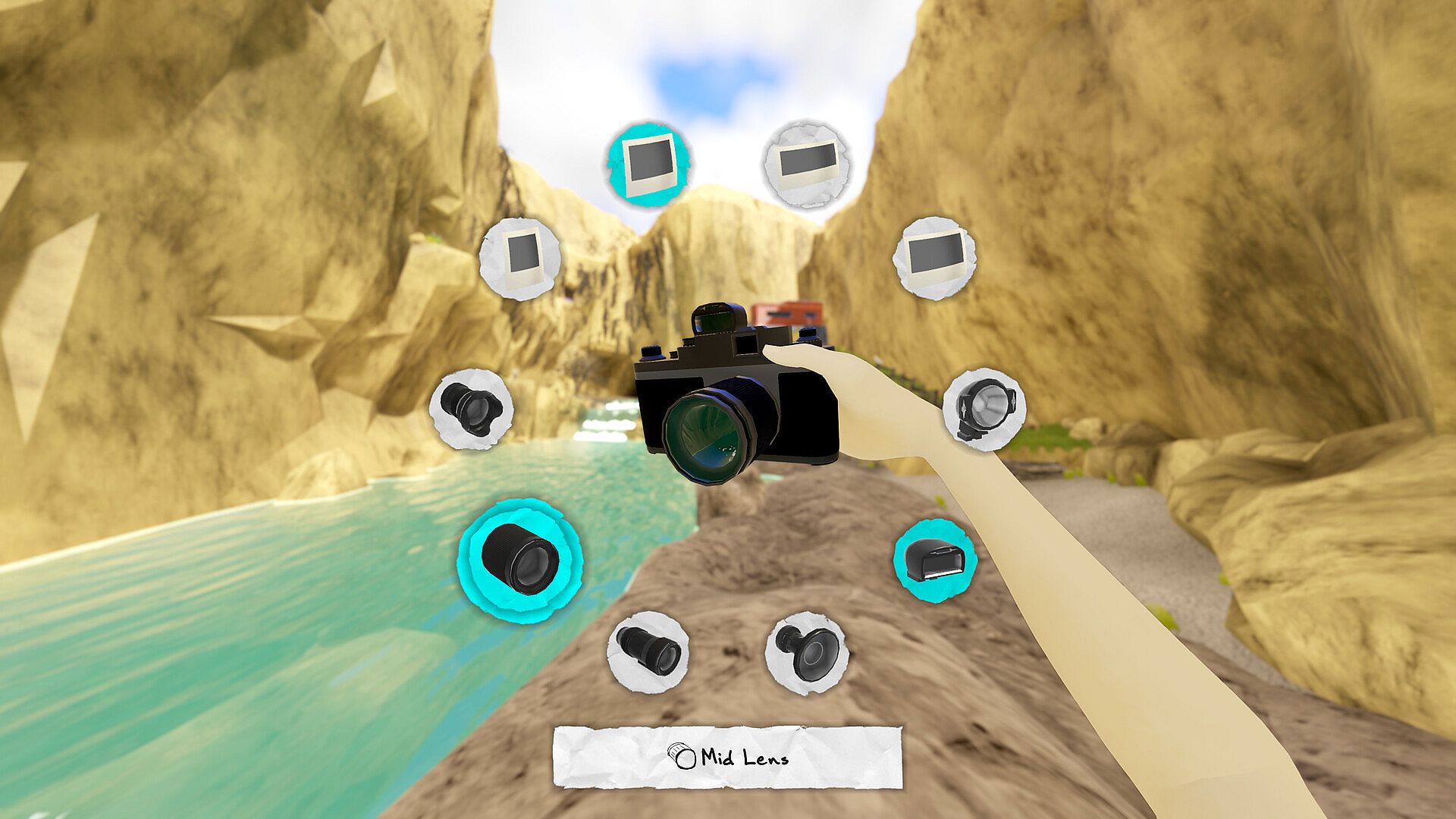
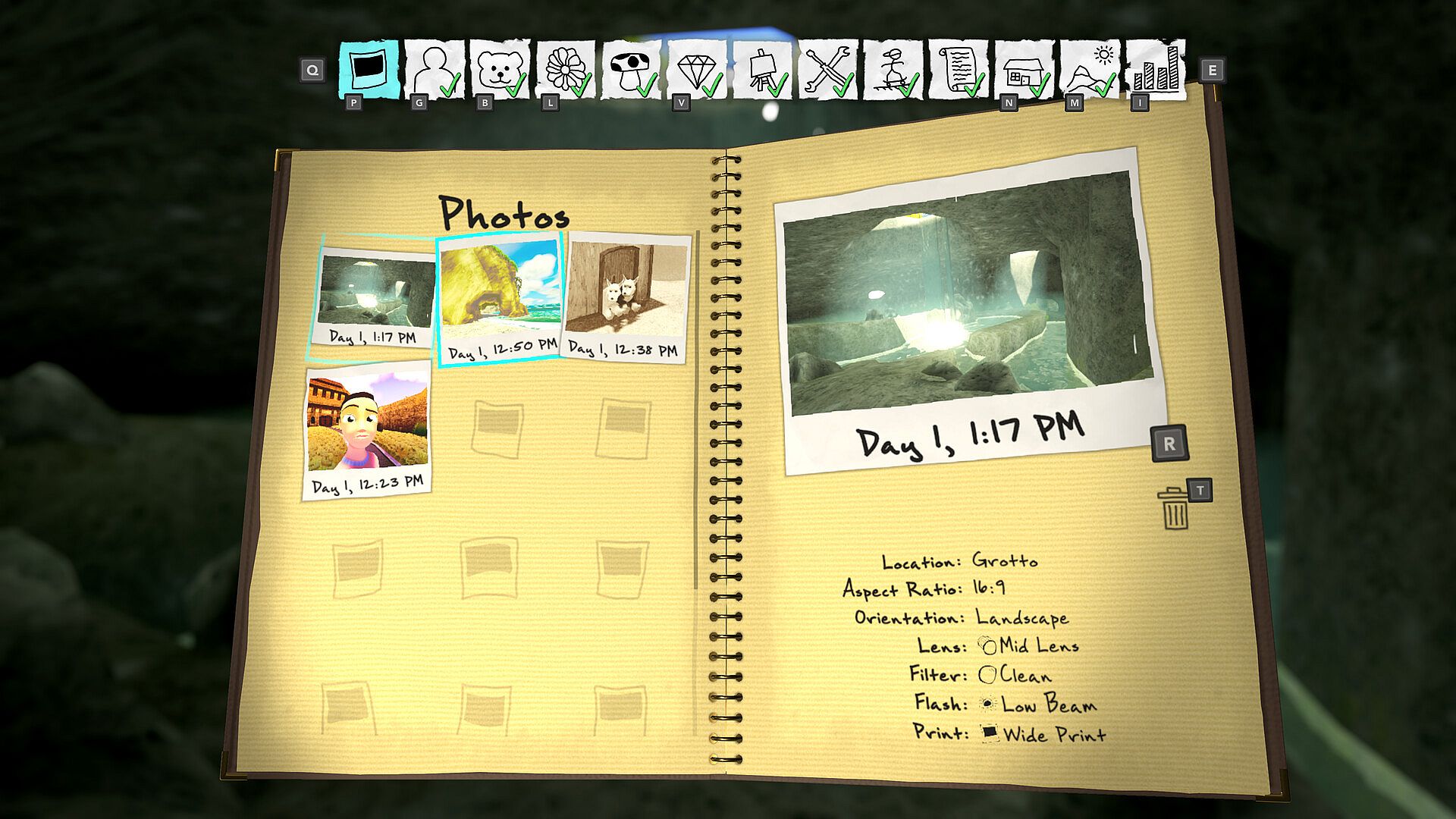
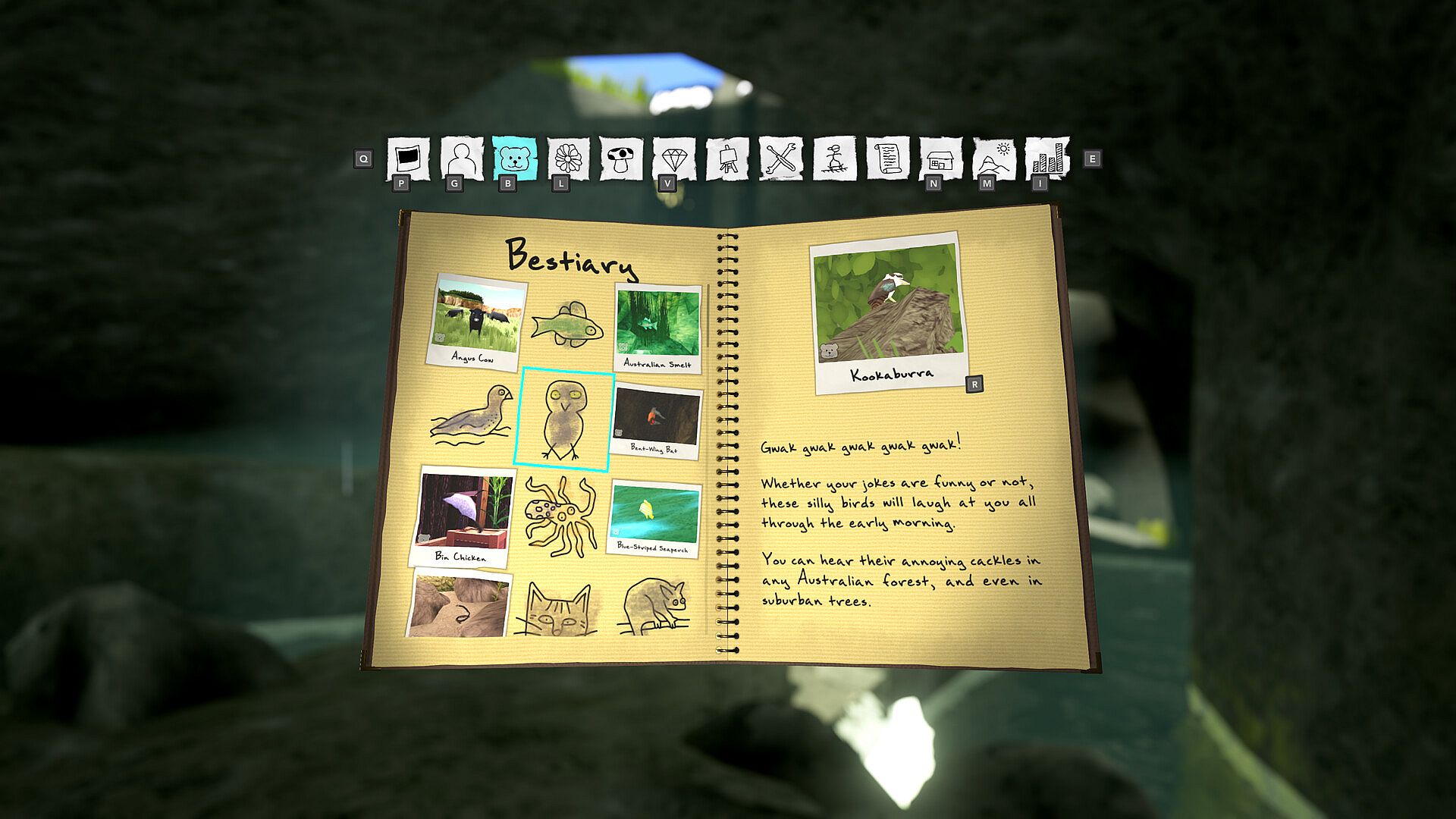
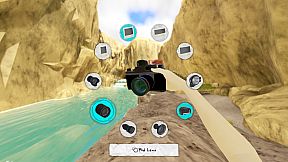
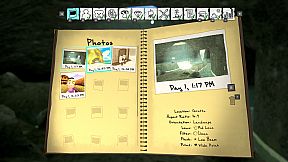
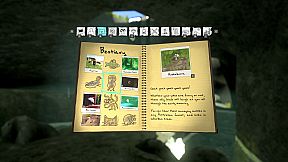
Customization options allow players to adjust the camera with different lenses, filters, and framing guides. These changes influence how scenes appear in the final images and help tailor the visual style to personal preference. A dedicated photo album stores every shot, letting players organize collections, revisit earlier locations, and compare results across multiple attempts at the same subject.
Game Modes
Fomography operates as a single continuous narrative experience without separate multiplayer or competitive modes. Progression follows a linear story structure punctuated by open exploration segments where players decide the order of discoveries. The focus remains on solitary play, with all mechanics designed around personal reflection and puzzle-like photography challenges rather than shared sessions or leaderboards.
Within this single-player framework, the game emphasizes sequential memory unlocks. Completing key photographs opens new areas and character interactions, creating a steady rhythm of exploration, capture, and revelation. No alternate difficulty settings or branching campaigns appear in the verified description, keeping the emphasis on the core journey through one man's recollections.
Photography and Exploration Mechanics
The camera system integrates directly with puzzle elements. Certain mysteries require specific angles or subjects to resolve, turning ordinary scenes into solvable challenges. Players collect polaroid-style images that serve as both mementos and functional keys to the next section of the story. The album feature supports this by allowing organization and review, which helps track progress and identify missed opportunities in earlier locations.
Environments reward thorough searching. Hundreds of potential subjects exist across the map, including fauna, flora, geological features, town residents, and narrative clues. Capturing them contributes to a sense of completion while feeding back into the memory theme. The first-person perspective keeps the focus on observation and presence, with the camera acting as an extension of the protagonist's fading awareness.
Is It Worth Playing?
Player feedback highlights the game's strengths in blending exploration, light puzzle solving, and emotional storytelling through photography. Those who enjoy slow-paced adventures centered on observation and character moments often find the experience satisfying. The customization tools and album management add replay value for players who like refining their shots or revisiting scenes.
The title suits individuals interested in narrative-driven indie games that use photography as a central mechanic. It avoids action or fast reflexes in favor of thoughtful pacing and visual discovery. Current reception points to a positive response from reviewers who appreciate the theme of memory and the tactile feel of building a personal collection of images. Availability on PC makes it accessible for those seeking a reflective single-player journey without additional modes or ongoing seasonal content.