







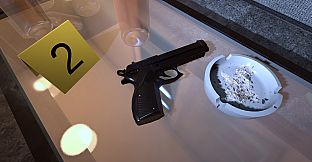


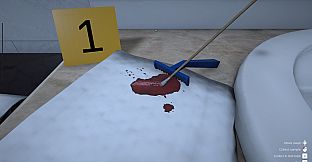


Forensics: Crime Scene Detective is a simulation game that places players in the role of a forensic specialist on Xbox Series X|S. The experience centers on methodical evidence collection and laboratory analysis rather than action or pursuit. Players arrive at locations after incidents occur and apply scientific methods to document findings, compare samples, and determine outcomes based on facts alone.
Gameplay
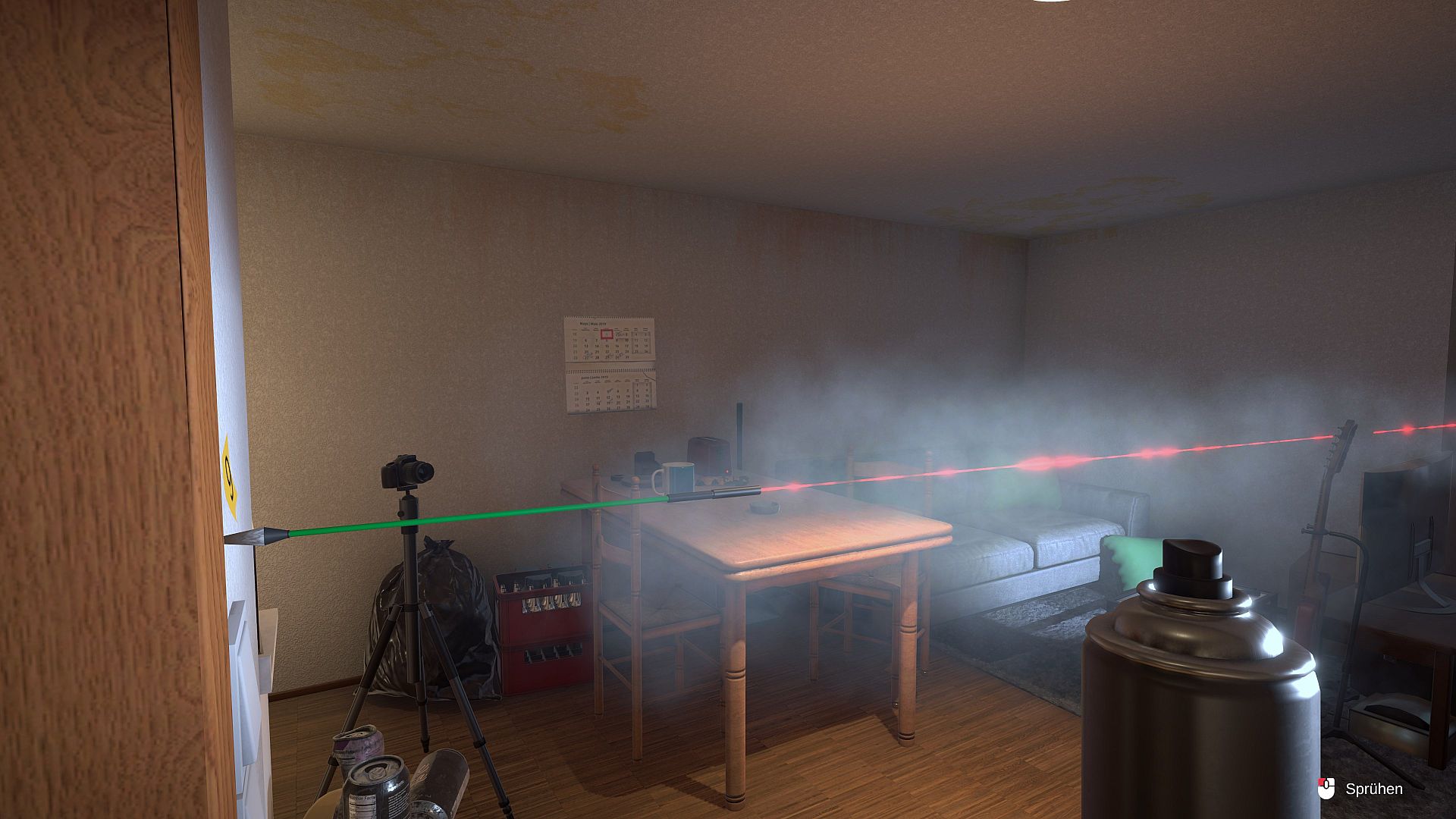
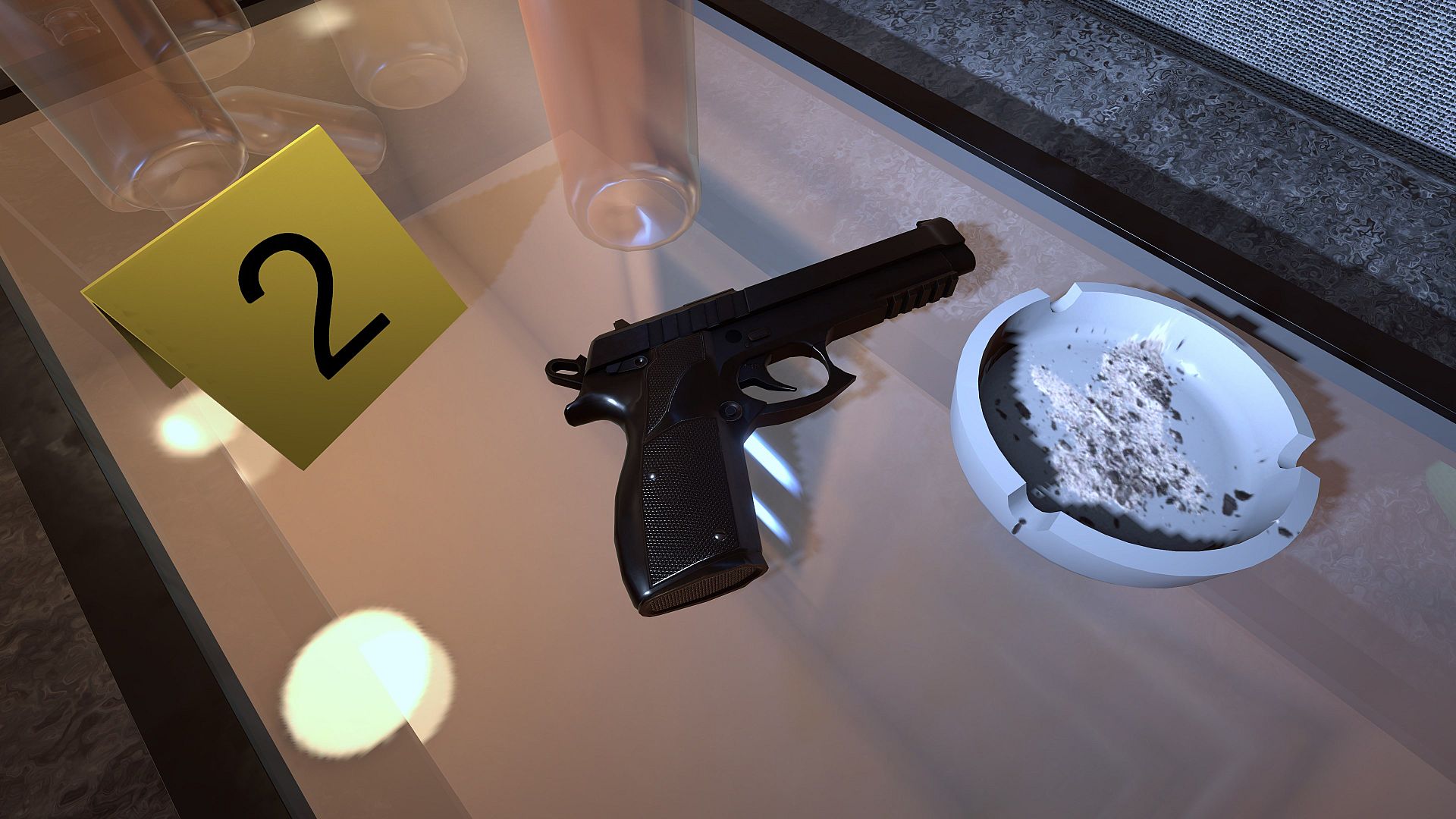
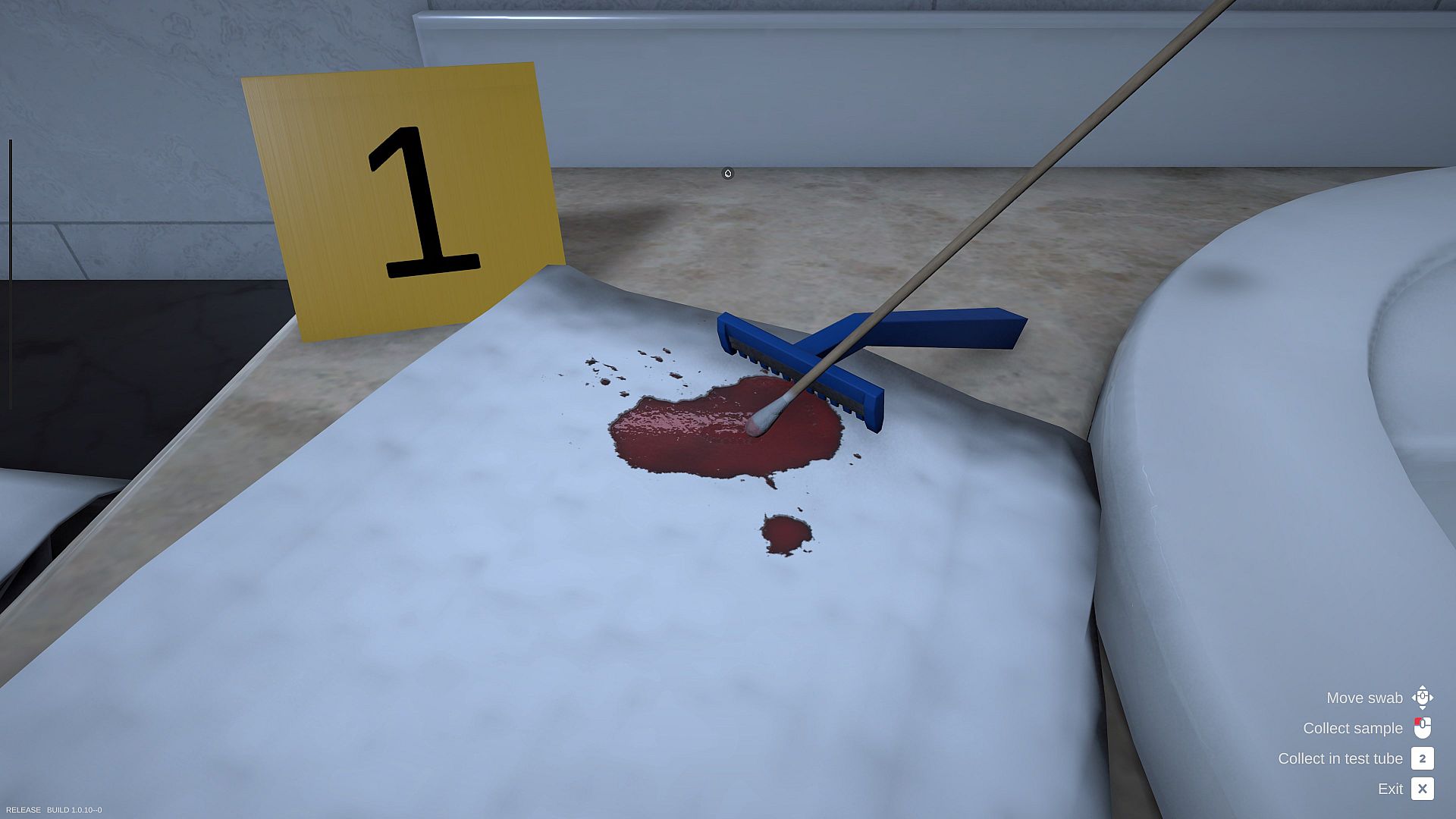
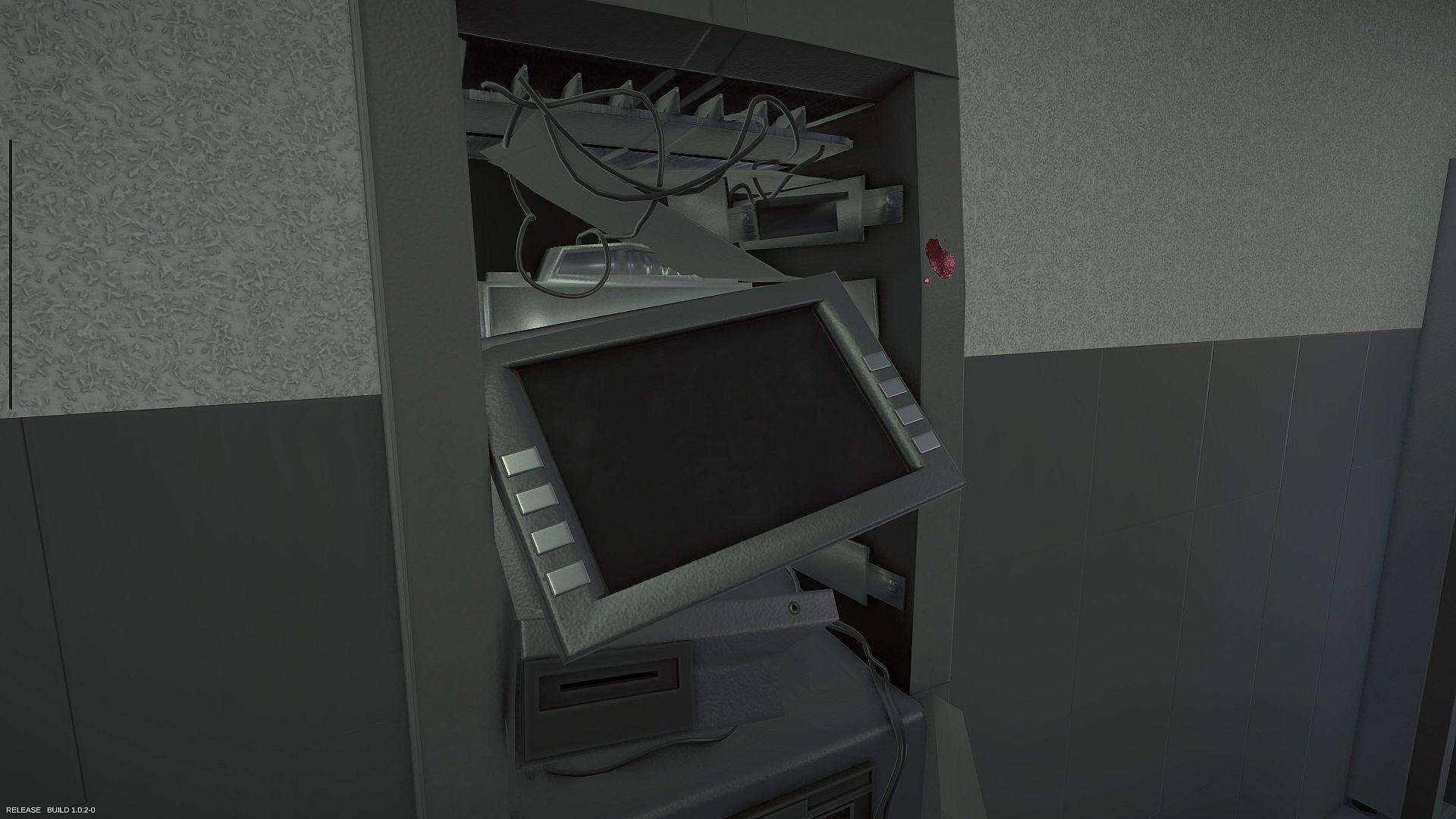
The core loop divides into two distinct phases that repeat across multiple scenarios. At each location, players examine rooms, surfaces, and objects using tools that mirror real forensic equipment. This includes applying fingerprint powder to surfaces, swabbing for DNA traces, positioning ballistic rods to map trajectories, and extracting data from electronic devices. Attention to detail determines what evidence enters the record, as overlooked items can prevent a complete picture from forming.
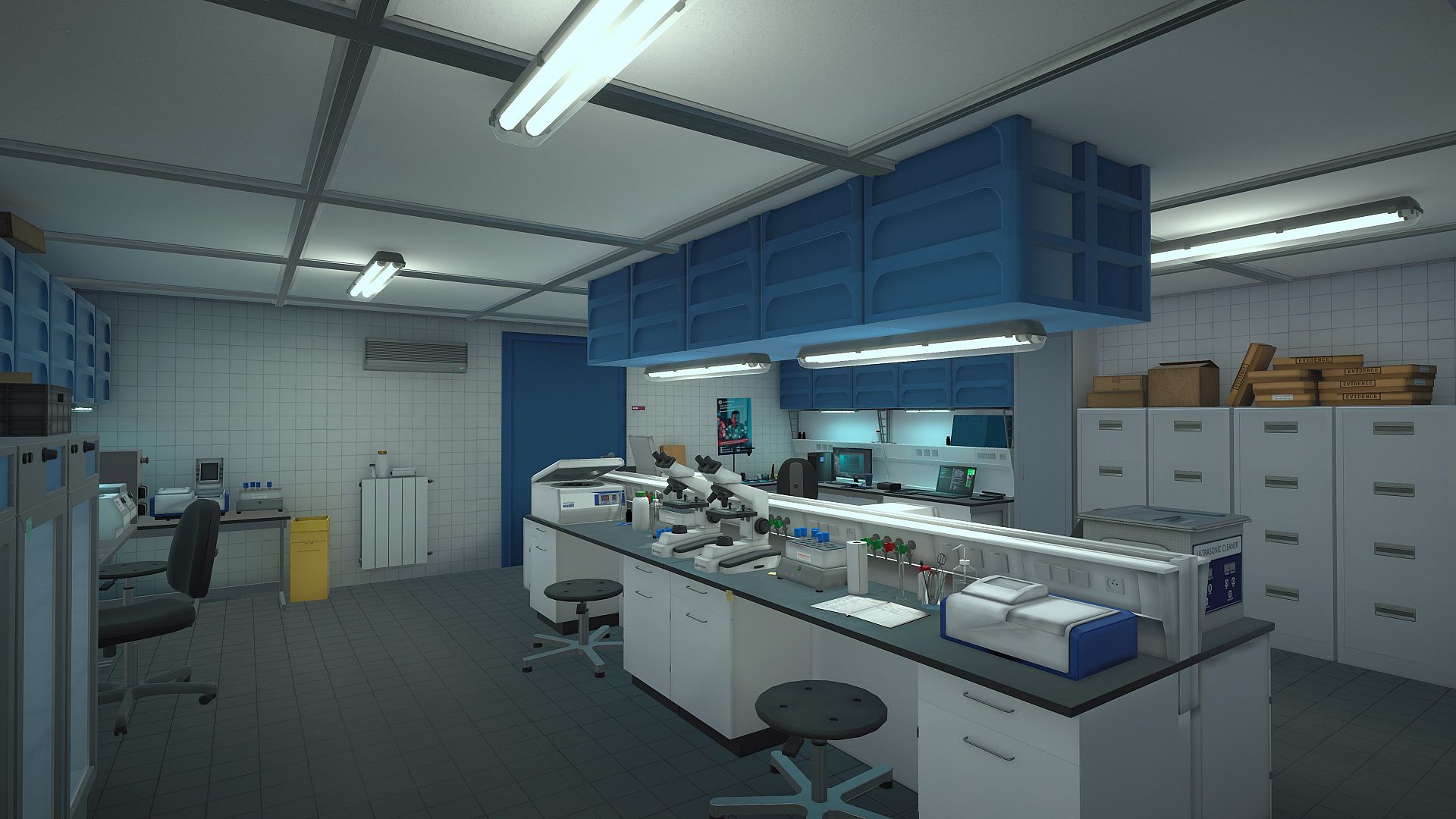
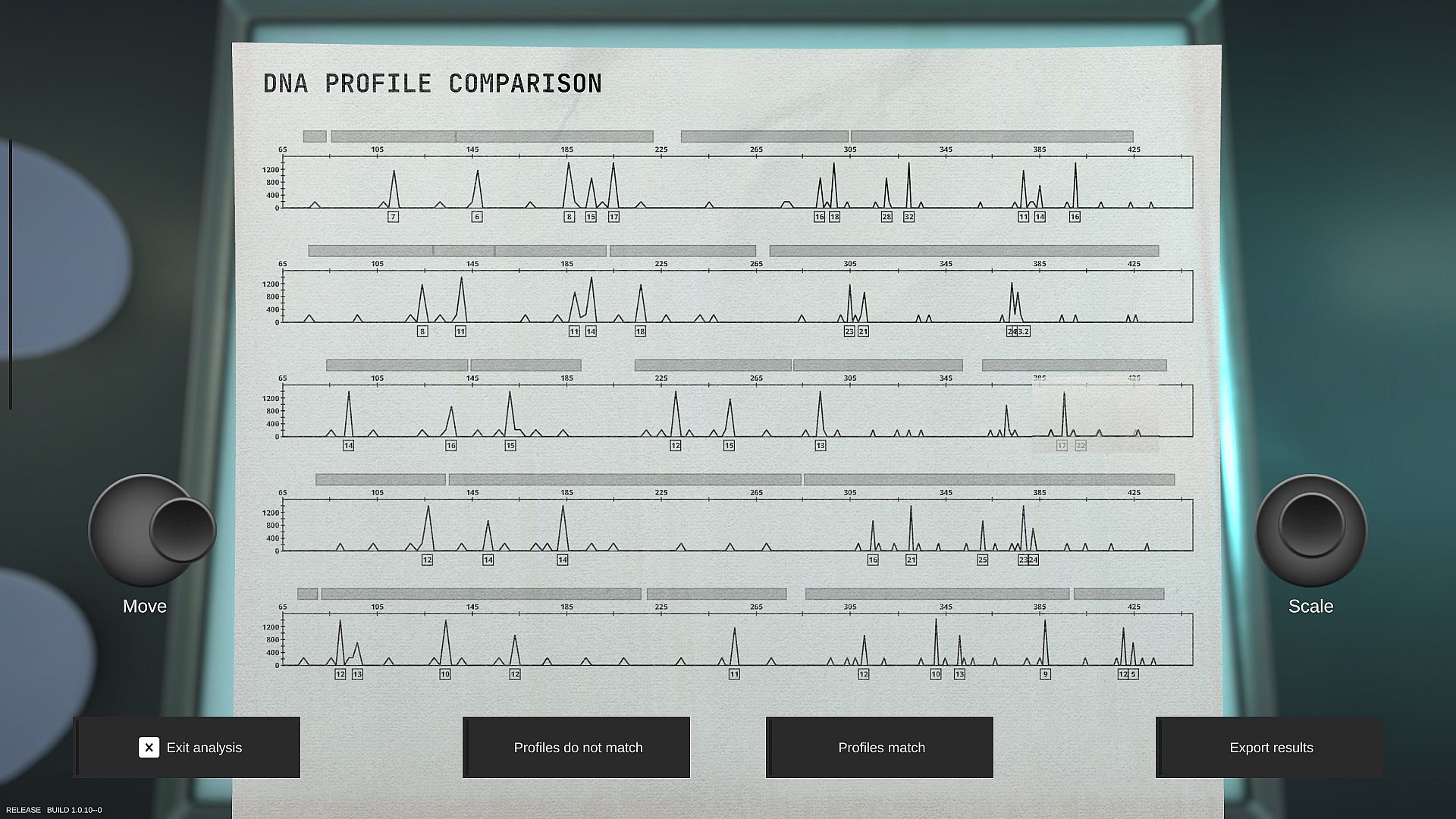
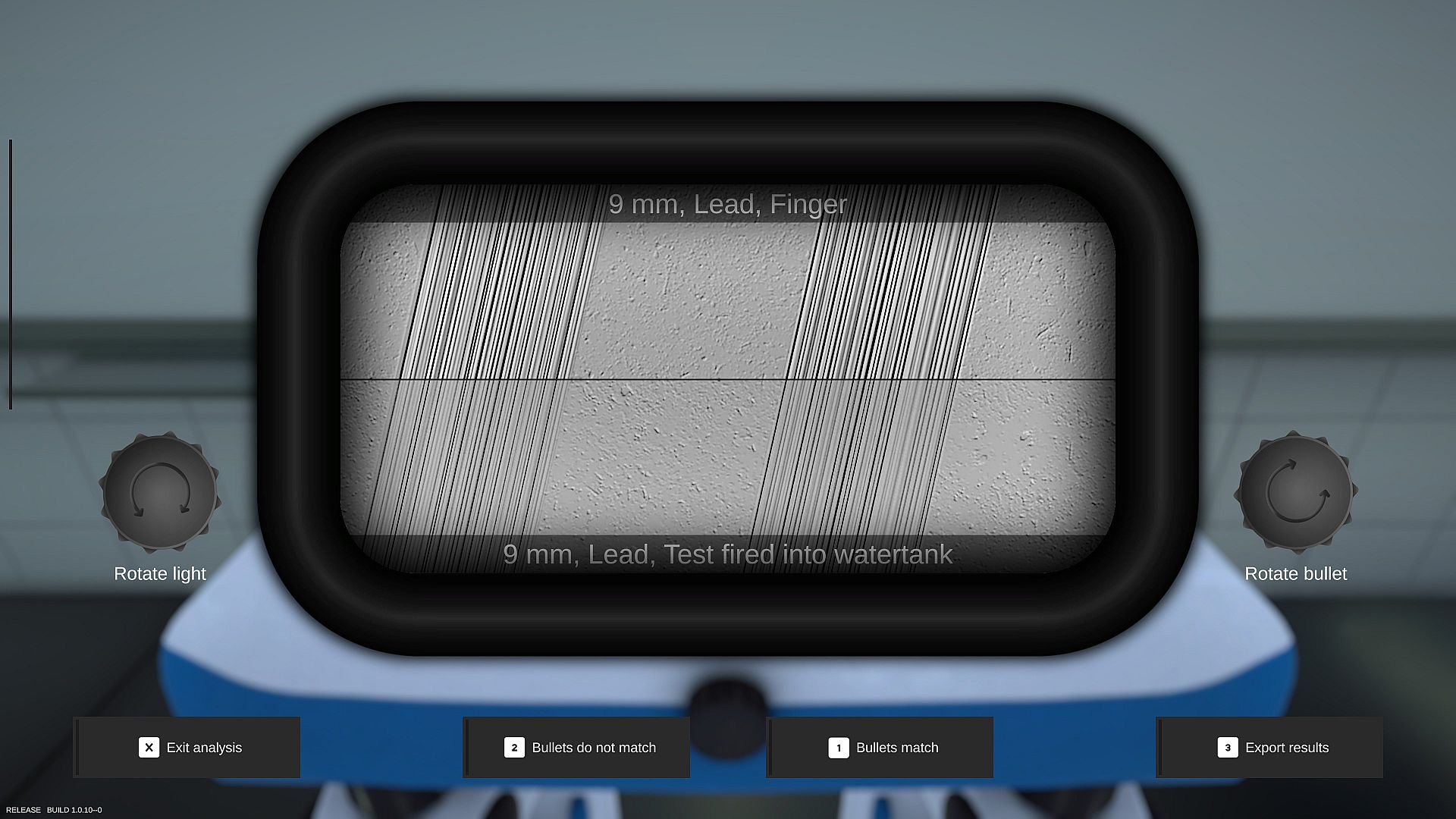
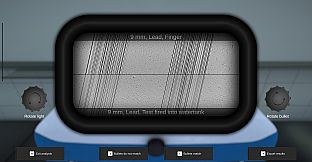
Once evidence leaves the scene, the second phase shifts to the laboratory. Here, players process samples through comparison interfaces for DNA profiles, reconstruct events from ballistic data, and decrypt or examine digital records. Logical connections between pieces of information guide conclusions about whether an event involved self-defense, an accident, deliberate harm, or an attempt to alter the scene. The process rewards patience and systematic checking over speed.
Controls and interfaces emphasize precision. Players select specific tools for each task and adjust settings during analysis to match reference data accurately. The simulation draws from established procedures to keep every step grounded in practical techniques.
Game Modes
The game operates entirely in a single-player format built around individual cases. Each case presents a self-contained scenario drawn from real-world patterns, with no branching multiplayer elements or competitive structures. Players progress through tutorials that introduce core tools and procedures before tackling full investigations.
Case structure remains consistent across play sessions. A player enters the environment, gathers admissible traces, returns to the lab for verification, and submits findings that influence the final assessment. There are no separate modes for free play or custom scenarios; every session follows the established investigation and analysis sequence. This focused approach keeps attention on the forensic workflow without additional layers.
Evidence Analysis and Decision Making
Analysis tools allow direct comparison of collected items against known references. Fingerprint matching, DNA profiling, and trajectory calculations produce clear results that either support or contradict statements from involved parties. Players decide which traces warrant further testing, and incomplete collections can leave questions unresolved.
Outcomes depend entirely on the quality and interpretation of evidence. A case may conclude with a suspect cleared, implicated, or with insufficient data for a definitive ruling. This system encourages repeated examination of scenes and lab results to ensure accuracy before finalizing reports.
Is It Worth Playing?
Reception has been mixed, with Steam user reviews showing 57 percent positive from over 200 submissions. Players who value deliberate pacing and technical detail often appreciate the authentic representation of forensic routines. Those seeking faster action or expansive narratives may find the repetition of tool use and limited case variety less engaging.
The game suits individuals interested in simulation experiences that prioritize accuracy and logical deduction. Its release on Xbox Series X|S provides controller support for the precise inputs required during searches and comparisons. Current support focuses on the core case structure without additional seasonal content or expansions confirmed at this time. Those drawn to methodical problem-solving will find the most satisfaction in completing thorough investigations from start to finish.