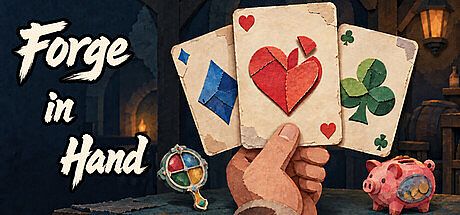


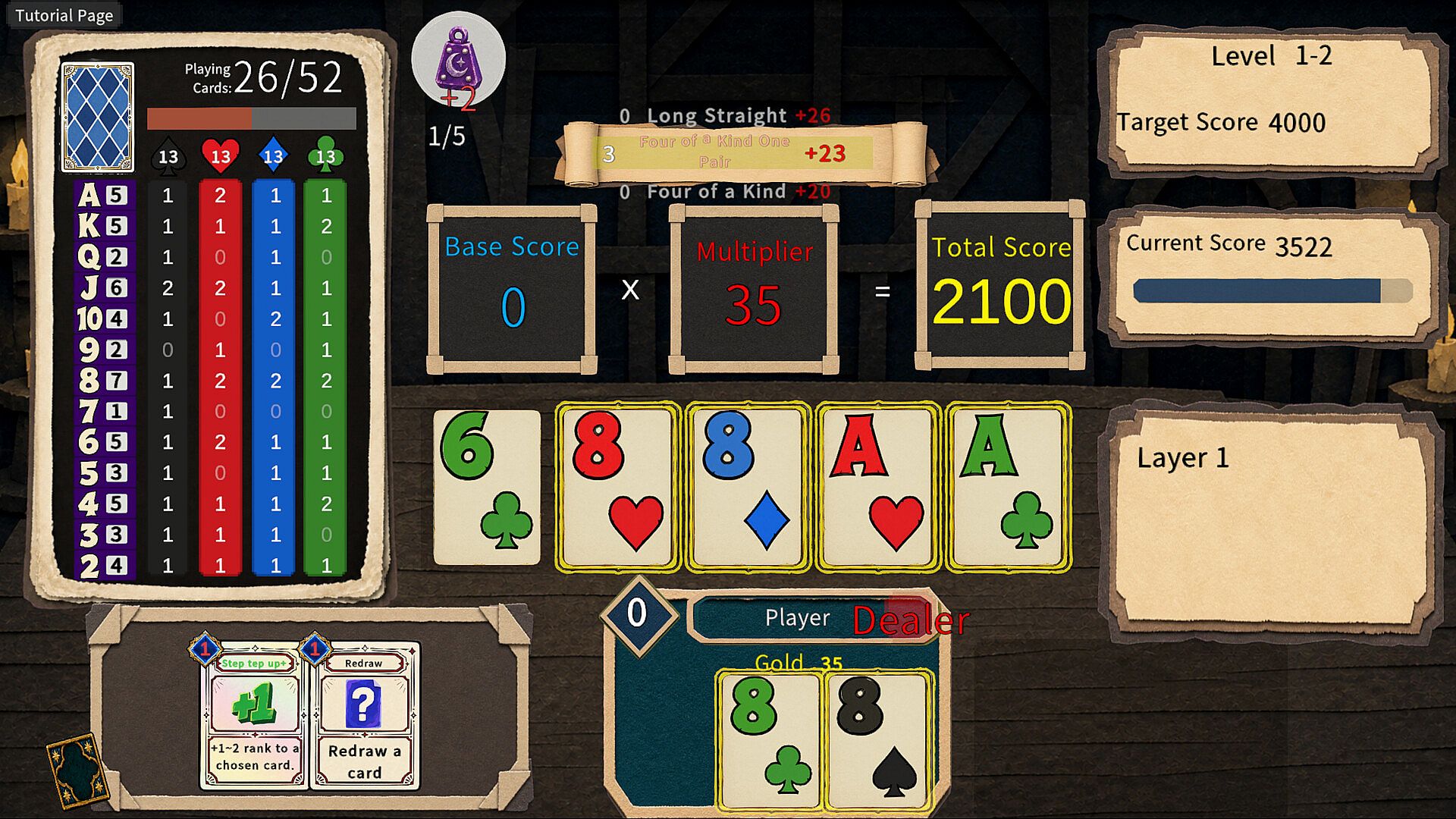
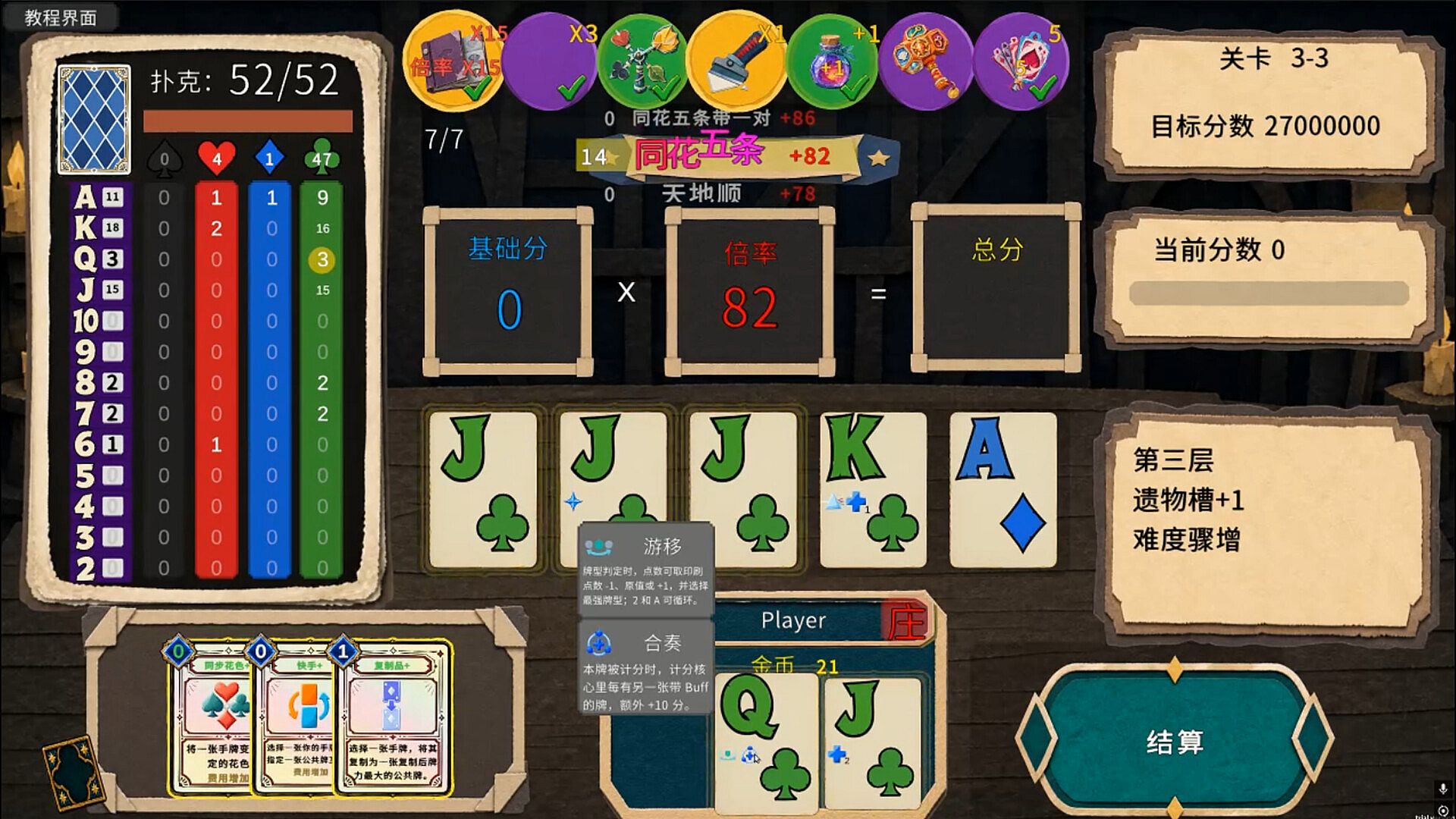
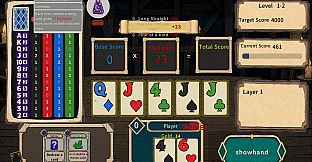
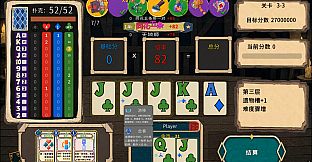
Forge In Hand is a strategy indie casual game that blends roguelike deckbuilding with Texas Hold'em poker mechanics on PC. Players receive a hand of cards and use specialized cheat cards to manipulate the table, merging these tools with standard hand cards to form high-scoring poker combinations that advance through successive stages.
Gameplay
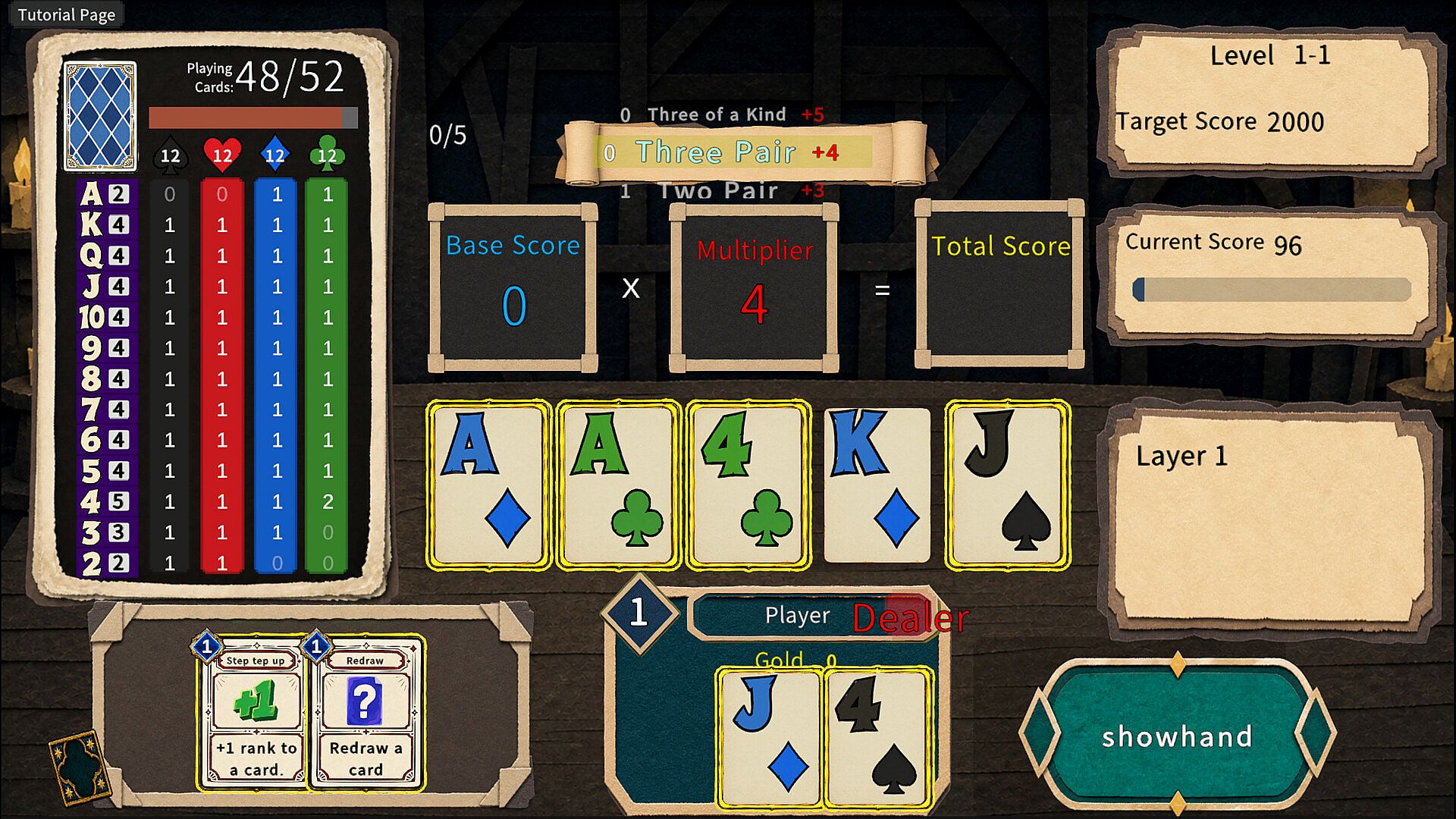
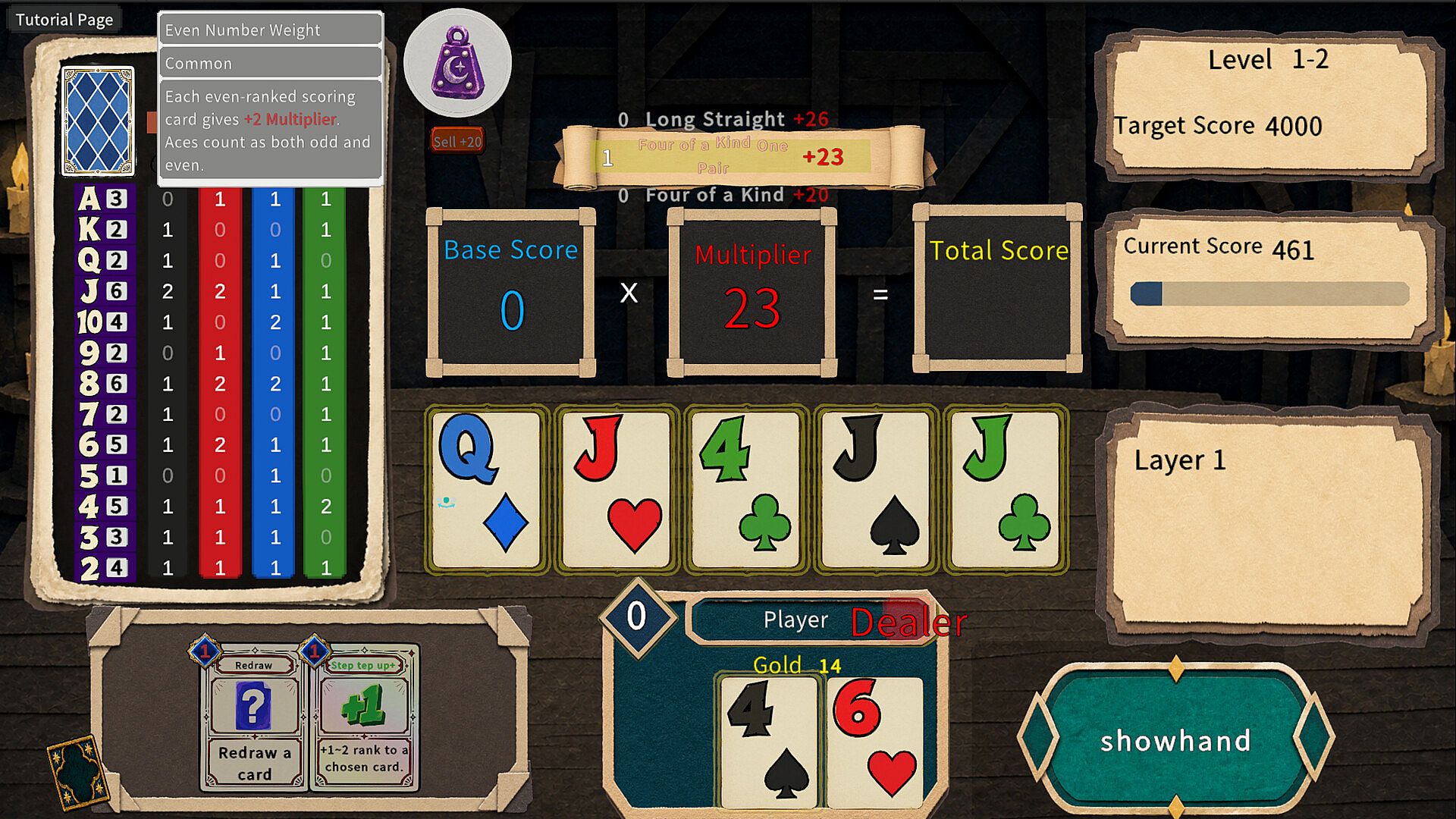
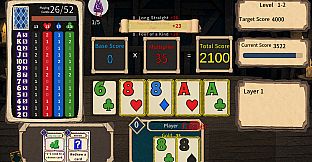
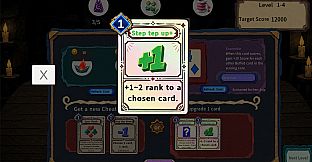
The core loop centers on building and refining a deck of playing cards while managing limited resources across runs. Cheat cards allow direct alterations such as changing ranks, switching suits, redrawing portions of the hand, or duplicating key cards. These actions help assemble straights, flushes, or four of a kind, with each successful scoring hand consuming the involved cards from the active deck. This consumption forces ongoing decisions about whether to pursue a large immediate score or preserve cards for later draws and future stages.
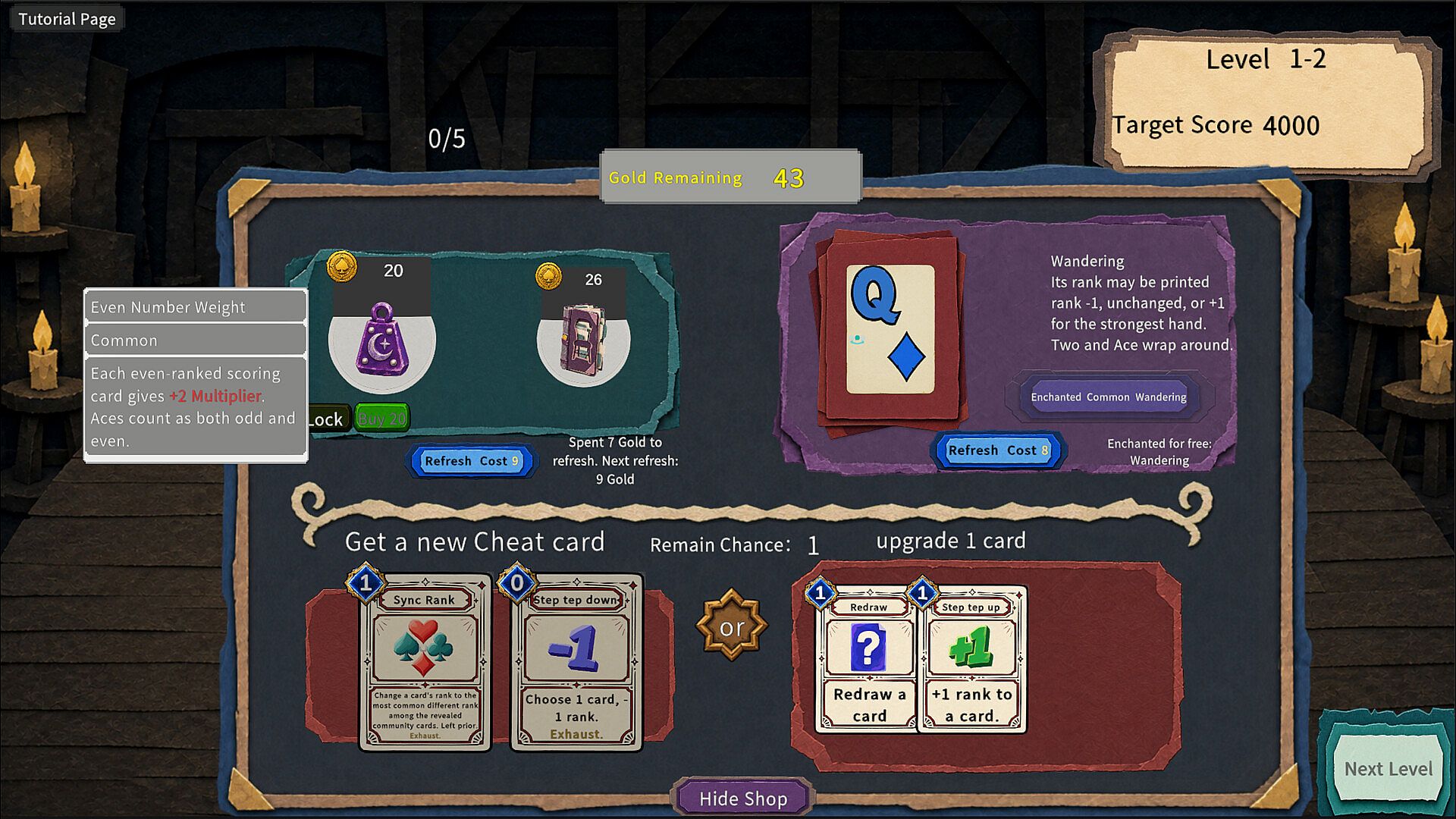
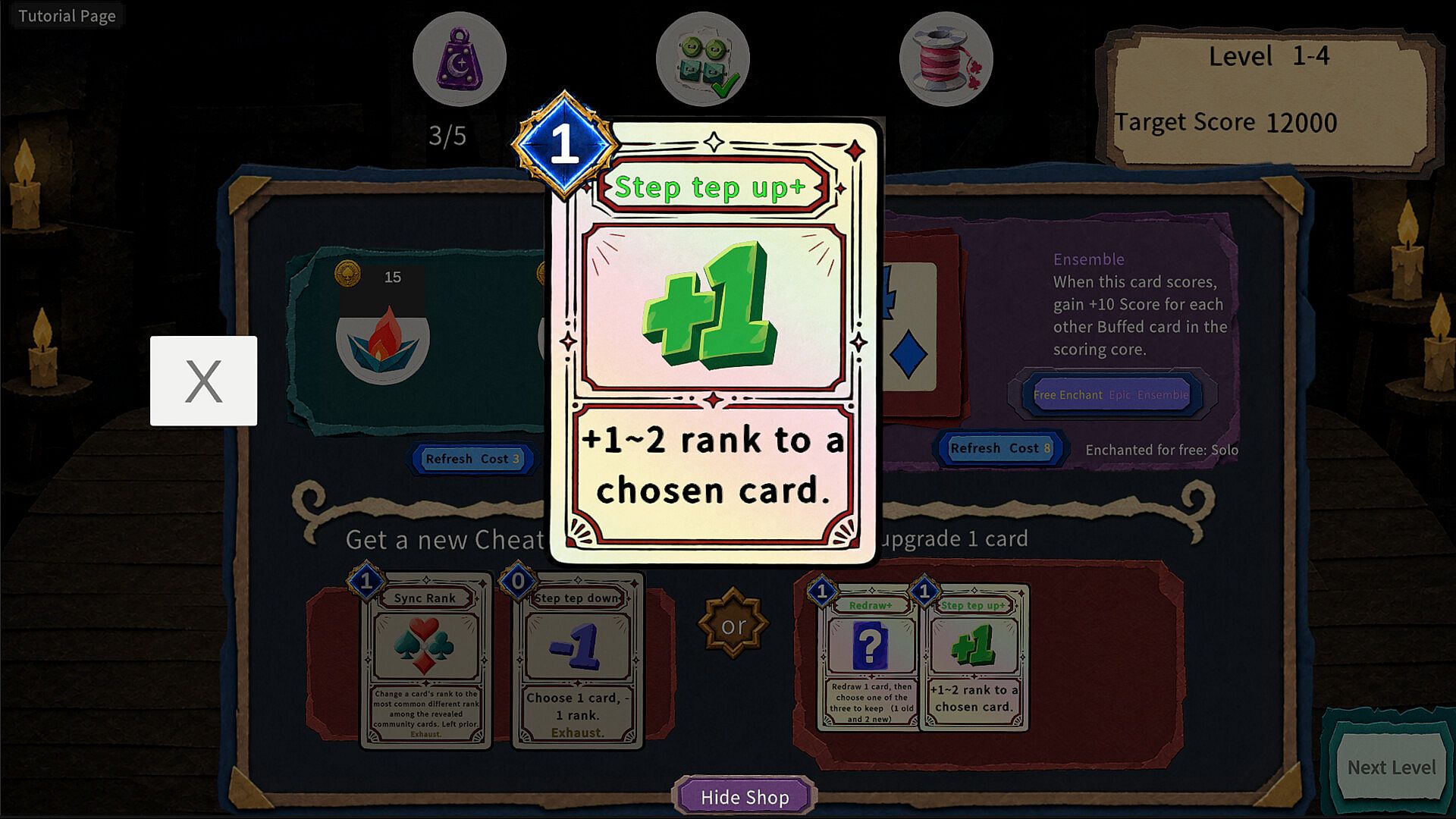
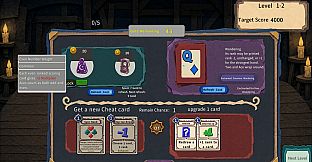
Relics and enchanted playing cards expand options by linking card manipulation to scoring bonuses and resource generation. Between stages, a shop offers upgrades that players select to align with emerging strategies. Classes provide starting differences in approach, encouraging repeated runs to test new combinations of cheat cards, relics, and deck modifications. The roguelike structure means each attempt resets the deck state while carrying forward lessons on which manipulations prove most reliable under varying conditions.
Game Modes
Progression unfolds through a series of stages where players apply their evolving deck against escalating challenges. Shop visits between stages serve as the main customization point, letting players acquire and refine cheat cards or other enhancements to suit preferred playstyles. Different classes alter initial capabilities, while adjustable difficulty levels increase the demands on deck construction and timing of plays. The single-player focus keeps attention on personal deck evolution rather than competitive elements, with runs emphasizing experimentation across multiple attempts.
Key Mechanics and Progression
Card consumption after each scoring hand creates a shifting resource pool that rewards careful planning. Players must weigh the immediate benefit of a strong poker hand against the risk of depleting options for subsequent encounters. Upgrades from the shop integrate with relics to create chains of effects, where one card alteration might trigger additional resource gains or scoring multipliers. This system supports varied strategies, from aggressive hand-building focused on rare combinations to more conservative approaches that maintain deck flexibility over longer runs.
Is It Worth Playing?
Forge In Hand suits players who enjoy roguelike deckbuilders with a poker foundation and appreciate systems that reward precise card management over many short sessions. The emphasis on combining cheat effects with standard hands, alongside the trade-off of consuming scoring cards, offers a distinct loop within the strategy genre. Those drawn to indie titles that blend familiar card games with procedural progression and upgrade paths will find the available classes and difficulty options provide replay value through different deck-building experiments. The game remains accessible due to its casual elements while delivering strategic depth for those willing to iterate on their approach across runs.