

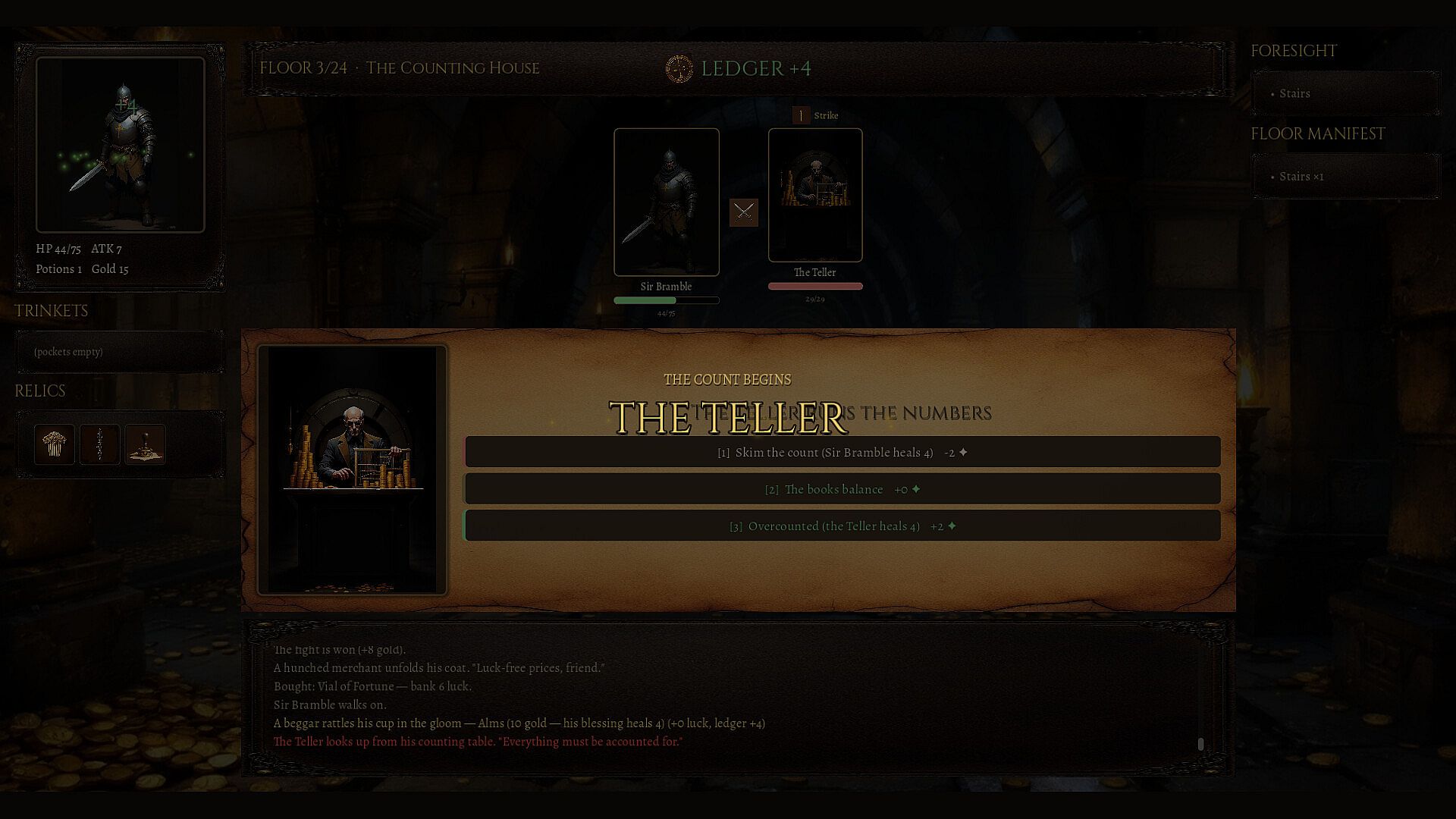
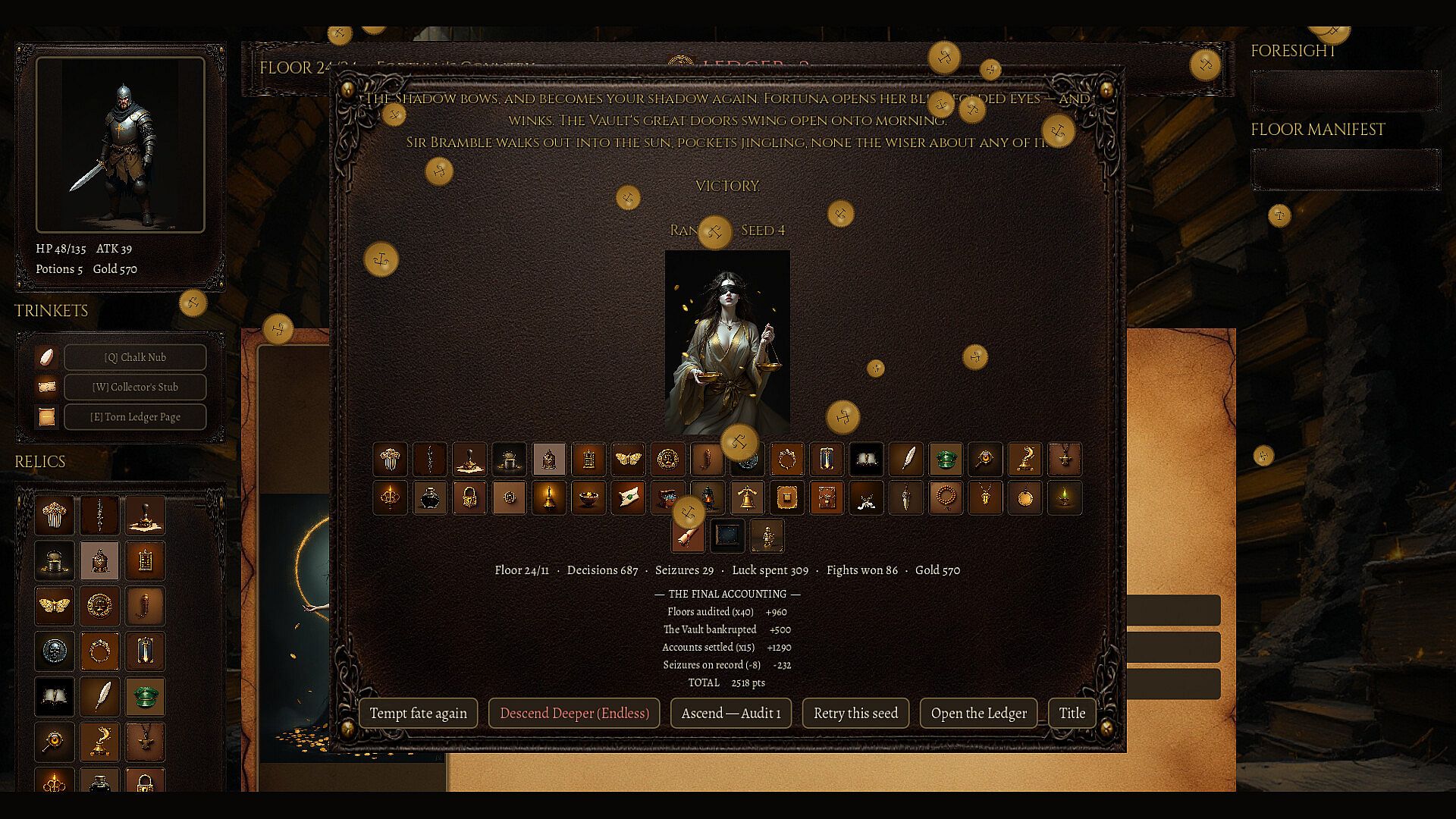
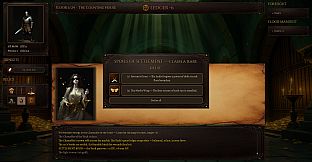
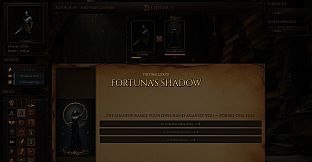
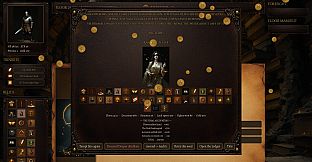
Fortuna's Ledger stands out as a strategy indie RPG on PC that places luck at the center of every decision. Players act as the unseen force guiding Sir Bramble through dangerous floors without ever moving him or swinging his sword. Instead, fortune determines whether attacks connect, chests yield rewards, or traps activate. Luck functions as a conserved resource that players spend to improve outcomes or earn by accepting setbacks, creating a tense economy of risk and reward across each run.
Gameplay
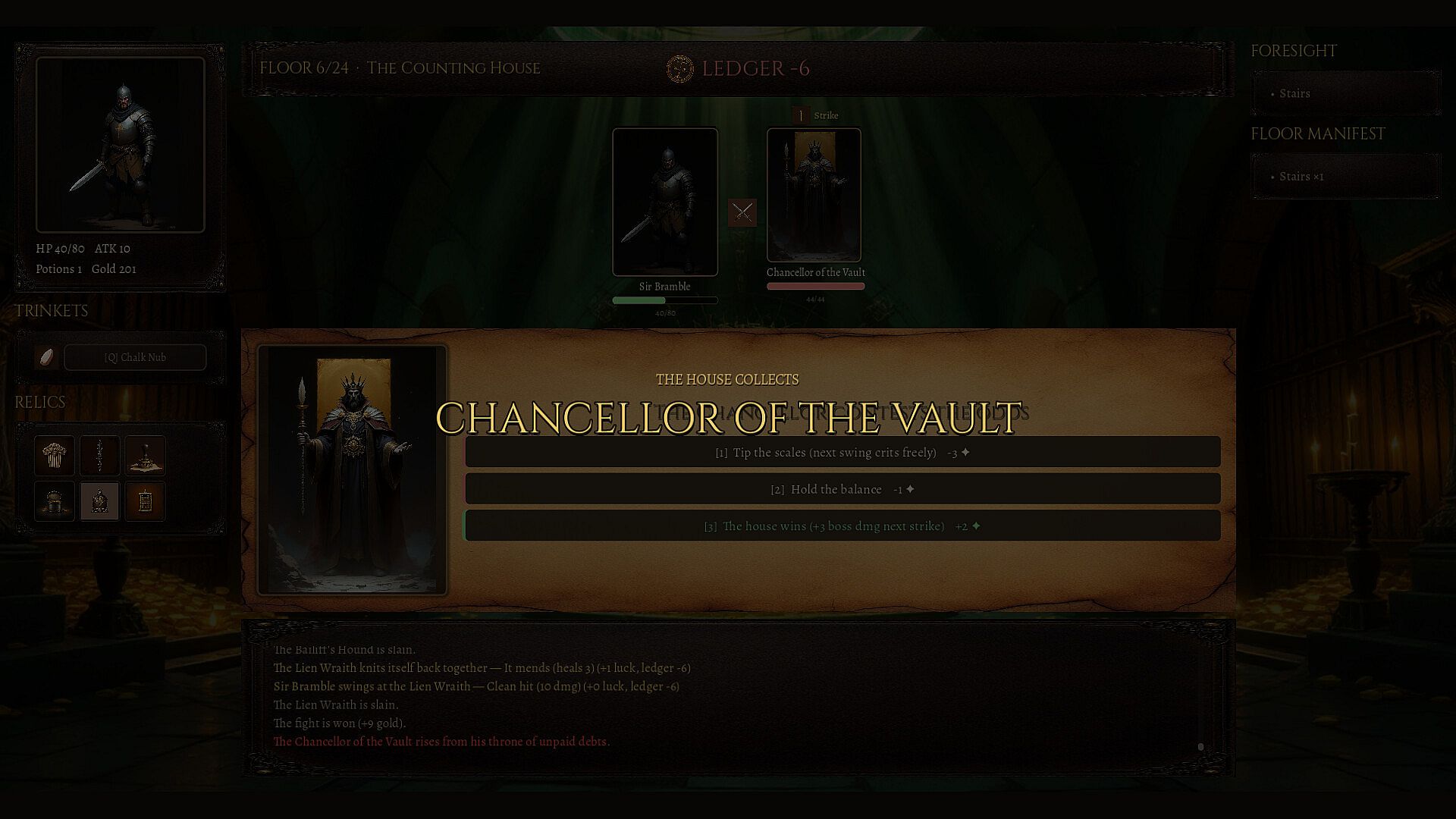
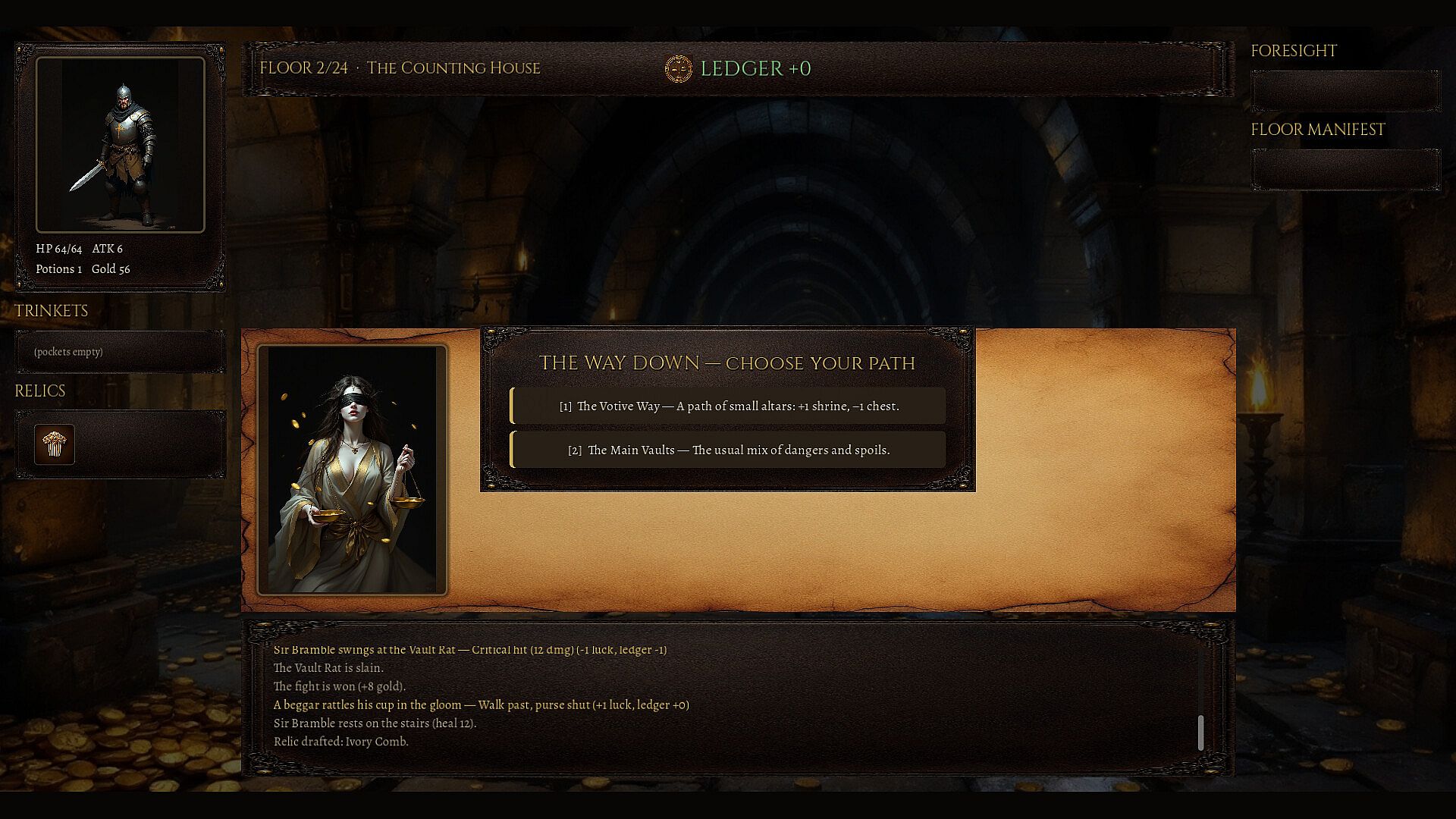
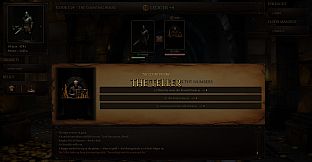
The core loop revolves around managing a single luck balance that carries through the entire experience. Spending points allows critical hits or avoided damage, while accepting lesser results like grazes or empty chests replenishes the pool. This system turns random chance into deliberate strategy, as every choice affects the current run and future attempts. At the base of each staircase, the Audit occurs if the balance dips too low, with the Auditor seizing control of outcomes until the debt clears. Players must weigh aggressive borrowing against the need to settle accounts before bosses arrive.
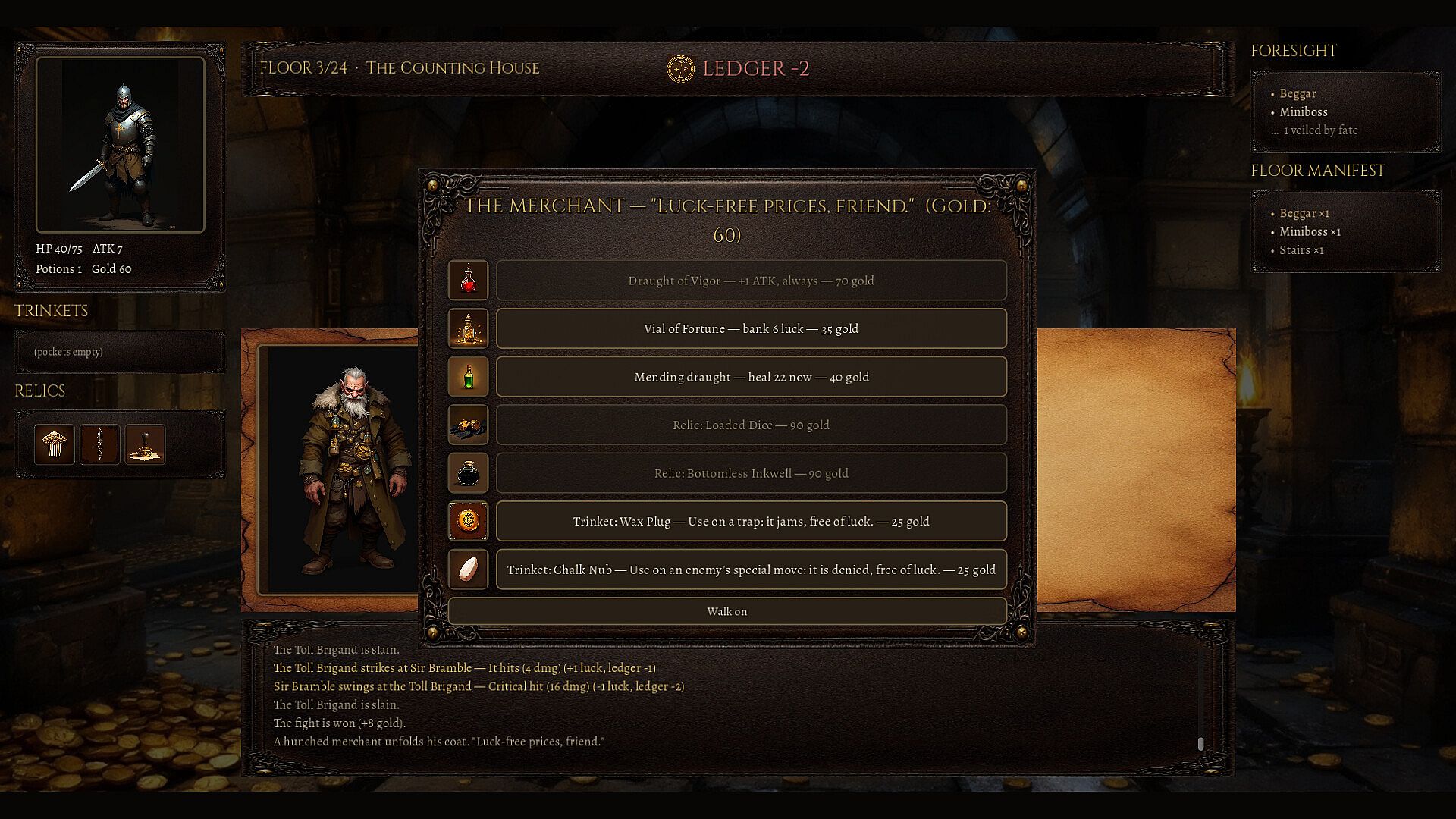
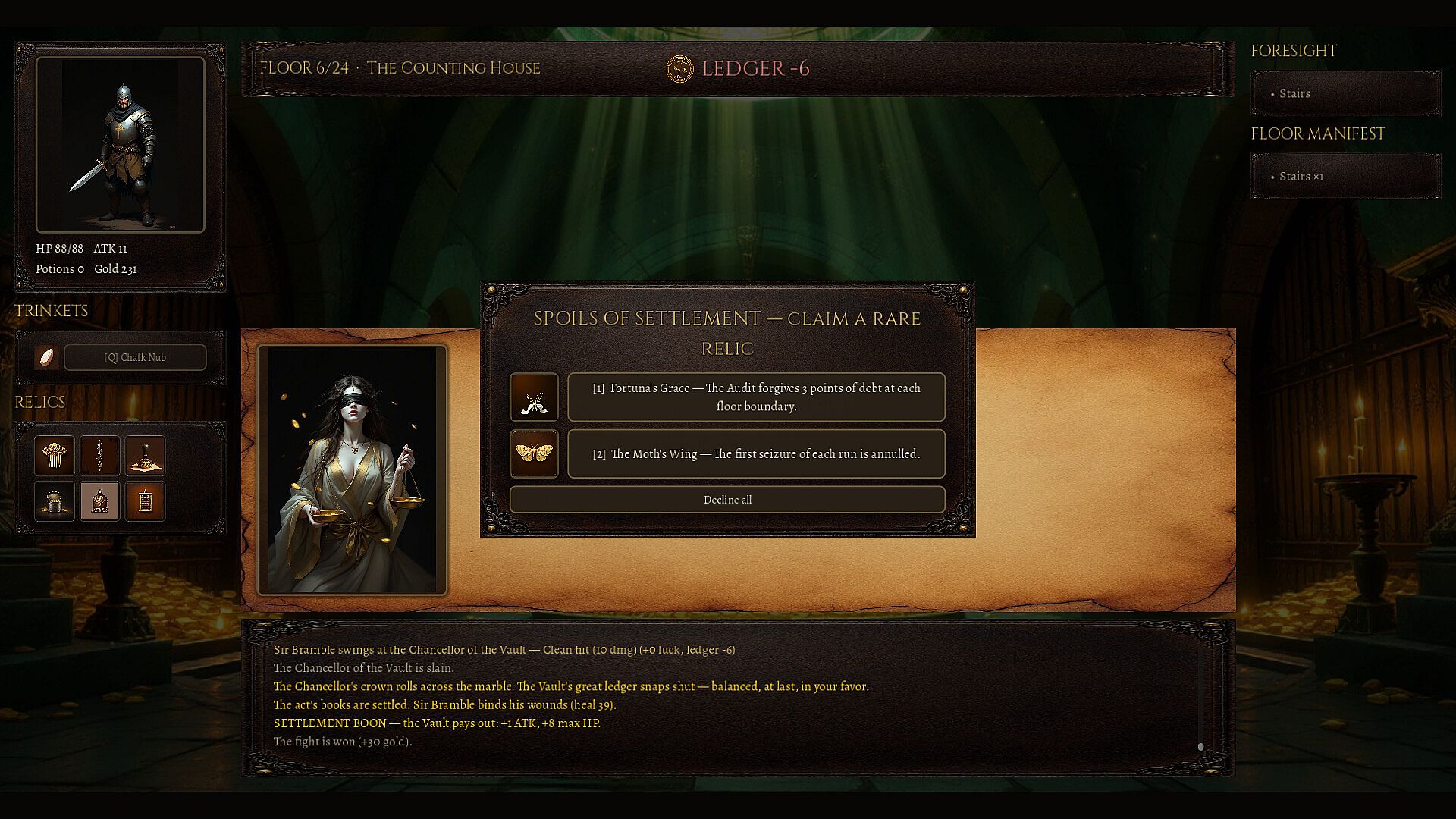
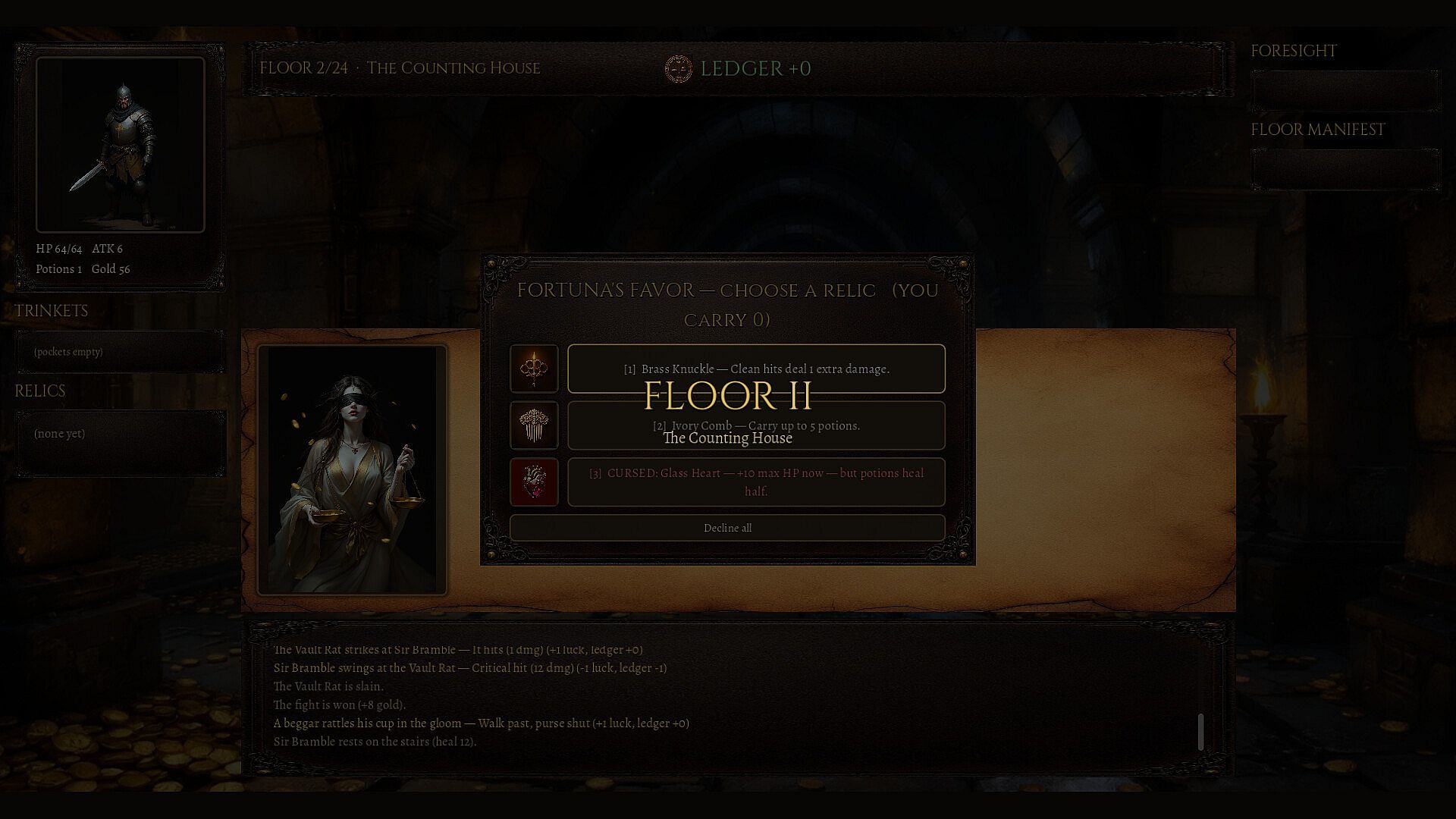
Relics number 65 in total and alter how luck interacts with combat, exploration, and rewards. Some provide advantages that bend standard rules, while others introduce drawbacks that demand careful planning. Encounters with a drifting Merchant offer trades, the Wheel of fortune presents high-stakes spins, and scattered shrines plus oddities provide additional ways to adjust the luck balance. An opening wager sets the tone based on performance from the previous attempt, encouraging adaptation over repeated plays.
Four distinct heroes each bring unique physical forms and personal arrangements with debt, shifting how the luck economy plays out depending on the chosen character. The focus remains on single-player progression through procedurally influenced floors where strategy emerges from resource decisions rather than direct control.
Game Modes
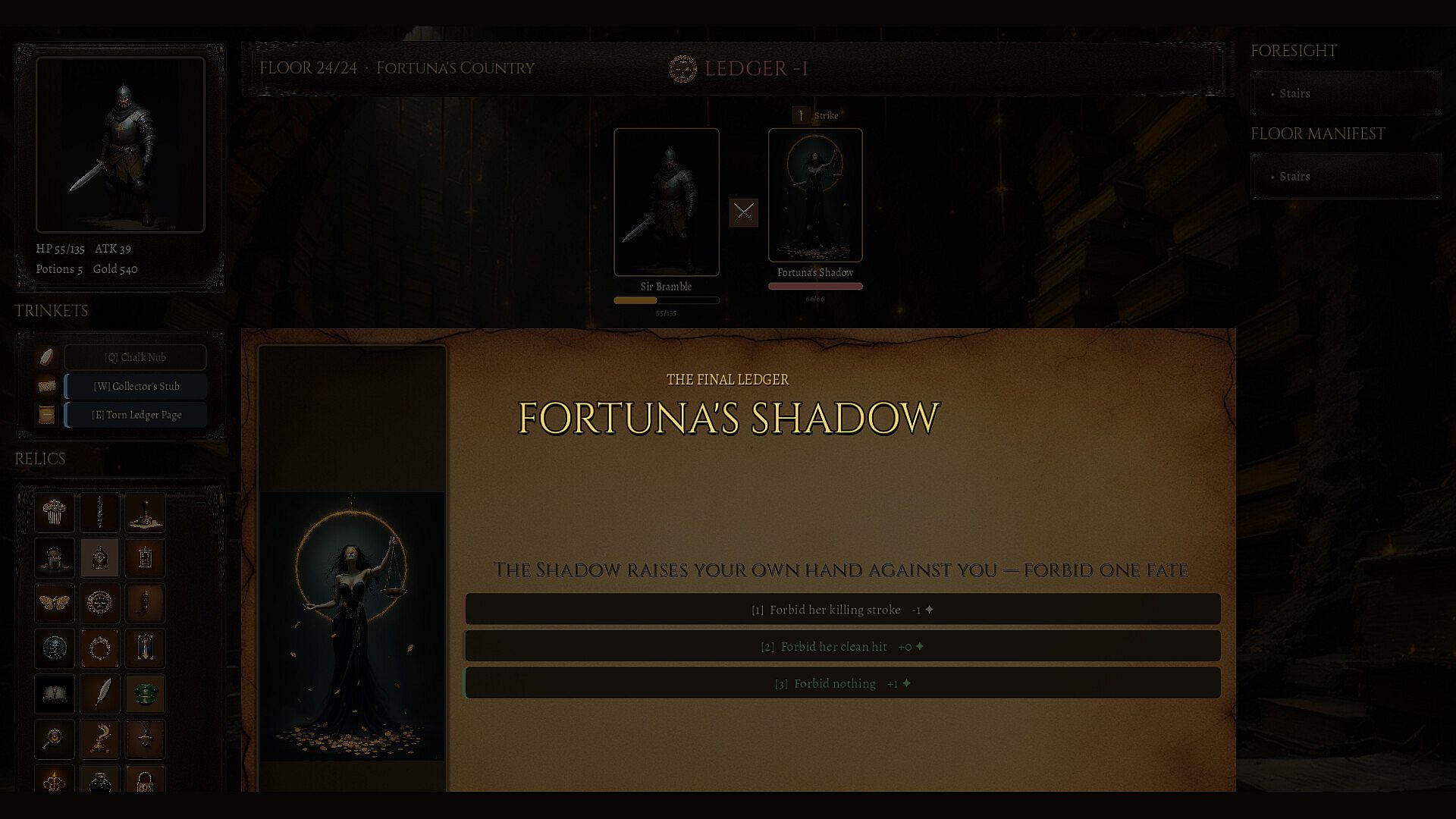
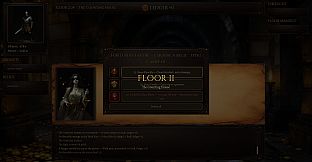
The primary experience unfolds across 24 floors divided into 4 acts. Each act concludes with a boss encounter that enforces collection of any outstanding luck debt. This structure emphasizes careful management throughout the Vault, as unchecked borrowing leads to harsher interventions during the Audit phases.
Prove it again introduces layered challenges that modify the base rules. Swearing Vows imposes self-imposed restrictions to heighten difficulty and alter luck interactions. Filling entries in the Bestiary and Cabinet tracks discoveries and unlocks further options. Climbing through 20 tiers of Audit compounds the pressure, stacking stricter accounting rules that make each subsequent run more demanding. These elements extend the core loop without introducing separate multiplayer or competitive formats.
The Vault and Its Challenges
Progression through the Vault demands constant attention to the luck ledger. Early floors allow experimentation with spending and earning mechanics, while later acts and boss fights test whether the balance holds under pressure. The four acts build in complexity, with each boss serving as a checkpoint that settles accounts before the next section begins.
Relics, merchant visits, and environmental features like the Wheel of fortune integrate directly into floor navigation and combat resolution. Players adapt strategies based on the current hero and any active Vows, turning each full traversal into a test of foresight. The conserved nature of luck ensures that decisions made on floor one influence the outcome on floor 24.
Is It Worth Playing?
Fortuna's Ledger appeals to players who enjoy strategy indie RPGs centered on resource management and risk assessment rather than traditional action or character progression. The luck economy creates meaningful choices in every encounter, rewarding those who plan around potential debt and the recurring Audit. With four heroes and extensive relic variety, repeated runs offer fresh approaches even after multiple completions.
The Prove it again system, including Vows and Audit tiers, provides structured escalation for those seeking greater challenge after mastering the base Vault. Availability on PC supports focused solo sessions where the emphasis stays on ledger decisions across the 24-floor structure. Those drawn to indie titles that treat chance as a manageable currency will find the mechanics engaging and distinct from standard roguelike or RPG fare.