






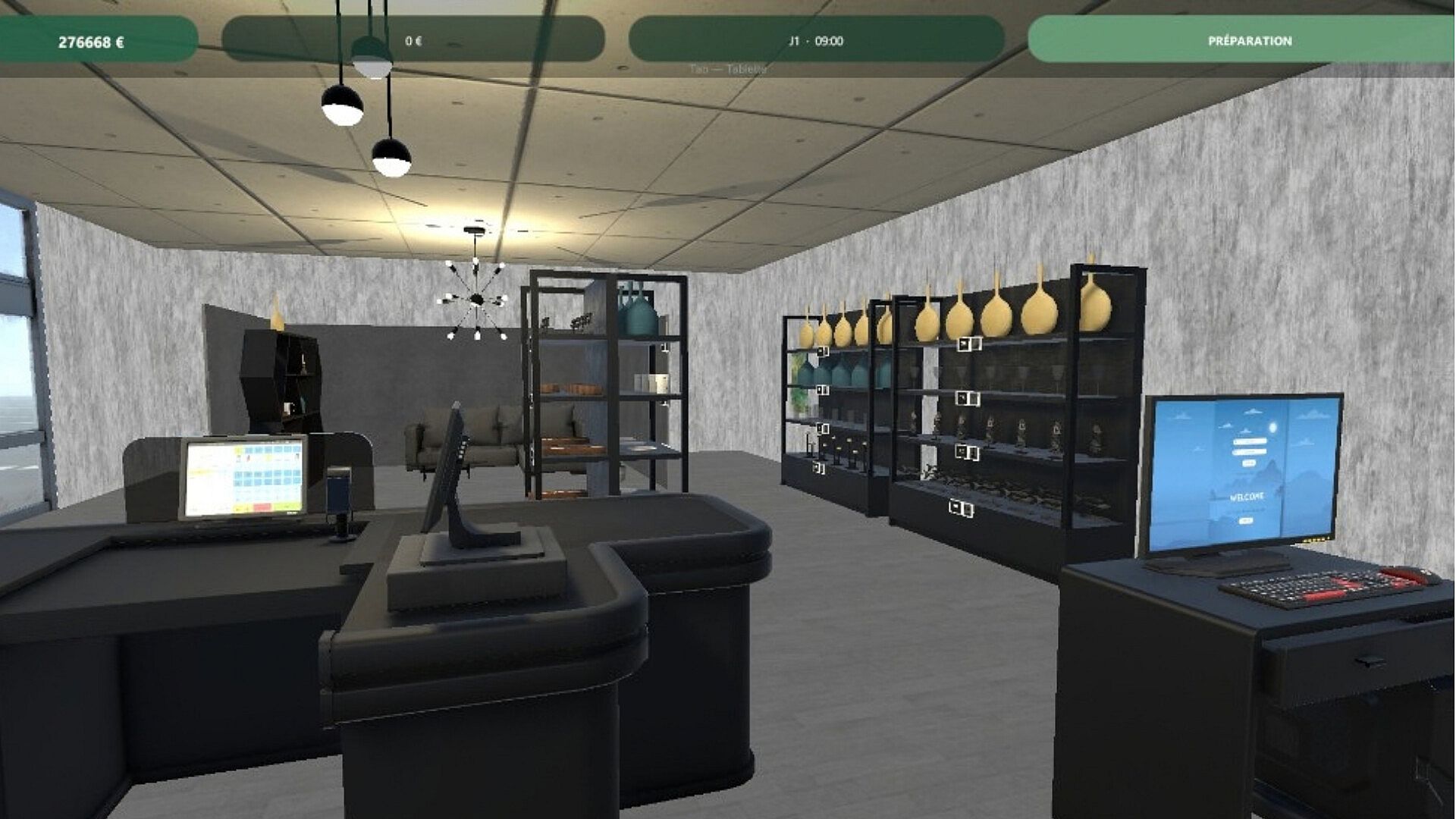
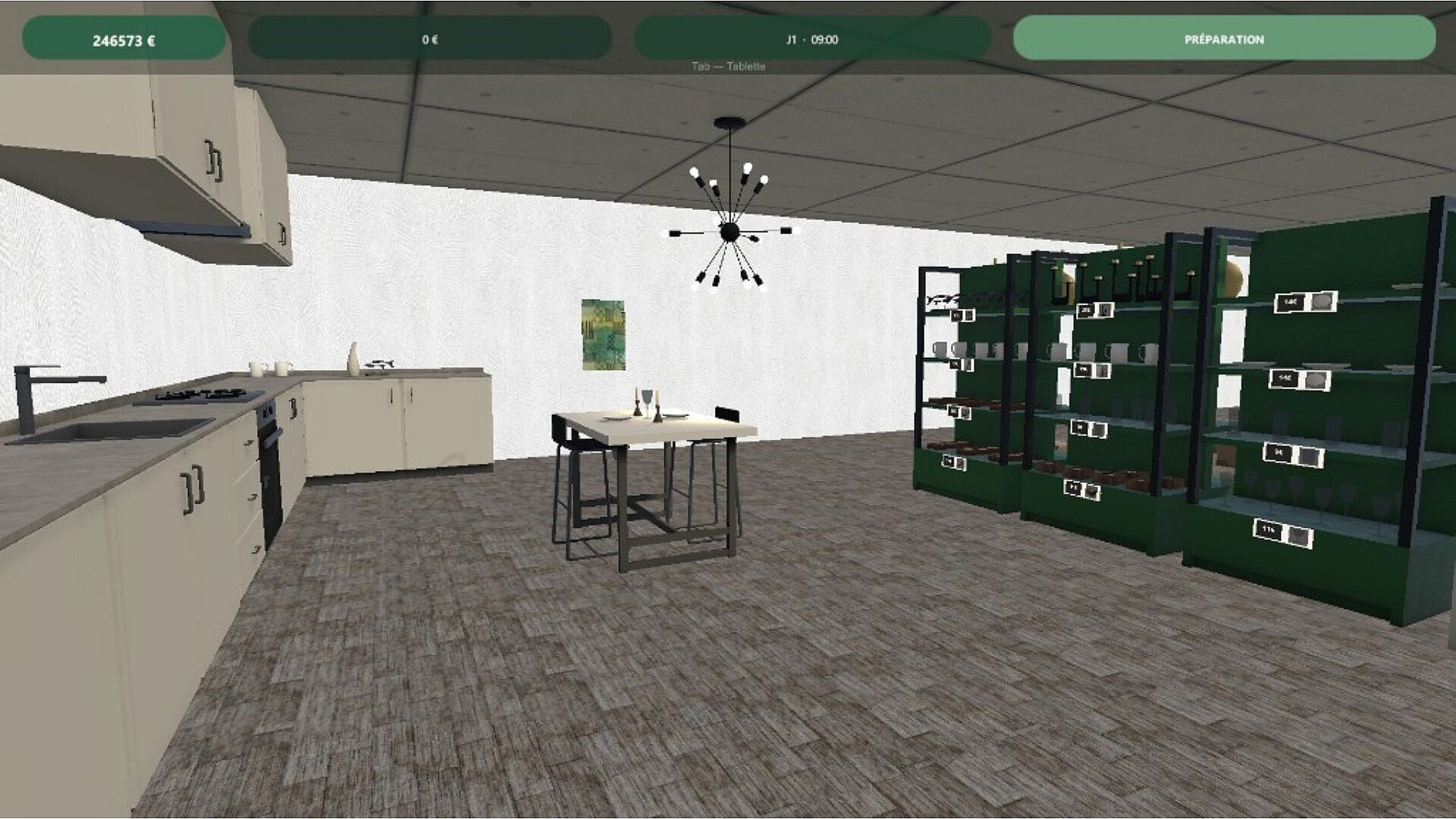
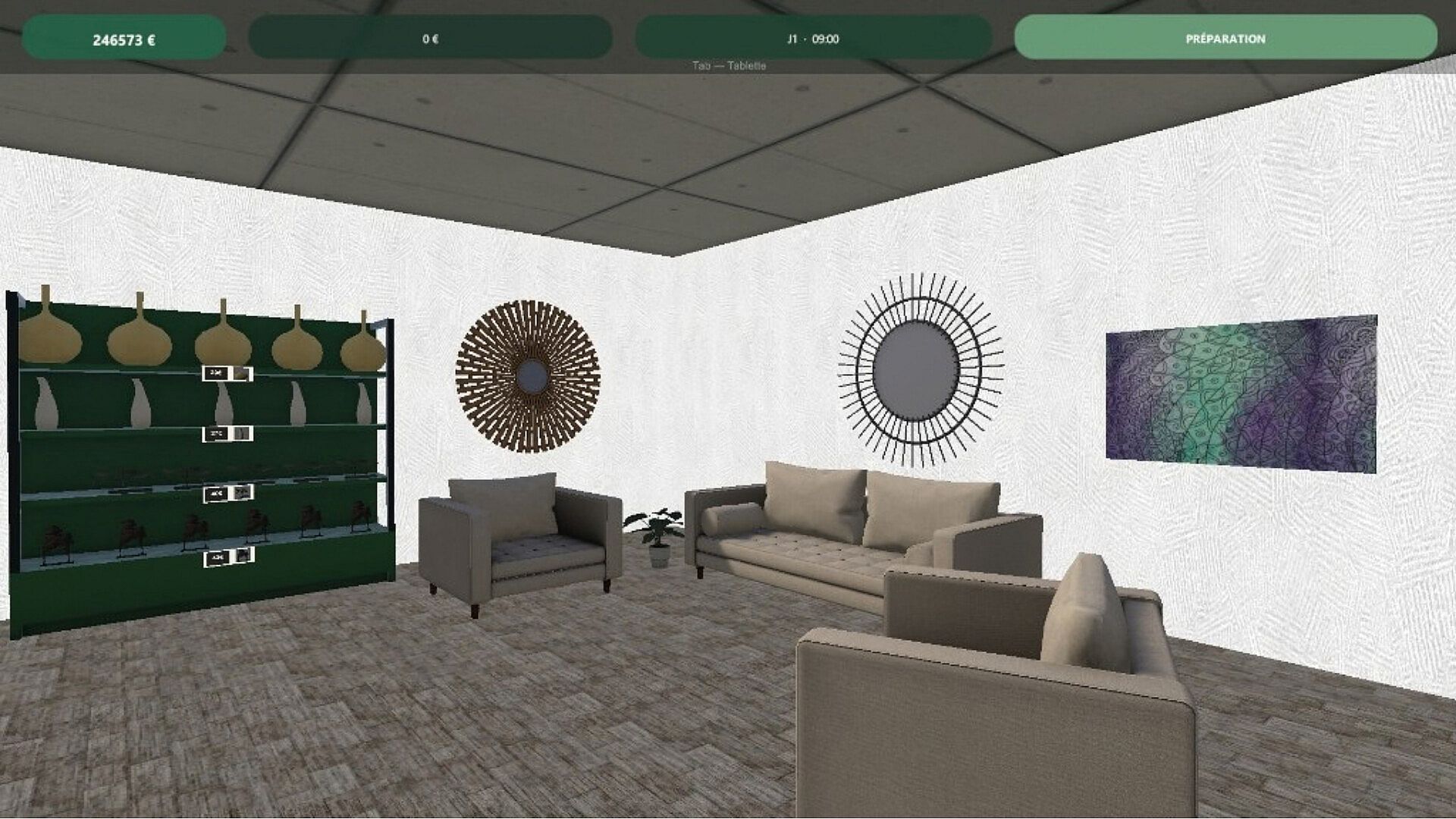
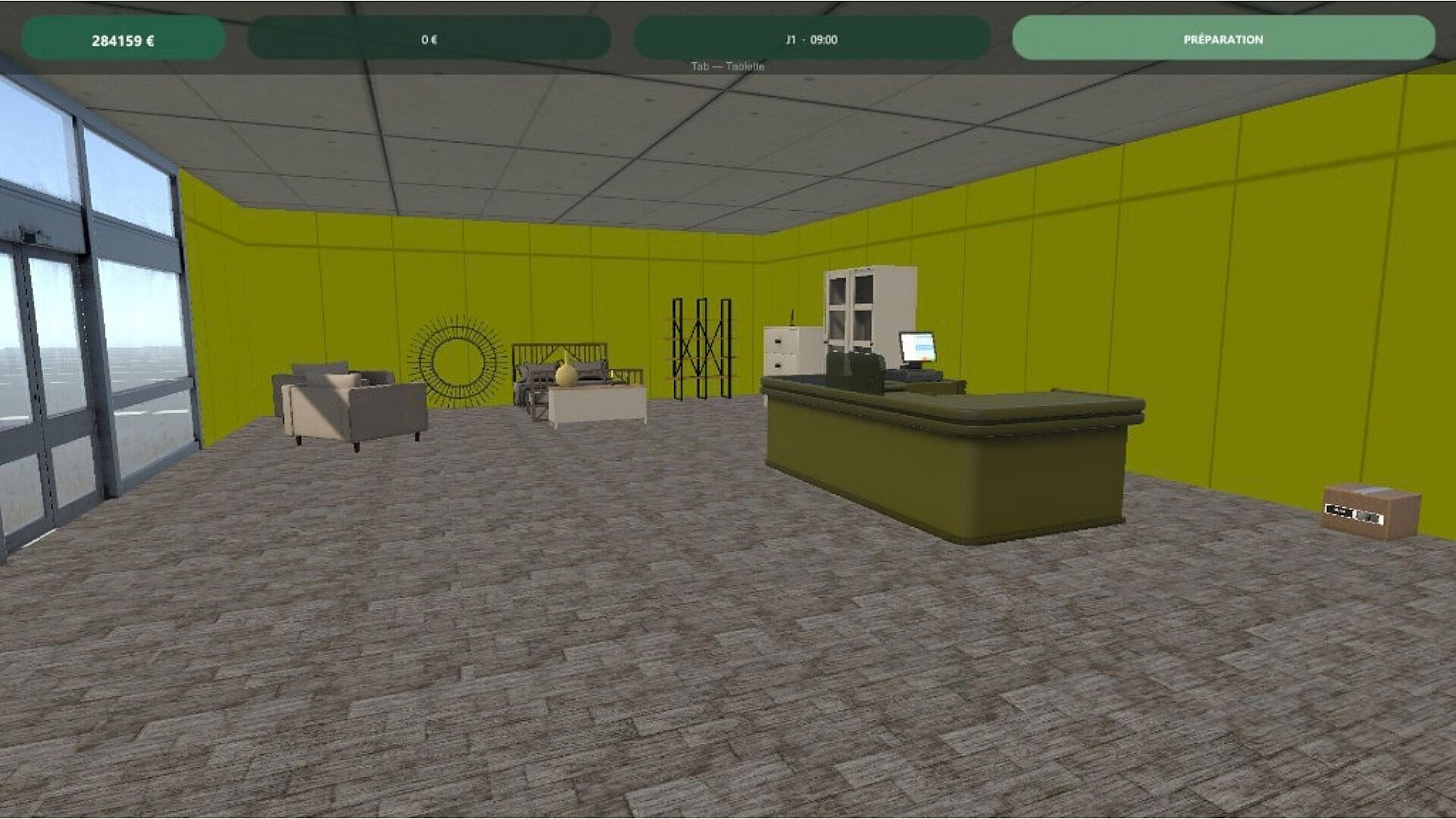
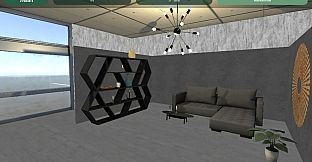
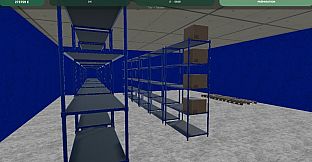
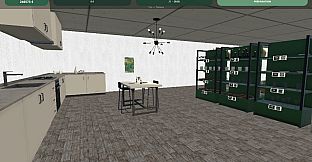
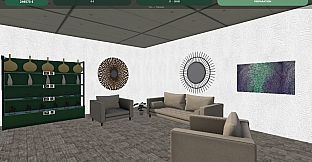
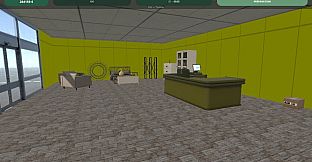
Furniture Store Simulator is a first-person simulation game where players manage a furniture and home decor retail business on PC. The experience centers on running daily operations while designing showrooms that directly influence customer behavior and sales. Players handle ordering inventory, adjusting prices, processing payments at checkout, and arranging items to create appealing displays that encourage purchases.
Gameplay
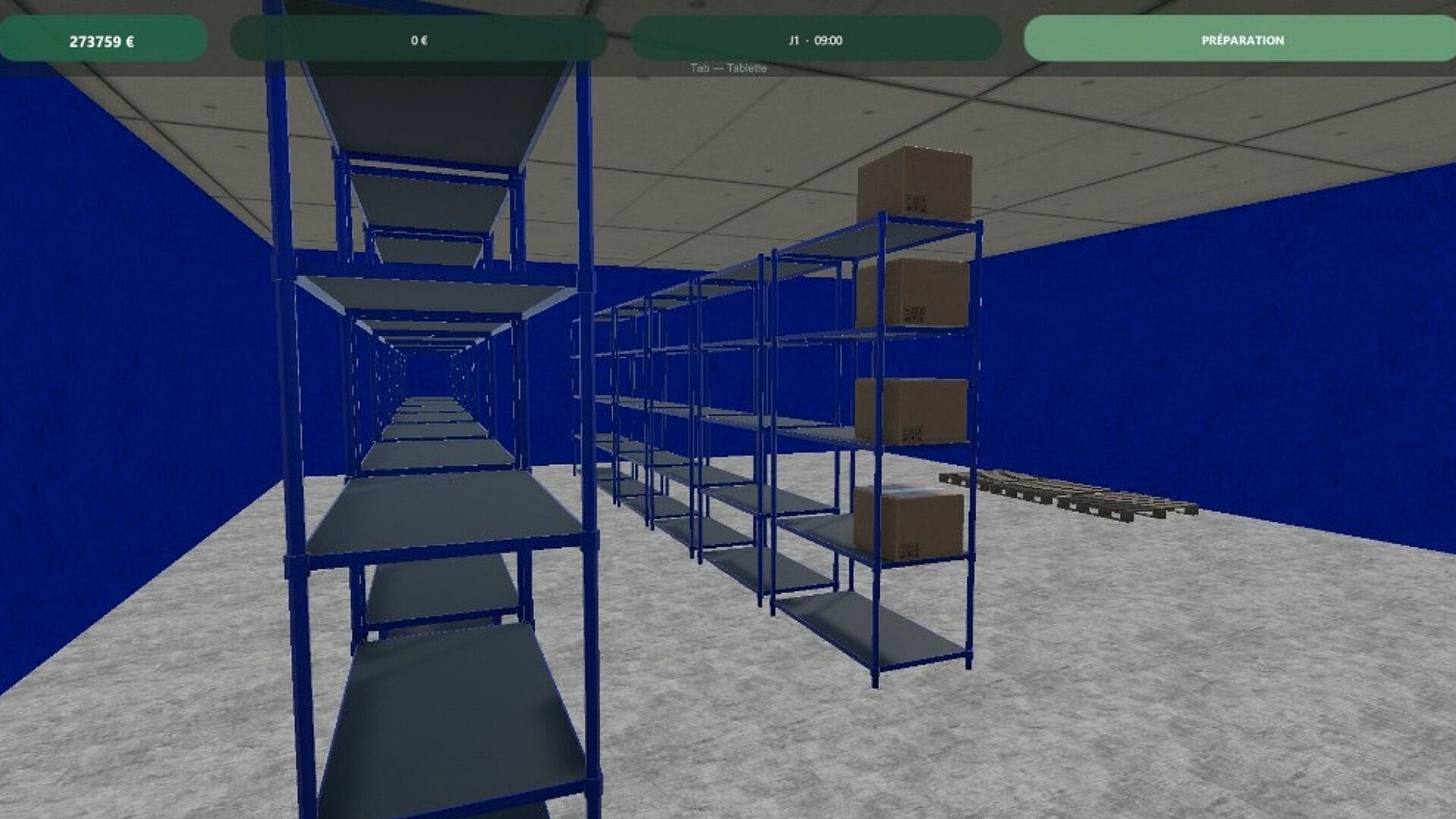
The core loop involves stocking the store, pricing individual pieces, and serving customers throughout the day. Inventory management requires monitoring stock levels to avoid shortages, while pricing decisions affect how quickly items move. At the end of each day the store closes, allowing time for adjustments before the next opening.
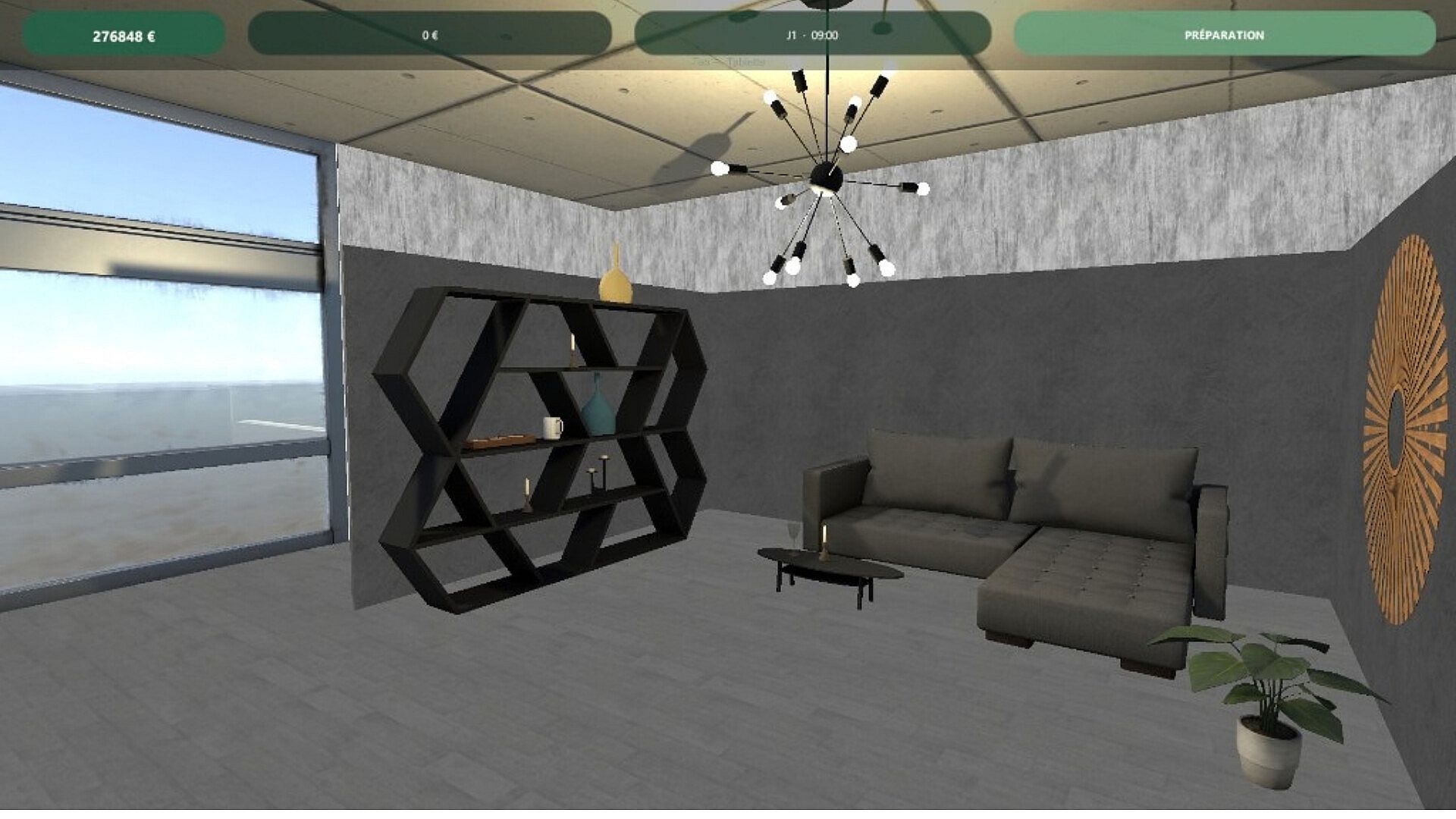
Decoration plays a central role in success. Items placed in coherent room setups sell better than those left stacked in storage areas. Players can position furniture and decor on floors, walls, and ceilings to shape customer attention and dwell time. Lighting and layout choices matter because they guide what visitors notice and ultimately buy. New styles unlock as the business grows, starting with options like industrial loft designs and expanding into additional collections.
Shop expansion adds floor space and new areas, turning an initially empty location into a more complete retail environment. The single-player focus keeps attention on personal decision-making around inventory, presentation, and profitability without external competition or multiplayer elements.
Game Modes
The game follows a structured daily cycle rather than offering separate named modes. Each session opens with the store ready for customers, moves through sales and service at the register, and ends with closing procedures. After hours players can restyle the showroom, reposition items, and prepare for the next day based on what sold or underperformed.
This cycle repeats as the business develops. Growth comes through unlocking additional furniture styles, expanding the physical space, and refining the balance between visual appeal and revenue. The approach suits players who enjoy iterative management and creative placement within a consistent single-player framework.
Store Management and Design
Success depends on keeping the showroom stocked and visually organized while maintaining positive cash flow. Players buy inventory in advance, watch for low stock warnings, and set prices that reflect demand and presentation quality. Checkout interactions handle payments and keep the sales area clear for the next wave of visitors.
Interior design extends beyond basic placement. Coherent room vignettes featuring sofas, tables, lamps, artwork, and plants draw longer customer stays and higher purchase rates. Free placement allows experimentation with wall-mounted pieces and overhead elements, giving control over how each area feels and functions.
Is It Worth Playing?
Furniture Store Simulator targets fans of casual store management simulations who also appreciate interior arrangement mechanics. The planned Early Access release in December 2026 will deliver the core loop of stocking, pricing, checkout, and showroom decoration that affects sales. Developers intend to expand the catalog, refine customer behavior, and add store growth options based on player input during the approximately 12-month Early Access period.
Because the game remains in development with no user reviews available yet, prospective players should consider their interest in the described systems. Those drawn to single-player experiences that combine business oversight with creative layout work may find the day-to-day progression rewarding once Early Access begins. The title stays single-player only with no microtransactions planned.











