


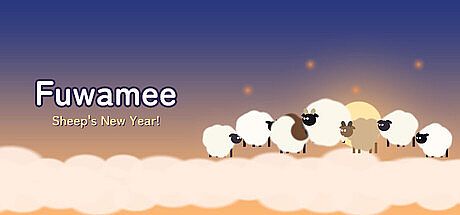


Fuwamee: Sheep's New Year! delivers a collection of nine short minigames built around sheep and traditional New Year themes. Released for PC in the action, indie, and casual genres, the title focuses on quick sessions that last only a few minutes each while offering depth through score chasing and repeated plays. Players handle simple controls across varied mechanics, from floating through skies to matching tiles or fending off legendary beasts, all wrapped in a festive sheep-centric setting tied to the Year of the Sheep.
Gameplay
Each minigame emphasizes straightforward rules that players grasp immediately, yet they reward practice and precision for higher scores. Sessions stay brief, allowing players to cycle through several in one sitting without long commitments. Controls support keyboard, mouse, or gamepad, with toggles available to disable screen shake or reduce flashing effects for comfort. The core loop involves completing objectives like gathering items, timing actions to beats, or stacking elements, all while avoiding hazards that end runs early. Golden fluff earned across games unlocks new sheep breeds that then appear in every minigame, adding visual variety and motivation to return. A daily fortune draw highlights one minigame for double rewards, encouraging daily check-ins. Leaderboards track performance, and select minigames include daily challenges with identical layouts for all players.
Game Modes
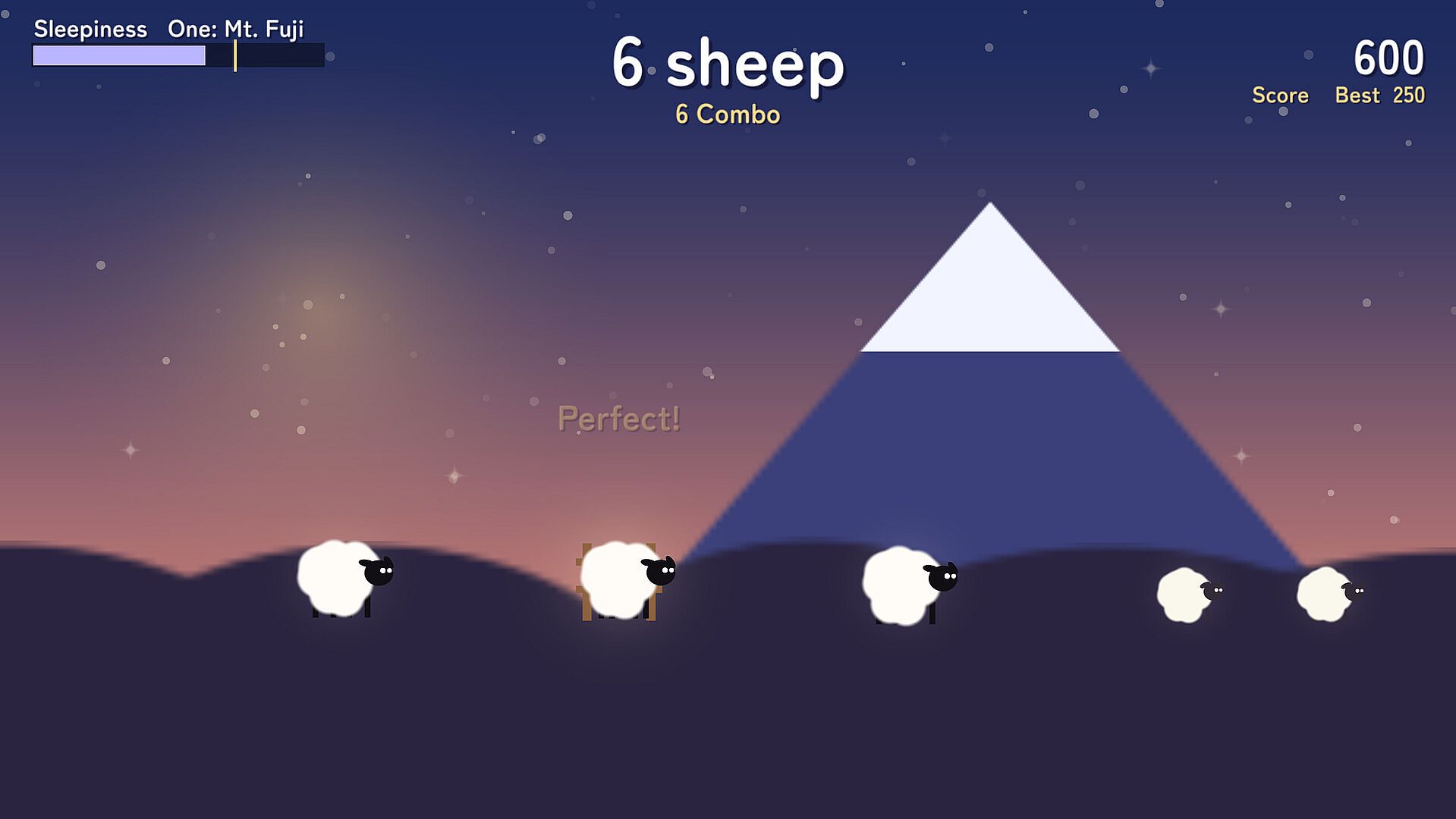
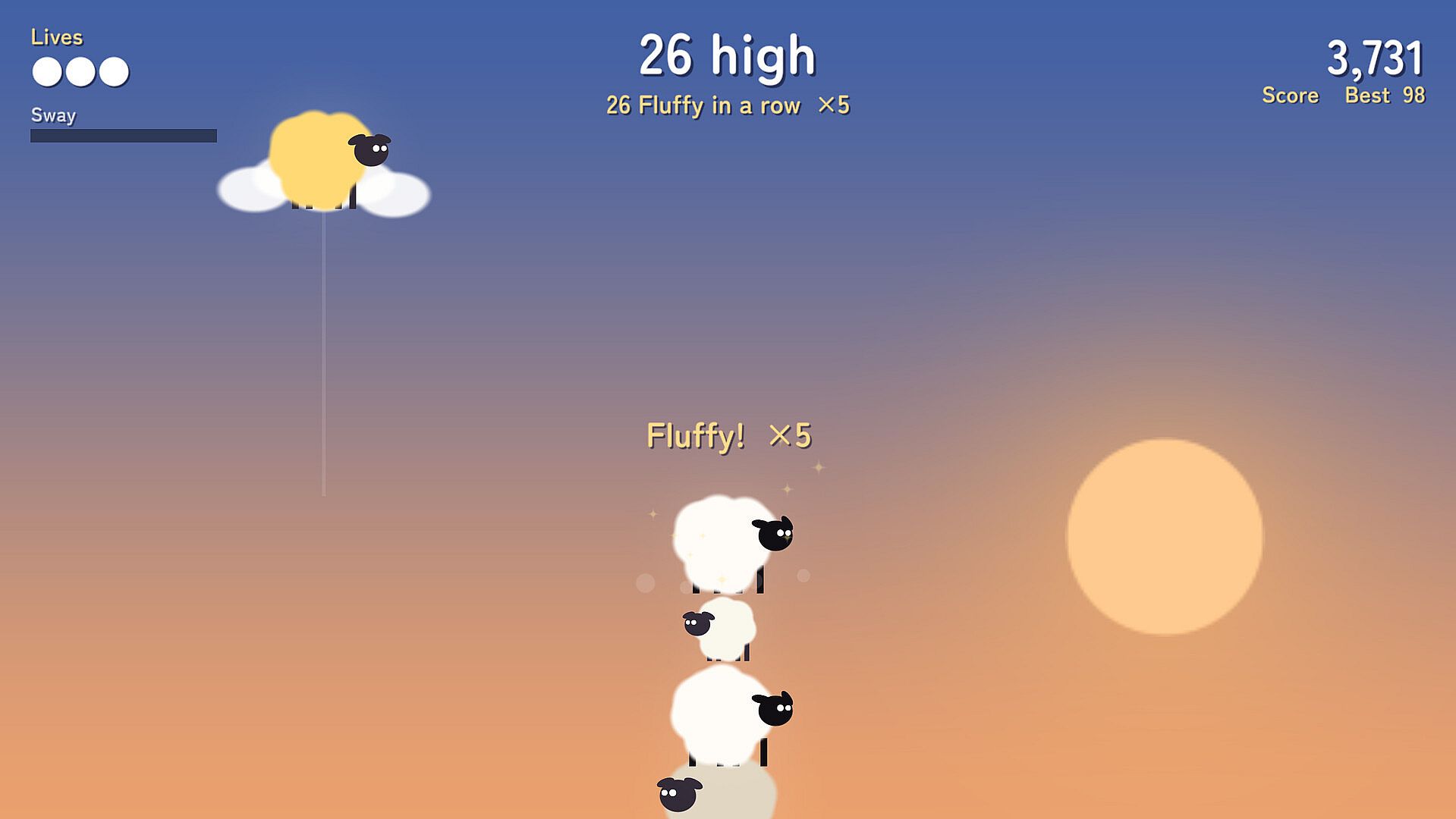
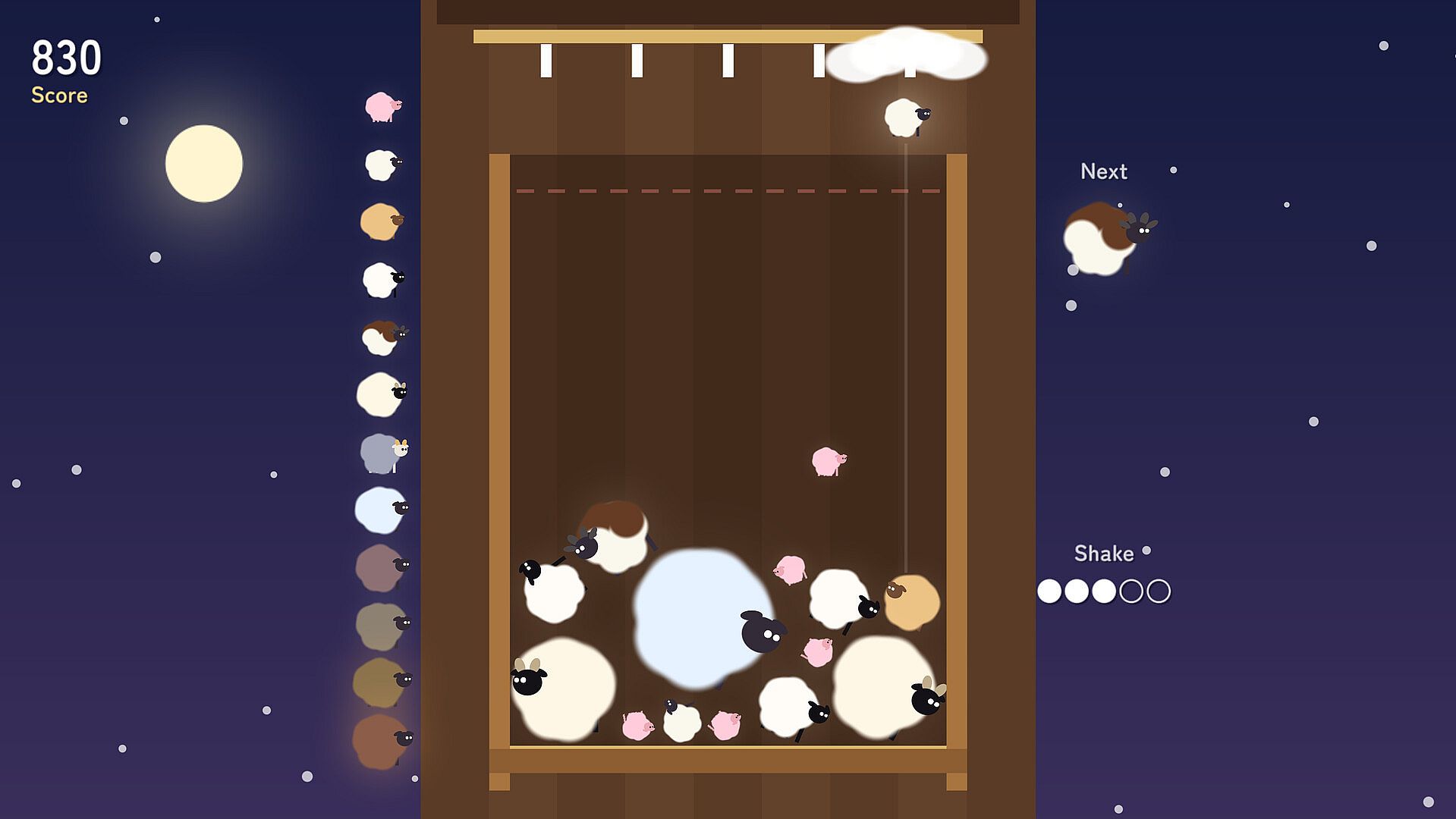
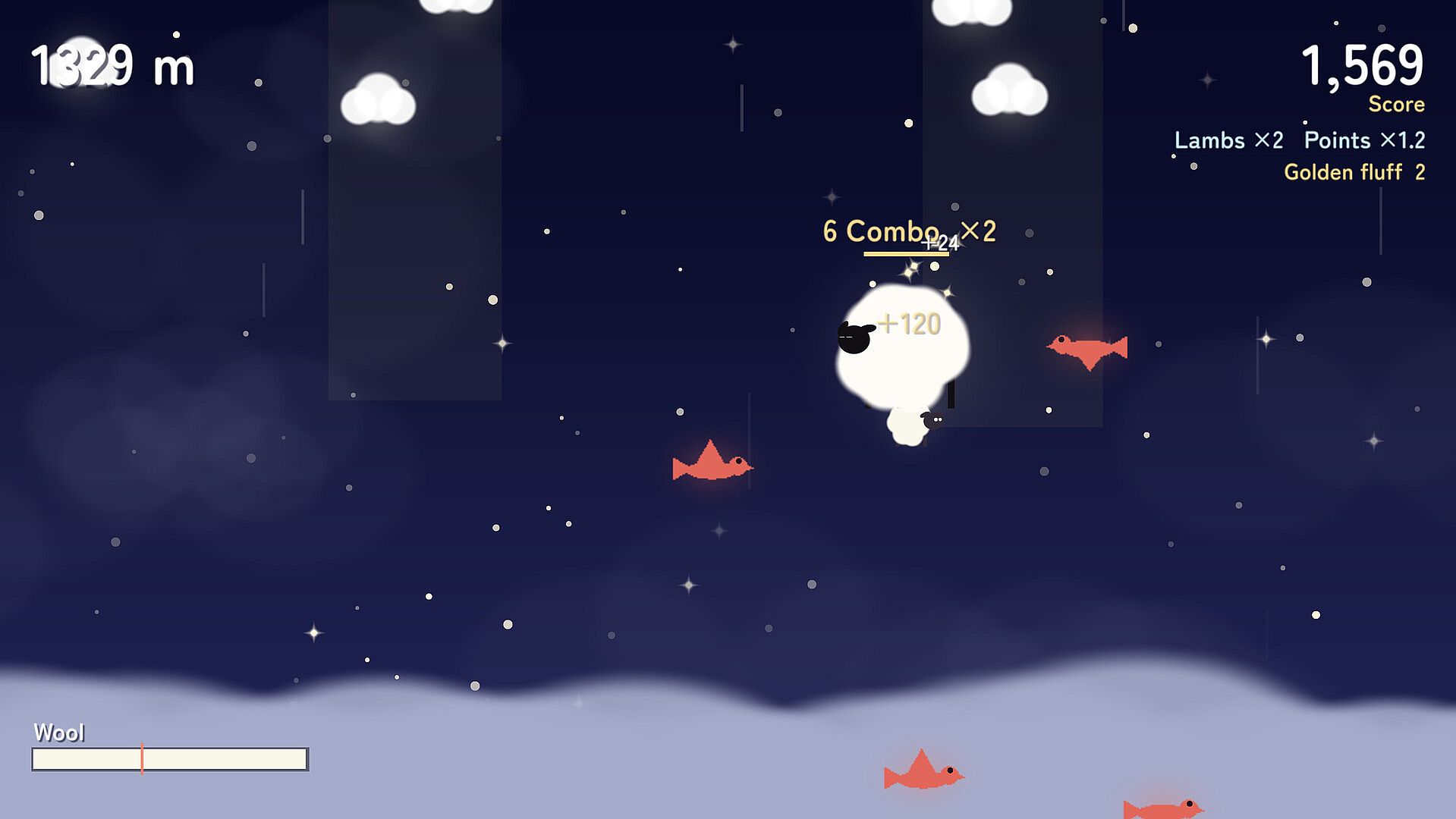
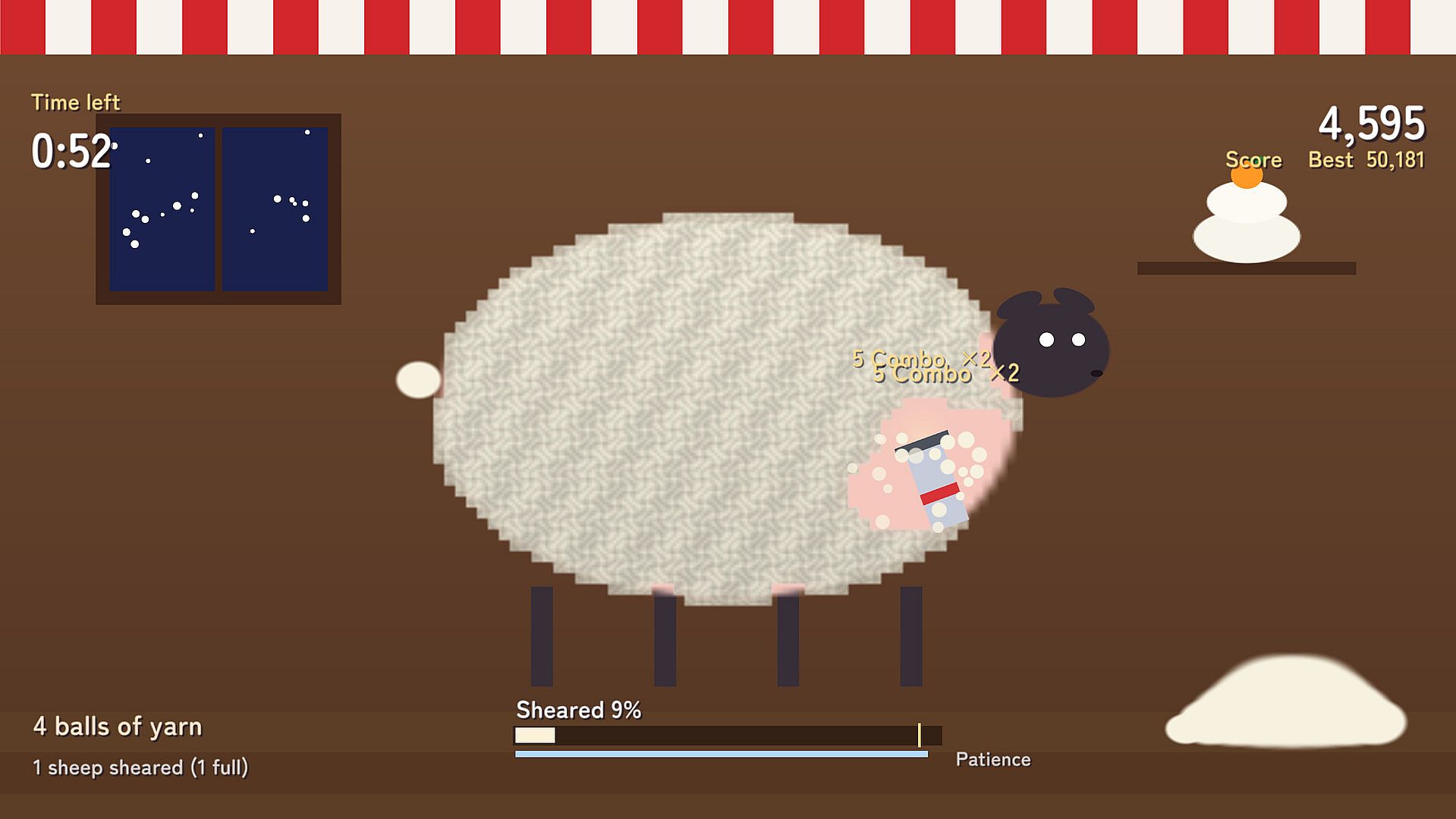
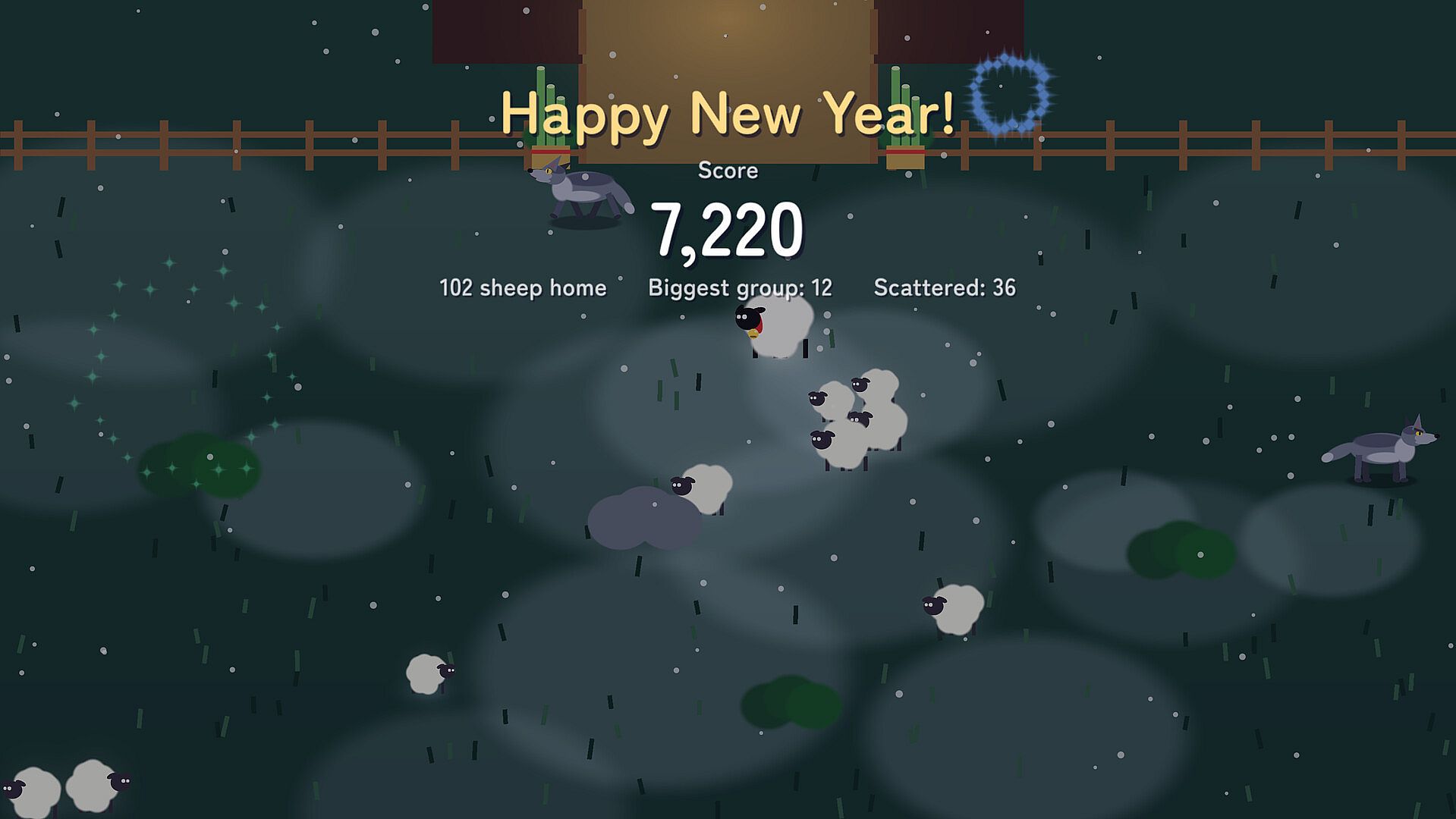
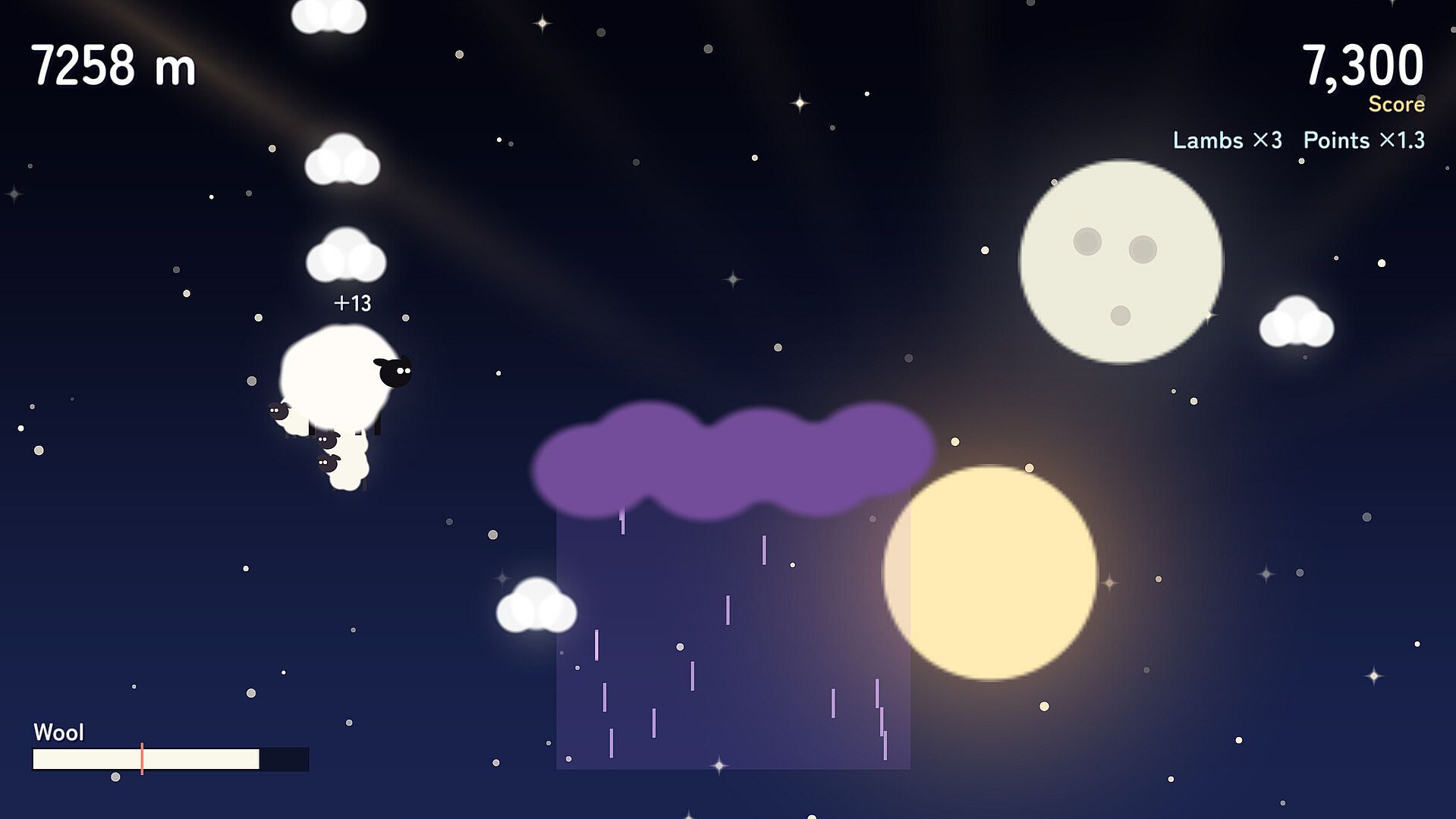
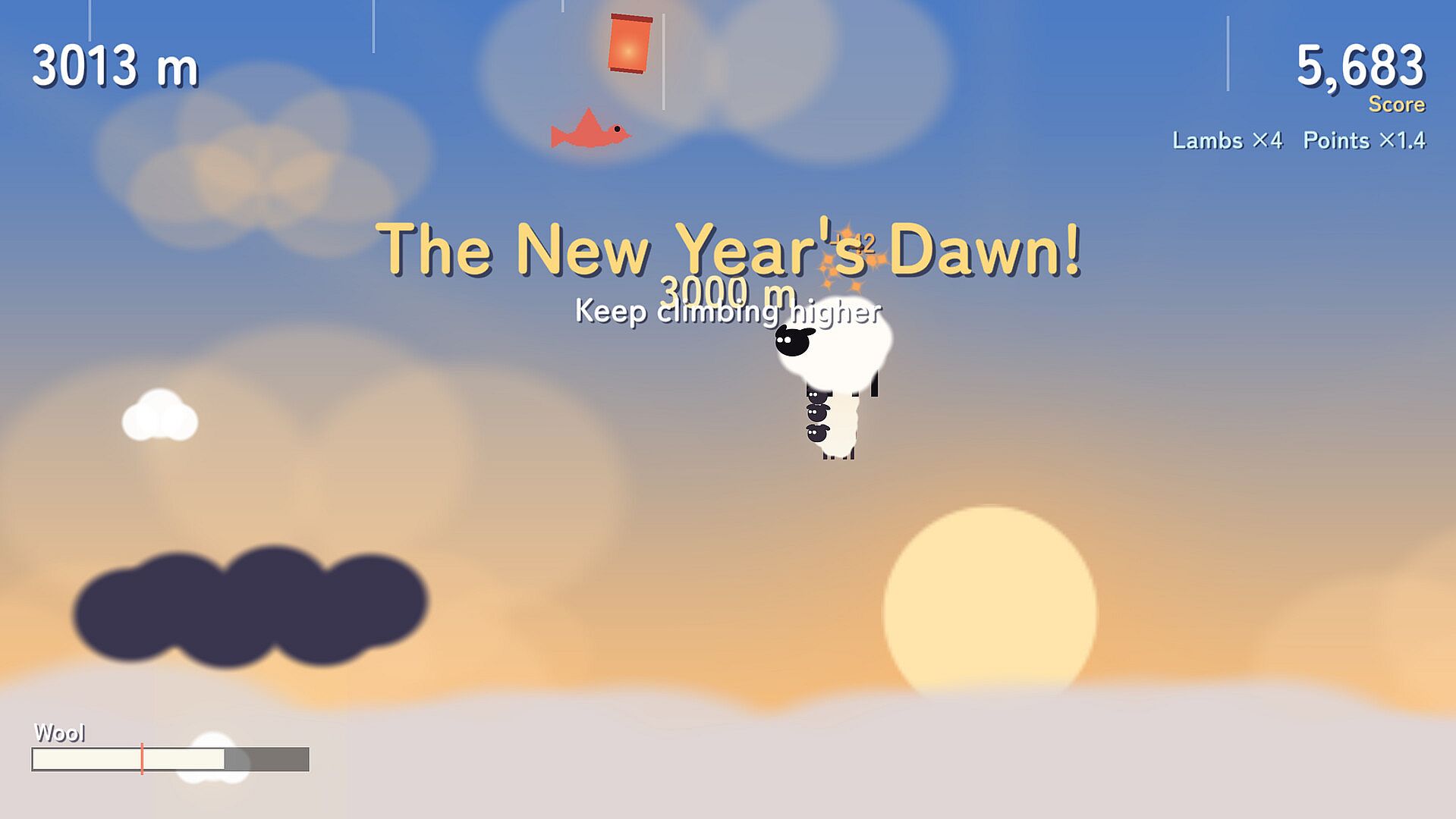
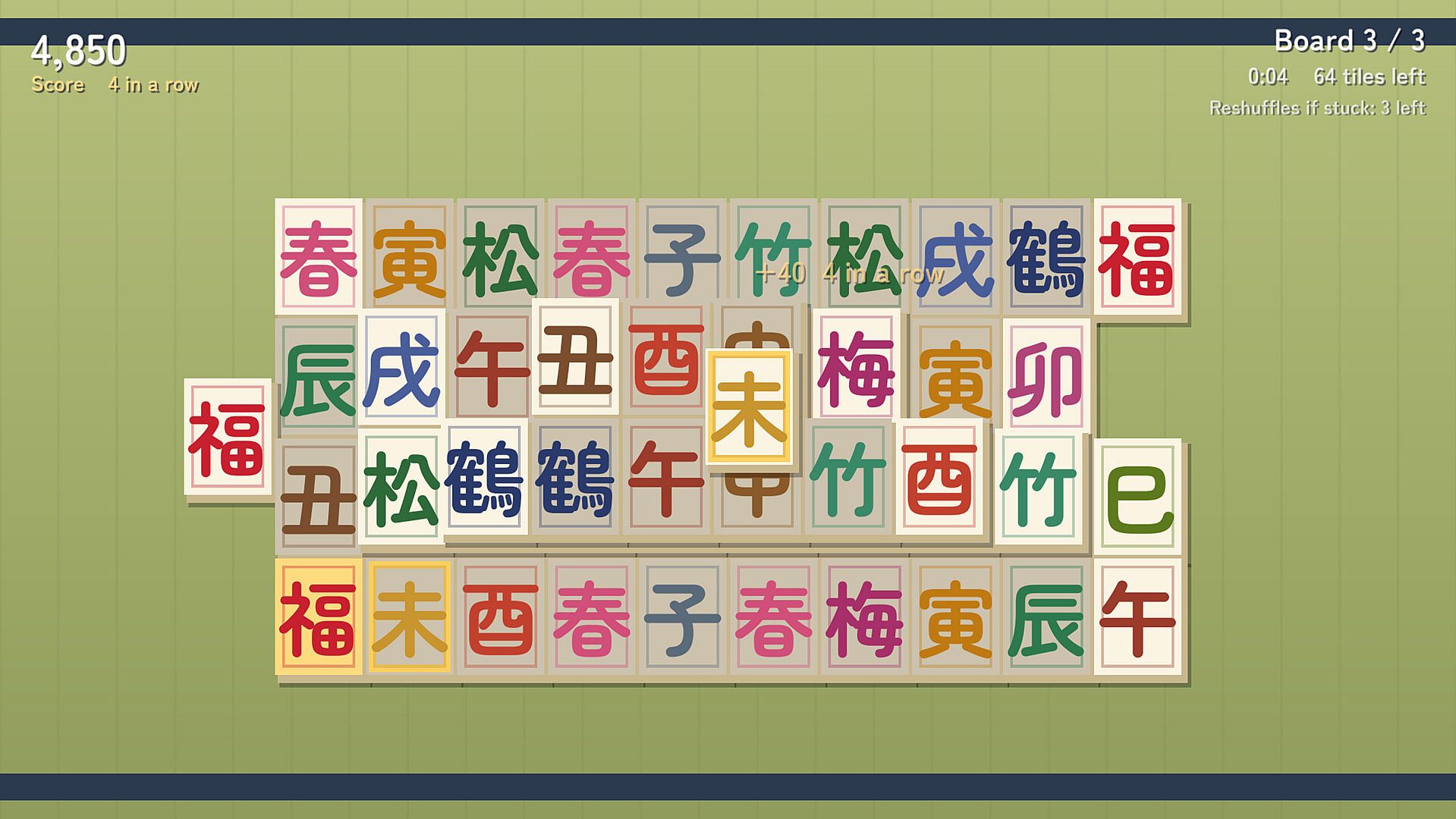
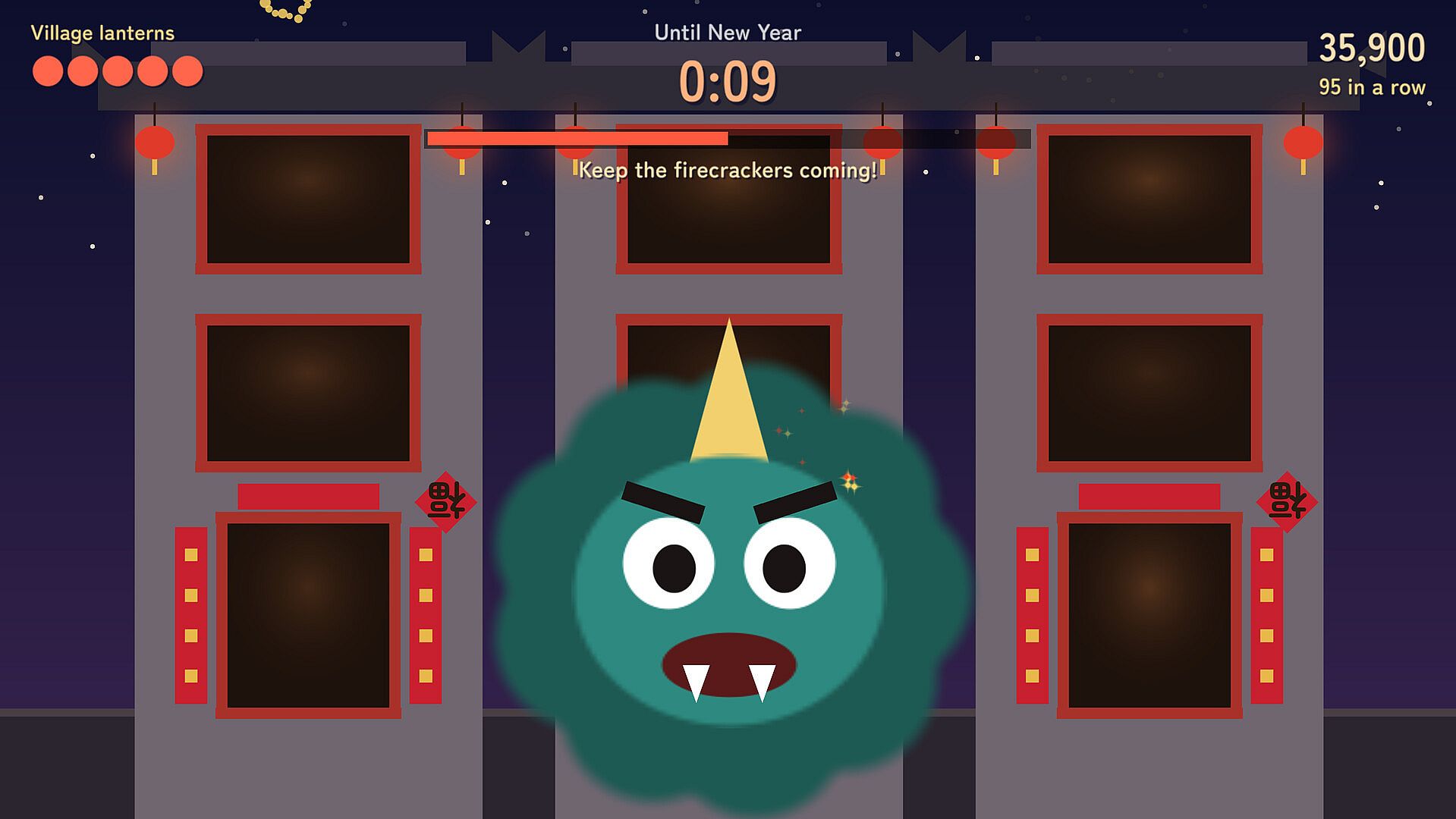
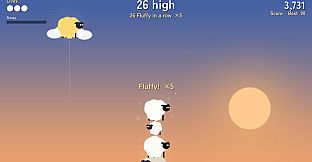
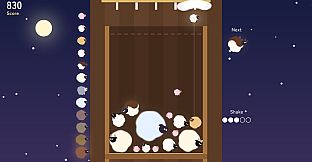
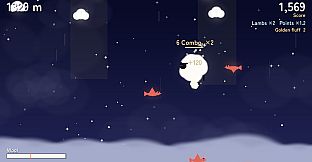
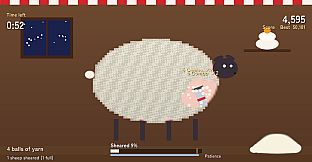
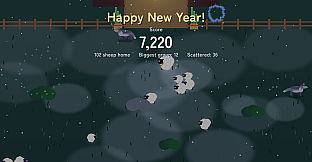
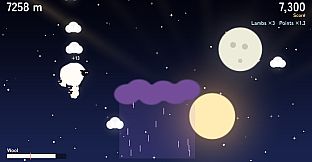
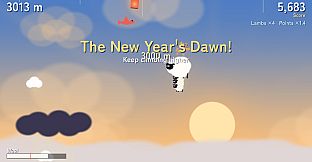
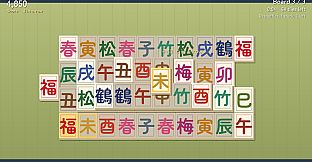
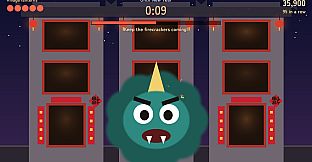
The nine minigames form the main modes, each with distinct mechanics. Cloud Sheep involves eating clouds to grow wool, floating upward while dodging birds and thunderclouds, collecting lambs, and aiming for the stratosphere or Moon. Counting Sheep: First Dream operates as a one-button rhythm game where players count leaping sheep to the beat and avoid disguised wolves to reach a lucky dream sequence. Flock Home requires herding scattered sheep home before midnight on New Year's Eve, with larger groups yielding better scores amid wolf threats. Master Shearer focuses on clean shearing in a barn followed by spinning fleece into yarn, where haste causes sheep to fidget. Fluffy Tower challenges players to stack sheep high enough to view the first sunrise, with precise landings causing the tower to settle softly. Sheep Hanetsuki adapts a traditional Japanese paddle game using a shuttlecock, where misses result in ink doodles on wool, supporting versus or co-op rally against CPU or friends. Fluffy Merge lets players drop sheep from clouds to combine matches into larger ones, growing from lamb to Sunrise Sheep without overflowing the box. Zodiac Tiles presents a relaxing pair-matching puzzle with zodiac and good-luck tiles, where sheep-marked tiles score double and layouts refresh daily. Scare Off the Nian draws from Lunar New Year legend, tasking players with throwing firecrackers at peeking beasts to protect a village while watching for the Great Nian before midnight.
Multiplayer Options
Two minigames support shared play. Sheep Hanetsuki offers versus matches or co-op rally on one screen via split keyboard or two gamepads, plus online sessions through remote play features. Scare Off the Nian includes co-op support on the same screen or remotely. These options suit local or distant friends seeking light competition or cooperation without complex setup. Single-player remains fully viable across all modes, with CPU opponents available in relevant games.
Is It Worth Playing?
This title suits players who enjoy short, varied minigame collections with a lighthearted theme and easy entry. The mix of action, rhythm, puzzle, and stacking elements provides variety within quick playtimes, while progression through golden fluff and breed unlocks adds long-term appeal for those who like collecting and improving scores. Accessibility options and language support in English, Japanese, and Simplified Chinese broaden its reach. Steam achievements and leaderboards further encourage repeated attempts. Those seeking relaxed sessions around New Year motifs or simple high-score challenges will find consistent entertainment here, especially if they prefer games that fit into brief breaks rather than extended campaigns. The independent structure keeps focus on the minigames themselves without additional layers.












